

Free Eastern Desert Travel Guide & Mobile App
Explore Eastern Desert with free travel guides. Discover regional history, expert tips, proposed trips, and audio guides on web or mobile app.


Explore Jordan’s Eastern Desert for basalt ruins, Umayyad castles, Azraq wetlands, wildlife reserves and wide landscapes shaped by ancient routes.
Read more about Eastern Desert
When is the best time to visit Eastern Desert?
Best: March–April, November · 22–28°C| Month | High (°C) | Rainfall (mm) |
|---|---|---|
| January | 16 | 10 |
| February | 18 | 8 |
| March (best) | 22 | 6 |
| April (best) | 28 | 4 |
| May | 33 | 2 |
| June | 38 | 1 |
| July | 40 | 1 |
| August | 40 | 1 |
| September | 37 | 2 |
| October | 33 | 4 |
| November (best) | 26 | 6 |
| December | 18 | 8 |
Getting to and around Eastern Desert
How to get there
Transportation
Top city travel guides in Eastern Desert
The cities of Eastern Desert, and the easiest places to base yourself.
-

-

-

-
-

-


Swipe for more cities
Destinations in Eastern Desert
Resorts, valleys and scenic spots worth a trip of their own.
-

-

-

-
-

-


Swipe for more destinations
Best attractions in Eastern Desert
The Eastern Desert’s attractions are spread across a large, open territory and are best understood as connected places in a landscape of water, routes and basalt. Around Azraq, the Azraq Wetland Reserve protects a much-reduced oasis system that remains important for migratory birds and environmental education, while the Shaumari Wildlife Reserve provides managed habitat for Arabian oryx and other species. Access arrangements and activities can be seasonal, so advance checking is sensible. The desert castles form the region’s principal historic circuit: Qusayr Amra is noted for its Umayyad frescoes and bathhouse, Qasr Kharana for its severe, compact architecture, and Qasr al-Hallabat for layers of Roman, Byzantine and Islamic construction. Qasr al-Azraq adds a later fortress experience in dark basalt beside the oasis. In the north-east, Umm al-Jimal presents streets, churches, houses and public buildings made from volcanic stone, giving visitors an unusually direct sense of life in the basalt country. The appeal is not a dense collection of amenities but the connection between archaeological sites, wildlife habitats and the austere geography that made settlement possible.
-
Church
Church of the Annunciation
Discover the Church of the Annunciation in Nazareth, a stunning architectural masterpiece and a significant pilgrimage site, rich in history and spirituality.
-
Religious destination
Yardenit
Discover the spiritual essence of Yardenit, a sacred site on the Jordan River, perfect for baptism and reflection amidst serene landscapes.
-
Religious destination
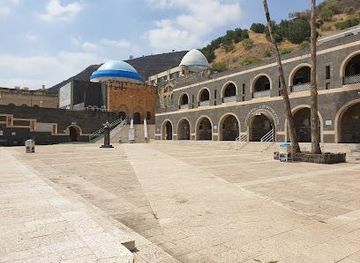
Tomb of Rabbi Meir
Explore the Tomb of Rabbi Meir, a revered pilgrimage site in Tiberias, rich in spirituality, history, and serene landscapes along the Sea of Galilee.
-
Church
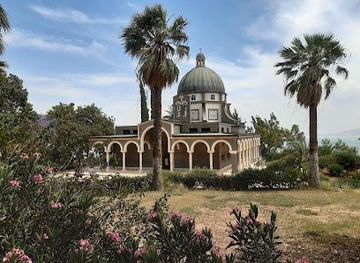
The Church of the Beatitudes
Discover the beauty and tranquility of the Church of the Beatitudes, a serene haven overlooking the Sea of Galilee, rich in history and spiritual significance.


Best landmarks in Eastern Desert
The Eastern Desert’s most recognisable landmarks are built from the materials and constraints of the landscape. Qasr al-Azraq, a dark basalt fortress beside the oasis, is the clearest symbol of Azraq’s strategic importance and its long history as a stopping point in the steppe. Qusayr Amra is architecturally smaller but culturally exceptional, preserving an Umayyad bathhouse and frescoes that illuminate the courtly world of the eighth century. Qasr Kharana rises from the open plain as a stark, fortified-looking structure associated with the Umayyad desert-estate tradition, while Qasr al-Hallabat shows how Roman foundations were adapted in later periods. Umm al-Jimal is the region’s defining basalt town: its monumental churches, streets and houses form a dark-stone urban landscape unlike the limestone architecture of much of western Jordan. The Azraq oasis itself is also a geographical landmark, representing a rare concentration of water and vegetation in the surrounding arid plain. Together these places reveal how power, settlement, travel and water management shaped eastern Jordan.
-
Historical place
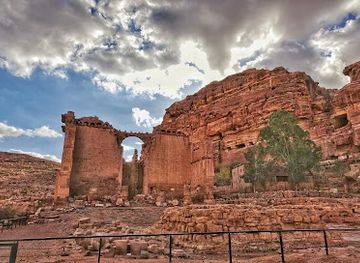
Petra
Discover Petra, the ancient Rose City of Jordan, a UNESCO World Heritage site with stunning rock-cut architecture and breathtaking desert landscapes.
-
Pilgrimage place
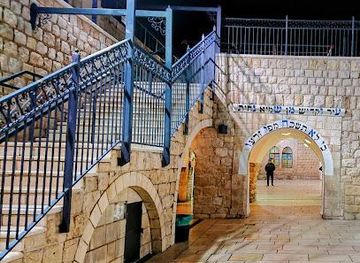
Kever Rashbi (Tomb of Rabbi Shimon bar Yochai)
Discover the spiritual essence of Kever Rashbi, the revered tomb of Rabbi Shimon bar Yochai in Meron, a pilgrimage site rich in history and mysticism.
-
Historical landmark
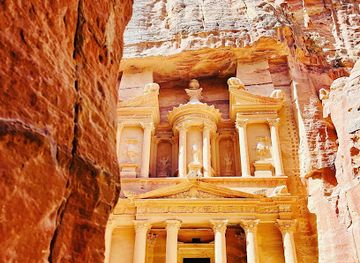
The Treasury
Discover the breathtaking Treasury of Petra, an archaeological marvel and a UNESCO World Heritage site, nestled in the heart of Jordan's stunning landscapes.
-
Nature preserve
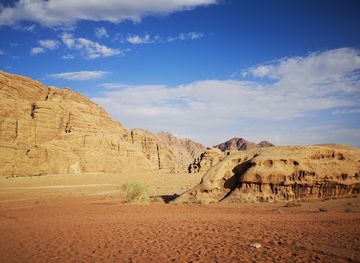
Wadi Rum Protected Area
Discover the enchanting landscape of Wadi Rum, a UNESCO World Heritage site, where adventure and Bedouin culture intertwine in a breathtaking desert oasis.
Explore Eastern Desert on the map
Plan your trip on one map. See where the top cities, national parks and sights are, and book hotels and experiences in a few clicks.
Best hotels in Eastern Desert
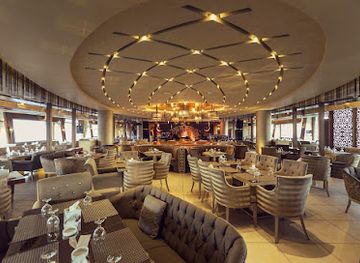
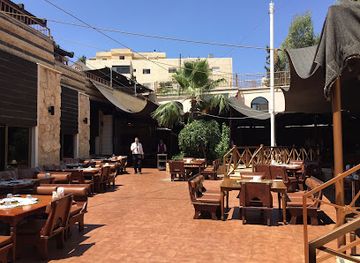
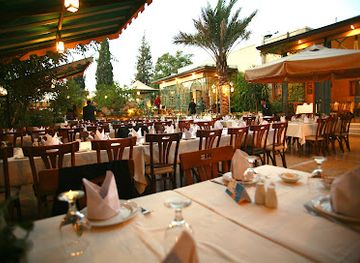
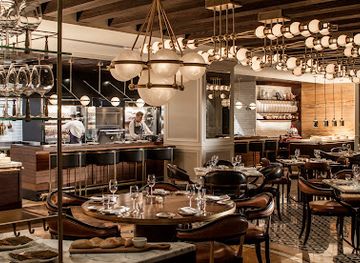
Best restaurants in Eastern Desert
Dining in the Eastern Desert is practical, generous and closely linked to Jordanian food culture rather than to a separate desert cuisine. In Azraq, Mafraq and other larger settlements, visitors can find familiar meals such as mansaf, rice dishes, grilled meats, falafel, hummus, ful and flatbreads, with tea and Arabic coffee often part of everyday hospitality. Small restaurants and cafés are more useful for filling a journey than for extended gastronomic dining, while organised desert visits may include a simple meal prepared by a local host or camp operator. Circassian influence is part of Azraq’s modern cultural history, although availability of particular dishes varies by household and establishment. Fresh produce, yoghurt, olives and seasonal fruit are more likely to appear in town markets than at remote ruins. Carry snacks and drinking water for long drives, and ask about payment before ordering in small businesses, where cash remains the dependable option.
-
Middle Eastern
Jubran || جبران || Amman Abdali Boulevard
Discover authentic Lebanese cuisine at Jubran on Abdali Boulevard - where tradition meets modern dining in Amman.
-
Restaurant
Tawaheen AlHawa
Discover authentic Jordanian flavors at Tawaheen AlHawa in Amman – where tradition meets taste in every dish.
-
Lebanese
Fakhreldin Restaurant
Experience authentic Lebanese cuisine at Fakhreldin Restaurant in Amman - where every meal is a celebration of flavor and hospitality.
-
Restaurant
La Capitale Restaurant
Experience unparalleled French cuisine at La Capitale Restaurant in Amman’s luxurious Four Seasons Hotel.
Best bars in Eastern Desert
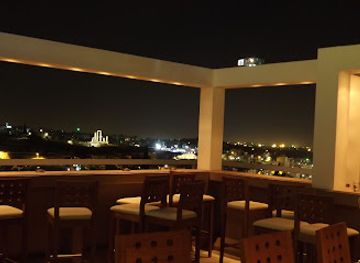
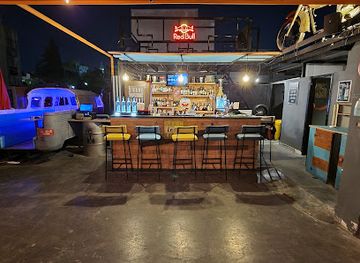
The Eastern Desert has little conventional nightlife, and alcohol is not the focus of evening life. In Azraq, Mafraq and larger roadside settlements, evenings are more likely to centre on cafés, tea, conversation and family restaurants than on bars or clubs. Some hotels or organised camps may offer a quiet evening setting, but facilities and licensing vary, particularly outside the main towns. Visitors should not expect a concentrated nightlife district or late-running entertainment circuit. The region’s strongest after-dark experiences are environmental: a clear sky away from settlement lights, an early desert morning and the quiet of the oasis, provided access is permitted and local safety advice is followed. Dress and behaviour should remain respectful, especially in conservative communities and around religious or family-oriented venues.
-
Bar
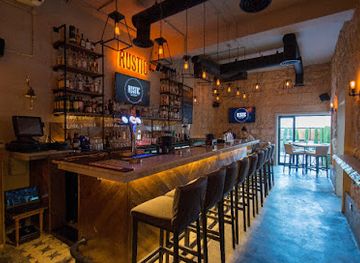
Rustic Bar and Eatery
Discover the vibrant flavors and cozy atmosphere at Rustic Bar and Eatery, a top dining destination in Amman, perfect for relaxation and socializing.
-
Pub
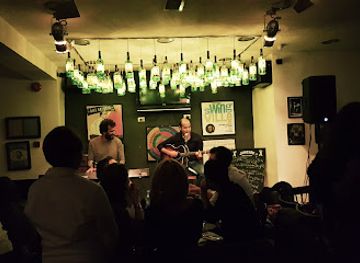
The Corner's Pub
Experience Jordanian hospitality at The Corner's Pub, a lively establishment offering local flavors and a vibrant atmosphere in the heart of Amman.
-
Gastropub
Cantaloupe Gastro Pub
Explore the culinary delights of Cantaloupe Gastro Pub, where local flavors meet international cuisine in a vibrant ambiance on Rainbow Street.
-
Irish pub
Dubliners
Discover Dubliners in Amman, a lively Irish pub offering traditional cuisine and a vibrant atmosphere for an unforgettable cultural experience.

Best nightclubs in Eastern Desert
The Eastern Desert has little conventional nightlife, and alcohol is not the focus of evening life. In Azraq, Mafraq and larger roadside settlements, evenings are more likely to centre on cafés, tea, conversation and family restaurants than on bars or clubs. Some hotels or organised camps may offer a quiet evening setting, but facilities and licensing vary, particularly outside the main towns. Visitors should not expect a concentrated nightlife district or late-running entertainment circuit. The region’s strongest after-dark experiences are environmental: a clear sky away from settlement lights, an early desert morning and the quiet of the oasis, provided access is permitted and local safety advice is followed. Dress and behaviour should remain respectful, especially in conservative communities and around religious or family-oriented venues.
-
National park
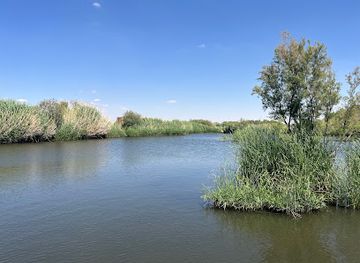
Azraq Wetlands Reserve
Discover the serene beauty and ecological wonders of the Azraq Wetlands Reserve, a breathtaking national park and nature preserve in Jordan.
-
Club
OMNI CLUB AMMAN
Discover the electrifying nightlife of Omni Club Amman - your ultimate destination for music, dancing, and unforgettable memories in the heart of Jordan.
-
 Hotel
Hotelأزرق لودج
Discover comfort and serenity at Azraq Lodge, your ideal retreat in the heart of Jordan's stunning landscapes and rich history.
-
Restaurant
Sekrab
Experience the lively atmosphere of Sekrab, where delicious cuisine meets enchanting entertainment on Rainbow Street in Amman.

Best shops in Eastern Desert
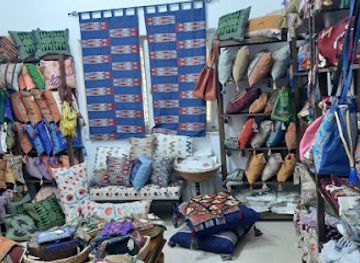
Shopping in the Eastern Desert is modest and functional, with the most useful opportunities found in Azraq, Mafraq and other established settlements rather than at remote ruins. Local shops stock water, snacks, household goods and travel supplies, while town markets may offer fruit, vegetables, spices, bread and everyday Jordanian products. Visitors can look for packaged dates, olive oil, herbs, coffee and sweets as practical regional gifts, although provenance and quality vary between vendors. Handicrafts and woven goods may be available through community initiatives or organised tours, but they should be bought from identifiable local makers rather than described broadly as desert souvenirs. There is no extensive luxury retail scene, and opening arrangements for small businesses can be flexible. Carry Jordanian dinars in smaller notes, ask permission before photographing stalls or people, and leave enough time to shop before travelling on to remote archaeological sites.
-
Shopping mall
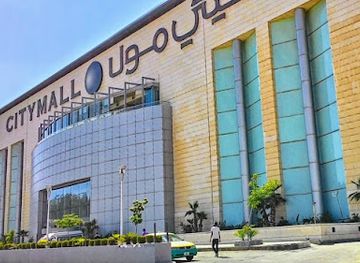
City Mall
Explore City Mall in Amman, a vibrant shopping hub with diverse stores, delicious dining options, and family-friendly entertainment for everyone.
-
National park
Azraq Wetlands Reserve
Discover the stunning Azraq Wetlands Reserve, a haven for wildlife and nature lovers in Jordan's unique ecosystem, offering peaceful trails and vibrant birdwatching.
-
Clothing store
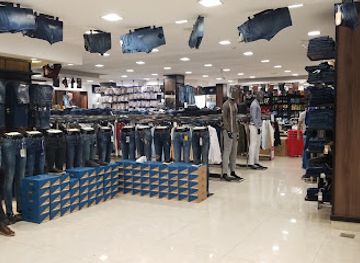
Darayseh Mall
Discover shopping bliss at Darayseh Mall in Irbid, where fashion, food, and fun come together for an unforgettable experience.
-
Handicraft
Jordan Craft Center
Explore the Jordan Craft Center, where tradition meets artistry in a vibrant showcase of local handicrafts and cultural treasures.
Get your free copy of our complete guide to Eastern Desert, delivered straight to you.
Everything on this page, from attractions and restaurants to essentials and local phrases, in one PDF you can read offline, print or share.
Already have an account? Sign in
Your Eastern Desert guide is ready.
We'll send it to · Not you? Sign out

Getting your guide ready…
We are putting together a fresh copy of the Eastern Desert guide. This can take up to a minute.
This can take a few moments. If your browser asks, choose Allow so the download can start. You'll find the guide in your Downloads folder.
Nothing happened? Download it again
Sorry, the guide is taking longer than usual. Please try again in a minute, or get it by email instead.
Eastern Desert essentials
Currency and Payment
Safety
Emergency Situations
Do's and Don'ts
Local Tips
From Eve
Local phrases worth knowing
You don't need to get them perfect. A few words go a long way, and locals appreciate the effort.
Basics
| English | Local | Say it |
|---|---|---|
| Hello | Hey | [Hey] |
| Goodbye | See ya | [See ya] |
| Yes | Yep | [Yep] |
| No | Nope | [Nope] |
| Please/You're welcome | Sure thing | [Shur thing] |
| Thank you | Thanks | [Thanks] |
| Excuse me/Sorry | Sorry | [Sorry] |
| How are you? | How's it going? | [How's it goin'?] |
| Fine. And you? | Good. You? | [Good. You?] |
| Do you speak English? | Do ya speak English? | [Doo ya speak English?] |
| I don't understand | I don't get it | [I don't get it] |
Eating & Drinking
| English | Local | Say it |
|---|---|---|
| I'd like to see the menu, please | Can I see the menu? | [Can I see the menu?] |
| I don't eat meat | I’m vegetarian | [I’m vegetarian] |
| Cheers! | Cheers! | [Cheers!] |
| I would like to pay, please | Can I get the check? | [Can I get the check?] |
Emergencies
| English | Local | Say it |
|---|---|---|
| Help! | Help! | [Help!] |
| Go away! | Leave me alone! | [Leave me alone!] |
| Call the Police! | Call 911! | [Call 911!] |
| Call a doctor! | Get a doctor! | [Get a doctor!] |
| I'm lost | I'm turned around | [I'm turned around] |
| I'm ill | I'm not feeling well | [I'm not feeling well] |
Shopping
| English | Local | Say it |
|---|---|---|
| I'd like to buy... | I wanna buy... | [I wanna buy...] |
| I'm just looking | Just browsing | [Just browsing] |
| How much is it? | What’s the price? | [What’s the price?] |
| That's too expensive | That’s way too pricey | [That’s way too pricey] |
| Can you lower the price? | Can ya knock down the price? | [Can ya knock down the price?] |
Time & Numbers
| English | Local | Say it |
|---|---|---|
| What time is it? | What time is it? | [What time is it?] |
| It's one o'clock | It's 1 o'clock | [It's 1 o'clock] |
| Half past (10) | Half past 10 | [Half past 10] |
| Morning | Morning | [Morning] |
| Afternoon | Afternoon | [Afternoon] |
| Evening | Evening | [Evening] |
| Yesterday | Yesterday | [Yesterday] |
| Today | Today | [Today] |
| Tomorrow | Tomorrow | [Tomorrow] |
| 1 | 1 | [1] |
| 2 | 2 | [2] |
| 3 | 3 | [3] |
| 4 | 4 | [4] |
| 5 | 5 | [5] |
| 6 | 6 | [6] |
| 7 | 7 | [7] |
| 8 | 8 | [8] |
| 9 | 9 | [9] |
| 10 | 10 | [10] |
Transport & Directions
| English | Local | Say it |
|---|---|---|
| Where's a/the...? | Where's the...? | [Where's the...?] |
| What's the address? | What's the address? | [What's the address?] |
| Can you show me (on the map)? | Can ya show me on the map? | [Can ya show me on the map?] |
| When's the next (bus)? | When's the next bus? | [When's the next bus?] |
| A ticket (to ....) | A ticket to ... | [A ticket to ...] |
History of Eastern Desert
Prehistoric Movement and Desert Adaptation
The Eastern Desert has long been a zone of movement rather than an empty margin. Archaeological evidence from Jordan’s basalt and steppe landscapes records prehistoric hunting, seasonal occupation, stone-tool production and early attempts to manage scarce water. Ancient inhabitants used shallow depressions, rock shelters, wells and natural springs, adapting their activities to rainfall that could be highly variable. The region’s importance lies partly in this long relationship between people and limited resources: routes, grazing grounds and water points determined where communities could travel, settle or trade.
Nabataean and Roman Frontier Networks
Before and during Roman rule, routes across eastern Jordan linked the settled agricultural zones of the Levant with Arabia, Mesopotamia and the wider steppe. The Nabataeans established a powerful trading kingdom whose influence extended beyond Petra, while Roman administration later formalised roads, forts and communications across the frontier. Sites such as Umm al-Jimal preserve evidence of this changing world, with basalt buildings and later civic structures reflecting the region’s role in transport, defence and exchange rather than isolated existence.
The Umayyad Desert Estates
In the seventh and eighth centuries, the Umayyad caliphs developed a chain of buildings across the eastern Jordanian steppe. Qusayr Amra, Qasr Kharana, Qasr al-Hallabat and related sites served differing purposes as residences, bathhouses, caravan stations, administrative centres and places associated with hunting or elite travel. Their decoration and architecture reveal connections between the Islamic court, late antique traditions and the landscapes of the steppe. The buildings also demonstrate how water collection and route control underpinned life in an apparently austere environment.
Umm al-Jimal and the Changing Late Antique Settlement
Umm al-Jimal grew as a substantial settlement in the basalt country, developing through Nabataean, Roman, Byzantine and early Islamic periods. Its churches, streets, houses and public structures show how urban life adapted to local stone and a semi-arid climate. The settlement’s later history reflects broader changes in regional trade, administration and population, while its unusually well-preserved black architecture offers a rare view of everyday construction in northern Jordan’s volcanic landscape. Its archaeological importance was recognised internationally with UNESCO World Heritage inscription in 2024.
Ottoman Routes and the Hejaz Railway
Ottoman authority reshaped communications across Jordan in the late nineteenth and early twentieth centuries. The Hejaz Railway, built to connect Damascus with Medina, crossed the wider desert region and supported pilgrimage, administration and military movement. Stations, embankments and associated infrastructure altered established travel patterns, although the line was vulnerable during the Arab Revolt and later fell out of regular use. The railway’s legacy remains part of the historical geography of eastern Jordan, where transport corridors continue to follow the logic of scarce water and long distances.
Azraq, Settlement and Conservation in Modern Jordan
Modern Azraq developed around its oasis and became a significant stopping point in eastern Jordan. The settlement also received Circassian communities during the late Ottoman period, adding another layer to the region’s social history. In the twentieth century, the oasis became known for its wetlands and migratory birds, but groundwater pressure and wider environmental change severely reduced the natural water system. Jordan’s conservation work at the Azraq Wetland Reserve and Shaumari Wildlife Reserve reflects a modern effort to protect habitats while supporting carefully managed visitor access.
Eastern Desert in Photos
Browse through our photo collection highlighting the charm and character of the destination.
Neighbouring regions of Eastern Desert
The closest regions to Eastern Desert, if you have time for more than one.
-

-

-

-

-


Swipe for more regions
Explore more

Explore more of Jordan
Discover Jordan: A land of ancient cities, breathtaking deserts, and therapeutic seas. Experience the blend of history and modernity in this Middle Eastern gem.
Explore Jordan