

Dibeen Forest Travel Guide - Free Web & App
Your ultimate guide to Dibeen Forest. Discover top landmarks, proposed trips, and local tips. Free on the web or via the Evendo companion app.


Dibeen Forest in Jordan offers Aleppo pine and oak woodland, walking trails, wildlife, picnic areas and a quiet green escape near historic Jerash.
A Northern Jordan Woodland
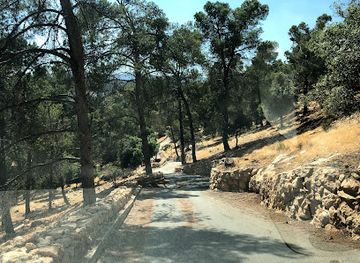
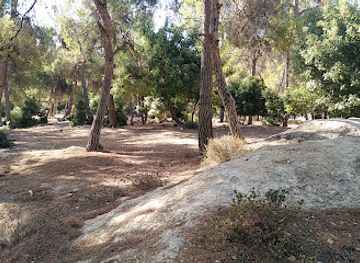
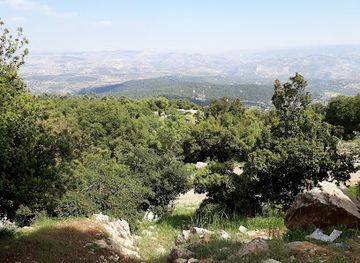
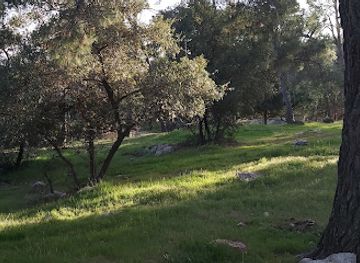
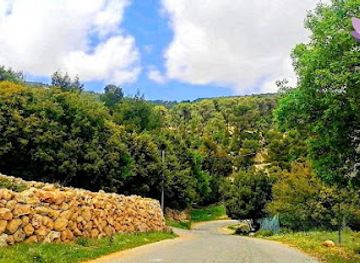
Dibeen Forest spreads across the limestone hills of northern Jordan, close to Jerash and within reach of Ajloun. Its wooded slopes are dominated by Aleppo pine and evergreen oak, giving the landscape a character unlike the arid scenery associated with much of the country. The forest is particularly valued as one of Jordan’s remaining areas of Mediterranean woodland, where shaded paths, rocky clearings and broad views across the surrounding hills create a tranquil setting for a day outdoors.Read more about Dibeen Forest
Nature and Conservation
Exploring the Area
When is the best time to visit Dibeen Forest?
Best: March, October–November · 22–30°C| Month | High (°C) | Rainfall (mm) |
|---|---|---|
| January | 15 | 20 |
| February | 18 | 25 |
| March (best) | 22 | 20 |
| April | 30 | 15 |
| May | 35 | 10 |
| June | 38 | 2 |
| July | 40 | 0 |
| August | 39 | 0 |
| September | 36 | 2 |
| October (best) | 30 | 10 |
| November (best) | 25 | 15 |
| December | 18 | 20 |
Getting to and around Dibeen Forest
How to get there
Transportation
Best attractions in Dibeen Forest
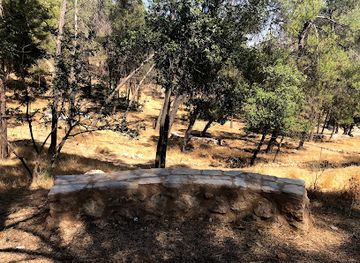
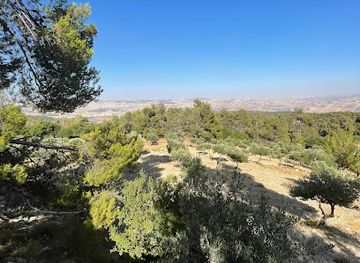
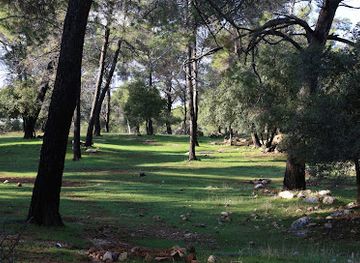
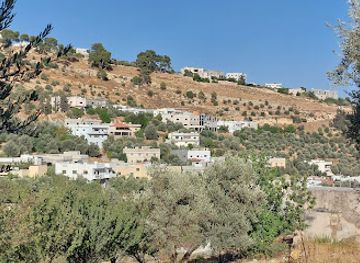
Dibeen Forest’s principal attraction is the woodland itself: slopes of Aleppo pine and evergreen oak interrupted by rocky clearings, shaded tracks and views across the northern Jordanian hills. Visitors can walk through the reserve, observe seasonal birdlife and enjoy picnics where local regulations and facilities allow. The forest is close enough to Jerash for a combined visit, though the Roman and Byzantine ruins lie outside Dibeen’s boundaries and should be treated as a separate attraction. The surrounding countryside adds olive groves, orchards, village landscapes and the greener upland character associated with the Ajloun-Jerash region. Dibeen is best appreciated for its habitat and atmosphere rather than a long list of monuments or engineered viewpoints; its appeal lies in experiencing one of Jordan’s remaining pine-oak landscapes within a rural setting.
-
Park
The new National Park Debbin
Explore the beauty of nature at National Park Debbin, a serene retreat in Borma, offering breathtaking landscapes and diverse wildlife for every adventurer.
-
Park
دبين غابات شاليهات
Experience the tranquility of Shaliha Park in Jerash, a perfect nature retreat for families and nature lovers seeking relaxation and scenic beauty.
Best landmarks in Dibeen Forest
The defining landmark of Dibeen is its surviving pine-and-oak woodland, a distinctive natural feature of Jordan’s northern highlands and an important contrast to the country’s drier landscapes. The forest’s slopes, rocky ground and broad rural outlooks express the ecological character of the Jerash-Ajloun uplands more clearly than any single built monument. Nearby Jerash contains one of Jordan’s most significant Roman archaeological landscapes, including colonnaded streets, temples and theatres, but it stands outside Dibeen Forest and belongs to the adjacent city site. In the wider region, the wooded hills and cultivated valleys form a cultural landscape shaped by farming, grazing and village settlement. Dibeen’s significance therefore rests primarily on habitat conservation and landscape continuity, while Jerash supplies the major architectural and historical landmark for a combined northern Jordan itinerary.
-
National reserve
Dibbeen Forest Reserve
Explore the breathtaking landscapes and rich biodiversity of Dibbeen Forest Reserve, a serene national reserve in Jordan perfect for nature lovers.
-
Park
The new National Park Debbin
Explore the lush landscapes and diverse wildlife of National Park Debbin in Borma, a breathtaking natural retreat for outdoor enthusiasts.
-
Forestry service
RSCN Dibeen Forest Reserve
Explore the lush landscapes and diverse wildlife of RSCN Dibeen Forest Reserve, a serene escape in the heart of Jordan's natural beauty.
-
Park
Dibben Matrix
Discover the tranquil beauty of Dibben Matrix Park in Jerash, a perfect spot for relaxation, picnics, and enjoying nature's splendor.

Explore Dibeen Forest on the map
Plan your trip on one map. See where the top attractions, landmarks, restaurants and hotels are, and book hotels and experiences in a few clicks.
Best hotels in Dibeen Forest
Best restaurants in Dibeen Forest
Dibeen Forest itself has limited dining infrastructure, so visitors normally take provisions into the woodland or eat in Jerash, Ajloun and nearby villages. The surrounding northern highlands are associated with Jordanian home-style cooking, including hummus, falafel, grilled meats, salads, bread, rice dishes and olive-oil-based foods, while local farms contribute olives, fruit, honey and seasonal produce. Small cafés and family-run restaurants in gateway settlements offer a more dependable choice than expecting a restaurant within the reserve. A picnic can suit a forest visit, provided food waste is removed and fires are not lit. Jerash also provides opportunities to eat before or after visiting the archaeological site, while the wider Ajloun area is useful for discovering rural produce and locally made specialities without confusing nearby dining with facilities inside Dibeen.
-
National reserve
Dibbeen Forest Reserve
Discover the beauty of nature at Dibbeen Forest Reserve—a serene national treasure near Jerash offering stunning landscapes and rich biodiversity.
Best nightclubs in Dibeen Forest
Dibeen Forest has no established nightlife district and evening activity is generally quiet, centred on returning to a guesthouse, hotel or family restaurant in Jerash, Ajloun or the surrounding villages. Jordanian hospitality is more commonly experienced through cafés, tea, coffee and informal meals than through bars or nightclubs, and alcohol is not a feature of ordinary village life. Visitors seeking a livelier urban evening should plan time in Amman rather than expecting entertainment in the forest. In the reserve, darkness, limited facilities and the protected woodland setting make an evening walk or unsupervised gathering inappropriate; after sunset, the area is better regarded as a rural environment requiring careful transport planning and respect for local communities.
-
National reserve
Dibbeen Forest Reserve
Explore the breathtaking landscapes and diverse wildlife at Dibbeen Forest Reserve, one of Jordan's premier nature preserves and tourist attractions.
Best shops in Dibeen Forest
Shopping within Dibeen Forest is minimal, and the main opportunities are found in Jerash, Ajloun and nearby villages rather than beside woodland paths. Visitors may find Jordanian olive oil, honey, seasonal fruit, herbs and other agricultural products in the surrounding uplands, while local shops provide picnic supplies and everyday necessities. Handicrafts and small-scale rural products are more likely to be encountered through community businesses or established visitor outlets than through a permanent forest market. Jerash is the most practical place to browse after visiting the archaeological area, while Ajloun and its surrounding countryside are associated with olive-growing and food production. Product availability varies, so purchases should be treated as locally sourced opportunities rather than guaranteed attractions inside the reserve.
-
National reserve
Dibbeen Forest Reserve
Explore the breathtaking Dibbeen Forest Reserve in Jordan, a lush national reserve perfect for hiking, wildlife spotting, and relaxing in nature's embrace.
-
Forestry service
RSCN Dibeen Forest Reserve
Explore the breathtaking beauty and rich biodiversity of RSCN Dibeen Forest Reserve, a nature lover's paradise in Jordan.
-
Hiking area
غابات دبين
Discover the enchanting Dibeen Forests near Jerash, Jordan, a paradise for hikers and nature lovers with stunning views and rich wildlife.
-
Hiking area
دبين
Explore the serene hiking trails of دبين, a hidden gem in Jerash, where nature and adventure await your discovery.
Get your free copy of our complete guide to Dibeen Forest, delivered straight to you.
Everything on this page, from attractions and restaurants to essentials and local phrases, in one PDF you can read offline, print or share.
Already have an account? Sign in
Your Dibeen Forest guide is ready.
We'll send it to · Not you? Sign out

Getting your guide ready…
We are putting together a fresh copy of the Dibeen Forest guide. This can take up to a minute.
This can take a few moments. If your browser asks, choose Allow so the download can start. You'll find the guide in your Downloads folder.
Nothing happened? Download it again
Sorry, the guide is taking longer than usual. Please try again in a minute, or get it by email instead.
Dibeen Forest essentials
Currency and Payment
Safety
Emergency Situations
Do's and Don'ts
Local Tips
From Eve
Local phrases worth knowing
You don't need to get them perfect. A few words go a long way, and locals appreciate the effort.
Basics
| English | Local | Say it |
|---|---|---|
| Hello | مرحبا | [marhaba] |
| Goodbye | وداعا | [wada'an] |
| Yes | نعم | [naam] |
| No | لا | [la] |
| Please/You're welcome | من فضلك/على الرحب والسعة | [min fadlik/ala ar-rahb was-sa'a] |
| Thank you | شكرا | [shukran] |
| Excuse me/Sorry | عذرا | [aathir] |
| How are you? | كيف حالك؟ | [kayf halik?] |
| Fine. And you? | بخير. وأنت؟ | [bikhayr. wa ant?] |
| Do you speak English? | هل تتحدث الإنجليزية؟ | [hal tatahadath al-inglizia?] |
| I don't understand | لا أفهم | [la afham] |
Eating & Drinking
| English | Local | Say it |
|---|---|---|
| I'd like to see the menu, please | أريد أن أرى القائمة، من فضلك | [urid an ara al-qaimah, min fadlik] |
| I don't eat meat | لا آكل اللحم | [la akul al-lahm] |
| Cheers! | في صحتك! | [fi sahtak!] |
| I would like to pay, please | أريد أن أدفع، من فضلك | [urid an adfa', min fadlik] |
Emergencies
| English | Local | Say it |
|---|---|---|
| Help! | النجدة! | [al-najdah!] |
| Go away! | ارحل! | [irhal!] |
| Call the Police! | اتصل بالشرطة! | [itassal bialshurta!] |
| Call a doctor! | اتصل بالطبيب! | [itassal bialtabib!] |
| I'm lost | لقد ضللت الطريق | [liqad dalalt at-tariq] |
| I'm ill | أنا مريض | [ana mareed] |
Shopping
| English | Local | Say it |
|---|---|---|
| I'd like to buy... | أريد أن أشتري... | [urid an ashtari...] |
| I'm just looking | أنا فقط أتطلع | [ana faqat atatallu'] |
| How much is it? | بكم؟ | [bikam?] |
| That's too expensive | هذا غالي جدا | [hatha ghali jiddan] |
| Can you lower the price? | هل يمكنك خفض السعر؟ | [hal yumkinuk khafd al-sa'r?] |
Time & Numbers
| English | Local | Say it |
|---|---|---|
| What time is it? | كم الساعة؟ | [kam as-sa'ah?] |
| It's one o'clock | الساعة الواحدة | [as-sa'ah al-wahidah] |
| Half past (10) | الساعة العاشرة والنصف | [as-sa'ah al-ashirah w al-nisf] |
| Morning | الصباح | [as-sabah] |
| Afternoon | الظهر | [adh-dhuhur] |
| Evening | المساء | [al-masa'] |
| Yesterday | البارحة | [al-barihah] |
| Today | اليوم | [al-yawm] |
| Tomorrow | غدا | [ghadan] |
| 1 | واحد | [wahid] |
| 2 | اثنان | [ithnan] |
| 3 | ثلاثة | [thalathah] |
| 4 | أربعة | [arba'ah] |
| 5 | خمسة | [khamsah] |
| 6 | ستة | [sitah] |
| 7 | سبعة | [sab'ah] |
| 8 | ثمانية | [thamaniah] |
| 9 | تسعة | [tis'ah] |
| 10 | عشرة | [asharah] |
Transport & Directions
| English | Local | Say it |
|---|---|---|
| Where's a/the...? | أين ...؟ | [ayn ...?] |
| What's the address? | ما هو العنوان؟ | [ma huwa al-unwan?] |
| Can you show me (on the map)? | هل يمكنك أن تريني (على الخريطة)؟ | [hal yumkinuk an tureeni (ala al-kharitah)?] |
| When's the next (bus)? | متى القادم (الحافلة)؟ | [mata al-qadim (al-hafilah)?] |
| A ticket (to ....) | تذكرة (إلى ...) | [tazkirah (ila ...)] |
History of Dibeen Forest
A Mediterranean Woodland Landscape
Dibeen’s history begins with the development of the northern Jordanian highlands as a Mediterranean woodland environment. Its mixture of Aleppo pine and evergreen oak reflects the relatively moist conditions of the uplands around Jerash and Ajloun, where winter rainfall supports tree cover unusual in much of Jordan. The present forest is not simply an untouched remnant: woodland has been affected over time by grazing, fuel collection, cultivation, roads and changing patterns of settlement. Its survival therefore represents both a natural legacy and the continuing relationship between local communities and the resources of the hills.
Ancient Settlements Around Jerash
Dibeen lies within a wider landscape shaped by the long history of Jerash and the villages of the northern highlands. The ancient city of Gerasa, now known as Jerash, became an important urban centre during the Roman and Byzantine periods, supported by agriculture and communications across the region. The forest itself is not an archaeological city, but its hills formed part of the rural hinterland that supplied and connected settlements in the area. Stone, woodland products, grazing and farming all contributed to the historical economy of northern Jordan, even where surviving monuments are concentrated in nearby Jerash rather than within the forest.
Rural Land Use and Local Communities
For centuries, communities around Dibeen have used the uplands for agriculture, grazing and the collection of natural resources. The surrounding countryside contains olive groves, orchards and small settlements, while the forest has remained a place of shade, seasonal recreation and practical woodland value. Such use has also placed pressure on the habitat, particularly where grazing, cutting or uncontrolled access affects regeneration. The cultural landscape around Dibeen is therefore a mixture of wooded slopes, cultivated land, village life and historic routes rather than an isolated wilderness separated from human activity.
Protection and Nature Tourism
Dibeen’s ecological importance led to stronger conservation attention in the modern period, with the forest being managed as a protected reserve by Jordan’s Royal Society for the Conservation of Nature. Protection has sought to conserve the pine-oak habitat while allowing carefully managed recreation and environmental education. The area’s proximity to Jerash makes it suitable for combining cultural tourism with a woodland visit, although its facilities remain modest compared with a major national park. Contemporary conservation also focuses on reducing fire risk, limiting damaging activities and maintaining the forest as a refuge within a heavily used northern landscape.
Dibeen Forest in Photos
Browse through our photo collection highlighting the charm and character of the destination.
Neighbouring destination travel guides
The closest destinations to Dibeen Forest, if you have time for more than one.
-

-

-

-

-


Swipe for more destinations
Explore more

Explore more of Ajloun Highlands
Discover the Ajloun Highlands, where nature's beauty meets historical intrigue in the lush landscapes of northern Jordan.
Explore Ajloun Highlands
Explore more of Jordan
Discover Jordan: A land of ancient cities, breathtaking deserts, and therapeutic seas. Experience the blend of history and modernity in this Middle Eastern gem.
Explore Jordan