

Free Ajloun Highlands Travel Guide & Mobile App
Explore Ajloun Highlands with free travel guides. Discover regional history, expert tips, proposed trips, and audio guides on web or mobile app.


Explore Jordan's Ajloun Highlands for forest trails, olive groves, Ayyubid history, village hospitality and cooler mountain landscapes.
Read more about Ajloun Highlands
When is the best time to visit Ajloun Highlands?
Best: May, September–October · 24–29°C| Month | High (°C) | Rainfall (mm) |
|---|---|---|
| January | 11 | 100 |
| February | 12 | 80 |
| March | 16 | 60 |
| April | 21 | 30 |
| May (best) | 26 | 15 |
| June | 30 | 1 |
| July | 33 | 0 |
| August | 33 | 1 |
| September (best) | 29 | 3 |
| October (best) | 24 | 20 |
| November | 17 | 40 |
| December | 12 | 70 |
Getting to and around Ajloun Highlands
How to get there
Transportation
Top city travel guides in Ajloun Highlands
The cities of Ajloun Highlands, and the easiest places to base yourself.

Swipe for more cities
Destinations in Ajloun Highlands
Resorts, valleys and scenic spots worth a trip of their own.
-

-

-


Swipe for more destinations
Best attractions in Ajloun Highlands
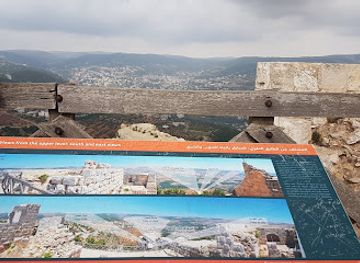
The Ajloun Highlands offer a compact but varied combination of medieval heritage, woodland and rural experiences. Ajloun Castle is the principal historic attraction, with vaulted chambers, defensive walls and elevated views across the surrounding hills. The Ajloun Forest Reserve provides marked walking routes through oak woodland and cultivated countryside, along with opportunities for nature observation and community-based activities. Near Mar Elias, visitors can explore Byzantine church remains and mosaic floors associated with the traditional birthplace of the prophet Elijah. Around Ajloun and neighbouring villages, local hosts offer meals, farm visits, olive-oil experiences and handicraft demonstrations, while the highland roads reveal terraces, orchards and viewpoints over the Jordan Valley. The region suits visitors interested in gentle walking, archaeology and agricultural landscapes rather than large-scale entertainment. Trail difficulty, seasonal access and the availability of guided experiences can vary, so arrangements should be confirmed with the reserve, accommodation or local tourism providers before travelling.
-
Historical place
Archaeological Site of Jerash
Step back in time at Jerash, one of the world's best-preserved Roman cities, where ancient history and stunning architecture await every visitor.
-
Tourist attraction
The Archaeological Site of Jerash
Discover the ancient marvels of Jerash, where Roman history meets breathtaking architecture in one of the best-preserved archaeological sites in the world.
-
Historical place museum
Ajloun Castle
Discover Ajloun Castle, a historical gem in Jordan, blending medieval architecture with breathtaking natural landscapes.
-
War museum
The Royal Tank Museum متحف الدبابات الملكي
Explore the history of armored warfare at The Royal Tank Museum, featuring a diverse collection of tanks and engaging exhibits in Amman, Jordan.


Best landmarks in Ajloun Highlands
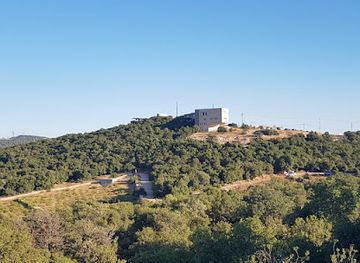
Ajloun Castle is the defining built landmark of the highlands. Occupying a commanding ridge, its Ayyubid towers and stone walls show how medieval rulers controlled routes through northern Jordan and watched the approaches from the Jordan Valley. The archaeological complex at Mar Elias is another important landmark, preserving Byzantine churches, mosaics and religious remains on a hillside associated with the prophet Elijah. The Ajloun Forest Reserve provides a contrasting natural landmark: its oak-covered slopes are among Jordan's most notable wooded landscapes and give the region a visual identity distinct from the country's arid east and south. Across the countryside, terraced hills, olive groves and traditional stone villages form a less monumental but equally characteristic cultural landscape. The most memorable views often come from roads and ridges around Ajloun, where cultivated uplands descend towards the valley and connect the area's contemporary agricultural life with its historic defensive geography.
-
Historical place
Petra
Explore Petra, the breathtaking ancient city of the Nabateans, a UNESCO World Heritage Site, filled with spectacular rock-cut architecture and rich history.
-
Historical place
The Archaeological Site of Jerash
Discover the rich history and stunning ruins of Jerash, a top archaeological site in Jordan that showcases the grandeur of Roman architecture.
-
Historical landmark
Amman Citadel
Explore the Amman Citadel, an archaeological wonder showcasing Jordan's rich heritage and offering breathtaking views of the capital city.
-
Historical place museum
Ajloun Castle
Explore Ajloun Castle, a historical gem in Jordan, where ancient architecture meets breathtaking landscapes, perfect for history lovers and nature enthusiasts.


Explore Ajloun Highlands on the map
Plan your trip on one map. See where the top cities, national parks and sights are, and book hotels and experiences in a few clicks.
Best hotels in Ajloun Highlands
Best restaurants in Ajloun Highlands
Dining in the Ajloun Highlands is closely connected with Jordanian home cooking and the produce of the hill country. Olive oil, olives, labaneh, yoghurt, herbs, seasonal vegetables, fruit preserves and flatbreads are prominent, while local hosts may serve meals built around rice, chicken, lamb and vegetable dishes. Mansaf, Jordan's celebrated lamb and fermented-yoghurt dish, is part of the national culinary tradition and may appear for family occasions or arranged meals, though it is not exclusive to Ajloun. Honey, figs, grapes and products made from olives reflect the region's agricultural character. Ajloun town has the broadest choice of casual restaurants, cafés and takeaway food, while the forest area and surrounding villages are known more for pre-arranged meals in guesthouses, lodges and community projects. Confirm menus and booking arrangements in advance when staying in rural areas, particularly outside the main visitor season.
-
Lebanese
Lebanese House
Experience authentic Lebanese cuisine at Lebanese House in Jerash – a fine dining destination blending tradition with Mediterranean flair.
-
Restaurant
Restaurants and Gardens Green Valley
Experience exquisite dining surrounded by lush gardens at Restaurants and Gardens Green Valley in Jerash – where culinary delights meet nature's beauty.
-
Restaurant
YaHala Jerash Restaurant and Park
Experience exquisite Middle Eastern cuisine at YaHala Jerash Restaurant & Park amidst stunning landscapes in historic Jerash.
-
Restaurant
Siwar Al-Yasameen Restaurant مطعم سوار الياسمين
Experience authentic Jordanian cuisine at Siwar Al-Yasameen Restaurant in Amman – where tradition meets taste in an unforgettable setting.


Best bars in Ajloun Highlands
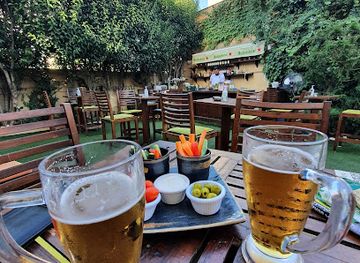
The Ajloun Highlands do not have a major nightclub scene. Evening life is centred on cafés, family restaurants, tea, conversation and the social spaces of Ajloun town, while rural lodges and guesthouses provide quieter evenings with views over woodland and valleys. Some accommodation may organise home-cooked dinners, storytelling, walks or small cultural activities, but these are generally arranged experiences rather than nightly entertainment. Alcohol is not a defining part of local hospitality and may be unavailable in village establishments, so visitors should not assume that bars or licensed venues will be nearby. Those seeking a wider choice of late-night entertainment will need to travel outside the highlands to larger Jordanian urban centres; within Ajloun, the appeal lies in calm evenings, local food and the dark rural landscape.
-
Resort hotel
اكواخ عجلون Ajloun Huts
Experience nature and luxury at Ajloun Huts, where relaxation meets adventure in the heart of Jordan's stunning landscapes.
-
Restaurant
Jar Al Jabal Restaurant - مطعم جار الجبل
Experience the authentic taste of Jordanian cuisine with breathtaking views at Jar Al Jabal Restaurant in scenic Ajloun.
-
Gastropub
Cantaloupe Gastro Pub
Discover the vibrant flavors and stunning views at Cantaloupe Gastro Pub, Amman's premier gastropub for food and nightlife.
-
Bar
Good Pub
Discover Good Pub in Amman - the perfect blend of lively atmosphere, delicious drinks, and local culture in the heart of Jordan's vibrant nightlife.


Best nightclubs in Ajloun Highlands
The Ajloun Highlands do not have a major nightclub scene. Evening life is centred on cafés, family restaurants, tea, conversation and the social spaces of Ajloun town, while rural lodges and guesthouses provide quieter evenings with views over woodland and valleys. Some accommodation may organise home-cooked dinners, storytelling, walks or small cultural activities, but these are generally arranged experiences rather than nightly entertainment. Alcohol is not a defining part of local hospitality and may be unavailable in village establishments, so visitors should not assume that bars or licensed venues will be nearby. Those seeking a wider choice of late-night entertainment will need to travel outside the highlands to larger Jordanian urban centres; within Ajloun, the appeal lies in calm evenings, local food and the dark rural landscape.
-
Historical place museum
Ajloun Castle
Discover the historic Ajloun Castle, a stunning fortress that offers breathtaking views and a rich glimpse into Jordan's medieval past.
-
National park
محمية غابات عجلون
Discover the enchanting Ajloun Forest Reserve, a national park in Jordan filled with lush greenery, rich wildlife, and historical treasures.
-
Restaurant
Jar Al Jabal Restaurant - مطعم جار الجبل
Experience the authentic flavors and breathtaking views at Jar Al Jabal Restaurant in Ajloun, a must-visit for every food lover.
-
Pub
Murphy's - House of Rock
Discover Murphy's - House of Rock in Amman, where delicious food, live music, and a stunning garden create the ultimate nightlife experience.

Best shops in Ajloun Highlands
Shopping in the Ajloun Highlands is modest in scale and closely tied to local production rather than large retail centres. Ajloun town has everyday shops, small food retailers and cafés, while village and community tourism projects may sell olive oil, olives, honey, dried herbs, preserves, soap, textiles and handmade items. Olive-based products are especially appropriate regional purchases, although quality, packaging and transport regulations should be considered when taking food home. Seasonal produce may be available during harvest periods, and farmers' or community outlets can offer a more direct connection with local agriculture than conventional souvenir shops. Handicrafts vary by project, so visitors should ask about provenance and whether purchases support the makers or community initiative. For books, specialist goods and extensive fashion shopping, larger cities outside the highlands are more suitable; Ajloun's retail character is primarily practical, local and food-oriented.
-
Shopping mall
City Mall
Explore City Mall in Amman for an unmatched shopping experience, diverse dining options, and engaging entertainment for all ages.
-
Shopping mall
Abdali Mall
Explore Abdali Mall in Amman for a unique shopping experience, blending local culture with modern retail and diverse dining options.
-
Shopping mall
Taj Lifestyle Center
Experience the best of shopping, dining, and entertainment at Taj Lifestyle Center, the vibrant heart of Amman.
-
Shopping mall
Mecca Mall
Explore Mecca Mall in Amman for a unique blend of shopping, dining, and entertainment in the heart of Jordan's capital.


Get your free copy of our complete guide to Ajloun Highlands, delivered straight to you.
Everything on this page, from attractions and restaurants to essentials and local phrases, in one PDF you can read offline, print or share.
Already have an account? Sign in
Your Ajloun Highlands guide is ready.
We'll send it to · Not you? Sign out

Getting your guide ready…
We are putting together a fresh copy of the Ajloun Highlands guide. This can take up to a minute.
This can take a few moments. If your browser asks, choose Allow so the download can start. You'll find the guide in your Downloads folder.
Nothing happened? Download it again
Sorry, the guide is taking longer than usual. Please try again in a minute, or get it by email instead.
Ajloun Highlands essentials
Currency and Payment
Safety
Emergency Situations
Do's and Don'ts
Local Tips
From Eve
Local phrases worth knowing
You don't need to get them perfect. A few words go a long way, and locals appreciate the effort.
Basics
| English | Local | Say it |
|---|---|---|
| Hello | مرحبا | [Marhaban] |
| Goodbye | وداعا | [Wada'an] |
| Yes | نعم | [Na'am] |
| No | لا | [La] |
| Please/You're welcome | من فضلك | [Min fadlik] |
| Thank you | شكرا | [Shukran] |
| Excuse me/Sorry | عفوا | [Afwan] |
| How are you? | كيف حالك؟ | [Kayfa halak?] |
| Fine. And you? | بخير. وأنت؟ | [Bikhayr. Wa anta?] |
| Do you speak English? | هل تتحدث الإنجليزية؟ | [Hal tatahadath al-ingliziya?] |
| I don't understand | لا أفهم | [La afham] |
Eating & Drinking
| English | Local | Say it |
|---|---|---|
| I'd like to see the menu, please | أود رؤية القائمة، من فضلك | [Awad ru'yat al-qa'ima, min fadlik] |
| I don't eat meat | لا أتناول اللحوم | [La atanaawal al-luhum] |
| Cheers! | في صحتك! | [Fi sihatak!] |
| I would like to pay, please | أود الدفع، من فضلك | [Awad al-daf'a, min fadlik] |
Emergencies
| English | Local | Say it |
|---|---|---|
| Help! | مساعدة! | [Musaa'ada!] |
| Go away! | اذهب بعيدا! | [Izhab ba'id!] |
| Call the Police! | اتصل بالشرطة! | [Ittasil bil-shurta!] |
| Call a doctor! | اتصل بطبيب! | [Ittasil bi-tabeeb!] |
| I'm lost | أنا ضائع | [Ana da'i'] |
| I'm ill | أنا مريض | [Ana marid] |
Shopping
| English | Local | Say it |
|---|---|---|
| I'd like to buy... | أود شراء... | [Awad shira'a...] |
| I'm just looking | أنا فقط أبحث | [Ana faqat abhas] |
| How much is it? | كم يكلف؟ | [Kam yukallif?] |
| That's too expensive | هذا غالي جدا | [Hatha ghali jiddan] |
| Can you lower the price? | هل يمكنك تخفيض السعر؟ | [Hal yumkinuka takhfid al-si'r?] |
Time & Numbers
| English | Local | Say it |
|---|---|---|
| What time is it? | ما الوقت؟ | [Ma al-waqt?] |
| It's one o'clock | الساعة الواحدة | [Al-saa'a al-wahidiya] |
| Half past (10) | نصف (10) | [Nisf (10)] |
| Morning | صباح | [Sabah] |
| Afternoon | بعد الظهر | [Ba'd al-zuhur] |
| Evening | مساء | [Masa'] |
| Yesterday | أمس | [Ams] |
| Today | اليوم | [Al-yawm] |
| Tomorrow | غدا | [Ghadan] |
| 1 | 1 | [Wahid] |
| 2 | 2 | [Ithnain] |
| 3 | 3 | [Thalatha] |
| 4 | 4 | [Arba'a] |
| 5 | 5 | [Khamsa] |
| 6 | 6 | [Sitta] |
| 7 | 7 | [Sab'a] |
| 8 | 8 | [Thamania] |
| 9 | 9 | [Tis'a] |
| 10 | 10 | [Ashara] |
Transport & Directions
| English | Local | Say it |
|---|---|---|
| Where's a/the...? | أين ...؟ | [Ayn ...?] |
| What's the address? | ما هو العنوان؟ | [Ma huwa al-‘unwan?] |
| Can you show me (on the map)? | هل يمكنك إظهار لي (على الخريطة)؟ | [Hal yumkinuka izhar li (ala al-kharita)?] |
| When's the next (bus)? | متى تكون (الحافلة) التالية؟ | [Mata takun (al-hafila) al-taliya?] |
| A ticket (to ....) | تذكرة (إلى ...) | [Tadhkira (ila ...)] |
History of Ajloun Highlands
Bronze Age and Iron Age Settlement
The Ajloun Highlands formed part of the settled hill country east of the Jordan Valley long before the modern town of Ajloun existed. Fertile soils, seasonal rainfall and access to springs supported farming communities, while the ridges offered defensible positions and routes between the highlands and the valley. The wider northern Jordanian landscape was associated in antiquity with the kingdoms and city networks of the Levant, including the territories traditionally linked with Gilead. Archaeological remains across the region are less monumental than Petra's, but terraces, settlement mounds and ancient routes reflect a long history of agriculture and movement through the hills.
Hellenistic and Roman Landscapes
After the conquests of Alexander the Great, the northern Jordanian highlands became part of the Hellenistic political world and later the Roman sphere. Roman administration encouraged the development of roads, towns and agricultural production across the province of Arabia and neighbouring territories. The Ajloun area lay near important routes connecting the interior with the Decapolis cities, including nearby Pella and Gadara outside the highlands themselves. Olive cultivation, village settlement and the use of stone in domestic and public buildings continued through these successive periods, leaving the region embedded in the wider commercial and cultural networks of the eastern Mediterranean.
The Byzantine Christian Era
From late antiquity into the Byzantine period, the Ajloun Highlands formed part of a Christian landscape containing churches, monasteries and rural communities. The archaeological site of Mar Elias, generally identified with the biblical and traditional association of the prophet Elijah, preserves church remains, mosaic pavements and evidence of organised worship. These buildings demonstrate the prosperity and religious importance of parts of northern Jordan during the Byzantine centuries. The surviving ruins also show how Christianity was expressed beyond major cities, through churches serving agricultural villages scattered among the hills and valleys.
Ayyubid Defence and Ajloun Castle
Ajloun Castle was built in the late 12th century under the Ayyubid ruler al-Malik al-Adil, brother of Saladin, and was later enlarged. Its position on a high ridge allowed it to oversee routes between the Jordan Valley, the northern highlands and the approaches towards the Crusader-held territories west of the river. The fortress formed part of the Muslim defensive system during the period of contest between the Ayyubids and the Crusader states. Its surviving towers, curtain walls and interior chambers remain the clearest architectural expression of the region's medieval strategic importance.
Ottoman Rule and Agricultural Villages
Under the Ottoman Empire, the Ajloun area was administered within the wider provincial structures of the Levant and remained predominantly rural. Villages relied on grain, olives, vines, fruit trees and livestock, with local families cultivating slopes and valleys around permanent and seasonal water sources. Stone houses, terraces and village paths evolved in response to the terrain and agricultural economy. Ottoman-era patterns of landholding and local administration continued to shape settlement well into the modern period, even as the region later became part of the political territory of Transjordan.
The Modern Hashemite Kingdom of Jordan
Following the establishment of the Emirate of Transjordan after the First World War and the independence of the Hashemite Kingdom of Jordan in 1946, Ajloun developed within Jordan's modern administrative and economic framework. Roads, schools and public services strengthened links with Amman, Irbid and other northern towns, while agriculture remained central to local livelihoods. In recent decades, the Ajloun Forest Reserve and village-based tourism have encouraged conservation and diversified income without removing the region's agricultural character. Contemporary Ajloun therefore combines historic sites and traditional farming landscapes with a growing, carefully managed visitor economy.
Ajloun Highlands in Photos
Browse through our photo collection highlighting the charm and character of the destination.
Neighbouring regions of Ajloun Highlands
The closest regions to Ajloun Highlands, if you have time for more than one.
-

-

-

-

-


Swipe for more regions
Explore more

Explore more of Jordan
Discover Jordan: A land of ancient cities, breathtaking deserts, and therapeutic seas. Experience the blend of history and modernity in this Middle Eastern gem.
Explore Jordan