

Free Northern Jordan Valley Travel Guide & Mobile App
Explore Northern Jordan Valley with free travel guides. Discover regional history, expert tips, proposed trips, and audio guides on web or mobile app.


Explore Northern Jordan Valley for Pella's ancient ruins, hot springs, fertile farms and wide Rift Valley landscapes between Irbid and the Jordan River.
Read more about Northern Jordan Valley
When is the best time to visit Northern Jordan Valley?
Best: April–May, November · 22–30°C| Month | High (°C) | Rainfall (mm) |
|---|---|---|
| January | 16 | 60 |
| February | 17 | 50 |
| March | 21 | 40 |
| April (best) | 26 | 30 |
| May (best) | 30 | 20 |
| June | 34 | 10 |
| July | 36 | 10 |
| August | 36 | 10 |
| September | 33 | 20 |
| October | 29 | 30 |
| November (best) | 22 | 40 |
| December | 17 | 50 |
Getting to and around Northern Jordan Valley
How to get there
Transportation
Best attractions in Northern Jordan Valley
The Northern Jordan Valley's attractions combine archaeology, rural scenery and water-based landscapes rather than a dense chain of museums or entertainment venues. Pella, or Tabaqat Fahl, is the region's principal archaeological destination, with remains from prehistoric, Hellenistic, Roman, Byzantine and early Islamic occupation spread across a terrace above the cultivated plain. Tell Deir Alla offers a different perspective on the valley's ancient settlement history. Around the northern reaches, Al-Himma's hot springs provide a traditional bathing and relaxation experience, subject to local arrangements and current access conditions. The valley itself is an attraction: citrus and banana plantations, irrigation channels, broad views towards the uplands and seasonal birdlife reveal the importance of water in an otherwise arid part of Jordan. Rural drives can be combined with visits to villages, farm stalls and viewpoints, while the adjoining highlands offer cooler scenery and access routes towards Ajloun and Irbid. Outdoor exploration is best planned around the heat, road conditions and border-related restrictions, since many sites are open landscapes with limited shade and services.
-
Archaeological site
Beit She'an National Park
Explore Beit She'an National Park, a UNESCO World Heritage site rich in ancient history, stunning ruins, and breathtaking natural beauty in Israel's Jordan Valley.
-
Canoe & kayak tour agency
Jordan River Rafting Attractions
Explore the exhilarating Jordan River Rafting Attractions, offering unforgettable kayaking and rafting experiences amidst breathtaking natural beauty.
-
Recreation center
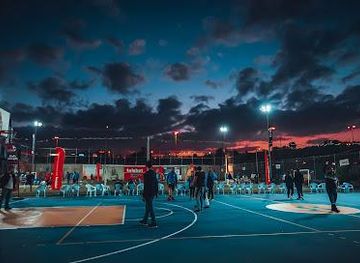
Trax Jo
Unleash your sporting spirit at Trax Jo, Amman's premier recreation center with basketball, padel, and a cozy coffee shop for relaxation.
-
Historical landmark
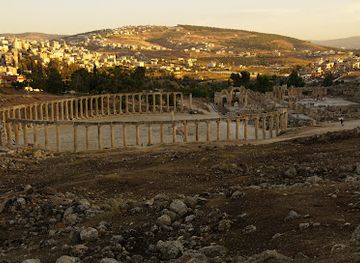
Oval Plaza
Explore the enchanting Oval Plaza in Jerash, a stunning historical landmark that showcases the beauty of Roman architecture amidst ancient ruins.


Best landmarks in Northern Jordan Valley
Pella's archaeological terrace is the Northern Jordan Valley's defining historic landmark. Its elevated position above the plain is as significant as the excavated structures, showing why ancient communities selected this location between the valley floor and the uplands. Columns, churches, streets and public buildings reflect successive Hellenistic, Roman and Byzantine phases, while the surrounding hills provide a powerful sense of the site's geographical setting. Tell Deir Alla is another important landmark of the valley's ancient past: its raised mound stands above the farming landscape and preserves evidence of long settlement and early inscriptions. The Jordan and Yarmouk rivers are natural landmarks as well as strategic boundaries, although access to their banks is restricted or sensitive in places. Al-Himma's spring landscape provides a contrasting living landmark, where warm mineral waters emerge near the northern valley. Across the region, the most characteristic visual markers are not monumental city skylines but the sharp meeting of irrigated fields, dry escarpments, river corridors and distant highlands.
-
Historical place
Petra
Discover the breathtaking beauty and rich history of Petra, the Rose City of Jordan, a UNESCO World Heritage site and archaeological treasure.
-
Historical place
Archaeological Site of Jerash
Explore the exceptional ruins of Jerash, a captivating archaeological site in Jordan that showcases the grandeur of Roman civilization.
-
Historical landmark
Amman Citadel
Experience the rich history and breathtaking views at Amman Citadel, a must-visit archaeological site in Jordan, showcasing ancient ruins and cultural heritage.
-
Historical landmark
Roman Theater
Discover the Roman Theater in Amman, an ancient amphitheater showcasing stunning architecture and rich cultural heritage, perfect for history enthusiasts.


Explore Northern Jordan Valley on the map
Plan your trip on one map. See where the top cities, national parks and sights are, and book hotels and experiences in a few clicks.
Best hotels in Northern Jordan Valley
Best restaurants in Northern Jordan Valley
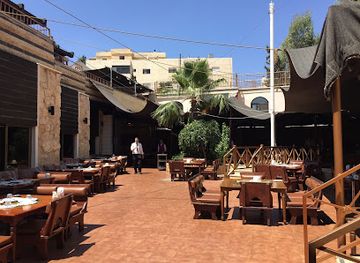
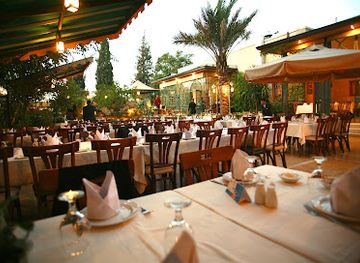
Dining in the Northern Jordan Valley is closely tied to the agricultural plain and the wider cuisine of northern Jordan. Small restaurants and cafés in towns such as North Shouneh and Deir Alla typically serve familiar Jordanian dishes including hummus, falafel, grilled meats, rice, yoghurt, salads and flatbreads, with olive oil and seasonal vegetables especially prominent. Roadside fruit and produce stalls reflect the valley's citrus, banana and vegetable cultivation, although their availability changes through the year. Visitors may also encounter mansaf, Jordan's celebrated lamb and rice dish served with jameed, most often at local gatherings or traditional eateries rather than as an everyday roadside meal. Breakfast cafés, tea and Arabic coffee are useful stops between sites. In rural areas, selection and opening arrangements can be less predictable than in Irbid, so carrying water and snacks is sensible. Meals are generally social and unhurried, and modest dress and courteous greetings are appropriate in family-run establishments.
-
Restaurant
Tawaheen AlHawa
Experience authentic Jordanian flavors at Tawaheen AlHawa in Amman – a culinary delight for every traveler.
-
Lebanese
Fakhreldin Restaurant
Experience authentic Lebanese cuisine at Fakhreldin Restaurant in Amman - where family dining meets culinary excellence.
-
Restaurant
La Capitale Restaurant
Experience fine French dining at La Capitale Restaurant in Amman’s Four Seasons Hotel, where culinary excellence meets elegant ambiance.
-
Hamburger
Food Trends.Jo
Experience gourmet burgers at Food Trends.Jo in Amman—where quality meets flavor in every bite.
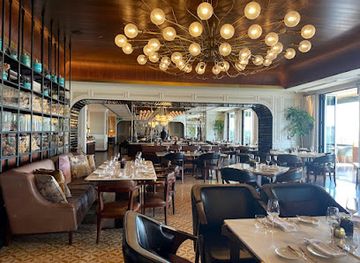

Best bars in Northern Jordan Valley
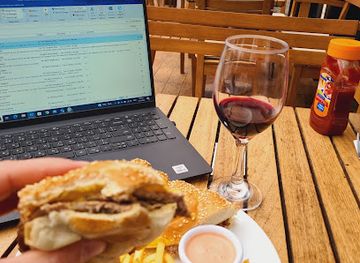
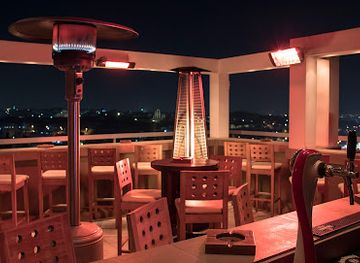
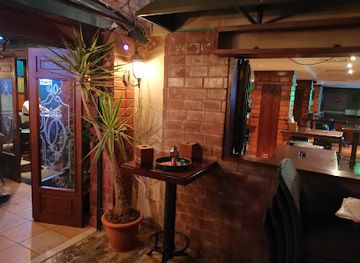
The Northern Jordan Valley is not a nightclub destination, and evening life is centred on cafés, family restaurants, tea, Arabic coffee and informal gatherings rather than alcohol-led entertainment. North Shouneh and other larger settlements provide the most practical places for a simple meal or evening drink, while rural villages usually become quiet after dark. Alcohol is not widely available in ordinary local cafés, and visitors should not assume that every accommodation or restaurant serves it. For a broader choice of hotels, cafés and evening venues, Irbid is the nearest substantial urban centre, although it lies on the upland edge rather than in the lowland valley itself. Evenings can be pleasant in cooler seasons, but roads, services and lighting become limited away from towns, so arrange return transport before travelling to a rural site or hot spring.
-
Pub
The Corner's Pub
Discover the vibrant atmosphere of The Corner's Pub in Amman, a perfect spot for food, drinks, and local culture.
-
Gastropub
Cantaloupe Gastro Pub
Discover the vibrant culinary scene at Cantaloupe Gastro Pub in Amman, where exquisite flavors meet a lively atmosphere for an unforgettable dining experience.
-
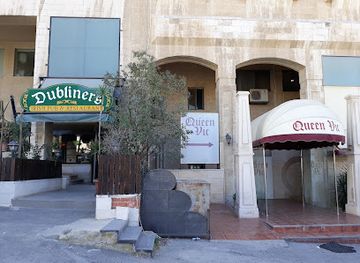
Irish pub
Dubliners
Discover the charm of Ireland at Dubliners, an authentic Irish pub in Amman offering traditional dishes, drinks, and a vibrant atmosphere for all travelers.
-
British
Brick Lane Restaurant & Pub
Discover a taste of British and Irish culture at Brick Lane Restaurant & Pub in Amman, where hearty dishes meet a lively atmosphere.
Best nightclubs in Northern Jordan Valley
The Northern Jordan Valley is not a nightclub destination, and evening life is centred on cafés, family restaurants, tea, Arabic coffee and informal gatherings rather than alcohol-led entertainment. North Shouneh and other larger settlements provide the most practical places for a simple meal or evening drink, while rural villages usually become quiet after dark. Alcohol is not widely available in ordinary local cafés, and visitors should not assume that every accommodation or restaurant serves it. For a broader choice of hotels, cafés and evening venues, Irbid is the nearest substantial urban centre, although it lies on the upland edge rather than in the lowland valley itself. Evenings can be pleasant in cooler seasons, but roads, services and lighting become limited away from towns, so arrange return transport before travelling to a rural site or hot spring.
-
Club
OMNI CLUB AMMAN
Discover Amman's nightlife at OMNI Club, where electrifying music, stylish decor, and an energetic crowd create an unforgettable experience.
-
Restaurant
Sekrab
Discover the vibrant flavors and lively atmosphere of Sekrab, a premier restaurant and lounge on Rainbow Street in Amman.
-
Pub
Long Island club
Discover the lively nightlife at Long Island Club in Amman, where unforgettable music and vibrant atmosphere await every night.
-
Lounge
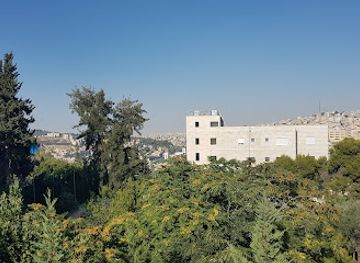
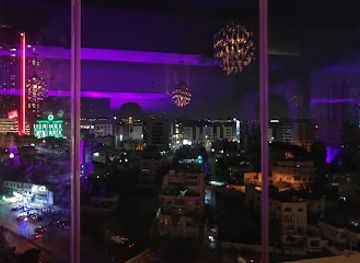
Ghoroub Sunset Bar & Lounge
Experience breathtaking views and exquisite drinks at Ghoroub Sunset Bar & Lounge, the perfect rooftop retreat in Amman.


Best shops in Northern Jordan Valley
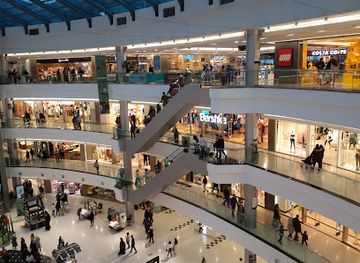
Shopping in the Northern Jordan Valley is primarily practical and agricultural rather than centred on large retail complexes. Town shops and local markets in North Shouneh, Deir Alla and nearby settlements sell household goods, clothing, sweets, bread and everyday supplies, while roadside stalls may offer seasonal citrus, bananas, vegetables and herbs from the surrounding farms. Quality and availability vary with the harvest, and visitors should buy produce from established sellers rather than entering cultivated land without permission. Small food shops are useful for olive oil, yoghurt, dates, spices and packaged Jordanian specialities, though labelling and transport requirements should be considered before taking fresh produce abroad. The region has fewer dedicated craft outlets than Amman, Madaba or northern highland towns, so distinctive souvenirs are more likely to be edible products or items purchased during a wider Jordan itinerary. Irbid provides a substantially broader choice of clothing, books, cafés and modern retail and is the nearest convenient shopping centre for visitors based in the valley.
-
Shopping mall
City Mall
Discover the ultimate shopping experience at City Mall in Amman, where fashion meets dining and entertainment in a vibrant atmosphere.
-
Shopping mall
Abdali Mall
Discover Abdali Mall, Amman's premier shopping destination, featuring top brands, delicious dining, and endless entertainment options in the heart of the city.
-
Shopping mall
Taj Lifestyle Center
Explore the Taj Lifestyle Center in Amman for a unique blend of shopping, dining, and entertainment experiences, perfect for all visitors.
-
Shopping mall
Mecca Mall
Explore Mecca Mall in Amman: A vibrant shopping hub offering a mix of global brands, local treasures, delicious dining, and family-friendly entertainment.


Get your free copy of our complete guide to Northern Jordan Valley, delivered straight to you.
Everything on this page, from attractions and restaurants to essentials and local phrases, in one PDF you can read offline, print or share.
Already have an account? Sign in
Your Northern Jordan Valley guide is ready.
We'll send it to · Not you? Sign out

Getting your guide ready…
We are putting together a fresh copy of the Northern Jordan Valley guide. This can take up to a minute.
This can take a few moments. If your browser asks, choose Allow so the download can start. You'll find the guide in your Downloads folder.
Nothing happened? Download it again
Sorry, the guide is taking longer than usual. Please try again in a minute, or get it by email instead.
Northern Jordan Valley essentials
Currency and Payment
Safety
Emergency Situations
Do's and Don'ts
Local Tips
From Eve
Local phrases worth knowing
You don't need to get them perfect. A few words go a long way, and locals appreciate the effort.
Basics
| English | Local | Say it |
|---|---|---|
| Hello | مرحبا | [Marhaba] |
| Goodbye | وداعا | [Wada'an] |
| Yes | نعم | [Na'am] |
| No | لا | [La] |
| Please/You're welcome | من فضلك | [Min fadlik] |
| Thank you | شكرا | [Shukran] |
| Excuse me/Sorry | عفوا | [Afwan] |
| How are you? | كيف حالك؟ | [Kayfa halak?] |
| Fine. And you? | بخير. وأنت؟ | [Bikhayr. Wa anta?] |
| Do you speak English? | هل تتحدث الإنجليزية؟ | [Hal tatahaddath al-ingliziyya?] |
| I don't understand | أنا لا أفهم | [Ana la afham] |
Eating & Drinking
| English | Local | Say it |
|---|---|---|
| I'd like to see the menu, please | أود رؤية القائمة، من فضلك | [Awad ru'yat al-qa'ima, min fadlik] |
| I don't eat meat | أنا لا أكل اللحم | [Ana la akil al-lahm] |
| Cheers! | صحة | [Sahha] |
| I would like to pay, please | أود الدفع، من فضلك | [Awad al-daf', min fadlik] |
Emergencies
| English | Local | Say it |
|---|---|---|
| Help! | مساعدة! | [Musaa'ada!] |
| Go away! | اذهب بعيدا! | [Izhab ba'idan!] |
| Call the Police! | اتصل بالشرطة! | [Ittasil bil-shurta!] |
| Call a doctor! | اتصل بطبيب! | [Ittasil bi-tabib!] |
| I'm lost | أنا ضائع | [Ana da'i'] |
| I'm ill | أنا مريض | [Ana marid] |
Shopping
| English | Local | Say it |
|---|---|---|
| I'd like to buy... | أود أن أشتري... | [Awad an ashtari...] |
| I'm just looking | أنا فقط أبحث | [Ana faqat abhas] |
| How much is it? | كم ثمنه؟ | [Kam thamanuh?] |
| That's too expensive | هذا مكلف للغاية | [Hatha mukallaf lilghaya] |
| Can you lower the price? | هل يمكنك خفض السعر؟ | [Hal yumkinuka khafdh al-si'r?] |
Time & Numbers
| English | Local | Say it |
|---|---|---|
| What time is it? | كم الساعة؟ | [Kam al-saa'a?] |
| It's one o'clock | الساعة واحدة | [Al-saa'a wahida] |
| Half past (10) | نصف (10) | [Nisf (10)] |
| Morning | صباح | [Sabah] |
| Afternoon | بعد الظهر | [Ba'd al-zuhur] |
| Evening | مساء | [Masa'a] |
| Yesterday | أمس | [Ams] |
| Today | اليوم | [Al-yawm] |
| Tomorrow | غدا | [Ghadan] |
| 1 | واحد | [Wahid] |
| 2 | اثنان | [Ithnan] |
| 3 | ثلاثة | [Thalatha] |
| 4 | أربعة | [Arba'a] |
| 5 | خمسة | [Khamsa] |
| 6 | ستة | [Sitta] |
| 7 | سبعة | [Sab'a] |
| 8 | ثمانية | [Thamaniya] |
| 9 | تسعة | [Tis'a] |
| 10 | عشرة | [Ashara] |
Transport & Directions
| English | Local | Say it |
|---|---|---|
| Where's a/the...? | أين...؟ | [Ayn...?] |
| What's the address? | ما هو العنوان؟ | [Ma huwa al-'unwan?] |
| Can you show me (on the map)? | هل يمكنك أن تريني (على الخريطة)؟ | [Hal yumkinuka an turini (ala al-kharita)?] |
| When's the next (bus)? | متى يأتي (الحافلة) التالية؟ | [Mata ya'ti (al-hafila) al-taliya?] |
| A ticket (to ....) | تذكرة (إلى...) | [Tadhkirah (ila...)] |
History of Northern Jordan Valley
Early Farming and Tell Deir Alla
The valley's water and fertile alluvial soils encouraged settlement from prehistoric times. Tell Deir Alla, on the eastern side of the Jordan Valley, preserves evidence of long occupation and became especially important during the Bronze and Iron Ages. Excavations have revealed remains connected with the wider cultures of the southern Levant, while inscriptions discovered at the site provide valuable evidence for ancient religious and linguistic traditions. The tell's position above the floodplain illustrates a recurring pattern in the region: communities benefited from access to water and farmland while building on slightly raised ground that offered greater security from flooding.
Pella and the Hellenistic World
Pella, or Tabaqat Fahl, was established as a Hellenistic settlement and developed on a prominent terrace overlooking the valley. Its name is usually associated with the Macedonian city of Pella, reflecting the cultural and political world created after Alexander the Great. The site grew into one of the Decapolis cities, a network of predominantly Greco-Roman urban centres in the southern Levant. Its location connected the Jordan Valley with routes towards the uplands, the Sea of Galilee and eastern Jordan, helping it prosper through agriculture, trade and regional administration.
Roman and Byzantine Pella
Under Roman rule, Pella expanded with public buildings, roads and urban infrastructure characteristic of the period. In the Byzantine era it became an important Christian settlement, and excavated churches and other structures show the valley's integration into the religious and economic life of the eastern Mediterranean. The city occupied a strategic position between the lowlands and the plateau, but its prosperity was repeatedly affected by regional conflict and natural hazards. The visible remains today are therefore layered rather than uniform, combining Hellenistic, Roman, Byzantine and later occupation.
The Earthquake of 749
A major earthquake in 749, generally associated with the seismic activity that affected the Jordan Valley and surrounding Levant, caused extensive destruction at Pella and many other settlements in the region. The disaster altered the urban character of the site and contributed to the decline of several established centres. Pella did not simply disappear after the earthquake, but its earlier importance was not fully restored. Fallen masonry, damaged buildings and abandoned urban areas provide an archaeological reminder that life in the Jordan Rift has always been shaped by powerful geological forces.
Medieval Routes and Rural Settlement
After the decline of the great classical cities, the valley remained an agricultural and strategic corridor linking the Jordanian plateau with routes farther west and north. Settlement patterns shifted, and medieval communities used springs, fertile areas and elevated positions according to changing political and economic circumstances. The Jordan Valley formed part of a wider landscape contested and administered by successive Islamic dynasties, while nearby upland towns and fortifications controlled approaches from the interior. Much of this history is visible less through monumental urban ruins than through place names, field systems, roads and reused building materials.
Ottoman Administration and Modern Agriculture
Under Ottoman rule, the valley was governed as part of the wider provinces of the eastern Levant, with villages, cultivated plots and seasonal movement shaped by taxation, landholding and access to water. In the modern period, roads, pumping, irrigation schemes and agricultural development transformed the lowland. The establishment of the Hashemite Kingdom of Jordan and subsequent state-led water management made the Jordan Valley an important food-producing region. Citrus, bananas, vegetables and other crops now form a defining part of its economy, although water scarcity remains a major environmental and political challenge.
Northern Jordan Valley in Photos
Browse through our photo collection highlighting the charm and character of the destination.
Neighbouring regions of Northern Jordan Valley
The closest regions to Northern Jordan Valley, if you have time for more than one.
-

-

-

-

-


Swipe for more regions
Explore more

Explore more of Jordan
Discover Jordan: A land of ancient cities, breathtaking deserts, and therapeutic seas. Experience the blend of history and modernity in this Middle Eastern gem.
Explore Jordan