

Free Garden City Travel Guide & Mobile App
Plan your Garden City trip with Evendo. Get free guides to top attractions, restaurants, hotels, and bars. Web access or download the mobile app.




Garden City, Kansas, blends prairie heritage, multicultural flavours, family attractions, wildlife, museums and wide-open High Plains scenery for curious travellers.
A High Plains Crossroads
Garden City lies in south-western Kansas, where the broad horizons of the High Plains meet an irrigated agricultural landscape. The city grew beside the railway and remains a practical regional centre for Finney County, with a spacious, low-rise character and a strong connection to farming, ranching and the surrounding prairie. Long streets, generous parks and expansive skies give the city a distinctly western Kansas sense of scale.Read more about Garden City
Wildlife, History and Family Attractions
Life in the Local Community
When is the best time to visit Garden City?
Best: April–May, September · 20–27°C| Month | High (°C) | Rainfall (mm) |
|---|---|---|
| January | 7 | 15 |
| February | 9 | 20 |
| March | 15 | 25 |
| April (best) | 20 | 30 |
| May (best) | 26 | 50 |
| June | 31 | 60 |
| July | 34 | 65 |
| August | 33 | 60 |
| September (best) | 27 | 45 |
| October | 20 | 35 |
| November | 12 | 20 |
| December | 6 | 15 |
Getting to and around Garden City
How to get there
Transportation
Best attractions in Garden City
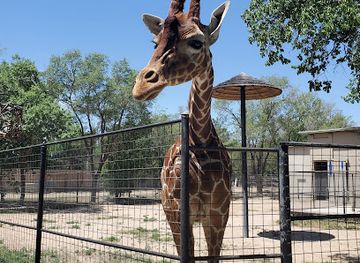
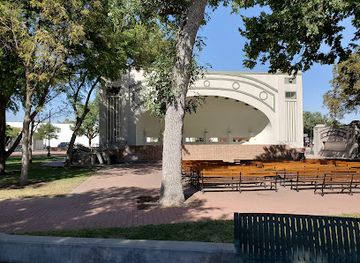
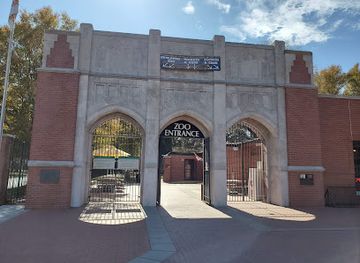
Garden City's principal attractions combine wildlife, local history and spacious recreation. Lee Richardson Zoo is the city's best-known family destination, with animal habitats set within landscaped grounds and a strong connection to the wider plains environment. At Finnup Park, visitors can pair a walk through open green space with The Big Pool, a long-established public swimming facility, and the Finney County Historical Museum, which interprets the county's Indigenous, railway, agricultural and community history. The Sandsage Bison Range and Wildlife Area offers a more natural setting, where native grassland and bison conservation provide a contrast to formal zoo exhibits. Buffalo Dunes Golf Course brings rolling prairie terrain into a recreational setting, while Parrot Cove Water Park adds seasonal aquatic activities. Downtown streets, civic parks and local businesses complete a sightseeing experience centred on the character of a working High Plains city rather than a dense cluster of monumental landmarks.
-
Zoo
Lee Richardson Zoo
Explore the diverse wildlife and conservation efforts at Lee Richardson Zoo in Garden City, Kansas - a family-friendly destination for all ages.
8 min drive · 2.7 km from city centre
-
Tourist attraction
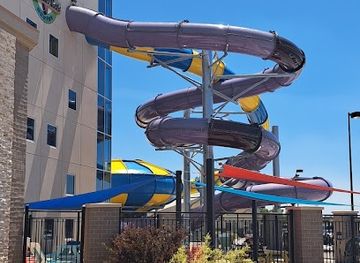
Parrot Cove Indoor Water Park
Experience year-round aquatic fun at Parrot Cove Indoor Water Park, the ultimate family-friendly destination in Garden City, Kansas, with thrilling slides and relaxing pools.
17 min walk · 1.3 km from city centre
-
Tourist attraction
Stevens Park
Experience the tranquility of Stevens Park, a peaceful retreat in Garden City, KS, featuring beautiful gardens, recreational facilities, and family-friendly activities.
6 min drive · 2.0 km from city centre
-
Escape room center
Escape The cLock
Discover the thrill of teamwork and problem-solving at Escape The Clock, Garden City's top escape room destination for adventure seekers.
7 min drive · 2.3 km from city centre
Best landmarks in Garden City
Garden City's landmarks express the city's development as a railway, agricultural and civic centre. The Amtrak station recalls the continuing importance of the Santa Fe railway corridor that helped establish the settlement in 1878, while the downtown commercial streets preserve the scale of an early regional business district. The Finney County Historical Museum is a key cultural landmark, safeguarding the stories of the county and connecting local history with the wider transformation of the High Plains. Finnup Park and The Big Pool represent the civic investment made in shared recreation, particularly important in a hot, dry landscape. Lee Richardson Zoo has become a contemporary civic landmark through its long-standing role in education and family life, and the Sandsage Bison Range offers a symbolic link to native grassland and the bison that once shaped the plains ecology. Together, these sites show how Garden City grew through transport, water, work and community institutions.
-
Zoo
Lee Richardson Zoo
Discover the amazing wildlife and educational experiences at Lee Richardson Zoo in Garden City, KS, a must-visit destination for families and animal lovers.
8 min drive · 2.7 km from city centre
-
Pizza
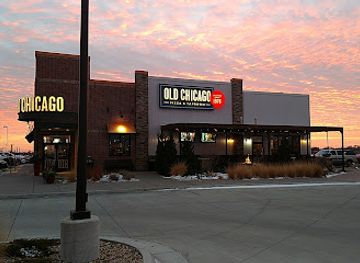
Old Chicago Pizza + Taproom
Experience a delightful fusion of flavors at Old Chicago Pizza + Taproom in Garden City, Kansas, offering delicious pizzas and a vibrant atmosphere for all.
16 min walk · 1.3 km from city centre
-
Shopping mall
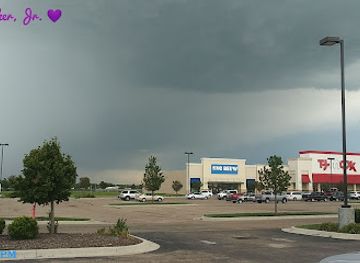
Schulman Crossing Shopping Center
Experience shopping bliss at Schulman Crossing Shopping Center in Garden City, Kansas, with an array of stores, dining, and entertainment for everyone.
18 min walk · 1.4 km from city centre
-
American
Hanna's Corner
Discover the heart of American breakfast at Hanna's Corner in Garden City, Kansas, where delicious flavors and warm hospitality await.
10 min drive · 3.2 km from city centre
Explore Garden City on the map
Plan your Garden City trip on one map. See where the top attractions, landmarks, restaurants, bars and hotels are, find what's near where you're staying, and book hotels and experiences in a few clicks.
Best hotels in Garden City
Best restaurants in Garden City
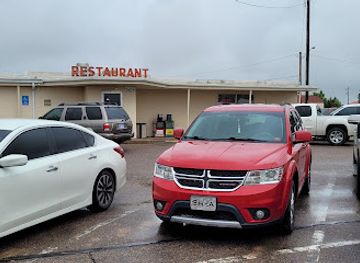
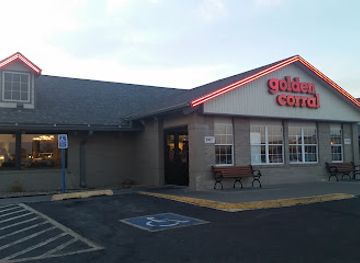
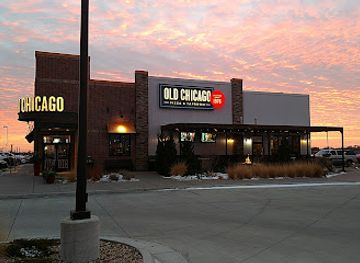
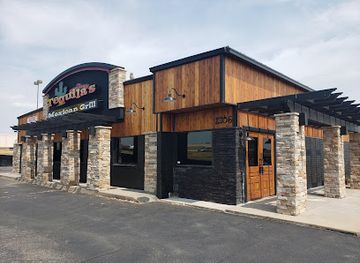
Garden City's dining scene reflects both its agricultural surroundings and its multicultural population. Mexican food is particularly prominent, ranging from casual taquerias and family-run restaurants to bakeries and shops selling familiar regional ingredients, while Asian and other international influences add depth unusual for a city of its size. Classic American diners, grills, cafés and fast-casual restaurants serve the practical needs of a regional centre, with beef and other locally connected products appearing frequently on menus. Supermarkets and independent food businesses can be useful for discovering ingredients, prepared foods and snacks associated with the community's many cultural backgrounds. Dining is generally dispersed along commercial roads and around central Garden City rather than concentrated in one restaurant quarter, so a car is often convenient. Menus and opening patterns can vary, particularly outside the busiest periods.
-
Buffet
Golden Corral Buffet & Grill
Experience the ultimate buffet dining at Golden Corral Buffet & Grill in Garden City, offering delicious American cuisine for every palate.
2 min walk · 0.2 km from city centre
-
Pizza
Old Chicago Pizza + Taproom
Experience delicious handcrafted pizzas and a vibrant atmosphere at Old Chicago Pizza + Taproom in Garden City - perfect for families and food lovers alike.
16 min walk · 1.3 km from city centre
-
Mexican
Tequilas Mexican Grill
Experience authentic Mexican flavors at Tequilas Mexican Grill in Garden City - a must-visit for food lovers seeking vibrant cuisine.
10 min walk · 0.8 km from city centre
-
Restaurant
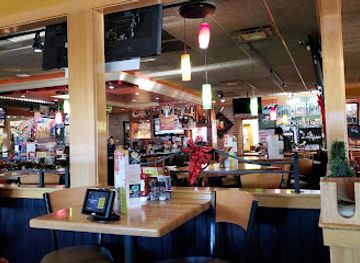
Applebee's Grill + Bar
Experience delicious American cuisine at Applebee's Grill + Bar in Garden City – where flavor meets fun in a family-friendly atmosphere.
5 min drive · 1.6 km from city centre
Best bars in Garden City
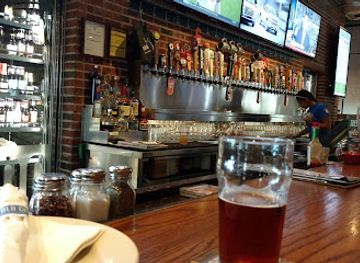
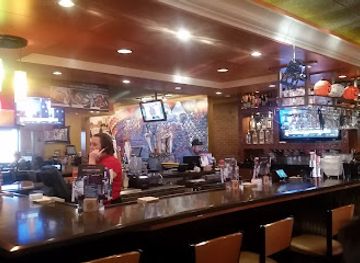
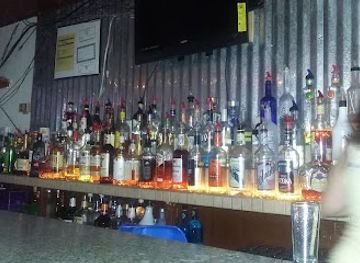
Garden City's evening life is modest and community-oriented rather than built around a large club scene. Visitors find casual bars, sports-oriented venues, restaurants serving drinks and social spaces where residents gather after work, while downtown provides the most natural area for an evening walk between local establishments. Entertainment may also take the form of seasonal events, performances, cinema and community activities rather than late-night dancing. The city's multicultural character is sometimes reflected in gatherings and celebrations connected with local communities, although programmes change throughout the year. Those seeking a quiet evening can use the parks and civic areas before dark, while anyone driving beyond the city should plan a safe return because distances between settlements are considerable. Venue hours, age requirements and transport options vary, so checking locally is sensible.
-
Pizza
Old Chicago Pizza + Taproom
Savor the flavors of Old Chicago Pizza + Taproom, where delicious pizzas meet a lively atmosphere in Garden City, Kansas.
16 min walk · 1.3 km from city centre
-
Restaurant
Applebee's Grill + Bar
Discover Applebee's Grill + Bar in Garden City, KS—where hearty American dishes meet a vibrant dining atmosphere perfect for families and friends.
5 min drive · 1.6 km from city centre
-
Chicken Wings
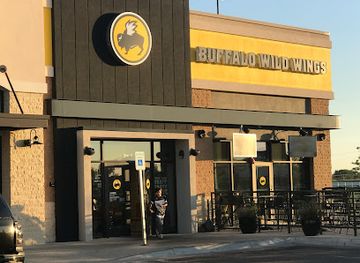
Buffalo Wild Wings
Dive into flavor and sports excitement at Buffalo Wild Wings in Garden City, Kansas, where wings and games come together for an unforgettable experience.
17 min walk · 1.4 km from city centre
-
American
Hanna's Corner
Discover the heartwarming charm of Hanna's Corner, where delicious American breakfast delights await in the heart of Garden City, Kansas.
10 min drive · 3.2 km from city centre
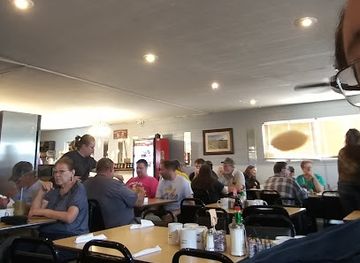
Best nightclubs in Garden City
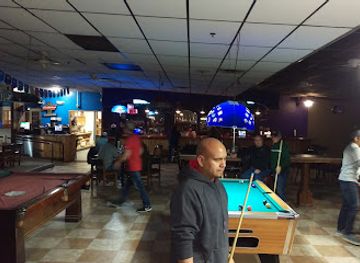
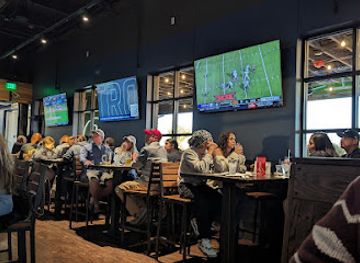
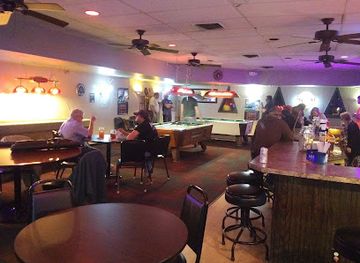
Garden City's evening life is modest and community-oriented rather than built around a large club scene. Visitors find casual bars, sports-oriented venues, restaurants serving drinks and social spaces where residents gather after work, while downtown provides the most natural area for an evening walk between local establishments. Entertainment may also take the form of seasonal events, performances, cinema and community activities rather than late-night dancing. The city's multicultural character is sometimes reflected in gatherings and celebrations connected with local communities, although programmes change throughout the year. Those seeking a quiet evening can use the parks and civic areas before dark, while anyone driving beyond the city should plan a safe return because distances between settlements are considerable. Venue hours, age requirements and transport options vary, so checking locally is sensible.
-
Grill
Time Out Sports Bar & Restaurant
Discover the ultimate sports bar experience at Time Out Sports Bar & Restaurant, serving delicious American cuisine in a vibrant atmosphere.
9 min drive · 2.8 km from city centre
-
Restaurant
Walk-On's Sports Bistreaux - Garden City, KS
Experience the perfect blend of delicious food and sports entertainment at Walk-On's Sports Bistreaux in Garden City, KS.
7 min walk · 0.6 km from city centre
-
Bar
Loving’s Moon
Discover the vibrant nightlife at Loving's Moon, a lively bar in Garden City, Kansas, featuring great drinks, karaoke, and live music events.
9 min drive · 2.9 km from city centre
-
Bar
Good Times Bar
Discover the lively atmosphere of Good Times Bar in Garden City, Kansas, where great drinks, fun events, and unforgettable nights await.
8 min drive · 2.5 km from city centre
Best shops in Garden City
Shopping in Garden City serves both local residents and the wider agricultural region. Downtown offers independent businesses, practical services and a traditional commercial streetscape, while newer retail areas and shopping centres provide national chains, groceries, clothing and household goods. Visitors interested in local character can look for Mexican food products, regional snacks, western-style clothing, handmade items and gifts connected with the High Plains, although the selection changes among individual businesses. Supermarkets are useful for discovering the ingredients and prepared foods associated with Garden City's multicultural population. The city is not primarily a luxury-shopping destination, and its retail culture is more functional and community-based than fashion-led. A short exploration of central streets alongside the larger commercial districts gives a clearer sense of how an agricultural service city balances independent enterprises with modern regional retail.
-
Department store
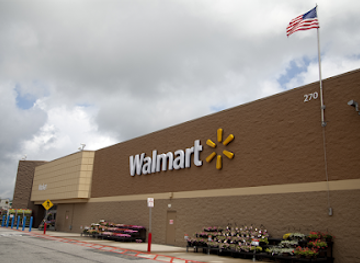
Walmart Supercenter
Explore Walmart Supercenter in Garden City for a diverse shopping experience, from groceries to electronics, all in one convenient location.
5 min drive · 1.7 km from city centre
-
Shopping mall
Schulman Crossing Shopping Center
Explore Schulman Crossing Shopping Center in Garden City, Kansas - a vibrant hub for shopping, dining, and entertainment for all ages.
18 min walk · 1.4 km from city centre
-
Craft store
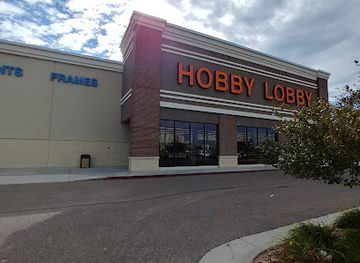
Hobby Lobby
Explore creativity at Hobby Lobby, a premier craft store in Garden City, offering everything from fabrics to home goods for all your crafting needs.
19 min walk · 1.5 km from city centre
-
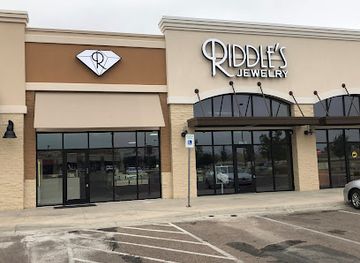
Jewelry store
Riddle's Jewelry - Garden City
Discover exquisite jewelry and exceptional craftsmanship at Riddle's Jewelry in Garden City, Kansas, the perfect destination for fine jewelry lovers.
17 min walk · 1.4 km from city centre
Get your free copy of our complete guide to Garden City, delivered straight to you.
Everything on this page, from attractions and restaurants to essentials and local phrases, in one PDF you can read offline, print or share.
Already have an account? Sign in
Your Garden City guide is ready.
We'll send it to · Not you? Sign out

Getting your guide ready…
We are putting together a fresh copy of the Garden City guide. This can take up to a minute.
This can take a few moments. If your browser asks, choose Allow so the download can start. You'll find the guide in your Downloads folder.
Nothing happened? Download it again
Sorry, the guide is taking longer than usual. Please try again in a minute, or get it by email instead.
Garden City essentials
Currency and Payment
Safety
Emergency Situations
Do's and Don'ts
Local Tips
From Eve
Local phrases worth knowing
You don't need to get them perfect. A few words go a long way, and locals appreciate the effort.
Basics
| English | Local | Say it |
|---|---|---|
| Hello | Howdy | [hah-dee] |
| Goodbye | See ya later | [see yuh lay-ter] |
| Yes | Yep | [yep] |
| No | Nah | [nah] |
| Please/You're welcome | Please | [pleez] |
| Thank you | Thanks | [thanks] |
| Excuse me/Sorry | Pardon me | [par-dun me] |
| How are you? | How's it goin'? | [hows it go-in] |
| Fine. And you? | Just fine. And you? | [just fine. and yuh] |
| Do you speak English? | Ya speak English? | [ya speak ing-lish] |
| I don't understand | I reckon I don't get it | [I reckon I don't get it] |
Eating & Drinking
| English | Local | Say it |
|---|---|---|
| I'd like to see the menu, please | Can I take a gander at the grub options, please | [kan eye take uh gan-der at the grub op-shuns pleez] |
| I don't eat meat | I ain't no meat eater | [I ain't no meat eater] |
| Cheers! | Bottoms up! | [bot-ums up] |
| I would like to pay, please | I reckon I'll settle up, please | [I reckon I'll set-tul up pleez] |
Emergencies
| English | Local | Say it |
|---|---|---|
| Help! | SOS! | [S-O-S] |
| Go away! | Git! | [git] |
| Call the Police! | Get the Sheriff! | [get the sheriff] |
| Call a doctor! | Get the doc! | [get the doc] |
| I'm lost | I'm turned around | [I'm turned around] |
| I'm ill | I'm feelin' poorly | [I'm feelin' poor-ly] |
Shopping
| English | Local | Say it |
|---|---|---|
| I'd like to buy... | I'm fixin' to purchase... | [I'm fixin' to pur-chase] |
| I'm just looking | I'm just browsin' | [I'm just brow-sin] |
| How much is it? | What's the damage? | [whats the dam-age] |
| That's too expensive | That's mighty steep | [that's might-ee steep] |
| Can you lower the price? | Can ya knock the price down? | [can yuh nok the price down] |
Time & Numbers
| English | Local | Say it |
|---|---|---|
| What time is it? | What's the hour? | [whats the hour] |
| It's one o'clock | It's right at one | [It's right at one] |
| Half past (10) | Ten-thirty | [ten-thur-tee] |
| Morning | Mornin' | [morn-in] |
| Afternoon | Afternoon | [Afternoon] |
| Evening | Evenin' | [even-in] |
| Yesterday | Yest'day | [yest-day] |
| Today | Today | [Today] |
| Tomorrow | Tomorra | [tom-or-ra] |
| 1 | One | [One] |
| 2 | Two | [Two] |
| 3 | Three | [Three] |
| 4 | Four | [Four] |
| 5 | Five | [Five] |
| 6 | Six | [Six] |
| 7 | Seven | [Seven] |
| 8 | Eight | [Eight] |
| 9 | Nine | [Nine] |
| 10 | Ten | [Ten] |
Transport & Directions
| English | Local | Say it |
|---|---|---|
| Where's a/the...? | Where's the...? | [wheres the] |
| What's the address? | Where's it located? | [wheres it loc-ay-ted] |
| Can you show me (on the map)? | Can ya point it out (on the map)? | [can yuh point it out on the map] |
| When's the next (bus)? | When's the next (bus) comin'? | [whens the next bus comin] |
| A ticket (to ....) | A ticket (to ....) | [A ticket (to ....)] |
History of Garden City
Plains Peoples and Changing Frontiers
Before the founding of Garden City, the surrounding High Plains formed part of the homeland and travel territory of Indigenous peoples, including the Comanche, Kiowa, Arapaho, Cheyenne and Plains Apache. Their lives were shaped by the region's grasslands, water sources and bison herds. During the nineteenth century, United States expansion, military campaigns, treaty-making and the forced removal of Indigenous communities transformed the area. The arrival of cattlemen, farmers, railways and government institutions then brought a new settler landscape, although Indigenous history remains essential to understanding south-western Kansas.
The Town Founded beside the Railway
Garden City was established in 1878, during the period when the Atchison, Topeka and Santa Fe Railway extended across south-western Kansas. The railway connected the small settlement with markets, supplies and migration routes, helping it become a commercial centre for a large agricultural and ranching hinterland. Its name belonged to the optimistic town-building vocabulary of the era, when planned communities were promoted as places where irrigation and cultivation could make the plains more productive. The railway corridor and the early commercial streets remain central to the city's historical identity.
Irrigation and Agricultural Expansion
Reliable water became the foundation of Garden City's growth. Irrigation projects, wells and canals allowed farmers to cultivate crops in a dry climate and encouraged the development of supporting businesses, grain handling and livestock production. The local economy became closely connected to agriculture, while the railway carried produce and animals to distant markets. This transformation also altered the landscape, replacing sections of open grassland with fields, shelterbelts and settlements. The region's modern identity still rests on the relationship between scarce water, intensive farming and the immense scale of the plains.
Community Institutions Take Root
As Garden City expanded, schools, churches, civic organisations, parks and commercial buildings gave the settlement the institutions of a regional city. The Finney County Historical Museum preserves material connected with this development, including the everyday lives of farmers, merchants, railway workers and local families. Public recreation also became part of civic life, with Finnup Park and The Big Pool providing shared spaces in a landscape where summer heat and open distances are defining conditions. These institutions helped turn a railway settlement into the administrative and social centre of its county.
The Dust Bowl Era
During the 1930s, drought, economic hardship and severe wind erosion affected western Kansas as part of the wider Dust Bowl. Garden City and neighbouring agricultural communities faced pressure on farms, water supplies and household finances, while federal conservation programmes encouraged better soil management and the protection of farmland. The period left a lasting mark on regional memory and reinforced the importance of irrigation, shelterbelts and careful stewardship of the plains. The experience also contributed to the distinctive resilience associated with communities in south-western Kansas.
Migration and a Multicultural Present
Twentieth-century agriculture and meat processing attracted workers and families from across the United States and from many parts of the world. Garden City consequently developed a more diverse population than its early railway-era origins might suggest, with Spanish-speaking communities and residents connected to Asia, Africa and other regions contributing to civic, religious and commercial life. This history is visible in local food, schools, festivals and businesses. Contemporary Garden City is therefore not only an agricultural centre but also a place shaped by continuing migration, cultural exchange and the demands of a changing regional economy.
Garden City in Photos
Browse through our photo collection highlighting the charm and character of the destination.
Cities near Garden City
The closest cities to Garden City, if you have time for more than one stop.
-

-

-
-

-


Swipe for more cities
Explore more

Explore more of Kansas
Explore Kansas: Where history, nature, and small-town charm converge in the heart of America. Discover prairies, cultural landmarks, and delicious cuisine in the Sunflower State.
Explore Kansas