

Free Trinidad Travel Guide & Mobile App
Plan your Trinidad trip with Evendo. Get free guides to top attractions, restaurants, hotels, and bars. Web access or download the mobile app.


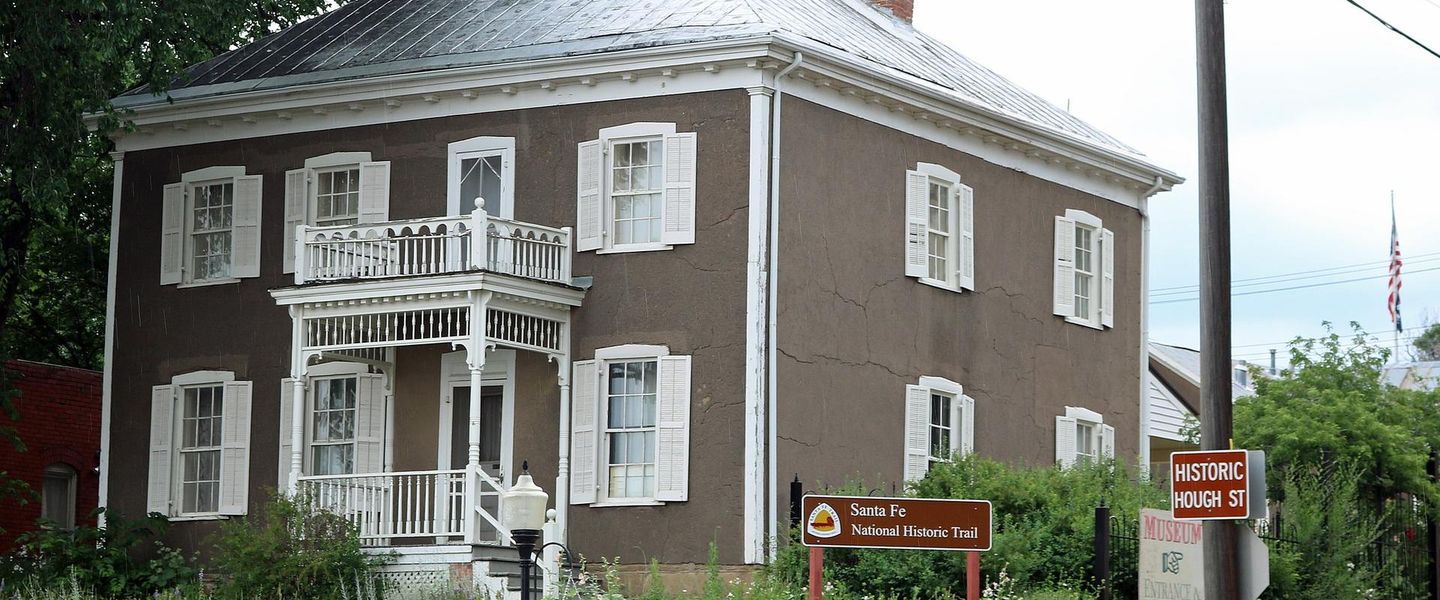


Trinidad, Colorado blends Santa Fe Trail history, coal-country heritage, mountain scenery, art galleries and outdoor adventures near the New Mexico border.
Frontier Heritage and Victorian Streets
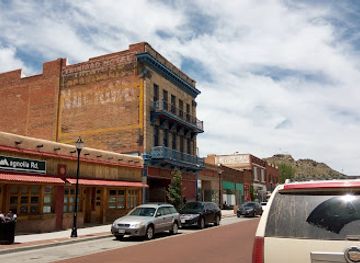
Trinidad lies in southern Colorado beside the New Mexico border, where the foothills of the Sangre de Cristo Mountains rise above the Purgatoire River valley. Its historic centre preserves the layered character of a former Santa Fe Trail settlement, railroad town and coal-mining community. Brick commercial buildings, Victorian homes and broad streets give downtown Trinidad a slower, walkable rhythm, while the Trinidad History Museum brings local stories to life through the Baca House, Bloom Mansion and associated collections.Read more about Trinidad
Art, Memory and the Open Landscape
A Crossroads in Southern Colorado
When is the best time to visit Trinidad?
Best: May–June, September · 21–27°C| Month | High (°C) | Rainfall (mm) |
|---|---|---|
| January | 6 | 15 |
| February | 8 | 15 |
| March | 11 | 25 |
| April | 16 | 25 |
| May (best) | 21 | 35 |
| June (best) | 27 | 30 |
| July | 29 | 40 |
| August | 29 | 45 |
| September (best) | 24 | 35 |
| October | 17 | 25 |
| November | 11 | 20 |
| December | 6 | 15 |
Getting to and around Trinidad
How to get there
Transportation
Best attractions in Trinidad
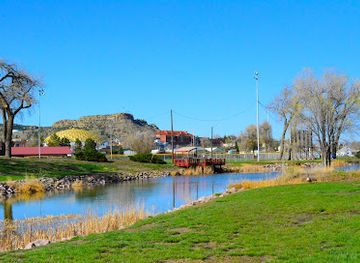
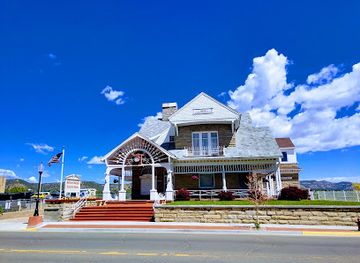
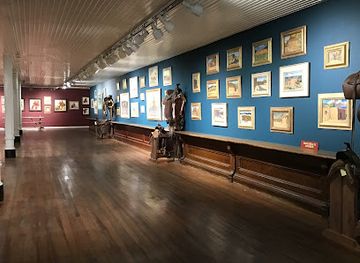
Trinidad's principal attractions combine a compact historic centre with open landscapes on its edge. The Trinidad History Museum interprets local settlement through the Baca House, Bloom Mansion and related collections, while the A.R. Mitchell Museum of Western Art displays paintings and illustrations rooted in the culture and scenery of the American West. Downtown Main Street rewards a slow walk past preserved commercial architecture, galleries and public art. Simpson's Rest, reached above the city, provides an elevated view across the Purgatoire River valley and towards the surrounding mesas and peaks. West of town, Trinidad Lake State Park offers boating, fishing, camping and trails around its reservoir, while Fishers Peak State Park protects a wilder mountain landscape south of the city. Together these sites show how Trinidad's identity grew from trade, railroads and coal mining while remaining closely tied to southern Colorado's high-plains environment.
-
Tourist attraction
Central Park
Discover Trinidad's vibrant heart: a blend of recreation, nature, and community spirit in a scenic park setting.
18 min walk · 1.4 km from city centre
-
Tourist attraction
Trinidad History Museum
Discover Southern Colorado's heritage at the Trinidad History Museum, featuring historic homes, gardens, and exhibits in Trinidad's historic district.
2 min walk · 0.2 km from city centre
-
Tourist attraction
A.R. Mitchell Museum of Western Art
Experience the authentic American West through the art of A.R. Mitchell and his contemporaries in Trinidad, Colorado.
5 min walk · 0.4 km from city centre
-
Tourist attraction
Louden-Henritze Archaeology
Explore fossils, artifacts, and ancient cultures at Trinidad's archaeology museum, offering a fascinating journey through time.
15 min walk · 1.2 km from city centre
Best landmarks in Trinidad
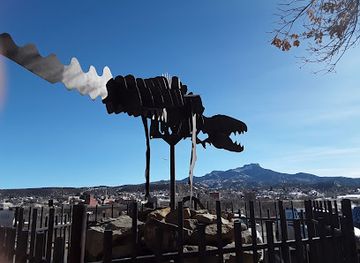
Trinidad's landmarks express the city's passage from Hispanic settlement and Santa Fe Trail crossroads to railroad and coal town. The Trinidad History Museum's Baca House and Bloom Mansion preserve two contrasting examples of domestic and civic life, while the historic downtown contains late-nineteenth- and early-twentieth-century commercial architecture associated with railway-era growth. Simpson's Rest is both a scenic overlook and a recognisable symbol of Trinidad's position in the Purgatoire valley. The former Trinidad Carnegie Library, now associated with local cultural use, reflects the civic ambition of the early twentieth century. Religious buildings and long-established neighbourhood churches also record the city's Hispanic, Catholic and immigrant histories. Beyond the built centre, the Spanish Peaks visible from the region and the distinctive mass of Fishers Peak provide natural landmarks that continue to shape Trinidad's sense of place.
-
Chinese
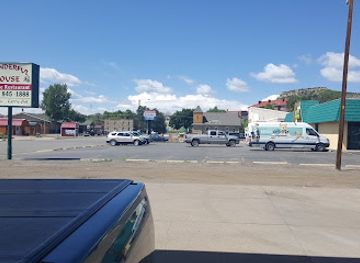
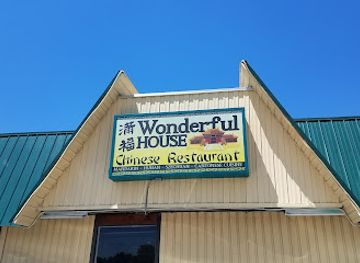
Wonderful House | Chinese Restaurant
Experience authentic Chinese cuisine at Wonderful House in Trinidad, Colorado, where delicious flavors and a welcoming atmosphere await.
13 min walk · 1.1 km from city centre
-
Cannabis store
Native Roots
Experience the heart of cannabis culture at Native Roots in Trinidad, Colorado, where quality meets community in a welcoming environment.
13 min drive · 4.2 km from city centre
-
Hotel
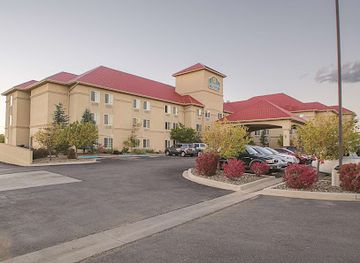
La Quinta Inn & Suites by Wyndham Trinidad
Discover comfort and convenience at La Quinta Inn & Suites by Wyndham Trinidad, your ideal retreat in southern Colorado.
11 min drive · 3.7 km from city centre
-
Cannabis store
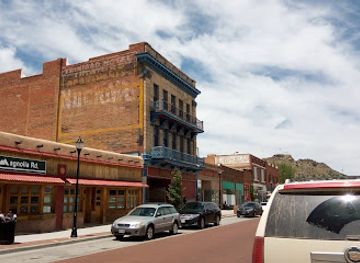
Magnolia Road Cannabis Co. Dispensary
Discover the vibrant cannabis culture at Magnolia Road Cannabis Co. in Trinidad, Colorado – a top destination for quality cannabis products and education.
8 min walk · 0.6 km from city centre
Explore Trinidad on the map
Plan your Trinidad trip on one map. See where the top attractions, landmarks, restaurants, bars and hotels are, find what's near where you're staying, and book hotels and experiences in a few clicks.
Best hotels in Trinidad
Best restaurants in Trinidad
Trinidad's dining scene reflects its position between southern Colorado and northern New Mexico, with Mexican and New Mexican influences alongside familiar American café and grill traditions. Visitors may encounter dishes built around chile, beans, tortillas and slow-cooked meats, while local bakeries, breakfast cafés and family-run eateries provide a less formal way to experience the town. Downtown is the main area for restaurants and cafés, with historic commercial buildings giving meals a distinctly local setting. The city's Hispanic heritage and long history of migration have shaped home cooking and community food traditions, while newer businesses add coffee, craft beverages and contemporary interpretations of regional ingredients. Dining choices are more intimate and independent than those of a large city, and opening patterns can vary, particularly outside the busiest hours, so checking current arrangements is sensible.
-
Mexican
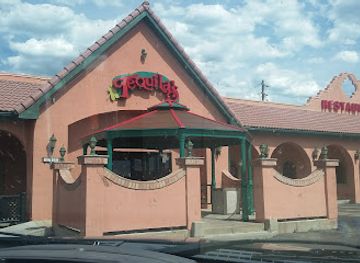
Tequila's Family Mexican Restaurant
Experience authentic Mexican flavors at Tequila's Family Mexican Restaurant in Trinidad – perfect for families and food lovers alike.
14 min drive · 4.5 km from city centre
-
Chinese
Wonderful House | Chinese Restaurant
Experience the rich flavors of authentic Chinese cuisine at Wonderful House in Trinidad, Colorado - where every dish tells a story.
13 min walk · 1.1 km from city centre
-
American
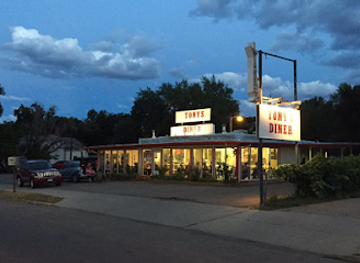
Tony's Diner
Experience delightful American comfort food with Mediterranean flair at Tony's Diner in Trinidad, Colorado – where every meal feels like home.
3 min walk · 0.3 km from city centre
-
Fast Food
McDonald's
Experience the iconic taste of McDonald's in Trinidad, CO - fast food favorites served all day with familiar comfort.
10 min walk · 0.8 km from city centre
Best bars in Trinidad
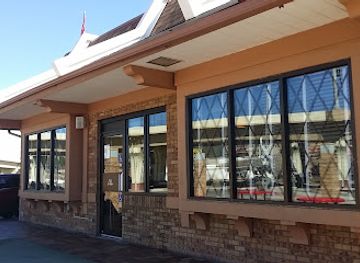
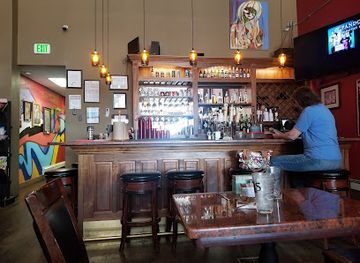
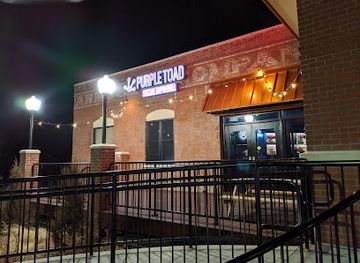
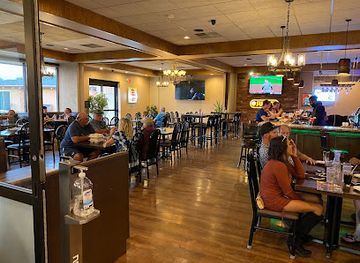
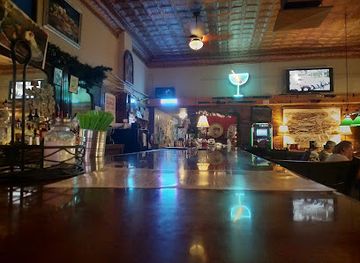
Trinidad's evening scene is modest and locally oriented rather than built around large nightclubs. Downtown bars, taverns and casual drinking spaces provide places to meet residents, while some restaurants and community venues host live music, performances or cultural events. The historic Main Street area is the natural focus for an evening wander, with a few establishments occupying buildings that recall the city's commercial past. Craft beer and regional spirits may feature alongside standard bar offerings, but the atmosphere is generally relaxed and conversational. Night-time entertainment can also include gallery events, theatre and seasonal community programmes rather than club culture. Because Trinidad is a small city, schedules and late-night options vary, and visitors should avoid assuming that every venue operates daily or late into the night.
-
Mexican
Tequila's Family Mexican Restaurant
Experience the vibrant flavors of Mexico at Tequila's Family Mexican Restaurant in Trinidad, offering authentic dishes and a welcoming atmosphere for all.
14 min drive · 4.5 km from city centre
-
Mexican
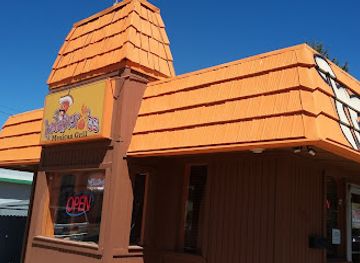
Habaneros' Mexican Grill
Experience the vibrant flavors of Mexico at Habaneros' Mexican Grill in Trinidad, Colorado, where every dish is a celebration of culinary tradition.
11 min walk · 0.9 km from city centre
-
Barbecue
Trinidad Smokehouse
Experience the best barbecue, seafood, and breakfast at Trinidad Smokehouse, a must-visit restaurant in Trinidad, Colorado.
8 min walk · 0.6 km from city centre
-
Restaurant
Las Animas Grill
Discover the delightful flavors of Las Animas Grill, where history meets taste in the heart of Trinidad, Colorado.
7 min walk · 0.6 km from city centre
Best nightclubs in Trinidad
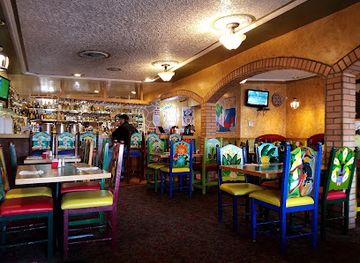
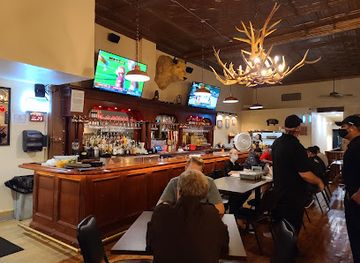
Trinidad's evening scene is modest and locally oriented rather than built around large nightclubs. Downtown bars, taverns and casual drinking spaces provide places to meet residents, while some restaurants and community venues host live music, performances or cultural events. The historic Main Street area is the natural focus for an evening wander, with a few establishments occupying buildings that recall the city's commercial past. Craft beer and regional spirits may feature alongside standard bar offerings, but the atmosphere is generally relaxed and conversational. Night-time entertainment can also include gallery events, theatre and seasonal community programmes rather than club culture. Because Trinidad is a small city, schedules and late-night options vary, and visitors should avoid assuming that every venue operates daily or late into the night.
-
Bar
Club 14 Garden Grill and Pub
Discover Club 14 Garden Grill and Pub - a charming bar and restaurant in Trinidad, Colorado, offering delicious food and a vibrant local atmosphere.
8 min walk · 0.7 km from city centre
-
Grill
Sunset Bar & Grille
Discover the vibrant flavors of Sunset Bar & Grille in Trinidad, where exquisite cuisine meets live music for an unforgettable dining experience.
18 min walk · 1.4 km from city centre
-
Grill
Moose's
Experience the best of grilling at Moose's Grill in Trinidad, where every meal is a delightful culinary adventure.
8 min walk · 0.6 km from city centre
-
Bar
Ginos Bar
Experience the lively atmosphere and diverse drink selection at Ginos Bar, Trinidad's go-to destination for relaxation and local nightlife.
7 min walk · 0.6 km from city centre
Best shops in Trinidad
Shopping in Trinidad centres on historic Main Street and the surrounding downtown blocks, where independent retailers, galleries, antique sellers and small businesses occupy older commercial buildings. The emphasis is on local character rather than large-scale retail, with Western art, handmade work, books, vintage goods and regionally themed gifts among the likely discoveries. Galleries connected with Trinidad's creative community offer paintings, ceramics, textiles and crafts, while food shops and cafés provide opportunities to pick up regional flavours. The Trinidad Mercantile and other long-established downtown businesses contribute to the area's traditional commercial identity, although individual openings can change. Visitors interested in the town's heritage will find that its retail landscape is closely linked to local art, Hispanic and Indigenous cultural influences, railroad history and the broader visual language of the American West.
-
Cannabis store
Freedom Road Dispensary
Explore Freedom Road Dispensary in Trinidad, CO, for premium cannabis products and a welcoming atmosphere, perfect for enthusiasts and newcomers alike.
11 min walk · 0.9 km from city centre
-
Cannabis store
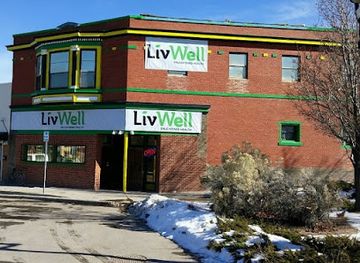
LivWell Dispensary
Explore premium cannabis and health consultations in Trinidad, Colorado at LivWell Dispensary, where quality and expertise meet.
11 min walk · 0.9 km from city centre
-
Cannabis store
Rooted
Discover Rooted in Trinidad, CO, your go-to cannabis store for quality products and exceptional service in a welcoming atmosphere.
11 min walk · 0.9 km from city centre
-
Cannabis store
Magnolia Road Cannabis Co. Dispensary
Discover the heart of Trinidad's cannabis culture at Magnolia Road Cannabis Co., offering premium products and expert guidance in a welcoming atmosphere.
8 min walk · 0.6 km from city centre
Get your free copy of our complete guide to Trinidad, delivered straight to you.
Everything on this page, from attractions and restaurants to essentials and local phrases, in one PDF you can read offline, print or share.
Already have an account? Sign in
Your Trinidad guide is ready.
We'll send it to · Not you? Sign out

Getting your guide ready…
We are putting together a fresh copy of the Trinidad guide. This can take up to a minute.
This can take a few moments. If your browser asks, choose Allow so the download can start. You'll find the guide in your Downloads folder.
Nothing happened? Download it again
Sorry, the guide is taking longer than usual. Please try again in a minute, or get it by email instead.
Trinidad essentials
Currency and Payment
Safety
Emergency Situations
Do's and Don'ts
Local Tips
From Eve
Local phrases worth knowing
You don't need to get them perfect. A few words go a long way, and locals appreciate the effort.
Basics
| English | Local | Say it |
|---|---|---|
| Hello | What's up | [watsaap] |
| Goodbye | Later | [leytuh] |
| Yes | Yeah | [yeh] |
| No | Nah | [naa] |
| Please/You're welcome | Please | [pleez] |
| Thank you | Thanks | [thangs] |
| Excuse me/Sorry | Pardon me | [pahrdun mi] |
| How are you? | How yuh doin? | [hao yuh doin] |
| Fine. And you? | Good. Yuhself? | [gud. yuhself] |
| Do you speak English? | Yuh speak English? | [yuh speak inglish] |
| I don't understand | I eh get yuh | [i eh get yuh] |
Eating & Drinking
| English | Local | Say it |
|---|---|---|
| I'd like to see the menu, please | Lemme see de menu nah | [lemi si dee menu naa] |
| I don't eat meat | I eh eat meat | [i eh eat meat] |
| Cheers! | Cheers! | [Cheeaz] |
| I would like to pay, please | Lemme pay nah | [lemi pay naa] |
Emergencies
| English | Local | Say it |
|---|---|---|
| Help! | Help! | [Help!] |
| Go away! | Move from me! | [moov from mi] |
| Call the Police! | Call de Police! | [call dee Police] |
| Call a doctor! | Call ah doctor! | [call ah doctor] |
| I'm lost | I lost | [i lost] |
| I'm ill | I sick | [i sick] |
Shopping
| English | Local | Say it |
|---|---|---|
| I'd like to buy... | I want to buy... | [i wahn tuh buy] |
| I'm just looking | I just looking | [i juss looking] |
| How much is it? | How much dat is? | [hao much dat is] |
| That's too expensive | Dat real pricey | [dat real pricey] |
| Can you lower the price? | Yuh could drop de price? | [yuh could drop dee price] |
Time & Numbers
| English | Local | Say it |
|---|---|---|
| What time is it? | What de time is? | [wat dee time is] |
| It's one o'clock | Is one o'clock | [is one o'clock] |
| Half past (10) | Half ten | [Half ten] |
| Morning | Mornin | [mornin] |
| Afternoon | Afternoon | [Afternoon] |
| Evening | Evenin | [evenin] |
| Yesterday | Yesterday | [Yesterday] |
| Today | Today | [Today] |
| Tomorrow | Tomorrow | [Tomorrow] |
| 1 | One | [One] |
| 2 | Two | [Two] |
| 3 | Three | [Three] |
| 4 | Four | [Four] |
| 5 | Five | [Five] |
| 6 | Six | [Six] |
| 7 | Seven | [Seven] |
| 8 | Eight | [Eight] |
| 9 | Nine | [Nine] |
| 10 | Ten | [Ten] |
Transport & Directions
| English | Local | Say it |
|---|---|---|
| Where's a/the...? | Where de... | [where dee] |
| What's the address? | Wha de address is? | [wa dee address is] |
| Can you show me (on the map)? | Show me deh | [show mi deh] |
| When's the next (bus)? | When de next (bus) comin? | [wen dee next (bus) comin] |
| A ticket (to ....) | A ticket (to ....) | [A ticket (tuu ....)] |
History of Trinidad
Indigenous Lands and the Santa Fe Trail
The Trinidad area lies within the wider homeland and travelling territory of Indigenous peoples, including the Ute, before Euro-American settlement transformed the region. Its later history was shaped by the Santa Fe Trail, the major overland route linking Missouri with Santa Fe that passed through the Purgatoire valley. Traders, soldiers, migrants and freighters used the route from the nineteenth century, bringing commerce and cultural exchange. The river valley offered water and a natural corridor through the surrounding grasslands and foothills, helping establish the location's importance long before the modern city took shape.
Settlement on the Purgatoire
Hispanic settlers from northern New Mexico established a permanent community in the Trinidad area during the 1860s, when the region was part of the expanding United States and Colorado Territory. The settlement developed near the Purgatoire River, whose name reflects the area's Spanish colonial history. Trinidad was incorporated in 1876, the same year Colorado became a state. Early residents combined farming, trade and transport-related work, while the town's position near Raton Pass connected southern Colorado with New Mexico. Hispanic heritage remained a central part of local identity as the community expanded.
Railroads and Commercial Growth
Railroad development in the 1870s altered Trinidad's prospects by linking the town more directly with regional and national markets. The arrival of the Atchison, Topeka and Santa Fe Railway strengthened its role as a transport and trading centre, while the nearby Raton Pass became an important route across the southern Rocky Mountain frontier. Commercial buildings, hotels, homes and civic institutions followed the increase in traffic and population. Much of the architectural character visible in present-day downtown Trinidad dates from this era of expansion, when the town became a significant southern Colorado gateway.
Coal, Immigration and Industrial Trinidad
Coal mining became the foundation of Trinidad's industrial economy from the late nineteenth century into the twentieth century. Mines and camps developed across Las Animas County, attracting workers from Mexico, southern Europe and other parts of the United States. Their presence gave the area a complex multilingual and multicultural social life, expressed through churches, mutual-aid societies, food traditions and community organisations. The industry also brought dangerous working conditions and sharp disputes between miners, companies and organised labour. Trinidad's museums and historic districts preserve evidence of a period when coal shaped employment, migration and the city's physical growth.
Labour Conflict in Southern Colorado
The coalfields around Trinidad were involved in some of Colorado's most important labour conflicts. The Colorado Coalfield War of 1913–1914 led to strikes, militia intervention and violence across the southern coal region, including the Ludlow Massacre north of Trinidad. In 1927, the Columbine Mine Massacre near present-day Erie, west of Trinidad, became another major episode in the state's labour history. These events reflected broader national struggles over wages, safety, union recognition and corporate power. Although the principal sites lie outside the city, their legacy is essential to understanding Trinidad's regional identity and historical memory.
Preservation and Cultural Renewal
As coal production declined and transport patterns changed, Trinidad faced the challenge of redefining its economy while retaining its historical character. Preservation of downtown buildings, historic homes and local collections helped maintain links with the Santa Fe Trail, railroad era and coal communities. The Trinidad History Museum, A.R. Mitchell Museum of Western Art and public art initiatives contribute to a cultural identity that is broader than industrial heritage alone. In the twenty-first century, the city's proximity to Trinidad Lake, the Spanish Peaks and Fishers Peak has also strengthened its role as a base for heritage tourism and outdoor recreation.
Trinidad in Photos
Browse through our photo collection highlighting the charm and character of the destination.
Cities near Trinidad
The closest cities to Trinidad, if you have time for more than one stop.
-

-

-

-

-


Swipe for more cities
Explore more

Explore more of Colorado
Discover Colorado: A stunning blend of rugged mountains, vibrant cities, and rich history, offering endless adventures and unforgettable experiences.
Explore Colorado