

Free High Plains Travel Guide & Mobile App
Explore High Plains with free travel guides. Discover regional history, expert tips, proposed trips, and audio guides on web or mobile app.


Explore High Plains Kansas for open prairie, historic trails, wildlife, aviation museums, dark skies and the expansive landscapes of western America.
Read more about High Plains
Getting to and around High Plains
How to get there
Transportation
Top city travel guides in High Plains
The cities of High Plains, and the easiest places to base yourself.
-

-


Swipe for more cities
Destinations in High Plains
Resorts, valleys and scenic spots worth a trip of their own.
-

-

-

-


Swipe for more destinations
Best attractions in High Plains
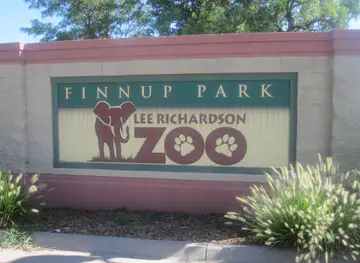
High Plains attractions are defined by distance, landscape and local history rather than by a dense concentration of major sites. Cimarron National Grassland, near Elkhart, combines open prairie, river habitat, hiking, camping, birdwatching and reminders of the Santa Fe Trail. Meade State Park offers a more managed setting for fishing, boating, camping and walks among the dry grasslands of southwest Kansas. Around Garden City, the Lee Richardson Zoo presents species from several parts of the world, while the Sandsage Bison Range reflects the sandy prairie environment of the Arkansas River valley. Liberal’s Mid-America Air Museum explores aviation through a substantial collection of aircraft and displays. In the northwest, the Arikaree Breaks provide eroded ravines and grass-covered ridges, and Mount Sunflower gives visitors a simple but memorable encounter with Kansas’s highest natural point. Scenic drives, star-filled skies, grain elevators and working agricultural landscapes are attractions in their own right, especially for travellers interested in geography and rural life.
-
Tourist attraction
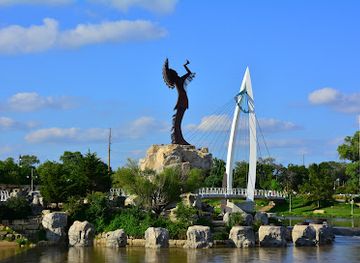
The Keeper of the Plains
Discover the cultural significance and breathtaking beauty of The Keeper of the Plains, a monumental tribute to Native American heritage in Wichita, Kansas.
-
History museum
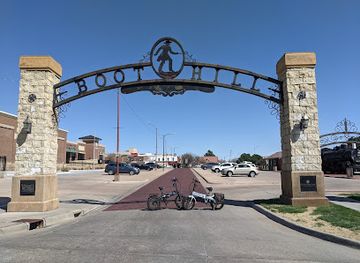
Boot Hill Museum
Discover the Wild West's legendary past at Boot Hill Museum in Dodge City, Kansas, where history comes alive through immersive exhibits and engaging artifacts.
-
Museum
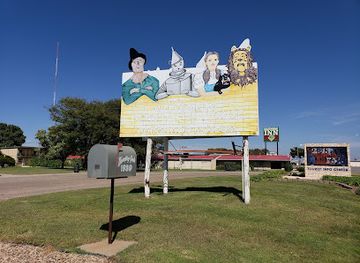
Dorothy's House and the Land of Oz
Explore the whimsical charm of Dorothy's House and the Land of Oz, a magical museum experience in Liberal, Kansas, perfect for all ages.
-
Tourist attraction
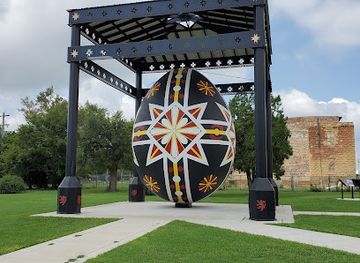
Worlds Largest Czech Egg
Experience the charm of Wilson, Kansas, home to the World's Largest Czech Egg, a vibrant symbol of cultural heritage and a must-see tourist attraction.
Best landmarks in High Plains
The High Plains’ most recognisable landmarks are often broad geological or cultural markers rather than monumental buildings. Mount Sunflower in Wallace County is the highest natural point in Kansas and symbolises the state’s gradual rise towards the Rocky Mountain front, although the site itself is a modest prairie elevation. The Cimarron River corridor and the Santa Fe Trail landscape near the Cimarron National Grassland preserve the geographic challenges faced by nineteenth-century travellers. In the far northwest, the eroded ravines of the Arikaree Breaks interrupt the otherwise extensive plateau and create one of the region’s most distinctive landforms. Grain elevators, railway structures and water towers serve as practical landmarks in many small communities, revealing how settlement followed transport and agriculture. Around Garden City, the broad sandy prairie and remaining native grassland of the Sandsage Bison Range show a different aspect of the High Plains, shaped by wind, river deposits and the region’s continuing connection with ranching and conservation.
-
 Science museum
Exploration Place
Explore the wonders of science and technology at Wichita's premier science museum, Exploration Place, perfect for families and curious minds.
-
History museum
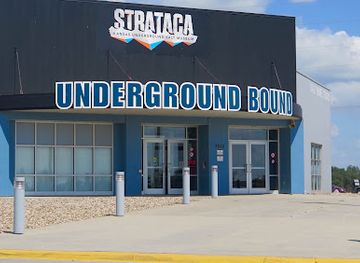
Strataca
Discover the underground wonders of Strataca, Kansas' premier history museum showcasing the rich legacy of salt mining in a captivating subterranean setting.
-
Tourist attraction
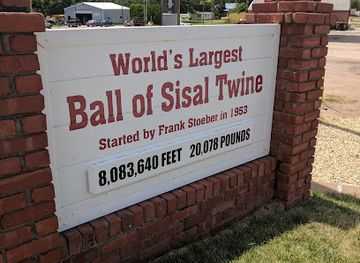
World's Largest Ball of Twine
Experience the charm of Cawker City's World's Largest Ball of Twine, a whimsical roadside attraction that captures the essence of American culture.
-
Historical place
Fort Scott National Historic Site
Discover the rich history of the American frontier at Fort Scott National Historic Site, a captivating blend of military heritage and educational exhibits.
Explore High Plains on the map
Plan your trip on one map. See where the top cities, national parks and sights are, and book hotels and experiences in a few clicks.
Best hotels in High Plains
Best restaurants in High Plains
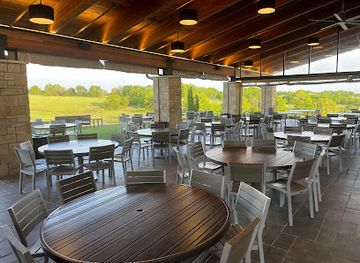
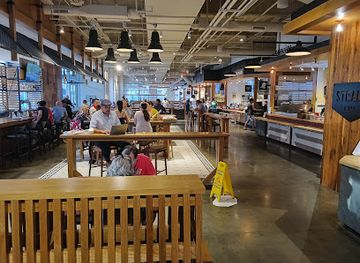
Dining in the High Plains reflects the region’s agricultural economy and its position along long-distance road corridors. Beef, wheat, corn, dairy products and seasonal produce appear frequently, while independent cafés, diners and family restaurants remain important gathering places in the larger towns. Garden City and Liberal offer the broadest choice, including Mexican and other internationally influenced cooking alongside familiar American dishes; this reflects the region’s diverse workforce and migration history rather than a single local cuisine. Roadside diners and café counters are practical stops for breakfast, burgers, sandwiches and pie, while supermarkets and food stands can be useful for journeys between communities. Farmers’ markets, where operating seasonally, provide opportunities to buy local produce and baked goods. Visitors should distinguish genuinely regional products from general American fare, but the High Plains’ food culture is best understood through its links to farming, cattle, community institutions and the people who have made western Kansas their home.
-
Family-friendly
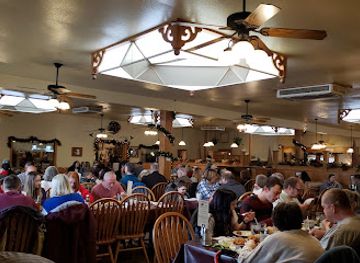
Carriage Crossing Restaurant and Bakery
Discover family-friendly dining at Carriage Crossing Restaurant & Bakery in Yoder - where delicious homemade meals meet irresistible baked goods.
-
American
Cooper's Hawk Winery & Restaurant- Kansas City
Experience exquisite American cuisine and handcrafted wines at Cooper's Hawk Winery & Restaurant in Kansas City for an unforgettable dining adventure.
-
Restaurant
Silo Modern Farmhouse
Experience exquisite American cuisine at Silo Modern Farmhouse in Lenexa—where flavor meets creativity in every dish.
-
Restaurant
Strang Hall
Discover Strang Hall in Overland Park: A vibrant restaurant offering innovative dishes inspired by local flavors and seasonal ingredients.
Best bars in High Plains
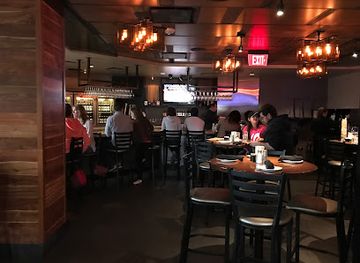
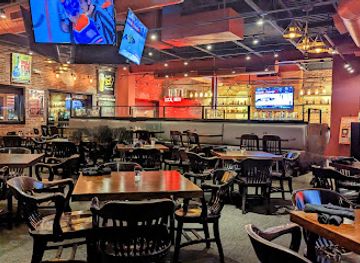
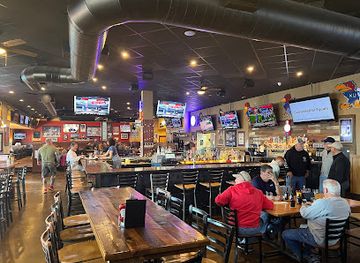
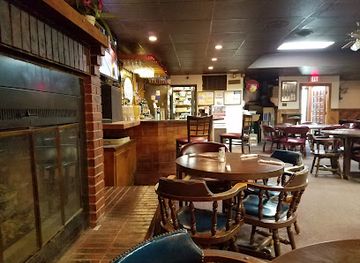
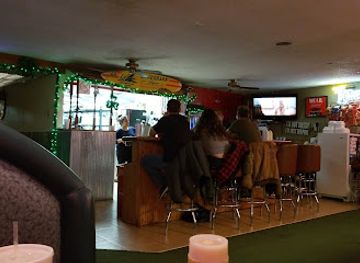
Evening life in the High Plains is concentrated in Garden City, Liberal, Colby, Goodland and other county-seat communities, with traditional bars, brewpub-style venues, restaurants and occasional live music providing more of the scene than large nightclubs. Some towns have long-established local bars where conversation and televised sport are central, while younger crowds may gather at restaurants or seasonal community events. The region is not a destination for a concentrated club district, and rural nightlife can be quiet once dinner venues close. Alcohol laws and service practices follow Kansas regulations, so visitors should carry accepted identification and plan transport responsibly. In smaller communities, an evening drive to look at the stars, a local performance or a meal with residents may be more representative of the region than late-night entertainment.
-
Brewpub
Bricktown Brewery
Discover the vibrant atmosphere and craft beers of Bricktown Brewery in Wichita, Kansas, where local flavors and community spirit come together.
-
Sports bar
Johnny's Tavern West
Experience the ultimate sports bar at Johnny's Tavern West in Lawrence, KS, serving delicious food and drinks in a vibrant atmosphere.
-
Grill
The Bluff
Discover The Bluff, Oakley's premier grill serving delicious grilled dishes and a cozy atmosphere perfect for every occasion.
-
Bar
Plains Tavern
Discover the heart of Plains, Kansas at Plains Tavern - where local flavors and friendly faces come together in a cozy bar atmosphere.
Best nightclubs in High Plains
Evening life in the High Plains is concentrated in Garden City, Liberal, Colby, Goodland and other county-seat communities, with traditional bars, brewpub-style venues, restaurants and occasional live music providing more of the scene than large nightclubs. Some towns have long-established local bars where conversation and televised sport are central, while younger crowds may gather at restaurants or seasonal community events. The region is not a destination for a concentrated club district, and rural nightlife can be quiet once dinner venues close. Alcohol laws and service practices follow Kansas regulations, so visitors should carry accepted identification and plan transport responsibly. In smaller communities, an evening drive to look at the stars, a local performance or a meal with residents may be more representative of the region than late-night entertainment.
-
Night club
Aura
Experience Kansas City's vibrant nightlife at Aura, where great music and an electric atmosphere await you.
-
Night club
Virtue Night Club
Discover the vibrant nightlife at Virtue Night Club in Grandview, MO, with top DJs, strong drinks, and an electrifying dance floor experience.
-
Lounge
Dj mystery man
Discover the lively Dj Mystery Man Lounge in Kansas City - a hotspot for nightlife with great drinks, music, and a vibrant atmosphere.
-
Night club
The SPOTT Night Club
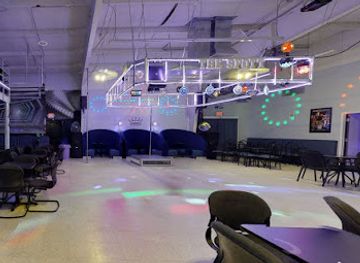
Experience the vibrant nightlife at The SPOTT Night Club, Kansas City’s ultimate dance destination with electrifying beats and a lively atmosphere.



Best shops in High Plains
Shopping in the High Plains is centred on practical town services, independent retailers, antique shops, western wear, bookstores, galleries and locally organised markets rather than major commercial districts. Garden City and Liberal offer the widest everyday choice, while Colby and Goodland provide useful stops for regional food, gifts and travel supplies along Interstate 70. Farmers’ markets and seasonal community markets may sell produce, baked goods, preserves and handmade items, although dates and availability vary. Visitors looking for a tangible reminder of western Kansas can consider locally produced food, prairie-themed art, craftwork, books on the Santa Fe Trail or Great Plains history, and practical western clothing. Small museums and cultural institutions sometimes have the most appropriate selection of locally themed souvenirs. Because communities are widely separated, buy essentials before heading into remote grassland or ranch country rather than expecting a shop at every attraction.
-
Truck stop
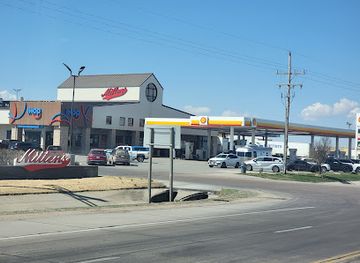
Western Kansas Wildlife Travel Center
Explore the Western Kansas Wildlife Travel Center - a unique truck stop that offers essential services, local wildlife insights, and a taste of Kansas hospitality.
-
Store
Second Time Around Shop
Explore unique vintage treasures and collectibles at Second Time Around Shop in Oakley, Kansas - a must-visit for treasure hunters and antique lovers.
-
Gift shop
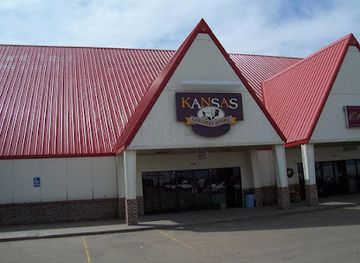
Kansas Country Store
Explore the Kansas Country Store for unique gifts, local treasures, and a delightful shopping experience in Colby, Kansas.
-
Sporting goods store
Westerngus&Ammunition
Discover the best outdoor gear and ammunition at Westerngus & Ammunition in Monument, Kansas, your go-to sporting goods store.

Get your free copy of our complete guide to High Plains, delivered straight to you.
Everything on this page, from attractions and restaurants to essentials and local phrases, in one PDF you can read offline, print or share.
Already have an account? Sign in
Your High Plains guide is ready.
We'll send it to · Not you? Sign out

Getting your guide ready…
We are putting together a fresh copy of the High Plains guide. This can take up to a minute.
This can take a few moments. If your browser asks, choose Allow so the download can start. You'll find the guide in your Downloads folder.
Nothing happened? Download it again
Sorry, the guide is taking longer than usual. Please try again in a minute, or get it by email instead.
High Plains essentials
Currency and Payment
Safety
Emergency Situations
Do's and Don'ts
Local Tips
From Eve
Local phrases worth knowing
You don't need to get them perfect. A few words go a long way, and locals appreciate the effort.
Basics
| English | Local | Say it |
|---|---|---|
| Hello | Howdy | [haʊdi] |
| Goodbye | See ya | [si jə] |
| Yes | Yep | [jɛp] |
| No | Nope | [noʊp] |
| Please/You're welcome | Sure thing | [ʃʊr θɪŋ] |
| Thank you | Thanks a lot | [θæŋks ə lɑt] |
| Excuse me/Sorry | Pardon me | [ˈpɑrdən mi] |
| How are you? | How ya doin'? | [haʊ jə ˈduɪn] |
| Fine. And you? | Good, and you? | [ɡʊd, ənd jə] |
| Do you speak English? | You speakin' English? | [jə ˈspikɪn ˈɪŋɡlɪʃ] |
| I don't understand | I ain't got it | [aɪ eɪnt ɡɑt ɪt] |
Eating & Drinking
| English | Local | Say it |
|---|---|---|
| I'd like to see the menu, please | Can I see the menu? | [kæn aɪ si ðə ˈmɛnju] |
| I don't eat meat | I don't do meat | [aɪ doʊnt du mit] |
| Cheers! | Cheers! | [tʃɪrz] |
| I would like to pay, please | Can I settle up? | [kæn aɪ ˈsɛtəl ʌp] |
Emergencies
| English | Local | Say it |
|---|---|---|
| Help! | Help! | [hɛlp] |
| Go away! | Get lost! | [ɡɛt lɔst] |
| Call the Police! | Call the cops! | [kɔl ðə kɑps] |
| Call a doctor! | Get a doc! | [ɡɛt ə dɑk] |
| I'm lost | I'm turned around | [aɪm tɜrnd əˈraʊnd] |
| I'm ill | I'm feelin' sick | [aɪm ˈfilɪn sɪk] |
Shopping
| English | Local | Say it |
|---|---|---|
| I'd like to buy... | I wanna buy... | [aɪ ˈwɑnə baɪ] |
| I'm just looking | Just browsin' | [dʒʌst ˈbraʊzɪn] |
| How much is it? | What’s the damage? | [wʌts ðə ˈdæmɪdʒ] |
| That's too expensive | That costs too much | [ðæt kɔsts tu mʌtʃ] |
| Can you lower the price? | Can you knock down the price? | [kæn jə nɑk daʊn ðə praɪs] |
Time & Numbers
| English | Local | Say it |
|---|---|---|
| What time is it? | What time ya got? | [wʌt taɪm jə ɡɑt] |
| It's one o'clock | It's one | [ɪts wʌn] |
| Half past (10) | Ten-thirty | [tɛn ˈθɜrti] |
| Morning | Mornin' | [ˈmɔrnɪn] |
| Afternoon | Afternoon | [ˌɑftərˈnun] |
| Evening | Evenin' | [ˈivnɪn] |
| Yesterday | Yest'day | [ˈjɛstdeɪ] |
| Today | Today | [təˈdeɪ] |
| Tomorrow | Tomorrow | [təˈmɔroʊ] |
| 1 | One | [wʌn] |
| 2 | Two | [tu] |
| 3 | Three | [θri] |
| 4 | Four | [fɔr] |
| 5 | Five | [faɪv] |
| 6 | Six | [sɪks] |
| 7 | Seven | [ˈsɛvən] |
| 8 | Eight | [eɪt] |
| 9 | Nine | [naɪn] |
| 10 | Ten | [tɛn] |
Transport & Directions
| English | Local | Say it |
|---|---|---|
| Where's a/the...? | Where's the nearest...? | [wɛrz ðə ˈnɪərəst] |
| What's the address? | What's the address? | [wʌts ði ˈædrɛs] |
| Can you show me (on the map)? | Can ya point it out? | [kæn jə pɔɪnt ɪt aʊt] |
| When's the next (bus)? | When's the next bus? | [wɛn z ðə nɛkst bʌs] |
| A ticket (to ....) | One ticket to... | [wʌn ˈtɪkɪt tə] |
History of High Plains
Indigenous Plains Cultures
The High Plains were occupied and travelled by Indigenous peoples for thousands of years. Communities including the Pawnee, Cheyenne, Arapaho, Kiowa, Comanche and other nations used the grasslands, river corridors and buffalo ranges in ways that changed with season, trade and political circumstances. Archaeological evidence and oral histories demonstrate that the plains were not an empty wilderness before American settlement. The region’s later trails and towns developed across an older Indigenous geography, while the forced removal and confinement of Native peoples during the nineteenth century caused profound disruption and loss.
The Santa Fe Trail
From the early nineteenth century, the Santa Fe Trail crossed what is now southwestern Kansas on its route between Missouri and Santa Fe. Traders, soldiers and emigrants followed the Cimarron route across difficult, water-scarce country, making reliable springs and river crossings especially important. Wagon ruts and trail remnants remain among the clearest physical reminders of this period in parts of western Kansas. The trail connected the region to wider commercial and political networks before railways transformed long-distance transport across the plains.
Railways, Forts and Cattle Commerce
Railway construction in the late nineteenth century brought permanent settlements, shipping connections and new markets to the High Plains. Towns developed around stations, while cattle ranching and the movement of livestock to railheads became major elements of the regional economy. Dodge City, east of the core High Plains landscape, became a famous cattle-shipping centre, while communities farther west grew through combinations of agriculture, ranching and rail access. The railway also accelerated American settlement and intensified conflict over land, water and Indigenous sovereignty.
Homesteading and Agricultural Settlement
Federal land policies, railway promotion and migration encouraged thousands of settlers to establish farms and small communities across western Kansas. Early homesteaders faced aridity, intense winds, limited timber and uncertain rainfall, and many claims failed during difficult years. Those who remained built houses, schools, churches, windbreaks and grain facilities that shaped the region’s settlement pattern. Wheat became particularly important, supported by mechanisation and improved transport, while cattle ranching continued across land less suitable for cultivation.
The Ogallala Aquifer and Irrigation
The High Plains Aquifer, commonly known as the Ogallala Aquifer, lies beneath much of western Kansas and is one of the region’s most consequential natural resources. Large-scale irrigation expanded greatly during the twentieth century, enabling dependable production of crops such as corn, sorghum and wheat in a semi-arid climate. Groundwater development transformed farm incomes and local economies, but extraction in many areas has exceeded natural replenishment. Water management, efficient irrigation and the long-term viability of rural communities remain central regional issues.
The Dust Bowl and Economic Change
During the 1930s, drought, high winds and soil erosion combined with the effects of intensive cultivation to create severe hardship across the Great Plains. Western Kansas experienced crop failure, blowing soil and economic pressure, although local conditions varied from place to place. The crisis encouraged improved farming practices, soil conservation and greater attention to shelterbelts and grassland management. Later mechanisation, agricultural consolidation, meat production, renewable-energy development and continued population change altered the region while leaving its dependence on climate and water unmistakable.
High Plains in Photos
Browse through our photo collection highlighting the charm and character of the destination.
Neighbouring regions of High Plains
The closest regions to High Plains, if you have time for more than one.
-

-

-

-

-


Swipe for more regions
Explore more

Explore more of Kansas
Explore Kansas: Where history, nature, and small-town charm converge in the heart of America. Discover prairies, cultural landmarks, and delicious cuisine in the Sunflower State.
Explore Kansas