

Free Smoky Hills Travel Guide & Mobile App
Explore Smoky Hills with free travel guides. Discover regional history, expert tips, proposed trips, and audio guides on web or mobile app.


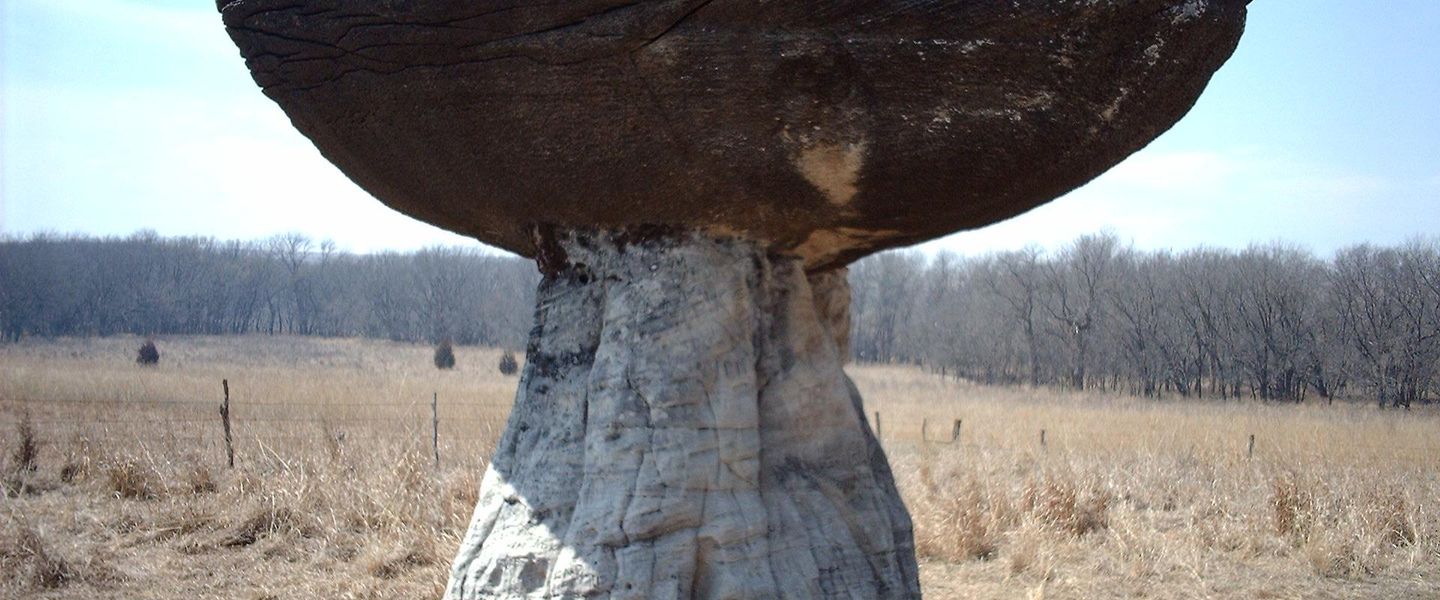


Explore Kansas’s Smoky Hills for chalk formations, prairie landscapes, reservoirs, historic towns and wide-open scenic drives.
Read more about Smoky Hills
Getting to and around Smoky Hills
How to get there
Transportation
Top city travel guides in Smoky Hills
The cities of Smoky Hills, and the easiest places to base yourself.
-

-
-

-
-

-


Swipe for more cities
Destinations in Smoky Hills
Resorts, valleys and scenic spots worth a trip of their own.
-
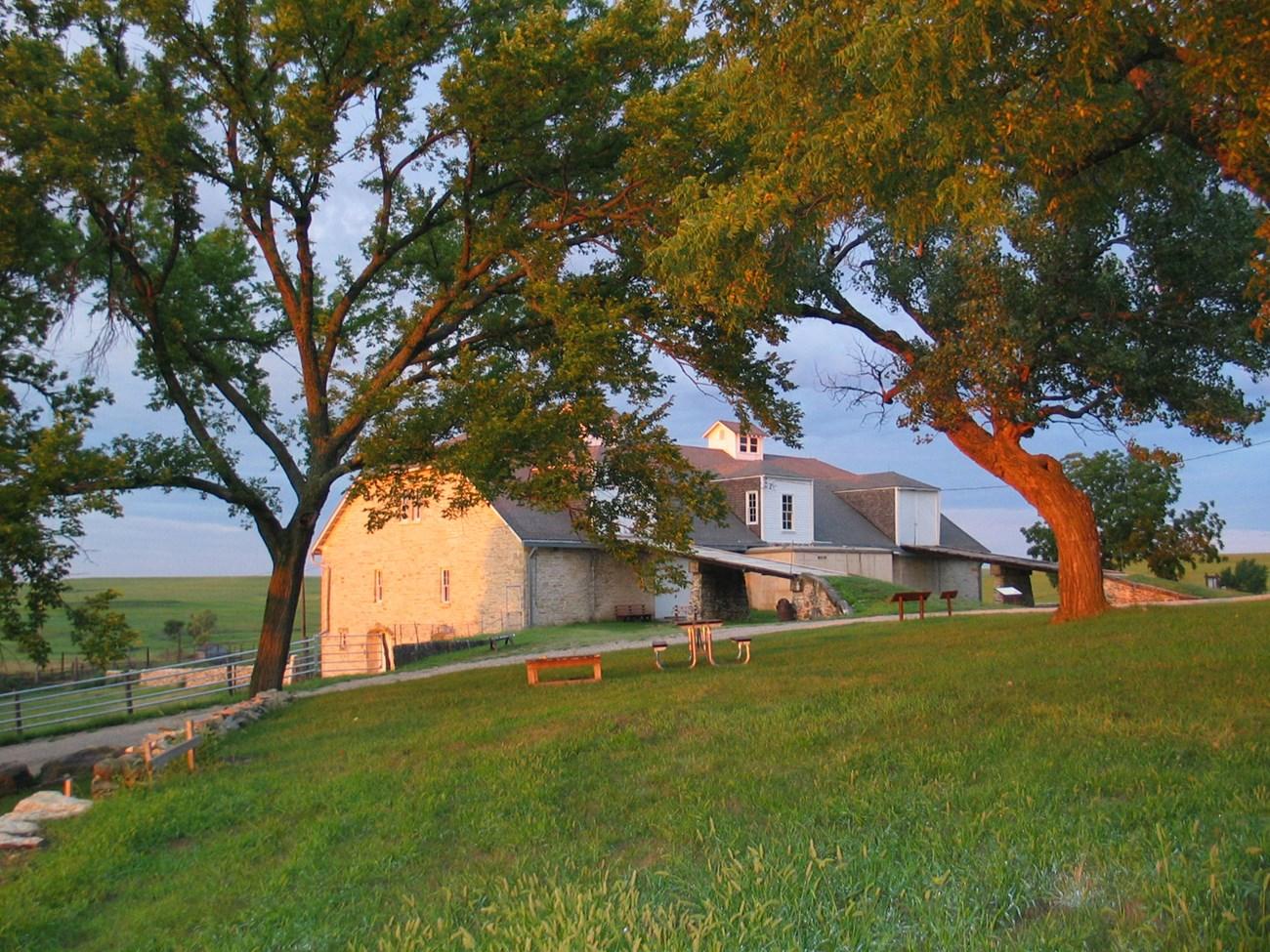 Tallgrass Prairie National Preserve
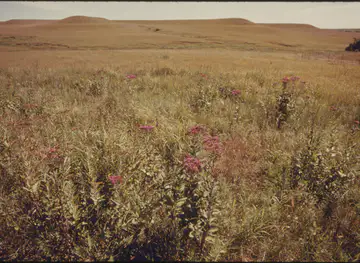
 in Kansas offers bison, wildflowers, historic ranchland, scenic Flint Hills drives and trails through America’s native grassland.
-
-

-

-

-


Swipe for more destinations
Best attractions in Smoky Hills
The Smoky Hills’ attractions are spread across a landscape where geology, water and rural heritage are closely connected. In the western part of the region, Monument Rocks and Castle Rock reveal towering chalk formations created from sediments of the ancient inland sea, while nearby fossil displays and local museums explain the marine life once found there. Wilson Lake is known for boating, fishing, camping, hiking and wildlife observation, and Kanopolis State Park combines reservoir recreation with trails, wooded valleys, prairie and equestrian facilities. The city of Salina provides museums, galleries and cultural venues, while Lindsborg offers Swedish-American heritage, and Hays presents museums and frontier history. Smaller towns such as Ellsworth, Lincoln and Russell add historic courthouses, churches, main streets and community collections. Birdwatching, photography, stargazing and scenic driving are particularly well suited to the open country. The attractions are not concentrated in a single resort centre, so the experience depends on linking several modest sites with time outdoors and journeys through working prairie and farmland.
-
Science museum
Cosmosphere
Discover the Cosmosphere in Hutchinson, Kansas, a unique science museum showcasing space exploration history, interactive exhibits, and thrilling planetarium shows.
-
History museum
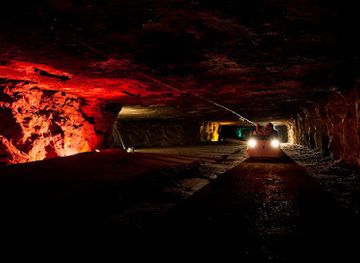
Strataca
Discover the fascinating underground world of Strataca, a unique history museum showcasing the rich heritage of salt mining in Hutchinson, Kansas.
-
Zoo
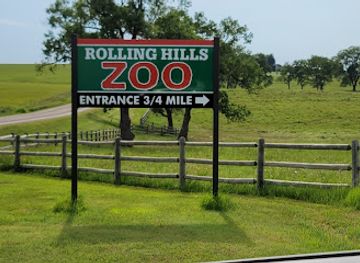
Rolling Hills Zoo
Explore the diverse wildlife and engaging exhibits at Rolling Hills Zoo in Salina, Kansas - a perfect destination for families and animal enthusiasts.
-
Tourist attraction
Coronado Heights Castle
Explore Coronado Heights Castle in Kansas for stunning views, historical charm, and serene walking trails amidst the beautiful prairie landscape.


Best landmarks in Smoky Hills
The Smoky Hills’ most recognisable landmarks are its chalk formations and the broad geological story they represent. Monument Rocks, a series of pale chalk towers and walls in the western Smoky Hills, is one of Kansas’s best-known natural landmarks and a visible reminder of the inland sea that covered the region in the Cretaceous Period. Castle Rock, with its prominent chalk spires and eroded faces, forms another dramatic western marker. Wilson Dam and the extensive waters of Wilson Lake represent a very different twentieth-century landscape, where flood control and water management created a major recreational reservoir among prairie and red-rock country. The Smoky Hill River is the region’s defining natural corridor, connecting towns, farmland and historic routes across north-central Kansas. In Lindsborg, Bethany College and the town’s Swedish-influenced civic and religious architecture express an important immigrant legacy, while Hays’s historic buildings and surviving frontier associations reflect the city’s role in the westward expansion of Kansas. Together, these places give the region a visual sequence from ancient seabed to modern settlement.
-
Historical place
Fort Scott National Historic Site
Explore the rich history of the 19th century at the Fort Scott National Historic Site, a preserved military outpost in Kansas with engaging exhibits and scenic grounds.
-
Historical place
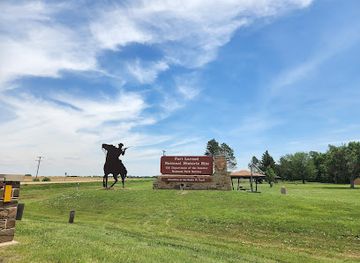
Fort Larned National Historic Site
Explore the rich history of the American frontier at Fort Larned National Historic Site, where the past comes alive amidst scenic landscapes and historic structures.
-
Historical place museum
S. P. Dinsmoor's Garden of Eden
Discover the enchanting S. P. Dinsmoor's Garden of Eden in Lucas, Kansas—an artistic marvel and historical landmark that inspires imagination.
-
Museum
Seelye Mansion
Explore the Victorian elegance of Seelye Mansion, a historical museum in Abilene, Kansas, showcasing exquisite architecture and local heritage.



Explore Smoky Hills on the map
Plan your trip on one map. See where the top cities, national parks and sights are, and book hotels and experiences in a few clicks.
Best hotels in Smoky Hills
Best restaurants in Smoky Hills
Dining in the Smoky Hills reflects the practical food traditions of rural Kansas, with cafés, family restaurants, bakeries, diners and traditional pubs alongside contemporary cooking in the larger towns. Beef, pork, chicken, burgers, steaks, sandwiches and hearty breakfasts are widely represented, while wheat-growing country supports a strong culture of bread, pastries and other baked goods. Lindsborg’s Swedish heritage gives the area a distinctive connection with Scandinavian baking and festive foods, and communities shaped by German-Russian migration preserve related family traditions in parts of central Kansas. Farmers’ markets and local shops may offer seasonal produce, honey, preserves and baked items, although availability varies by town and season. Lakeside areas tend towards casual meals and provisions for campers, while Salina and Hays provide the broadest choice of international cuisines, cafés and restaurants. Independent eateries often serve as social centres, particularly in small towns, but travellers should plan ahead because evening options can be limited outside the larger communities.
-
Family-friendly
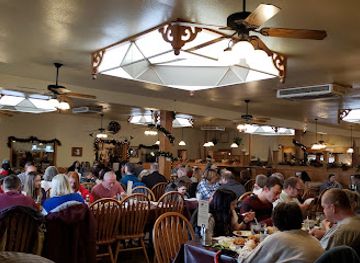
Carriage Crossing Restaurant and Bakery
Experience the warmth of family dining at Carriage Crossing Restaurant & Bakery in Yoder, Kansas – where homemade meals meet delightful treats.
-
Hamburger
The Cozy Inn
Discover the unique flavors of The Cozy Inn in Salina, Kansas – where delicious burgers meet a warm atmosphere.
-
American
theBarn
Discover The Barn in Burrton - where delicious American cuisine meets a cozy atmosphere perfect for any traveler.
-
American
Cooper's Hawk Winery & Restaurant- Kansas City
Experience exceptional American cuisine paired with exquisite wines at Cooper's Hawk Winery & Restaurant in Kansas City.


Best bars in Smoky Hills
Evening life in the Smoky Hills is centred more on traditional bars, breweries, restaurants, live music and community events than on a large nightclub scene. Salina and Hays offer the widest selection of bars, casual evening venues and cultural performances, while Lindsborg and other university- or college-connected communities may have a modestly more varied social calendar. In smaller towns, historic inns, local taverns and family-run establishments are often the main places for an evening drink or conversation. Around Wilson and Kanopolis lakes, evening activity is typically linked to camping, outdoor gatherings and seasonal recreation rather than late-night entertainment. Visitors should not expect extensive transport between rural venues, and designated driving is especially important on long, dark country roads. Seasonal fairs, concerts and community celebrations can add evening entertainment, but schedules change and should be checked locally.
-
Bar
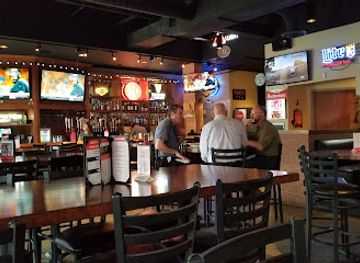
Chuck's Bar
Discover the lively ambiance and delicious offerings at Chuck's Bar, a must-visit spot for tourists in Salina, Kansas.
-
Grill
Knub's Pub
Discover the quirky charm and delicious grill offerings at Knub's Pub in Shawnee, where vibrant atmosphere meets exceptional service.
-
Grill
The Bar Mission
Experience the vibrant flavors of The Bar Mission in Kansas, where delicious grilled dishes and a lively bar atmosphere await every visitor.
-
Sports bar
Golden-Q
Discover the vibrant atmosphere of Golden-Q, a premier sports bar and pool hall in Hays, Kansas, perfect for sports fans and food lovers.



Best nightclubs in Smoky Hills
Evening life in the Smoky Hills is centred more on traditional bars, breweries, restaurants, live music and community events than on a large nightclub scene. Salina and Hays offer the widest selection of bars, casual evening venues and cultural performances, while Lindsborg and other university- or college-connected communities may have a modestly more varied social calendar. In smaller towns, historic inns, local taverns and family-run establishments are often the main places for an evening drink or conversation. Around Wilson and Kanopolis lakes, evening activity is typically linked to camping, outdoor gatherings and seasonal recreation rather than late-night entertainment. Visitors should not expect extensive transport between rural venues, and designated driving is especially important on long, dark country roads. Seasonal fairs, concerts and community celebrations can add evening entertainment, but schedules change and should be checked locally.
-
Night club
Aura
Discover the heart of Kansas City's nightlife at Aura, a premier night club and event venue offering unforgettable experiences and vibrant celebrations.
-
Night club
The SPOTT Night Club
Experience the vibrant nightlife of Kansas City at The SPOTT Night Club, where music, dance, and excitement come together for an unforgettable night out.
-
Night club
Touche The Night Club
Discover the electrifying nightlife of Touche The Night Club in Overland Park, where music, dancing, and nightlife come alive.
-
Night club
June's Night Club
Explore Kansas City's vibrant nightlife at June's Night Club, where disco beats and a lively atmosphere await every night of the week.


Best shops in Smoky Hills
Shopping in the Smoky Hills is concentrated in the main streets and commercial areas of Salina, Hays, Lindsborg, Russell, Ellsworth and other county-seat communities rather than in large luxury districts. Independent bookshops, galleries, antique dealers, craft stores, western wear retailers and locally owned gift shops are more characteristic than major fashion centres. Lindsborg is the clearest place to look for Swedish-influenced merchandise, folk-art references, Scandinavian foods and locally made gifts, while museums and heritage attractions often sell books, regional histories and craft items. Farmers’ markets and seasonal community events may offer honey, preserves, baked goods, produce, pottery and textiles, with opening arrangements varying through the year. Supermarkets and small provisions shops are useful for stocking up before visiting remote geological sites or lake areas. In Salina and Hays, visitors will find the region’s broadest range of everyday retail and galleries; elsewhere, shopping is slower-paced and closely tied to local producers, historic identity and practical rural commerce.
-
Shopping mall
The Village Shops
Explore The Village Shops in Gatlinburg for a unique shopping experience filled with local art, crafts, and delightful eateries amidst stunning mountain scenery.
-
Gift shop
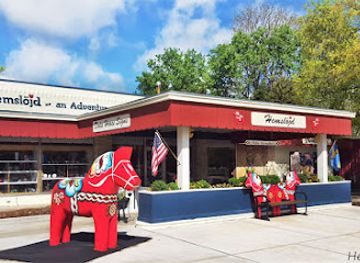
Hemslojd, Inc.
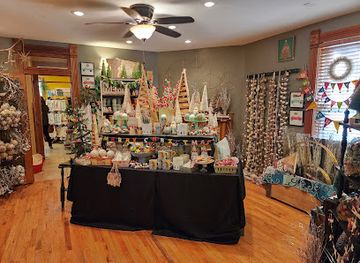
Explore Hemslojd, a charming gift shop in Lindsborg, offering unique handcrafted items and personalized glass etching services to create memorable souvenirs.
-
Gift shop
Kansas Originals Market
Explore Kansas Originals Market for a unique blend of local art, delicious baked goods, and a taste of Kansas's vibrant culture.
-
Boutique
Junque Drawer Boutique-Studio
Explore an eclectic mix of vintage and contemporary treasures at Junque Drawer Boutique-Studio in Olathe, Kansas, where unique finds await every visitor.


Get your free copy of our complete guide to Smoky Hills, delivered straight to you.
Everything on this page, from attractions and restaurants to essentials and local phrases, in one PDF you can read offline, print or share.
Already have an account? Sign in
Your Smoky Hills guide is ready.
We'll send it to · Not you? Sign out

Getting your guide ready…
We are putting together a fresh copy of the Smoky Hills guide. This can take up to a minute.
This can take a few moments. If your browser asks, choose Allow so the download can start. You'll find the guide in your Downloads folder.
Nothing happened? Download it again
Sorry, the guide is taking longer than usual. Please try again in a minute, or get it by email instead.
Smoky Hills essentials
Currency and Payment
Safety
Emergency Situations
Do's and Don'ts
Local Tips
From Eve
Local phrases worth knowing
You don't need to get them perfect. A few words go a long way, and locals appreciate the effort.
Basics
| English | Local | Say it |
|---|---|---|
| Hello | Howdy | [Ha-dee] |
| Goodbye | See ya later | [See ya lay-ter] |
| Yes | Yep | [Yep] |
| No | Nope | [Nope] |
| Please/You're welcome | Please/No problem | [Pleez/No prob-lem] |
| Thank you | Thanks a lot | [Thangs a lot] |
| Excuse me/Sorry | Excuse me/Sorry 'bout that | [Ex-kyoos me/Sor-ree 'bout that] |
| How are you? | How ya doin'? | [How ya doin'?] |
| Fine. And you? | I'm good. And you? | [I'm good. An' you?] |
| Do you speak English? | Do ya speak English? | [Do ya speak Ing-lish?] |
| I don't understand | I ain't followin' | [I ain't fol-lowin'] |
Eating & Drinking
| English | Local | Say it |
|---|---|---|
| I'd like to see the menu, please | Could I see the menu, please? | [Could I see the men-you, pleez?] |
| I don't eat meat | I don’t do meat | [I don’t do meet] |
| Cheers! | Cheers! | [Cheers!] |
| I would like to pay, please | Can I settle up, please? | [Can I set-tle up, pleez?] |
Emergencies
| English | Local | Say it |
|---|---|---|
| Help! | Help! | [Help!] |
| Go away! | Get lost! | [Get lost!] |
| Call the Police! | Call the cops! | [Call the cops!] |
| Call a doctor! | Get a doc! | [Get a doc!] |
| I'm lost | I’m turned around | [I’m turned a-round] |
| I'm ill | I ain't feelin' well | [I ain't feelin' well] |
Shopping
| English | Local | Say it |
|---|---|---|
| I'd like to buy... | I wanna buy... | [I wanna buy...] |
| I'm just looking | Just browsin' | [Just brow-zin'] |
| How much is it? | How much's this cost? | [How much's this cost?] |
| That's too expensive | That's a bit pricey | [That's a bit pry-see] |
| Can you lower the price? | Can ya knock down the price? | [Can ya knock down the pryce?] |
Time & Numbers
| English | Local | Say it |
|---|---|---|
| What time is it? | What time's it? | [What time's it?] |
| It's one o'clock | It's one o'clock | [It's one o'clock] |
| Half past (10) | Half past ten | [Half past ten] |
| Morning | Mornin' | [Mornin'] |
| Afternoon | Afternoon | [Afternoon] |
| Evening | Evenin' | [Evenin'] |
| Yesterday | Yesterday | [Yesterday] |
| Today | Today | [Today] |
| Tomorrow | Tomorrow | [Tomorrow] |
| 1 | One | [One] |
| 2 | Two | [Two] |
| 3 | Three | [Three] |
| 4 | Four | [Four] |
| 5 | Five | [Five] |
| 6 | Six | [Six] |
| 7 | Seven | [Seven] |
| 8 | Eight | [Eight] |
| 9 | Nine | [Nine] |
| 10 | Ten | [Ten] |
Transport & Directions
| English | Local | Say it |
|---|---|---|
| Where's a/the...? | Where's the...? | [Where's the...?] |
| What's the address? | What's the address? | [What's the address?] |
| Can you show me (on the map)? | Can ya show me on the map? | [Can ya show me on the map?] |
| When's the next (bus)? | When's the next bus? | [When's the next bus?] |
| A ticket (to ....) | A ticket to... | [A ticket to...] |
History of Smoky Hills
Cretaceous Inland Sea and Fossil Heritage
The foundations of the Smoky Hills were laid during the Cretaceous Period, when a vast inland sea covered much of the central United States. Marine sediments accumulated on the sea floor and later hardened into chalk, limestone and related rock layers. As the land was uplifted and eroded, these beds became visible in the region’s cliffs, buttes and outcrops. Fossils of marine organisms, including shells and large reptiles, are important evidence of this ancient environment. The geological legacy remains especially visible at Monument Rocks, Castle Rock and other chalk exposures across the western Smoky Hills.
Indigenous Peoples and the Smoky Hill Valley
Long before Euro-American settlement, the Smoky Hills and the river valleys of central Kansas were used by Indigenous peoples for hunting, travel and seasonal occupation. Kansa, Pawnee, Cheyenne, Arapaho and other nations have historical connections to the wider central Great Plains, although their territories and movements changed over time. The river corridor later became a route for traders, military parties and emigrants. Visitors should understand the region’s later frontier narratives within this much older Indigenous history, which is represented in regional collections and historical interpretation rather than by a single simplified story.
Trails, Forts and Nineteenth-Century Expansion
During the nineteenth century, the Smoky Hill valley became part of the movement linking eastern Kansas with the developing frontier farther west. The Smoky Hill Trail carried emigrants, freight and military traffic towards the Colorado mining country, while Fort Hays, near present-day Hays, became a significant military post during the conflicts accompanying American expansion. Railways gradually displaced overland trails as the principal means of long-distance transport. Their arrival encouraged the growth of towns, supplied farms and ranches, and established the settlement pattern still visible in the region.
Railways, Towns and Agricultural Settlement
Railway development in the late nineteenth century transformed the Smoky Hills. Lines connected emerging communities to national markets, making it easier to ship wheat, livestock, limestone and other products while bringing in settlers and manufactured goods. Towns such as Hays, Russell, Ellsworth, Lincoln and Salina developed civic buildings, commercial streets, churches and depots around these transport links. Farming and ranching became central to the regional economy, although drought, harsh winters and fluctuating commodity prices repeatedly tested rural communities. Many surviving main streets and county museums preserve this period of expansion.
Immigrant Communities and Cultural Traditions
The Smoky Hills was shaped by settlers from several European backgrounds, including Swedish communities around Lindsborg and Volga German communities in parts of central and western Kansas. These populations influenced church life, food traditions, music, architecture and local institutions while adapting to the demands of prairie agriculture. Lindsborg’s Swedish identity remains visible in cultural events, public art and museums, while German-Russian heritage appears in regional churches, family histories and culinary traditions. Such identities are part of a broader Kansas history of migration rather than isolated cultural enclaves.
Reservoirs, Recreation and Conservation
The twentieth century brought major changes to the region’s waterways. Flood-control and water-supply projects created reservoirs including Wilson Lake and Kanopolis Lake, while associated state parks introduced new opportunities for camping, fishing, boating, hiking and wildlife observation. Conservation programmes also protected examples of native prairie, woodland and wetland habitat. These landscapes are now important both for residents and visitors, but they remain working environments affected by drought, water management and agricultural use. The reservoirs demonstrate how modern engineering reshaped the Smoky Hills without erasing its underlying geological character.
Modern Rural Heritage and the Oil Economy
Contemporary Smoky Hills communities continue to combine agriculture, ranching, education, tourism and small-town commerce. Oil production has also been significant in parts of central and western Kansas, including the area around Russell, linking the region to the state’s wider petroleum history. At the same time, museums, heritage festivals, historic districts and geological attractions have preserved local stories for visitors. The modern region is not simply a relic of the frontier: it is a living rural landscape adapting to changing populations, technology, water pressures and agricultural markets.
Smoky Hills in Photos
Browse through our photo collection highlighting the charm and character of the destination.
Neighbouring regions of Smoky Hills
The closest regions to Smoky Hills, if you have time for more than one.
-

-

-

-

-


Swipe for more regions
Explore more

Explore more of Kansas
Explore Kansas: Where history, nature, and small-town charm converge in the heart of America. Discover prairies, cultural landmarks, and delicious cuisine in the Sunflower State.
Explore Kansas