

Wilson Lake Travel Guide - Free Web & App
Your ultimate guide to Wilson Lake. Discover top landmarks, proposed trips, and local tips. Free on the web or via the Evendo companion app.


Wilson Lake in Kansas combines sailing, fishing, hiking, camping, wildlife and limestone landscapes with historic towns and the Smoky Hills.
A Reservoir in the Smoky Hills
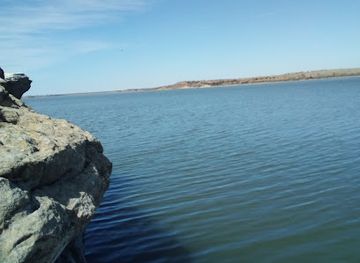
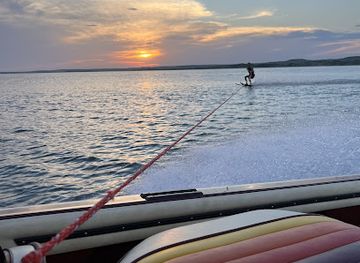
Wilson Lake stretches across the rolling Smoky Hills of north-central Kansas, where the South Fork Solomon River was impounded to create a broad reservoir framed by grassland, limestone outcrops and wooded coves. The lake lies within a rural landscape shared by Wilson, Lucas and Sylvan Grove, with the main visitor facilities concentrated around Wilson Lake State Park and the shoreline managed by the U.S. Army Corps of Engineers. Its open water, reliable winds and varied coves make it one of Kansas's established destinations for sailing, boating, fishing and lakeside recreation.Read more about Wilson Lake
Outdoor Landscapes and Wildlife
Post Rock Country
When is the best time to visit Wilson Lake?
Best: May, September–October · 22–30°C| Month | High (°C) | Rainfall (mm) |
|---|---|---|
| January | 5 | 21 |
| February | 7 | 25 |
| March | 13 | 38 |
| April | 19 | 58 |
| May (best) | 25 | 92 |
| June | 31 | 97 |
| July | 34 | 94 |
| August | 33 | 84 |
| September (best) | 30 | 65 |
| October (best) | 22 | 44 |
| November | 13 | 32 |
| December | 6 | 24 |
Getting to and around Wilson Lake
How to get there
Transportation
Best attractions in Wilson Lake
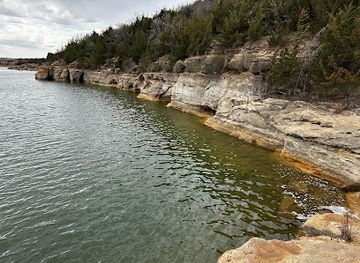
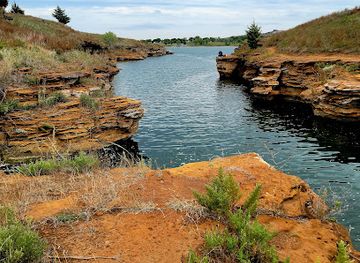
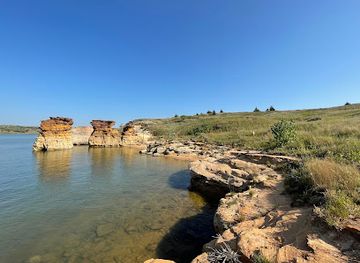
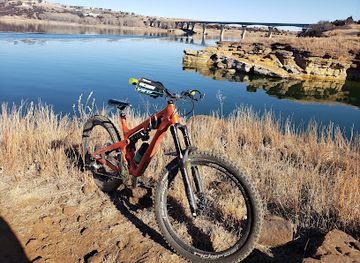
Wilson Lake State Park provides the principal concentration of visitor attractions, with several park areas offering beaches, campgrounds, picnic settings, marinas and access to the reservoir. Hell Creek and Minooka are especially associated with lakeside recreation, while Lucas Park and Sylvan Grove provide alternative shoreline settings around the broad lake. The Switchgrass Trail traces varied prairie and limestone terrain and is one of the region's best-known mountain-biking routes, with sections also suitable for exploring on foot. Anglers come for the reservoir's sport-fishing opportunities, while sailors and paddlers take advantage of its open water when conditions allow. Around the lake, the Wilson Wildlife Area adds grassland and riparian habitat, and nearby Wilson and Lucas extend the visit into cultural territory through Czech heritage, post-rock architecture and grassroots art. The surrounding Smoky Hills, with their rolling horizons, exposed limestone and farm roads, are attractions in their own right for scenic driving and landscape photography.
-
Park
Wilson State Park
Explore Wilson State Park: A stunning outdoor sanctuary in Kansas featuring unique rock formations and endless recreational activities for tourists.
-
Hiking area
Switchgrass Mountain Bike Trails
Explore the breathtaking Switchgrass Mountain Bike Trails in Sylvan Grove, KS, perfect for bikers and hikers seeking adventure in nature's embrace.
-
Campground
SYLVAN PARK (recgovnpsdata)
Explore the natural beauty and tranquility of Sylvan Park Campground in Kansas, perfect for family fun and outdoor adventures.
-
Hiking area
Rocktown Trail
Discover the breathtaking beauty of Rocktown Trail in Lucas, Kansas – a hiker's paradise filled with scenic landscapes and serene wildlife.
Explore Wilson Lake on the map
Plan your trip on one map. See where the top attractions, landmarks, restaurants and hotels are, and book hotels and experiences in a few clicks.
Best hotels in Wilson Lake
Best bars in Wilson Lake
Wilson Lake is a quiet rural destination rather than a nightlife centre, and evening entertainment is concentrated in the social life of nearby small towns rather than in dedicated clubs. Wilson, Lucas and Sylvan Grove may offer traditional bars, taverns or community venues where visitors can find an informal local atmosphere, while seasonal festivals, civic events and cultural programmes provide occasional evening activity. The most characteristic nights around the lake are likely to be spent at a campsite, watching the changing light over the water or gathering at an established lodging or dining venue. Opening patterns and event schedules can vary, particularly in small communities, so visitors should not expect late-night transport or a choice of venues around every recreation area. Salina and other larger towns outside the immediate lake area provide a broader evening scene but are separate from Wilson Lake.
-
Park
Wilson State Park
Experience the natural wonders of Wilson State Park, a premier destination for outdoor adventures and serene landscapes in Kansas.
-
Lake
Wilson Lake
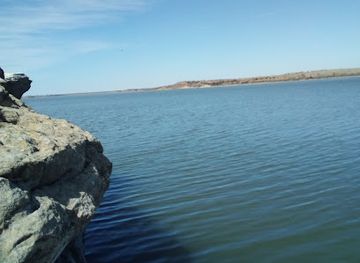
Experience the natural beauty and recreational charm of Wilson Lake in Kansas, a serene destination for outdoor enthusiasts and families.
-
Bait shop
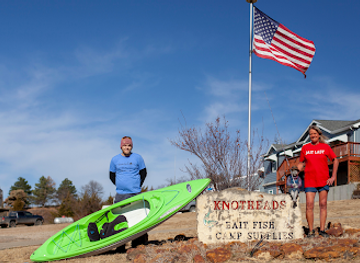
Knotheads @ Wilson Lake LLC. Your Adventure Begin's @ Knotheads!!
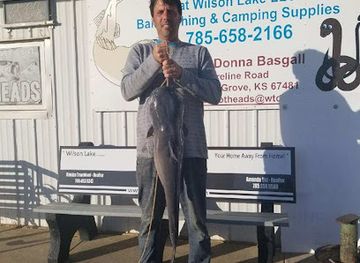
Discover adventure at Knotheads @ Wilson Lake, your ultimate bait shop and outdoor hub in Kansas, perfect for fishing and kayaking enthusiasts.
Best shops in Wilson Lake
Shopping around Wilson Lake is modest and practical, with supplies, groceries, fuel and everyday necessities concentrated in Wilson, Lucas, Sylvan Grove and other nearby communities rather than along a continuous lakeside commercial strip. Visitors interested in regional culture can look for post-rock heritage, local artwork, handmade goods and food products associated with the wider Smoky Hills and Post Rock Country. Lucas is particularly notable for its grassroots art identity, while Wilson's Czech heritage may be reflected in community events and locally produced cultural material. Outdoor equipment and fishing supplies are available through regional businesses, though selection and opening patterns vary. Farm shops and seasonal producers may offer locally grown or made goods in the surrounding countryside. Plan significant shopping before travelling to a remote campground or recreation area, where retail choices are limited.
-
Park
Wilson State Park
Explore the wonders of Wilson State Park, a natural paradise in Kansas offering outdoor adventures, stunning landscapes, and vibrant wildlife.
-
Lake
Wilson Lake
Explore the breathtaking beauty of Wilson Lake in Kansas, a serene destination for outdoor activities and relaxation amidst nature's splendor.
-
Marina
Lake Wilson Marina
Experience the beauty of Lake Wilson Marina, your gateway to adventure in Kansas with boat rentals, fishing, and stunning lakeside views.
-
Bait shop
Knotheads @ Wilson Lake LLC. Your Adventure Begin's @ Knotheads!!
Discover the best bait shop in Sylvan Grove, Kansas - your ultimate destination for fishing supplies and expert advice at Wilson Lake.
Get your free copy of our complete guide to Wilson Lake, delivered straight to you.
Everything on this page, from attractions and restaurants to essentials and local phrases, in one PDF you can read offline, print or share.
Already have an account? Sign in
Your Wilson Lake guide is ready.
We'll send it to · Not you? Sign out

Getting your guide ready…
We are putting together a fresh copy of the Wilson Lake guide. This can take up to a minute.
This can take a few moments. If your browser asks, choose Allow so the download can start. You'll find the guide in your Downloads folder.
Nothing happened? Download it again
Sorry, the guide is taking longer than usual. Please try again in a minute, or get it by email instead.
Wilson Lake essentials
Currency and Payment
Safety
Emergency Situations
Do's and Don'ts
Local Tips
From Eve
Local phrases worth knowing
You don't need to get them perfect. A few words go a long way, and locals appreciate the effort.
Basics
| English | Local | Say it |
|---|---|---|
| Hello | Howdy | [haw-dee] |
| Goodbye | See ya | [see yuh] |
| Yes | Yep | [yep] |
| No | Nah | [na] |
| Please/You're welcome | Please/No problem | [pleez/no problem] |
| Thank you | Thanks | [thanks] |
| Excuse me/Sorry | Pardon me/My bad | [par-dun me/my bad] |
| How are you? | Howdy | [haw-dee] |
| Fine. And you? | Fine. How 'bout you? | [fine. how 'bout yuh] |
| Do you speak English? | Ya speak English? | [ya speak ing-lish] |
| I don't understand | I'm lost | [I'm lost] |
Eating & Drinking
| English | Local | Say it |
|---|---|---|
| I'd like to see the menu, please | Menu, please | [menu, please] |
| I don't eat meat | No meat for me | [no meat for me] |
| Cheers! | Cheers! | [cheers!] |
| I would like to pay, please | Check, please | [check, please] |
Emergencies
| English | Local | Say it |
|---|---|---|
| Help! | Help! | [help!] |
| Go away! | Git! | [git!] |
| Call the Police! | Call the sheriff! | [call the sheriff!] |
| Call a doctor! | Get a doc! | [get a doc!] |
| I'm lost | I'm lost | [I'm lost] |
| I'm ill | I'm sick | [I'm sick] |
Shopping
| English | Local | Say it |
|---|---|---|
| I'd like to buy... | I wanna buy... | [I wanna buy...] |
| I'm just looking | Just lookin' | [just lookin'] |
| How much is it? | How much? | [how much?] |
| That's too expensive | Too pricey | [too pricey] |
| Can you lower the price? | Can ya lower it? | [can ya lower it?] |
Time & Numbers
| English | Local | Say it |
|---|---|---|
| What time is it? | What time is it? | [what time is it?] |
| It's one o'clock | It's one | [It's one] |
| Half past (10) | Ten-thirty | [ten-thur-tee] |
| Morning | Mornin' | [mornin'] |
| Afternoon | Afternoon | [afternoon] |
| Evening | Evenin' | [evenin'] |
| Yesterday | Yest'day | [yest'day] |
| Today | Today | [today] |
| Tomorrow | Tomorrer | [tomorrer] |
| 1 | One | [one] |
| 2 | Two | [two] |
| 3 | Three | [three] |
| 4 | Four | [four] |
| 5 | Five | [five] |
| 6 | Six | [six] |
| 7 | Seven | [seven] |
| 8 | Eight | [eight] |
| 9 | Nine | [nine] |
| 10 | Ten | [ten] |
Transport & Directions
| English | Local | Say it |
|---|---|---|
| Where's a/the...? | Where's the...? | [where's the...?] |
| What's the address? | Address? | [address?] |
| Can you show me (on the map)? | Show me on the map? | [show me on the map?] |
| When's the next (bus)? | Next bus? | [next bus?] |
| A ticket (to ....) | Ticket (to ...) | [ticket (to ...)] |
History of Wilson Lake
A River Valley Before the Reservoir
Before Wilson Lake existed, the South Fork Solomon River crossed a largely agricultural valley in a region shaped by prairie, seasonal water and the distinctive Dakota limestone used by settlers. Indigenous peoples travelled through and used the wider Smoky Hills long before Euro-American settlement, while later farming communities adapted to the area's limited but important water sources. The surrounding land remains characterised by open grassland, wooded draws and limestone exposures rather than a densely settled landscape.
Settlement and the Post Rock Tradition
Communities around the future reservoir developed during the late nineteenth century as railways, agriculture and town-building expanded across north-central Kansas. Wilson was established in the 1870s and became associated with immigrants from Central Europe, particularly Czech residents and their descendants. Across the region, readily available native limestone was cut into fence posts and buildings, creating the post-rock landscape that still distinguishes roadsides, farmsteads and historic structures around Wilson and neighbouring communities.
Wilson Dam and Lake Formation
Wilson Dam was built by the U.S. Army Corps of Engineers on the South Fork Solomon River as part of federal flood-control and water-management planning. Construction took place in the mid-twentieth century, and the reservoir began holding water in 1964. The resulting lake transformed the valley, creating new water-based recreation while also requiring changes to roads, farms and local land use. Its primary role remains water management, although public recreation became an important part of the reservoir's regional identity.
From Reservoir to Recreation Landscape
After impoundment, the shoreline was developed for public use through Wilson Lake State Park, Corps-managed recreation areas, wildlife habitat and boating facilities. Marina and campground areas helped establish the lake as a destination for fishing, sailing, camping and day visits, while later trail development broadened its appeal to hikers and mountain bikers. Conservation and recreation now coexist with working farmland and small communities, and the lake's history is interpreted through the surrounding post-rock heritage, local museums and the continuing cultural life of Wilson and Lucas.
Wilson Lake in Photos
Browse through our photo collection highlighting the charm and character of the destination.
Neighbouring destination travel guides
The closest destinations to Wilson Lake, if you have time for more than one.
-

-

-
 Tallgrass Prairie National Preserve
 in Kansas offers bison, wildflowers, historic ranchland, scenic Flint Hills drives and trails through America’s native grassland.
Tallgrass Prairie National Preserve
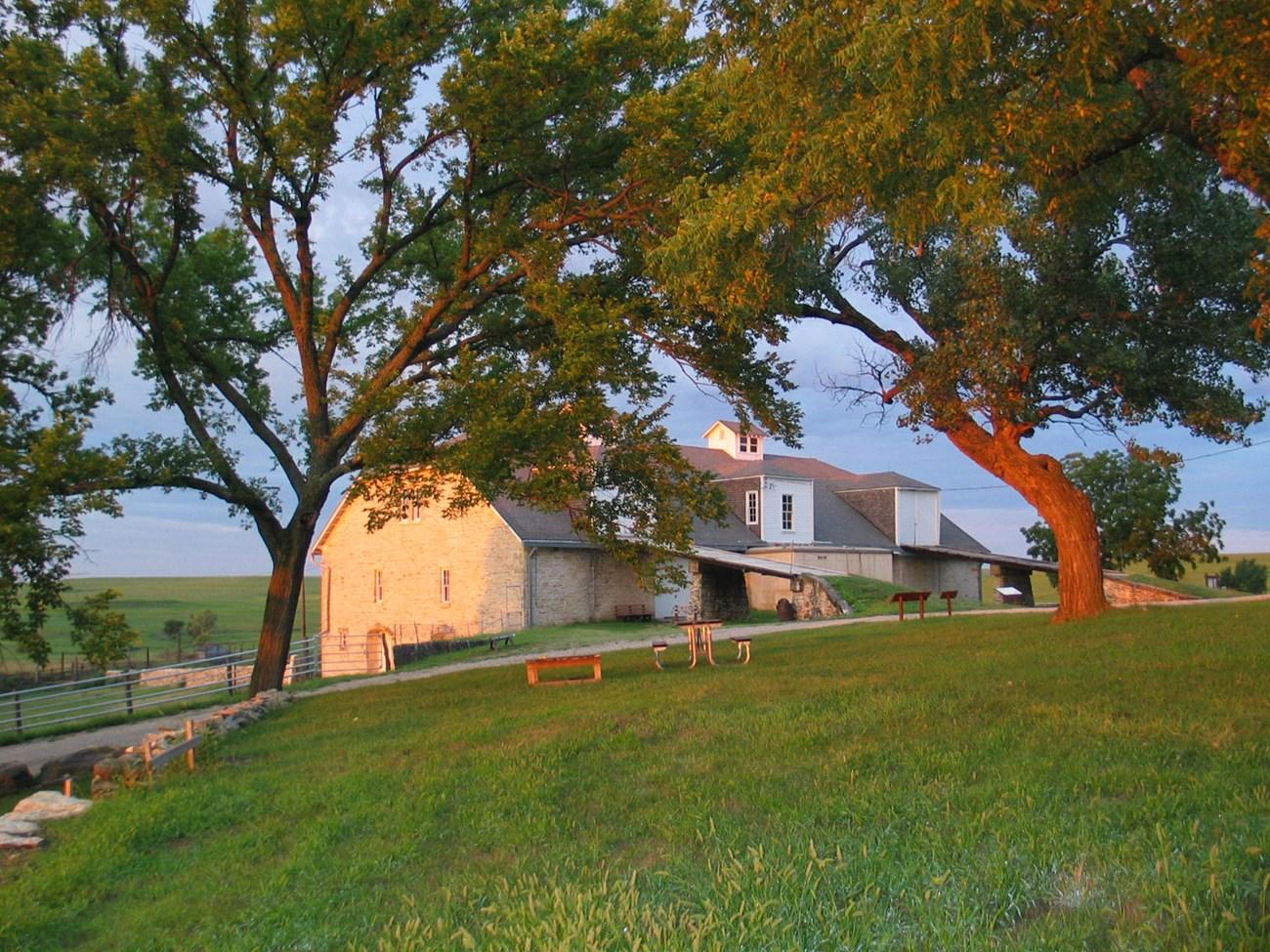
Tallgrass Prairie National Preserve in Kansas offers bison, wildflowers, historic ranchland, scenic Flint Hills drives and trails through America’s native grassland.
-

-


Swipe for more destinations
Explore more
Explore more of Smoky Hills
Explore Kansas’s Smoky Hills for chalk formations, prairie landscapes, reservoirs, historic towns and wide-open scenic drives.
Explore Smoky Hills
Explore more of Kansas
Explore Kansas: Where history, nature, and small-town charm converge in the heart of America. Discover prairies, cultural landmarks, and delicious cuisine in the Sunflower State.
Explore Kansas