

Cedar Bluff State Park, Kansas Travel Guide
Discover Cedar Bluff State Park in Kansas - where tranquil landscapes, thrilling water sports, and breathtaking bluffs create the perfect outdoor adventure.
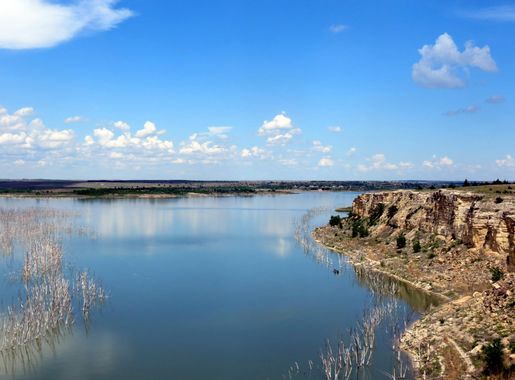
Cedar Bluff State Park is a serene escape located in the heart of Kansas. This park offers a unique blend of natural beauty and recreational activities, making it a perfect destination for nature lovers and adventure seekers alike. The park is named after the stunning cedar-covered bluffs that rise majestically above the Smoky Hill River, providing breathtaking views and ample opportunities for photography. Cedar Bluff State Park is divided into two areas: the Bluffton Area and the Page Creek Area. The Bluffton Area is ideal for families and offers modern amenities such as campgrounds, cabins, and picnic areas. It also features a sandy beach, perfect for swimming and sunbathing. The Page Creek Area is more secluded, making it a favorite for those looking to enjoy a quieter, more rustic experience. Here, you can find primitive campsites and enjoy activities like hiking, fishing, and wildlife viewing. The park's reservoir is a haven for water sports enthusiasts. Boating, water skiing, and paddleboarding are popular activities, and the reservoir is well-stocked with fish, making it a great spot for anglers. Bird watchers will also be delighted by the variety of bird species that inhabit the park. Whether you're looking to relax by the water, explore the trails, or engage in water activities, Cedar Bluff State Park offers something for everyone.

Know before you go
Hi, I'm Eve. Here are a few practical things to know before exploring Cedar Bluff State Park.
- Visit the park during the weekdays to avoid weekend crowds and enjoy a more peaceful experience.
- If you plan to fish, make sure to get a Kansas fishing license beforehand.
- Bring binoculars for bird watching as the park is home to many interesting bird species.
- Check the weather forecast before your visit, as Kansas weather can be unpredictable.
- Pack plenty of water and snacks, especially if you plan to explore the more remote Page Creek Area.
Explore Cedar Bluff State Park: Things to Do, Places to Eat, Hotels & More
Handpicked recommendations for top attractions, local dining, accommodations, and more

Best attractions in Cedar Bluff State Park


Best shops in Cedar Bluff State Park
Top-rated picks
Best Shops

Cedar Bluff State Park- Bluffton Area
Explore Cedar Bluff State Park: A serene escape in Kansas with stunning landscapes, diverse wildlife, and endless outdoor adventures await.

Roosters Sport Haven
Discover Roosters Sport Haven in Ellis, Kansas - your go-to convenience store for snacks, refreshments, and friendly service on the go!

Explore Cedar Bluff State Park on the Map
A handpicked selection of must-see spots in Cedar Bluff State Park, mapped for you.
Cedar Bluff State Park Essentials
-
Cedar Bluff State Park is located in Trego County, Kansas. The nearest major airport is Hays Regional Airport, approximately 50 miles away. From the airport, you can rent a car and drive to the park, which typically takes around an hour. Alternatively, the park is accessible via Interstate 70; take exit 135 for Ogallah/Cedar Bluff State Park and follow the signs for about 25 miles.
-
While Cedar Bluff State Park is best explored by car, given its vast area and remote location, there are limited options for public transport. Car rentals are available from Hays Regional Airport and in nearby cities. It's advisable to have your own vehicle to move around the park and explore the surrounding areas. Bicycles are also a great option for navigating the park's trails.
-
The official currency is the United States Dollar (USD). Credit and debit cards are widely accepted at the park's entrance and within nearby towns. However, it's advisable to carry some cash, especially for smaller transactions or in case of technical issues with card readers. ATMs are available in nearby towns like Ellis and WaKeeney.
-
Cedar Bluff State Park is generally safe for tourists. However, it's always important to take standard precautions. Lock your vehicle and secure your belongings. Be cautious around wildlife and follow park guidelines to avoid any unwanted encounters. There are no specific high-crime areas targeting tourists, but it's always wise to stay vigilant, especially when camping or hiking in remote areas.
-
In case of emergency, dial 911 for immediate assistance. The nearest medical facilities are located in WaKeeney, about 30 miles away from the park. It's advisable to carry a basic first-aid kit and have travel insurance that covers medical emergencies. Park rangers are also available to assist in case of emergencies and can be contacted via the park's main office.
-
Fashion: Do wear comfortable, weather-appropriate clothing and sturdy shoes for hiking. Avoid wearing flip-flops or open-toed shoes. Religion: Do respect any local religious sentiments, though the park itself is a secular area. Public Transport: Public transport options are limited; do plan to rent a car or use bicycles. Greetings: Do greet fellow hikers and campers with a friendly nod or 'hello.' Eating & Drinking: Do carry sufficient water and snacks, especially if you plan on hiking. Don't leave trash behind; always use designated waste disposal areas.
-
To experience Cedar Bluff State Park like a local, visit during off-peak seasons when the park is less crowded. Engage with park rangers and local visitors, who can offer insights into the best trails and fishing spots. Don't miss the Cedar Bluff Reservoir for boating and fishing. For a unique experience, try camping under the stars at one of the park's well-maintained campgrounds.
When is the best time to visit Cedar Bluff State Park?
Useful Local Phrases for Cedar Bluff State Park
You don't need to speak the language perfectly. Even learning a few simple words can make conversations warmer—and locals usually appreciate the effort.
— Eve

Here are the phrases I use most often in Cedar Bluff State Park. Try a few—you'll be surprised how far they go! 😊
❤️
-
- HelloHowdy
[haw-dee] - GoodbyeSee ya
[see yuh] - YesYep
[yep] - NoNah
[nah] - Please/You're welcomePlease/You're welcome
[please/yur wel-cum] - Thank youThanks
[thangs] - Excuse me/SorryPardon me
[par-dun me] - How are you?How's it goin'?
[hows it go-in] - Fine. And you?Fine. And you?
[fine. and yuh?] - Do you speak English?Ya speak English?
[yah speak ing-glish?] - I don't understandI don't get it
[I don't get it]
- HelloHowdy
-
- I'd like to see the menu, pleaseI'd like to see the menu, please
[I'd like to see the menu, please] - I don't eat meatI don't eat meat
[I don't eat meat] - Cheers!Cheers!
[Cheers!] - I would like to pay, pleaseI would like to pay, please
[I would like to pay, please]
- I'd like to see the menu, pleaseI'd like to see the menu, please
-
- Help!Help!
[Help!] - Go away!Go away!
[Go away!] - Call the Police!Call the Sheriff!
[Call the Sheriff!] - Call a doctor!Call a doc!
[Call a doc!] - I'm lostI'm lost
[I'm lost] - I'm illI'm sick
[I'm sick]
- Help!Help!
-
- I'd like to buy...I wanna buy...
[I wanna buy...] - I'm just lookingI'm just lookin'
[I'm just look-in] - How much is it?How much does it cost?
[How much does it cost?] - That's too expensiveThat's too pricey
[That's too pricey] - Can you lower the price?Can ya drop the price?
[Can ya drop the price?]
- I'd like to buy...I wanna buy...
-
- What time is it?What's the time?
[What's the time?] - It's one o'clockIt's one o'clock
[It's one o'clock] - Half past (10)Half past ten
[Half past ten] - MorningMornin'
[Mornin'] - AfternoonAfternoon
[Afternoon] - EveningEvenin'
[Evenin'] - YesterdayYesterday
[Yesterday] - TodayToday
[Today] - TomorrowTomorrow
[Tomorrow] - 1One
[One] - 2Two
[Two] - 3Three
[Three] - 4Four
[Four] - 5Five
[Five] - 6Six
[Six] - 7Seven
[Seven] - 8Eight
[Eight] - 9Nine
[Nine] - 10Ten
[Ten]
- What time is it?What's the time?
-
- Where's a/the...?Where's a/the...?
[Where's a/the...?] - What's the address?What's the address?
[What's the address?] - Can you show me (on the map)?Can you show me (on the map)?
[Can you show me (on the map)?] - When's the next (bus)?When's the next (bus)?
[When's the next (bus)?] - A ticket (to ....)A ticket (to ....)
[A ticket (to ....)]
- Where's a/the...?Where's a/the...?
History of Cedar Bluff State Park
-
Long before Cedar Bluff State Park became a beloved recreational area, it was home to Native American tribes, such as the Pawnee and the Cheyenne. These indigenous people utilized the natural resources of the area for hunting and fishing, leaving behind a rich cultural legacy that is still evident today through various artifacts and historical sites.
-
The park's name, Cedar Bluff, is derived from the prominent limestone bluffs that rise dramatically above the Smoky Hill River. Early settlers were struck by the sight of cedar trees clinging to the rugged cliffs, which became a defining feature of the landscape. These bluffs have since become a focal point for visitors, offering breathtaking views and a glimpse into the area's geographical history.
-
In the 1940s, the U.S. Army Corps of Engineers undertook an ambitious project to construct Cedar Bluff Reservoir as part of a broader effort to control flooding and provide water for irrigation. Completed in 1951, the reservoir has since become a central feature of the state park, attracting anglers, boaters, and campers who enjoy its scenic beauty and recreational opportunities.
-
Cedar Bluff State Park was officially established in 1962 to provide a designated area for outdoor enthusiasts to enjoy the natural beauty and recreational opportunities of the region. The park is divided into two areas: the Bluffton Area and the Page Creek Area, each offering unique amenities and experiences for visitors.
-
Cedar Bluff State Park is part of the Smoky Hills, a region renowned for its rich fossil deposits. Visitors can explore the park's trails and often stumble upon ancient marine fossils, remnants of a time when Kansas was covered by a vast inland sea. These fossils provide a fascinating window into the distant past and are a highlight for amateur paleontologists and curious visitors alike.
-
The diverse ecosystems within Cedar Bluff State Park support a variety of wildlife, including deer, turkeys, and numerous bird species. Over the years, conservation efforts have been implemented to preserve these habitats and ensure the continued health of the local flora and fauna. These initiatives have made the park a haven for wildlife enthusiasts and a prime location for birdwatching.
Neighbouring destination travel guides
Browse our curated selection of top destinations, scenic points, and must-visit spots in the area.


Your all‑in‑one travel companion app
Explore expert travel guides, compare and book tours, experiences, hotels, and more—all from the palm of your hand. Download now for seamless trip planning wherever your wanderlust takes you.


Explore More of Northwest Kansas

Looking beyond Cedar Bluff State Park? Discover Northwest Kansas for broader travel guides, local hot-spots, and regional highlights.
Explore Northwest KansasExplore More of Kansas

Looking beyond Cedar Bluff State Park? Discover Kansas for broader travel guides, local hot-spots, and regional highlights.
Explore KansasCedar Bluff State Park in Photos
Browse through our photo collection highlighting the charm and character of the destination.



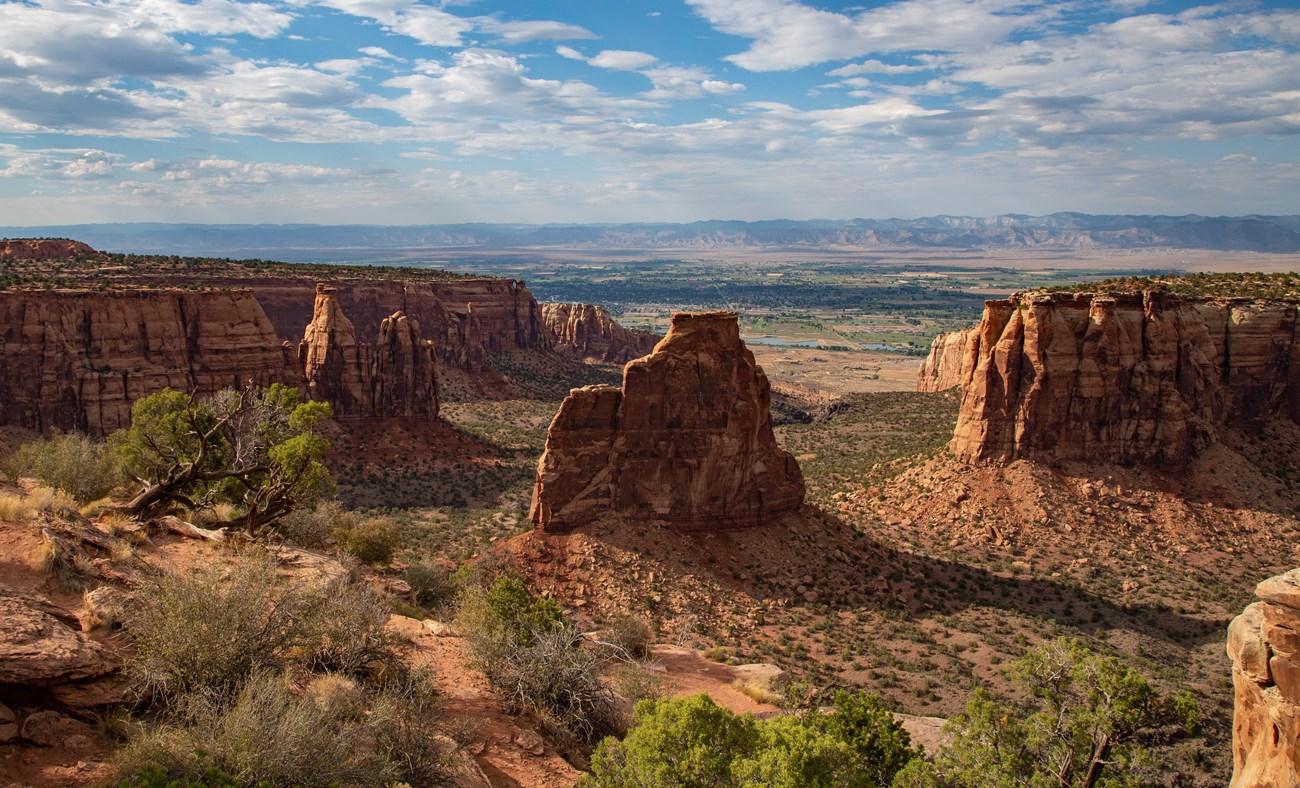
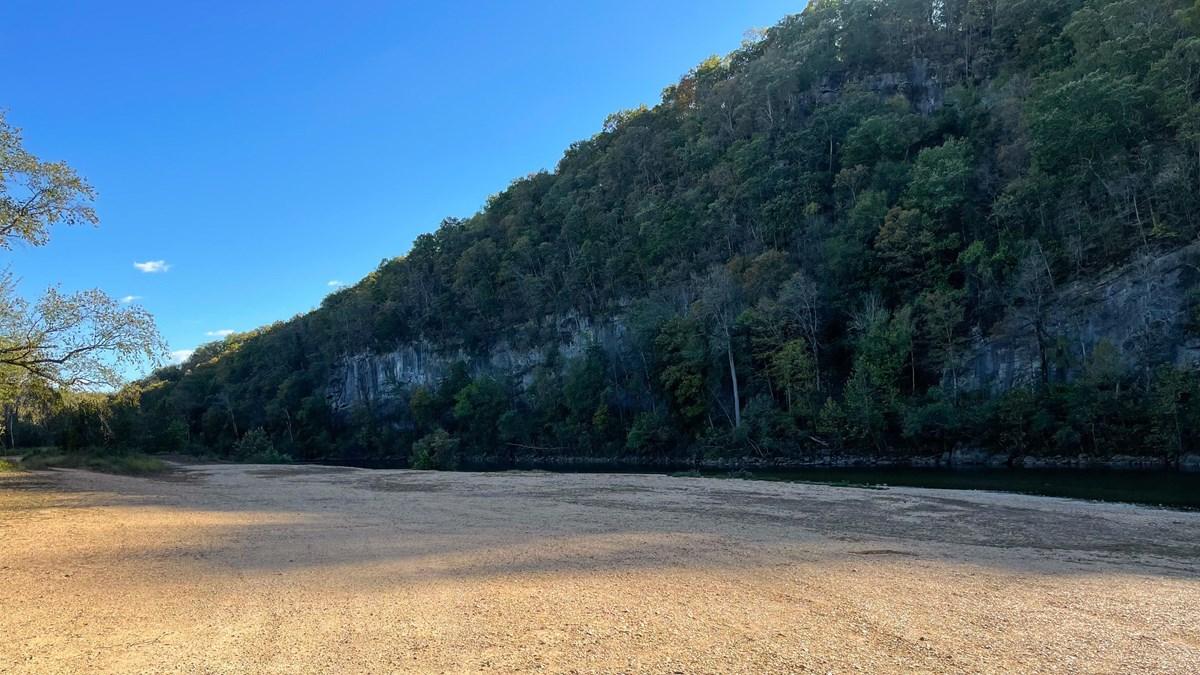
Cedar Bluff State Park: A Hidden Gem in Kansas
Cedar Bluff State Park is a serene escape located in the heart of Kansas. This park offers a unique blend of natural beauty and recreational activities, making it a perfect destination for nature lovers and adventure seekers alike. The park is named after the stunning cedar-covered bluffs that rise majestically above the Smoky Hill River, providing breathtaking views and ample opportunities for photography. Cedar Bluff State Park is divided into two areas: the Bluffton Area and the Page Creek Area. The Bluffton Area is ideal for families and offers modern amenities such as campgrounds, cabins, and picnic areas. It also features a sandy beach, perfect for swimming and sunbathing. The Page Creek Area is more secluded, making it a favorite for those looking to enjoy a quieter, more rustic experience. Here, you can find primitive campsites and enjoy activities like hiking, fishing, and wildlife viewing. The park's reservoir is a haven for water sports enthusiasts. Boating, water skiing, and paddleboarding are popular activities, and the reservoir is well-stocked with fish, making it a great spot for anglers. Bird watchers will also be delighted by the variety of bird species that inhabit the park. Whether you're looking to relax by the water, explore the trails, or engage in water activities, Cedar Bluff State Park offers something for everyone.