
Eastern Kansas, Kansas Travel Guide
Explore the natural beauty, historic towns, and cultural richness of Eastern Kansas, a hidden gem in the heart of America.
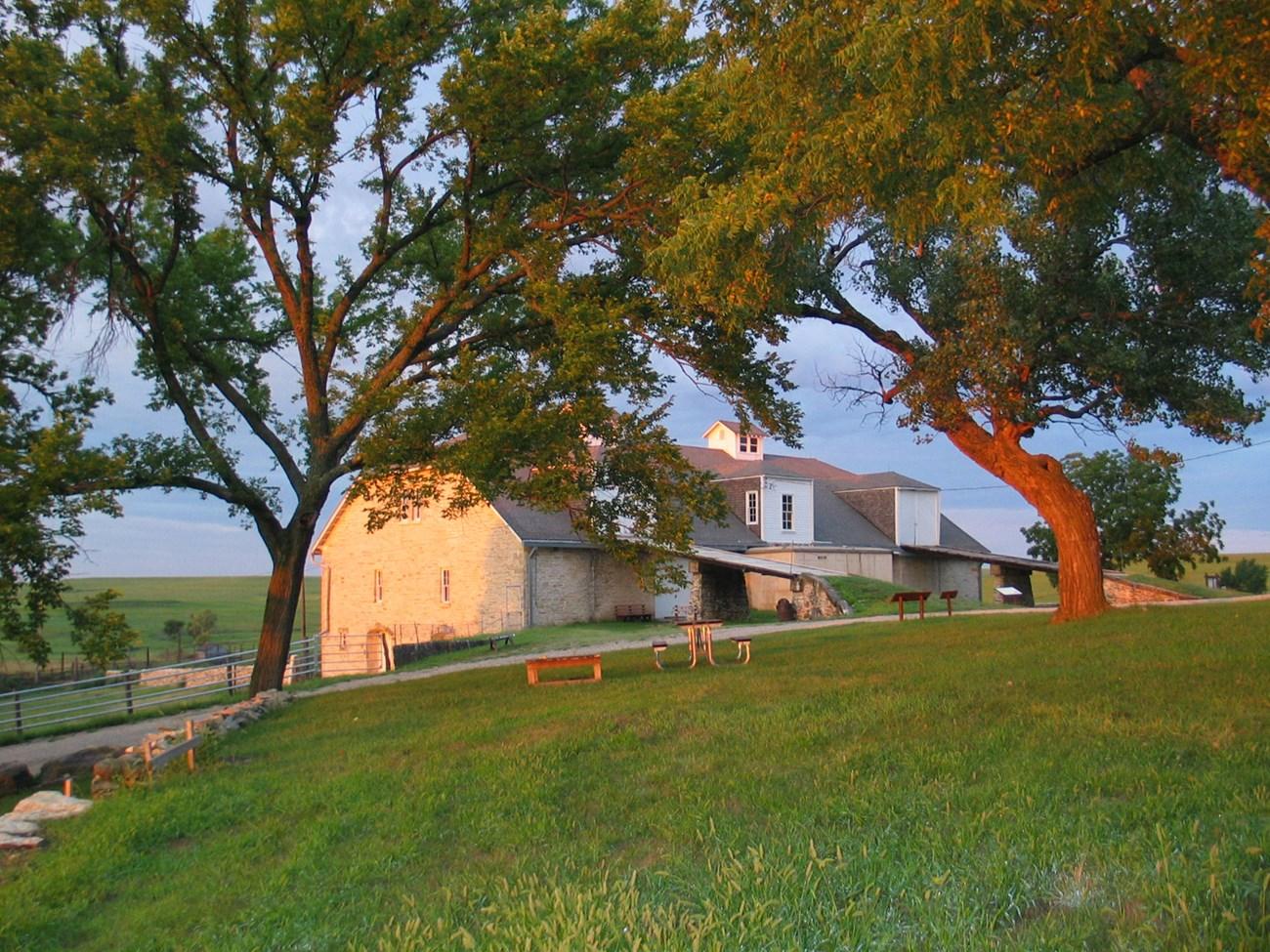
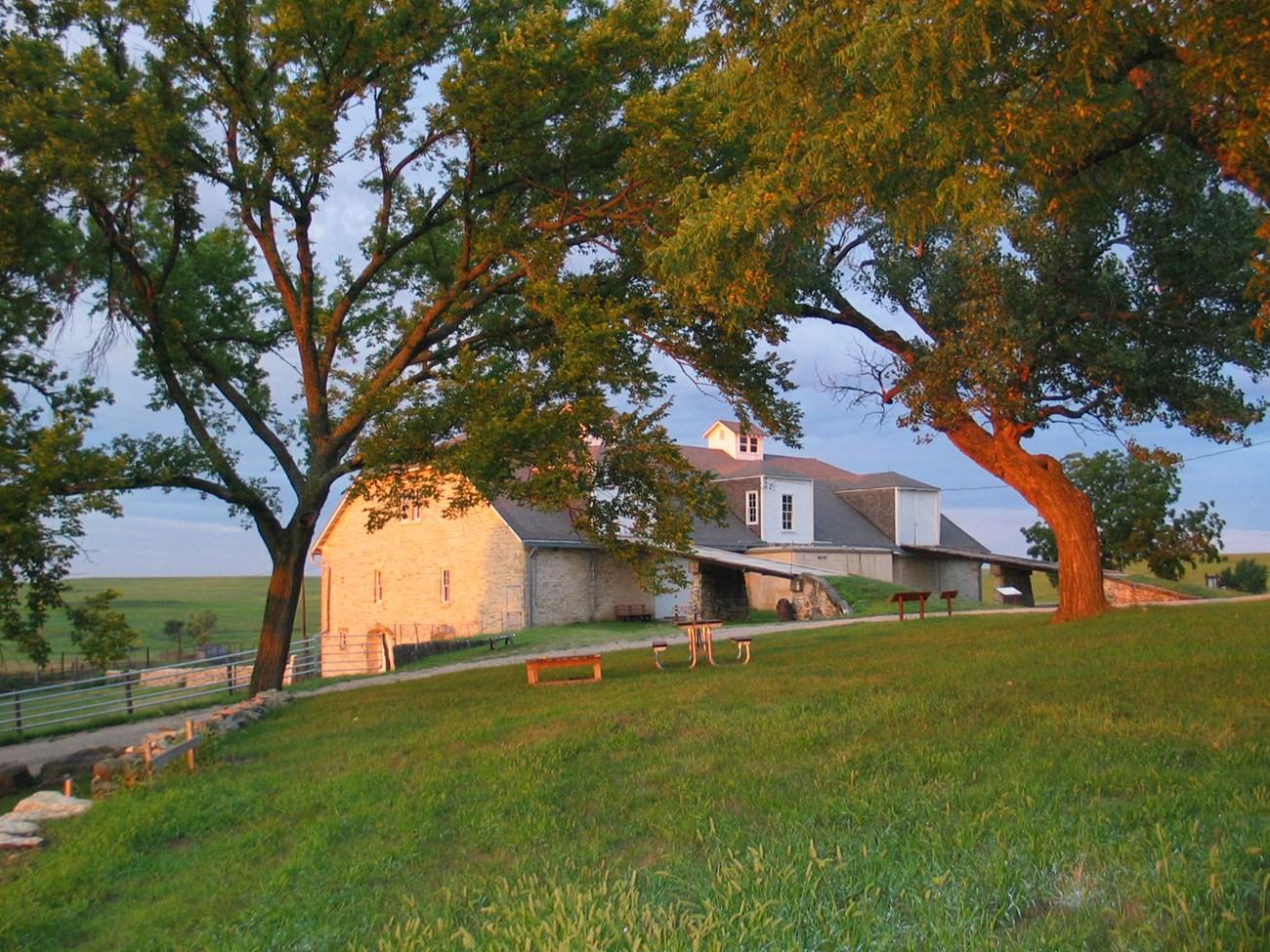
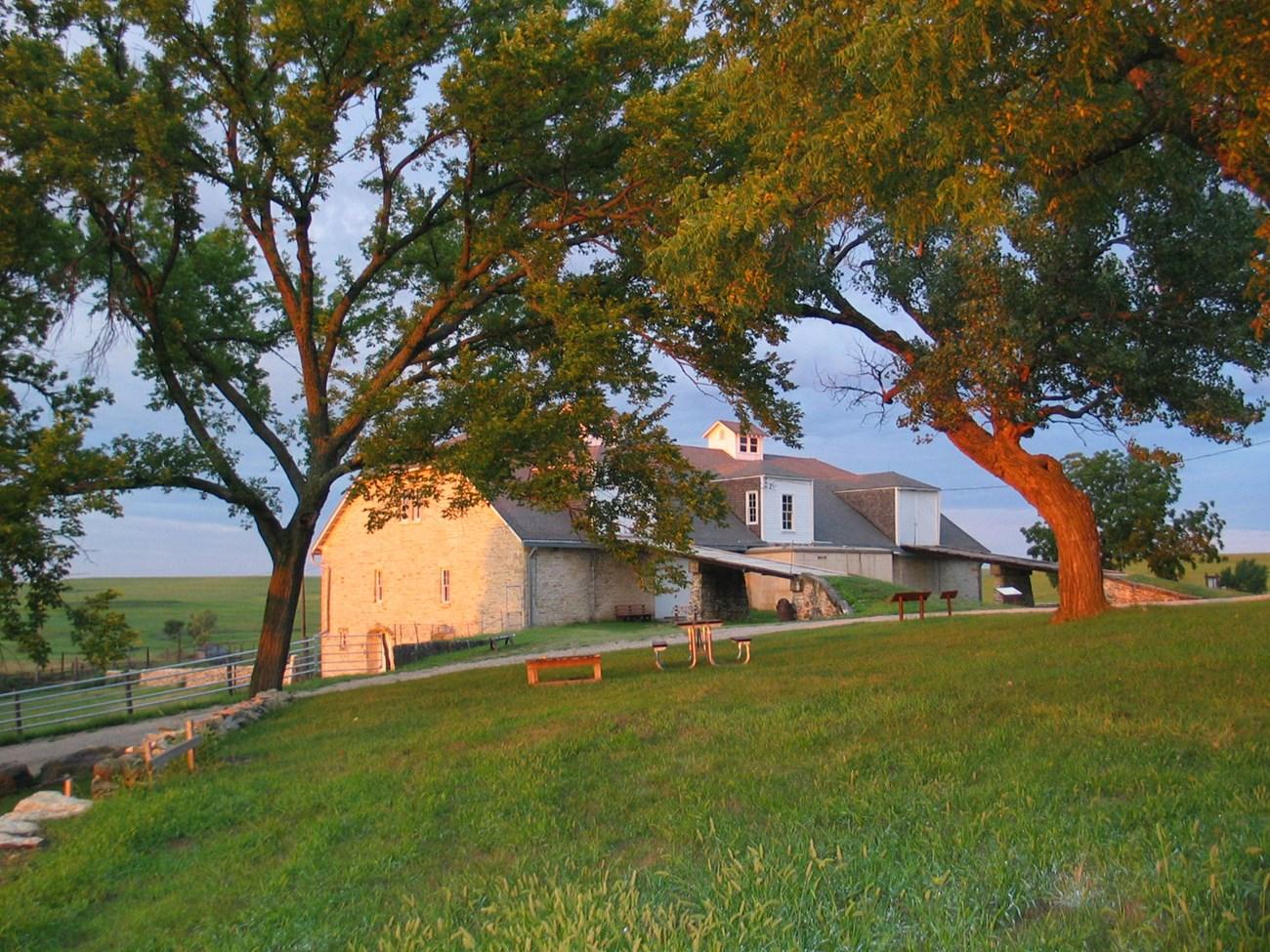
Eastern Kansas is a blend of rolling prairies, charming small towns, and rich history. This region offers visitors a peaceful retreat with scenic beauty and a glimpse into America's past. The Flint Hills, with their tallgrass prairies, offer some of the most picturesque landscapes in the Midwest. Visitors can explore miles of hiking trails, enjoy bird watching, and experience the serene beauty of the prairies. The historic towns of Eastern Kansas, such as Lawrence and Leavenworth, provide a unique cultural experience. Lawrence, home to the University of Kansas, is known for its vibrant arts scene, eclectic shops, and lively music venues. Leavenworth, on the other hand, offers a look into the area's military history and charming downtown area with antique shops and local eateries. For those interested in history, the region is rich with sites related to the Civil War and the fight for civil rights. The Brown v. Board of Education National Historic Site in Topeka is a must-visit for its significance in the American civil rights movement. Additionally, historic trails like the Oregon and Santa Fe Trails pass through this region, offering a glimpse into the pioneer spirit that shaped America.

Know before you go
Hi, I'm Eve. Here are a few practical things to know before exploring Eastern Kansas.
- Visit in the spring or fall for the best weather and to see the prairies in full bloom or vibrant autumn colors.
- Take a guided tour of the historic sites in Lawrence and Topeka to get a deeper understanding of the region's history.
- Don't miss the annual Symphony in the Flint Hills event, which combines beautiful music with stunning landscapes.
- Try local cuisine at small-town diners and cafes for an authentic taste of Kansas.
- Bring a good pair of hiking boots to explore the trails in the Flint Hills.
Top City Travel Guides in Eastern Kansas
The cities of Eastern Kansas, and the easiest places to base yourself.


Destinations in Eastern Kansas
Resorts, valleys and scenic spots worth a trip of their own.



Explore Eastern Kansas: Things to Do, Places to Eat, Hotels & More
Handpicked recommendations for top attractions, local dining, accommodations, and more

Top Attractions & Sightseeing in Eastern Kansas
Top-rated picks
Best Attractions

Kauffman Stadium
Discover Kauffman Stadium, a baseball gem in Kansas City, where thrilling games and rich history come together for an unforgettable experience.

GEHA Field at Arrowhead Stadium
Explore the heart of Kansas City sports culture at GEHA Field, home to thrilling NFL games and vibrant entertainment events.

Worlds of Fun
Discover the excitement of Worlds of Fun, a thrilling theme park in Kansas City with rides and attractions for all ages, perfect for family adventures.

Arabia Steamboat Museum
Explore the Arabia Steamboat Museum for a fascinating look into 19th-century river life, filled with artifacts and stories from America's westward expansion.

Best landmarks in Eastern Kansas
Top-rated picks
Best Landmarks

Union Station Kansas City
Experience the grandeur of Union Station Kansas City, a historical landmark offering museums, a planetarium, and a variety of dining options in a stunning architectural setting.

National WWI Museum and Memorial
Explore the National WWI Museum and Memorial in Kansas City, a profound tribute to the impacts of the Great War with immersive exhibits and stunning architecture.

Botanica, The Wichita Gardens
Explore the natural beauty and historical charm of Botanica, The Wichita Gardens, a vibrant oasis in Wichita, Kansas, perfect for all nature enthusiasts.

The Keeper of the Plains
Discover the Keeper of the Plains in Wichita, Kansas — a stunning cultural monument celebrating Indigenous heritage and natural beauty.

Best restaurants in Eastern Kansas
Top-rated picks
Best Restaurants

Jack Stack Barbecue - Overland Park
Discover the rich flavors of Kansas City-style barbecue at Jack Stack Barbecue in Overland Park, where every bite tells a story.

Carriage Crossing Restaurant and Bakery
Discover Carriage Crossing Restaurant and Bakery: A Family-Friendly Dining Experience in Yoder with Delectable Comfort Food & Baked Goods.

Grünauer
Experience authentic Austrian cuisine at Grünauer in Kansas City – where tradition meets modern dining in a vibrant setting.

Yard House
Discover a vibrant blend of New American cuisine and craft beer at Yard House in Kansas City - perfect for food lovers and sports fans alike.

Best bars in Eastern Kansas
Top-rated picks
Best Bars

Green Lady Lounge
Discover the allure of Green Lady Lounge, a premier cocktail bar and jazz club in Downtown Kansas City, offering live music and crafted cocktails.

Up-Down KC
Discover Up-Down KC, a lively arcade bar in Downtown Kansas City offering classic games, craft beers, and a vibrant atmosphere for all ages.
The Ship
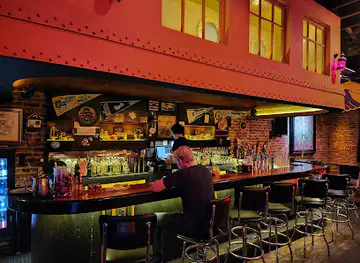
Discover a culinary gem in Kansas City, where delicious grilled dishes meet vibrant live music at The Ship.

The Well Bar Grill and Rooftop
Experience the best of American cuisine and stunning rooftop views at The Well Bar Grill and Rooftop in Kansas City.

Best nightclubs in Eastern Kansas
Top-rated picks
Best Nightclubs

Green Lady Lounge
Experience the magic of live jazz and exquisite cocktails at Kansas City's Green Lady Lounge, a must-visit destination for music lovers.

Aura
Experience the vibrant nightlife at Aura, Kansas City's top night club with electrifying DJs and stunning light displays.

Aura KC Nightclub
Discover Kansas City's premier nightlife destination at Aura KC Nightclub, where unforgettable nights and vibrant energy come alive.

Lotus
Experience the vibrant nightlife of Kansas City at Lotus Lounge, where handcrafted cocktails and live music create the perfect evening atmosphere.

Best shops in Eastern Kansas
Top-rated picks
Best Shops

Legends Outlets Kansas City
Experience the ultimate shopping destination at Legends Outlets Kansas City, where stylish brands meet unbeatable prices in a vibrant setting.

River Market Antiques
Explore River Market Antiques, a historic treasure trove in Downtown Kansas City, filled with unique finds and vintage collectibles.

Made in KC Marketplace - Plaza
Discover the heart of Kansas City at Made in KC Marketplace - Plaza, a unique destination for local gifts, coffee, and vibrant community events.

Gifts & Decor Swords & More
Explore the enchanting Gifts & Decor Swords & More in Olathe, Kansas, where unique gifts, herbs, and metaphysical supplies await every curious traveler.

Explore Eastern Kansas on the Map
A handpicked selection of must-see spots in Eastern Kansas, mapped for you.
Eastern Kansas Essentials
-
Eastern Kansas is accessible via several major highways, including Interstate 70, which runs east-west and connects to major cities like Kansas City and Topeka. The nearest major airport is Kansas City International Airport (MCI), located about an hour's drive from the easternmost parts of Kansas. From the airport, rental cars, shuttle services, and taxis are available to take you to your destination within Eastern Kansas.
-
Transportation options in Eastern Kansas include car rentals, local buses, and taxis. The region is car-friendly, and having a vehicle will give you the flexibility to explore rural areas and smaller towns. Cities like Lawrence and Topeka offer public bus services, but coverage can be limited outside urban areas. Biking is also popular in more scenic, less trafficked areas.
-
The official currency is the U.S. Dollar (USD). Credit cards are widely accepted in hotels, restaurants, and shops. ATMs are readily available in urban areas and along major highways. While most businesses accept card payments, it's advisable to carry some cash, particularly in smaller towns and rural areas where card services may not be available.
-
Eastern Kansas is generally safe for tourists. However, like any travel destination, it is important to remain vigilant. Avoid walking alone at night in unfamiliar areas, and keep an eye on your belongings in crowded places. While crime rates are relatively low, urban centers such as Topeka and Lawrence have neighborhoods where caution is advised, especially after dark. Always check local advisories for up-to-date information.
-
In case of emergency, dial 911 for immediate assistance. Hospitals and urgent care facilities are available in major towns and cities. It is recommended to have travel insurance that covers medical emergencies. For minor health issues, pharmacies are widely available where you can purchase over-the-counter medications.
-
Fashion: Do dress casually and comfortably, but consider dressing modestly when visiting religious sites or rural areas. Religion: Do be respectful of local religious customs and traditions. Public Transport: Do be respectful to fellow passengers and avoid loud conversations. Don't eat or drink on public transport. Greetings: Do greet people with a friendly 'hello' or a handshake. Eating & Drinking: Do try local BBQ and other regional specialties. Don't leave a mess at public eating areas.
-
To experience Eastern Kansas like a local, visit farmers' markets for fresh produce and local crafts. Attend a college basketball game in Lawrence to feel the local passion for sports. Explore historical sites such as the Brown v. Board of Education National Historic Site in Topeka. Don't miss the scenic byways and nature trails for a true taste of Kansas's natural beauty.
When is the best time to visit Eastern Kansas?
Useful Local Phrases for Eastern Kansas
You don't need to speak the language perfectly. Even learning a few simple words can make conversations warmer—and locals usually appreciate the effort.
— Eve

Here are the phrases I use most often in Eastern Kansas. Try a few—you'll be surprised how far they go! 😊
❤️
-
- HelloHowdy
[/ˈhaʊdi/] - GoodbyeSee ya
[/si jə/] - YesYep
[/jɛp/] - NoNope
[/noʊp/] - Please/You're welcomeSure thing
[/ʃʊr θɪŋ/] - Thank youThanks a bunch
[/θæŋks ə bʌntʃ/] - Excuse me/SorryPardon me
[/ˈpɑːrdən mi/] - How are you?How ya doing?
[/haʊ jə ˈduːɪŋ/] - Fine. And you?Good. And you?
[/ɡʊd. ənd jə/] - Do you speak English?Do ya speak English?
[/du jə spiːk ˈɪŋɡlɪʃ/] - I don't understandI ain't gettin' it
[/aɪ eɪnt ˈɡɛtɪn ɪt/]
- HelloHowdy
-
- I'd like to see the menu, pleaseCan I see the menu, please?
[/kæn aɪ si ðə ˈmɛnjuː pliːz/] - I don't eat meatI don't do meat
[/aɪ doʊnt du mit/] - Cheers!Cheers!
[/tʃɪrz/] - I would like to pay, pleaseCan I settle up, please?
[/kæn aɪ ˈsɛtəl ʌp pliːz/]
- I'd like to see the menu, pleaseCan I see the menu, please?
-
- Help!Help!
[/hɛlp/] - Go away!Get lost!
[/ɡɛt lɔst/] - Call the Police!Call the cops!
[/kɔl ðə kɑps/] - Call a doctor!Get a doc!
[/ɡɛt ə dɑk/] - I'm lostI’m turned around
[/aɪm tɜrnd əˈraʊnd/] - I'm illI ain't feelin' good
[/aɪ eɪnt ˈfiːlɪn ɡʊd/]
- Help!Help!
-
- I'd like to buy...I wanna buy...
[/aɪ ˈwɑːnə baɪ/] - I'm just lookingJust browsing
[/dʒʌst ˈbraʊzɪŋ/] - How much is it?What’s the price?
[/wʌts ðə praɪs/] - That's too expensiveThat’s a bit pricey
[/ðæts ə bɪt ˈpraɪsi/] - Can you lower the price?Can ya bring the price down?
[/kæn jə brɪŋ ðə praɪs daʊn/]
- I'd like to buy...I wanna buy...
-
- What time is it?What time ya got?
[/wʌt taɪm jə ɡɑt/] - It's one o'clockIt’s one o’clock
[/ɪts wʌn əˈklɑk/] - Half past (10)Half past ten
[/hæf pæst tɛn/] - MorningMornin'
[/ˈmɔrnɪn/] - AfternoonAft'noon
[/ˌæftərˈnun/] - EveningEvenin'
[/ˈivnɪn/] - YesterdayYest'day
[/ˈjɛstdeɪ/] - TodayToday
[/təˈdeɪ/] - TomorrowTomorra'
[/təˈmɔroʊ/] - 1One
[/wʌn/] - 2Two
[/tu/] - 3Three
[/θri/] - 4Four
[/fɔr/] - 5Five
[/faɪv/] - 6Six
[/sɪks/] - 7Seven
[/ˈsɛvən/] - 8Eight
[/eɪt/] - 9Nine
[/naɪn/] - 10Ten
[/tɛn/]
- What time is it?What time ya got?
-
- Where's a/the...?Where's the...?
[/wɛrz ðə.../] - What's the address?What’s the address?
[/wʌts ði ˈædrɛs/] - Can you show me (on the map)?Can ya show me on the map?
[/kæn jə ʃoʊ mi ɑn ðə mæp/] - When's the next (bus)?When’s the next bus?
[/wɛnʔs ðə nɛkst bʌs/] - A ticket (to ....)A ticket to...
[/ə ˈtɪkɪt tu/]
- Where's a/the...?Where's the...?
History of Eastern Kansas
-
Eastern Kansas played a pivotal role in the history of the Santa Fe Trail, a 19th-century transportation route that connected Missouri with Santa Fe, New Mexico. The trail was used from 1821 until 1880 and was crucial for trade, military, and migration. Major stops in Eastern Kansas included Council Grove and Gardner, where travelers would rest and resupply before continuing their arduous journey.
-
The term 'Bleeding Kansas' refers to the series of violent political confrontations between anti-slavery and pro-slavery factions in the Kansas Territory between 1854 and 1861. This period was instrumental in shaping the future of Kansas as a free state. Key locations like Lawrence and Osawatomie became hotbeds of conflict, witnessing significant events such as the sacking of Lawrence in 1856.
-
On August 21, 1863, William Quantrill led a Confederate guerrilla attack on the town of Lawrence, Kansas. Known as Quantrill's Raid, this attack resulted in the deaths of around 150 men and boys and the destruction of much of the town. The raid was one of the bloodiest events during the Civil War in Kansas and left a lasting impact on the region's history.
-
Eastern Kansas has a rich Native American history, being home to several tribes including the Kansa, Osage, and Pawnee. The region was part of the Indian Territory before Kansas became a state in 1861. Significant Native American sites, such as the Kaw Mission in Council Grove, offer a glimpse into the lives of the indigenous people who once inhabited the area.
-
The Atchison, Topeka and Santa Fe Railway, established in the late 19th century, was one of the most important railroads in the United States. It played a crucial role in the economic development of Eastern Kansas, facilitating the transport of goods and people across the region. Towns like Topeka and Atchison grew rapidly due to the railway's influence.
-
Founded in 1827, Fort Leavenworth is the oldest active U.S. Army post west of the Mississippi River. The fort has been a significant military installation throughout American history, serving as a key outpost during westward expansion, the Civil War, and both World Wars. Today, it is home to the U.S. Army Command and General Staff College, training military leaders from around the world.
-
The Kansas River, also known as the Kaw River, runs through Eastern Kansas and has been a vital waterway for centuries. It was an essential route for Native Americans, explorers, and settlers. The river provided water, transportation, and a means for trade, playing a crucial role in the development of towns and cities along its banks, including Topeka and Lawrence.
Neighbouring Regions of Eastern Kansas
The closest regions to Eastern Kansas, if you have time for more than one.




Your all‑in‑one travel companion app
Explore expert travel guides, compare and book tours, experiences, hotels, and more—all from the palm of your hand. Download now for seamless trip planning wherever your wanderlust takes you.


Explore More of Kansas

Looking beyond Eastern Kansas? Discover Kansas for broader travel guides, local hot-spots, and regional highlights.
Explore KansasEastern Kansas in Photos
Browse through our photo collection highlighting the charm and character of the destination.
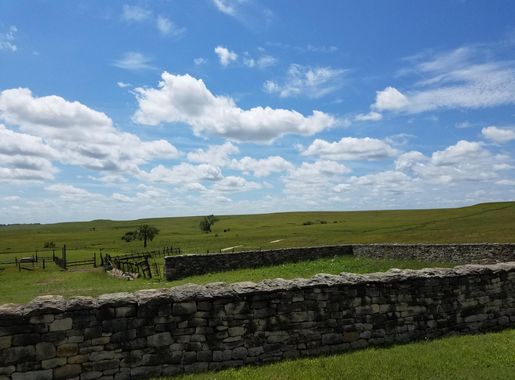


The Heartland of Eastern Kansas: A Blend of Nature and History
Eastern Kansas is a blend of rolling prairies, charming small towns, and rich history. This region offers visitors a peaceful retreat with scenic beauty and a glimpse into America's past. The Flint Hills, with their tallgrass prairies, offer some of the most picturesque landscapes in the Midwest. Visitors can explore miles of hiking trails, enjoy bird watching, and experience the serene beauty of the prairies. The historic towns of Eastern Kansas, such as Lawrence and Leavenworth, provide a unique cultural experience. Lawrence, home to the University of Kansas, is known for its vibrant arts scene, eclectic shops, and lively music venues. Leavenworth, on the other hand, offers a look into the area's military history and charming downtown area with antique shops and local eateries. For those interested in history, the region is rich with sites related to the Civil War and the fight for civil rights. The Brown v. Board of Education National Historic Site in Topeka is a must-visit for its significance in the American civil rights movement. Additionally, historic trails like the Oregon and Santa Fe Trails pass through this region, offering a glimpse into the pioneer spirit that shaped America.