

Free Aral Sea Region Travel Guide & Mobile App
Explore Aral Sea Region with free travel guides. Discover regional history, expert tips, proposed trips, and audio guides on web or mobile app.


Explore Kazakhstan’s Aral Sea Region for northern-basin landscapes, fishing heritage, environmental history and remote steppe journeys.
Read more about Aral Sea Region
When is the best time to visit Aral Sea Region?
Best: May–June, September · 23–29°C| Month | High (°C) | Rainfall (mm) |
|---|---|---|
| January | 0 | 14 |
| February | 1 | 11 |
| March | 8 | 15 |
| April | 17 | 18 |
| May (best) | 24 | 20 |
| June (best) | 29 | 13 |
| July | 31 | 11 |
| August | 30 | 9 |
| September (best) | 23 | 8 |
| October | 14 | 11 |
| November | 5 | 12 |
| December | 1 | 14 |
Getting to and around Aral Sea Region
How to get there
Transportation
Best attractions in Aral Sea Region
The Aral Sea Region’s attractions are primarily geographical, environmental and historical rather than heavily developed visitor sites. Aral town provides the clearest introduction, with local museums and surviving traces of its former fishing-port identity helping visitors understand how far the shoreline has receded. Excursions towards the northern Small Aral and the Kokaral Dam reveal the contrast between a managed body of recovering water and the much larger areas of exposed seabed beyond it. The journey itself passes through open steppe, salt-affected ground and sparse settlements, offering a strong sense of scale. The Barsa-Kelmes State Nature Reserve, in the wider Kyzylorda region, protects desert and former-island landscapes, although access is regulated and should be arranged locally rather than assumed. Birdlife and other wildlife are associated with the remaining wetlands and river systems, but sightings are seasonal and never guaranteed. There are also opportunities for documentary photography, environmental interpretation and four-wheel-drive exploration, provided routes are planned responsibly. Famous ship cemeteries around Muynak belong to the Uzbek side of the Aral basin and should not be presented as attractions within Kazakhstan.
-
Tourist attraction
Aral Sea
Discover the Aral Sea, a haunting reminder of nature's fragility and a unique travel destination rich in history and cultural heritage.
-
 Tourist attraction
Aral
Explore Aral, Kazakhstan - a captivating tourist attraction with rich history and stunning landscapes, revealing the impact of environmental change.
-
Historical landmark
Оңайшағыл
Explore the historical charm of Onayshaghyl in Azaktan, Kazakhstan, a landmark that showcases the region's rich cultural heritage and architectural beauty.
-
Tourist attraction
Қазанқұдық
Explore Kazanqıdaq, a stunning tourist attraction in Kazakhstan, where breathtaking landscapes meet rich cultural heritage for an unforgettable experience.
Best landmarks in Aral Sea Region
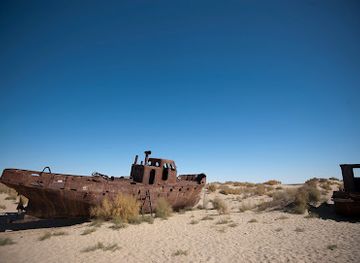
The defining landmark of Kazakhstan’s Aral Sea Region is the changing northern basin itself. The Kokaral Dam is the most important human-made structure associated with the northern Aral’s partial recovery, representing an attempt to retain Syr Darya water and protect a smaller but functioning body of lake water. Aral town’s railway infrastructure, former port-related areas and local memorials form a quieter historical landscape, recalling the period when fishing vessels operated from a shore that later moved far away. The exposed seabed and abandoned maritime traces are landmarks of environmental transformation rather than conventional monuments, and their appearance changes with water levels, weather and access. The broad steppe horizon, salt flats and remnant wetlands provide the region’s principal natural architecture. Barsa-Kelmes, historically an island and now part of a protected desert environment in the wider Kyzylorda area, illustrates how radically the Aral’s geography has altered. Access to remote sites should be treated as regulated field travel, not casual sightseeing.
-
Tourist attraction
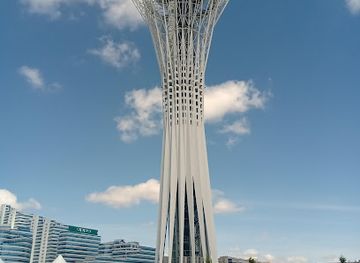
Baiterek
Discover Baiterek, the iconic monument in Astana symbolizing Kazakhstan's aspirations, offering stunning views and rich cultural experiences.
-
Historical landmark
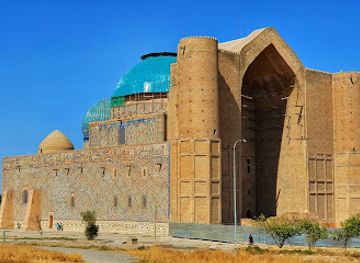
Mausoleum of Khoja Ahmed Yasawi
Explore the Mausoleum of Khoja Ahmed Yasawi in Turkistan, a UNESCO World Heritage Site that embodies the rich history and culture of Kazakhstan.
-
Historical landmark
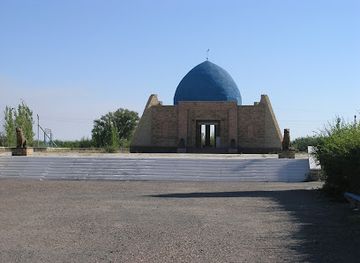
Жанқожа батыр кесенесі
Discover the rich heritage of Janqozha Batyr, a historical landmark in Ayteke Bi, showcasing the valor of Kazakhstan's legendary hero.
-
Water
North Aral Sea
Discover the North Aral Sea, a captivating natural wonder in Kazakhstan showcasing resilience and beauty amidst environmental change.
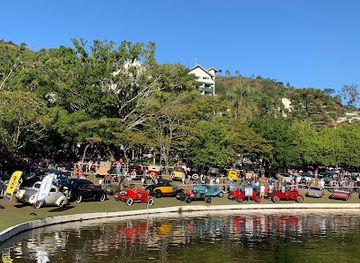
Explore Aral Sea Region on the map
Plan your trip on one map. See where the top cities, national parks and sights are, and book hotels and experiences in a few clicks.
Best hotels in Aral Sea Region
Best restaurants in Aral Sea Region
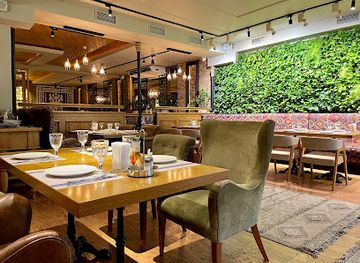
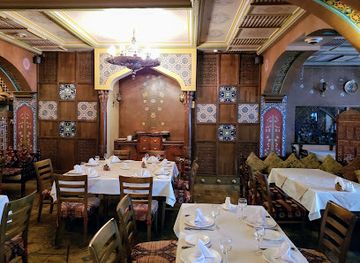
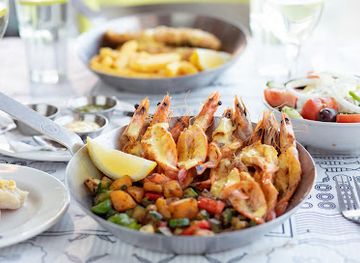
Dining in the Aral Sea Region is modest and closely tied to the limited supply chain of a remote Kazakh district. In Aral town, visitors are likely to find simple cafés, canteens and family-run establishments serving broader Kazakh and Central Asian staples such as meat, bread, dairy products, soups, noodles and rice dishes. Fish remains an important part of the region’s cultural memory, and locally sourced or regionally supplied fish may appear when available, although availability and preparation vary. Meals arranged through guesthouses or local guides can be more practical than searching for a broad restaurant scene outside the town. Travellers should carry provisions for long excursions and confirm food arrangements before leaving populated areas. Tea is central to everyday hospitality, while packaged drinks and basic snacks are easier to obtain in settled places than in the remote steppe. The culinary experience is less about elaborate dining than about understanding how fishing, herding, trade and environmental change have shaped food in a difficult landscape.
-
Kazakhstani
Saksaul
Experience authentic Kazakhstani cuisine at Saksaul in Astana - where tradition meets taste.
-
Uzbeki
Alasha
Experience the essence of Central Asian cuisine at Alasha, where every dish tells a story of rich heritage and flavorful traditions.
-
Seafood
Ocean Basket Dostyk Plaza
Experience exquisite seafood dining at Ocean Basket Dostyk Plaza in Almaty – where fresh flavors meet Mediterranean charm.
-
Restaurant
Ocean Basket Kazakhstan
Experience fresh seafood delights in a vibrant atmosphere at Ocean Basket Kazakhstan - a must-visit culinary gem in Astana.

Best bars in Aral Sea Region
Nightlife in the Aral Sea Region is limited and centred on ordinary cafés, informal restaurants, tea drinking and social visits rather than dedicated clubs. Aral town offers the greatest choice of evening venues, but opening arrangements and the range of establishments can change, so visitors should not plan around a nightclub scene. In smaller settlements, evenings are quiet, and accommodation providers or local hosts are more useful sources of information than online listings. Alcohol is available in Kazakhstan subject to national regulations, but it is not necessary for engaging with local culture; tea and shared meals are more dependable elements of hospitality. After dark, the surrounding steppe becomes extremely quiet and poorly lit, making the town a practical base rather than a place for unplanned night excursions. Remote trips should be completed with daylight and with transport arrangements confirmed in advance.
-
Bar
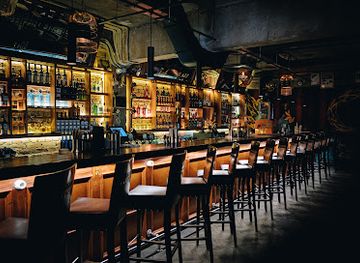
Barmaglot Bar
Discover the lively Barmaglot Bar in Almaty, where exquisite cocktails and vibrant nightlife come together for an unforgettable experience.
-
Karaoke bar
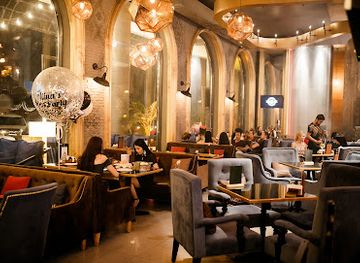
Rock Crystal
Discover Rock Crystal, Almaty's premier karaoke bar, offering an exquisite blend of cuisine and entertainment for an unforgettable night out.
-
Bar
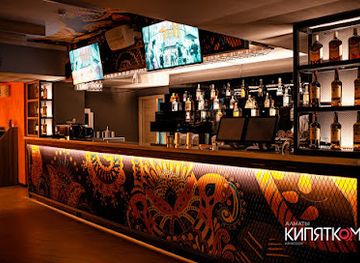
Mongol Bar
Discover the vibrant nightlife of Almaty at Mongol Bar, where innovative cocktails and a lively atmosphere await every visitor.
-
Karaoke bar
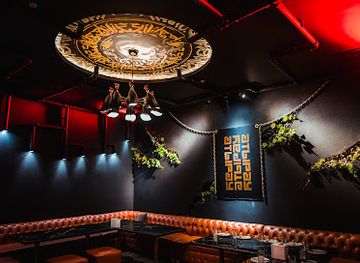
Janym Soul
Experience the ultimate karaoke adventure at Janym Soul in Almaty, where every song tells a story and every night is a celebration.
Best nightclubs in Aral Sea Region
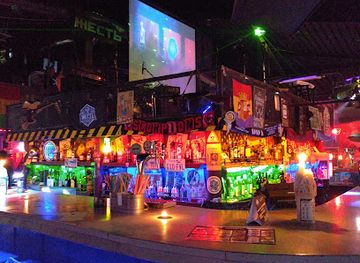
Nightlife in the Aral Sea Region is limited and centred on ordinary cafés, informal restaurants, tea drinking and social visits rather than dedicated clubs. Aral town offers the greatest choice of evening venues, but opening arrangements and the range of establishments can change, so visitors should not plan around a nightclub scene. In smaller settlements, evenings are quiet, and accommodation providers or local hosts are more useful sources of information than online listings. Alcohol is available in Kazakhstan subject to national regulations, but it is not necessary for engaging with local culture; tea and shared meals are more dependable elements of hospitality. After dark, the surrounding steppe becomes extremely quiet and poorly lit, making the town a practical base rather than a place for unplanned night excursions. Remote trips should be completed with daylight and with transport arrangements confirmed in advance.
-
Night club
Zhest'
Discover the electrifying nightlife at Zhest', Almaty's premier night club offering an unforgettable experience with vibrant music and exceptional service.
-
Night club
FRIDAY night club
Discover the vibrant nightlife at FRIDAY Night Club in Almaty, where pulsating music and energetic crowds create unforgettable memories.
-
Night club
Icon Club Astana
Discover the electrifying nightlife of Astana at Icon Club, where luxury meets high-energy entertainment in a stylish setting.
-
Night club
Nochnoy Klub Akhmadiya
Unleash your nightlife spirit at Nochnoy Klub Akhmadiya, the ultimate destination for music, dancing, and vibrant social experiences in Balpyk Bi.


Best shops in Aral Sea Region
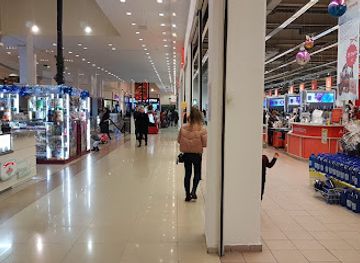
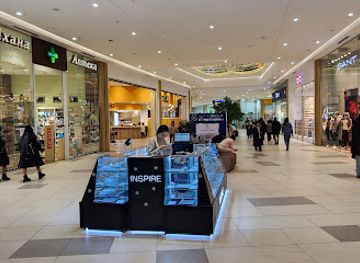
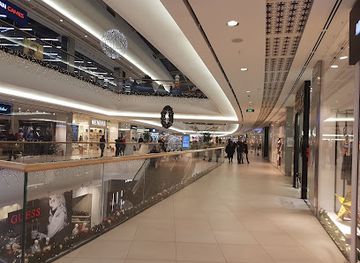
Shopping in the Aral Sea Region is practical and small-scale, with Aral town providing the main opportunity to buy food, water, household supplies and basic travel necessities. There is no large designer or specialist retail district, and visitors should obtain technical outdoor equipment before arriving. Local shops may carry regional fish products, simple Kazakh foods and everyday goods, although availability varies and remote settlements have very limited choice. The most meaningful purchases are likely to be modest food products or locally made items obtained directly and respectfully, rather than mass-produced souvenirs presented as traditional. Markets and small independent retailers reflect the needs of a working district rather than a tourism economy. Travellers interested in crafts, books or more substantial regional shopping will generally find a wider selection in Kyzylorda, outside the immediate Aral area. Carry cash in tenge, as small retailers and rural sellers may not accept cards.
-
Shopping mall
MEGA Alma-Ata
Experience shopping, dining, and entertainment at MEGA Alma-Ata, Almaty's premier shopping destination with local flair and international brands.
-
Shopping mall
Mega Silk Way
Explore the vibrant Mega Silk Way in Astana, a premier shopping mall with diverse stores, dining, and cultural experiences.
-
Shopping mall
Dostyk Plaza
Discover shopping, dining, and entertainment at Dostyk Plaza, the ultimate destination in Almaty for a vibrant retail experience.
-
Shopping mall
Keruen
Discover Keruen, the ultimate shopping mall in Astana, offering diverse shopping, dining, and entertainment options in a modern setting.
Get your free copy of our complete guide to Aral Sea Region, delivered straight to you.
Everything on this page, from attractions and restaurants to essentials and local phrases, in one PDF you can read offline, print or share.
Already have an account? Sign in
Your Aral Sea Region guide is ready.
We'll send it to · Not you? Sign out

Getting your guide ready…
We are putting together a fresh copy of the Aral Sea Region guide. This can take up to a minute.
This can take a few moments. If your browser asks, choose Allow so the download can start. You'll find the guide in your Downloads folder.
Nothing happened? Download it again
Sorry, the guide is taking longer than usual. Please try again in a minute, or get it by email instead.
Aral Sea Region essentials
Currency and Payment
Safety
Emergency Situations
Do's and Don'ts
Local Tips
From Eve
Local phrases worth knowing
You don't need to get them perfect. A few words go a long way, and locals appreciate the effort.
Basics
| English | Local | Say it |
|---|---|---|
| Hello | Сәлем | [Sälem] |
| Goodbye | Сау бол | [Sau bol] |
| Yes | Иә | [İä] |
| No | Жоқ | [Joq] |
| Please/You're welcome | Өтінемін | [Ötinemin] |
| Thank you | Рақмет | [Raqmet] |
| Excuse me/Sorry | Кешіріңіз | [Keshiriniz] |
| How are you? | Қалайсыңыз? | [Qalaysynyz?] |
| Fine. And you? | Жақсы. Ал сіз? | [Jaqsy. Al siz?] |
| Do you speak English? | Сіз ағылшынша сөйлейсіз бе? | [Siz ağylşınşa söyleysiz be?] |
| I don't understand | Мен түсінбеймін | [Men tüsinbeymin] |
Eating & Drinking
| English | Local | Say it |
|---|---|---|
| I'd like to see the menu, please | Мәзірді көргім келеді, өтінемін | [Mäzirdi körgim keledi, ötinemin] |
| I don't eat meat | Мен ет жемеймін | [Men et jemein] |
| Cheers! | Тост! | [Tost!] |
| I would like to pay, please | Мен төлеуді қалаймын, өтінемін | [Men töleudi qalaymyn, ötinemin] |
Emergencies
| English | Local | Say it |
|---|---|---|
| Help! | Жәрдем! | [Järdem!] |
| Go away! | Кетіңіз! | [Ketiñiz!] |
| Call the Police! | Полицияға хабарласыңыз! | [Politsiyagha habarłasynyz!] |
| Call a doctor! | Дәрігер шақырыңыз! | [Däriger şaqyrynyz!] |
| I'm lost | Мен жоғалдым | [Men joğaldym] |
| I'm ill | Мен ауырып жатырмын | [Men awrıyp jatyrmyn] |
Shopping
| English | Local | Say it |
|---|---|---|
| I'd like to buy... | Мен сатып алғым келеді... | [Men satıp algım keledi...] |
| I'm just looking | Мен тек қарап жүрмін | [Men tek qarap jürmin] |
| How much is it? | Бұл қанша тұрады? | [Bul qanşa turadı?] |
| That's too expensive | Бұл тым қымбат | [Bul tym qymbat] |
| Can you lower the price? | Бағаны түсіре аласыз ба? | [Bağani tüsire alasyz ba?] |
Time & Numbers
| English | Local | Say it |
|---|---|---|
| What time is it? | Сағат қанша? | [Säğat qanşa?] |
| It's one o'clock | Сағат бір | [Säğat bir] |
| Half past (10) | Оннан жарым | [Onnan jarım] |
| Morning | Таң | [Tań] |
| Afternoon | Түстен кейін | [Tüstän keyin] |
| Evening | Кеш | [Kesh] |
| Yesterday | Кеше | [Keshé] |
| Today | Бүгін | [Bügün] |
| Tomorrow | Ертең | [Erteń] |
| 1 | Бір | [Bir] |
| 2 | Екі | [Eki] |
| 3 | Үш | [Üş] |
| 4 | Төрт | [Tört] |
| 5 | Бес | [Bes] |
| 6 | Алты | [Alty] |
| 7 | Жеті | [Jeti] |
| 8 | Сегіз | [Segiz] |
| 9 | Тоғыз | [Toğız] |
| 10 | Он | [On] |
Transport & Directions
| English | Local | Say it |
|---|---|---|
| Where's a/the...? | Қайда ...? | [Qayda ...?] |
| What's the address? | Мекенжайыңыз қандай? | [Mekenjayıñız qandayı?] |
| Can you show me (on the map)? | Маған (картада) көрсете аласыз ба? | [Mağan (kartada) körsete alasyz ba?] |
| When's the next (bus)? | Келесі (автобус) қашан? | [Kelesı (avtobus) qaşan?] |
| A ticket (to ....) | Билет (.... ға) | [Bilet (....ğa)] |
History of Aral Sea Region
Ancient steppe and delta communities
The lower Syr Darya and the wider Aral basin have supported human settlement, fishing, herding and exchange for many centuries. River channels, wetlands and seasonal water bodies created a distinctive environment within the surrounding desert and steppe. Archaeological evidence across the lower Syr Darya points to long occupation by communities that adapted to changing river courses and water availability. The region’s history therefore predates the modern sea crisis: its societies were shaped by the relationship between the river, the inland waters and the arid landscape.
Russian imperial expansion and the lower Syr Darya
During the nineteenth century, Russian imperial expansion brought the lower Syr Darya more firmly into the political and commercial systems of the empire. Forts, administrative settlements and new routes altered movement across the steppe, while the river corridor became increasingly important for transport and settlement. Aral town later developed as a centre linked to fishing and riverine commerce. These changes connected a previously remote region to wider imperial networks, although local communities continued to depend heavily on pastoralism, fishing and seasonal use of the surrounding land.
The Soviet fishing economy
Under Soviet rule, Aral became a significant fishing centre on the inland sea. Harbour facilities, processing plants, rail connections and state-managed fisheries supported employment and urban growth. Aral’s identity was closely tied to the water, and the sea influenced local diets, work patterns and family life. The fishing economy also formed part of a larger Soviet programme of industrial development across Central Asia. Its later collapse is consequently remembered not only as an ecological disaster but also as the destruction of a regional economic and social system.
Irrigation and the retreat of the Aral Sea
From the mid-twentieth century, large volumes of water from the Amu Darya and Syr Darya were diverted for irrigated agriculture, particularly cotton production elsewhere in Central Asia. The Aral Sea began shrinking dramatically, with rising salinity, exposed seabed and the decline of its fisheries. In Kazakhstan, communities around the northern basin experienced the consequences through falling employment, environmental degradation and changing local health and living conditions. The retreat became one of the most visible examples of the ecological costs of large-scale water engineering.
The division of the sea after 1989
As water levels fell, the Aral Sea separated into distinct basins. The northern section in Kazakhstan became known as the Small Aral, while the larger southern remnants lay mainly in Uzbekistan and became increasingly fragmented. After the dissolution of the Soviet Union, responsibility for the divided waters fell to independent Central Asian states with different economic priorities and water needs. The changing shoreline left ports stranded far from the water and transformed the physical geography of communities such as Aral.
The Kokaral Dam and northern-basin restoration
A major attempt to protect the northern Aral involved construction of the Kokaral Dam across the Berg Strait, completed in the mid-2000s with international support. By retaining Syr Darya water in the northern basin, the project raised water levels there, reduced salinity in parts of the lake and helped create conditions for a modest revival of fish stocks. It did not restore the entire Aral Sea, nor did it reverse the crisis in the southern basin. Its importance lies in demonstrating how targeted water management could produce local environmental and economic benefits.
Aral Sea Region in Photos
Browse through our photo collection highlighting the charm and character of the destination.
Neighbouring regions of Aral Sea Region
The closest regions to Aral Sea Region, if you have time for more than one.
-

-

-

-

-


Swipe for more regions
Explore more

Explore more of Kazakhstan
Explore Kazakhstan's rich culture, modern cities, and stunning natural landscapes. From the Caspian Sea to the Altai Mountains, find adventure and beauty in Central Asia.
Explore Kazakhstan