

Free Kyzylkum Desert Travel Guide & Mobile App
Explore Kyzylkum Desert with free travel guides. Discover regional history, expert tips, proposed trips, and audio guides on web or mobile app.


Explore Kazakhstan’s Kyzylkum Desert for red dunes, saxaul wilderness, Syr Darya landscapes and carefully planned desert journeys.
Read more about Kyzylkum Desert
When is the best time to visit Kyzylkum Desert?
Best: June, August–September · 23–28°C| Month | High (°C) | Rainfall (mm) |
|---|---|---|
| January | 0 | 15 |
| February | 3 | 15 |
| March | 10 | 20 |
| April | 17 | 20 |
| May | 23 | 25 |
| June (best) | 28 | 10 |
| July | 30 | 10 |
| August (best) | 28 | 10 |
| September (best) | 23 | 15 |
| October | 17 | 20 |
| November | 10 | 15 |
| December | 3 | 15 |
Getting to and around Kyzylkum Desert
How to get there
Transportation
Top city travel guides in Kyzylkum Desert
The cities of Kyzylkum Desert, and the easiest places to base yourself.
-

-


Swipe for more cities
Best attractions in Kyzylkum Desert
The Kyzylkum’s attractions are primarily natural and experiential rather than concentrated in museums or monumental sites. In the Kazakh portion, visitors encounter shifting red dunes, gravel desert, saxaul scrub, salt hollows and broad horizons where the absence of settlement becomes part of the experience. Guided drives can introduce the ecology of sand stabilisation, desert-adapted plants and the seasonal life of pastoral communities. The Syr Darya margin offers a contrasting environment of reeds, agricultural fields and wetland habitats, with opportunities for landscape photography and birdwatching where access is appropriate. Short walks over firm dunes, carefully arranged camping and night-sky observation are possible through specialist operators, but facilities are basic and routes should be locally planned. The wider river corridor also provides cultural context through towns, markets and archaeological landscapes, although individual sites may lie outside the strict sandy desert. Travellers should distinguish the Kazakh Kyzylkum from famous attractions elsewhere in Central Asia and confirm boundaries before booking excursions. Its appeal lies in scale, silence, demanding light and the visible relationship between desert, river and human movement.
-
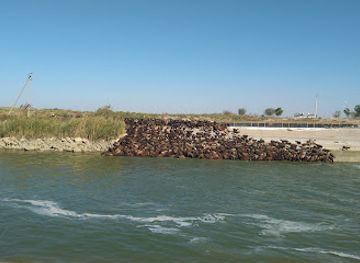
Canal
Kyzylkumsky Canal
Experience the tranquil beauty of Kyzylkumsky Canal, a serene oasis nestled in Kazakhstan's stunning landscapes.
Best landmarks in Kyzylkum Desert
-
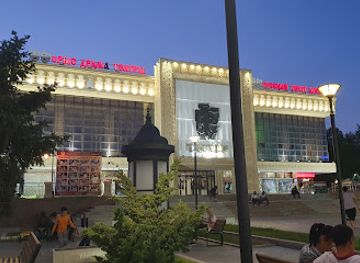
Shopping mall
Шымкент плаза
Explore Shymkent Plaza, a vibrant shopping destination in Shymkent, offering unique shops, local cuisine, and family-friendly entertainment.
-
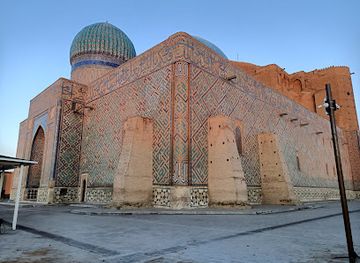
Historical landmark
Mausoleum of Khoja Ahmed Yasawi
Explore the Mausoleum of Khoja Ahmed Yasawi, a stunning UNESCO World Heritage site in Turkistan, and immerse yourself in Kazakhstan's rich cultural heritage.
-
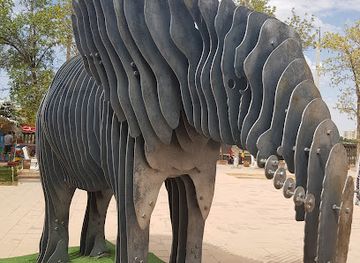
Zoo
Shymkent Zoo
Explore Shymkent Zoo, a vibrant wildlife sanctuary offering a captivating experience for all ages amidst lush landscapes and diverse animal species.
-
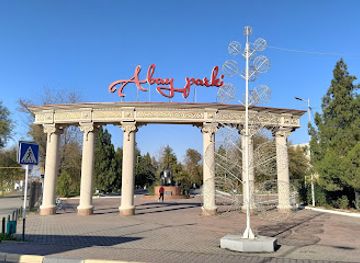
Park
Abay Park
Explore Abay Park, a lush urban haven in Shymkent offering relaxation, cultural experiences, and stunning landscapes for all visitors.
Explore Kyzylkum Desert on the map
Plan your trip on one map. See where the top cities, national parks and sights are, and book hotels and experiences in a few clicks.
Best hotels in Kyzylkum Desert
Best restaurants in Kyzylkum Desert
There is no separate Kyzylkum cuisine in the manner of a settled culinary region; food reflects the broader traditions of southern Kazakhstan and the Syr Darya corridor. In towns and villages near the desert, visitors can expect hearty Kazakh dishes such as beshbarmak, kuyrdak, baursak and dishes based on lamb, beef or horse meat, alongside rice dishes and Central Asian breads. Tea is central to hospitality, while fermented dairy products and preserved foods remain part of the wider pastoral food culture. River settlements may also offer locally familiar fish dishes, though availability varies. Dining options range from cafés and family-run eateries in regional towns to meals prepared by guides or hosts during rural excursions. Carry provisions for remote travel rather than relying on finding a restaurant in the desert, and confirm drinking-water arrangements in advance. Markets and small shops near the Syr Darya are useful for bread, fruit, snacks and supplies, but choice becomes limited quickly away from settled areas.
-
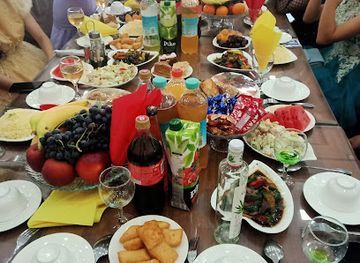
Asian
Kafe Klassik
Discover authentic Asian flavors at Kafe Klassik in Kyzylkishlak—where every dish tells a story of culinary tradition.
Best bars in Kyzylkum Desert
Nightlife in the Kyzylkum itself is minimal and generally centres on conversation, tea, camp meals and star-filled skies rather than bars or clubs. Evening options are found in the towns on the desert’s margins, where cafés, restaurants and ordinary pubs provide a more practical social setting than a dedicated entertainment district. Larger nearby regional centres, including Kyzylorda, Turkistan and Shardara, offer more cafés and evening venues, although their character is mainly local and seasonal rather than focused on international club culture. In rural communities, social life may take place around family gatherings, guesthouses or organised cultural programmes. Travellers on desert trips should not assume that alcohol will be available or appropriate at a camp, and should follow the arrangements made by the host or operator. Remote camps need their own lighting, food and evening plans, since there are few permanent services beyond the main settlements.
-
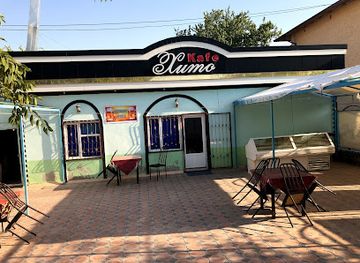
Restaurant
Kyzylkum
Experience the rich flavors of Uzbekistan at Kyzylkum, a top restaurant in Uchkuduk, where traditional dishes meet inviting desert surroundings.
Best nightclubs in Kyzylkum Desert
Nightlife in the Kyzylkum itself is minimal and generally centres on conversation, tea, camp meals and star-filled skies rather than bars or clubs. Evening options are found in the towns on the desert’s margins, where cafés, restaurants and ordinary pubs provide a more practical social setting than a dedicated entertainment district. Larger nearby regional centres, including Kyzylorda, Turkistan and Shardara, offer more cafés and evening venues, although their character is mainly local and seasonal rather than focused on international club culture. In rural communities, social life may take place around family gatherings, guesthouses or organised cultural programmes. Travellers on desert trips should not assume that alcohol will be available or appropriate at a camp, and should follow the arrangements made by the host or operator. Remote camps need their own lighting, food and evening plans, since there are few permanent services beyond the main settlements.
-
 Night club
Салаға келіндер жамағат
Experience the energetic nightlife of Chumyr at Салаға келіндер жамағат, a vibrant night club that celebrates local culture and entertainment.
-
Night club
Штаб организации CREDO.KZ
Dive into the heart of Kentau's nightlife at CREDO.KZ, where music, dancing, and vibrant energy create the perfect night out.

Best shops in Kyzylkum Desert
Shopping in the Kyzylkum is concentrated in the towns and villages along its margins, not in the open desert. Small shops and local markets are useful for bread, dried foods, fruit, bottled water, tea and journey supplies, while larger regional centres provide a wider selection of clothing, outdoor necessities and household goods. Travellers may find Kazakh handicrafts, felt items, embroidered textiles, leatherwork and small items associated with nomadic heritage, although quality and availability vary by place. Regional food products, including baursak, dried dairy foods and preserved goods, can make practical souvenirs when purchased and transported appropriately. Markets near the Syr Darya may also reflect the agricultural character of the river corridor, with seasonal produce contrasting with the surrounding aridity. Buy directly from established sellers, carry cash in tenge for small purchases and avoid removing stones, fossils, archaeological objects or desert plants as souvenirs. There is no extensive luxury retail scene or purpose-built desert shopping district.
-
Store
Magazin Kyzyl Tu 1
Experience the authentic shopping charm of Al'merek at Magazin Kyzyl Tu 1, where local culture meets unique treasures.
Get your free copy of our complete guide to Kyzylkum Desert, delivered straight to you.
Everything on this page, from attractions and restaurants to essentials and local phrases, in one PDF you can read offline, print or share.
Already have an account? Sign in
Your Kyzylkum Desert guide is ready.
We'll send it to · Not you? Sign out

Getting your guide ready…
We are putting together a fresh copy of the Kyzylkum Desert guide. This can take up to a minute.
This can take a few moments. If your browser asks, choose Allow so the download can start. You'll find the guide in your Downloads folder.
Nothing happened? Download it again
Sorry, the guide is taking longer than usual. Please try again in a minute, or get it by email instead.
Kyzylkum Desert essentials
Currency and Payment
Safety
Emergency Situations
Do's and Don'ts
Local Tips
From Eve
Local phrases worth knowing
You don't need to get them perfect. A few words go a long way, and locals appreciate the effort.
Basics
| English | Local | Say it |
|---|---|---|
| Hello | Сәлем | [Sälem] |
| Goodbye | Сау бол | [Sau bol] |
| Yes | Иә | [Iä] |
| No | Жоқ | [Joq] |
| Please/You’re welcome | Өтінемін/Сізге рақмет | [Ötinemin/Sizge raqmet] |
| Thank you | Рақмет | [Raqmet] |
| Excuse me/Sorry | Кешіріңіз | [Keshiriniz] |
| How are you? | Қалайсыз? | [Qalaysız?] |
| Fine. And you? | Жақсы. Ал сіз? | [Jaqsı. Al siz?] |
| Do you speak English? | Сіз ағылшын тілін білесіз бе? | [Siz ağılşın tilin bilesiz be?] |
| I don't understand | Мен түсінбеймін | [Men tüsınbeymin] |
Eating & Drinking
| English | Local | Say it |
|---|---|---|
| I’d like to see the menu, please | Мәзірді көргім келеді, өтінемін | [Mäzirdi körgim keledi, ötinemin] |
| I don't eat meat | Мен ет жемеймін | [Men et jemeymin] |
| Cheers! | Тост! | [Tost!] |
| I would like to pay, please | Мен төлеуді қалаймын, өтінемін | [Men töleudi qalaymın, ötinemin] |
Emergencies
| English | Local | Say it |
|---|---|---|
| Help! | Көмектесіңіз! | [Kömektesiniz!] |
| Go away! | Кетіңіз! | [Ketiniz!] |
| Call the Police! | Полицияны шақырыңыз! | [Politsiyany şaqırınız!] |
| Call a doctor! | Дәрігерді шақырыңыз! | [Därigerdi şaqırınız!] |
| I’m lost | Мен жоғалып кеттім | [Men joğalıp kettim] |
| I’m ill | Мен ауырып тұрмын | [Men aurıp turmın] |
Shopping
| English | Local | Say it |
|---|---|---|
| I’d like to buy... | Мен сатып алғым келеді... | [Men satıp algım keledi...] |
| I’m just looking | Мен тек қарап тұрмын | [Men tek qaraп turmın] |
| How much is it? | Бұл қанша тұрады? | [Bul qanşa turadı?] |
| That’s too expensive | Бұл тым қымбат | [Bul tym qımbat] |
| Can you lower the price? | Бағаны төмендетуге болады ма? | [Bağanı tömendetuge boladı ma?] |
Time & Numbers
| English | Local | Say it |
|---|---|---|
| What time is it? | Сағат нешеде? | [Sağat neşede?] |
| It’s one o'clock | Бір сағат | [Bir sağat] |
| Half past (10) | Он жарым | [On jarım] |
| Morning | Таң | [Tañ] |
| Afternoon | Түстен кейін | [Tüsten keyin] |
| Evening | Кеш | [Kesh] |
| Yesterday | Кеше | [Keshe] |
| Today | Бүгін | [Bügіn] |
| Tomorrow | Ертең | [Erteñ] |
| 1 | 1 | [1] |
| 2 | 2 | [2] |
| 3 | 3 | [3] |
| 4 | 4 | [4] |
| 5 | 5 | [5] |
| 6 | 6 | [6] |
| 7 | 7 | [7] |
| 8 | 8 | [8] |
| 9 | 9 | [9] |
| 10 | 10 | [10] |
Transport & Directions
| English | Local | Say it |
|---|---|---|
| Where's a/the...? | Қайда ...? | [Qayda ...?] |
| What's the address? | Мекенжайыңыз қандай? | [Mekenjayıñız qanday?] |
| Can you show me (on the map)? | Маған (картада) көрсете аласыз ба? | [Mağan (kartada) körsete alasız ba?] |
| When's the next (bus)? | Келесі (автобус) қашан? | [Kelesі (avtobus) qaşan?] |
| A ticket (to ....) | Билет (....-ға) | [Bilet (....-ğa)] |
History of Kyzylkum Desert
Ancient Desert and Riverine Settlement
The Kyzylkum has never been an entirely empty landscape. Human groups used its wells, seasonal pastures and river margins for millennia, while the Syr Darya supported more settled communities where water could be controlled. Archaeological evidence across the wider region records changing patterns of pastoralism, fishing, farming and movement between the desert and the river plain. The exact distribution of ancient sites varies across the Kazakh portion, but the enduring relationship between mobile communities, scarce water and fertile floodplain is central to understanding the region’s history.
Syr Darya Trade Routes and Central Asian States
From antiquity through the medieval period, the Syr Darya corridor connected steppe routes with the settled societies of Transoxiana. Caravans did not cross every part of the Kyzylkum directly; instead, they relied on known wells, river crossings, fortified settlements and oasis chains around its margins. Political control shifted among Iranian, Turkic and later Central Asian powers, while trade carried textiles, metals, livestock and agricultural goods. The desert’s significance therefore lay partly in its position between more densely settled centres rather than in any single permanent road.
Turkic Pastoral Networks and the Kazakh Steppe
Turkic-speaking pastoral communities developed extensive seasonal routes across the deserts and steppe lands of southern Kazakhstan. The availability of winter shelter, pasture and water determined movement, and knowledge of wells and grazing conditions was a practical form of inherited geography. Over time, the Kyzylkum margin became part of the wider cultural world of Kazakh clans and neighbouring Central Asian communities. Livestock raising remained more important than permanent settlement in much of the sandy interior, while river districts supported agriculture and market exchange.
Russian Imperial Expansion and Mapping
During the nineteenth century, the Russian Empire expanded into the Kazakh steppe and the Central Asian khanates, bringing new administrative divisions, military routes and surveying projects. The Kyzylkum was mapped more systematically as imperial authorities sought to control communications, borders and access to water. New settlements and transport links developed mainly along the Syr Darya and other accessible corridors rather than deep in the desert. This period began a long transition from landscapes primarily organised around pastoral mobility to territories increasingly shaped by state planning and fixed infrastructure.
Soviet Irrigation and Environmental Transformation
The Soviet period brought collective agriculture, expanded irrigation and new administrative settlements to the river margins around the desert. Water from the Syr Darya was increasingly diverted for crops, particularly where engineering made arid land productive. These methods generated agricultural output but also contributed to the wider ecological crisis of the Aral Sea basin, including altered river flows, salinisation and the degradation of wetlands. The effects were uneven across the Kyzylkum, yet the region’s modern environmental history cannot be separated from the large-scale transformation of Central Asian water systems.
Independent Kazakhstan and Desert Conservation
Since Kazakhstan became independent in 1991, the Kyzylkum has remained lightly settled while its surrounding river, pasture and transport zones have gained renewed importance. Economic activity includes livestock husbandry, irrigated agriculture, transport and resource-related development, although conditions differ considerably between districts. Conservation concerns focus on water security, desert vegetation, wildlife habitat and the resilience of the Syr Darya’s wetlands. Tourism is still emerging and generally depends on local guides, specialist operators and careful coordination rather than an established mass-market infrastructure.
Kyzylkum Desert in Photos
Browse through our photo collection highlighting the charm and character of the destination.
Neighbouring regions of Kyzylkum Desert
The closest regions to Kyzylkum Desert, if you have time for more than one.
-

-

-

-

-


Swipe for more regions
Explore more

Explore more of Kazakhstan
Explore Kazakhstan's rich culture, modern cities, and stunning natural landscapes. From the Caspian Sea to the Altai Mountains, find adventure and beauty in Central Asia.
Explore Kazakhstan