

Syr Darya Basin, Kazakhstan Travel Guide
Discover the untouched beauty and rich history of the Syr Darya Basin in Kazakhstan, a perfect blend of nature, culture, and adventure.
Nestled in the heart of Central Asia, the Syr Darya Basin in Kazakhstan is a treasure trove of natural beauty and cultural heritage. The basin is framed by the majestic Tien Shan mountains to the south and the expansive Kazakh steppe to the north, offering a diverse landscape that is both awe-inspiring and tranquil. Visitors can explore the rich biodiversity of the region, which includes rare species of birds, fish, and plants that thrive in the unique ecosystem of the Syr Darya River. The Syr Darya Basin is also steeped in history, with ancient Silk Road routes passing through the area. This historical significance is reflected in the local architecture, with remnants of ancient cities and fortresses dotting the landscape. Tourists can immerse themselves in the local culture by visiting traditional Kazakh villages, where they can experience the warm hospitality and learn about the customs and traditions that have been preserved for generations. Whether you are an adventure seeker looking to hike the rugged trails of the Tien Shan mountains, a history enthusiast eager to uncover the secrets of the Silk Road, or simply someone seeking a peaceful retreat in nature, the Syr Darya Basin offers something for everyone. Its unspoiled beauty and rich cultural heritage make it a must-visit destination for any traveler exploring Kazakhstan.

Know before you go
Hi, I'm Eve. Here are a few practical things to know before exploring Syr Darya Basin.
- The best time to visit is during spring or autumn when the weather is mild and nature is at its most vibrant.
- Hire a local guide to explore the ancient Silk Road ruins and learn about their historical significance.
- Bring binoculars for bird watching, as the basin is home to many rare and migratory species.
- Stay in a traditional yurt for an authentic Kazakh experience and enjoy local cuisine.
- Carry cash, as ATMs and card payment facilities may not be readily available in remote areas.
Top City Travel Guides in Syr Darya Basin
The cities of Syr Darya Basin, and the easiest places to base yourself.


Explore Syr Darya Basin: Things to Do, Places to Eat, Hotels & More
Handpicked recommendations for top attractions, local dining, accommodations, and more

Top Attractions & Sightseeing in Syr Darya Basin
Top-rated picks
Best Attractions

Mausoleum of Khoja Ahmed Yasawi
Explore the Mausoleum of Khoja Ahmed Yasawi, a UNESCO World Heritage Site in Turkistan, where history, spirituality, and stunning architecture intertwine.

Babis-Molda Syr Darya
Experience the rich historical heritage of Kazakhstan at Babis-Molda Syr Darya, a serene landmark by the river, perfect for history buffs and nature lovers.
Syrdarya-Turkistan memlekettik өңirlik tabiғi parki
Explore the breathtaking landscapes and diverse wildlife of Syrdarya-Turkistan Nature Preserve, a must-visit destination in Kazakhstan for nature lovers.

Best landmarks in Syr Darya Basin
Top-rated picks
Best Landmarks

Baiterek
Experience the breathtaking views and cultural significance of Baiterek, an iconic symbol of Kazakhstan's modern aspirations and heritage.

Syrdar'ya Reka
Discover the natural beauty of Syrdar'ya Reka, a breathtaking hiking area in Baiyrkum, ideal for outdoor enthusiasts and nature lovers alike.
Syr Darya
Discover the beauty of the Syr Darya River, a majestic waterway in Central Asia, perfect for relaxation, culture, and breathtaking landscapes.
Babis-Molda Syr Darya
Unveil the historical charm of Babis-Molda Syr Darya, a picturesque landmark along the Syr-Darya River, where history and nature harmoniously coexist.

Best restaurants in Syr Darya Basin
Top-rated picks
Best Restaurants

Line Brew Astana
Experience the finest steaks and exquisite flavors at Line Brew Astana – where Kazakh tradition meets modern culinary excellence.

Saksaul
Savor authentic Kazakh cuisine at Saksaul in Astana – where tradition meets taste in every dish.

Syr Darya
Discover the enchanting beauty of Syr Darya River – Central Asia's lifeline offering stunning views, rich culture, and endless adventures.

Вечное небо Eternal sky
Experience exquisite Kazakh cuisine with breathtaking views at Eternal Sky in Astana - where every meal feels like dining among the clouds.

Best bars in Syr Darya Basin
Top-rated picks
Best Bars

Line Brew Astana
Experience the best of Kazakh hospitality and premium steaks at Line Brew Astana, a culinary gem in the heart of the city.

Barmaglot Bar
Discover the lively ambiance and eclectic drink offerings at Barmaglot Bar in Almaty.

Harat's Irish Pub Grand Alatau
Discover Harat's Irish Pub Grand Alatau, where authentic Irish flavors meet a vibrant atmosphere in the heart of Astana.

Fuller's Pub
Discover Fuller's Pub in Astana – your go-to destination for lively nights filled with great drinks, delicious food, and vibrant local culture.

Best nightclubs in Syr Darya Basin
Top-rated picks
Best Nightclubs

Sky Bar
Discover the vibrant nightlife of Almaty at Sky Bar, where stunning views and exquisite cocktails create an unforgettable experience.

#Fest.425.
Discover the vibrant café-bar culture at #Fest.425. in Astana, where great drinks and a lively atmosphere await.

Zhest'
Discover the electrifying nightlife of Almaty at Zhest', where music, dance, and vibrant energy create an unforgettable experience.

FRIDAY night club
Discover the electrifying nightlife of Almaty at FRIDAY Night Club, where unforgettable dance and music experiences await every visitor.

Best shops in Syr Darya Basin
Top-rated picks
Best Shops

Mega Silk Way
Explore Mega Silk Way, Astana's ultimate shopping destination, featuring diverse stores, delectable dining, and vibrant entertainment options for all ages.

Astana Mall
Discover Astana Mall, a vibrant shopping haven in Kazakhstan’s capital, blending luxury retail, local culture, and diverse dining.

Big Shankhay
Explore Big Shankhay, Astana's premier shopping mall, for a unique blend of shopping, dining, and entertainment experiences.

Saryarka
Explore Saryarka Shopping Mall: A vibrant shopping and entertainment hub in Astana, offering diverse shops, dining, and cultural experiences.

Explore Syr Darya Basin on the Map
A handpicked selection of must-see spots in Syr Darya Basin, mapped for you.
Syr Darya Basin Essentials
-
The Syr Darya Basin is located in Kazakhstan and is accessible through several major cities, including Shymkent and Kyzylorda. The nearest international airport is Shymkent International Airport (CIT), which has flights from various destinations. From the airport, you can rent a car, take a taxi, or use local buses to reach your destination within the Syr Darya Basin. Additionally, trains run from Almaty and Astana to Shymkent and Kyzylorda, offering a scenic and comfortable journey.
-
Within the Syr Darya Basin, transportation options include taxis, buses, and marshrutkas (minibuses). Taxis are readily available and fairly inexpensive, but it’s advisable to agree on a fare beforehand. Public buses and marshrutkas are reliable and connect most towns and villages in the region. Renting a car is also an option for those who prefer to explore at their own pace. Roads are generally in good condition, but be mindful of occasional potholes and livestock on rural roads.
-
The official currency in Kazakhstan is the Kazakhstani Tenge (KZT). Credit cards are accepted in most hotels, restaurants, and larger shops, but it is wise to carry cash, especially when visiting smaller towns and rural areas within the Syr Darya Basin. ATMs are available in larger towns like Shymkent and Kyzylorda, but it's advisable to withdraw sufficient cash before heading to more remote locations.
-
The Syr Darya Basin is generally safe for tourists. However, like any destination, it is important to take standard precautions. Avoid walking alone at night in unfamiliar areas and keep an eye on your belongings in crowded places such as markets and bus stations. While there are no specific high-crime areas targeting tourists, it is always best to stay vigilant and aware of your surroundings.
-
In case of an emergency, dial 112 for immediate assistance. There are police stations and medical facilities available in larger towns like Shymkent and Kyzylorda. It is highly recommended to have travel insurance that covers medical emergencies. For minor health issues, pharmacies are available where you can purchase over-the-counter medications.
-
Fashion: Do dress modestly, especially when visiting religious sites. Avoid wearing overly revealing clothing. Religion: Do respect local customs and traditions. Always ask for permission before taking photographs in religious areas. Public Transport: Do be respectful and give up your seat to elderly passengers. Don’t eat or drink on public transport. Greetings: Do greet people with a handshake. A slight nod of the head is also a sign of respect. Eating & Drinking: Do try local delicacies and accept food offerings graciously. Don’t refuse hospitality, as it is considered impolite.
-
To experience the Syr Darya Basin like a local, visit local markets where you can buy fresh produce and traditional Kazakh goods. Engage with locals, as they are often friendly and willing to share stories about the region's history and culture. Don’t miss visiting the ancient city of Turkestan, home to the Mausoleum of Khoja Ahmed Yasawi, a UNESCO World Heritage Site. For a unique experience, take a boat trip on the Syr Darya River to enjoy the scenic landscape and observe local wildlife.
When is the best time to visit Syr Darya Basin?
Useful Local Phrases for Syr Darya Basin
You don't need to speak the language perfectly. Even learning a few simple words can make conversations warmer—and locals usually appreciate the effort.
— Eve

Here are the phrases I use most often in Syr Darya Basin. Try a few—you'll be surprised how far they go! 😊
❤️
-
- HelloСәлем
[Sälem] - GoodbyeСау бол
[Sau bol] - YesИә
[İä] - NoЖоқ
[Joq] - Please/You're welcomeӨтінемін
[Ötinemin] - Thank youРақмет
[Raqmet] - Excuse me/SorryКешіріңіз
[Keshiriniz] - How are you?Қалыңыз қалай?
[Qalynyz qalay?] - Fine. And you?Жақсы. Ал сіз?
[Jaqsy. Al siz?] - Do you speak English?Сіз ағылшынша сөйлейсіз бе?
[Siz ağylşınşa söyleysiz be?] - I don't understandМен түсінбеймін
[Men tüsinbeymin]
- HelloСәлем
-
- I'd like to see the menu, pleaseМәзірді көруге бола ма?
[Mäzirdi köruge bola ma?] - I don't eat meatМен ет жемеймін
[Men et jemein] - Cheers!Тост!
[Tost!] - I would like to pay, pleaseМен төлеуге бола ма?
[Men töleuge bola ma?]
- I'd like to see the menu, pleaseМәзірді көруге бола ма?
-
- Help!Көмектесіңіз!
[Kömektesiñiz!] - Go away!Барып кет!
[Barıp ket!] - Call the Police!Полиция шақырыңыз!
[Policïya şaqırıñız!] - Call a doctor!Дәрігерді шақырыңыз!
[Därigerdi şaqırıñız!] - I'm lostМен жоғалып кеттім
[Men joğalıp kettim] - I'm illМен ауырып жатырмын
[Men awırıp jattirmyn]
- Help!Көмектесіңіз!
-
- I'd like to buy...Мен ... сатып алғым келеді
[Men ... satıp alğym keledi] - I'm just lookingМен тек қарап жатырмын
[Men tek qarap jattirmyn] - How much is it?Бұл қанша?
[Bul qanşa?] - That's too expensiveБұл тым қымбат
[Bul tym qymbat] - Can you lower the price?Бағаны түсіре аласыз ба?
[Bağany tüsiře alasyz ba?]
- I'd like to buy...Мен ... сатып алғым келеді
-
- What time is it?Сағат қанша?
[Sağat qanşa?] - It's one o'clockБір сағат
[Bir sağat] - Half past (10)Онға жарты
[Oñğa jarı] - MorningТаң
[Tań] - AfternoonТүскі
[Tüskı] - EveningКеш
[Kesh] - YesterdayКеше
[Kesh] - TodayБүгін
[Bügin] - TomorrowЕртең
[Erteñ] - 11
[1] - 22
[2] - 33
[3] - 44
[4] - 55
[5] - 66
[6] - 77
[7] - 88
[8] - 99
[9] - 1010
[10]
- What time is it?Сағат қанша?
-
- Where's a/the...?Қайда ...?
[Qayda ...?] - What's the address?Мекенжайыңыз қандай?
[Mekenjayıñız qanday?] - Can you show me (on the map)?Маған (картадан) көрсете аласыз ба?
[Mağan (kartadan) körsete alasyz ba?] - When's the next (bus)?Келесі (автобус) қашан?
[Kelesı (avtobus) qaşan?] - A ticket (to ....)Билет (....-ға)
[Bilet (....-ğa)]
- Where's a/the...?Қайда ...?
History of Syr Darya Basin
-
The Syr Darya Basin, historically known as Jaxartes in ancient texts, has been a cradle of civilization for millennia. It played a crucial role in the Silk Road, the ancient network of trade routes that connected the East and West. Merchants, explorers, and conquerors traversed this region, leaving behind a rich tapestry of cultural exchanges. This basin was a significant conduit for the trade of silk, spices, and other precious goods, contributing to the prosperity of ancient cities along its course.
-
The Syr Darya Basin's strategic importance caught the attention of empires. During the Achaemenid Empire, it served as a boundary between the Persian Empire and the nomadic tribes of Central Asia. Later, in 329 BCE, Alexander the Great crossed the Syr Darya and founded the city of Alexandria Eschate, known today as Khujand in Tajikistan. This marked the northernmost point of Alexander's conquests and introduced Hellenistic culture to the region.
-
The Sogdians, an influential and prosperous people, thrived in the Syr Darya Basin from the 6th century BCE to the 11th century CE. Renowned as merchants and skilled artisans, they played a pivotal role in the Silk Road's commerce. Their cities, such as Samarkand and Bukhara, became cultural and economic hubs. The Sogdian script and language served as a lingua franca for traders, and their art and architecture left an indelible mark on the region's cultural heritage.
-
With the spread of Islam in the 7th and 8th centuries, the Syr Darya Basin witnessed a new era of cultural and intellectual flourishing. Cities like Otrar and Shymkent became centers of learning and scholarship. The region contributed significantly to the Islamic Golden Age, with advancements in science, mathematics, and literature. Renowned scholars, such as Al-Farabi, hailed from this area, leaving a lasting legacy on global knowledge.
-
In the early 13th century, the Syr Darya Basin faced the devastating impact of the Mongol invasion led by Genghis Khan. The Mongols captured and razed several cities, including Otrar, which was famously besieged for six months. Despite the destruction, the Mongol Empire's subsequent stability allowed for the revival of trade and cultural exchange along the Silk Road, leading to a period of renewed prosperity in the region.
-
The 14th and 15th centuries brought the Timurid Renaissance, spearheaded by the conqueror Timur (Tamerlane). Under his rule, the Syr Darya Basin saw a resurgence in art, architecture, and science. Timur's capital, Samarkand, became an architectural wonder with stunning madrasas, mosques, and mausoleums. The period also witnessed the flourishing of miniature painting and the compilation of significant astronomical works, positioning the region as a beacon of cultural and scientific achievements.
-
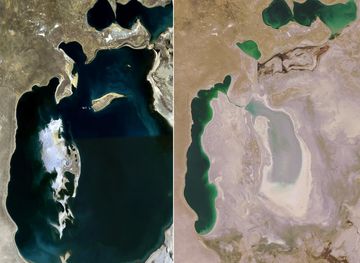
The 19th century marked the incorporation of the Syr Darya Basin into the Russian Empire. This period saw significant changes in the region's infrastructure, with the construction of railways and the introduction of new agricultural practices. During the Soviet era, the basin became a crucial area for cotton production, leading to extensive irrigation projects. However, these developments also had environmental consequences, including the shrinking of the Aral Sea, which profoundly affected the local ecology and communities.
-
Following the dissolution of the Soviet Union in 1991, Kazakhstan gained independence, and the Syr Darya Basin entered a new chapter. Efforts to address the environmental degradation of the Aral Sea have been ongoing, with initiatives aimed at revitalizing the region's ecosystem and improving water management. The basin today is a blend of ancient heritage and modern development, with efforts to preserve its rich history while fostering sustainable growth.
Neighbouring Regions of Syr Darya Basin
The closest regions to Syr Darya Basin, if you have time for more than one.



Your all‑in‑one travel companion app
Explore expert travel guides, compare and book tours, experiences, hotels, and more—all from the palm of your hand. Download now for seamless trip planning wherever your wanderlust takes you.


Explore More of Kazakhstan

Looking beyond Syr Darya Basin? Discover Kazakhstan for broader travel guides, local hot-spots, and regional highlights.
Explore KazakhstanSyr Darya Basin in Photos
Browse through our photo collection highlighting the charm and character of the destination.



The Serene Syr Darya Basin: A Hidden Gem in Kazakhstan
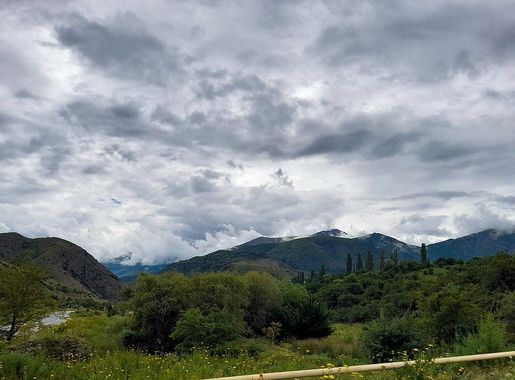
Nestled in the heart of Central Asia, the Syr Darya Basin in Kazakhstan is a treasure trove of natural beauty and cultural heritage. The basin is framed by the majestic Tien Shan mountains to the south and the expansive Kazakh steppe to the north, offering a diverse landscape that is both awe-inspiring and tranquil. Visitors can explore the rich biodiversity of the region, which includes rare species of birds, fish, and plants that thrive in the unique ecosystem of the Syr Darya River. The Syr Darya Basin is also steeped in history, with ancient Silk Road routes passing through the area. This historical significance is reflected in the local architecture, with remnants of ancient cities and fortresses dotting the landscape. Tourists can immerse themselves in the local culture by visiting traditional Kazakh villages, where they can experience the warm hospitality and learn about the customs and traditions that have been preserved for generations. Whether you are an adventure seeker looking to hike the rugged trails of the Tien Shan mountains, a history enthusiast eager to uncover the secrets of the Silk Road, or simply someone seeking a peaceful retreat in nature, the Syr Darya Basin offers something for everyone. Its unspoiled beauty and rich cultural heritage make it a must-visit destination for any traveler exploring Kazakhstan.