

Turkestan Region, Kazakhstan Travel Guide
Explore the Turkestan Region: A Journey Through Kazakhstan's Spiritual and Cultural Heart, Rich in History, Natural Beauty, and Traditional Customs.
The Turkestan Region, located in southern Kazakhstan, is a treasure trove of history, culture, and natural beauty. It is best known for its spiritual and historical significance, particularly the ancient city of Turkestan, which was a key center of trade and culture along the Silk Road. The region's centerpiece, the Mausoleum of Khoja Ahmed Yasawi, is a UNESCO World Heritage site and a stunning example of Timurid architecture. This mausoleum attracts pilgrims and tourists alike, offering a glimpse into the rich cultural tapestry of Central Asia. Beyond the historical sites, Turkestan Region boasts a diverse landscape that ranges from the vast Kazakh steppe to picturesque mountains and rivers. Nature enthusiasts will find plenty to explore, including the Aksu-Zhabagly Nature Reserve, which is the oldest nature reserve in Central Asia. Here, visitors can see a variety of wildlife and enjoy scenic hiking trails. The region's unique blend of natural beauty and historical depth makes it a must-visit for any traveler. Turkestan is also a vibrant cultural hub, where traditional Kazakh customs are alive and well. Visitors can experience local festivals, sample traditional cuisine, and even try their hand at ancient crafts. The warmth and hospitality of the local people add an extra layer of charm to the visit, making the Turkestan Region a destination that is both enlightening and heartwarming.

Know before you go
Hi, I'm Eve. Here are a few practical things to know before exploring Turkestan Region.
- Visit the Mausoleum of Khoja Ahmed Yasawi early in the morning to avoid crowds and enjoy a peaceful experience.
- Wear comfortable shoes as you will be doing a lot of walking, especially when exploring historical sites and natural reserves.
- Bring a hat and sunscreen. The region can get quite sunny, especially during the summer months.
- Try local dishes like Beshbarmak and Kazy. Traditional Kazakh cuisine is a highlight of any visit.
- Learn a few basic phrases in Kazakh or Russian. The locals appreciate the effort and it can enhance your travel experience.
Top City Travel Guides in Turkestan Region
The cities of Turkestan Region, and the easiest places to base yourself.


Explore Turkestan Region: Things to Do, Places to Eat, Hotels & More
Handpicked recommendations for top attractions, local dining, accommodations, and more

Top Attractions & Sightseeing in Turkestan Region
Top-rated picks
Best Attractions

Arystanbab Mausoleum
Explore the Arystanbab Mausoleum in Bayaldyr, Kazakhstan, a historic site of spiritual significance and breathtaking architectural beauty.

Turkistan City Fortress
Experience the grandeur of Turkistan City Fortress—an iconic historical landmark that narrates the rich heritage of Kazakhstan through its majestic architecture.

Mausoleum of Gauhar Ana
Discover the Mausoleum of Gauhar Ana in Turkistan, a stunning shrine that showcases the intricate artistry and rich heritage of Kazakhstan.

Ukasha Ata
Experience the spiritual aura of Ukasha Ata, a stunning mausoleum in Turkistan, Kazakhstan, rich in history and architectural beauty.

Best landmarks in Turkestan Region
Top-rated picks
Best Landmarks

Mausoleum of Khoja Ahmed Yasawi
Discover the Mausoleum of Khoja Ahmed Yasawi, a UNESCO World Heritage Site and a masterpiece of medieval architecture in Turkistan, Kazakhstan.

Arystanbab Mausoleum
Explore the Arystanbab Mausoleum in South Kazakhstan, a historic site of spiritual significance and architectural beauty.

Turkistan City Fortress
Explore the Turkistan City Fortress, a historic marvel in Kazakhstan that offers a glimpse into the region's rich past and stunning architecture.
Mausoleum of Gauhar Ana
Discover the enchanting Mausoleum of Gauhar Ana in Turkistan, a stunning shrine embodying the rich cultural heritage of Kazakhstan.

Best restaurants in Turkestan Region
Top-rated picks
Best Restaurants

Antalya Cafe Restaurant
Experience authentic Turkish cuisine at Antalya Cafe Restaurant in Turkistan - a must-visit for food lovers.

SAT Family RESTAURANT
Experience authentic Kazakh cuisine at SAT Family Restaurant in Turkistan—where every meal is a celebration of tradition and flavor.

SKY restaurant
Discover culinary excellence with breathtaking views at SKY Restaurant in Turkistan - an unforgettable dining experience awaits.

restaurant_zoloto
Discover Zoloto: Where Tradition Meets Modernity in Exquisite Dining Experiences in Turkistan.

Best bars in Turkestan Region
Top-rated picks
Best Bars

Rixos Turkistan
Discover the luxury of Rixos Turkistan, where modern elegance meets rich history in the heart of Kazakhstan.

DARK SIDE BAR
Discover the vibrant nightlife at Dark Side Bar, a must-visit hotspot in Astana offering unique drinks and a lively atmosphere.

Antalya Cafe Restaurant
Savor the essence of Turkey at Antalya Cafe Restaurant, where authentic flavors and warm hospitality await every visitor in Turkistan.

Sandyq Restaurant
Discover the heart of Kazakh cuisine at Sandyq Restaurant in Turkistan, where tradition meets flavor in every dish.

Best nightclubs in Turkestan Region
Top-rated picks
Best Nightclubs

restaurant_zoloto
Discover a luxurious dining experience at Restaurant Zoloto in Turkistan, where exquisite flavors meet exceptional service for a memorable culinary journey.

МятаLounge Turkistan
Discover the lively ambiance and diverse drink selection at МятаLounge Turkistan, the perfect bar for relaxation and socializing.

Icon Club Astana
Discover the electrifying nightlife at Icon Club Astana, where the beats are vibrant and the atmosphere is unforgettable.

The BAZA
Discover the rich flavors of Turkistan at The BAZA, where local and international cuisines combine in a welcoming atmosphere.

Best shops in Turkestan Region
Top-rated picks
Best Shops

Шымкент плаза
Experience Shymkent Plaza, the ultimate shopping and entertainment destination in Shymkent, Kazakhstan, showcasing local culture and global brands.

Qyrgy Bazar (Центральный Верхний рынок)
Experience the vibrant culture and local flavors at Qyrgy Bazar, a must-visit marketplace in Shymkent, Kazakhstan.

Karavan Saray
Explore the architectural beauty and rich history of Karavan Saray, a remarkable historical landmark in Turkistan, Kazakhstan.

Nauryz Park
Experience the vibrant shopping, dining, and cultural offerings at Nauryz Park in Shymkent, a must-visit destination for every traveler.

Explore Turkestan Region on the Map
A handpicked selection of must-see spots in Turkestan Region, mapped for you.
Turkestan Region Essentials
-
Turkestan Region is accessible via several routes. The nearest international airport is Shymkent International Airport (CIT), located about 160 kilometers from Turkestan city. From Shymkent, you can take a taxi, bus, or train to Turkestan. The train journey offers a scenic route and typically takes around 2-3 hours. Alternatively, you can reach Turkestan by road from other major cities in Kazakhstan; buses and taxis are available for this purpose.
-
Public transportation in Turkestan Region includes buses, minibuses (marshrutkas), and taxis. Marshrutkas are a cost-effective way to travel between towns and cities. Taxis are also readily available and can be hailed on the street or booked via mobile apps. For a more flexible travel experience, consider renting a car. Within Turkestan city, many attractions are within walking distance, making it easy to explore on foot.
-
The official currency in Kazakhstan is the Kazakhstani Tenge (KZT). Credit cards are widely accepted in hotels, restaurants, and shops in larger cities, but it is advisable to carry cash for smaller establishments and rural areas. ATMs are available in Turkestan city and other major towns, but it's a good idea to withdraw enough cash in advance when traveling to remote areas.
-
Turkestan Region is generally safe for tourists. However, as with any travel destination, it is wise to take standard precautions. Avoid walking alone at night in unfamiliar areas and keep an eye on your belongings in crowded places. While there are no specific high-crime areas targeting tourists, remaining vigilant and aware of your surroundings is always recommended.
-
In case of emergency, dial 112 for immediate assistance. Police, ambulance, and fire services are coordinated through this number. Medical facilities are available in Turkestan city, and it is advisable to have travel insurance that covers medical emergencies. Pharmacies are also available for minor health issues where you can purchase over-the-counter medications.
-
Fashion: Do dress modestly, particularly when visiting religious sites. Avoid wearing revealing clothing. Religion: Do respect local customs and traditions. When entering mosques, cover your head and remove your shoes. Public Transport: Do be respectful and offer your seat to elderly passengers. Don't eat or drink on public transport. Greetings: Do greet people with a handshake and a smile. A slight bow of the head is also a sign of respect. Eating & Drinking: Do try local dishes and accept food offerings graciously. Don't refuse hospitality, as it is considered impolite.
-
To experience Turkestan Region like a local, visit the local bazaars where you can buy fresh produce and traditional Kazakh goods. Engage with locals, who are often friendly and willing to share stories about their culture and history. Don't miss visiting the Mausoleum of Khoja Ahmed Yasawi, a UNESCO World Heritage Site. For a unique experience, attend a traditional Kazakh music performance or participate in a local festival.
When is the best time to visit Turkestan Region?
Useful Local Phrases for Turkestan Region
You don't need to speak the language perfectly. Even learning a few simple words can make conversations warmer—and locals usually appreciate the effort.
— Eve

Here are the phrases I use most often in Turkestan Region. Try a few—you'll be surprised how far they go! 😊
❤️
-
- HelloСәлем
[Sälem] - GoodbyeСау болыңыз
[Sau bolyñız] - YesИә
[İä] - NoЖоқ
[Joq] - Please/You're welcomeӨтінемін/Қош келдіңіз
[Ötinemin/Qosh keldiñiz] - Thank youРахмет
[Rakhmet] - Excuse me/SorryКешіріңіз
[Keshiriñiz] - How are you?Қалайсыз?
[Qalaısyz?] - Fine. And you?Жақсы. Ал сіз?
[Jaqsy. Al siz?] - Do you speak English?Сіз ағылшынша сөйлейсіз бе?
[Siz aǵylshynsha söyleýsiz be?] - I don't understandМен түсінбеймін
[Men tüsınbeımin]
- HelloСәлем
-
- I'd like to see the menu, pleaseМәзірді көргім келеді, өтінемін
[Mäzirdi körgım keledi, ötinemin] - I don't eat meatМен ет жемеймін
[Men et jemeımin] - Cheers!Сәттілік!
[Sättilik!] - I would like to pay, pleaseМен төлем жасағым келеді, өтінемін
[Men tölem jasagım keledi, ötinemin]
- I'd like to see the menu, pleaseМәзірді көргім келеді, өтінемін
-
- Help!Көмектесіңіз!
[Kömektesiñiz!] - Go away!Кетіңіз!
[Ketiñiz!] - Call the Police!Полицияны шақырыңыз!
[Politsiıany şaqyryñız!] - Call a doctor!Дәрігерді шақырыңыз!
[Därigerdi şaqyryñız!] - I'm lostМен жоғалып кеттім
[Men joǵalıp kettım] - I'm illМен ауырып тұрмын
[Men awırıp turmın]
- Help!Көмектесіңіз!
-
- I'd like to buy...Мен ... сатып алғым келеді
[Men ... satıp algım keledi] - I'm just lookingМен тек қарап тұрмын
[Men tek qaraǵan turmın] - How much is it?Бұл қанша тұрады?
[Bul qansha turady?] - That's too expensiveБұл тым қымбат
[Bul tym qımbat] - Can you lower the price?Бағаны төмендетесіз бе?
[Baǵanı tömendedesiz be?]
- I'd like to buy...Мен ... сатып алғым келеді
-
- What time is it?Сағат қанша?
[Saǵat qansha?] - It's one o'clockБұл бір сағат
[Bul bir saǵat] - Half past (10)Онға отыз минут
[Oñğa otız mıñut] - MorningТаң
[Tań] - AfternoonТүстен кейін
[Tüsten keyin] - EveningКеш
[Kesh] - YesterdayКеше
[Kese] - TodayБүгін
[Bügın] - TomorrowЕртең
[Erteñ] - 1Бір
[Bir] - 2Екі
[Eki] - 3Үш
[Üsh] - 4Төрт
[Tört] - 5Бес
[Bes] - 6Алты
[Alty] - 7Жеті
[Jeti] - 8Сегіз
[Segiz] - 9Тоғыз
[Toǵız] - 10Он
[Oñ]
- What time is it?Сағат қанша?
-
- Where's a/the...?Қайда ...?
[Qaıda ...?] - What's the address?Мекенжайыңыз қандай?
[Mekenjayıñız qandaı?] - Can you show me (on the map)?Маған (картада) көрсете аласыз ба?
[Maǵan (kartada) körsete alasyz ba?] - When's the next (bus)?Келесі (автобус) қашан?
[Kelesı (avtobus) qaşan?] - A ticket (to ....)Билет (....) дейін
[Bilet (....) deıin]
- Where's a/the...?Қайда ...?
History of Turkestan Region
-
Otrar, also known as Farab, was one of the key cities along the Silk Road. Established in the 4th century BC, it became a major center for trade, culture, and learning. The city is renowned for its resistance against the Mongol invasion in 1219, when Genghis Khan's forces laid siege to Otrar for several months. The ruins of Otrar offer an immersive glimpse into ancient urban planning and Central Asian architecture.
-
Located in the city of Turkestan, the Mausoleum of Khoja Ahmed Yasawi is a UNESCO World Heritage site and one of Kazakhstan's most sacred sites. Built in the 14th century under the orders of Timur (Tamerlane), the mausoleum is an outstanding example of Timurid architecture. Khoja Ahmed Yasawi was a revered Sufi mystic and poet, and his teachings have had a lasting impact on Islamic culture in the region.
-
The Battle of Saryarka, fought in 1723, was a significant event in the history of the Kazakh people. The battle was part of the Kazakh-Dzungar Wars, where Kazakh tribes fought against the Dzungar Khanate. The conflict led to the 'Great Disaster' or 'Aktaban Shubyryndy,' a period of great hardship and displacement for the Kazakh people. The victory at Saryarka helped to preserve Kazakh independence and culture.
-
The Turkestan Region was a crucial part of the Silk Road network, facilitating trade and cultural exchange between East and West. Caravans laden with silk, spices, and other goods passed through the region, bringing with them ideas, technologies, and cultures from distant lands. The remnants of caravanserais, fortresses, and trading posts can still be found, offering a tangible connection to this ancient trade route.
-
The ancient fortress of Sauran, located near the modern city of Turkestan, served as a strategic military and administrative center from the 6th to the 18th century. It was known for its advanced irrigation system, which supported agriculture in the arid region. Sauran's well-preserved walls and structures provide a fascinating insight into the military architecture and urban planning of medieval Central Asia.
-
Following the dissolution of the Soviet Union in 1991, Kazakhstan declared its independence, marking a new chapter in the history of the Turkestan Region. The region has since experienced significant economic and cultural development, with efforts to preserve its rich historical heritage while embracing modernity. The city of Turkestan was declared the spiritual capital of the Turkic world, further cementing its importance in the region.
Neighbouring Regions of Turkestan Region
The closest regions to Turkestan Region, if you have time for more than one.



Your all‑in‑one travel companion app
Explore expert travel guides, compare and book tours, experiences, hotels, and more—all from the palm of your hand. Download now for seamless trip planning wherever your wanderlust takes you.


Explore More of Kazakhstan

Looking beyond Turkestan Region? Discover Kazakhstan for broader travel guides, local hot-spots, and regional highlights.
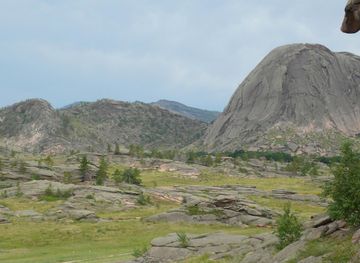
Explore KazakhstanTurkestan Region in Photos
Browse through our photo collection highlighting the charm and character of the destination.


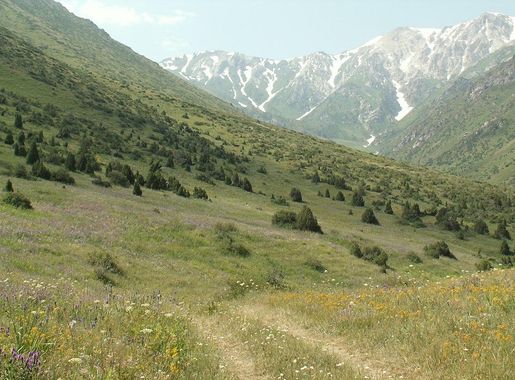
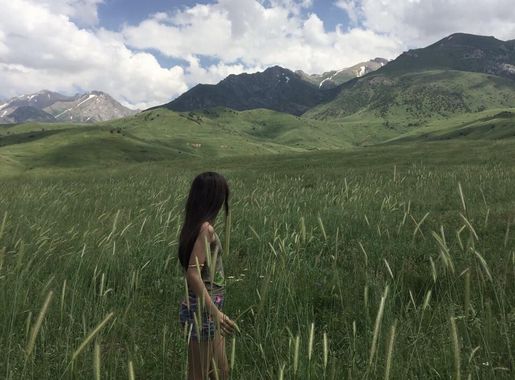

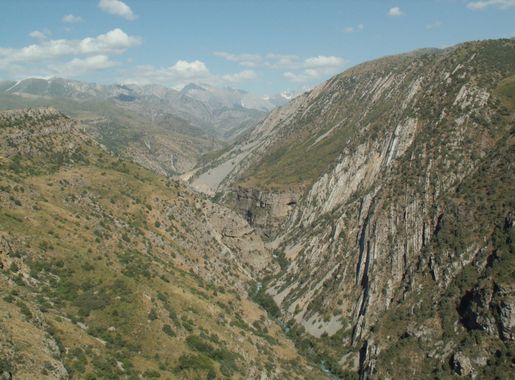
Turkestan Region: The Heart of Kazakhstan's Heritage
The Turkestan Region, located in southern Kazakhstan, is a treasure trove of history, culture, and natural beauty. It is best known for its spiritual and historical significance, particularly the ancient city of Turkestan, which was a key center of trade and culture along the Silk Road. The region's centerpiece, the Mausoleum of Khoja Ahmed Yasawi, is a UNESCO World Heritage site and a stunning example of Timurid architecture. This mausoleum attracts pilgrims and tourists alike, offering a glimpse into the rich cultural tapestry of Central Asia. Beyond the historical sites, Turkestan Region boasts a diverse landscape that ranges from the vast Kazakh steppe to picturesque mountains and rivers. Nature enthusiasts will find plenty to explore, including the Aksu-Zhabagly Nature Reserve, which is the oldest nature reserve in Central Asia. Here, visitors can see a variety of wildlife and enjoy scenic hiking trails. The region's unique blend of natural beauty and historical depth makes it a must-visit for any traveler. Turkestan is also a vibrant cultural hub, where traditional Kazakh customs are alive and well. Visitors can experience local festivals, sample traditional cuisine, and even try their hand at ancient crafts. The warmth and hospitality of the local people add an extra layer of charm to the visit, making the Turkestan Region a destination that is both enlightening and heartwarming.