

Bayanaul National Park Travel Guide - Free Web & App
Your ultimate guide to Bayanaul National Park. Discover top landmarks, proposed trips, and local tips. Free on the web or via the Evendo companion app.


Bayanaul National Park in Kazakhstan combines granite mountains, pine forests, clear lakes, hiking, wildlife and Kazakh literary heritage near Pavlodar.
Landscape and Natural Character
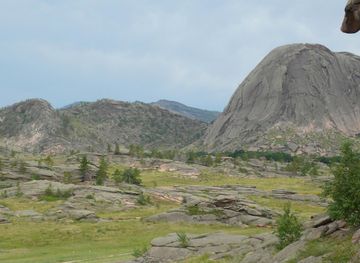
Bayanaul National Park lies in Pavlodar Region in north-eastern Kazakhstan, where rounded granite mountains rise unexpectedly from the surrounding steppe. Established in 1985 as Kazakhstan's first national park, it protects a landscape of rocky outcrops, pine woodland, open grassland and freshwater lakes. The park is centred on several well-known lakes, including Zhasybay, Toraigyr, Sabandykol and Byrzhankol, each with a different setting and atmosphere. Zhasybay is the principal recreational lake, while Toraigyr and the more remote water bodies offer quieter scenery and a stronger sense of the park's broad, semi-wild character.Read more about Bayanaul National Park
Rocks, Forests and Legends
Culture and Visitor Experience
When is the best time to visit Bayanaul National Park?
Best: May–June, August · 21–27°C| Month | High (°C) | Rainfall (mm) |
|---|---|---|
| January | -4 | 20 |
| February | -2 | 15 |
| March | 4 | 15 |
| April | 14 | 10 |
| May (best) | 21 | 10 |
| June (best) | 27 | 10 |
| July | 30 | 10 |
| August (best) | 26 | 10 |
| September | 18 | 10 |
| October | 10 | 15 |
| November | 4 | 20 |
| December | -2 | 20 |
Getting to and around Bayanaul National Park
How to get there
Transportation
Best attractions in Bayanaul National Park
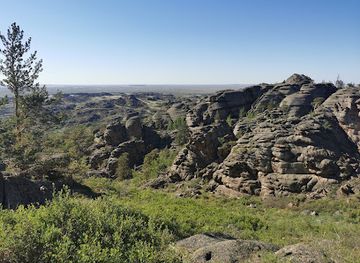
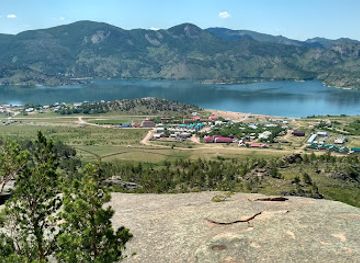
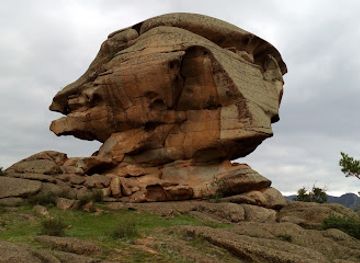
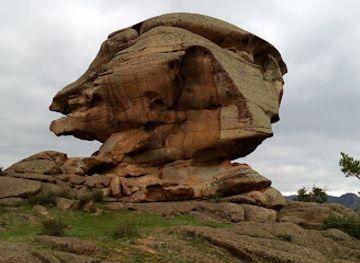
The principal attraction of Bayanaul National Park is the combination of granite mountains, pine forest and freshwater lakes within an otherwise open steppe landscape. Zhasybay Lake is the main visitor focus, with seasonal recreation facilities, beaches or bathing areas where locally permitted, and access to walks on the surrounding slopes. Sabandykol lies close to Bayanaul village and provides another accessible lakeside setting, while Toraigyr Lake is associated with the poet Sultanmakhmut Toraigyrov and has a quieter, more spacious character. Byrzhankol and the outlying valleys are suited to visitors seeking less developed scenery. Rock formations such as Naizatas and Kempirtas give the mountains their memorable profile, and the Kone Aulie cave combines a natural feature with religious and cultural significance. Viewpoints above the lakes, woodland paths and open steppe routes complete the park's varied range of places to explore.
-
Tourist attraction
Konyr-Auliye
Explore Konyr-Auliye, a stunning tourist attraction in Kazakhstan, where natural beauty meets rich cultural heritage amidst breathtaking landscapes.
-
Tourist attraction
Istochnik Presnoy Vody
Explore the tranquil oasis of Istochnik Presnoy Vody in Bayanaul, where nature's beauty meets the refreshing allure of crystal-clear spring water.
-
Tourist attraction
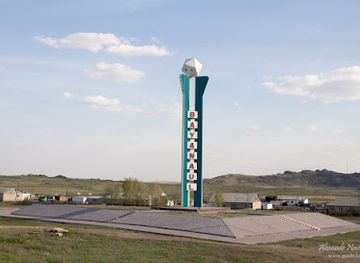
Stella Bayanaul
Discover the breathtaking landscapes and rich cultural heritage of Stella Bayanaul, a must-see tourist attraction in Kazakhstan.
-
Hiking area
Ozero Zhasybay
Immerse yourself in the stunning landscapes and outdoor adventures at Ozero Zhasybay, a top hiking destination in Kazakhstan's Bayanaul National Park.



Best landmarks in Bayanaul National Park
Bayanaul's defining landmarks are predominantly natural. The rounded granite summits and tors of the Bayanaul Mountains rise above the surrounding steppe, while pine woodland on their slopes creates a striking contrast with the open grassland. Zhasybay, Sabandykol, Toraigyr and Byrzhankol lakes are important geographic markers as well as recreation settings, each occupying a different basin within the mountain landscape. The Kone Aulie cave is both a geological feature and a place connected with pilgrimage, giving it cultural importance beyond its physical form. Naizatas and Kempirtas are among the named rock formations shaped by weathering and local legend. Toraigyr Lake and the surrounding area also serve as a literary landmark through their association with Sultanmakhmut Toraigyrov, whose memory is closely tied to Bayanaul's regional identity.
-
Tourist attraction
Konyr-Auliye
Explore the breathtaking beauty and rich heritage of Konyr-Auliye, a must-visit tourist attraction in Kazakhstan's stunning landscapes.
Explore Bayanaul National Park on the map
Plan your trip on one map. See where the top attractions, landmarks, restaurants and hotels are, and book hotels and experiences in a few clicks.
Best hotels in Bayanaul National Park
Best restaurants in Bayanaul National Park
Dining in Bayanaul National Park is concentrated in Bayanaul village, lakeside recreation areas and accommodation complexes around Zhasybay rather than distributed through a large restaurant scene. Visitors can expect simple cafés, canteen-style meals and seasonal facilities serving Kazakh and broadly Central Asian food, with dishes such as beshbarmak, kuyrdak, baursak, soups and grilled meat appearing where local kitchens offer traditional menus. Tea is a familiar part of hospitality, and provisions for picnics can be bought in larger settlements before travelling into the park. Pavlodar and Ekibastuz provide a wider choice of restaurants and food shops on the journey to Bayanaul. In the park itself, opening patterns and supplies can be seasonal, so self-catering visitors should carry essentials rather than depend on finding food beside every lake.
-
National park
Bayanaul National Park
Explore breathtaking landscapes and rich biodiversity at Bayanaul National Park – Kazakhstan's natural paradise awaits you.
Best bars in Bayanaul National Park
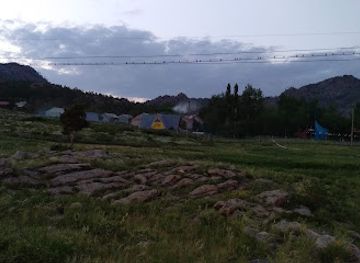
Bayanaul National Park is not a nightlife destination, and there is no established club district or concentration of late-opening bars within the protected landscape. Evening life centres on guesthouses, seasonal recreation bases, simple cafés and traditional hospitality around Bayanaul village and Zhasybay Lake. Visitors may spend the later hours walking beside the water where permitted, sharing tea or supper with fellow travellers, and watching the changing light over the granite hills. Small local venues may operate more actively during the summer holiday season, but facilities and hours vary. For a broader choice of bars, restaurants and organised entertainment, travellers need to look to larger towns such as Ekibastuz or Pavlodar rather than expect urban nightlife beside the lakes.
-
Grocery store
Aygerim
Explore Aygerim in Bayanaul for fresh local produce, unique flavors, and a taste of Kazakh culture in a charming grocery store setting.
-
Restaurant
Lounge bar Oasis Баянаул Павлодарская область
Experience the vibrant Oasis Lounge Bar in Bayanaul, where delicious food, creative cocktails, and a lively atmosphere come together for an unforgettable night.
-
Cafe
Zolotoy Teremok
Experience the charm of Kazakhstan at Zolotoy Teremok, where cozy ambiance meets delightful local cuisine. Perfect for food lovers and travelers alike.
-
Restaurant
Bayantau
Experience the rich flavors of Bayanaul at Bayantau, a culinary gem offering delicious local dishes in a warm and welcoming atmosphere.



Best nightclubs in Bayanaul National Park
Bayanaul National Park is not a nightlife destination, and there is no established club district or concentration of late-opening bars within the protected landscape. Evening life centres on guesthouses, seasonal recreation bases, simple cafés and traditional hospitality around Bayanaul village and Zhasybay Lake. Visitors may spend the later hours walking beside the water where permitted, sharing tea or supper with fellow travellers, and watching the changing light over the granite hills. Small local venues may operate more actively during the summer holiday season, but facilities and hours vary. For a broader choice of bars, restaurants and organised entertainment, travellers need to look to larger towns such as Ekibastuz or Pavlodar rather than expect urban nightlife beside the lakes.
-
National park
Bayanaul National Park
Discover the breathtaking beauty and rich biodiversity of Bayanaul National Park, a must-visit destination for nature lovers and outdoor enthusiasts in Kazakhstan.
-
Movie theater
Kinozal
Experience the magic of cinema at Kinozal, Bayanaul's top movie theater showcasing local and international films in a cozy setting.
Best shops in Bayanaul National Park
Shopping within Bayanaul National Park is modest and practical, with small shops and seasonal stalls in Bayanaul village and around the main recreation areas supplying food, drinks, toiletries and basic outdoor needs. Visitors may find locally produced honey, dairy products, baursak or other regional food items, although availability depends on the season and individual sellers. Souvenirs can include Kazakhstan-themed crafts, felt goods and small decorative items, but the park is not a major handicraft market and product ranges are limited. For a wider selection of gifts, clothing, specialist equipment and packaged regional products, Pavlodar and Ekibastuz are more dependable stops. Buying directly from local producers can support village households, provided goods are obtained through legitimate and respectful channels.
-
National park
Bayanaul National Park
Explore the breathtaking landscapes, diverse wildlife, and outdoor adventures at Bayanaul National Park in Kazakhstan.
-
Supermarket
Inmart
Discover Bayanaul's finest supermarket, Inmart, where local flavors and international products come together in a vibrant shopping experience.
-
Grocery store
Aygerim
Explore the vibrant flavors of Bayanaul at Aygerim Grocery Store, where local culture meets a diverse selection of products.
-
Shopping mall
Aydabol
Discover a vibrant shopping experience at Aydabol in Bayanaul, where modern retail meets local culture in a stunning setting.


Get your free copy of our complete guide to Bayanaul National Park, delivered straight to you.
Everything on this page, from attractions and restaurants to essentials and local phrases, in one PDF you can read offline, print or share.
Already have an account? Sign in
Your Bayanaul National Park guide is ready.
We'll send it to · Not you? Sign out

Getting your guide ready…
We are putting together a fresh copy of the Bayanaul National Park guide. This can take up to a minute.
This can take a few moments. If your browser asks, choose Allow so the download can start. You'll find the guide in your Downloads folder.
Nothing happened? Download it again
Sorry, the guide is taking longer than usual. Please try again in a minute, or get it by email instead.
Bayanaul National Park essentials
Currency and Payment
Safety
Emergency Situations
Do's and Don'ts
Local Tips
From Eve
Local phrases worth knowing
You don't need to get them perfect. A few words go a long way, and locals appreciate the effort.
Basics
| English | Local | Say it |
|---|---|---|
| Hello | Сәлем | [Sälem] |
| Goodbye | Қоштасу болсын | [Qoshtasu bolsın] |
| Yes | Ия | [Iya] |
| No | Жоқ | [Joq] |
| Please/You're welcome | Рақмет | [Raqmet] |
| Thank you | Рақмет сізге | [Raqmet sizge] |
| Excuse me/Sorry | Кешіріңіз | [Keshiriniz] |
| How are you? | Қалайсыз ба? | [Qalaisyz ba?] |
| Fine. And you? | Жақсым. Сіздің де? | [Jaqsım. Sizdin de?] |
| Do you speak English? | Сіз ағылшын тілінде сөйлейсіз бе? | [Siz ağılşın tilinde söylesiz be?] |
| I don't understand | Мен түсінбедім | [Men tüsınbedim] |
Eating & Drinking
| English | Local | Say it |
|---|---|---|
| I'd like to see the menu, please | Менюді көрейін деп жатам | [Menyüdi köreyin dep jatam] |
| I don't eat meat | Мен қазықтан көрсем жатам | [Men qazıqtan körsem jatam] |
| Cheers! | Таңғалар | [Tanğalar] |
| I would like to pay, please | Төлеуге боладым | [Töleuge boladım] |
Emergencies
| English | Local | Say it |
|---|---|---|
| Help! | Көмек! | [Kömek!] |
| Go away! | Тыңдаңыз! | [Tındañız!] |
| Call the Police! | Полицияға қоңырау шақырыңыз! | [Politsiıağa qoñırau şaqırınız!] |
| Call a doctor! | Дәрігерге қоңырау шақырыңыз! | [Därigerge qoñırau şaqırınız!] |
| I'm lost | Мен айықпын | [Men aııqpın] |
| I'm ill | Мен аурулым | [Men aurulım] |
Shopping
| English | Local | Say it |
|---|---|---|
| I'd like to buy... | ...сатып аламын деп жатам | [...satıp alamın dep jatam] |
| I'm just looking | Мен тек көрінушім | [Men tek körınuşim] |
| How much is it? | Ол каншаға беріледі? | [Ol kanşağa beriledi?] |
| That's too expensive | Ол тым де арзан | [Ol tım de arzan] |
| Can you lower the price? | Құнды төмендетуге болады ма? | [Qundy tömendetuge boladı ma?] |
Time & Numbers
| English | Local | Say it |
|---|---|---|
| What time is it? | Қандай уақыт? | [Qanday waqıt?] |
| It's one o'clock | Бірде | [Bırde] |
| Half past (10) | Он жетінде | [On jetinde] |
| Morning | Таң | [Tanğ] |
| Afternoon | Кеш | [Keş] |
| Evening | Кешкі | [Keşki] |
| Yesterday | Кеше | [Keşe] |
| Today | Бүгін | [Bugin] |
| Tomorrow | Ертең | [Erteñ] |
| 1 | Бір | [Bır] |
| 2 | Екі | [Eki] |
| 3 | Үш | [Üş] |
| 4 | Төрт | [Tört] |
| 5 | Бес | [Bes] |
| 6 | Алты | [Altı] |
| 7 | Жеті | [Jeti] |
| 8 | Сегіз | [Segiz] |
| 9 | Тоғыз | [Toğız] |
| 10 | Он | [On] |
Transport & Directions
| English | Local | Say it |
|---|---|---|
| Where's a/the...? | ...қайда? | [...qayda?] |
| What's the address? | Мекен-жайы неде? | [Meken-jayı nede?] |
| Can you show me (on the map)? | Меніңге (картада) көрсетесіз бе? | [Menińge (kartada) körsesiz be?] |
| When's the next (bus)? | Келесі (автобус) қашан? | [Kelesi (avtobus) qaşan?] |
| A ticket (to ....) | Билет (....ға) | [Bilet (....ğa)] |
History of Bayanaul National Park
A Granite Island in the Steppe
Bayanaul's identity begins with its geology. The range forms part of the wider Kazakh Uplands, or Saryarka, and is composed largely of ancient granite and related rocks exposed above the surrounding steppe. Weathering has produced rounded ridges, isolated tors, clefts and caves, while sheltered slopes support pine woodland and the lower ground opens into grassland. The lakes occupy depressions within this mountain landscape and have long given the area a character distinct from the drier plains around it. Geological processes belong to a far earlier timescale than the human history of Bayanaul, but they explain the rock forms, forests and water sources that later shaped settlement, grazing and local traditions.
Steppe Settlement and Local Memory
For centuries, the Bayanaul region formed part of the cultural landscape of the Kazakh steppe, where seasonal movement, livestock husbandry and knowledge of springs, pastures and mountain routes connected communities with the terrain. Place names preserve observations about the rocks, lakes and hills, while legends explain prominent formations through stories of people, animals and religious devotion. The Kone Aulie cave, whose name is commonly translated as 'Holy Cave', remains associated with pilgrimage and local custom. As elsewhere in northern Kazakhstan, the area was later affected by Soviet-era administrative, agricultural and economic change, although its mountain valleys and lakes retained a strong regional identity.
Bayanaul and Kazakh Literature
Bayanaul has an important place in Kazakh cultural history through its association with Sultanmakhmut Toraigyrov, one of the major Kazakh poets and writers of the early twentieth century. He was born in the Bayanaul area in 1893 and drew on questions of education, society and national identity in his work. His name is closely connected with Toraigyrov Lake and the wider district, where memorial associations keep the literary heritage visible to visitors. The connection adds a human and intellectual dimension to a landscape otherwise often described mainly through its lakes, forests and granite formations.
From Scenic Area to National Park
Growing recognition of Bayanaul's forests, lakes and unusual mountain scenery led to the establishment of Bayanaul State National Natural Park in 1985, the first national park created in Kazakhstan. The designation brought conservation and recreation into the same management framework, protecting habitats while allowing carefully managed visitor use. Seasonal holiday facilities developed particularly around Zhasybay Lake, making the area a domestic destination for lakeside breaks and outdoor recreation. The park's continuing importance lies in maintaining the relationship between accessible recreation, fragile shorelines, pine woodland, local cultural sites and the wider ecological character of the Bayanaul Mountains.
Bayanaul National Park in Photos
Browse through our photo collection highlighting the charm and character of the destination.
Neighbouring destination travel guides
The closest destinations to Bayanaul National Park, if you have time for more than one.
-

-

-

-

-


Swipe for more destinations
Explore more
Explore more of Central Kazakhstan
Central Kazakhstan combines Karaganda's industrial history, Ulytau's sacred steppe, Karkaraly's hills and the broad shores of Lake Balkhash.
Explore Central Kazakhstan
Explore more of Kazakhstan
Explore Kazakhstan's rich culture, modern cities, and stunning natural landscapes. From the Caspian Sea to the Altai Mountains, find adventure and beauty in Central Asia.
Explore Kazakhstan