

Borovoe National Park Travel Guide - Free Web & App
Your ultimate guide to Borovoe National Park. Discover top landmarks, proposed trips, and local tips. Free on the web or via the Evendo companion app.


Borovoe National Park in Kazakhstan combines pine forests, granite peaks and clear lakes with hiking, boating, wildlife and the resort village of Burabay.
A Forested Lake District
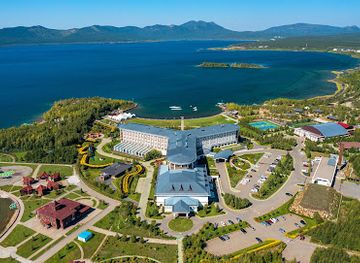
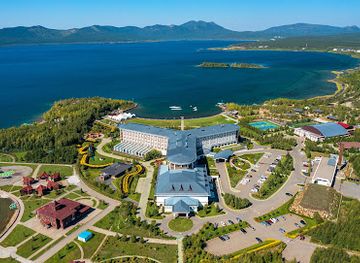
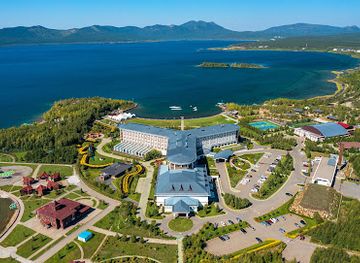
Borovoe National Park, officially known as Burabay National Park, lies in northern Kazakhstan's Akmola Region, between the capital Astana and the city of Kokshetau. Often called Kazakhstan's “Kazakh Switzerland”, it is a landscape of pine-covered hills, granite outcrops and lakes set within the wider Kazakh steppe. The park is extensive rather than compact, with the resort village of Burabay serving as its principal visitor base and Shchuchinsk providing a larger nearby centre for transport and supplies.Read more about Borovoe National Park
Lakes, Rocks and Legends
Outdoor Recreation and Local Character
When is the best time to visit Borovoe National Park?
Best: May–June, September · 22–28°C| Month | High (°C) | Rainfall (mm) |
|---|---|---|
| January | -5 | 21 |
| February | -3 | 17 |
| March | 2 | 15 |
| April | 12 | 11 |
| May (best) | 22 | 9 |
| June (best) | 28 | 8 |
| July | 33 | 6 |
| August | 30 | 7 |
| September (best) | 23 | 8 |
| October | 15 | 12 |
| November | 7 | 16 |
| December | 1 | 18 |
Getting to and around Borovoe National Park
How to get there
Transportation
Best attractions in Borovoe National Park
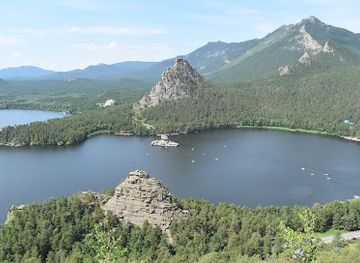
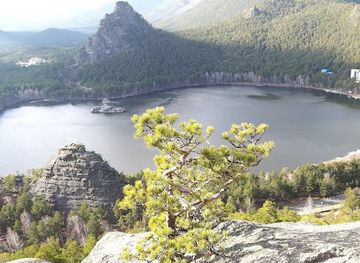
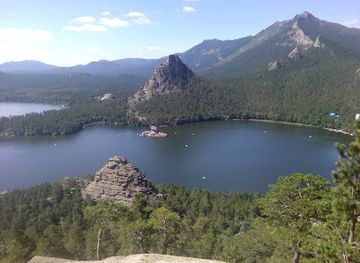
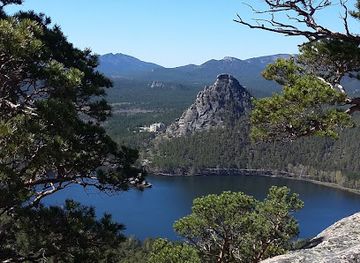
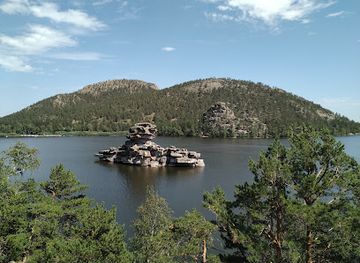
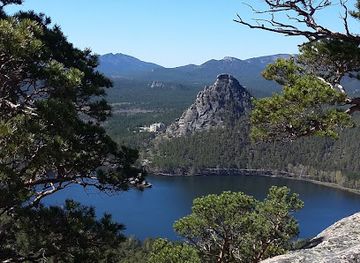
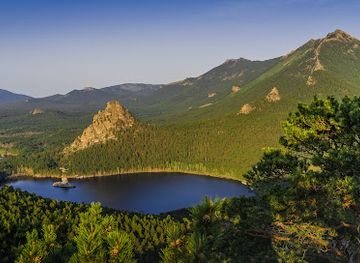
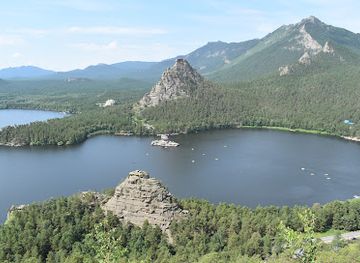
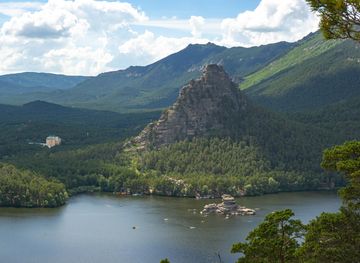
Lake Burabay is the park's best-known scenic centre, with forested shores, views towards Mount Okzhetpes and the distinctive Zhumbaktas rock standing in the water. The lake's developed recreation areas contrast with quieter stretches of pine woodland and granite terrain. Lake Shchuchye, associated with the resort town of Shchuchinsk, is another major water body, while Bolshoye Chebachye, Maloye Chebachye and Katarkol provide different settings for landscape viewing and outdoor recreation. Trails and roads lead to elevated points where the lakes appear as blue openings in the forested uplands. The park's granite formations, woodland clearings and broad steppe-edge vistas are attractions in their own right, particularly for walking and photography. Around Burabay village, visitors can find organised leisure activities and excursions, while the wider park rewards slower exploration by car, on foot or, where locally authorised, on horseback or by boat.
-
Lake
Borovoye
Explore the stunning Borovoye Lake in Kazakhstan, a natural paradise perfect for outdoor adventures, relaxation, and picturesque landscapes.
-
Tourist attraction
CashVille casino
Discover the excitement of CashVille Casino, a premier gaming destination by Lake Shuchye, offering thrilling entertainment and dining in Burabay, Kazakhstan.
-
Park
Natsional'nyy Park Borovoye
Explore the breathtaking landscapes and rich biodiversity of Natsional'nyy Park Borovoye, a natural gem in Kazakhstan perfect for adventure seekers and nature lovers.
-
Museum
Mul'timediynyy Interaktivnyy Kompleks
Experience the engaging and educational world of Mul'timediynyy Interaktivnyy Kompleks in Burabay, where interactive exhibits captivate all ages.
Best landmarks in Borovoe National Park
The defining landmarks of Burabay National Park are natural: Lake Burabay, Mount Okzhetpes and the Zhumbaktas rock form the landscape most closely associated with the destination. Okzhetpes rises above the lake as a wooded granite massif and carries a prominent place in Kazakh regional legend, while Zhumbaktas is recognised for its changing visual profiles when viewed from different angles. Lake Shchuchye and the Chebachye lakes broaden the park's water landscape, each framed by forested uplands and granite terrain. Rock outcrops and elevated ridges provide physical evidence of the ancient Kokshetau Upland and create the viewpoints for which the area is known. The contrast between these hills, inland waters and the surrounding steppe is the park's central geographical landmark, supported by protected pine forests and culturally named sites.
-
Resort hotel
Discovery-Воrоvое
Discover a blend of adventure and relaxation at Discovery-Воревое, a resort hotel nestled by Lake Kattarkol in Burabay National Park.
-
Resort hotel
Discovery-Borovoe
Explore the breathtaking landscapes of Discovery-Borovoe, a premier resort hotel in Burabay National Park, perfect for families and adventure seekers.
-
Hotel
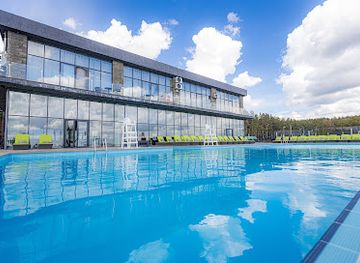
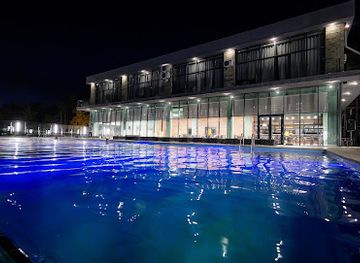
Rixos Borovoe Hotel
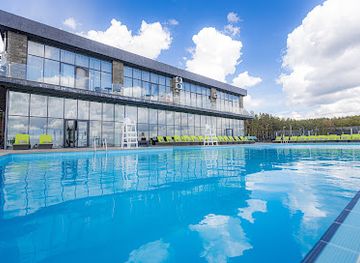
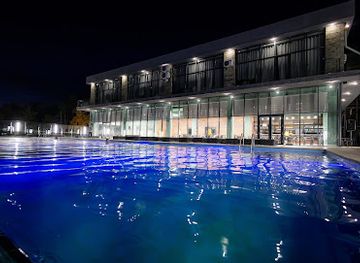
Discover unparalleled luxury at Rixos Borovoe Hotel, a serene retreat on the shores of Lake Shchuchye, perfect for relaxation and adventure.
-
National forest
Gnpp Burabay
Explore the breathtaking natural beauty of Gnpp Burabay, a stunning national forest in Kazakhstan, perfect for outdoor adventures and serene escapes.
Explore Borovoe National Park on the map
Plan your trip on one map. See where the top attractions, landmarks, restaurants and hotels are, and book hotels and experiences in a few clicks.
Best hotels in Borovoe National Park
Best restaurants in Borovoe National Park
Dining is concentrated in Burabay village, around the principal resort areas and in nearby Shchuchinsk rather than beside every lake or trail. Restaurants, cafés, hotel dining rooms and informal eateries commonly reflect Kazakhstan's mixed culinary heritage, with dishes such as beshbarmak, baursaks, soups, grilled meats and dumplings appearing alongside Russian, Central Asian and contemporary menus. Tea is a familiar accompaniment, while larger establishments may offer a broader selection of international food. The surrounding region's steppe and pastoral traditions influence the use of meat, dairy and flour-based foods, and visitors may also encounter seasonal produce from northern Kazakhstan. Options become more limited away from settled areas, so day visitors exploring the outer park should carry water and a modest picnic rather than expecting a café at each viewpoint. Local availability and opening patterns vary by season.
-
Restaurant
Rixos Borovoe Hotel
Experience ultimate luxury at Rixos Borovoe Hotel by Lake Shchuchye - where nature meets elegance in Kazakhstan.
-
National forest
Gnpp Burabay
Experience the breathtaking beauty of Gnpp Burabay - a stunning national forest perfect for outdoor adventures and serene escapes.
-
Hotel
Zhumbaktas
Discover tranquility and taste at Zhumbaktas Hotel in Burabay - your gateway to relaxation and authentic Kazakh cuisine.
-
Restaurant
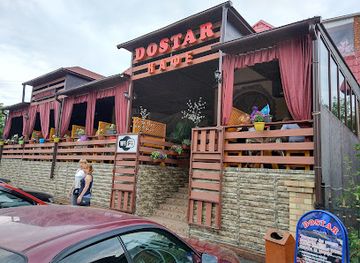
Kafe Dostar
Discover the flavors of Kazakhstan at Kafe Dostar in Burabay – where delicious food meets stunning views.
Best bars in Borovoe National Park
Burabay is a resort settlement rather than a major nightlife centre. Evening life is generally found in hotel restaurants, cafés, resort entertainment spaces and traditional or contemporary venues serving visitors near the lake, with a quieter atmosphere than Kazakhstan's large cities. Shchuchinsk offers a broader choice of everyday restaurants and local bars, although it should not be approached as a dedicated clubbing destination. In the national park itself, nights are shaped more by forest silence, lake views and the activities of accommodation facilities than by public entertainment. Seasonal tourism can bring additional programmes or events, but these vary and should be checked locally. Visitors staying outside Burabay should plan evening transport in advance, since rural roads, dispersed accommodation and limited late services make spontaneous movement less convenient.
-
Resort hotel
Discovery-Воrоvое
Experience the perfect blend of relaxation and adventure at Discovery-Воrоvое, a premier resort by Lake Катарколь in Burabay National Park.
-
Resort hotel
Discovery-Borovoe
Experience the beauty of Burabay National Park at Discovery-Borovoe, where luxury meets adventure in a stunning natural setting.
-
National forest
Gnpp Burabay
Discover the enchanting beauty of Gnpp Burabay National Forest, a tranquil haven in Kazakhstan perfect for outdoor adventures and nature exploration.
-
Hotel
Zhumbaktas
Discover tranquility and comfort at Zhumbaktas, your ideal retreat in Burabay, Kazakhstan, surrounded by stunning nature and luxurious amenities.
Best nightclubs in Borovoe National Park
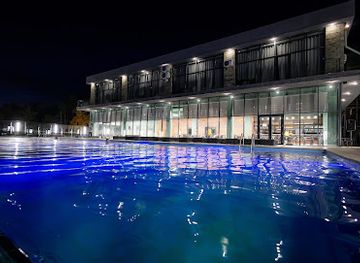
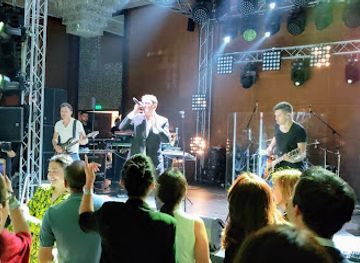
Burabay is a resort settlement rather than a major nightlife centre. Evening life is generally found in hotel restaurants, cafés, resort entertainment spaces and traditional or contemporary venues serving visitors near the lake, with a quieter atmosphere than Kazakhstan's large cities. Shchuchinsk offers a broader choice of everyday restaurants and local bars, although it should not be approached as a dedicated clubbing destination. In the national park itself, nights are shaped more by forest silence, lake views and the activities of accommodation facilities than by public entertainment. Seasonal tourism can bring additional programmes or events, but these vary and should be checked locally. Visitors staying outside Burabay should plan evening transport in advance, since rural roads, dispersed accommodation and limited late services make spontaneous movement less convenient.
-
Resort hotel
Discovery-Borovoe
Experience luxury and adventure at Discovery-Borovoe, the ultimate resort destination on Lake Katurkol in Burabay National Park.
-
Hotel
Zhumbaktas
Experience the perfect blend of comfort and adventure at Zhumbaktas, a charming hotel and bistro nestled in the stunning Burabay region.
-
Casino
CashVille casino
Experience the excitement of gaming at CashVille Casino, a premier entertainment destination by Lake Shchuchye in Burabay, Kazakhstan.
-
Hotel
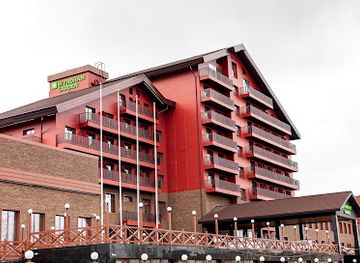
Wyndham Garden Burabay
Discover the beauty of Burabay while enjoying modern comfort at Wyndham Garden, the perfect getaway for nature lovers and relaxation seekers.
Best shops in Borovoe National Park
Shopping within the park is modest and centred on Burabay village, resort facilities and nearby Shchuchinsk. Visitors can find everyday provisions, drinks, outdoor necessities and locally produced food more easily in the larger settlements than beside remote lakes or viewpoints. Souvenir stalls and small retailers may offer items connected with Kazakhstan, Burabay's landscapes and regional culture, while markets and food shops in Shchuchinsk provide a wider practical choice. Regional purchases can include honey, dairy products, dried foods and handmade gifts, although selection varies with season and location. Traditional Kazakh craftwork, felt items and decorative souvenirs may be available through local sellers or cultural venues, but visitors should distinguish genuinely local products from mass-produced merchandise. There is no extensive shopping district within the protected landscape, so essential purchases are best made before travelling into the park.
-
Hotel
Rixos Borovoe Hotel
Experience luxury and adventure at Rixos Borovoe Hotel, nestled by the stunning Lake Shchuchye in Kazakhstan's Borovoe region.
-
National forest
Gnpp Burabay
Explore the enchanting beauty of Gnpp Burabay, a national forest in Kazakhstan filled with stunning landscapes and diverse wildlife.
-
Lake
Borovoye
Experience the enchanting beauty of Borovoye Lake, a serene paradise in Kazakhstan perfect for adventure and relaxation.
-
Hotel
Zhumbaktas
Experience the tranquility of Burabay at Zhumbaktas, a cozy hotel with bistro dining and sauna amenities for your perfect getaway.
Get your free copy of our complete guide to Borovoe National Park, delivered straight to you.
Everything on this page, from attractions and restaurants to essentials and local phrases, in one PDF you can read offline, print or share.
Already have an account? Sign in
Your Borovoe National Park guide is ready.
We'll send it to · Not you? Sign out

Getting your guide ready…
We are putting together a fresh copy of the Borovoe National Park guide. This can take up to a minute.
This can take a few moments. If your browser asks, choose Allow so the download can start. You'll find the guide in your Downloads folder.
Nothing happened? Download it again
Sorry, the guide is taking longer than usual. Please try again in a minute, or get it by email instead.
Borovoe National Park essentials
Currency and Payment
Safety
Emergency Situations
Do's and Don'ts
Local Tips
From Eve
Local phrases worth knowing
You don't need to get them perfect. A few words go a long way, and locals appreciate the effort.
Basics
| English | Local | Say it |
|---|---|---|
| Hello | Сәлем | [Salem] |
| Goodbye | Қош келдіңіз | [Qoş keldiniz] |
| Yes | Ия | [Iya] |
| No | Жоқ | [Jok] |
| Please/You're welcome | Рақмет | [Raqmet] |
| Thank you | Рахмет | [Rahmet] |
| Excuse me/Sorry | Кешіріңіз | [Keshiriniz] |
| How are you? | Кандайсыз? | [Kandaisyz?] |
| Fine. And you? | Жақсым. Сіз кандайсыз? | [Jaqsım. Siz kandaisyz?] |
| Do you speak English? | Сіз ағылшынша сөйлейсіз бе? | [Siz agılşınşa söylesiz be?] |
| I don't understand | Мен түсінбеймін | [Men tüsinbeymin] |
Eating & Drinking
| English | Local | Say it |
|---|---|---|
| I'd like to see the menu, please | Менюмен танысуым келді, рахмет | [Menyumen tanısuyım keldi, rahmet] |
| I don't eat meat | Мен майым жеміспеймін | [Men mayım jemispeymin] |
| Cheers! | Тамсық! | [Tamsıq!] |
| I would like to pay, please | Төлеуге болса, рахмет | [Töleuge bolsa, rahmet] |
Emergencies
| English | Local | Say it |
|---|---|---|
| Help! | Көмек! | [Kömek!] |
| Go away! | Ауыр! | [Awır!] |
| Call the Police! | Полицияды шақырайын! | [Politsiyadı şaqırayın!] |
| Call a doctor! | Докторды шақырыңыз! | [Doktordı şaqırynız!] |
| I'm lost | Мен алдамағанмын | [Men aldamağanmın] |
| I'm ill | Мен аурулымын | [Men aurulımın] |
Shopping
| English | Local | Say it |
|---|---|---|
| I'd like to buy... | Мен ... сатып алғым келеді | [Men ... satıp algım keledi] |
| I'm just looking | Мен тек көремін | [Men tek köremin] |
| How much is it? | Ол неше теңге? | [Ol neşe tengge?] |
| That's too expensive | Ол тым дорын | [Ol tım dorın] |
| Can you lower the price? | Бағасын төмендете аласыз бе? | [Bağasın tömendete alasız be?] |
Time & Numbers
| English | Local | Say it |
|---|---|---|
| What time is it? | Ұмытын уақыт кандай? | [Umıtın waqıt kanday?] |
| It's one o'clock | Бір уақыт | [Bir waqıt] |
| Half past (10) | Ондан бір кейін | [Ondan bir keyin] |
| Morning | Таң | [Tań] |
| Afternoon | Кеш | [Keş] |
| Evening | Кеш | [Keş] |
| Yesterday | Кеше | [Keşe] |
| Today | Бүгін | [Bugın] |
| Tomorrow | Ертең | [Erteñ] |
| 1 | Бір | [Bır] |
| 2 | Екі | [Eki] |
| 3 | Үш | [Üş] |
| 4 | Төрт | [Tört] |
| 5 | Бес | [Bes] |
| 6 | Алты | [Altı] |
| 7 | Жеті | [Jeti] |
| 8 | Сегіз | [Segiz] |
| 9 | Тоғыз | [Toğız] |
| 10 | Он | [On] |
Transport & Directions
| English | Local | Say it |
|---|---|---|
| Where's a/the...? | ... қайда? | [... qayda?] |
| What's the address? | Мекен-жайы қайда? | [Meken-jayı qayda?] |
| Can you show me (on the map)? | Меніңге (карта бойынша) көрсете аласыз бе? | [Meniñge (karta boına) körsete alasız be?] |
| When's the next (bus)? | Келесі (автобус) не вақытта? | [Kelesi (avtobus) ne waqıtta?] |
| A ticket (to ....) | Билет (... үшін) | [Bilet (... üşin)] |
History of Borovoe National Park
An Ancient Granite Landscape
The hills and rock formations of Burabay belong to the Kokshetau Upland, an ancient geological region that rises above the surrounding northern Kazakh steppe. Weathering has shaped the area's granite ridges, isolated outcrops and rounded hills, while depressions between them hold the park's lakes. This contrast between wooded uplands and open steppe explains much of Burabay's visual character. The geological story is far older than human settlement, yet it has strongly influenced later travel routes, local stories and the choice of the area as a place for recreation.
Steppe Communities and Sacred Landscapes
Before the creation of the modern park, the Burabay region formed part of the wider landscape used by Kazakh communities whose lives were connected with seasonal movement, pastoralism and knowledge of water and grazing grounds. Mountains, lakes and unusual rock formations acquired names and legends that remain part of local cultural identity. Stories associated with Okzhetpes and Zhumbaktas are especially prominent in the region, turning physical landmarks into carriers of memory as well as scenic viewpoints. The area therefore has a cultural geography that extends beyond its later role as a resort.
Settlement and the Rise of Recreation
Russian imperial expansion and later settlement brought new administrative, agricultural and transport patterns to northern Kazakhstan during the nineteenth and early twentieth centuries. Burabay gradually became recognised for its forested landscape, lakes and climate, and recreation developed alongside permanent settlement. During the Soviet period, sanatoriums, holiday facilities and organised tourism expanded around the lakes, particularly near the present resort areas. This history explains why the park contains both protected natural settings and developed shorelines, rather than being an entirely roadless wilderness.
From Protected Territory to National Park
Formal protection developed as the ecological and scenic importance of the Burabay landscape became increasingly recognised. Burabay State National Natural Park was established in 2000, bringing forests, lakes, hills and associated habitats within a unified protected-area framework. The park's management balances conservation with recreation, tourism and the needs of settlements and existing facilities. Zoning and local regulations can affect access, boating, fishing, fires and other activities, so visitors should follow current instructions rather than assuming that every part of the landscape is open for unrestricted use.
Modern Burabay
Today Burabay is one of Kazakhstan's best-known domestic leisure regions, linked by road and rail connections through northern Kazakhstan and supported by accommodation and visitor services in nearby settlements. The national park remains important not only as a resort landscape but also as a protected example of forest and lake country within a predominantly steppe setting. Contemporary tourism brings pressure from traffic, shoreline development, litter and intensive recreation, making responsible behaviour and careful management central to the area's future.
Borovoe National Park in Photos
Browse through our photo collection highlighting the charm and character of the destination.
Neighbouring destination travel guides
The closest destinations to Borovoe National Park, if you have time for more than one.
-

-

-

-

-


Swipe for more destinations
Explore more
Explore more of Northern Kazakhstan
Explore Northern Kazakhstan for vast steppe, forested lakes, historic railway towns, wildlife reserves and the Irtysh River landscape.
Explore Northern Kazakhstan
Explore more of Kazakhstan
Explore Kazakhstan's rich culture, modern cities, and stunning natural landscapes. From the Caspian Sea to the Altai Mountains, find adventure and beauty in Central Asia.
Explore Kazakhstan