

Southern Kazakhstan, Kazakhstan Travel Guide
Explore Southern Kazakhstan: A land where ancient history meets natural beauty, offering a rich cultural experience and breathtaking landscapes.
Southern Kazakhstan is a region where history and nature come together in a unique blend. The area boasts ancient cities, stunning landscapes, and a rich cultural heritage. The region's history dates back to ancient times, with many historical sites to explore. The city of Turkestan is home to the famous Mausoleum of Khoja Ahmed Yasawi, a UNESCO World Heritage Site that is a must-visit for history enthusiasts. In addition to its historical allure, Southern Kazakhstan offers breathtaking natural beauty. The Aksu-Zhabagly Nature Reserve is the oldest nature reserve in Central Asia and provides a haven for wildlife and plant species. It is an excellent spot for hiking, bird-watching, and immersing oneself in nature's tranquility. The region's diverse landscapes, from vast steppes to mountain ranges, offer plenty of opportunities for outdoor adventures. Southern Kazakhstan is also a melting pot of cultures, with a variety of ethnic groups living in harmony. This cultural diversity is reflected in the region's cuisine, traditional music, and festivals. Visitors can enjoy delicious local dishes and experience the warm hospitality of the Kazakh people. Whether you're interested in history, nature, or culture, Southern Kazakhstan has something to offer for every traveler.

Know before you go
Hi, I'm Eve. Here are a few practical things to know before exploring Southern Kazakhstan.
- Visit the Mausoleum of Khoja Ahmed Yasawi early in the morning to avoid crowds and enjoy a peaceful atmosphere.
- Carry cash, as credit cards are not widely accepted in rural areas and smaller towns.
- Hire a local guide for hiking in the Aksu-Zhabagly Nature Reserve to learn more about the unique flora and fauna.
- Try local dishes like beshbarmak and kazy for an authentic culinary experience.
- Learn a few basic Kazakh phrases to enhance your interactions with locals.
Top City Travel Guides in Southern Kazakhstan
The cities of Southern Kazakhstan, and the easiest places to base yourself.


Destinations in Southern Kazakhstan
Resorts, valleys and scenic spots worth a trip of their own.


Explore Southern Kazakhstan: Things to Do, Places to Eat, Hotels & More
Handpicked recommendations for top attractions, local dining, accommodations, and more

Top Attractions & Sightseeing in Southern Kazakhstan
Top-rated picks
Best Attractions

Abay Park
Discover the beauty of Abay Park in Shymkent, a vibrant urban oasis perfect for relaxation, recreation, and cultural exploration.

Ethnic Park Ken Baba
Experience the excitement of Ethnic Park Ken Baba, Shymkent's family-friendly amusement center offering thrilling rides and local cuisine.

Aisha Bibi Mausoleum
Explore the enchanting Aisha Bibi Mausoleum, a remarkable symbol of love and historical significance in Kazakhstan's picturesque landscape.

Sairamsu
Explore the stunning landscapes and rich biodiversity of Sairamsu National Park in South Kazakhstan, a haven for nature lovers and adventure seekers.

Best landmarks in Southern Kazakhstan
Top-rated picks
Best Landmarks

Shymbulak
Experience adventure at Shymbulak, Kazakhstan's premier ski resort, where winter sports and summer activities meet stunning mountain scenery.

Kok Tobe
Experience breathtaking views, local culture, and unforgettable memories at Kok Tobe, Almaty's iconic hilltop destination with a cable car ride.

Baiterek
Explore Baiterek, Astana's iconic monument, where dreams and aspirations of Kazakhstan come to life with breathtaking views and cultural experiences.

Mausoleum of Khoja Ahmed Yasawi
Explore the Mausoleum of Khoja Ahmed Yasawi, a UNESCO World Heritage Site, and immerse yourself in the rich history and culture of Turkistan, Kazakhstan's spiritual heart.

Best restaurants in Southern Kazakhstan
Top-rated picks
Best Restaurants

Vahtanguri Georgian Restaurant
Experience authentic Georgian cuisine at Vahtanguri Restaurant in Almaty - where every dish tells a story and every meal is a celebration.

Line Brew Astana
Discover the flavors of Kazakhstan at Line Brew Astana – where premium steaks meet exceptional service in a vibrant setting.

Saksaul
Experience authentic Kazakhstani cuisine at Saksaul in Astana - a culinary gem celebrating local flavors.

RUMI on Abylay Khan
Experience authentic Kazakh cuisine at RUMI on Abylay Khan in Almaty—home to delicious pilaf and warm hospitality.

Best bars in Southern Kazakhstan
Top-rated picks
Best Bars
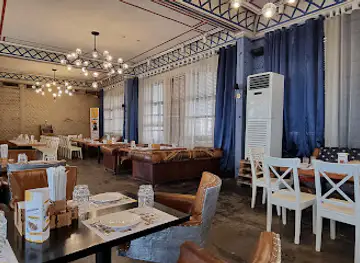
Chechil Тулебаева
Experience the vibrant culinary scene at Chechil Тулебаева in Almaty, a gastropub with delicious food and live music.

Pinta Bar & Grill
Discover the vibrant culinary atmosphere of Pinta Bar & Grill in Almaty, where local flavors meet a lively dining experience.

Harat's Pub on Panfilov Street
Discover the vibrant atmosphere of Harat's Pub on Panfilov Street, where Irish charm meets Kazakh hospitality in Almaty.
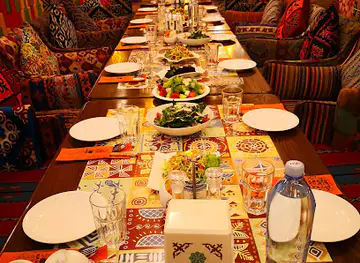
Guinness Pub
Discover the charm of Irish hospitality at Guinness Pub in Almaty, a perfect blend of delicious food and lively atmosphere.

Best nightclubs in Southern Kazakhstan
Top-rated picks
Best Nightclubs

Ukho I Medved' Na Kurmangazy
Unleash your inner star at Ukho I Medved' Na Kurmangazy, Almaty's popular karaoke bar, where music and fun create unforgettable nightlife experiences.

Zhest'
Experience the electrifying nightlife of Almaty at Zhest' Night Club, where music and fun converge for an unforgettable evening.

Barviha Bar
Discover the dynamic nightlife at Barviha Bar, Almaty's premier night club, offering a unique blend of music, drinks, and an electrifying atmosphere.

Стриптиз-клуб Kazanova
Delve into the vibrant nightlife of Almaty at Kazanova Strip Club, where entertainment meets sophistication in a dazzling setting.

Best shops in Southern Kazakhstan
Top-rated picks
Best Shops

MEGA Alma-Ata
Explore the vibrant MEGA Alma-Ata shopping mall in Almaty, where fashion, dining, and entertainment come together for an unforgettable experience.

Mega Silk Way
Discover the essence of modern shopping at Mega Silk Way, Astana's premier mall featuring an array of stores, dining options, and entertainment.

Khan Shatyr
Explore Khan Shatyr, Astana's stunning shopping mall, where modern design meets diverse shopping, dining, and entertainment options for all travelers.

Dostyk Plaza
Explore the vibrant shopping scene at Dostyk Plaza in Almaty, where international brands meet local charm in a contemporary setting.

Explore Southern Kazakhstan on the Map
A handpicked selection of must-see spots in Southern Kazakhstan, mapped for you.
Southern Kazakhstan Essentials
-
Southern Kazakhstan is accessible via major international airports including Almaty International Airport and Shymkent International Airport. From these airports, you can take domestic flights to Taraz and Turkestan, or use ground transportation options like buses or trains. The train journey offers a scenic view of the Kazakh steppe, while buses are frequent and economical.
-
In Southern Kazakhstan, transportation options include buses, minibuses (marshrutkas), taxis, and rental cars. Public buses and marshrutkas are the most affordable methods of transport and connect major towns and cities. Taxis are easily available but make sure to agree on a fare in advance or ensure the meter is running. For more flexibility, renting a car allows you to explore at your own pace.
-
The official currency is the Kazakhstani Tenge (KZT). Credit cards are widely accepted in hotels, restaurants, and shops in major cities but always carry some cash for smaller establishments, markets, and rural areas. ATMs are available in most urban areas, but it's prudent to have enough cash before traveling to remote locations.
-
Southern Kazakhstan is generally safe for tourists. However, standard precautions should be taken. Avoid walking alone at night, particularly in poorly lit or unfamiliar areas. Areas like Shymkent have some neighborhoods with higher crime rates, so stay vigilant and avoid displaying valuables publicly. Always keep an eye on your belongings in crowded places.
-
In case of an emergency, dial 112 for immediate assistance. Ensure you have travel insurance that covers medical emergencies. Most cities have hospitals and clinics, but for serious conditions, it's advisable to go to larger hospitals in Almaty or Shymkent. Pharmacies are widely available for minor health issues.
-
Fashion: Do dress modestly, especially when visiting religious sites. Avoid wearing revealing clothing. Religion: Do respect local customs and traditions. Always remove your shoes and cover your head when entering mosques. Public Transport: Do be respectful and give up your seat to elderly passengers. Don’t speak loudly or eat on public transport. Greetings: Do greet people with a handshake; a slight bow of the head is also a sign of respect. Eating & Drinking: Do try local delicacies like beshbarmak and accept food offerings graciously. Don’t refuse hospitality, as it is considered impolite.
-
To experience Southern Kazakhstan like a local, visit the local bazaars where you can buy fresh produce and traditional Kazakh goods. Engage with locals, as they are often friendly and willing to share stories about their history and culture. Don't miss visiting the Mausoleum of Khoja Ahmed Yasawi in Turkestan, a UNESCO World Heritage Site. Enjoy a ride on the Shymkent cable car for breathtaking views of the city.
When is the best time to visit Southern Kazakhstan?
Useful Local Phrases for Southern Kazakhstan
You don't need to speak the language perfectly. Even learning a few simple words can make conversations warmer—and locals usually appreciate the effort.
— Eve

Here are the phrases I use most often in Southern Kazakhstan. Try a few—you'll be surprised how far they go! 😊
❤️
-
- HelloСәлем
[Sälem] - GoodbyeСау бол
[Sau bol] - YesИә
[İä] - NoЖоқ
[Joq] - Please/You're welcomeӨтінемін/Қош келдіңіз
[Ötinemin/Qosh keldiniz] - Thank youРақмет
[Raqmet] - Excuse me/SorryКешіріңіз
[Keshiriniz] - How are you?Қалайсыз?
[Qalaysız?] - Fine. And you?Жақсы. Сіз ше?
[Jaqsy. Siz she?] - Do you speak English?Сіз ағылшынша сөйлейсіз бе?
[Siz ağylşınşa söyleýis be?] - I don't understandМен түсінбеймін
[Men tüsіnbeymin]
- HelloСәлем
-
- I'd like to see the menu, pleaseМәзірді көргім келеді, өтінемін
[Mäzirdi körgim keledi, ötinemin] - I don't eat meatМен ет жемеймін
[Men et jemeýmin] - Cheers!Сәттілік!
[Sättilik!] - I would like to pay, pleaseМен төлем жасағым келеді, өтінемін
[Men tölem jasagım keledi, ötinemin]
- I'd like to see the menu, pleaseМәзірді көргім келеді, өтінемін
-
- Help!Көмектесіңіз!
[Kömektesiñiz!] - Go away!Кетіңіз!
[Ketiñiz!] - Call the Police!Полиция шақырыңыз!
[Politsiýa şaqyryñız!] - Call a doctor!Доктор шақырыңыз!
[Doktor şaqyryñız!] - I'm lostМен жоғалып кеттім
[Men joğalıp kettim] - I'm illМен ауырып тұрмын
[Men awırıp turmyn]
- Help!Көмектесіңіз!
-
- I'd like to buy...Мен сатып алғым келеді...
[Men satıp algım keledi...] - I'm just lookingМен тек қарап тұрмын
[Men tek qarap turmyn] - How much is it?Бұл қанша тұрады?
[Bul qanşa turady?] - That's too expensiveБұл өте қымбат
[Bul öte qymbat] - Can you lower the price?Бағаны төмендетсеңіз бе?
[Bağany tömendedseñiz be?]
- I'd like to buy...Мен сатып алғым келеді...
-
- What time is it?Сағат неше?
[Sağat neşe?] - It's one o'clockБір сағат
[Bir sağat] - Half past (10)Он бір жарым
[On bir jarım] - MorningТаң
[Tañ] - AfternoonТүсте
[Tüste] - EveningКеш
[Kesh] - YesterdayКеше
[Keshé] - TodayБүгін
[Bügün] - TomorrowЕртең
[Erteñ] - 1Бір
[Bir] - 2Екі
[Eki] - 3Үш
[Üş] - 4Төрт
[Tört] - 5Бес
[Bes] - 6Алты
[Alty] - 7Жеті
[Jeti] - 8Сегіз
[Segiz] - 9Тоғыз
[Toğız] - 10Он
[On]
- What time is it?Сағат неше?
-
- Where's a/the...?Қайда ...?
[Qayda ...?] - What's the address?Мекенжайыңыз қандай?
[Mekenjayıñız qandai?] - Can you show me (on the map)?Маған (картада) көрсете аласыз ба?
[Mağan (kartada) körsete alasıñız ba?] - When's the next (bus)?Келесі (автобус) қашан?
[Kelesı (avtobus) qaşan?] - A ticket (to ....)Билет (.... үшін)
[Bilet (.... üşin)]
- Where's a/the...?Қайда ...?
History of Southern Kazakhstan
-
Southern Kazakhstan was a crucial corridor of the Silk Road, an ancient network of trade routes that connected the East and West. This region flourished as a melting pot of cultures, ideas, and goods. The bustling trade cities of Otrar and Turkestan became significant centers for commerce, learning, and culture during this era. Archaeological sites reveal remnants of ancient caravanserais, fortresses, and trading posts that stood as testaments to the region's vibrant past.
-
Otrar, once a thriving city along the Silk Road, is known for its pivotal role in history. In the early 13th century, Otrar became a flashpoint for conflict when its governor executed Genghis Khan's envoys, prompting the Mongol invasion. The city was besieged and ultimately destroyed, marking the beginning of the Mongol campaigns in Central Asia. Today, the ruins of Otrar stand as a silent reminder of its dramatic past.
-
Turkestan, often referred to as the spiritual heart of Kazakhstan, is home to the Mausoleum of Khoja Ahmed Yasawi, a UNESCO World Heritage site. Built in the 14th century by Timur, this mausoleum is an architectural marvel and a significant pilgrimage site for Muslims. Khoja Ahmed Yasawi, a revered Sufi poet and philosopher, played a crucial role in the spread of Islam and Sufism in the region. The city remains a key cultural and religious center in Southern Kazakhstan.
-
In the 15th century, the Kazakh Khanate emerged as a powerful political entity in the region, uniting various nomadic tribes under a single khan. The Kazakh Khanate played a vital role in the development of Kazakh culture, language, and identity. Southern Kazakhstan served as a strategic area for the khanate, with cities like Turkestan becoming administrative and cultural hubs. The legacy of the Kazakh Khanate continues to influence the region's cultural heritage.
-
The Soviet era brought significant changes to Southern Kazakhstan. The region underwent rapid industrialization and urbanization, transforming its economic landscape. The construction of the Baikonur Cosmodrome in the mid-20th century marked a monumental achievement, making it the world's first and largest operational space launch facility. This period also saw the suppression of traditional nomadic lifestyles and a push towards collectivization and modernization.
-
Following the dissolution of the Soviet Union in 1991, Kazakhstan gained independence, leading to a cultural and national revival. Southern Kazakhstan has since experienced a renaissance in traditional arts, crafts, and customs. Efforts to preserve and promote the region's rich history and cultural heritage have been bolstered by initiatives to restore ancient monuments and celebrate traditional festivals. This period has seen a renewed appreciation for the unique identity and historical significance of Southern Kazakhstan.
Neighbouring Regions of Southern Kazakhstan
The closest regions to Southern Kazakhstan, if you have time for more than one.


Your all‑in‑one travel companion app
Explore expert travel guides, compare and book tours, experiences, hotels, and more—all from the palm of your hand. Download now for seamless trip planning wherever your wanderlust takes you.


Explore More of Kazakhstan

Looking beyond Southern Kazakhstan? Discover Kazakhstan for broader travel guides, local hot-spots, and regional highlights.
Explore KazakhstanSouthern Kazakhstan in Photos
Browse through our photo collection highlighting the charm and character of the destination.


Southern Kazakhstan: A Journey Through Time and Nature
Southern Kazakhstan is a region where history and nature come together in a unique blend. The area boasts ancient cities, stunning landscapes, and a rich cultural heritage. The region's history dates back to ancient times, with many historical sites to explore. The city of Turkestan is home to the famous Mausoleum of Khoja Ahmed Yasawi, a UNESCO World Heritage Site that is a must-visit for history enthusiasts. In addition to its historical allure, Southern Kazakhstan offers breathtaking natural beauty. The Aksu-Zhabagly Nature Reserve is the oldest nature reserve in Central Asia and provides a haven for wildlife and plant species. It is an excellent spot for hiking, bird-watching, and immersing oneself in nature's tranquility. The region's diverse landscapes, from vast steppes to mountain ranges, offer plenty of opportunities for outdoor adventures. Southern Kazakhstan is also a melting pot of cultures, with a variety of ethnic groups living in harmony. This cultural diversity is reflected in the region's cuisine, traditional music, and festivals. Visitors can enjoy delicious local dishes and experience the warm hospitality of the Kazakh people. Whether you're interested in history, nature, or culture, Southern Kazakhstan has something to offer for every traveler.