

Kilimanjaro Region, Kenya Travel Guide
Discover the Kilimanjaro Region in Kenya: Awe-inspiring landscapes, rich cultural experiences, and thrilling adventures await in this lesser-known jewel of East Africa.
The Kilimanjaro Region in Kenya is a breathtaking area that offers a unique blend of natural beauty, rich culture, and thrilling adventures. Nestled close to the border of Tanzania, it provides visitors with stunning views of Mount Kilimanjaro, the highest peak in Africa. This region is a paradise for anyone who loves nature, as it is home to an array of wildlife, lush forests, and vibrant flora. Whether you're looking to embark on a challenging trek, explore local villages, or simply relax in the serene environment, the Kilimanjaro Region has something for everyone. The area is also known for its cultural heritage, with opportunities to learn about the traditions and lifestyles of the local Chagga people. Furthermore, the region's climate is conducive to year-round travel, making it an ideal destination for both seasoned adventurers and casual tourists. From the thrill of climbing the great mountain to the tranquility of its surrounding landscapes, the Kilimanjaro Region in Kenya promises an unforgettable experience.

Know before you go
Hi, I'm Eve. Here are a few practical things to know before exploring Kilimanjaro Region.
- Best Time to Visit: June to October for the clearest views and best trekking conditions.
- Hire Local Guides: For an authentic experience and to support the local economy, consider hiring local guides.
- Stay Hydrated: The altitude can be challenging; make sure to drink plenty of water.
- Respect Local Customs: Learn about and respect the traditions of the Chagga people.
- Pack Layers: The weather can be unpredictable, so bring clothes for both warm and cold conditions.
Destinations in Kilimanjaro Region
Resorts, valleys and scenic spots worth a trip of their own.

Explore Kilimanjaro Region: Things to Do, Places to Eat, Hotels & More
Handpicked recommendations for top attractions, local dining, accommodations, and more

Top Attractions & Sightseeing in Kilimanjaro Region
Top-rated picks
Best Attractions

Amboseli National Park
Explore Amboseli National Park, a breathtaking Kenyan wildlife haven with stunning views of Mount Kilimanjaro and diverse ecosystems for an unforgettable safari experience.

Mount Kilimanjaro National Park
Explore the stunning landscapes and rich biodiversity of Mount Kilimanjaro National Park, a UNESCO World Heritage site perfect for adventurous travelers.
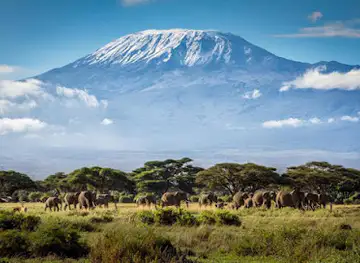
Mt Kilimanjaro
Experience the breathtaking beauty and adventure of Mt. Kilimanjaro, Africa's highest peak, where nature and culture intertwine.

Tsavo West National Park
Discover the breathtaking landscapes and diverse wildlife of Tsavo West National Park, an essential stop for tourists exploring the beauty of Kenya.

Best landmarks in Kilimanjaro Region
Top-rated picks
Best Landmarks

Giraffe Centre
Explore the Giraffe Centre in Nairobi, a unique nature preserve dedicated to conservation and close encounters with the endangered Rothschild's giraffe.

Nairobi National Park
Experience the wild side of Nairobi at Nairobi National Park, where urban life meets extraordinary wildlife encounters in a stunning natural backdrop.

Fort Jesus Museum
Discover the rich history of Kenya at Fort Jesus Museum, a UNESCO World Heritage site offering stunning views and compelling exhibits.

Kilimanjaro Jamia, Kimathi Street
Indulge in a rich array of halal dishes at Kilimanjaro Jamia, a Nairobi gem famed for its generous portions and vibrant atmosphere.

Best restaurants in Kilimanjaro Region
Top-rated picks
Best Restaurants

Kilimanjaro Jamia, Kimathi Street
Experience the flavors of Kenya at Kilimanjaro Jamia, Nairobi's premier Halal breakfast destination offering authentic dishes in a vibrant setting.

Talisman Restaurant
Discover the exquisite flavors of international cuisine at Talisman Restaurant in Nairobi's charming Karen suburb.

The Arabian Cuisine
Discover authentic Middle Eastern flavors at The Arabian Cuisine - a culinary gem in Nairobi offering exquisite dishes that delight every palate.

Kilimanjaro Jamia Restaurant - Banda Street
Experience authentic East African cuisine at Kilimanjaro Jamia Restaurant - a Halal dining gem in Nairobi.

Best bars in Kilimanjaro Region
Top-rated picks
Best Bars

Kilimanjaro Jamia, Kimathi Street
Discover the authentic tastes of Kenya at Kilimanjaro Jamia, a halal restaurant offering delicious breakfast and local dishes in the heart of Nairobi.

Blacky'z Lounge
Discover the lively spirit of Nairobi at Blacky'z Lounge, where local flavors and vibrant nightlife come together for an unforgettable experience.

Moonshine Beach Bar
Discover the tropical paradise of Moonshine Beach Bar in Mombasa, where stunning ocean views meet vibrant nightlife and delectable cuisine.

Kifaru Place - Club, Bar & Grill
Experience the best of Nairobi's grill culture at Kifaru Place, where delicious food meets a vibrant atmosphere.

Best nightclubs in Kilimanjaro Region
Top-rated picks
Best Nightclubs

K1 Klub House
Experience the vibrant nightlife at K1 Klub House in Nairobi, where entertainment, dining, and unique local culture come together.

Onyx Lounge & Restaurant
Discover Nairobi's nightlife at Onyx Lounge & Restaurant, where exquisite dining meets vibrant entertainment in a chic atmosphere.

B-CLUB Nairobi
Experience the vibrant nightlife of Nairobi at B-CLUB, where luxury meets excitement in an upscale lounge atmosphere.

The Tunnel
Discover the vibrant nightlife of Nairobi at The Tunnel, where great food meets electrifying entertainment in a unique setting.

Best shops in Kilimanjaro Region
Top-rated picks
Best Shops

TRM - Thika Road Mall
Explore TRM - Thika Road Mall, a premier shopping destination in Nairobi, offering diverse stores, dining options, and vibrant entertainment for all!

Akamba Handicraft Industry, Co - Operative Society
Discover the vibrant artistry and cultural heritage of Kenya at Akamba Handicraft Industry, where local artisans showcase their unique handmade creations.

Langata Link Shops
Uncover unique gifts and local crafts at Langata Link Shops, your go-to destination for authentic Kenyan souvenirs in Nairobi.

Blue Zebra Art | Tanzanite | Gift Shop
Explore Blue Zebra Art for unique jewelry and souvenirs that capture the vibrant spirit of Tanzania, showcasing local craftsmanship and artistry.

Explore Kilimanjaro Region on the Map
A handpicked selection of must-see spots in Kilimanjaro Region, mapped for you.
Kilimanjaro Region Essentials
-
Kilimanjaro Region is located in northern Tanzania, not Kenya. The closest major airport is Kilimanjaro International Airport (JRO), which is about 50 kilometers from Moshi, the main town in the region. From the airport, you can take a taxi or arrange for a shuttle service to your accommodation. Alternatively, buses and private car hires are available from major cities like Arusha and Nairobi, Kenya. Train services are limited and not recommended for international travelers.
-
Within the Kilimanjaro Region, public transportation includes buses, minibuses (dala-dalas), and taxis. Dala-dalas are the most common mode of transport and are very affordable but can be crowded. Taxis are more comfortable and can be hired for short trips or full-day excursions. For more flexibility, renting a car is an option, but be aware that driving conditions can be challenging. Bicycles are also a popular way to explore the region, especially for those interested in eco-friendly travel.
-
The official currency in Tanzania is the Tanzanian Shilling (TZS). Credit and debit cards are accepted in larger hotels, restaurants, and shops, but it's advisable to carry cash for transactions in smaller establishments and rural areas. ATMs are available in Moshi and other larger towns, but they may not always be reliable, so plan accordingly. Currency exchange services are also available at the airport and in major towns.
-
The Kilimanjaro Region is generally safe for tourists, but it's important to take standard precautions. Avoid walking alone at night and be cautious in crowded areas where pickpocketing can occur. Some areas in Moshi, particularly near bus stations, can be hotspots for petty crime. Always use reputable tour operators and guides, especially when planning to trek Mount Kilimanjaro. Keep your valuables secure and be aware of your surroundings at all times.
-
In case of an emergency, dial 112 for immediate assistance. Medical facilities in Moshi include KCMC Hospital and Mawenzi Regional Hospital, both of which offer emergency services. It is highly recommended to have travel insurance that covers medical emergencies. Pharmacies are available in larger towns for minor health issues. For mountain-related emergencies, specialized rescue services are available, but they can be costly, so insurance is crucial.
-
Fashion: Do dress modestly, especially in rural areas and when visiting religious or cultural sites. Avoid wearing revealing clothing. Religion: Do respect local customs and traditions. Always ask for permission before taking photographs in places of worship. Public Transport: Do be respectful and considerate of others. Don't eat or drink in public transport. Greetings: Do greet people with a handshake and use the right hand for giving and receiving items. Eating & Drinking: Do try local dishes and accept food offerings graciously. Don't refuse hospitality, as it may be considered impolite.
-
To experience the Kilimanjaro Region like a local, visit local markets where you can buy fresh produce and traditional Tanzanian crafts. Engage with locals, as they are often friendly and willing to share stories about their culture and traditions. Don't miss visiting local coffee farms to understand the coffee-making process. For a unique experience, attend a traditional Chagga dance performance or participate in a local cooking class to learn about Tanzanian cuisine.
When is the best time to visit Kilimanjaro Region?
Useful Local Phrases for Kilimanjaro Region
You don't need to speak the language perfectly. Even learning a few simple words can make conversations warmer—and locals usually appreciate the effort.
— Eve

Here are the phrases I use most often in Kilimanjaro Region. Try a few—you'll be surprised how far they go! 😊
❤️
-
- HelloHabari
[ha-ba-ri] - GoodbyeKwaheri
[kwa-he-ri] - YesNdiyo
[n-di-yo] - NoHapana
[ha-pa-na] - Please/You're welcomeTafadhali/ Karibu
[ta-fa-dha-li / ka-ri-bu] - Thank youAsante
[a-san-te] - Excuse me/SorrySamahani
[sa-ma-ha-ni] - How are you?Habari gani?
[ha-ba-ri ga-ni] - Fine. And you?Nzuri. Na wewe?
[n-zu-ri. na we-we] - Do you speak English?Unazungumza Kiingereza?
[u-na-zun-gum-za ki-in-ge-re-za] - I don't understandSielewi
[si-e-le-wi]
- HelloHabari
-
- I'd like to see the menu, pleaseNingependa kuona menyu, tafadhali
[nin-ge-pen-da ku-o-na men-yu, ta-fa-dha-li] - I don't eat meatSili nyama
[si-li n-ya-ma] - Cheers!Afya!
[a-fya] - I would like to pay, pleaseNingependa kulipa, tafadhali
[nin-ge-pen-da ku-li-pa, ta-fa-dha-li]
- I'd like to see the menu, pleaseNingependa kuona menyu, tafadhali
-
- Help!Msaada!
[m-sa-a-da] - Go away!Ondoka!
[on-do-ka] - Call the Police!Piga simu Polisi!
[pi-ga si-mu po-li-si] - Call a doctor!Piga simu daktari!
[pi-ga si-mu dak-ta-ri] - I'm lostNimepotea
[ni-me-po-te-a] - I'm illNina ugonjwa
[ni-na u-gon-jwa]
- Help!Msaada!
-
- I'd like to buy...Ningependa kununua...
[nin-ge-pen-da ku-nu-nu-a] - I'm just lookingNatazama tu
[na-ta-za-ma tu] - How much is it?Ni kiasi gani?
[ni ki-a-si ga-ni] - That's too expensiveHiyo ni ghali sana
[hi-yo ni gha-li sa-na] - Can you lower the price?Unaweza kupunguza bei?
[u-na-we-za ku-pun-gu-za bei]
- I'd like to buy...Ningependa kununua...
-
- What time is it?Ni saa ngapi?
[ni sa-a n-ga-pi] - It's one o'clockNi saa moja
[ni sa-a mo-ja] - Half past (10)Nusu ya (kumi)
[nu-su ya (ku-mi)] - MorningAsubuhi
[a-su-bu-hi] - AfternoonMchana
[m-cha-na] - EveningJioni
[ji-o-ni] - YesterdayJana
[ja-na] - TodayLeo
[le-o] - TomorrowKesho
[ke-sho] - 1Moja
[mo-ja] - 2Mbili
[m-bi-li] - 3Tatu
[ta-tu] - 4Nne
[n-ne] - 5Tano
[ta-no] - 6Sita
[si-ta] - 7Saba
[sa-ba] - 8Nane
[na-ne] - 9Tisa
[ti-sa] - 10Kumi
[ku-mi]
- What time is it?Ni saa ngapi?
-
- Where's a/the...?Iko wapi...?
[i-ko wa-pi] - What's the address?Nini anwani?
[ni-ni an-wa-ni] - Can you show me (on the map)?Unaweza kunionesha (katika ramani)?
[u-na-we-za ku-ni-o-nes-ha (ka-ti-ka ra-ma-ni)] - When's the next (bus)?Basi inayofuata ni lini?
[ba-si i-na-yo-fu-a-ta ni li-ni] - A ticket (to ....)Tiketi (kwenda ....)
[ti-ke-ti (kwen-da)]
- Where's a/the...?Iko wapi...?
History of Kilimanjaro Region
-
The Kilimanjaro Region, though more commonly associated with Tanzania, has historical ties extending into Kenya. Archaeological evidence suggests early human settlements in the area dating back to the Stone Age. These early inhabitants left behind tools and artifacts that offer a glimpse into their way of life, including hunting and foraging.
-
The Chagga people, who primarily reside on the slopes of Mount Kilimanjaro, have a rich cultural heritage. Known for their advanced agricultural techniques, they cultivated the fertile volcanic soil to grow bananas, coffee, and other crops. The Chagga are also known for their intricate social structures and vibrant traditional ceremonies.
-
During the late 19th and early 20th centuries, the Kilimanjaro Region came under German and later British colonial rule. This period saw significant changes, including the introduction of new agricultural practices, infrastructure development, and the spread of Christianity. The colonial influence can still be seen in some architectural styles and local customs.
-
Mount Kilimanjaro, the highest peak in Africa, straddles the border between Tanzania and Kenya. Over the years, it has become a focal point for conservation efforts due to its unique ecosystems and biodiversity. Efforts have been made to preserve the natural habitat and promote sustainable tourism to protect this iconic landmark.
-
The Kilimanjaro Region played a role in the broader East African independence movements of the mid-20th century. Activists and leaders from the region contributed to the push for self-governance and the eventual independence of Kenya from British colonial rule in 1963. This period was marked by significant political and social changes.
-
Today, the Kilimanjaro Region in Kenya is a blend of traditional and modern influences. It remains an important cultural and economic hub, with tourism playing a significant role due to the proximity to Mount Kilimanjaro. The region continues to celebrate its rich heritage through festivals, arts, and community events.
Neighbouring Regions of Kilimanjaro Region
The closest regions to Kilimanjaro Region, if you have time for more than one.




Your all‑in‑one travel companion app
Explore expert travel guides, compare and book tours, experiences, hotels, and more—all from the palm of your hand. Download now for seamless trip planning wherever your wanderlust takes you.


Explore More of Kenya
Looking beyond Kilimanjaro Region? Discover Kenya for broader travel guides, local hot-spots, and regional highlights.
Explore KenyaKilimanjaro Region in Photos
Browse through our photo collection highlighting the charm and character of the destination.


Majestic Kilimanjaro Region: Kenya's Hidden Gem
The Kilimanjaro Region in Kenya is a breathtaking area that offers a unique blend of natural beauty, rich culture, and thrilling adventures. Nestled close to the border of Tanzania, it provides visitors with stunning views of Mount Kilimanjaro, the highest peak in Africa. This region is a paradise for anyone who loves nature, as it is home to an array of wildlife, lush forests, and vibrant flora. Whether you're looking to embark on a challenging trek, explore local villages, or simply relax in the serene environment, the Kilimanjaro Region has something for everyone. The area is also known for its cultural heritage, with opportunities to learn about the traditions and lifestyles of the local Chagga people. Furthermore, the region's climate is conducive to year-round travel, making it an ideal destination for both seasoned adventurers and casual tourists. From the thrill of climbing the great mountain to the tranquility of its surrounding landscapes, the Kilimanjaro Region in Kenya promises an unforgettable experience.