

Free Tsavo Region Travel Guide & Mobile App
Explore Tsavo Region with free travel guides. Discover regional history, expert tips, proposed trips, and audio guides on web or mobile app.


Explore Kenya’s Tsavo Region for expansive safari landscapes, volcanic springs, historic railway routes and wildlife between Nairobi and the coast.
Read more about Tsavo Region
When is the best time to visit Tsavo Region?
Best: June–August · 28°C| Month | High (°C) | Rainfall (mm) |
|---|---|---|
| January | 30 | 10 |
| February | 31 | 20 |
| March | 31 | 30 |
| April | 30 | 40 |
| May | 29 | 50 |
| June (best) | 28 | 20 |
| July (best) | 28 | 10 |
| August (best) | 28 | 10 |
| September | 29 | 20 |
| October | 29 | 30 |
| November | 30 | 40 |
| December | 29 | 30 |
Getting to and around Tsavo Region
How to get there
Transportation
Destinations in Tsavo Region
Resorts, valleys and scenic spots worth a trip of their own.
-

-

-


Swipe for more destinations
Best attractions in Tsavo Region
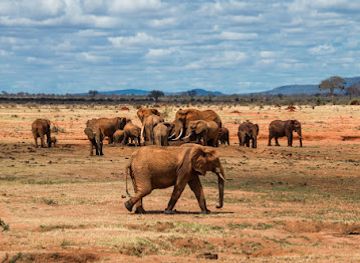
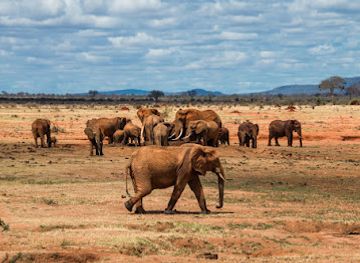
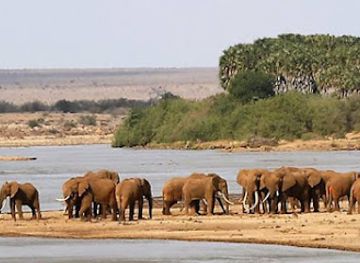
Tsavo’s principal attraction is its scale: game drives cross broad plains, bush country, river channels and volcanic terrain rather than following a tightly prescribed sightseeing circuit. Tsavo East offers extensive wildlife-viewing landscapes around the Galana River, Aruba Dam, Mudanda Rock and the seasonal waterways leading towards Lugard Falls. Tsavo West provides a more varied terrain, with Mzima Springs, lava fields, rocky viewpoints and the conservation landscape around Ngulia. Elephants, buffalo, giraffes, zebras, lions and numerous antelope species are among the animals visitors may encounter, while birdlife is particularly rewarding near water and woodland edges. The parks also offer geological interest, including the Shetani Lava Flow and Chaimu Crater, and opportunities to learn about rhinoceros protection. Outside the protected areas, the railway corridor, Voi and Taveta add human and transport history to a safari itinerary. Activities are primarily vehicle-based, although selected camps and guides may provide authorised walks or other guided experiences where conditions and park regulations permit.
-
Tourist attraction
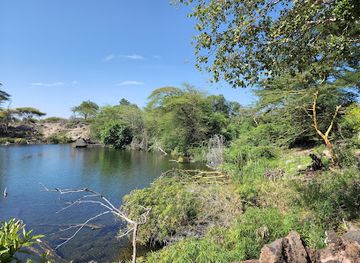
Mzima Springs
Discover the enchanting Mzima Springs, a serene oasis in Tsavo West National Park, teeming with wildlife and breathtaking beauty.
-
Tourist attraction
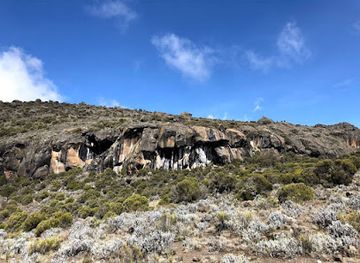
Uhuru Peak
Explore the breathtaking heights of Uhuru Peak, the ultimate adventure destination on Mount Kilimanjaro, where stunning views and unforgettable experiences await.
-
 Campground
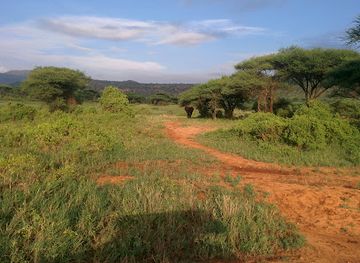
Amboseli Bush Camp
Discover the natural beauty and wildlife of Amboseli Bush Camp, nestled in the shadows of Mount Kilimanjaro, perfect for adventure seekers and nature lovers.
-
Tourist attraction
Rhino Sanctuary
Explore the Rhino Sanctuary in Chala, Kenya, a vital conservation effort dedicated to protecting endangered rhinos amidst breathtaking landscapes.
Best landmarks in Tsavo Region
The Tsavo landscape is marked by physical features that make the region recognisable beyond its wildlife. In Tsavo East, the Galana River cuts through dry country towards Lugard Falls, where water has sculpted pale, eroded rock formations and channels. Mudanda Rock rises above the surrounding landscape and is valued both as a viewpoint and as a natural water catchment where animals may gather below. The vast Yatta Plateau forms a striking geological feature along the park’s eastern side, representing one of the world’s longest lava flows. In Tsavo West, Mzima Springs is a clear-water oasis fed by underground flows from the volcanic Chyulu Hills, while the Shetani Lava Flow and Chaimu Crater reveal the area’s volcanic foundations. The railway corridor through the ecosystem is also a landmark of modern history, linking the wildlife landscape with the late nineteenth-century construction of the line between the coast and Kenya’s interior.
-
National park
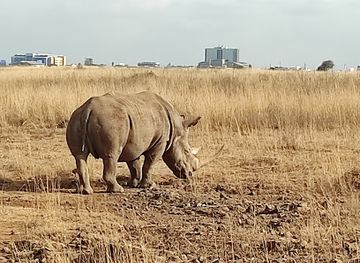
Nairobi National Park
Discover Nairobi National Park, a unique urban wildlife sanctuary that showcases breathtaking landscapes and diverse animal species just outside Nairobi's city limits.
-
National park
Tsavo East National Park
Explore the breathtaking landscapes and diverse wildlife of Tsavo East National Park, a must-visit destination for nature lovers in Kenya.
-
National park
Mount Kenya National Park
Explore the breathtaking landscapes and diverse wildlife of Mount Kenya National Park, a UNESCO World Heritage site and a hiker's paradise.
-
National park
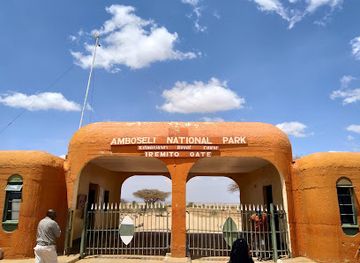
Amboseli National Park
Explore the majestic Amboseli National Park, where stunning wildlife encounters and breathtaking views of Kilimanjaro await.

Explore Tsavo Region on the map
Plan your trip on one map. See where the top cities, national parks and sights are, and book hotels and experiences in a few clicks.
Best hotels in Tsavo Region
Best restaurants in Tsavo Region
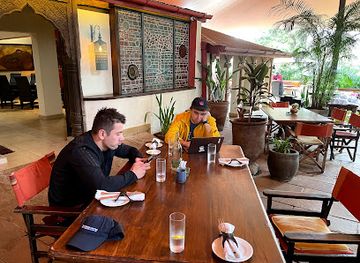
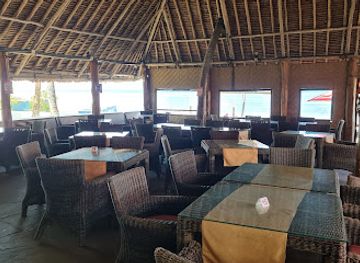
Dining in the Tsavo Region is closely tied to safari accommodation, where meals are usually planned around game-drive schedules and may combine Kenyan ingredients with broadly international camp cooking. In Voi, Mtito Andei and Taveta, visitors will find more informal eateries serving familiar Kenyan staples such as nyama choma, grilled meat, ugali, rice, chapati, beans and vegetable dishes. Tea and simple café food are useful during road journeys, while fresh produce reflects supply from the coast, highlands and nearby farming areas rather than a single Tsavo cuisine. Accommodation kitchens may prepare fish, chicken, beef and vegetarian meals, with packed breakfasts or lunches arranged for long drives. Markets and roadside stalls can offer fruit and snacks, but food hygiene and refrigeration vary, so choose carefully. Kenyan coffee, chai and locally available soft drinks are common, while visitors should carry supplies for remote crossings rather than expect restaurants inside the parks.
-
Restaurant
Talisman Restaurant
Discover Nairobi's culinary gem at Talisman Restaurant – where local flavors meet international flair in a stunning garden setting.
-
Restaurant
Yul's Restaurant
Experience culinary excellence at Yul's Restaurant in Mombasa - where local flavors meet international cuisine in an inviting atmosphere.
-
Restaurant
About Thyme Restaurant
Discover the essence of Nairobi's culinary scene at About Thyme Restaurant, where exquisite flavors meet charming ambiance.
-
Restaurant
INTI - A Nikkei Experience
Discover INTI - A Nikkei Experience in Nairobi: where Japanese precision meets Peruvian zest against breathtaking city views.

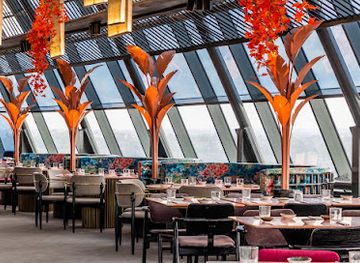
Best bars in Tsavo Region
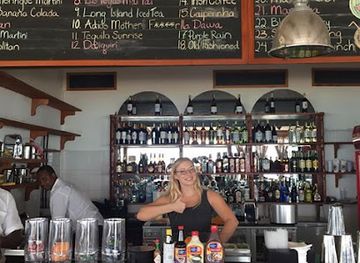
Nightlife in the Tsavo Region is subdued and generally centred on safari lodges, tented camps, hotels and small-town social venues rather than nightclubs. After dark, the main rhythm is dinner, conversation and an early start for the next game drive; some camps offer a bar where guests can order Kenyan beer, wine, spirits, soft drinks or tea. Voi has the broadest choice of ordinary hotel bars and local evening venues, while Taveta and Mtito Andei have a more limited, informal scene. In remote camps, outdoor fires, quiet stargazing and ranger-led discussions may be more characteristic than music or late opening. Visitors should avoid walking away from accommodation after dark unless accompanied by authorised staff, since wildlife can move through camp surroundings. Alcohol is not necessary to enjoy the region, and responsible consumption is especially important before early drives or when staying far from medical services.
-
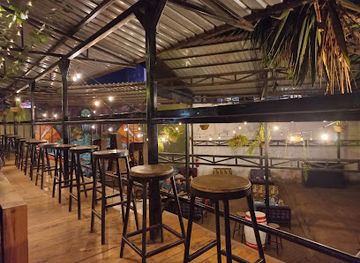
Bar
The Alchemist
Experience the vibrant nightlife and culinary delights at The Alchemist, Nairobi's premier bar and cultural hub.
-
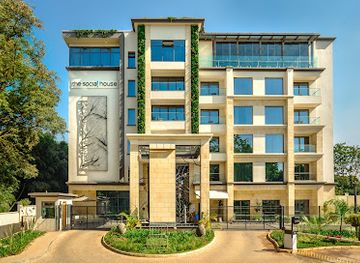
Restaurant
The Social House Nairobi
Discover the vibrant atmosphere and culinary delights at The Social House Nairobi, where local flavors meet modern dining in a stylish setting.
-
Lounge
Moonshine Beach Bar
Experience the vibrant atmosphere of Moonshine Beach Bar in Mombasa, where delicious food meets breathtaking ocean views for the perfect getaway.
-
Restaurant
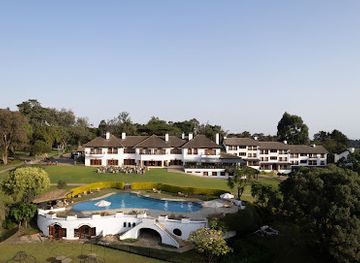
Fairmont Mount Kenya Safari Club
Experience the elegance and culinary delights at Fairmont Mount Kenya Safari Club, where luxury meets nature's beauty in the heart of Kenya.
Best nightclubs in Tsavo Region
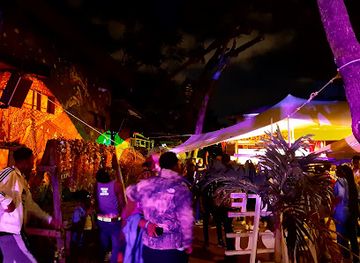
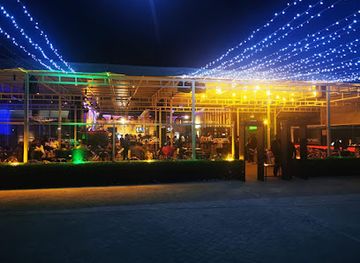
Nightlife in the Tsavo Region is subdued and generally centred on safari lodges, tented camps, hotels and small-town social venues rather than nightclubs. After dark, the main rhythm is dinner, conversation and an early start for the next game drive; some camps offer a bar where guests can order Kenyan beer, wine, spirits, soft drinks or tea. Voi has the broadest choice of ordinary hotel bars and local evening venues, while Taveta and Mtito Andei have a more limited, informal scene. In remote camps, outdoor fires, quiet stargazing and ranger-led discussions may be more characteristic than music or late opening. Visitors should avoid walking away from accommodation after dark unless accompanied by authorised staff, since wildlife can move through camp surroundings. Alcohol is not necessary to enjoy the region, and responsible consumption is especially important before early drives or when staying far from medical services.
-
Night club
K1 Klub House
Experience the pulse of Nairobi's nightlife at K1 Klub House, a vibrant night club with food, drinks, and entertainment for everyone.
-
Lounge
Onyx Lounge & Restaurant
Discover the ultimate nightlife experience at Onyx Lounge & Restaurant in Nairobi, where exquisite cuisine meets vibrant entertainment.
-
Night club
The Tunnel
Discover an electrifying nightlife experience at The Tunnel, Nairobi's premier night club and grill, where music, food, and fun come together.
-
Disco club
Shakatak Disco
Discover the vibrant nightlife at Shakatak Disco, a premier disco club in Diani Beach offering an unforgettable fusion of music, dancing, and local culture.


Best shops in Tsavo Region
Shopping in the Tsavo Region is practical and locally focused rather than built around large retail centres. Voi provides the most useful town stop for basic supplies, travel necessities and small Kenyan craft purchases, while Taveta and Mtito Andei offer markets and everyday shops suited to local needs. Visitors may find carved wooden objects, woven items, beadwork, baskets, fabrics and small artworks, although quality and provenance vary; buy respectfully and avoid products made from protected wildlife materials. Roadside stalls and town markets can be good places to purchase fruit, snacks and locally produced goods, but bargaining should remain courteous and realistic. Safari lodges often sell crafts, books, clothing and conservation-themed souvenirs, with some supporting community initiatives. Kenya-branded coffee, tea, spices and handmade textiles are easier to source in larger towns or on the Nairobi–Mombasa travel corridor than in remote park areas.
-
Shopping mall
TRM - Thika Road Mall
TRM - Thika Road Mall in Nairobi offers a unique blend of shopping, dining, and entertainment for a memorable experience.
-
National park
Tsavo East National Park
Explore the majestic landscapes and diverse wildlife of Tsavo East National Park, a true gem in Kenya's natural heritage.
-
National park
Tsavo West National Park
Explore the wild wonders of Tsavo West National Park, a breathtaking national park in Kenya known for its diverse wildlife and stunning landscapes.
-
Shopping mall
Koone Shopping Mall
Explore a vibrant shopping haven at Koone Shopping Mall, Nairobi, with diverse shops, delightful dining, and family-friendly entertainment options.

Get your free copy of our complete guide to Tsavo Region, delivered straight to you.
Everything on this page, from attractions and restaurants to essentials and local phrases, in one PDF you can read offline, print or share.
Already have an account? Sign in
Your Tsavo Region guide is ready.
We'll send it to · Not you? Sign out

Getting your guide ready…
We are putting together a fresh copy of the Tsavo Region guide. This can take up to a minute.
This can take a few moments. If your browser asks, choose Allow so the download can start. You'll find the guide in your Downloads folder.
Nothing happened? Download it again
Sorry, the guide is taking longer than usual. Please try again in a minute, or get it by email instead.
Tsavo Region essentials
Currency and Payment
Safety
Emergency Situations
Do's and Don'ts
Local Tips
From Eve
Local phrases worth knowing
You don't need to get them perfect. A few words go a long way, and locals appreciate the effort.
Basics
| English | Local | Say it |
|---|---|---|
| Hello | Sasa | [sah-sah] |
| Goodbye | Kwaheri | [kwah-heh-ree] |
| Yes | Ndiyo | [n-dee-yoh] |
| No | Hapana | [hah-pah-nah] |
| Please/You're welcome | Tafadhali | [tah-fah-dah-lee] |
| Thank you | Asante | [ah-sahn-teh] |
| Excuse me/Sorry | Pole | [poh-leh] |
| How are you? | Habari gani? | [hah-bah-ree gah-nee] |
| Fine. And you? | Nzuri. Na wewe? | [n-zoo-ree nah weh-weh] |
| Do you speak English? | Je, unazungumza Kiingereza? | [jeh oo-nah-zoon-gum-zah kee-in-ge-reh-zah] |
| I don't understand | Sielewi | [see-eh-leh-wee] |
Eating & Drinking
| English | Local | Say it |
|---|---|---|
| I'd like to see the menu, please | Ningependa kuona menyu, tafadhali | [neen-geh-pen-dah koo-nah meh-nyoo tah-fah-dah-lee] |
| I don't eat meat | Sikuli nyama | [see-koo-lee nyah-mah] |
| Cheers! | Afya! | [ah-fyah] |
| I would like to pay, please | Ningependa kulipa, tafadhali | [neen-geh-pen-dah koo-lee-pah tah-fah-dah-lee] |
Emergencies
| English | Local | Say it |
|---|---|---|
| Help! | Msaada! | [m-sah-dah] |
| Go away! | Nenda mbali! | [nen-dah m-bah-lee] |
| Call the Police! | Piga simu polisi! | [pee-gah see-moo poh-lee-see] |
| Call a doctor! | Piga simu daktari! | [pee-gah see-moo dahk-tah-ree] |
| I'm lost | Nimepotea | [nee-meh-poh-teh-ah] |
| I'm ill | Nina ugonjwa | [nee-nah oo-gohn-jwah] |
Shopping
| English | Local | Say it |
|---|---|---|
| I'd like to buy... | Ningependa kununua... | [neen-geh-pen-dah koo-noo-noo-ah] |
| I'm just looking | Natazama tu | [nah-tah-zah-mah too] |
| How much is it? | Ni pesa ngapi? | [nee peh-sah ngah-pee] |
| That's too expensive | Hiyo ni ghali sana | [hee-yoh nee gah-lee sah-nah] |
| Can you lower the price? | Unaweza kupunguza bei? | [oo-nah-weh-zah koo-poon-goo-zah beh-ee] |
Time & Numbers
| English | Local | Say it |
|---|---|---|
| What time is it? | Ni saa ngapi? | [nee sah ngah-pee] |
| It's one o'clock | Ni saa moja | [nee sah moh-jah] |
| Half past (10) | Nusu ya saa kumi | [noo-soo yah sah koo-mee] |
| Morning | Asubuhi | [ah-soo-boo-hee] |
| Afternoon | Mchana | [m-chah-nah] |
| Evening | Jioni | [jee-oh-nee] |
| Yesterday | Jana | [jah-nah] |
| Today | Leo | [leh-oh] |
| Tomorrow | Kesho | [keh-shoh] |
| 1 | Moja | [moh-jah] |
| 2 | Mbili | [m-bee-lee] |
| 3 | Tatu | [tah-too] |
| 4 | Nne | [n-neh] |
| 5 | Tano | [tah-noh] |
| 6 | Sita | [see-tah] |
| 7 | Saba | [sah-bah] |
| 8 | Nane | [nah-neh] |
| 9 | Tisa | [tee-sah] |
| 10 | Kumi | [koo-mee] |
Transport & Directions
| English | Local | Say it |
|---|---|---|
| Where's a/the...? | Iko wapi...? | [ee-koh wah-pee] |
| What's the address? | Nini anwani? | [nee-nee ahn-wah-nee] |
| Can you show me (on the map)? | Unaweza kunionesha (katika ramani)? | [oo-nah-weh-zah koo-nee-oh-neh-shah kah-tee-kah rah-mah-nee] |
| When's the next (bus)? | Basi ijayo ni lini? | [bah-see ee-jah-yoh nee lee-nee] |
| A ticket (to ....) | Tiketi (ya ....) | [tee-keh-tee yah] |
History of Tsavo Region
Longstanding Communities and Regional Trade
The lands around Tsavo have never been empty wilderness. Taita communities have long been associated with the hills and settlements west of the parks, while Kamba communities and other neighbouring peoples have used routes, grazing areas and trading connections across the wider drylands. The region also lies between the Kenyan coast and the interior, linking environments with different resources and economies. These histories pre-date the national parks and remain important to understanding present-day conservation, land use and cultural identity. Visitors encounter a landscape shaped by both wildlife ecology and human movement.
The Uganda Railway and the Tsavo Railway Incidents, 1896–1901
Construction of the railway from the coast towards the interior brought a major imperial infrastructure project through Tsavo in the late nineteenth century. During the work, two maneless male lions killed a number of railway workers in 1898, an episode later popularised in books, museums and films. The incidents became part of Tsavo’s international image, although they form only one episode in the region’s much wider history. Completion of the railway altered movement across south-eastern Kenya, strengthened connections between the coast and the interior and helped establish routes later used by travellers and conservation services.
Colonial Game Protection and the Creation of Tsavo National Park, 1948
Tsavo National Park was gazetted in 1948, during the final years of British colonial rule in Kenya. Its creation reflected an international and colonial shift towards formal wildlife protection, but it also changed how land and natural resources were regulated for communities living around the area. The park was initially conceived as a huge protected landscape, difficult to patrol and crossed by major transport routes. Its establishment laid the institutional foundation for the safari economy and conservation system that dominate the region today, while also creating continuing debates about access, livelihoods and responsibility.
The Division into Tsavo East and Tsavo West
In 1949, the original park was divided administratively into Tsavo East and Tsavo West, separated by the railway and road corridor crossing south-eastern Kenya. The two parks remain ecologically connected in the wider Tsavo ecosystem but offer contrasting visitor experiences. Tsavo East is generally associated with expansive plains, red soils and the Galana river system, while Tsavo West has more volcanic rock, hills, springs and dense vegetation. The division helped structure management and tourism, and it explains why modern itineraries usually treat the two parks as distinct destinations.
Wildlife Protection and the Poaching Crisis
During the late twentieth century, Tsavo’s elephants and rhinoceroses suffered severe losses from commercial poaching, as did wildlife in many parts of Africa. The crisis exposed the difficulty of protecting an enormous ecosystem crossed by roads and railways and bordered by growing settlements. Kenya’s later strengthening of wildlife law, anti-poaching operations and conservation institutions contributed to improved protection, although pressures have not disappeared. The history remains visible in the region’s emphasis on ranger work, ecological monitoring and the protection of elephant and rhinoceros habitats.
Contemporary Community Conservation
Modern conservation in the Tsavo landscape increasingly recognises that protected areas depend on relationships with neighbouring communities. Tourism employment, conservancies, habitat restoration, wildlife corridors and measures to reduce conflict between people and animals all form part of this evolving approach. The exact arrangements differ around the parks, but the central issue is shared: elephants and other animals move beyond park boundaries, while communities depend on land, water and agriculture. Tsavo’s current story is therefore not only about national parks, but also about negotiating a workable future between wildlife protection and local livelihoods.
Tsavo Region in Photos
Browse through our photo collection highlighting the charm and character of the destination.
Neighbouring regions of Tsavo Region
The closest regions to Tsavo Region, if you have time for more than one.
-

-

-

-

-


Swipe for more regions
Explore more
Explore more of Kenya
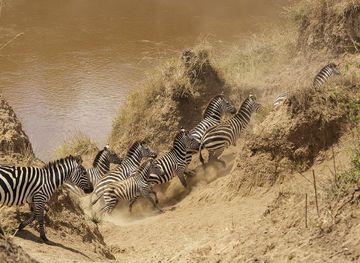
Discover Kenya: A land of breathtaking safaris, rich cultural heritage, and stunning coastlines that promise adventure and relaxation all in one.
Explore Kenya