

Free Chyulu Hills Travel Guide & Mobile App
Explore Chyulu Hills with free travel guides. Discover regional history, expert tips, proposed trips, and audio guides on web or mobile app.


Chyulu Hills travel combines volcanic landscapes, guided walks, wildlife, caves and Maasai-led conservation between Amboseli and Tsavo.
Read more about Chyulu Hills
When is the best time to visit Chyulu Hills?
Best: January–February, July · 26–27°C| Month | High (°C) | Rainfall (mm) |
|---|---|---|
| January (best) | 26 | 50 |
| February (best) | 27 | 50 |
| March | 27 | 70 |
| April | 28 | 100 |
| May | 27 | 100 |
| June | 27 | 70 |
| July (best) | 26 | 50 |
| August | 27 | 50 |
| September | 27 | 70 |
| October | 28 | 100 |
| November | 27 | 100 |
| December | 27 | 70 |
Getting to and around Chyulu Hills
How to get there
Transportation
Destinations in Chyulu Hills
Resorts, valleys and scenic spots worth a trip of their own.

Swipe for more destinations
Best attractions in Chyulu Hills
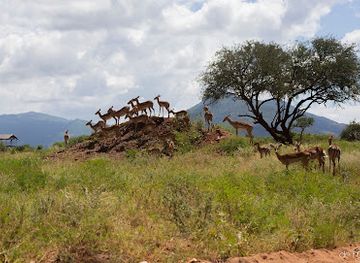
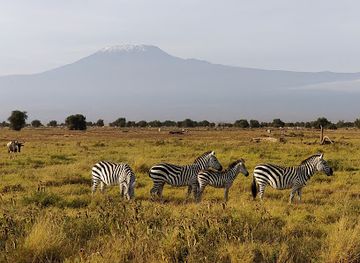
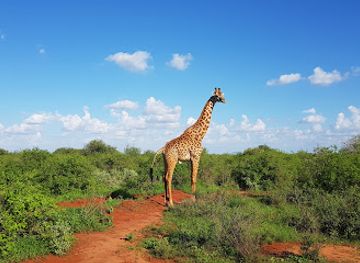
Chyulu Hills attractions centre on landscape and guided activity rather than dense clusters of museums or monuments. Chyulu Hills National Park offers game drives through volcanic country, with opportunities to see elephant, buffalo, giraffe, zebra, eland and many smaller species. Wildlife sightings are naturally seasonal and less predictable than the scenery, so the park is best combined with other experiences. Guided walks reveal the relationship between upland vegetation, water catchments and dryland ecology, while birdwatching is rewarding across forest edges, grassland and bush. Lava tubes and caves, especially Leviathan Cave, provide the region's most distinctive geological excursion, but require local guidance and appropriate equipment. In surrounding private and community conservancies, visitors may find walking, horse-riding, cultural interpretation and conservation activities not offered in the same form within the national park. Viewpoints across the ridges can look towards Kilimanjaro, Amboseli and Tsavo when visibility allows. Accommodation itself is often part of the attraction, with remote camps and lodges designed around low-density access to an expansive volcanic wilderness.
-
Tourist attraction
Ngong Road Forest Sanctuary
Explore the lush landscapes and tranquil atmosphere of Ngong Road Forest Sanctuary, a perfect escape for nature lovers and outdoor enthusiasts.
-
Tourist attraction
Chyulu Hills National Park
Explore the breathtaking landscapes and vibrant wildlife of Chyulu Hills National Park, a serene escape into Kenya's natural beauty.
-
Tourist attraction
Mzima Springs
Discover the serene beauty of Mzima Springs, an oasis of crystal-clear waters and diverse wildlife within Tsavo West National Park.
-
Mountain peak
Ol Donyo Sabuk
Discover the breathtaking beauty of Ol Donyo Sabuk, a majestic mountain peak in Kenya offering stunning views and rich biodiversity.
Best landmarks in Chyulu Hills
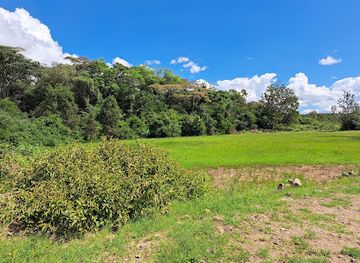
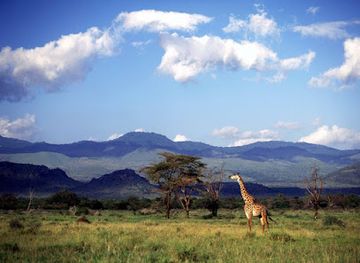
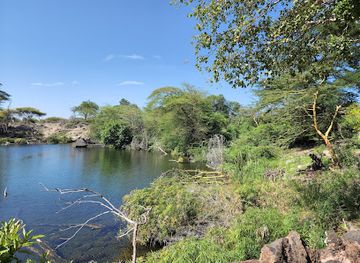
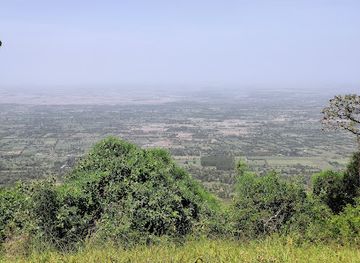
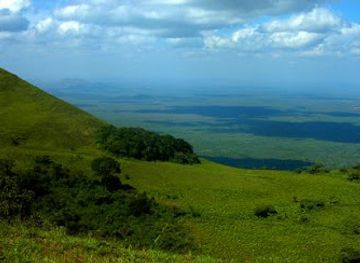
The most recognisable landmarks of the Chyulu Hills are geological and topographical. Volcanic cones and long ridgelines define the horizon, their dark soils and vegetation contrasting with the pale, open plains around the range. Leviathan Cave is the best-known underground feature, a lava-tube system formed when the outer surface of a lava flow cooled while molten material continued to move beneath it; exploration should be undertaken only with qualified local guidance. The high forested ridges are important water-catchment terrain, and their springs help explain the hills' significance in a dry regional environment. Viewpoints along the uplands can provide broad prospects towards Mount Kilimanjaro, Amboseli and the Tsavo country, although atmospheric conditions frequently limit visibility. Within the protected landscape, the park's volcanic tracks, ash slopes and isolated hills are themselves the principal visual landmarks rather than a collection of monumental buildings. The contrast between the elevated green ridges and the surrounding semi-arid plains gives Chyulu Hills its strongest geographical identity.
-
National park
Tsavo East National Park
Discover the breathtaking landscapes and rich wildlife of Tsavo East National Park, a premier destination for adventure and nature lovers in Kenya.
-
National park
Amboseli National Park
Experience the breathtaking wildlife and stunning landscapes of Amboseli National Park, a must-visit destination for nature lovers and adventure seekers in Kenya.
-
National park
Tsavo West National Park
Explore the breathtaking landscapes and diverse wildlife of Tsavo West National Park, a premier destination for nature lovers and adventure seekers.
-
National park
Mount Elgon National Park
Discover the enchanting beauty of Mount Elgon National Park in Kenya, a national treasure offering breathtaking landscapes and rich biodiversity.
Explore Chyulu Hills on the map
Plan your trip on one map. See where the top cities, national parks and sights are, and book hotels and experiences in a few clicks.
Best hotels in Chyulu Hills
Best restaurants in Chyulu Hills
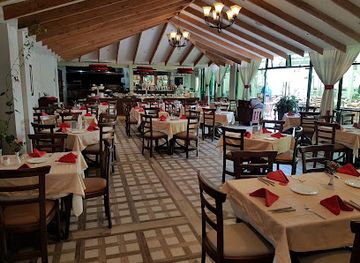
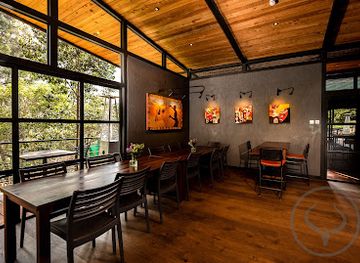
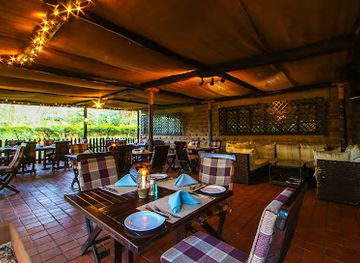
Dining in the Chyulu Hills is primarily accommodation-based, as the region has few conventional restaurants and no substantial town-centre food scene within the wilderness. Lodges and tented camps generally serve scheduled meals using supplies brought in from larger Kenyan markets, often combining international safari cooking with familiar Kenyan staples, vegetables, grains, grilled meats and seasonal produce. Breakfasts may be arranged around early activities, while packed lunches are useful for longer drives or walks. Visitors should communicate dietary requirements before arrival because remote kitchens cannot always source replacements quickly. Around nearby towns and transport routes, simple Kenyan eateries offer dishes such as nyama choma, stews, chapati, ugali and beans, but these should not be confused with a distinctive Chyulu Hills cuisine. Tea, coffee and locally available soft drinks are common, while lodge bars may stock Kenyan beers, wines and spirits. Community tourism arrangements can sometimes include meals or demonstrations connected to local households, but these should be booked through an established operator and approached respectfully rather than treated as a staged restaurant experience.
-
Brazilian
Fogo Gaucho Kilimani
Savor the essence of Brazil at Fogo Gaucho Kilimani - where every meal is a celebration of flavor!
-
Holiday apartment rental
Lesiolo Hills Hotel
Experience tranquility and breathtaking views at Lesiolo Hills Hotel - your perfect getaway in Kenya's stunning landscape.
-
Restaurant
Ankole Grill Kilimani
Experience authentic East African cuisine at Ankole Grill Kilimani - where tradition meets modern dining in Nairobi's vibrant atmosphere.
-
Restaurant
About Thyme Restaurant
Discover exquisite dining at About Thyme Restaurant in Nairobi - where fresh ingredients meet innovative culinary artistry.
Best bars in Chyulu Hills
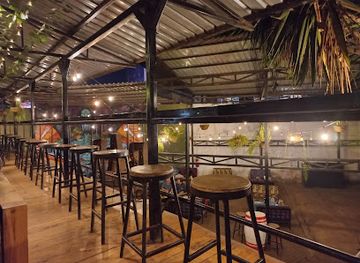
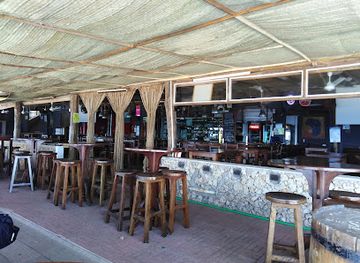
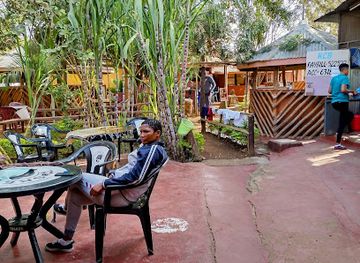
The Chyulu Hills do not have a conventional nightlife district or a significant nightclub scene. Evening life is concentrated at safari lodges and camps, where guests may gather for a drink, conversation, stargazing or an informal fire-side programme when conditions and local rules permit. Some properties offer Kenyan beer, wine, spirits and cocktails, while others keep the atmosphere deliberately quiet because of their remote setting and proximity to wildlife. Nearby towns have ordinary local bars serving residents, but they are not visitor-oriented entertainment centres and may be a considerable distance from a camp. There are no reliable late-night transport options across the hills, so anyone drinking should remain at the accommodation and follow staff guidance. The region's evening appeal lies in darkness, open skies, nocturnal sounds and early starts rather than all-night entertainment, and guests should check whether fires, walks or other activities are currently permitted by the operator.
-
Bar
The Alchemist
Experience Nairobi's vibrant nightlife at The Alchemist, where music, food, and culture come together in an unforgettable setting.
-
Lounge
Moonshine Beach Bar
Experience the vibrant nightlife and breathtaking beach views at Moonshine Beach Bar in Mombasa, the perfect destination for relaxation and fun.
-
Restaurant
The Well Lounge Bar & Restaurant
Discover the vibrant culinary scene of Nairobi at The Well Lounge Bar & Restaurant, where local flavors meet a lively atmosphere.
-
Grill
Kwa Biwott
Experience the vibrant flavors of Kwa Biwott in Kimana, a top grill destination for tourists craving local and international grilled delights.

Best nightclubs in Chyulu Hills
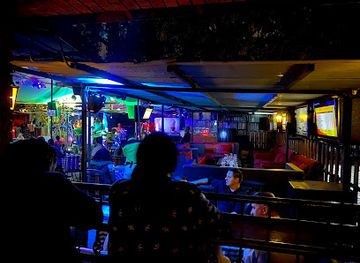
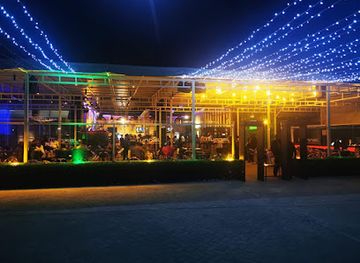
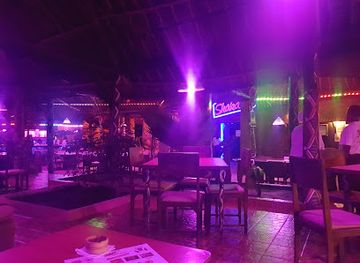
The Chyulu Hills do not have a conventional nightlife district or a significant nightclub scene. Evening life is concentrated at safari lodges and camps, where guests may gather for a drink, conversation, stargazing or an informal fire-side programme when conditions and local rules permit. Some properties offer Kenyan beer, wine, spirits and cocktails, while others keep the atmosphere deliberately quiet because of their remote setting and proximity to wildlife. Nearby towns have ordinary local bars serving residents, but they are not visitor-oriented entertainment centres and may be a considerable distance from a camp. There are no reliable late-night transport options across the hills, so anyone drinking should remain at the accommodation and follow staff guidance. The region's evening appeal lies in darkness, open skies, nocturnal sounds and early starts rather than all-night entertainment, and guests should check whether fires, walks or other activities are currently permitted by the operator.
-
Night club
K1 Klub House
Discover the pulsating nightlife of Nairobi at K1 Klub House, a vibrant venue for music, dining, and exceptional experiences.
-
Lounge
B-CLUB Nairobi
Experience Nairobi's nightlife at B-CLUB, where luxury meets vibrant entertainment in a stylish lounge setting.
-
Night club
The Tunnel
Discover Nairobi's vibrant nightlife at The Tunnel, a premier night club offering delicious food, great drinks, and an unforgettable atmosphere.
-
Disco club
Shakatak Disco
Experience the vibrant nightlife of Diani Beach at Shakatak Disco, where music, dance, and fun come together for an unforgettable evening.

Best shops in Chyulu Hills
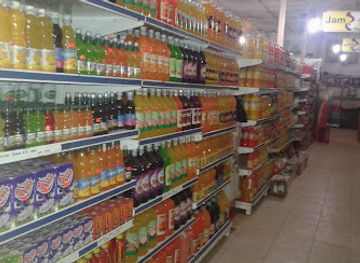
Shopping in the Chyulu Hills is limited and generally connected with safari accommodation or community conservation initiatives rather than permanent retail districts. Lodges and camps may display locally made baskets, beadwork, textiles, carvings or artwork, with availability varying between properties and seasons. Purchases are most useful when the seller, maker or community benefit is clearly explained; visitors should avoid buying wildlife products, archaeological material or items made from protected species. Nearby towns such as Kibwezi provide practical shops and everyday Kenyan goods, but they are not specialist souvenir destinations. Regional produce, snacks and bottled drinks can sometimes be bought before entering the hills, since remote camps have limited retail supplies. Ask permission before photographing craft makers or community displays, and carry small Kenyan-shilling notes for modest purchases where card facilities are unavailable. The most appropriate souvenirs are lightweight, legally sourced crafts or conservation-related items bought through transparent channels rather than natural objects collected from the landscape.
-
Park
Chyulu Hills National Park
Discover the stunning beauty of Chyulu Hills National Park, a national treasure with lush landscapes and diverse wildlife in Kenya.
-
Supermarket
BUSBUL SUPERMARKET LIMITED
Explore the vibrant offerings at BUS BUL Supermarket in Kibwezi, where local flavors meet convenience for every traveler.
-
Beach entertainment shop
Hilla546
Explore the vibrant beach entertainment at Hilla546, where adventure meets relaxation in a stunning coastal setting.
-
Supermarket
The Masters
Discover a local shopping gem in Makindu, offering fresh produce, groceries, and delicious cakes in a vibrant atmosphere.

Get your free copy of our complete guide to Chyulu Hills, delivered straight to you.
Everything on this page, from attractions and restaurants to essentials and local phrases, in one PDF you can read offline, print or share.
Already have an account? Sign in
Your Chyulu Hills guide is ready.
We'll send it to · Not you? Sign out

Getting your guide ready…
We are putting together a fresh copy of the Chyulu Hills guide. This can take up to a minute.
This can take a few moments. If your browser asks, choose Allow so the download can start. You'll find the guide in your Downloads folder.
Nothing happened? Download it again
Sorry, the guide is taking longer than usual. Please try again in a minute, or get it by email instead.
Chyulu Hills essentials
Currency and Payment
Safety
Emergency Situations
Do's and Don'ts
Local Tips
From Eve
Local phrases worth knowing
You don't need to get them perfect. A few words go a long way, and locals appreciate the effort.
Basics
| English | Local | Say it |
|---|---|---|
| Hello | Naki | [nah-kee] |
| Goodbye | Tuko | [too-koh] |
| Yes | Ndiyo | [n-dee-yoh] |
| No | Hapana | [hah-pah-nah] |
| Please/You're welcome | Tafadhali | [tah-fah-dah-lee] |
| Thank you | Asante | [ah-sahn-teh] |
| Excuse me/Sorry | Pole | [poh-leh] |
| How are you? | Habari gani? | [hah-bah-ree gah-nee] |
| Fine. And you? | Nzuri. Na wewe? | [n-zoo-ree nah weh-weh] |
| Do you speak English? | Unazungumza Kiingereza? | [oo-nah-zoo-ngoom-zah kee-een-geh-reh-zah] |
| I don't understand | Sielewi | [see-eh-leh-wee] |
Eating & Drinking
| English | Local | Say it |
|---|---|---|
| I'd like to see the menu, please | Ningependa kuangalia menyu, tafadhali | [neen-geh-pen-dah koo-ahn-gah-lee-ah meh-nyoo tah-fah-dah-lee] |
| I don't eat meat | Sikuli nyama | [see-koo-lee nyah-mah] |
| Cheers! | Afya! | [ah-fyah] |
| I would like to pay, please | Ningependa kulipa, tafadhali | [neen-geh-pen-dah koo-lee-pah tah-fah-dah-lee] |
Emergencies
| English | Local | Say it |
|---|---|---|
| Help! | Nisaidie! | [nee-sah-ee-dee-eh] |
| Go away! | Ondoka! | [on-doh-kah] |
| Call the Police! | Piga simu polisi! | [pee-gah see-moo poh-lee-see] |
| Call a doctor! | Piga simu daktari! | [pee-gah see-moo dahk-tah-ree] |
| I'm lost | Nimepotea | [nee-meh-poh-teh-ah] |
| I'm ill | Nina ugonjwa | [nee-nah oo-gohn-jwah] |
Shopping
| English | Local | Say it |
|---|---|---|
| I'd like to buy... | Ningependa kununua... | [neen-geh-pen-dah koo-noo-noo-ah] |
| I'm just looking | Natazama tu | [nah-tah-zah-mah too] |
| How much is it? | Ni kiasi gani? | [nee kee-ah-see gah-nee] |
| That's too expensive | Hiyo ni ghali sana | [hee-yoh nee gah-lee sah-nah] |
| Can you lower the price? | Unaweza kupunguza bei? | [oo-nah-weh-zah koo-poon-goo-zah beh-ee] |
Time & Numbers
| English | Local | Say it |
|---|---|---|
| What time is it? | Ni saa ngapi? | [nee sah ngah-pee] |
| It's one o'clock | Ni saa moja | [nee sah moh-jah] |
| Half past (10) | Nusu saa kumi | [noo-soo sah-ah koo-mee] |
| Morning | Asubuhi | [ah-soo-boo-hee] |
| Afternoon | Mchana | [m-chah-nah] |
| Evening | Jioni | [jee-oh-nee] |
| Yesterday | Jana | [jah-nah] |
| Today | Leo | [leh-oh] |
| Tomorrow | Kesho | [keh-shoh] |
| 1 | Moja | [moh-jah] |
| 2 | Mbili | [m-bee-lee] |
| 3 | Tatu | [tah-too] |
| 4 | Nne | [n-neh] |
| 5 | Tano | [tah-noh] |
| 6 | Sita | [see-tah] |
| 7 | Saba | [sah-bah] |
| 8 | Nane | [nah-neh] |
| 9 | Tisa | [tee-sah] |
| 10 | Kumi | [koo-mee] |
Transport & Directions
| English | Local | Say it |
|---|---|---|
| Where's a/the...? | Wapi...? | [wah-pee] |
| What's the address? | Nini anwani? | [nee-nee ahn-wah-nee] |
| Can you show me (on the map)? | Unaweza kunionyesha (katika ramani)? | [oo-nah-weh-zah koo-nee-oh-nyesh-ah kah-tee-kah rah-mah-nee] |
| When's the next (bus)? | Basi ijayo lini? | [bah-see ee-jah-yoh lee-nee] |
| A ticket (to ....) | Tiketi (kwenda....) | [tee-keh-tee kwen-dah] |
History of Chyulu Hills
Volcanic formation and early human landscapes
The Chyulu Hills are a relatively young volcanic range formed by successive eruptions and lava flows. Their cones, ridges and underground tubes are geological records rather than built monuments, but they have shaped settlement, grazing and water use for centuries. The porous volcanic ground absorbs rainfall and helps sustain springs and seasonal watercourses in an otherwise dry region. Human activity around the hills has historically been closely connected to livestock, movement across the plains and access to pasture and water.
Maasai pastoral culture
Maasai communities have long used the wider Chyulu landscape for pastoralism, moving livestock between grazing areas according to rainfall, water availability and local conditions. The hills sit within a broader cultural region in which customary land use and wildlife conservation have had to coexist. Many contemporary conservation initiatives around Chyulu involve partnerships with Maasai landowners and communities, reflecting an important shift from conservation imposed solely through state protection towards approaches that recognise local livelihoods and land rights.
Colonial-era boundaries and conservation
During the colonial period, administrative boundaries, private ranching and changing land policies altered patterns of movement and land control across south-eastern Kenya. Wildlife protection also expanded through state regulation, laying foundations for the national-park system that followed independence. These developments affected pastoral communities as well as wildlife, and the modern conservation landscape cannot be separated from this history of land administration, restricted access and competing ideas about how dryland environments should be managed.
Independence and the protection of Chyulu Hills
Kenya achieved independence in 1963, after which national institutions continued to develop formal wildlife protection across important habitats. Chyulu Hills National Park was established in 1983 to protect part of the volcanic range and its wildlife. The park is managed by the Kenya Wildlife Service, while surrounding land includes community and private conservation areas. This mixture of legal designations is significant: the ecological value of the hills extends beyond the park boundary, and wildlife movement depends on cooperation across different forms of land ownership.
Chyulu Hills within the Amboseli–Tsavo landscape
The hills are strategically placed between the Amboseli and Tsavo regions, forming part of a wider ecological and wildlife movement landscape in south-eastern Kenya. Conservation work has increasingly focused on maintaining habitat links, protecting water sources and reducing conflict between wildlife and communities. The result is not a single uniform reserve but a mosaic of national park, ranch, conservancy and community land. This regional approach explains why guided activities and local partnerships are central to the visitor experience.
Modern community conservation and sustainable tourism
In recent decades, organisations, conservancies and tourism operators around Chyulu Hills have developed models intended to connect wildlife protection with local employment, education, water provision and land stewardship. The Maasai Wilderness Conservation Trust is associated with community conservation work in the Chyulu landscape, while private and community-managed areas support activities not always available inside the national park. These initiatives remain dependent on responsible tourism, effective governance and fair local participation, but they have helped give the hills a conservation identity broader than the park itself.
Chyulu Hills in Photos
Browse through our photo collection highlighting the charm and character of the destination.
Neighbouring regions of Chyulu Hills
The closest regions to Chyulu Hills, if you have time for more than one.
-

-

-

-

-


Swipe for more regions
Explore more
Explore more of Kenya
Discover Kenya: A land of breathtaking safaris, rich cultural heritage, and stunning coastlines that promise adventure and relaxation all in one.
Explore Kenya