

Free Taita Hills Travel Guide & Mobile App
Explore Taita Hills with free travel guides. Discover regional history, expert tips, proposed trips, and audio guides on web or mobile app.


Explore Taita Hills in Kenya for rare mountain forests, local culture, wildlife sanctuaries and expansive views above the Tsavo plains.
Read more about Taita Hills
When is the best time to visit Taita Hills?
Best: January–March · 24°C| Month | High (°C) | Rainfall (mm) |
|---|---|---|
| January (best) | 24 | 11 |
| February (best) | 24 | 12 |
| March (best) | 24 | 20 |
| April | 25 | 28 |
| May | 24 | 33 |
| June | 23 | 17 |
| July | 23 | 12 |
| August | 23 | 12 |
| September | 24 | 16 |
| October | 24 | 27 |
| November | 24 | 32 |
| December | 23 | 19 |
Getting to and around Taita Hills
How to get there
Transportation
Best attractions in Taita Hills
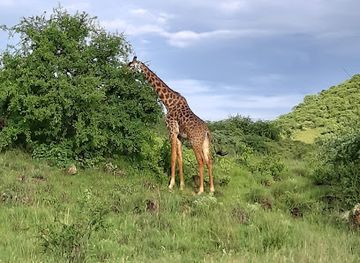
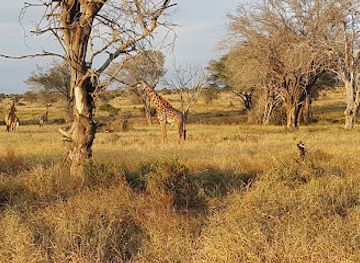
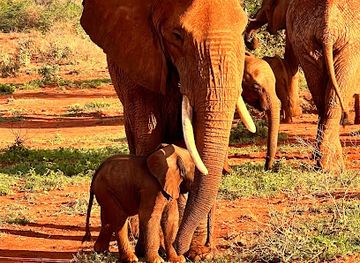
The Taita Hills combine safari, mountain scenery, forest exploration and cultural landscapes within a relatively compact but physically varied area. Taita Hills Wildlife Sanctuary is the principal wildlife attraction, with game drives across bush and grassland offering opportunities to see elephants, giraffes, buffaloes, zebras and antelopes. The indigenous forest fragments on Mbololo, Ngangao and Chawia are important for guided walks, birdwatching and botanical interest, although access should be arranged locally and may be affected by weather or conservation rules. Around Wundanyi, roads and footpaths lead through cultivated valleys, ridges and viewpoints that reveal the sharp transition from cool uplands to the Tsavo plains. Visitors interested in local culture can arrange respectful community-based visits focused on farming, food, crafts or conservation rather than staged village display. Voi provides practical services and transport links, while the lower slopes contain safari accommodation and access routes to wildlife areas. The appeal lies in the contrast between close, quiet forest experiences and open-country game viewing, rather than in a single large visitor complex.
-
National park
Tsavo West National Park
Discover the breathtaking beauty and wildlife of Tsavo West National Park, a premier destination for adventure and natural wonders in Kenya.
-
 Lodge
LodgeSalt Lick Game Lodge
Discover the enchanting allure of Salt Lick Game Lodge, a premier safari destination blending luxury with breathtaking wildlife experiences.
-
National park
Tsavo East Sala Gate
Explore the majestic Tsavo East National Park through the Sala Gate, a gateway to incredible wildlife and breathtaking landscapes in Kenya.
-
Tourist attraction
Mzima Springs
Explore the enchanting Mzima Springs in Tsavo West - a serene oasis of crystal-clear waters and diverse wildlife amidst stunning landscapes.

Best landmarks in Taita Hills
The defining landmarks of the Taita Hills are natural and cultural features rather than monumental urban buildings. Mbololo, Ngangao and Chawia forests mark the highland skyline and are significant remnants of an ancient mountain ecosystem, with their isolated position helping explain the presence of rare and localised species. The ridges around Wundanyi provide some of the clearest visual landmarks, contrasting steep cultivated slopes with the broad Tsavo lowlands below. In the lower landscape, the Taita Hills Wildlife Sanctuary is recognisable through its open bush, wooded valleys and safari viewpoints, and its protected status gives the surrounding hills a strong conservation identity. Voi’s railway and road corridor represents the transport infrastructure that connected the interior with the coast and helped shape modern settlement in the county, although the town lies below the main highland massif. Rural churches, farmsteads and settlement patterns also contribute to the region’s character, but should be viewed respectfully rather than treated as public monuments. Together these places express the Taita Hills as a meeting point of mountain ecology, agriculture, transport history and wildlife conservation.
-
Hotel
Taita Hills Safari Resort & Spa
Discover the Taita Hills Safari Resort & Spa, where luxury meets adventure in the heart of Tsavo National Park, Kenya's premier wildlife destination.
-
National park
Lumo Community Wildlife Conservancy
Discover the breathtaking landscapes and diverse wildlife at Lumo Community Wildlife Conservancy, a true gem of Kenya's natural heritage.
-
National park
Taita Hills Wildlife Sanctuary
Explore the breathtaking landscapes and diverse wildlife of Taita Hills Wildlife Sanctuary, a premier destination for nature lovers in Tsavo West National Park.
-
Historical landmark
Taita hills, Iyale hill
Discover Taita Hills in Kenya: A breathtaking historical landmark offering stunning views and a rich cultural experience in the heart of nature.
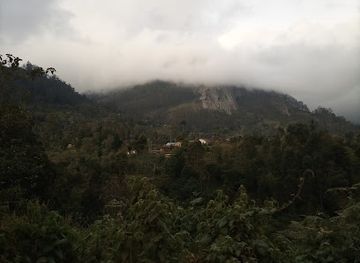
Explore Taita Hills on the map
Plan your trip on one map. See where the top cities, national parks and sights are, and book hotels and experiences in a few clicks.
Best hotels in Taita Hills
Best restaurants in Taita Hills
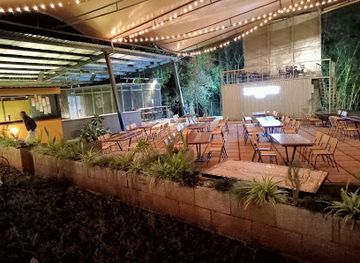
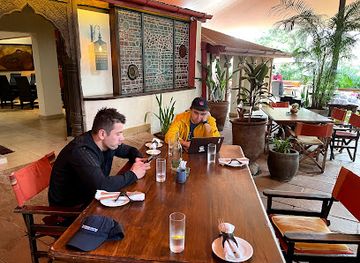
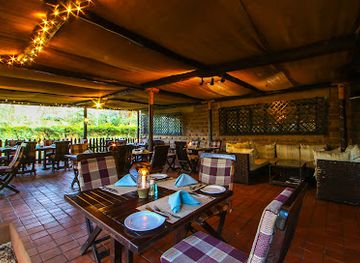
Dining in the Taita Hills is centred on safari lodges, guesthouses, small restaurants and everyday eateries in Wundanyi and Voi. Menus commonly draw on Kenyan staples such as ugali, rice, chapati, beans, greens, grilled meat and stews, with fruit and vegetables supplied by local farming areas when available. Highland produce and tea reflect the cooler agricultural environment, while the lower country has stronger links with the wider coastal and south-eastern Kenyan food economy. Lodge dining is generally the most convenient option near the wildlife sanctuary, where meals are often arranged around game-drive schedules; independent cafés and modest restaurants are more practical in the towns. Visitors should not expect a concentrated fine-dining district, but can find satisfying local cooking by asking accommodation staff for reputable nearby establishments. Markets and small food shops are useful for sampling seasonal produce, although hygiene standards and refrigeration vary, so choose busy outlets with good turnover and carry drinking water when travelling between settlements.
-
Cafe
Bao Box
Bao Box: A family-friendly cafe in Nairobi offering delicious meals and fun board games in a cozy atmosphere.
-
Restaurant
Talisman Restaurant
Experience exquisite cuisine at Talisman Restaurant in Nairobi - where local flavors meet international flair in an enchanting setting.
-
Lodge
Salt Lick Safari Lodge
Immerse yourself in nature's wonders at Salt Lick Safari Lodge - where luxury meets adventure in Tsavo West National Park.
-
Restaurant
About Thyme Restaurant
Experience the perfect blend of local flavors and international cuisine at Nairobi's premier dining destination - About Thyme Restaurant.
Best bars in Taita Hills
Nightlife in the Taita Hills is low-key and dispersed. In Wundanyi and Voi, evening activity is concentrated in ordinary pubs, hotel bars, restaurants and small local venues rather than a dedicated club district. Safari lodges near the wildlife sanctuary may offer a bar, fireside seating or occasional informal entertainment, but schedules and services differ by property and should be confirmed in advance. In the uplands, evenings are more often spent dining, talking or enjoying the cooler air than moving between venues, while Voi provides the broadest choice of casual town nightlife. Live music and social events may occur at particular venues without forming a permanent programme. Visitors should arrange transport before going out, avoid walking unfamiliar rural roads after dark and respect the quieter atmosphere of communities and conservation properties.
-
Lodge
Salt Lick Safari Lodge
Discover the perfect blend of luxury and wildlife at Salt Lick Safari Lodge in Tsavo West National Park, where unforgettable experiences await.
-
Hotel
Taita Hills Safari Resort & Spa
Experience the ultimate luxury at Taita Hills Safari Resort & Spa, where nature's beauty meets exceptional hospitality in Tsavo National Park.
-
Restaurant
Rosewood Hotel & Grill Voi
Experience the perfect blend of delicious cuisine, refreshing leisure, and vibrant nightlife at Rosewood Hotel & Grill Voi, a unique Kenyan gem.
-
Hotel
Taita Rocks Hotel
Discover the tranquility and charm of Taita Rocks Hotel, your perfect escape in Wundanyi, Kenya, surrounded by breathtaking views and rich culture.

Best nightclubs in Taita Hills
Nightlife in the Taita Hills is low-key and dispersed. In Wundanyi and Voi, evening activity is concentrated in ordinary pubs, hotel bars, restaurants and small local venues rather than a dedicated club district. Safari lodges near the wildlife sanctuary may offer a bar, fireside seating or occasional informal entertainment, but schedules and services differ by property and should be confirmed in advance. In the uplands, evenings are more often spent dining, talking or enjoying the cooler air than moving between venues, while Voi provides the broadest choice of casual town nightlife. Live music and social events may occur at particular venues without forming a permanent programme. Visitors should arrange transport before going out, avoid walking unfamiliar rural roads after dark and respect the quieter atmosphere of communities and conservation properties.
-
Night club
K1 Klub House
Experience the pulse of Nairobi's nightlife at K1 Klub House, where music, dance, and delicious cuisine come together in a vibrant atmosphere.
-
Night club
The Tunnel
Experience the vibrant nightlife of Nairobi at The Tunnel, where great food, lively music, and a welcoming atmosphere come together.
-
Disco club
Shakatak Disco
Dive into the vibrant nightlife at Shakatak Disco in Diani Beach, where music and dance create unforgettable memories.
-
Disco club
BLACK STARS Club & Lounge
Immerse yourself in Nairobi's nightlife at BLACK STARS Club & Lounge, where the music, energy, and atmosphere create an unforgettable experience.


Best shops in Taita Hills
Shopping in the Taita Hills is practical and local in character, with the widest choice found in Voi and Wundanyi rather than around remote forest sites or safari lodges. Town markets and independent shops sell fruit, vegetables, grains, household goods and everyday clothing, while selected traders offer locally made baskets, beadwork, carved objects and other Kenyan crafts. Ask about materials and production methods, and buy directly from recognised artisans or cooperatives where possible so that purchases support makers rather than unverified resellers. Small food shops are useful for tea, honey, spices, dried produce and travel provisions, though product availability changes with season and transport. Lodge boutiques may stock crafts and safari-themed goods at higher prices for convenience. The region is not a major fashion or luxury-shopping destination; its most worthwhile purchases are modest, portable items with a clear local connection, bought after agreeing prices politely and checking that natural materials have been sourced legally.
-
Lodge
Salt Lick Safari Lodge
Experience the beauty of Tsavo West National Park at Salt Lick Safari Lodge, where nature and luxury meet for an unforgettable safari adventure.
-
Hotel
Taita Hills Safari Resort & Spa
Discover the perfect blend of luxury and adventure at Taita Hills Safari Resort & Spa, nestled in the heart of Tsavo National Park.
-
Shopping mall
Tausa Shopping Center
Explore the vibrant Tausa Shopping Center in Ndome for a delightful shopping experience filled with local crafts and global brands.
-
Supermarket
CORNER SHOP
Discover the Corner Shop in Wundanyi for fresh produce, local delicacies, and everyday essentials, perfect for every traveler.

Get your free copy of our complete guide to Taita Hills, delivered straight to you.
Everything on this page, from attractions and restaurants to essentials and local phrases, in one PDF you can read offline, print or share.
Already have an account? Sign in
Your Taita Hills guide is ready.
We'll send it to · Not you? Sign out

Getting your guide ready…
We are putting together a fresh copy of the Taita Hills guide. This can take up to a minute.
This can take a few moments. If your browser asks, choose Allow so the download can start. You'll find the guide in your Downloads folder.
Nothing happened? Download it again
Sorry, the guide is taking longer than usual. Please try again in a minute, or get it by email instead.
Taita Hills essentials
Currency and Payment
Safety
Emergency Situations
Do's and Don'ts
Local Tips
From Eve
Local phrases worth knowing
You don't need to get them perfect. A few words go a long way, and locals appreciate the effort.
Basics
| English | Local | Say it |
|---|---|---|
| Hello | Naki | [Nah-kee] |
| Goodbye | Waki | [Wah-kee] |
| Yes | Ndiyo | [N-dee-oh] |
| No | Hapana | [Hah-pah-nah] |
| Please/You’re welcome | Tafadhali | [Tah-fah-dah-lee] |
| Thank you | Asante | [Ah-sahn-teh] |
| Excuse me/Sorry | Samahani | [Sah-mah-hah-nee] |
| How are you? | Habari gani? | [Hah-bah-ree gah-nee] |
| Fine. And you? | Nzuri. Na wewe? | [N-zoo-ree. Nah weh-weh?] |
| Do you speak English? | Je, unazungumza Kingereza? | [Jee, oo-nah-zoon-gum-zah Keen-geh-reh-zah?] |
| I don't understand | Siwezi kuelewa | [See-weh-zee koo-eh-leh-wah] |
Eating & Drinking
| English | Local | Say it |
|---|---|---|
| I’d like to see the menu, please | Ningependa kuona menyu, tafadhali | [Nin-geh-pen-dah koo-oh-nah meh-nyoo, tah-fah-dah-lee] |
| I don't eat meat | Sikuli nyama | [See-koo-lee nyah-mah] |
| Cheers! | Nzuri! | [N-zoo-ree!] |
| I would like to pay, please | Ningependa kulipa, tafadhali | [Nin-geh-pen-dah koo-lee-pah, tah-fah-dah-lee] |
Emergencies
| English | Local | Say it |
|---|---|---|
| Help! | Nisaidie! | [Nee-sah-ee-dee!] |
| Go away! | Ondoka! | [On-doh-kah!] |
| Call the Police! | Piga simu polisi! | [Pee-gah see-moo poh-lee-see!] |
| Call a doctor! | Piga simu daktari! | [Pee-gah see-moo dahk-tah-ree!] |
| I’m lost | Nimepotea | [Nee-meh-poh-teh-ah] |
| I’m ill | Mimi ni mgonjwa | [Mee-mee nee em-gohn-jwah] |
Shopping
| English | Local | Say it |
|---|---|---|
| I’d like to buy... | Ningependa kununua... | [Nin-geh-pen-dah koo-noo-noo-ah...] |
| I’m just looking | Natazama tu | [Nah-tah-zah-mah too] |
| How much is it? | Ni shilingi ngapi? | [Nee shee-ling-ee ngah-pee?] |
| That’s too expensive | Hiyo ni ghali sana | [Hee-yoh nee gah-lee sah-nah] |
| Can you lower the price? | Unaweza kupunguza bei? | [Oo-nah-weh-zah koo-poon-goo-zah bay?] |
Time & Numbers
| English | Local | Say it |
|---|---|---|
| What time is it? | Ni saa ngapi? | [Nee sah ngah-pee?] |
| It’s one o'clock | Ni saa moja | [Nee sah moh-jah] |
| Half past (10) | Nusu saa kumi | [Noo-soo sah-koo-mee] |
| Morning | Asubuhi | [Ah-soo-boo-hee] |
| Afternoon | Mchana | [M-chah-nah] |
| Evening | Jioni | [Jee-oh-nee] |
| Yesterday | Jana | [Jah-nah] |
| Today | Leo | [Leh-oh] |
| Tomorrow | Kesho | [Keh-shoh] |
| 1 | Moja | [Moh-jah] |
| 2 | Mbili | [M-bee-lee] |
| 3 | Tatu | [Tah-too] |
| 4 | Nne | [N-nay] |
| 5 | Tano | [Tah-noh] |
| 6 | Sita | [See-tah] |
| 7 | Saba | [Sah-bah] |
| 8 | Nane | [Nah-nay] |
| 9 | Tisa | [Tee-sah] |
| 10 | Kumi | [Koo-mee] |
Transport & Directions
| English | Local | Say it |
|---|---|---|
| Where's a/the...? | Iko wapi...? | [Ee-koh wah-pee?] |
| What's the address? | Anwani ni ipi? | [An-wah-nee nee ee-pee?] |
| Can you show me (on the map)? | Unaweza kunionyesha (katika ramani)? | [Oo-nah-weh-zah koo-nee-oh-nyesh-ah (kah-tee-kah rah-mah-nee)?] |
| When's the next (bus)? | Basi ijayo lini? | [Bah-see ee-jah-yoh lee-nee?] |
| A ticket (to ....) | Tiketi (kwenda ....) | [Tee-keh-tee (kwen-dah ....)] |
History of Taita Hills
Early Settlement and Taita Highland Communities
The Taita Hills have long supported settled communities because their higher elevations receive more rainfall than the surrounding lowlands. Taita-speaking communities developed intensive cultivation, livestock keeping and detailed knowledge of forest resources across the ridges and valleys. The steep terrain encouraged compact settlements and locally adapted farming practices, while the hills’ position between the interior and the coast supported movement and exchange. Much of the region’s cultural landscape still reflects this long relationship between upland agriculture, forest fragments and village life.
Trade Routes Between the Coast and Interior
The hills occupy a strategic position between the Kenyan coast and the interior savannahs. Long before modern roads and railways, routes through the Taita country connected communities involved in the movement of food, livestock and other goods. Contact with coastal trading networks brought new commodities and influences, while the hills remained a distinct cultural and ecological zone. Their proximity to the route towards Tanzania later made the area important to colonial administrators, travellers and commercial transport.
Colonial Rule and the Railway Era
British colonial expansion altered administration, land use and transport across the wider Taita-Taveta area. The railway linking the coast with the interior passed through the lower country near Voi, helping establish the town as an important settlement and supply point. Roads and administrative centres strengthened connections between the highlands, the coast and the interior. These changes also brought new pressures on land and labour, while Christianity, formal schooling and cash-crop production became increasingly influential in local society.
The First World War in the Taita-Taveta Borderlands
The wider Taita-Taveta region became a significant theatre during the East African campaign of the First World War because of its position near the border with German East Africa, now Tanzania. Military movements, supply routes and clashes affected settlements and landscapes around the hills and the Tsavo country. The conflict left forts, graves and other traces across the broader borderland, although not every military site lies within the Taita Hills themselves. Its legacy forms part of the region’s twentieth-century history and cross-border geography.
Forests, Scientific Interest and Conservation
The small indigenous forests of the Taita Hills attracted increasing scientific and conservation attention during the twentieth century because of their exceptional levels of localised biodiversity. Fragmentation, farming, fuelwood collection and settlement reduced the extent of several forest habitats, making remaining patches especially important. Conservation work has involved government agencies, researchers and local communities, with emphasis on protecting forest remnants, water sources and rare species. The hills are now recognised internationally as an important centre of endemism within the Eastern Arc mountain region.
Wildlife Tourism and the Modern Regional Economy
The development of wildlife tourism around the lower slopes and neighbouring Tsavo protected areas added a new economic role to the region. The Taita Hills Wildlife Sanctuary created a protected space for safari tourism distinct from the larger national parks, while lodges and guiding services brought visitors into closer contact with the landscape. Tourism now sits alongside farming, trade, public services and transport as part of the local economy. Its long-term value depends on conservation, reliable community benefit and careful management of water and land resources.
Taita Hills in Photos
Browse through our photo collection highlighting the charm and character of the destination.
Neighbouring regions of Taita Hills
The closest regions to Taita Hills, if you have time for more than one.
-

-

-

-

-


Swipe for more regions
Explore more
Explore more of Kenya
Discover Kenya: A land of breathtaking safaris, rich cultural heritage, and stunning coastlines that promise adventure and relaxation all in one.
Explore Kenya