

Free Kitui Plains Travel Guide & Mobile App
Explore Kitui Plains with free travel guides. Discover regional history, expert tips, proposed trips, and audio guides on web or mobile app.





Explore Kitui Plains in eastern Kenya for Kamba culture, woodcarving, seasonal landscapes, rocky outcrops and quiet dryland journeys.
Read more about Kitui Plains
When is the best time to visit Kitui Plains?
Best: June–August · 26°C| Month | High (°C) | Rainfall (mm) |
|---|---|---|
| January | 29 | 9 |
| February | 29 | 11 |
| March | 30 | 37 |
| April | 29 | 80 |
| May | 28 | 45 |
| June (best) | 26 | 20 |
| July (best) | 26 | 10 |
| August (best) | 26 | 10 |
| September | 28 | 10 |
| October | 28 | 15 |
| November | 28 | 75 |
| December | 28 | 35 |
Getting to and around Kitui Plains
How to get there
Transportation
Top city travel guides in Kitui Plains
The cities of Kitui Plains, and the easiest places to base yourself.

Swipe for more cities
Destinations in Kitui Plains
Resorts, valleys and scenic spots worth a trip of their own.
-

-

-


Swipe for more destinations
Best attractions in Kitui Plains
The attractions of Kitui Plains are predominantly cultural, environmental and experiential rather than concentrated in large ticketed sites. Kitui town provides access to markets, local services and craft shopping, while the surrounding countryside reveals the seasonal character of eastern Kenya through dry fields, thorn scrub, granite outcrops and temporary waterways. Nzambani Rock, near Kitui, is a prominent natural feature associated with local stories and is best approached with local guidance. Visitors interested in Kamba culture can seek out woodcarving, basketry and community-based craft initiatives, taking care to distinguish genuine workshops from generic souvenir outlets. Guided drives and walks can introduce dryland plants, farming practices and changing rural settlement patterns. South Kitui’s wider protected landscapes are relevant to specialist wildlife and conservation itineraries, but they are spread across the county and should not be treated as a short excursion from every Kitui base. The region suits travellers who value landscape interpretation, local contact and a measured pace over a dense sequence of conventional attractions.
-
Rock climbing gym
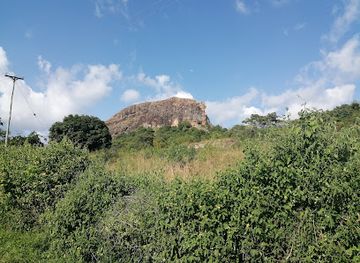
Nzambani Rock
Explore the breathtaking Nzambani Rock in Kyuluni, Kenya, a climber's paradise offering stunning views and rich cultural heritage.
-
Park
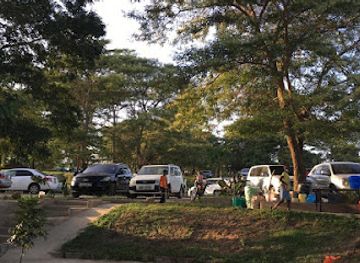
Kalundu Eco Park
Explore the beauty of Kalundu Eco Park in Kitui, a perfect blend of adventure and tranquility amidst nature's wonders.
-
Barbecue
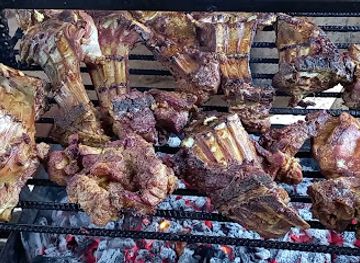
Kitui eco Park resort
Experience the essence of Kenyan barbecue at Kitui Eco Park Resort, where delicious flavors meet stunning natural beauty.
-
Hiking area
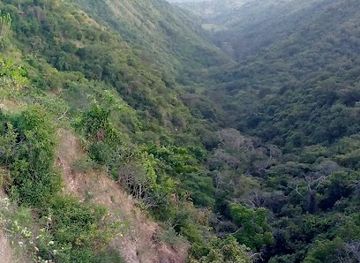
Ikoo Valley
Discover the breathtaking beauty of Ikoo Valley, a premier hiking destination in Kenya offering stunning views and diverse wildlife.
Best landmarks in Kitui Plains
Nzambani Rock is the most recognisable natural landmark associated with the Kitui area. Rising above the surrounding countryside near Kitui, the granite outcrop has a strong visual presence and a place in local oral traditions; its meaning should be understood through local interpretation rather than reduced to a photo stop. Kitui town itself is an important civic landmark in a broader sense, functioning as the administrative and commercial centre from which roads, markets and services radiate across the plains. The region’s most characteristic landmarks are often less monumental: baobab and acacia trees, seasonal riverbeds, isolated granite formations and compounds shaped by the demands of a dry climate. In the wider county, protected dryland landscapes provide a different kind of landmark value, linking scenery with conservation and wildlife habitat, though their remoteness makes them separate journeys. Visitors should treat sacred or culturally significant natural features respectfully and avoid climbing where access is not clearly permitted.
-
Heritage museum
Fort Jesus Museum
Explore the rich history and stunning architecture of Fort Jesus Museum in Mombasa, a UNESCO World Heritage site that narrates centuries of cultural influences.
-
 National park
Tsavo East National Park
Explore the breathtaking beauty and rich wildlife of Tsavo East National Park, a true natural wonder in the heart of Kenya.
-
National park
Amboseli National Park
Explore Amboseli National Park: A breathtaking blend of wildlife, stunning landscapes, and rich Maasai culture in the heart of Kenya.
-
Historical landmark
Uhuru Gardens
Discover the beauty and history of Uhuru Gardens, a key landmark in Nairobi celebrating Kenya's path to independence.

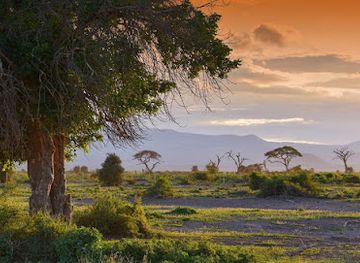

Explore Kitui Plains on the map
Plan your trip on one map. See where the top cities, national parks and sights are, and book hotels and experiences in a few clicks.
Best hotels in Kitui Plains
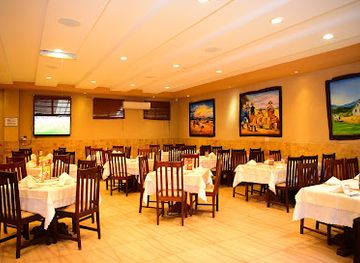
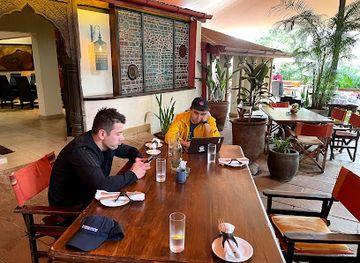
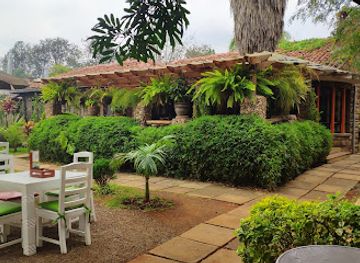
Best restaurants in Kitui Plains
Dining in Kitui Plains is centred on practical Kenyan food served in local cafés, small restaurants, market stalls and accommodation kitchens rather than on a specialised restaurant district. Common meals may include ugali, a maize staple, with vegetables, beans, meat or fish, alongside rice, chapati and stewed dishes. In the Kamba region, visitors may encounter foods based on millet, sorghum, maize and drought-tolerant legumes, although recipes and availability vary between households and establishments. Seasonal produce, tea, fresh fruit and simple grilled or fried snacks are useful parts of the local food picture. Kitui town offers the broadest choice and is the best place to stock up before rural travel. Visitors should drink treated or bottled water where the source is uncertain, eat hot food from busy premises and ask hosts about ingredients. Meals arranged through local homes or community tourism projects can provide more cultural context than a quick roadside stop, provided expectations and payment are agreed beforehand.
-
Brazilian
Fogo Gaucho
Experience authentic Brazilian cuisine at Fogo Gaucho in Nairobi - where delicious flavors meet vibrant culture.
-
Cafe
Bao Box
Experience the charm of Bao Box in Nairobi - where delicious cuisine meets family-friendly fun through board games.
-
Restaurant
Talisman Restaurant
Experience culinary excellence at Talisman Restaurant in Nairobi – where local flavors meet global cuisine amidst stunning surroundings.
-
West African
Mama Ashanti
Discover authentic West African cuisine at Mama Ashanti in Nairobi—where every dish tells a story of culture and tradition.

Best bars in Kitui Plains
Nightlife in Kitui Plains is modest and concentrated in Kitui town. Local pubs, hotel bars, cafés and restaurants provide places for an evening meal, conversation, sport and music, while smaller settlements generally close earlier and offer few formal entertainment options. The region does not have the concentrated nightclub culture associated with Nairobi or Kenya’s major coastal resorts. Evening activity is more often social and local in scale, with music and gatherings varying by venue and occasion rather than following a fixed tourist calendar. Visitors should use established premises, arrange transport before drinking and avoid walking unfamiliar rural roads after dark. Alcohol is not necessary for engaging with the region’s culture: an early market visit, a conversation with a craft producer or an evening at a reputable lodge may offer a more representative experience of the plains.
-
Hotel
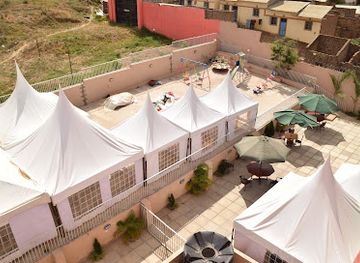
Parkside Villa Kitui
Discover the perfect blend of comfort and cuisine at Parkside Villa Kitui, your gateway to authentic experiences in the heart of Kitui.
-
Hotel
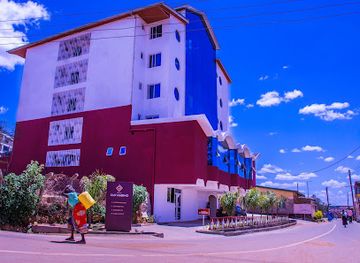
Kitui Premier Resort
Experience luxury and comfort at Kitui Premier Resort, where exceptional service meets local charm in the heart of Kitui.
-
Hotel
Hotel San Marino
Experience unmatched comfort and local charm at Hotel San Marino, your perfect getaway in Kitui, Kenya.
-
African
Pakside Hotel
Discover vibrant African flavors at Pakside Hotel in Kitui, where authentic cuisine meets warm hospitality in a cozy setting.


Best nightclubs in Kitui Plains
Nightlife in Kitui Plains is modest and concentrated in Kitui town. Local pubs, hotel bars, cafés and restaurants provide places for an evening meal, conversation, sport and music, while smaller settlements generally close earlier and offer few formal entertainment options. The region does not have the concentrated nightclub culture associated with Nairobi or Kenya’s major coastal resorts. Evening activity is more often social and local in scale, with music and gatherings varying by venue and occasion rather than following a fixed tourist calendar. Visitors should use established premises, arrange transport before drinking and avoid walking unfamiliar rural roads after dark. Alcohol is not necessary for engaging with the region’s culture: an early market visit, a conversation with a craft producer or an evening at a reputable lodge may offer a more representative experience of the plains.
-
Night club
015 L'amour Lounge Kitui
Discover the energetic nightlife at L'amour Lounge Kitui – a must-visit night club for an unforgettable experience in Kyanika.
-
Night club
SPOTLIGHT LOUNGE & GRILL
Discover the ultimate nightlife experience at Spotlight Lounge & Grill in Majengo, where delicious food, vibrant music, and unforgettable moments await.
-
Bar
Kitui Beach Club
Discover the lively vibes and refreshing drinks at Kitui Beach Club, the perfect spot for relaxation and socializing in Kalundu.
-
Bar
Waves Lounge
Discover the vibrant nightlife at Waves Lounge, a serene bar in Kitui offering drinks, live music, and a taste of local culture.

Best shops in Kitui Plains
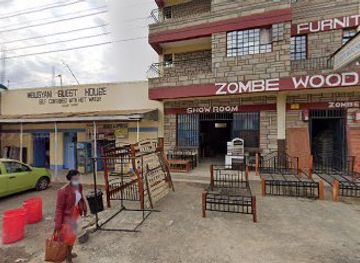
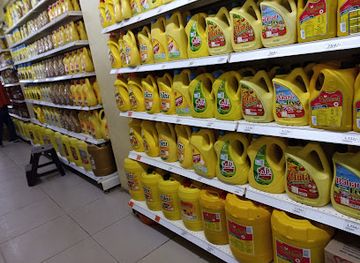
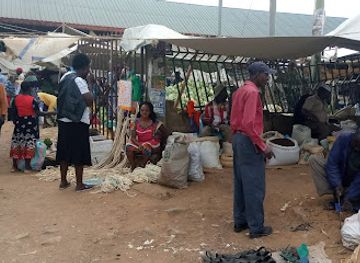
Shopping in Kitui Plains is strongest in Kitui town’s markets and small independent businesses, where visitors can find everyday goods alongside locally made baskets, carved wooden objects, woven items and other Kamba-associated crafts. Quality, design and provenance vary, so it is worth asking who made an item, what materials were used and whether the seller represents a craftsperson or cooperative. Buying directly where possible gives makers clearer recognition and supports local livelihoods. Food markets offer regional produce and useful provisions for travel, including grains, legumes, fruit and snacks, although availability changes with season and rainfall. The plains are not a destination for extensive luxury or designer retail; shopping is more closely connected to practical commerce, handmade products and agricultural exchange. Carry cash for smaller purchases, pack fragile carvings carefully and check any rules concerning the transport of plant, animal or culturally protected materials before leaving Kenya.
-
Shopping mall
The Junction Mall
Explore Nairobi's premier shopping destination with diverse stores, dining experiences, and entertainment at The Junction Mall.
-
Supermarket
Magunas
Discover the vibrant shopping culture of Embu at Magunas, where local produce and community spirit come together.
-
Grocery store
Naivas Supermarket Kitui
Discover the vibrant shopping culture at Naivas Supermarket Kitui, where local flavors and everyday essentials meet.
-
Market
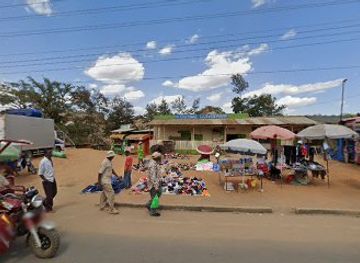
Kiritiri market Shade
Explore Kiritiri Market in Embu County, Kenya – a vibrant marketplace filled with local produce, unique crafts, and authentic cultural experiences.


Get your free copy of our complete guide to Kitui Plains, delivered straight to you.
Everything on this page, from attractions and restaurants to essentials and local phrases, in one PDF you can read offline, print or share.
Already have an account? Sign in
Your Kitui Plains guide is ready.
We'll send it to · Not you? Sign out

Getting your guide ready…
We are putting together a fresh copy of the Kitui Plains guide. This can take up to a minute.
This can take a few moments. If your browser asks, choose Allow so the download can start. You'll find the guide in your Downloads folder.
Nothing happened? Download it again
Sorry, the guide is taking longer than usual. Please try again in a minute, or get it by email instead.
Kitui Plains essentials
Currency and Payment
Safety
Emergency Situations
Do's and Don'ts
Local Tips
From Eve
Local phrases worth knowing
You don't need to get them perfect. A few words go a long way, and locals appreciate the effort.
Basics
| English | Local | Say it |
|---|---|---|
| Hello | Naki | [Nah-kee] |
| Goodbye | Sia | [See-ah] |
| Yes | Ee | [Eh] |
| No | Ala | [Ah-lah] |
| Please/You're welcome | Twa | [Twah] |
| Thank you | Naki tawa | [Nah-kee tah-wah] |
| Excuse me/Sorry | Samahani | [Sah-mah-hah-nee] |
| How are you? | U na uje? | [Oo nah oo-yeh?] |
| Fine. And you? | Nzuri. Na wewe? | [Nzu-ree. Nah weh-weh?] |
| Do you speak English? | Unazungumza Kiingereza? | [Oo-nah-zoon-gum-zah Kee-ing-e-reh-zah?] |
| I don't understand | Sielewi | [See-eh-leh-wee] |
Eating & Drinking
| English | Local | Say it |
|---|---|---|
| I'd like to see the menu, please | Ningependa kuona menyu, tafadhali | [Nin-geh-pen-dah koo-oh-nah meh-nyoo, tah-fah-dah-lee] |
| I don't eat meat | Sikuli nyama | [See-koo-lee nyah-mah] |
| Cheers! | Kula! | [Koo-lah!] |
| I would like to pay, please | Ningependa kulipa, tafadhali | [Nin-geh-pen-dah koo-lee-pah, tah-fah-dah-lee] |
Emergencies
| English | Local | Say it |
|---|---|---|
| Help! | Msaada! | [M-sah-dah!] |
| Go away! | Ondoka! | [On-doh-kah!] |
| Call the Police! | Piga simu polisi! | [Pee-gah see-moo poh-lee-see!] |
| Call a doctor! | Piga simu daktari! | [Pee-gah see-moo dahk-tah-ree!] |
| I'm lost | Nimepotea | [Nee-meh-poh-teh-ah] |
| I'm ill | Niko mgonjwa | [Nee-koh m-gon-jwah] |
Shopping
| English | Local | Say it |
|---|---|---|
| I'd like to buy... | Ningependa kununua... | [Nin-geh-pen-dah koo-noo-noo-ah...] |
| I'm just looking | Natazama tu | [Nah-tah-zah-mah too] |
| How much is it? | Ni pesa ngapi? | [Nee peh-sah ngah-pee?] |
| That's too expensive | Hiyo ni gharama sana | [Hee-yoh nee ghah-rah-mah sah-nah] |
| Can you lower the price? | Unaweza kupunguza bei? | [Oo-na-weza koo-poon-goo-zah beh-ee?] |
Time & Numbers
| English | Local | Say it |
|---|---|---|
| What time is it? | Ni saa ngapi? | [Nee sah ngah-pee?] |
| It's one o'clock | Ni saa moja | [Nee sah moh-jah] |
| Half past (10) | Nusu (10) | [Noo-soo (10)] |
| Morning | Asubuhi | [Ah-soo-boo-hee] |
| Afternoon | Jioni | [Jee-oh-nee] |
| Evening | Jioni | [Jee-oh-nee] |
| Yesterday | Jana | [Jah-nah] |
| Today | Leo | [Leh-oh] |
| Tomorrow | Kesho | [Keh-shoh] |
| 1 | Moja | [Moh-jah] |
| 2 | Mbili | [M-bee-lee] |
| 3 | Tatu | [Tah-too] |
| 4 | Nne | [Neh-neh] |
| 5 | Tano | [Tah-noh] |
| 6 | Sita | [See-tah] |
| 7 | Saba | [Sah-bah] |
| 8 | Nane | [Nah-neh] |
| 9 | Tisa | [Tee-sah] |
| 10 | Kumi | [Koo-mee] |
Transport & Directions
| English | Local | Say it |
|---|---|---|
| Where's a/the...? | Wapi ...? | [Wah-pee ...?] |
| What's the address? | Nini anwani? | [Nee-nee ahn-wah-nee?] |
| Can you show me (on the map)? | Unaweza kunionesha (katika ramani)? | [Oo-na-weza koo-nee-oh-neh-shah (kah-tee-kah rah-mah-nee)?] |
| When's the next (bus)? | Basi ijayo ni lini? | [Bah-see ee-jah-yoh nee lee-nee?] |
| A ticket (to ....) | Tiketi (kwenda ....) | [Tee-keh-tee (kwen-dah ....)] |
History of Kitui Plains
Early Kamba Settlement and Dryland Adaptation
The Kitui area has long been associated with Kamba-speaking communities whose livelihoods developed in a dry environment marked by variable rainfall. Farming, livestock keeping, hunting, gathering and regional exchange were combined in ways that reduced dependence on a single resource. Knowledge of seasonal water sources, soils, drought-resistant crops and movement across the landscape became central to life on the plains. Archaeological evidence from eastern Kenya also places the wider region within a much older history of human occupation, although surviving evidence is uneven and should not be reduced to a single linear story.
Kamba Trade and Regional Exchange
Before and during the nineteenth century, Kamba communities participated in exchange networks linking the eastern interior with the coast and neighbouring highland regions. Traders moved goods such as livestock, agricultural produce, honey, ivory and craft products, while imported materials and coastal goods travelled inland. These networks helped connect the Kitui area to wider economic and political changes in East Africa. The region’s position between the interior and the coast also contributed to the circulation of languages, objects and ideas beyond the immediate settlements of the plains.
Colonial Administration in Kitui
British colonial rule brought new administrative boundaries, taxation, labour demands and official systems of authority to the Kitui area. Colonial administrators governed through institutions that altered existing relationships between communities, land and the state. Missionary activity, formal schooling and new commercial links developed alongside these pressures. The dry climate and limited infrastructure made administration difficult, while drought and food insecurity remained recurring concerns. Many roads, settlements and administrative practices established during this period influenced the later shape of Kitui town and the surrounding district.
Woodcarving and Kamba Craft Development
Kamba woodcarving became one of the most recognisable creative traditions associated with eastern Kenya during the twentieth century. Carvers produced figures, utensils and decorative objects for local use and increasingly for domestic and overseas markets. The craft supported household incomes and helped establish a public cultural identity for the region, although commercial demand also encouraged changes in design and production. In and around Kitui, carving and basketry remain connected to contemporary livelihoods, with important differences between individual makers, cooperatives and market channels.
Independence and the Formation of Modern Kitui County
Kenya’s independence in 1963 ended colonial rule and began a new period of national administration and political participation. Kitui continued as an important centre for the Kamba-speaking area of eastern Kenya, while the district’s institutions gradually developed within the independent state. Later constitutional reforms created county governments, giving Kitui a stronger devolved administrative role. Public services, roads, markets and water projects have expanded unevenly, reflecting both investment and the practical challenges of governing a large semi-arid county.
Drought, Development and Dryland Resilience
In recent decades, the Kitui Plains have been shaped by recurring drought, changing rainfall patterns, water scarcity and efforts to strengthen rural livelihoods. Households have combined farming and livestock keeping with craft production, trading, wage work and migration. County and community initiatives have focused on water access, food security, tree planting and livelihood diversification, while conservation projects address pressure on dryland habitats. These developments are part of a continuing history of adaptation rather than a simple transition from traditional to modern life.
Kitui Plains in Photos
Browse through our photo collection highlighting the charm and character of the destination.
Neighbouring regions of Kitui Plains
The closest regions to Kitui Plains, if you have time for more than one.
-

-

-

-

-


Swipe for more regions
Explore more
Explore more of Kenya
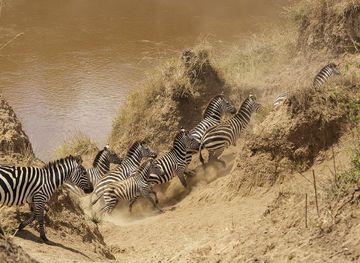
Discover Kenya: A land of breathtaking safaris, rich cultural heritage, and stunning coastlines that promise adventure and relaxation all in one.
Explore Kenya