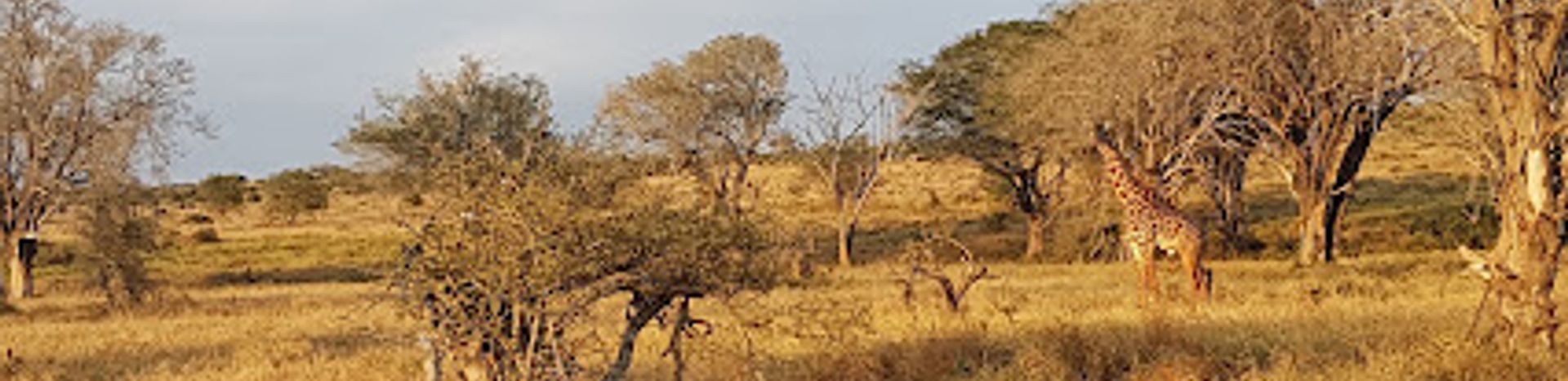
Lumo Community Wildlife Conservancy: A Community-Driven Conservation Oasis
Discover Kenya's Lumo Conservancy: A community-led wildlife haven bridging Tsavo West and Taita Hills, offering immersive safari experiences.
Lumo Community Wildlife Conservancy, nestled in southern Kenya, is a vital wildlife corridor spanning 48,000 acres between Tsavo West National Park and Taita Hills Wildlife Sanctuary. Established in 2001, it's a community-led initiative showcasing successful biodiversity protection through sustainable tourism and community empowerment.
A brief summary to Lumo Community Wildlife Conservancy
- Lumo, Maktau, KE
- +254740306562
- Visit website
- Monday 12 am-12 am
- Tuesday 12 am-12 am
- Wednesday 12 am-12 am
- Thursday 12 am-12 am
- Friday 12 am-12 am
- Saturday 12 am-12 am
- Sunday 12 am-12 am
Local tips
- Visit during the dry seasons (June to October and January to February) for optimal wildlife viewing.
- Bring binoculars for enhanced birdwatching opportunities.
- Consider hiring a local guide for deeper insights into the conservancy's flora, fauna, and conservation efforts.
- Pack sunscreen, a hat, and plenty of water, as the African sun can be intense.
- Respect the wildlife by maintaining a safe distance and minimizing noise.

Getting There
-
Road
From Nairobi, take the Nairobi-Mombasa Highway (A109) for approximately 360 km to Voi. From Mombasa, travel approximately 220 km along the same highway to Voi. In Voi, turn west towards Mwatate. Continue through Mwatate, and follow the signs to Lumo Conservancy. The final stretch from Mwatate to the Lumo gate is a gravel road. Entry fees are applicable: Non-Residents: Adult $37 USD, Child $19 USD. Residents: Adult 1000 KES, Child 500 KES. Citizens: Adult 300 KES, Child 150 KES. Vehicle entry fees also apply, ranging from 530 KES to 1500 KES depending on the number of seats.
-
Air
Visitors can fly to Voi Airstrip or Taita Hills Airstrip, both serviced by charter and scheduled flights from Nairobi. From either airstrip, it's approximately a 30-60 minute drive to Lumo Conservancy, depending on the gate and destination lodge. Airstrip transfers to lodges cost approximately $95 USD per vehicle. Once at the conservancy gate, entry fees are applicable: Non-Residents: Adult $37 USD, Child $19 USD. Residents: Adult 1000 KES, Child 500 KES. Citizens: Adult 300 KES, Child 150 KES. Vehicle entry fees also apply, ranging from 530 KES to 1500 KES depending on the number of seats.
Discover more about Lumo Community Wildlife Conservancy
Iconic landmarks you can’t miss

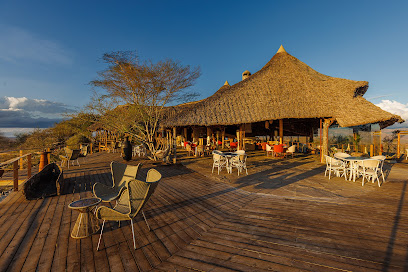
Soroi Lions Bluff Lodge, Tsavo, Kenya
3.7 km
Discover the beauty of Tsavo at Soroi Lions Bluff Lodge, where luxury meets the wild in Kenya's stunning landscapes.
Taita Hills Safari Resort & Spa
7.6 km
Discover the Taita Hills Safari Resort & Spa, where luxury meets adventure in the heart of Tsavo National Park, Kenya's premier wildlife destination.

Salt Lick Safari Lodge
9.0 km
Discover the captivating wildlife and stunning views at Salt Lick Safari Lodge in Tsavo West National Park, a true gem of African adventure.
vibaoni Junction
27.8 km
Explore the historical significance of Vibaoni Junction, where Mwakaleri meets Kironge, and immerse yourself in Kenya's cultural heritage.
Mvumu ghwa Mwangeka wa Malowa
36.2 km
Discover the rich history and cultural significance of Mvumu ghwa Mwangeka wa Malowa, a captivating historical landmark in Ndome, Kenya.
Msherembe Safaris and Travel Voi Tsavo
39.5 km
Experience the breathtaking wildlife and landscapes of Tsavo National Park with Msherembe Safaris, the premier tour operator in Voi.
Tsavo House
39.7 km
Discover the charm of Voi at Tsavo House, a cozy guest house offering comfort and local hospitality near Tsavo National Park.
Tausa Tsavo Eco-Lodge
40.3 km
Experience the wonders of Tsavo at Tausa Tsavo Eco-Lodge, where comfort meets nature in an eco-friendly haven.
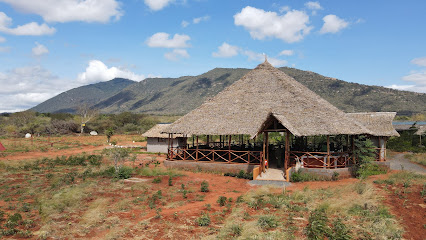
Orre Park
41.1 km
Explore the serene beauty of Orre Park in Voi, Kenya, where nature meets tranquility for a perfect day outdoors.
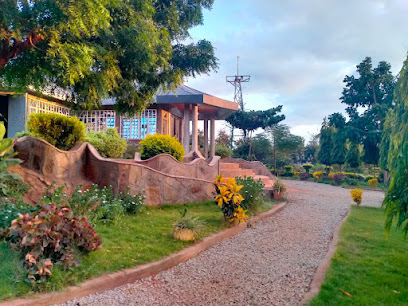
Voi Town Lodge
41.4 km
Experience the perfect blend of comfort and adventure at Voi Town Lodge, your gateway to the breathtaking landscapes of Tsavo National Park.
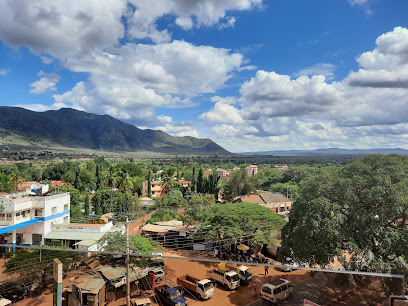
Impala Safari Lodge
41.7 km
Discover nature's beauty and wildlife adventures at Impala Safari Lodge in Voi, your gateway to unforgettable experiences in Kenya.
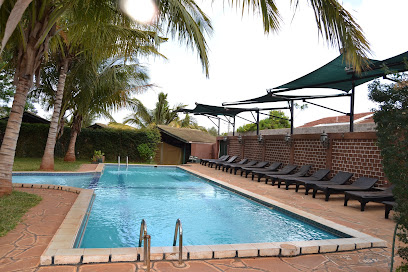
Zomeni Lion Hill Safari Lodge
44.6 km
Experience the breathtaking beauty of Tsavo East National Park at Zomeni Lion Hill Safari Lodge, where luxury meets nature in a stunning setting.
Voi Wildlife Lodge
45.5 km
Discover the beauty of Tsavo East at Voi Wildlife Lodge, where comfort meets adventure in the heart of Kenya's wildlife paradise.
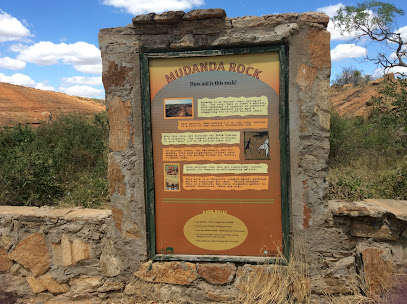
Mudanda Rock
48.8 km
Explore the stunning Mudanda Rock in Kenya - a serene escape with breathtaking views and rich wildlife encounters.
Ngutuni Lodge
50.5 km
Experience the beauty of nature at Ngutuni Lodge, a serene escape just moments from Tsavo East National Park, perfect for wildlife enthusiasts.
Unmissable attractions to see

Salt Lick Game Lodge
9.0 km
Experience the magic of Kenyan wildlife at Salt Lick Game Lodge, where luxury meets the wild in a breathtaking landscape.
Tsavo West National Park Southern Maktau Gate
11.1 km
Discover the wild allure of Tsavo West National Park, where breathtaking landscapes and diverse wildlife await every adventurer.
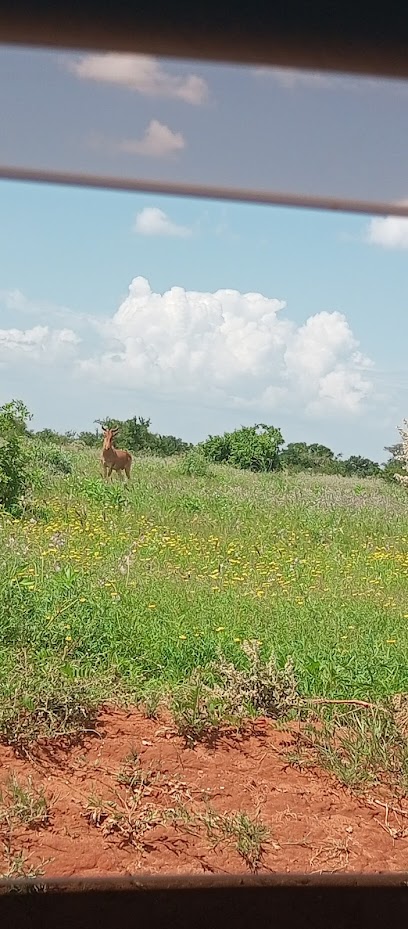
Tsavo West National Park Northern Maktau Gate
11.2 km
Experience the wild heart of Kenya at Tsavo West National Park, a haven for wildlife and a paradise for adventurers seeking natural beauty.
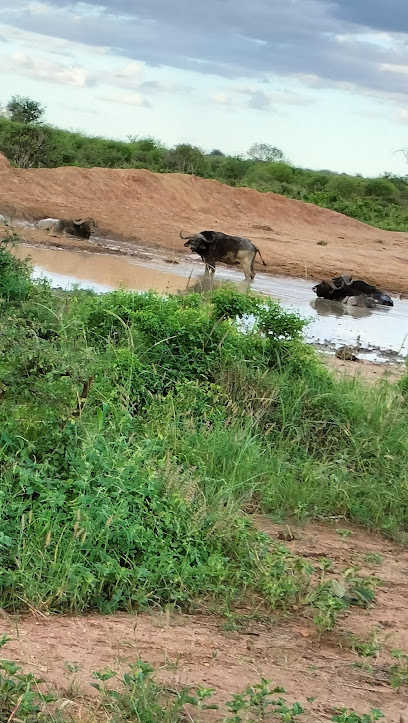
Vuria
12.1 km
Discover the breathtaking heights of Vuria, the highest peak in Kenya's coastal region, and embrace nature's beauty on an unforgettable hiking adventure.
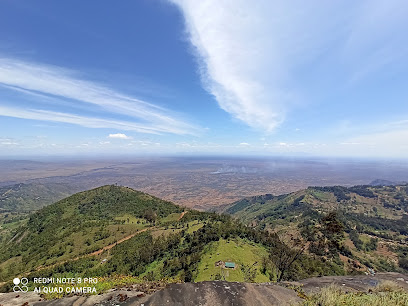
Lualenyi camp
16.3 km
Experience the beauty of Lualenyi Camp, a tranquil nature preserve in Mwatate, Kenya, perfect for relaxation and outdoor adventures.
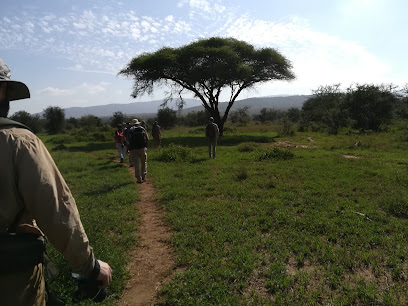
Iyale Rock
16.4 km
Explore the breathtaking beauty of Iyale Rock in Wundanyi, Kenya, a hiker's paradise with stunning landscapes and rich biodiversity.
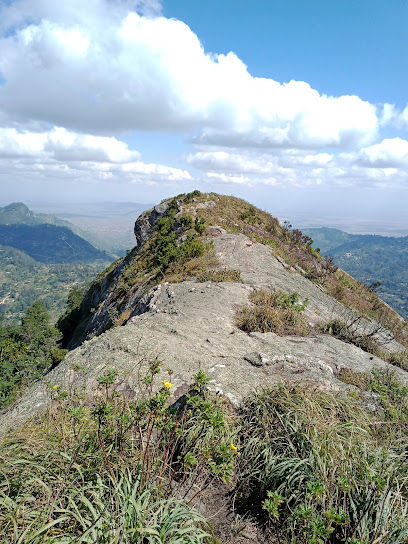
Wesu Rock
17.8 km
Discover Wesu Rock, a breathtaking hiking area in Wundanyi, Kenya, offering stunning views, rich biodiversity, and a tranquil escape into nature.
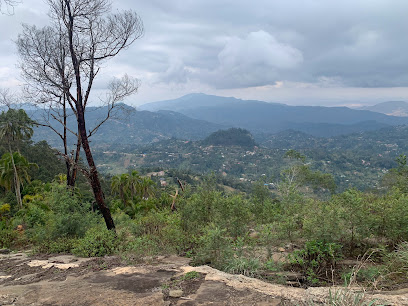
Njama Ya Mzango Taita Taveta Cultural Centre
19.5 km
Explore the cultural richness of Taita Taveta at Njama Ya Mzango Cultural Centre, where tradition and artistry come alive in an unforgettable experience.
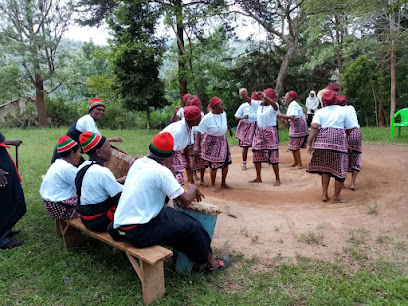
Taita raising
20.1 km
Explore Taita Raising in Wundanyi, a historical museum that unveils the rich cultural heritage of the Taita community in Kenya.
Taita hills, Iyale hill
20.1 km
Discover Taita Hills, a stunning historical landmark in Wundanyi, Kenya, perfect for history enthusiasts and nature lovers seeking breathtaking views.
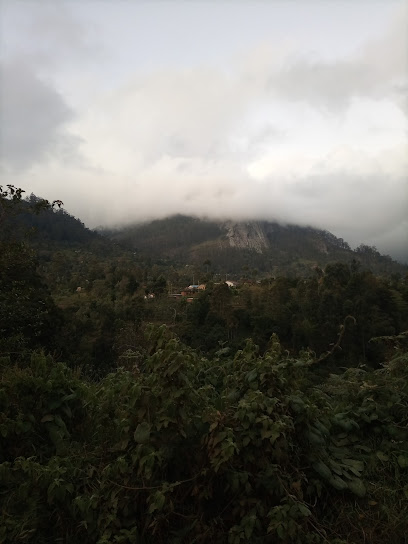
Tsavo West National Park
27.9 km
Experience the majestic landscapes and diverse wildlife of Tsavo West National Park, a true gem in Kenya's natural heritage.
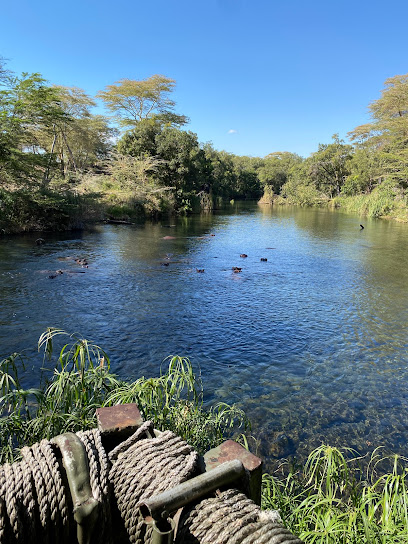
TAITA TAVETA WILDLIFE FORUM
35.3 km
Discover the wonders of Taita Taveta Wildlife Forum, a captivating wildlife park in Voi, Kenya, dedicated to conservation and adventure.
Pikapika hill
36.2 km
Explore the breathtaking views and natural beauty of Pikapika Hill in Ndome, a top destination for nature lovers and adventure seekers in Kenya.
Vikombonyi
36.7 km
Explore Vikombonyi: A Hidden Gem in Ndome, Kenya, Offering Stunning Landscapes and Rich Cultural Experiences.
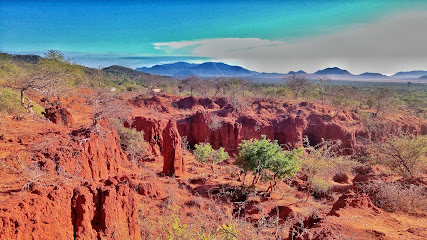
Daphne Sheldrick elephant sanctuary
40.6 km
Explore the Daphne Sheldrick Elephant Sanctuary in Voi, Kenya, where orphaned elephants find love, care, and conservation.
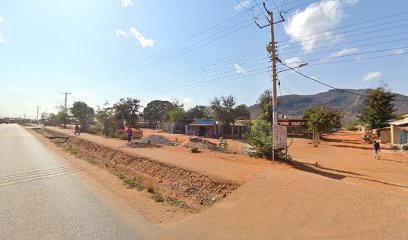
Essential places to dine

Pedu Grill and Garden
19.2 km
Enjoy delightful meals amidst nature at Pedu Grill and Garden in Mwatate - A family-friendly dining experience filled with local flavors.
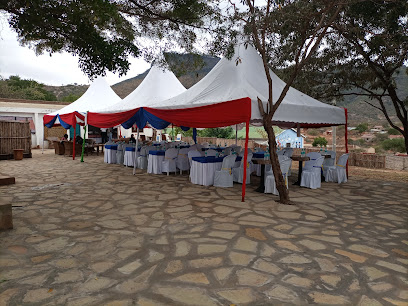
Treetops hotel
20.3 km
Discover delicious Kenyan cuisine at Treetops Hotel in Mombasa – where great taste meets affordability amidst lush surroundings.

Rhino Valley Lodge
27.9 km
Discover unmatched comfort at Rhino Valley Lodge in Tsavo West National Park - where luxury meets wild adventure amidst breathtaking landscapes.
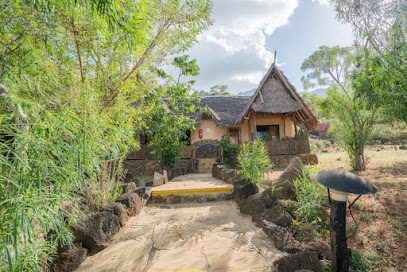
Panlis Resort
29.8 km
Discover serenity at Panlis Resort in Majego – your perfect retreat surrounded by nature's beauty and tranquility.
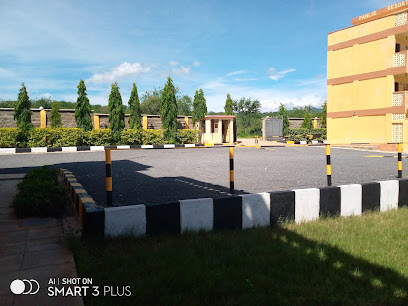
Tabasamu Restaurant-African Smile
39.0 km
Discover the authentic taste of Africa at Tabasamu Restaurant in Mombasa – where every dish is a journey through rich cultural flavors.

Rosewood Hotel & Grill Voi
39.5 km
Discover exquisite dining at Rosewood Hotel & Grill Voi – where local flavors meet vibrant atmosphere.
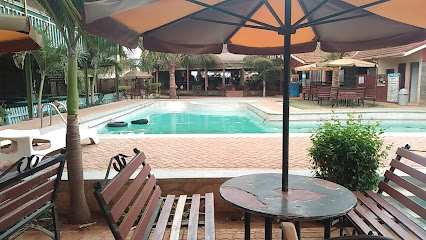
Club shalex
39.8 km
Experience vibrant sports culture at Club Shalex in Voi - where great food meets thrilling live games in an inviting atmosphere.
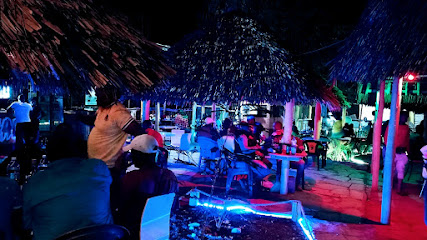
Coast Dishes
41.3 km
Experience authentic coastal cuisine at Coast Dishes in Voi - where local flavors meet affordability.
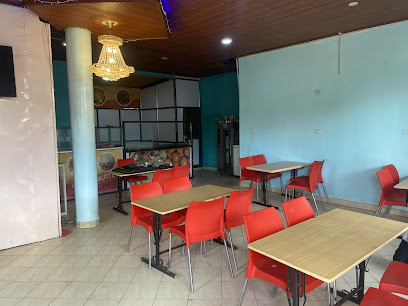
Voi Safari Lodge
43.2 km
Experience luxury amidst nature at Voi Safari Lodge – your gateway to unforgettable Kenyan safaris.
Tsavo Lodge voi
43.2 km
Discover tranquility and adventure at Tsavo Lodge Voi - your gateway to the wonders of Tsavo East National Park.
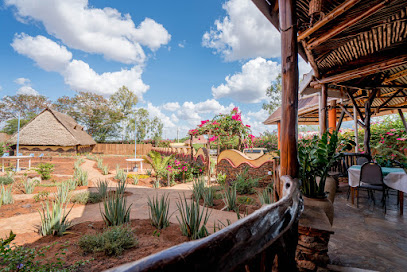
Kings Landing Tsavo
43.4 km
Discover comfort and adventure at Kings Landing Tsavo - your gateway to explore Kenya's majestic wildlife and stunning landscapes.
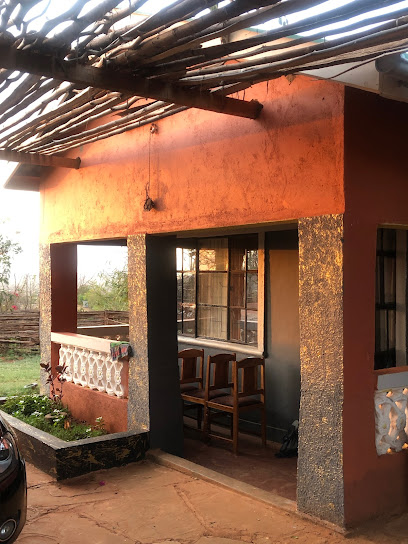
Tsavo Mashariki Camp
44.8 km
Discover serenity amidst wildlife at Tsavo Mashariki Camp – your gateway to adventure in Kenya's iconic Tsavo National Park.
Tangu springs hotel
63.0 km
Discover the perfect blend of local and international cuisine at Tangu Springs Hotel in Konza - an oasis of flavor and tranquility.
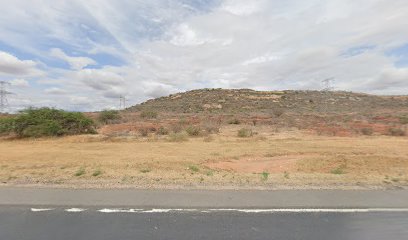
Aruba Lodge
70.2 km
Experience authentic Kenyan flavors at Aruba Lodge, where every meal is a celebration of taste and culture in a beautiful setting.
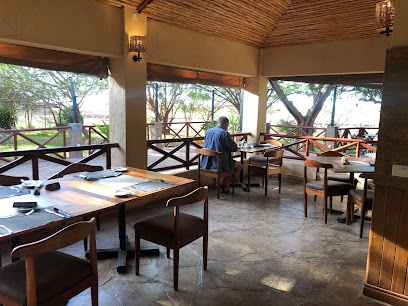
Kilimanjaro Snow Peak Restaurant and Bar
74.0 km
Experience authentic Tanzanian cuisine with stunning views of Mount Kilimanjaro at Kilimanjaro Snow Peak Restaurant and Bar.
Markets, malls and hidden boutiques

Mghwala Shopping Cetre
11.5 km
Explore the vibrant Mghwala Shopping Centre in Mwanda for a unique shopping experience blending local culture, cuisine, and community events.
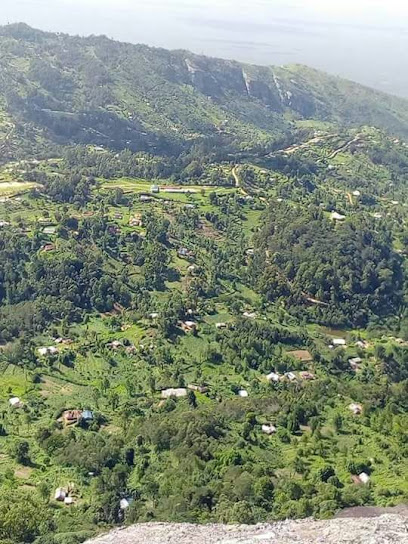
Mreshinyi
16.4 km
Explore Mreshinyi in Kidaya Ngerenyi for a unique shopping experience blending local culture with diverse retail options.
Wasinyi Shopping Center
18.4 km
Discover the vibrant Wasinyi Shopping Center, where local flavors meet everyday essentials in an authentic shopping experience.
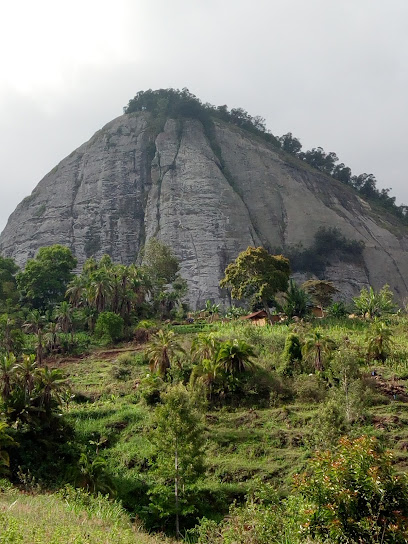
Josa Two Shop
18.5 km
Discover the charm of Mwatate at Josa Two Shop, your local destination for unique crafts and essentials that showcase the region's vibrant culture.
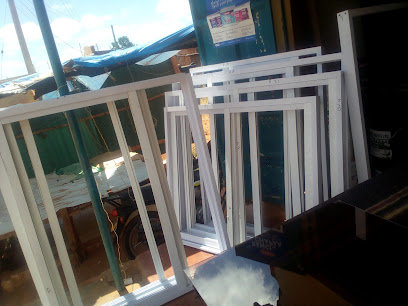
Njiru's Shop
18.6 km
Discover local treasures and authentic flavors at Njiru's Shop, Ilole's vibrant shopping destination.
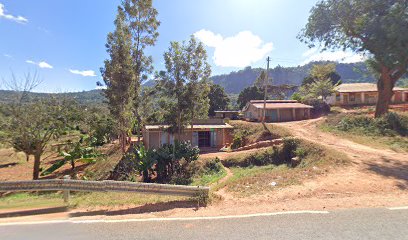
Saghasa
18.9 km
Discover Saghasa, Wundanyi's bustling shopping mall, where vibrant stores and local cuisine create an unforgettable Kenyan experience.
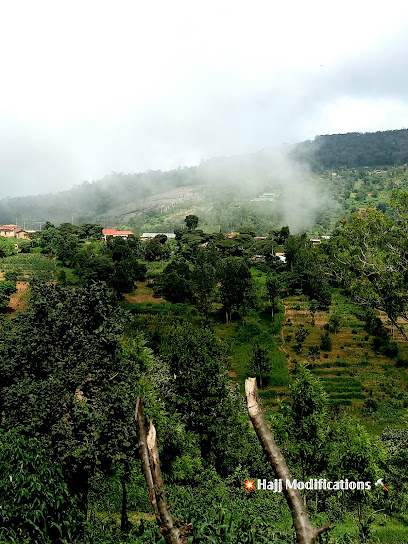
AMANI KIOSK
19.5 km
Explore AMANI KIOSK in Wundanyi for unique Kenyan crafts, vibrant souvenirs, and a taste of local culture in a lively shopping environment.

Hair and beauty products.Three in One Collections Viatu, textile and beauty products.
19.8 km
Explore Viatu in Wundanyi for an exceptional selection of hair and beauty products, perfect for every beauty enthusiast and traveler.

NURU DAIRY
19.9 km
Explore the fresh flavors of Wundanyi at Nuru Dairy, where local dairy production meets community spirit in a delightful shopping experience.
CORNER SHOP
20.0 km
Discover the Corner Shop in Wundanyi for fresh produce, local delicacies, and everyday essentials, perfect for every traveler.
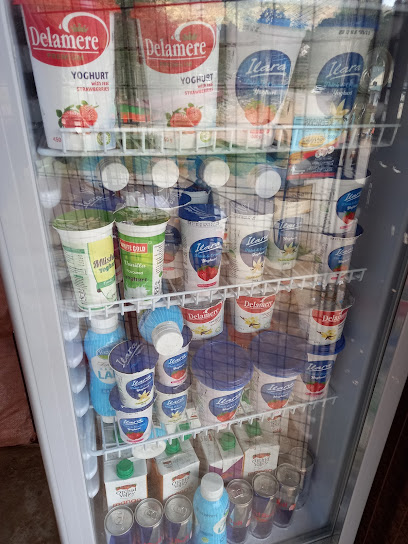
Wundanyi
20.1 km
Explore Wundanyi, Kenya: A Boutique Destination Blending Natural Beauty, Local Culture, and Unique Experiences.
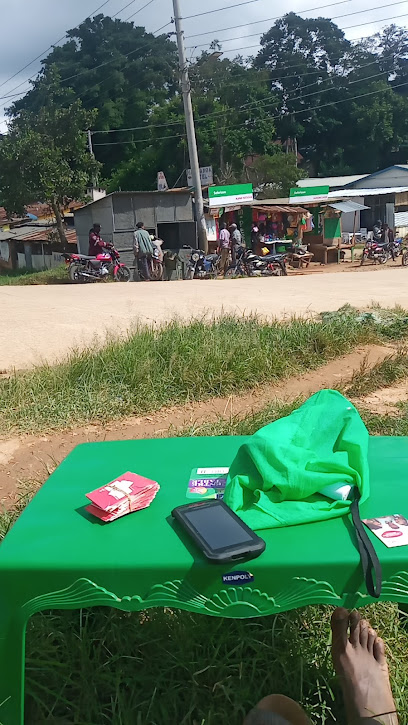
Azam Fashion Store
20.2 km
Discover authentic Kenyan fashion at Azam Fashion Store, your go-to destination for stylish clothing in Mwatate.

Evergreen Retail Shop
20.3 km
Explore Evergreen Retail Shop in Mwatate for unique home goods and authentic Kenyan craftsmanship, perfect for souvenirs or gifts.
Rohac Enterprises
20.4 km
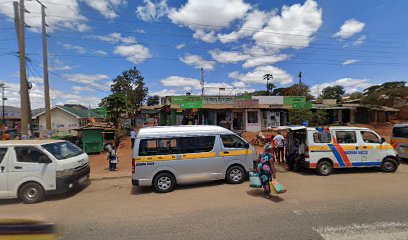
Uncover the best footwear selection at Rohac Enterprises in Mwatate - where style and comfort meet local charm.
Kiwande Shopping centre
21.1 km
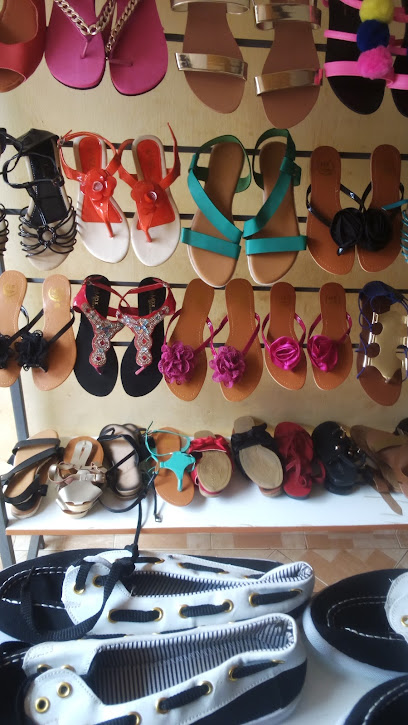
Explore Kiwande Shopping Centre for unique home goods and local craftsmanship in a vibrant shopping atmosphere.

Essential bars & hidden hideouts

Starehe Bar & Restaurant, Mghange
14.8 km
Experience the rich flavors of Kenya at Starehe Bar & Restaurant in Wundanyi, where local cuisine meets warm hospitality.
Taita Rocks Hotel
19.5 km
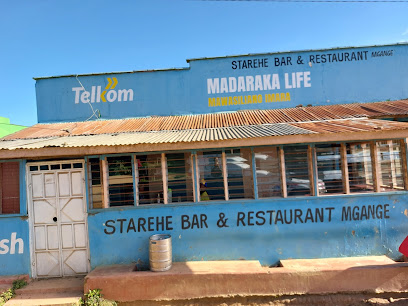
Discover the tranquility and charm of Taita Rocks Hotel, your perfect escape in Wundanyi, Kenya, surrounded by breathtaking views and rich culture.
Pinpoint Bar and Restaurant
19.6 km
Experience authentic Kenyan hospitality at Pinpoint Bar and Restaurant in Wundanyi, where local flavors and vibrant atmosphere come together.
Cc Hall And Restaurant
19.7 km
Discover the local charm of Cc Hall And Restaurant in Wundanyi, where cozy ambiance meets delightful drinks in a friendly bar atmosphere.
Blue Room
19.8 km
Discover the culinary delights of Blue Room in Wundanyi, where local flavors meet a cozy dining experience.
TSAVO BAR
20.0 km
Discover the lively atmosphere and local flavors at Tsavo Bar in Wundanyi, a must-visit destination for an authentic Kenyan nightlife experience.
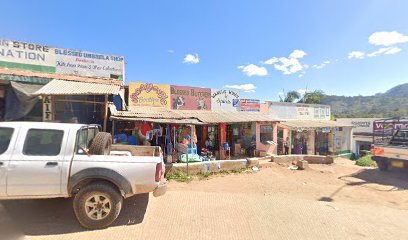
Heritage Hotel
20.0 km
Discover the flavors of Wundanyi at Heritage Hotel, where local cuisine meets warm hospitality in an inviting atmosphere.
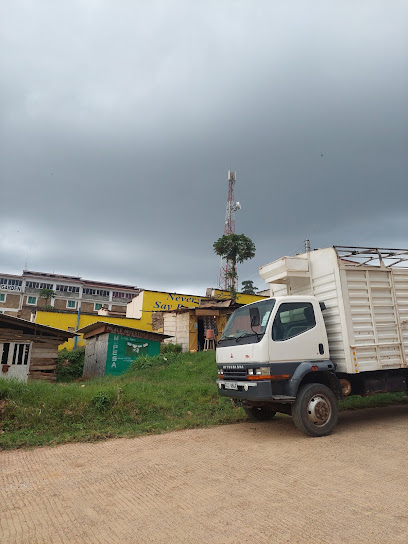
Lavender Gardens and Restaurant
20.0 km
Discover the enchanting Lavender Gardens and Restaurant, where culinary delights meet the beauty of nature in Wundanyi.
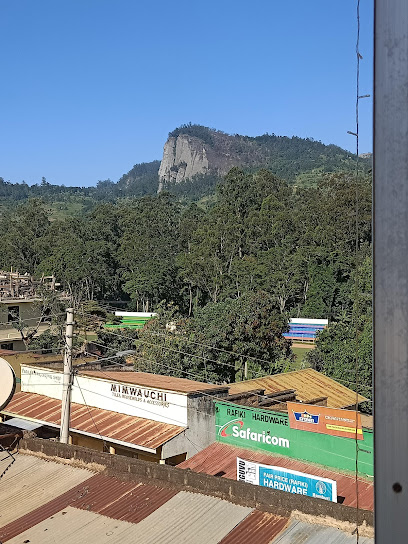
Mwasungia scenery
20.5 km
Explore the breathtaking landscapes of Mwasungia Scenery, where nature meets tranquility in the heart of Wundanyi.
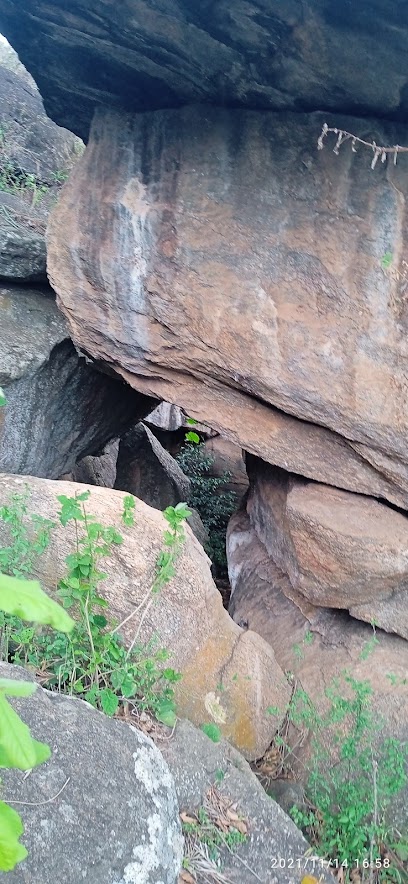
Hunters Pub
22.8 km
Experience the vibrant nightlife at Hunters Pub in Wundanyi, where local flavors and friendly conversations come together for an unforgettable evening.
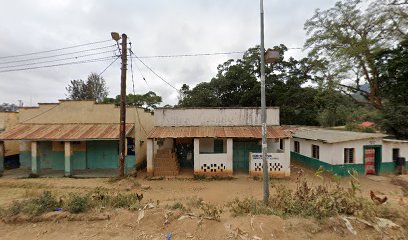
Red square pub
23.2 km
Discover the heart of Kenya's nightlife at Red Square Pub, where lively ambiance meets local culture and unforgettable experiences await.
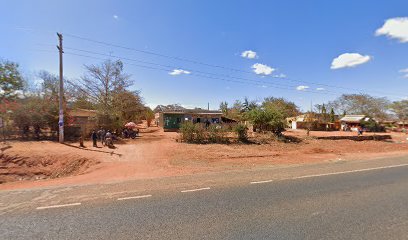
United Brothers
30.0 km
Discover the lively atmosphere and authentic drinks at United Brothers, Wongonyi's premier pub for tourists seeking a great night out.
Challex Lounge
39.8 km
Experience the vibrant nightlife of Voi at Challex Lounge, a lively bar offering delicious drinks and a warm, welcoming atmosphere.
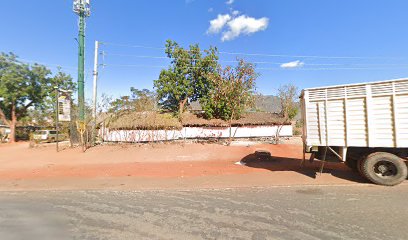
Gems Lounge Bar & Restaurant
40.6 km
Experience the vibrant culinary scene at Gems Lounge Bar & Restaurant, where locals and tourists come together for delicious grilled dishes and a lively atmosphere.
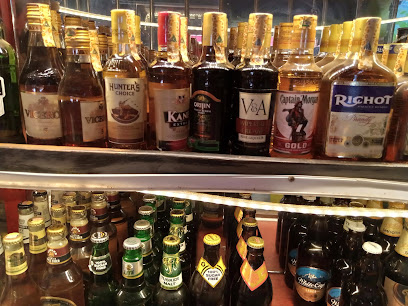
Friday's Pub
40.6 km
Friday's Pub in Voi: Experience the lively atmosphere, mingle with locals, and enjoy a taste of authentic Kenyan nightlife.

Nightclubs & after hour spots

Bysander Night Club
20.3 km
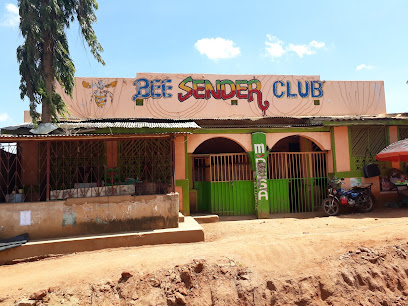
Discover the energetic nightlife of Mwatate at Bysander Night Club, where music, dance, and local culture come alive for an unforgettable experience.
Club Xtacy Voi
41.2 km
Discover the lively atmosphere of Club Xtacy Voi, where vibrant music and unforgettable experiences come together for an exhilarating night out.
254 Lounge sofia
43.0 km
Discover the vibrant nightlife at 254 Lounge Sofia, a premier night club in Voi, where great music and delicious drinks create unforgettable evenings.
Miano Heights(lounge and restaurant)
53.8 km
Dive into the vibrant nightlife at Miano Heights, Mombasa's premier night club with great food, drinks, and unforgettable experiences.
Tsavo Safari Camp
86.1 km
Discover the breathtaking beauty and wildlife of Tsavo East National Park at Tsavo Safari Camp, your gateway to an unforgettable safari experience.
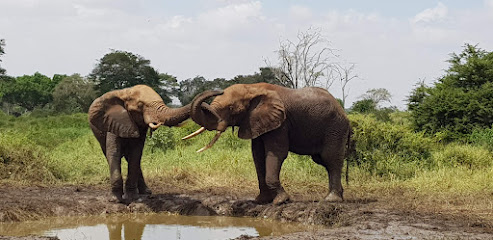
Minja's Lounge
94.9 km
Discover the vibrant nightlife at Minja's Lounge in Shanty Town, where great drinks, music, and an energetic atmosphere await you.
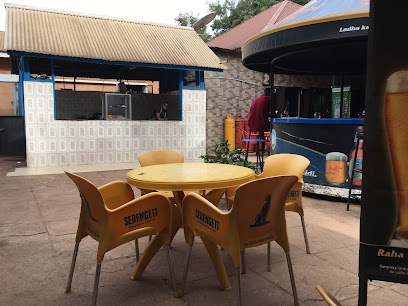
Peter's Club
95.1 km
Discover the vibrant nightlife at Peter's Club in Mfumuni, where great drinks and an energetic atmosphere await every visitor.
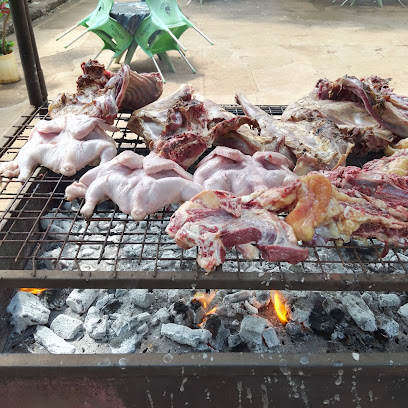
Moshi Central Club
95.7 km
Discover the rhythm of Moshi at Moshi Central Club, a lively bar where culture, music, and socializing come together for an unforgettable night out.
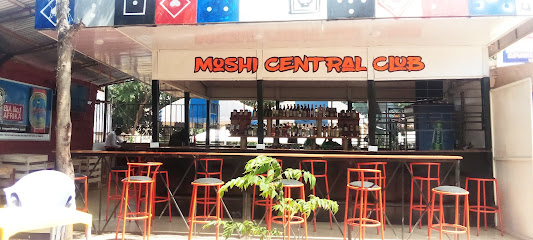
AMIGOZ LOUNGE
95.8 km
Discover the vibrant ambiance of Amigoz Lounge in Majengo – a perfect spot for relaxation and socializing with locals and fellow travelers.
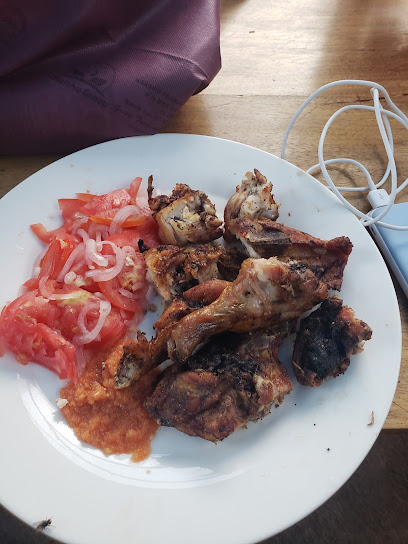
Malindi tonight
96.0 km
Discover the electrifying ambiance of Malindi Tonight, the ultimate night club in Shanty Town, promising unforgettable nights of music and dance.
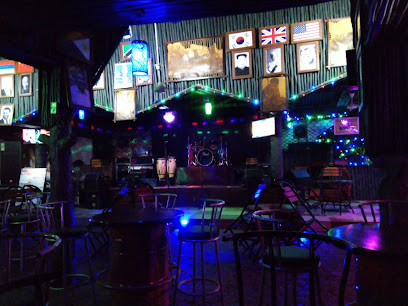
Wooden garden in Moshi
96.9 km
Discover tranquility at the Wooden Garden in Moshi, where nature meets comfort for a unique lounge experience.
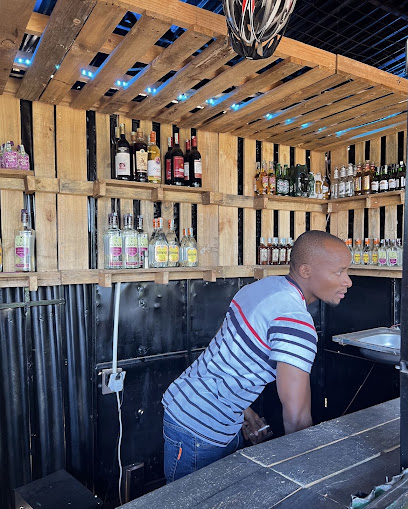
Night Club "Red Stone"
97.1 km
Discover the electrifying nightlife at Night Club Red Stone, where music and dance create unforgettable memories in the heart of the city.
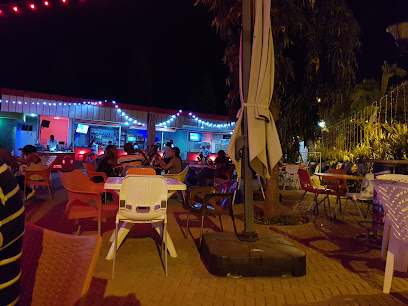
MAKUTI CLUB
97.3 km
Discover the lively nightlife at Makuti Club in Oloitokitok, where vibrant music and a welcoming atmosphere await every visitor.
Vegas Bar
97.3 km
Discover the vibrant nightlife at Vegas Bar in Shanty Town, where affordable drinks and a lively atmosphere await every visitor.
MASHUA'S CHARLIES LOUNGE (Club Mashuas)
97.4 km
Immerse yourself in the lively ambiance of Mashua's Charlie's Lounge, the ultimate night club experience in Oloitokitok, Kenya.