
Lake Victoria Basin, Kenya Travel Guide
Discover the serene beauty and cultural richness of Lake Victoria Basin in Kenya, a destination that blends natural wonders with vibrant local traditions.
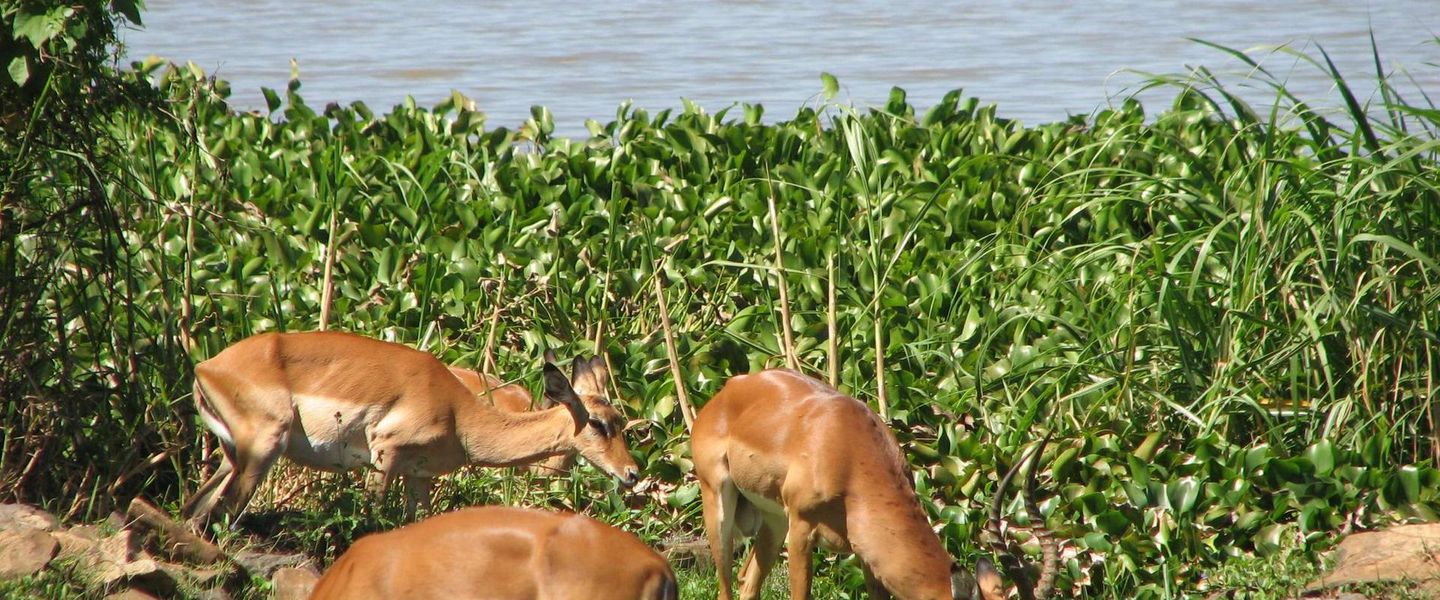
Lake Victoria Basin in Kenya is a serene and enchanting destination, offering a unique blend of natural beauty and cultural richness. As the world's second-largest freshwater lake, Lake Victoria's vast expanse provides a stunning backdrop for a variety of activities. The region is home to diverse wildlife, including a myriad of bird species, making it a paradise for bird watchers and nature enthusiasts. The local communities around Lake Victoria are vibrant and welcoming, offering visitors a glimpse into their traditional way of life. The bustling markets, lively music, and colorful festivals provide an immersive cultural experience. You can explore local crafts, taste fresh fish from the lake, and even participate in traditional ceremonies. For those seeking adventure, the lake offers opportunities for fishing, boating, and guided tours to nearby islands. The picturesque sunsets over the water are a sight to behold, providing perfect moments for relaxation and reflection. Whether you are an adventure seeker or simply looking for a peaceful retreat, Lake Victoria Basin in Kenya is a destination that promises unforgettable memories.

Know before you go
Hi, I'm Eve. Here are a few practical things to know before exploring Lake Victoria Basin.
- Visit during the dry season (June to October) for the best weather and bird-watching opportunities.
- Hire a local guide for a more immersive experience and to learn about the region's history and culture.
- Try the local fish dishes, especially the Nile perch, at one of the lakeside restaurants.
- Pack insect repellent, as the lake area can have mosquitoes, especially in the evenings.
- Don't miss a boat trip to one of the nearby islands, such as Rusinga or Mfangano, for a unique perspective of the lake.
Top City Travel Guides in Lake Victoria Basin
The cities of Lake Victoria Basin, and the easiest places to base yourself.


Destinations in Lake Victoria Basin
Resorts, valleys and scenic spots worth a trip of their own.



Explore Lake Victoria Basin: Things to Do, Places to Eat, Hotels & More
Handpicked recommendations for top attractions, local dining, accommodations, and more

Top Attractions & Sightseeing in Lake Victoria Basin
Top-rated picks
Best Attractions
Kakamega Forest
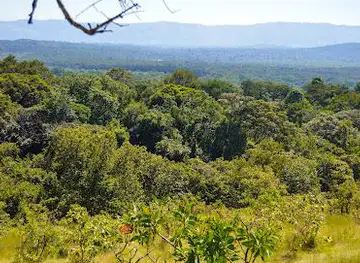
Discover the enchanting Kakamega Forest, Kenya's last tropical rainforest, rich in biodiversity and adventure for nature lovers.

Nabuyole Falls
Discover the breathtaking beauty of Nabuyole Falls in Lwandeti, a natural wonder that captivates with its stunning cascades and serene surroundings.

Sisiyi Falls
Experience the breathtaking beauty of Sisiyi Falls, a serene oasis in Uganda, perfect for nature lovers and adventure seekers alike.

Buteyo Miti Park
Experience the serene beauty of Buteyo Miti Park, a tranquil escape in Bungoma, Kenya, perfect for relaxation, picnics, and nature exploration.

Best landmarks in Lake Victoria Basin
Top-rated picks
Best Landmarks

Uhuru Gardens
Explore Uhuru Gardens, Nairobi's historical landmark, where Kenya's independence comes alive amidst beautiful landscapes and monuments.

Maasai Mara National Reserve
Experience the breathtaking beauty and wildlife of Maasai Mara National Reserve, a haven for nature lovers and adventure seekers in Kenya.

Equator Marker
Visit the Equator Marker in Nanyuki, a unique historical landmark where you can stand in both hemispheres and explore stunning landscapes.

Kenya Wildlife Impala Park
Discover the breathtaking beauty and diverse wildlife at Kenya Wildlife Impala Park, a tranquil escape near Lake Victoria.

Best restaurants in Lake Victoria Basin
Top-rated picks
Best Restaurants

Fogo Gaucho
Experience authentic Brazilian cuisine at Fogo Gaucho - where every meal is a feast for the senses.

Fogo Gaucho Kilimani
Experience authentic Brazilian cuisine at Fogo Gaucho Kilimani - where flavor meets tradition in Nairobi's vibrant dining scene.

Yul's Restaurant
Experience exquisite dining at Yul's Restaurant in Mombasa – where local flavors meet international cuisine in a welcoming ambiance.

Red Ginger
Discover Red Ginger: A vibrant restaurant in Nairobi serving exquisite fusion cuisine with fresh local ingredients in a contemporary setting.

Best bars in Lake Victoria Basin
Top-rated picks
Best Bars

The Alchemist
Experience the vibrant nightlife and eclectic culinary scene at The Alchemist, Nairobi's premier bar and cultural hub.

Talisman Restaurant
Discover an exquisite blend of local and international cuisines at Talisman Restaurant in Nairobi, set in a charming and serene atmosphere.

Quiver Lounge - Thika Road
Discover Quiver Lounge on Thika Road - a lively oasis for delicious cuisine and refreshing drinks in Nairobi, perfect for relaxation and entertainment.
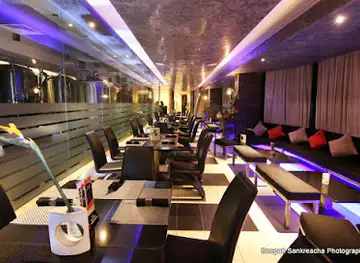
Brew Bistro and Lounge
Experience the best of Nairobi's craft beer and cuisine at Brew Bistro and Lounge, where every sip and bite tells a story.

Best nightclubs in Lake Victoria Basin
Top-rated picks
Best Nightclubs

The Alchemist
Discover Nairobi's vibrant nightlife at The Alchemist, a trendy bar and event venue offering diverse food, live music, and a lively social scene.

K1 Klub House
Experience Nairobi's vibrant nightlife at K1 Klub House, a premier destination for dance, drinks, and delicious food.

Edge Lounge
Discover Nairobi's nightlife at Edge Lounge, a lively club featuring eclectic music, signature drinks, and an energetic atmosphere perfect for socializing.

Casa Vera Lounge
Experience vibrant nightlife at Casa Vera Lounge in Ngong, where delicious food, great music, and a lively atmosphere await you.

Best shops in Lake Victoria Basin
Top-rated picks
Best Shops

Two Rivers
Experience the essence of Nairobi at Two Rivers Mall, the largest shopping destination in East Africa, blending shopping, dining, and entertainment.

TRM - Thika Road Mall
Discover the vibrant atmosphere of TRM - Thika Road Mall, a shopping paradise in Nairobi with diverse shops, dining, and entertainment options.

Garden City Mall
Experience the best of shopping, dining, and entertainment at Nairobi's premier destination, Garden City Mall.

The Junction Mall
Explore The Junction Mall in Nairobi, a vibrant shopping destination with a mix of local and international brands, dining, and entertainment options.

Explore Lake Victoria Basin on the Map
A handpicked selection of must-see spots in Lake Victoria Basin, mapped for you.
Lake Victoria Basin Essentials
-
The Lake Victoria Basin in Kenya can be accessed through multiple routes. The most common entry point is Kisumu International Airport, which offers both domestic and international flights. From Nairobi, you can also choose to travel by bus or car along the A104 and A1 highways, which connect to the Lake Victoria Basin region. The journey by road takes approximately 6-8 hours, depending on traffic.
-
Once in the Lake Victoria Basin, you have several options for getting around. Taxis and matatus (shared minibuses) are widely available and are the most common forms of local transport. For more flexibility, you can rent a car from Kisumu or one of the other major towns in the region. Boda-bodas (motorcycle taxis) are also prevalent and can be a quick way to navigate through towns, but they come with higher safety risks.
-
The official currency in Kenya is the Kenyan Shilling (KES). Credit cards are accepted in most hotels, restaurants, and larger shops in major towns like Kisumu. However, it’s advisable to carry cash, especially when venturing into more rural areas. ATMs are available in major towns, but always ensure you have sufficient cash before heading to remote locations.
-
The Lake Victoria Basin is generally safe for tourists, but like any travel destination, certain precautions should be taken. Areas such as Kisumu's Nyalenda and Obunga neighborhoods have higher crime rates and should be avoided, especially at night. Always keep an eye on your belongings and avoid displaying valuables openly. Stick to well-lit and populated areas after dark.
-
In case of an emergency, dial 999 for police assistance or 112 for medical emergencies. Major towns in the Lake Victoria Basin have hospitals and clinics that can handle most medical issues. It's advisable to have travel insurance that covers medical emergencies. For minor ailments, local pharmacies are available in most towns.
-
Fashion: Do dress modestly and avoid revealing clothing, especially in rural areas and religious sites. Religion: Do respect local customs, and remove your shoes when entering religious buildings. Public Transport: Do be polite and patient; matatus can be crowded. Don’t argue with the conductor over fares. Greetings: Do greet people with a handshake and a smile. A slight bow of the head is also a sign of respect. Eating & Drinking: Do try local dishes and accept food offerings graciously. Don’t refuse hospitality, as it is considered impolite.
-
To experience the Lake Victoria Basin like a local, visit the bustling markets in Kisumu where you can buy fresh produce and traditional crafts. Engage with locals who are often friendly and eager to share stories about their culture and history. Take a boat ride on Lake Victoria to see the diverse birdlife and enjoy fresh fish at one of the lakeside restaurants. Don't miss visiting the Kit Mikayi rock formation, a site of spiritual significance.
When is the best time to visit Lake Victoria Basin?
Useful Local Phrases for Lake Victoria Basin
You don't need to speak the language perfectly. Even learning a few simple words can make conversations warmer—and locals usually appreciate the effort.
— Eve

Here are the phrases I use most often in Lake Victoria Basin. Try a few—you'll be surprised how far they go! 😊
❤️
-
- HelloJambo
[Jahm-bo] - GoodbyeKwaheri
[Kwah-heh-ree] - YesNdiyo
[Ndee-yo] - NoHapana
[Ha-pah-nah] - Please/You're welcomeTafadhali/ Karibu
[Tah-fah-dah-lee/ Kah-ree-boo] - Thank youAsante
[Ah-sahn-teh] - Excuse me/SorrySamahani
[Sah-mah-hah-nee] - How are you?Habari gani?
[Hah-bah-ree gah-nee?] - Fine. And you?Nzuri. Na wewe?
[Nzu-ree. Nah weh-weh?] - Do you speak English?Unazungumza Kiingereza?
[Oo-nah-zoo-ngum-zah Kee-ing-eh-reh-zah?] - I don't understandSielewi
[See-eh-leh-wee]
- HelloJambo
-
- I'd like to see the menu, pleaseNingependa kuona menyu, tafadhali
[Nin-geh-pen-dah koo-oh-nah men-yoo, tah-fah-dah-lee] - I don't eat meatSili nyama
[See-lee nyah-mah] - Cheers!Afya!
[Ah-fyah!] - I would like to pay, pleaseNingependa kulipa, tafadhali
[Nin-geh-pen-dah koo-lee-pah, tah-fah-dah-lee]
- I'd like to see the menu, pleaseNingependa kuona menyu, tafadhali
-
- Help!Msaada!
[M-sah-dah!] - Go away!Toka!
[Toh-kah!] - Call the Police!Piga simu polisi!
[Pee-gah see-moo poh-lee-see!] - Call a doctor!Piga simu daktari!
[Pee-gah see-moo dahk-tah-ree!] - I'm lostNimepotea
[Nee-meh-poh-teh-ah] - I'm illNinaumwa
[Nee-nah-oo-mwah]
- Help!Msaada!
-
- I'd like to buy...Ningependa kununua...
[Nin-geh-pen-dah koo-noo-noo-ah...] - I'm just lookingNatazama tu
[Nah-tah-zah-mah too] - How much is it?Ni bei gani?
[Nee beh-ee gah-nee?] - That's too expensiveHiyo ni ghali sana
[Hee-yoh nee gah-lee sah-nah] - Can you lower the price?Unaweza kupunguza bei?
[Oo-nah-weh-zah koo-poon-gah-zah beh-ee?]
- I'd like to buy...Ningependa kununua...
-
- What time is it?Ni saa ngapi?
[Nee sah ahn-gah-pee?] - It's one o'clockNi saa moja
[Nee sah ah moh-jah] - Half past (10)Saa kumi na nusu
[Sah koo-mee nah noo-soo] - MorningAsubuhi
[Ah-soo-boo-hee] - AfternoonMchana
[M-chah-nah] - EveningJioni
[Jee-oh-nee] - YesterdayJana
[Jah-nah] - TodayLeo
[Lay-oh] - TomorrowKesho
[Keh-shoh] - 1Moja
[Moh-jah] - 2Mbili
[Mbee-lee] - 3Tatu
[Tah-too] - 4Nne
[Neh-neh] - 5Tano
[Tah-noh] - 6Sita
[See-tah] - 7Saba
[Sah-bah] - 8Nane
[Nah-neh] - 9Tisa
[Tee-sah] - 10Kumi
[Koo-mee]
- What time is it?Ni saa ngapi?
-
- Where's a/the...?Iko wapi...?
[Ee-koh wah-pee...?] - What's the address?Anwani ni ipi?
[Ah-nwah-nee nee ee-pee?] - Can you show me (on the map)?Unaweza kunionyesha (katika ramani)?
[Oo-nah-weh-zah koo-nee-oh-nyesh-ah (kah-tee-kah rah-mah-nee)?] - When's the next (bus)?Basi inayofuata ni lini?
[Bah-see ee-nah-yoh-foo-ah-tah nee lee-nee?] - A ticket (to ....)Tiketi (kwenda ....)
[Tee-keh-tee (kwen-dah ....)]
- Where's a/the...?Iko wapi...?
History of Lake Victoria Basin
-
The Lake Victoria Basin has been inhabited by various communities for thousands of years. Archaeological evidence suggests that early human settlements in the area date back to the Stone Age. The region was home to diverse ethnic groups such as the Luo, Bantu, and Nilotic peoples who engaged in fishing, agriculture, and trade.
-
Around 1000 BCE, the Bantu migration significantly influenced the cultural and social dynamics of the Lake Victoria Basin. Bantu-speaking people brought with them advanced farming techniques, ironworking skills, and new forms of social organization. This migration laid the groundwork for the development of complex societies in the region.
-
From the 10th century onwards, Arab and Swahili traders found their way to the Lake Victoria Basin, establishing trade routes that connected the East African coast with the interior. They traded goods such as salt, beads, and cloth for ivory, gold, and slaves. This period saw the rise of Swahili culture and the spread of Islam in the region.
-
The Lake Victoria Basin piqued the interest of European explorers in the 19th century. Notable explorers like John Hanning Speke and Richard Francis Burton ventured into the region in search of the source of the Nile. In 1858, Speke became the first European to reach Lake Victoria, naming it after Queen Victoria of England.
-
During the late 19th and early 20th centuries, the Lake Victoria Basin fell under British colonial rule. The British established administrative centers, infrastructure, and plantations, significantly altering the social and economic landscape of the region. The construction of the Uganda Railway further facilitated trade and movement.
-
Kenya gained independence from British colonial rule in 1963, marking a new chapter for the Lake Victoria Basin. The region became a focal point for national development efforts, including agricultural projects and the establishment of Kisumu as a major urban center. Efforts to manage the lake's resources and address environmental issues have also been a priority in the post-independence era.
-
Today, the Lake Victoria Basin is a vibrant mosaic of cultures, traditions, and modern influences. The Luo community, among others, maintains its rich cultural heritage through music, dance, and festivals. The lake itself continues to be a vital resource for fishing and agriculture, while also attracting tourists from around the world.
Neighbouring Regions of Lake Victoria Basin
The closest regions to Lake Victoria Basin, if you have time for more than one.


Your all‑in‑one travel companion app
Explore expert travel guides, compare and book tours, experiences, hotels, and more—all from the palm of your hand. Download now for seamless trip planning wherever your wanderlust takes you.


Explore More of Kenya
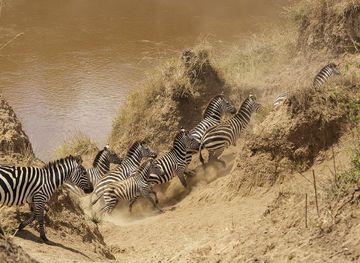
Looking beyond Lake Victoria Basin? Discover Kenya for broader travel guides, local hot-spots, and regional highlights.
Explore KenyaLake Victoria Basin in Photos
Browse through our photo collection highlighting the charm and character of the destination.
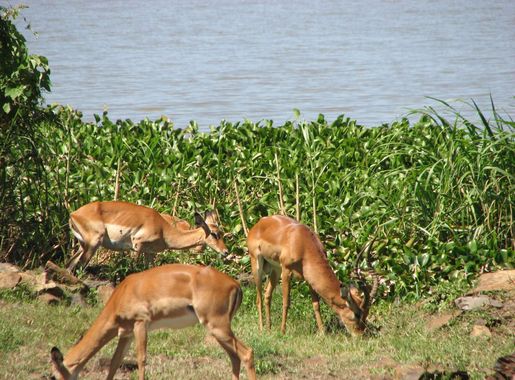


Tranquil Waters of Lake Victoria Basin
Lake Victoria Basin in Kenya is a serene and enchanting destination, offering a unique blend of natural beauty and cultural richness. As the world's second-largest freshwater lake, Lake Victoria's vast expanse provides a stunning backdrop for a variety of activities. The region is home to diverse wildlife, including a myriad of bird species, making it a paradise for bird watchers and nature enthusiasts. The local communities around Lake Victoria are vibrant and welcoming, offering visitors a glimpse into their traditional way of life. The bustling markets, lively music, and colorful festivals provide an immersive cultural experience. You can explore local crafts, taste fresh fish from the lake, and even participate in traditional ceremonies. For those seeking adventure, the lake offers opportunities for fishing, boating, and guided tours to nearby islands. The picturesque sunsets over the water are a sight to behold, providing perfect moments for relaxation and reflection. Whether you are an adventure seeker or simply looking for a peaceful retreat, Lake Victoria Basin in Kenya is a destination that promises unforgettable memories.