

Free Nyanza Region Travel Guide & Mobile App
Explore Nyanza Region with free travel guides. Discover regional history, expert tips, proposed trips, and audio guides on web or mobile app.


Explore Kenya's Nyanza Region for Lake Victoria islands, archaeological heritage, Kisumu culture, highland scenery and distinctive local food traditions.
Read more about Nyanza Region
When is the best time to visit Nyanza Region?
Best: February, July–August · 27–29°C| Month | High (°C) | Rainfall (mm) |
|---|---|---|
| January | 29 | 100 |
| February (best) | 29 | 90 |
| March | 30 | 110 |
| April | 29 | 130 |
| May | 29 | 140 |
| June | 28 | 120 |
| July (best) | 27 | 110 |
| August (best) | 28 | 100 |
| September | 28 | 110 |
| October | 29 | 120 |
| November | 28 | 130 |
| December | 28 | 140 |
Getting to and around Nyanza Region
How to get there
Transportation
Top city travel guides in Nyanza Region
The cities of Nyanza Region, and the easiest places to base yourself.

Swipe for more cities
Best attractions in Nyanza Region
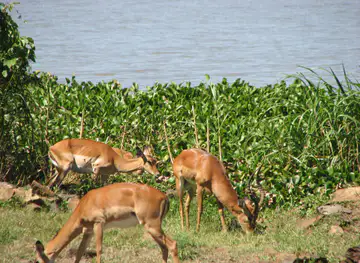
Nyanza's attractions range from urban museums and wildlife enclosures to island landscapes, archaeological sites and working lakeside communities. In Kisumu, the Kisumu Museum provides a valuable introduction to regional ecology, archaeology and culture, while the adjacent Impala Sanctuary offers close views of wildlife in a lakeshore setting. Dunga Beach and nearby wetlands are associated with fishing, birdwatching and boat excursions. Ndere Island National Park, in the lake off the Kisumu shore, combines woodland, open water and bird habitats. Around Homa Bay and Mbita, Rusinga and Mfangano islands offer archaeological and cultural journeys, although transport needs advance local planning. Thimlich Ohinga near Migori is the region's most important archaeological attraction, and Kit Mikayi near Kisumu is a culturally significant rock formation. In Kisii and Nyamira, visitors encounter tea-growing landscapes, soapstone workshops, market towns and intensively cultivated highlands rather than classic safari scenery. Walking, birdwatching, boat trips and cultural visits are generally more characteristic of Nyanza than large-scale resort tourism.
-
Grill
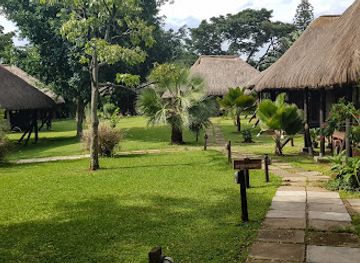
Dunga Hill Camp
Experience the perfect blend of relaxation, adventure, and culture at Dunga Hill Camp, Kisumu's hidden gem along the shores of Lake Victoria.
-
Beach
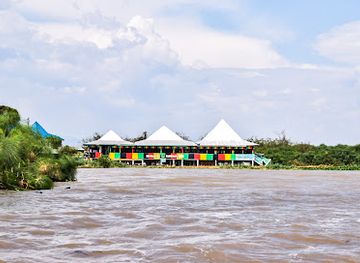
Dunga Beach
Discover the tranquil charm of Dunga Beach in Kisumu, where nature meets culture on the shores of Lake Victoria.
-
Tourist attraction
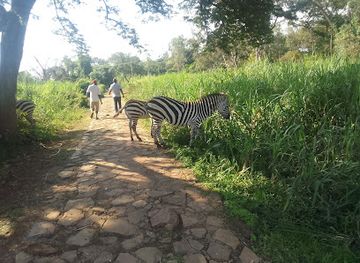
Kenya Wildlife Impala Park
Explore Kenya Wildlife Impala Park, a stunning national park in Kisumu, where adventure meets nature in an unforgettable safari experience.
-
Tourist attraction
Hippo Point
Experience the serene beauty and wildlife of Hippo Point in Kisumu, a premier destination for boat tours and unforgettable views of Lake Victoria.

Best landmarks in Nyanza Region
The most recognisable landmarks of Nyanza express its archaeological, political and geographical identity. Thimlich Ohinga near Migori is the outstanding historic structure: its massive dry-stone walls form an unusually well-preserved enclosure and represent an important architectural tradition of the Lake Victoria basin. Kit Mikayi, a cluster of striking balanced rocks near Kisumu, is both a geological landmark and a place of spiritual significance associated with local Luo heritage. On Rusinga Island, the Tom Mboya Mausoleum commemorates the prominent independence-era politician who was born there. Along the lake shore, the open waters, papyrus wetlands and fishing landing sites around Kisumu, Homa Bay and Mbita provide a defining natural landscape rather than a single monument. Mfangano Island's rock-art shelters add an older archaeological dimension, while the green ridges and tea-growing slopes of Kisii and Nyamira create a contrasting highland identity. These places are best approached with sensitivity, since several remain active cultural or religious sites rather than purely visual attractions.
-
Heritage museum
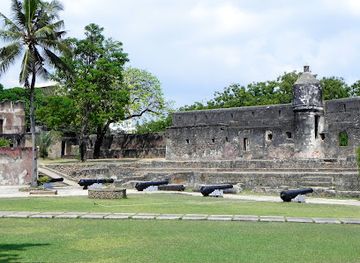
Fort Jesus Museum
Explore the historical marvel of Fort Jesus Museum in Mombasa, where centuries of culture and heritage come alive amid breathtaking coastal views.
-
National park
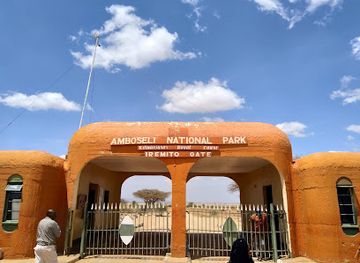
Amboseli National Park
Experience the breathtaking landscapes, rich wildlife, and vibrant Maasai culture of Amboseli National Park, a true African safari gem.
-
Park
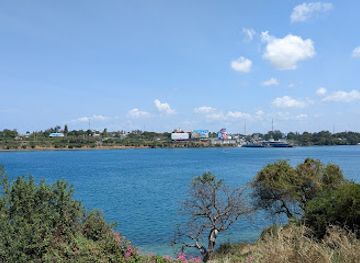
Mama Ngina Waterfront
Experience the stunning Mama Ngina Waterfront in Mombasa, a beautiful park perfect for relaxation, local culture, and breathtaking coastal views.
-
National park
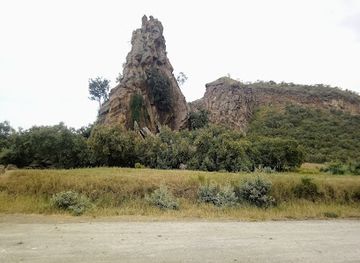
Hells Gate National Park
Explore the stunning landscapes and diverse wildlife of Hell's Gate National Park, a natural wonder in Kenya perfect for adventure and relaxation.
Explore Nyanza Region on the map
Plan your trip on one map. See where the top cities, national parks and sights are, and book hotels and experiences in a few clicks.
Best hotels in Nyanza Region
Best restaurants in Nyanza Region
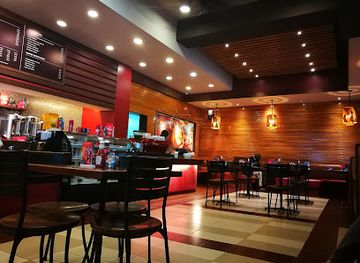
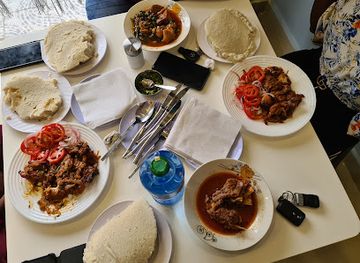
Nyanza's food culture is closely connected with Lake Victoria, smallholder farming and the markets of Kisumu and other county towns. Fresh or dried fish, particularly tilapia and omena, appears widely in lakeside cooking, often served with ugali, vegetables or traditional accompaniments; availability and preparation vary between communities. In the Kisii and Nyamira highlands, bananas, maize, beans, leafy greens, millet, sorghum and dairy products reflect productive farming landscapes, while tea is an important local crop and drink. Kisumu offers the broadest selection of restaurants, cafés, hotel dining rooms and informal food stalls, with Kenyan staples alongside Indian, continental and contemporary cooking. Rural inns and market eateries provide a more direct sense of regional foodways, though menus may be limited and service slower. Food markets are useful for fruit and snacks, but visitors should choose busy, clean establishments and drink treated or bottled water.
-
Restaurant
Talisman Restaurant
Experience Nairobi's vibrant culinary scene at Talisman Restaurant – where local flavors meet global cuisine in an enchanting setting.
-
Restaurant
Java House - West End Mall, Kisumu
Experience delightful Kenyan cuisine at Java House - West End Mall in Kisumu, where flavor meets hospitality.
-
Restaurant
Hangover Kaakwacha Foods, Kendu Lane
Discover authentic Kenyan cuisine at Hangover Kaakwacha Foods in Kisumu - A culinary haven for food lovers!
-
African
Joventure Restaurant
Experience authentic African cuisine at Joventure Restaurant in Kisumu - where every dish tells a story.

Best bars in Nyanza Region
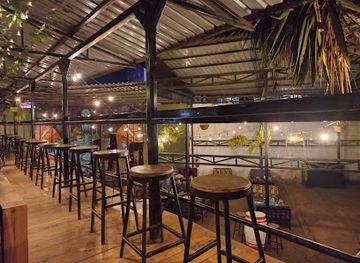
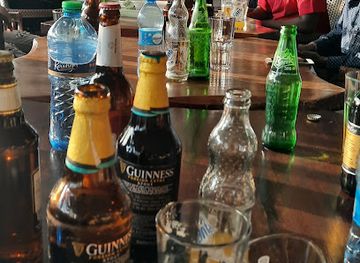
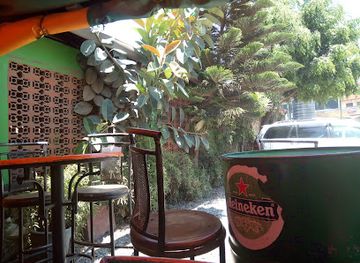
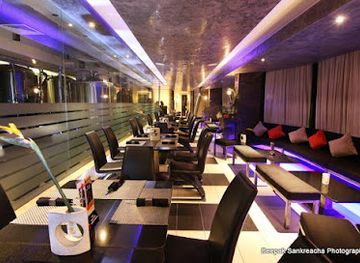
Evening life in Nyanza is concentrated in Kisumu and the larger county towns rather than spread evenly across the countryside. Kisumu has the region's widest choice of hotel bars, restaurants, contemporary lounges, live-music venues and late-night entertainment, with activity particularly noticeable around established commercial areas and the city centre. Lakeside venues near Dunga and other shore settlements tend to focus on food, conversation, music and views rather than a large club scene. In Homa Bay, Migori, Kisii and smaller towns, nightlife commonly centres on pubs, sports bars, restaurants and local music venues, while rural districts are quieter and usually require arranged transport after dark. Traditional pubs and social drinking places are part of the evening landscape, but visitors can also experience the region through cafés, cultural performances and dinners without drinking alcohol. Opening arrangements and venue status change, so confirm locally and return by a trusted taxi or driver.
-
Bar
The Alchemist
Experience the vibrant nightlife and diverse cuisine at The Alchemist, Nairobi's top bar and event venue for an unforgettable evening.
-
Sports bar
Hacienda Sports Bar & Grill
Experience the best of Nairobi's sports culture at Hacienda Sports Bar & Grill, where great food meets thrilling entertainment.
-
Pub
Harry's Tavern Pub
Experience the lively spirit of Nairobi at Harry's Tavern Pub, where great food, drinks, and entertainment come together in a vibrant atmosphere.
-
Brewpub
Brew Bistro and Lounge
Discover the lively Brew Bistro and Lounge in Nairobi – where delicious food meets crafted brews in an inviting atmosphere.
Best nightclubs in Nyanza Region
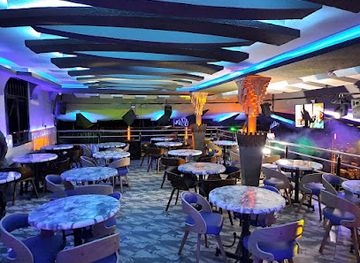
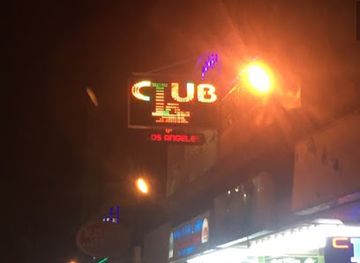
Evening life in Nyanza is concentrated in Kisumu and the larger county towns rather than spread evenly across the countryside. Kisumu has the region's widest choice of hotel bars, restaurants, contemporary lounges, live-music venues and late-night entertainment, with activity particularly noticeable around established commercial areas and the city centre. Lakeside venues near Dunga and other shore settlements tend to focus on food, conversation, music and views rather than a large club scene. In Homa Bay, Migori, Kisii and smaller towns, nightlife commonly centres on pubs, sports bars, restaurants and local music venues, while rural districts are quieter and usually require arranged transport after dark. Traditional pubs and social drinking places are part of the evening landscape, but visitors can also experience the region through cafés, cultural performances and dinners without drinking alcohol. Opening arrangements and venue status change, so confirm locally and return by a trusted taxi or driver.
-
Night club
K1 Klub House
Discover K1 Klub House, Nairobi's premier destination for nightlife, dining, and vibrant local culture in a single exhilarating venue.
-
Night club
Black Pearl Nyamasaria
Discover the pulse of Kisumu's nightlife at Black Pearl Nyamasaria, where music, drinks, and vibrant energy collide.
-
Disco club
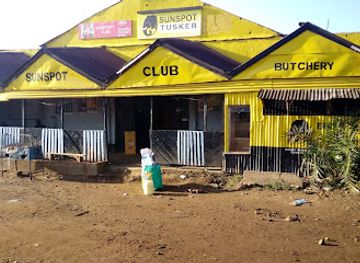
Sunspot Club
Dive into the lively nightlife of Kisumu at Sunspot Club, where music, dancing, and fun come together for an unforgettable experience.
-
Night club
Elvago Lounge
Discover the vibrant nightlife at Elvago Lounge, Nairobi's premier night club with live music and crafted cocktails for an unforgettable experience.

Best shops in Nyanza Region
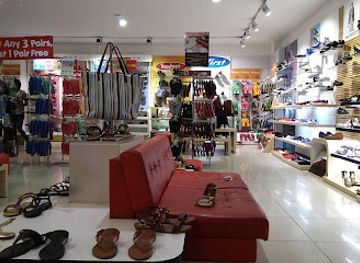
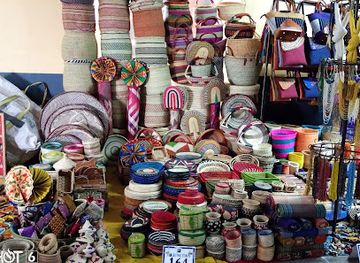
Shopping in Nyanza is rooted in market towns, local food production and handcraft rather than concentrated luxury retail. Kisumu has the region's broadest range of supermarkets, department stores, independent shops, galleries and modern commercial premises, while its markets are useful for fruit, vegetables, fabrics, household goods and everyday Kenyan produce. Around Kisii and Nyamira, soapstone carving is the best-known regional craft, with bowls, figures, animals and decorative objects sold through workshops and retailers; ask about provenance and choose responsibly made pieces. Lakeside towns offer dried fish, baskets, textiles and practical goods connected with fishing communities, though market stock varies by season. Tea from the highlands, packaged foods, woven items and locally made jewellery can make suitable purchases when properly labelled. Bargaining may be customary in some open markets but is not appropriate everywhere, so observe local practice and agree prices clearly before buying.
-
Shopping mall
TRM - Thika Road Mall
Discover TRM - Thika Road Mall, a vibrant shopping destination in Nairobi with diverse stores, dining, and entertainment for every traveler.
-
Shopping mall
The Junction Mall
Explore The Junction Mall in Nairobi for an unforgettable shopping experience filled with diverse retail stores, dining, and entertainment.
-
Shopping mall
United Mall Kisumu
Discover the ultimate shopping experience at United Mall Kisumu, where local culture meets international flair in a vibrant atmosphere.
-
Shopping mall
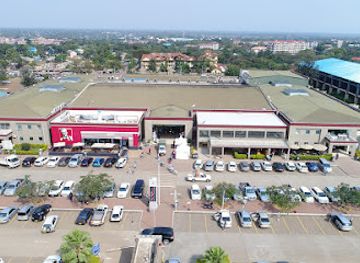
The West End Shopping Mall
Discover the ultimate shopping experience at The West End Shopping Mall in Kisumu, where local charm meets modern retail innovation.
Get your free copy of our complete guide to Nyanza Region, delivered straight to you.
Everything on this page, from attractions and restaurants to essentials and local phrases, in one PDF you can read offline, print or share.
Already have an account? Sign in
Your Nyanza Region guide is ready.
We'll send it to · Not you? Sign out

Getting your guide ready…
We are putting together a fresh copy of the Nyanza Region guide. This can take up to a minute.
This can take a few moments. If your browser asks, choose Allow so the download can start. You'll find the guide in your Downloads folder.
Nothing happened? Download it again
Sorry, the guide is taking longer than usual. Please try again in a minute, or get it by email instead.
Nyanza Region essentials
Currency and Payment
Safety
Emergency Situations
Do's and Don'ts
Local Tips
From Eve
Local phrases worth knowing
You don't need to get them perfect. A few words go a long way, and locals appreciate the effort.
Basics
| English | Local | Say it |
|---|---|---|
| Hello | Naki | [Nah-kee] |
| Goodbye | Wachire | [Wah-chee-reh] |
| Yes | Ee | [Eh] |
| No | Ayi | [Ah-yee] |
| Please/You’re welcome | Tigire | [Tee-gee-reh] |
| Thank you | Asante | [Ah-sahn-teh] |
| Excuse me/Sorry | Samahani | [Sah-mah-hah-nee] |
| How are you? | Ong'eyo? | [Oh-ng-eh-yo] |
| Fine. And you? | Naki. Iwewe? | [Nah-kee. Ee-weh-weh] |
| Do you speak English? | Ong'eyo luo? | [Oh-ng-eh-yo loo-oh] |
| I don't understand | Aneko ng'ama | [Ah-neh-koh ng-ah-mah] |
Eating & Drinking
| English | Local | Say it |
|---|---|---|
| I’d like to see the menu, please | Ning'eyo kuom menu, tigire | [Nee-ng-eh-yo koo-om meh-noo, tee-gee-reh] |
| I don't eat meat | Aneko dako nyuka | [Ah-neh-koh dah-koh nyoo-kah] |
| Cheers! | Mokalo! | [Moh-kah-loh] |
| I would like to pay, please | Ning'eyo kuom peni, tigire | [Nee-ng-eh-yo koo-om pen-ee, tee-gee-reh] |
Emergencies
| English | Local | Say it |
|---|---|---|
| Help! | Nyar! | [Nyaar] |
| Go away! | Wachok! | [Wah-chohk] |
| Call the Police! | Dhi Police! | [Dhee Poh-lees] |
| Call a doctor! | Dhi daktari! | [Dhee dahk-tah-ree] |
| I’m lost | Aneko konyo | [Ah-neh-koh koh-nyo] |
| I’m ill | Aneko chonjo | [Ah-neh-koh chon-joh] |
Shopping
| English | Local | Say it |
|---|---|---|
| I’d like to buy... | Ning'eyo kuom konyo... | [Nee-ng-eh-yo koo-om koh-nyo] |
| I’m just looking | Ning'eyo nyaka ohinga | [Nee-ng-eh-yo nyah-kah oh-hin-gah] |
| How much is it? | Ning'eyo kuom chie? | [Nee-ng-eh-yo koo-om chee-eh] |
| That’s too expensive | Ong'ere chalo | [Oh-ng-eh-reh chah-loh] |
| Can you lower the price? | Ithore chie? | [Ee-thoh-reh chee-eh] |
Time & Numbers
| English | Local | Say it |
|---|---|---|
| What time is it? | Chieng'ni kaka? | [Chee-eng-nee kah-kah] |
| It’s one o'clock | Ong'eyo nyaka duto | [Oh-ng-eh-yo nyah-kah doo-toh] |
| Half past (10) | Aher (10) | [Ah-her (ten)] |
| Morning | Dho ng'ayo | [Dhoh ng-ah-yo] |
| Afternoon | Piny g'eyo | [Pee-ny gee-yo] |
| Evening | Dho bungu | [Dhoh boon-goo] |
| Yesterday | Nyaka | [Nyah-kah] |
| Today | Nii | [Nee] |
| Tomorrow | Naki | [Nah-kee] |
| 1 | 1 | [1] |
| 2 | 2 | [2] |
| 3 | 3 | [3] |
| 4 | 4 | [4] |
| 5 | 5 | [5] |
| 6 | 6 | [6] |
| 7 | 7 | [7] |
| 8 | 8 | [8] |
| 9 | 9 | [9] |
| 10 | 10 | [10] |
Transport & Directions
| English | Local | Say it |
|---|---|---|
| Where's a/the...? | Dhi... ni wacho? | [Dhee... nee wah-choh] |
| What’s the address? | Chieng'ni wacho? | [Chee-eng-nee wah-choh] |
| Can you show me (on the map)? | Ithore ni a chike (map) ? | [Ee-thoh-reh nee ah chee-keh (map)?] |
| When's the next (bus)? | Naki ohinga (bus)? | [Nah-kee oh-hin-gah (bus)?] |
| A ticket (to ....) | Kadi (ku ...) | [Kah-dee (koo ...)] |
History of Nyanza Region
Early Settlement and Rock Art
The Lake Victoria basin has been occupied for many thousands of years, and archaeological evidence around islands and lakeshore areas records changing communities, technologies and livelihoods. Mfangano Island is particularly noted for rock shelters and paintings associated with ancient hunter-gatherer traditions. Their precise dates and meanings are not always certain, but they demonstrate that the region's cultural history predates the better-known kingdoms and colonial period by a considerable margin. The lake, its fish, wetlands and fertile margins repeatedly shaped where people settled and how they travelled.
Ironworking, Farming and Stone Enclosures
Later communities combined cultivation, livestock keeping, ironworking and fishing across the western Kenyan uplands and lake basin. Thimlich Ohinga, near Migori, is the best-known surviving example of the region's dry-stone enclosure tradition. Built without mortar, its walls helped organise and protect settlements, livestock and social life. The site is associated with the broader pastoral and farming history of the Lake Victoria region rather than with a single documented kingdom. Its preservation provides an important record of indigenous engineering and settlement planning before colonial rule.
Luo, Gusii, Suba and Other Regional Communities
Over succeeding centuries, migrations, intermarriage, trade and political change shaped the communities now associated with Nyanza. Luo-speaking societies became strongly established around much of the eastern Lake Victoria shore, while Gusii communities developed in the densely farmed highlands east of the lake. Suba heritage remains especially important on islands and parts of the Homa Bay shore, and Kuria communities are prominent towards the southern border. These identities are not confined to neat historical boundaries, but their languages, oral traditions, settlement patterns and food cultures remain central to the region's character.
Colonial Rule and the Uganda Railway
British colonial expansion transformed the region's transport, administration and commercial geography. The railway reached Kisumu in 1901, making the port a major eastern terminus on Lake Victoria and connecting lake shipping with the wider Uganda Railway system. Kisumu subsequently developed as a commercial and administrative centre, while roads, cash-crop production, missionary activity and colonial land policies altered rural life. The port also strengthened links between western Kenya, Uganda and lake communities, although these changes brought taxation, labour demands and political disputes alongside new infrastructure.
Independence Politics and Public Leadership
Nyanza played a prominent part in Kenya's anti-colonial and post-independence politics. Jaramogi Oginga Odinga, from Siaya, became a major nationalist leader and Kenya's first vice-president, while Tom Mboya of Rusinga Island was an influential trade-unionist, independence organiser and cabinet minister before his assassination in 1969. Their careers reflected both the region's importance in national politics and the tensions surrounding Kenya's early political settlement. Memorials, family histories and civic debates in western Kenya continue to reflect this period.
From Lake Economy to a Diversified Regional Future
Since independence, Nyanza has experienced substantial change in agriculture, education, public health, manufacturing, transport and urban growth. Fishing and fish trading remain important around Lake Victoria, while sugar, tea, dairy production, horticulture, soapstone craft and small-scale commerce support different parts of the region. Kisumu's regeneration as a transport and business centre has reinforced its role as a western Kenyan hub. At the same time, pollution, pressure on fish stocks, soil erosion and water hyacinth have made environmental management increasingly important to the region's future.
Nyanza Region in Photos
Browse through our photo collection highlighting the charm and character of the destination.
Neighbouring regions of Nyanza Region
The closest regions to Nyanza Region, if you have time for more than one.
-
-

-

-

-


Swipe for more regions
Explore more
Explore more of Kenya
Discover Kenya: A land of breathtaking safaris, rich cultural heritage, and stunning coastlines that promise adventure and relaxation all in one.
Explore Kenya