

Free Baringo Basin Travel Guide & Mobile App
Explore Baringo Basin with free travel guides. Discover regional history, expert tips, proposed trips, and audio guides on web or mobile app.


Explore Kenya’s Baringo Basin for freshwater lakes, flamingos, fossil landscapes, Rift Valley views and community-led nature experiences.
Read more about Baringo Basin
When is the best time to visit Baringo Basin?
Best: July–September · 29–30°C| Month | High (°C) | Rainfall (mm) |
|---|---|---|
| January | 30 | 40 |
| February | 31 | 45 |
| March | 31 | 60 |
| April | 31 | 80 |
| May | 31 | 100 |
| June | 29 | 60 |
| July (best) | 29 | 40 |
| August (best) | 29 | 40 |
| September (best) | 30 | 40 |
| October | 30 | 60 |
| November | 30 | 60 |
| December | 30 | 40 |
Getting to and around Baringo Basin
How to get there
Transportation
Top city travel guides in Baringo Basin
The cities of Baringo Basin, and the easiest places to base yourself.
-

-


Swipe for more cities
Destinations in Baringo Basin
Resorts, valleys and scenic spots worth a trip of their own.
-

-


Swipe for more destinations
Best attractions in Baringo Basin
The Baringo Basin’s attractions are built around contrasting lakes, wildlife habitats, geological formations and locally guided experiences. Lake Baringo is the main focus for boat excursions, with opportunities to observe hippos, crocodiles and a wide range of waterbirds from the water or lakeshore. Island visits and fishing-community experiences should be arranged respectfully through local operators. Lake Bogoria National Reserve offers a more protected, geothermal landscape, combining saline lake scenery, hot springs, birdlife and the possibility of seeing greater kudu and other dry-country wildlife. The Tugen Hills provide a cooler, more elevated counterpart to the lakes, with viewpoints, rural landscapes and fossil-bearing formations of scientific importance. Guided walks, birdwatching and community conservancy visits add depth beyond conventional game viewing. The basin is not a place of dense visitor infrastructure: attractions are dispersed, some routes are rough, and conditions can change with rainfall and lake levels. Its appeal lies in linking natural history, living communities and Rift Valley scenery rather than moving between a series of enclosed theme-park-style sites.
-
 Group accommodation
Lake Bogoria Spa Resort
Discover the serene beauty and rejuvenating experiences at Lake Bogoria Spa Resort, a premier retreat in Marigat, Kenya.
-
Tourist attraction
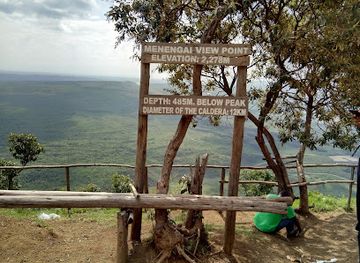
Menengai Crater View Point
Experience the breathtaking beauty of Menengai Crater View Point, a stunning natural attraction in Nakuru, Kenya, perfect for nature lovers and adventure seekers.
-
Lake
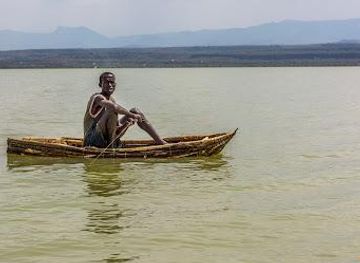
Lake Baringo
Experience the tranquility and natural beauty of Lake Baringo, a hidden gem in Kenya's Great Rift Valley, perfect for adventure and relaxation.
-
Tour operator
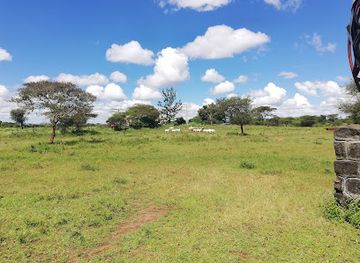
Equator Crossing Mogotio
Discover the thrill of standing at the equator in Mogotio, Kenya – a captivating destination for adventure sports and cultural exploration.
Best landmarks in Baringo Basin
Lake Baringo is the basin’s defining geographical landmark, a freshwater lake whose islands, papyrus margins and distant escarpments create a distinctive Rift Valley panorama. Lake Bogoria provides a contrasting landmark landscape: a shallow saline lake edged by geothermal springs and open dry country, with changing populations of flamingos when water and food conditions are suitable. The Tugen Hills form the western wall of the basin and are visually important as well as scientifically significant because their exposed formations contain fossil evidence and records of ancient environments. Within the wider basin, the meeting of steep escarpments, faulted valleys and volcanic terrain makes the landscape itself an important natural monument. Marigat’s position between lowland routes and Lake Baringo gives it practical geographical significance, while Kabarnet and the higher country around it offer elevated perspectives over the rift. These landmarks are valued less for monumental architecture than for the relationship between geology, water, wildlife and human settlement.
-
Tourist attraction
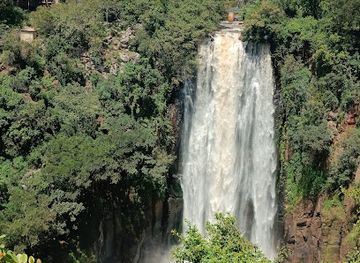
Thompson Falls Nyahururu
Explore the breathtaking beauty of Thompson Falls in Nyahururu, a serene natural park and stunning waterfall, perfect for relaxation and adventure.
-
Group accommodation
Lake Bogoria Spa Resort
Discover luxury and tranquility at Lake Bogoria Spa Resort, where stunning views and natural hot springs await your arrival.
-
Resort hotel
Soi Safari Lodge
Explore the beauty of Lake Baringo at Soi Safari Lodge, your serene retreat for adventure and relaxation amidst stunning natural landscapes.
-
Crater
Menengai Crater
Discover the stunning landscapes, rich biodiversity, and thrilling adventures at Menengai Crater, a must-visit destination in Kenya's Great Rift Valley.
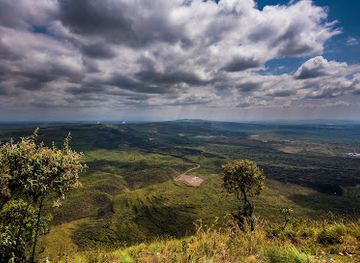
Explore Baringo Basin on the map
Plan your trip on one map. See where the top cities, national parks and sights are, and book hotels and experiences in a few clicks.
Best hotels in Baringo Basin
Best restaurants in Baringo Basin
Dining in the Baringo Basin is centred on lodges, guesthouses, camps, small local eateries and roadside cafés rather than a large restaurant scene. Menus commonly reflect Kenyan cooking, with dishes such as ugali, sukuma wiki, beans, rice, chapati, grilled meat and stews appearing alongside simple breakfast and international options at visitor accommodation. Around Lake Baringo, fish may feature in local and lodge meals, although availability and preparation vary, while the wider county is associated with pastoral and agricultural food traditions. Tea is widely available, and locally produced honey, fruit and other small-scale farm products may be encountered through markets or community initiatives. Travellers should order ahead at remote accommodation, carry snacks for long drives and avoid assuming that a lakeside property can provide every dietary requirement without notice. The most meaningful food experiences often come through locally organised meals, market visits or conversations about fishing, livestock and farming rather than formal culinary tourism.
-
Group accommodation
Lake Bogoria Spa Resort
Experience luxury and nature intertwined at Lake Bogoria Spa Resort - your ultimate getaway in Kenya's stunning landscapes.
-
Restaurant
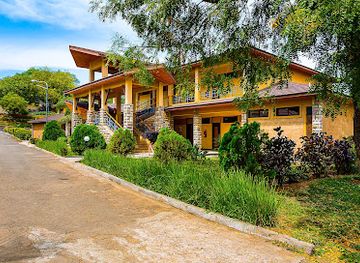
Rift Valley Hills Resort
Experience exquisite dining at Rift Valley Hills Resort with breathtaking views and a diverse menu that showcases local flavors.
-
Restaurant
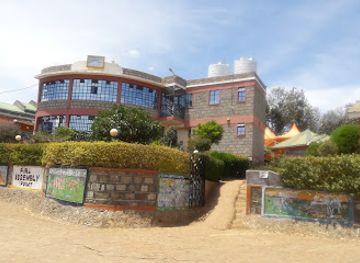
Sobak hotel
Experience authentic Kenyan cuisine at Sobak Hotel in Eldama Ravine – where delicious flavors meet warm hospitality amidst stunning landscapes.
-
Restaurant
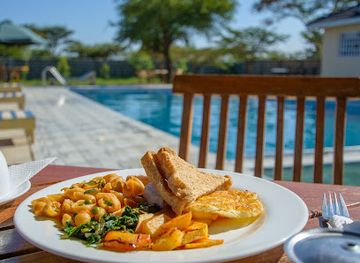
Lomanira Splendour
Discover Lomanira Splendour: A unique dining destination in Mogotio offering exquisite local and international cuisine.
Best bars in Baringo Basin
Evening life in the Baringo Basin is quiet and closely tied to accommodation, local eateries and community gathering places. Lodges and camps near Lake Baringo may offer a bar for sundowners, beer, wine and simple mixed drinks, while small town hotels and pubs provide relaxed spaces for conversation. Marigat and Kabarnet have more everyday evening activity than remote lakeshore areas, but the region does not have a major nightclub circuit. Some venues may present local music or informal social events, though schedules are changeable and should be checked locally. Alcohol is not central to the basin’s appeal: early starts for birdwatching, boat trips and wildlife viewing are more characteristic of a visit. After dark, remain within the advised areas of your accommodation because of uneven ground, limited lighting and the presence of wildlife around lakeside properties.
-
Restaurant
Lake Bogoria Spa Resort
Experience the serenity and luxury of Lake Bogoria Spa Resort, a perfect blend of relaxation, adventure, and nature in Marigat, Kenya.
-
Resort hotel
Soi Safari Lodge
Experience the natural beauty and luxury of Soi Safari Lodge, a perfect escape by Lake Baringo offering adventure and relaxation.
-
Grill
Proper Bar & Restaurant
Discover the vibrant flavors and lively atmosphere at Proper Bar & Restaurant in Nyahururu, where great food meets local culture.
-
Bar
Madini Pub
Experience the local vibe at Madini Pub, where culture meets nightlife in the heart of Rumuruti, Kenya.
Best nightclubs in Baringo Basin
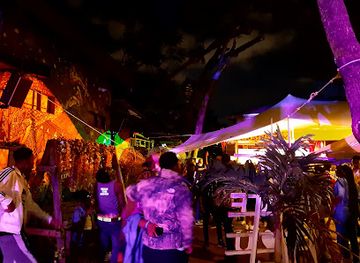
Evening life in the Baringo Basin is quiet and closely tied to accommodation, local eateries and community gathering places. Lodges and camps near Lake Baringo may offer a bar for sundowners, beer, wine and simple mixed drinks, while small town hotels and pubs provide relaxed spaces for conversation. Marigat and Kabarnet have more everyday evening activity than remote lakeshore areas, but the region does not have a major nightclub circuit. Some venues may present local music or informal social events, though schedules are changeable and should be checked locally. Alcohol is not central to the basin’s appeal: early starts for birdwatching, boat trips and wildlife viewing are more characteristic of a visit. After dark, remain within the advised areas of your accommodation because of uneven ground, limited lighting and the presence of wildlife around lakeside properties.
-
Night club
K1 Klub House
Discover the vibrant nightlife of Nairobi at K1 Klub House, where music, food, and fun come together for an unforgettable experience.
-
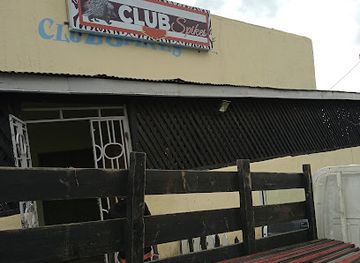
Bar
Spikes Bar
Discover the lively nightlife of Kabarnet at Spikes Bar, where local culture meets vibrant entertainment and delightful drinks.
-
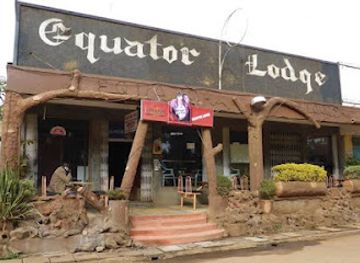
Night club
Equator Lodge
Experience the vibrant nightlife at Equator Lodge, Nyahururu's premier night club, offering electrifying music and a lively atmosphere.
-
Night club
Ndemi Bar And Restaurant
Experience the vibrant nightlife at Ndemi Bar and Restaurant in Nyahururu, where delicious food meets unforgettable entertainment in a lively atmosphere.
Best shops in Baringo Basin
Shopping in the Baringo Basin is modest and practical, with most retail activity taking place in Marigat, Kabarnet, lakeside settlements and periodic local markets rather than purpose-built shopping districts. Visitors can look for woven baskets, beadwork, leather goods and other crafts through reputable community groups or accommodation outlets, where buying directly can support local makers. Honey and small-scale agricultural products may also be available, although packaging, transport and seasonal supply vary. Basic provisions, clothing and household goods are easier to find in the larger towns, while remote lake areas have limited choice and may not accept cards. Ask about the origin and appropriate cultural context of crafts, and avoid purchasing fossils, archaeological objects or wildlife products. Markets are useful places to observe everyday commerce, but photography should be preceded by permission and bargaining should remain courteous rather than confrontational.
-
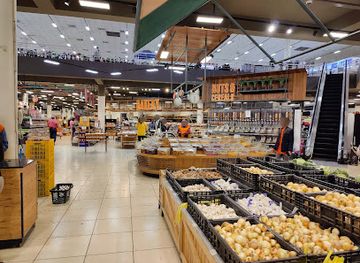
Supermarket
Gilanis
Discover Gilanis in Nakuru – your go-to supermarket for fresh produce, local delicacies, and unique shopping finds.
-
Group accommodation
Lake Bogoria Spa Resort
Discover the perfect blend of relaxation and adventure at Lake Bogoria Spa Resort, where nature meets luxury in the heart of Kenya.
-
Produce market
Nyahururu Market
Discover the vibrant colors and flavors of Nyahururu Market, a must-visit produce market in Kenya's scenic landscape.
-
Supermarket
Naivas Supermarket - Westside Mall Nakuru
Discover local flavors and everyday essentials at Naivas Supermarket in Westside Mall, Nakuru - a vibrant shopping experience awaits!

Get your free copy of our complete guide to Baringo Basin, delivered straight to you.
Everything on this page, from attractions and restaurants to essentials and local phrases, in one PDF you can read offline, print or share.
Already have an account? Sign in
Your Baringo Basin guide is ready.
We'll send it to · Not you? Sign out

Getting your guide ready…
We are putting together a fresh copy of the Baringo Basin guide. This can take up to a minute.
This can take a few moments. If your browser asks, choose Allow so the download can start. You'll find the guide in your Downloads folder.
Nothing happened? Download it again
Sorry, the guide is taking longer than usual. Please try again in a minute, or get it by email instead.
Baringo Basin essentials
Currency and Payment
Safety
Emergency Situations
Do's and Don'ts
Local Tips
From Eve
Local phrases worth knowing
You don't need to get them perfect. A few words go a long way, and locals appreciate the effort.
Basics
| English | Local | Say it |
|---|---|---|
| Hello | Sijambo | [see-jahm-bo] |
| Goodbye | Kwaheri | [kwah-heh-ree] |
| Yes | Ndio | [n-dee-oh] |
| No | Hapana | [hah-pah-nah] |
| Please/You're welcome | Tafadhali | [tah-fah-dah-lee] |
| Thank you | Asante | [ah-sahn-teh] |
| Excuse me/Sorry | Pole | [poh-leh] |
| How are you? | Habari gani? | [hah-bah-ree gah-nee] |
| Fine. And you? | Mzuri. Na wewe? | [m-zoo-ree nah weh-weh] |
| Do you speak English? | Unazungumza Kiingereza? | [oo-nah-zoon-gum-zah kee-ing-eh-reh-zah] |
| I don't understand | Sielewi | [see-eh-leh-wee] |
Eating & Drinking
| English | Local | Say it |
|---|---|---|
| I'd like to see the menu, please | Ningependa kuona menyu, tafadhali | [neen-geh-pen-dah koo-nah men-yoo tah-fah-dah-lee] |
| I don't eat meat | Sikula nyama | [see-koo-lah nyah-mah] |
| Cheers! | Afya! | [ah-fyah] |
| I would like to pay, please | Ningependa kulipa, tafadhali | [neen-geh-pen-dah koo-lee-pah tah-fah-dah-lee] |
Emergencies
| English | Local | Say it |
|---|---|---|
| Help! | Nisaidie! | [nee-sigh-dee-eh] |
| Go away! | Ondoka! | [on-doh-kah] |
| Call the Police! | Piga simu polisi! | [pee-gah see-moo poh-lee-see] |
| Call a doctor! | Piga simu daktari! | [pee-gah see-moo dahk-tah-ree] |
| I'm lost | Nimepotea | [nee-meh-poh-teh-ah] |
| I'm ill | Nina ugonjwa | [nee-nah oo-gon-jwah] |
Shopping
| English | Local | Say it |
|---|---|---|
| I'd like to buy... | Ningependa kununua... | [neen-geh-pen-dah koo-noo-noo-ah] |
| I'm just looking | Natazama tu | [nah-tah-zah-mah too] |
| How much is it? | Ni shillingi ngapi? | [nee shee-lin-gee ngah-pee] |
| That's too expensive | Hiyo ni ghali sana | [hee-yoh nee gah-lee sah-nah] |
| Can you lower the price? | Unaweza kupunguza bei? | [oo-nah-weh-zah koo-poon-guh-zah bay-ee] |
Time & Numbers
| English | Local | Say it |
|---|---|---|
| What time is it? | Ni saa ngapi? | [nee sah ngah-pee] |
| It's one o'clock | Ni saa moja | [nee sah moh-jah] |
| Half past (10) | Nusu ya (10) | [noo-soo yah (10)] |
| Morning | Asubuhi | [ah-soo-boo-hee] |
| Afternoon | Mchana | [m-chah-nah] |
| Evening | Jioni | [jee-oh-nee] |
| Yesterday | Jana | [jah-nah] |
| Today | Leo | [leh-oh] |
| Tomorrow | Kesho | [keh-sho] |
| 1 | Moja | [moh-jah] |
| 2 | Mbili | [m-bee-lee] |
| 3 | Tatu | [tah-too] |
| 4 | Nne | [n-neh] |
| 5 | Tano | [tah-noh] |
| 6 | Sita | [see-tah] |
| 7 | Saba | [sah-bah] |
| 8 | Nane | [nah-neh] |
| 9 | Tisa | [tee-sah] |
| 10 | Kumi | [koo-mee] |
Transport & Directions
| English | Local | Say it |
|---|---|---|
| Where's a/the...? | Wapi ...? | [wah-pee ...?] |
| What's the address? | Nini anwani? | [nee-nee ahn-wah-nee] |
| Can you show me (on the map)? | Unaweza kunionyesha (katika ramani)? | [oo-nah-weh-zah koo-nee-oh-nyesh-ah (kah-tee-kah rah-mah-nee)?] |
| When's the next (bus)? | Basi ijayo lini? | [bah-see ee-jah-yoh lee-nee?] |
| A ticket (to ....) | Tiketi (kwenda ....) | [tee-keh-tee (kwen-dah ....)] |
History of Baringo Basin
Rift Valley Formation and Ancient Lake Basins
The Baringo Basin was shaped by the tectonic forces that continue to pull the East African Rift apart. Faulting, volcanic activity and changing drainage patterns created a succession of lakes and sediment-filled depressions, leaving exposed layers that record former environments. Lake Baringo is freshwater, while nearby Lake Bogoria is saline and highly alkaline, reflecting different catchments and hydrological histories. The basin’s cliffs, river valleys, volcanic outcrops and sedimentary deposits are therefore part of a geological story as important as its wildlife. Fieldwork in the region has helped scientists reconstruct changing climates and landscapes over millions of years.
Fossils and Human-Evolution Research
The Tugen Hills and other fossil-bearing areas around the Baringo region have yielded important evidence for the evolution of African mammals and early hominins. Finds associated with the Lukeino and Kapthurin formations have helped researchers examine environments and tool-making traditions from deep prehistory. These discoveries do not represent a single uninterrupted human story, but a long record of changing habitats, animal communities and hominin activity. The scientific importance of the basin is one reason its landscapes are studied by international research teams, even though many fossil localities are not conventional public attractions.
Pastoral, Farming and Lakeshore Communities
For centuries, communities around the basin have adapted their livelihoods to sharp environmental contrasts. Tugen communities are strongly associated with the surrounding highlands and agricultural zones, while Ilchamus communities have longstanding connections with the southern and eastern shores of Lake Baringo, including fishing and livestock keeping. Farming, pastoralism, trade and fishing have all responded to fluctuating rainfall and lake conditions. These are living societies rather than historical exhibits, and contemporary travel is best approached through locally organised visits that recognise community ownership, consent and the value of local knowledge.
Colonial-Era Mapping and Scientific Expeditions
During the colonial period, the lakes and escarpments of the central Rift Valley attracted surveyors, naturalists and geological expeditions. Mapping the region was linked to wider efforts to understand East Africa’s transport routes, water resources, wildlife and geological structure. Scientific attention increased as fossil discoveries and studies of the Rift Valley made the area important to global natural history. Colonial research often took place within unequal political and economic systems, and its records should be understood alongside the experiences and knowledge of the communities who already lived in the basin.
The Development of Protected Landscapes
Wildlife conservation in the basin developed through the creation of protected areas and changing approaches to managing lakes, woodland and dry-country species. Lake Bogoria National Reserve was established to conserve the lake, its geothermal environment, birdlife and surrounding wildlife habitat. Conservation has since increasingly involved questions of water use, grazing, access and community participation. The reserve and neighbouring conservancies illustrate both the value and the complexity of protecting a landscape where wildlife habitat overlaps with long-established pastoral, fishing and farming livelihoods.
Modern Conservation, Tourism and Environmental Change
In recent decades, the Baringo Basin has become a destination for birdwatchers, geological visitors, researchers, photographers and travellers seeking a less urbanised Rift Valley landscape. At the same time, fluctuating lake levels, catchment degradation, drought, intense rainfall and pressure on water resources have affected settlements, roads, wildlife habitat and tourism facilities. Conservation groups, county institutions and local communities continue to respond in different ways. The basin’s current identity is therefore shaped not only by its ancient geology but also by practical debates over resilience, livelihoods and responsible tourism.
Baringo Basin in Photos
Browse through our photo collection highlighting the charm and character of the destination.
Neighbouring regions of Baringo Basin
The closest regions to Baringo Basin, if you have time for more than one.
-

-

-

-

-


Swipe for more regions
Explore more
Explore more of Kenya
Discover Kenya: A land of breathtaking safaris, rich cultural heritage, and stunning coastlines that promise adventure and relaxation all in one.
Explore Kenya