

Free Kerio Valley Travel Guide & Mobile App
Explore Kerio Valley with free travel guides. Discover regional history, expert tips, proposed trips, and audio guides on web or mobile app.


Explore Kenya’s Kerio Valley for Rift escarpment views, Marakwet culture, wildlife reserves, highland towns and dramatic rural landscapes.
Read more about Kerio Valley
When is the best time to visit Kerio Valley?
Best: December–January · 32–33°C| Month | High (°C) | Rainfall (mm) |
|---|---|---|
| January (best) | 33 | 29 |
| February | 33 | 24 |
| March | 34 | 68 |
| April | 34 | 136 |
| May | 33 | 86 |
| June | 32 | 50 |
| July (best) | 32 | 34 |
| August | 32 | 50 |
| September | 33 | 68 |
| October | 33 | 102 |
| November | 33 | 34 |
| December (best) | 33 | 24 |
Getting to and around Kerio Valley
How to get there
Transportation
Top city travel guides in Kerio Valley
The cities of Kerio Valley, and the easiest places to base yourself.
-

-


Swipe for more cities
Destinations in Kerio Valley
Resorts, valleys and scenic spots worth a trip of their own.
-
-

-


Swipe for more destinations
Best attractions in Kerio Valley
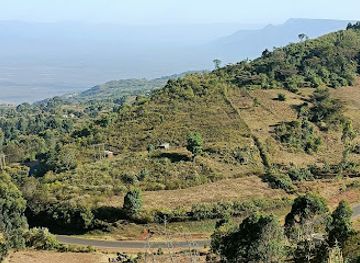
Kerio Valley’s attractions are primarily landscape-based and dispersed across a large Rift Valley corridor. Escarpment viewpoints near Iten and the Elgeyo-Marakwet highlands provide wide panoramas over the river, dry valley floor and Tugen Hills, while roads descending from the plateau reveal sharp changes in vegetation and temperature. Rimoi National Reserve is the principal protected wildlife destination within the valley area, offering dry-country scenery and the possibility of seeing elephants, birds and other species with an arranged vehicle excursion. On the cultural side, Marakwet irrigation furrows and hillside farming landscapes show how communities have adapted agriculture to steep terrain and seasonal water. Rural markets, local walking routes and highland training roads around Iten offer a more everyday encounter with the region. Kabarnet and the Baringo-side escarpment can serve as bases for exploring the eastern approaches, though facilities become sparse quickly outside the towns. The valley is not a conventional cluster of ticketed sights: its appeal lies in combining viewpoints, living agricultural landscapes, wildlife habitat and locally guided experiences, with conditions and access varying according to weather.
-
Tourist attraction
Koromosho Falls
Experience the breathtaking beauty of Koromosho Falls in Eldoret, a natural paradise perfect for adventure seekers and nature lovers.
-
Hiking area
Kerio Valley Viewpoint
Experience the breathtaking beauty of Kerio Valley Viewpoint, a hiking paradise in Kenya's Rift Valley offering stunning landscapes and diverse wildlife.
-
Tourist attraction
Cliff Divers
Witness the breathtaking spectacle of cliff diving in Kiboino, where skill meets adventure in a stunning natural setting.
-
 Tourist attraction
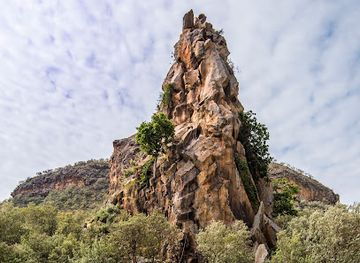
Lwanda rocks
Experience the breathtaking beauty of Lwanda Rocks, a natural wonder featuring stunning cliffs and panoramic views in the heart of Kenya.
Best landmarks in Kerio Valley
The defining landmark of Kerio Valley is the great escarpment itself, whose high western rim overlooks the river corridor and the Tugen Hills beyond. Viewpoints around the Iten plateau are particularly significant because they reveal the region’s geological scale while also framing the running roads and cultivated uplands for which the area is known. The Kerio River is another central geographical marker, tracing a greenish line through an otherwise often dry landscape and supporting wildlife habitat and farming. Marakwet irrigation furrows are living infrastructure rather than monumental ruins, but their channels, terraces and water-diversion works are among the valley’s most distinctive cultural features. In the lower corridor, Cheploch Gorge, where the Kerio River cuts through a narrow rock passage, is a notable geological and scenic feature near the Baringo side of the valley; access and viewing conditions should be checked locally. Rimoi’s riverine and dry-country landscape completes the area’s landmark character, linking geology, wildlife and human settlement rather than presenting a single grand architectural monument.
-
National park
Amboseli National Park
Experience the breathtaking landscapes and diverse wildlife of Amboseli National Park, an iconic gem in Kenya's natural heritage.
-
National park
Hells Gate National Park
Discover the breathtaking landscapes and rich wildlife of Hell's Gate National Park, a unique adventure destination in Kenya.
-
Historical landmark
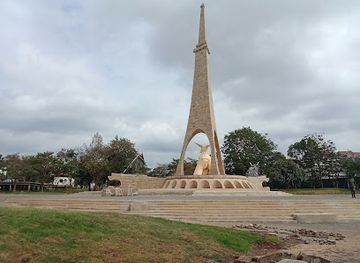
Uhuru Gardens
Explore Uhuru Gardens, a historical landmark in Nairobi that beautifully blends nature with Kenya's rich heritage and independence story.
-
National reserve
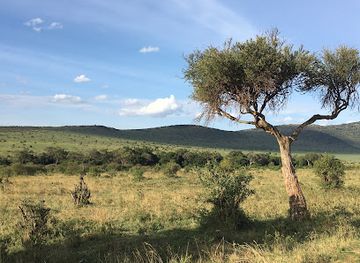
Maasai Mara National Reserve
Discover the wonders of Maasai Mara National Reserve, a UNESCO World Heritage site, renowned for its stunning wildlife and vibrant ecosystems.
Explore Kerio Valley on the map
Plan your trip on one map. See where the top cities, national parks and sights are, and book hotels and experiences in a few clicks.
Best hotels in Kerio Valley
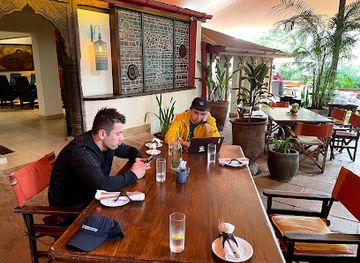
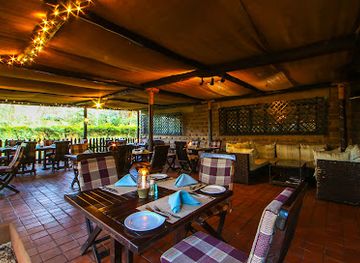
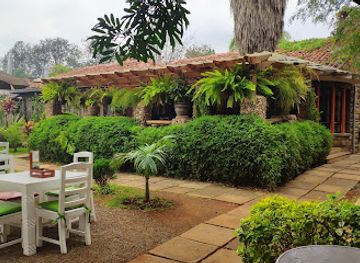
Best restaurants in Kerio Valley
Eating in Kerio Valley is generally centred on practical local cafés, hotel dining rooms, roadside eateries and family-run establishments rather than a concentrated restaurant scene. Common Kenyan staples include ugali with sukuma wiki or other vegetables, beans, rice, chapati, grilled meat and goat, while tea is widely available in upland towns. Fermented milk, known in many Kalenjin communities as mursik, is an important regional food tradition, although visitors should choose reputable places and try unfamiliar products cautiously. Honey and seasonal fruit reflect the valley’s farming and beekeeping economy, particularly around the drier lowlands and escarpment communities. Iten has the broadest selection for visitors based on the western highlands, while Kabarnet and other larger settlements provide additional cafés and ordinary Kenyan meals. Outside these centres, carry water and snacks, as food options can be limited and opening arrangements vary. Markets are useful for observing local produce, but they are not guaranteed to operate every day.
-
Restaurant
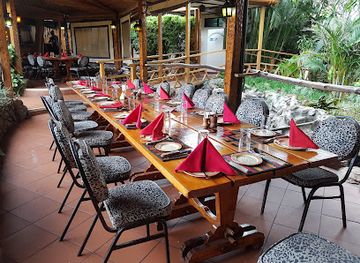
The carnivore restaurant
Experience the ultimate meat feast at The Carnivore Restaurant in Nairobi – where grilling meets tradition in a vibrant atmosphere.
-
Restaurant
Talisman Restaurant
Discover Talisman Restaurant in Nairobi: where international flavors meet local charm amidst lush gardens.
-
Restaurant
About Thyme Restaurant
Experience exquisite dining amidst nature at About Thyme Restaurant in Nairobi's Kitisuru neighborhood.
-
West African
Mama Ashanti
Experience authentic West African cuisine at Mama Ashanti in Nairobi – a culinary journey filled with rich flavors and vibrant culture.
Best bars in Kerio Valley
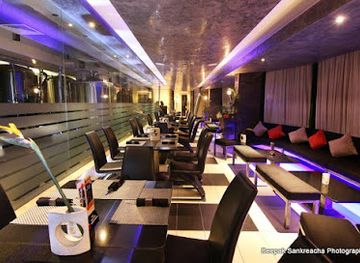
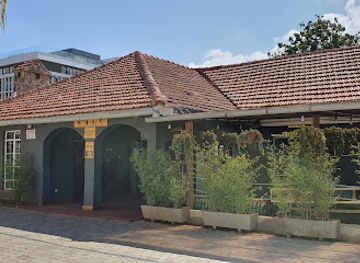
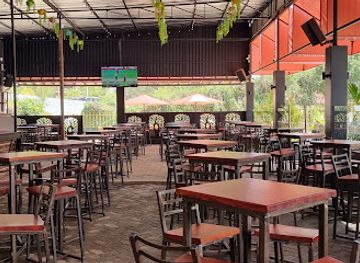
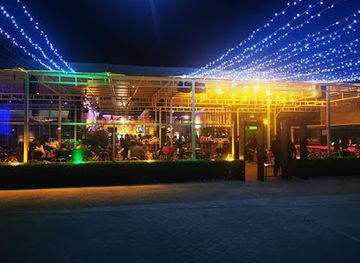
Kerio Valley has a modest evening scene shaped by rural towns, highland training communities and local social life rather than by large nightclubs. In Iten, Kabarnet and other larger centres, visitors will find informal bars, hotel lounges, small restaurants and places showing sport, while traditional pubs and local eateries are more common than late-night entertainment districts. Beer and spirits are available in licensed venues, but alcohol is not central to every evening and many residents socialise through conversation, food, church or community activities. Rural settlements become quiet early, and venues outside the main towns may have limited facilities and inconsistent opening arrangements. Some hotels and restaurants occasionally provide music or televised sport, but schedules change, so ask locally. Visitors should return to accommodation by a pre-arranged vehicle after dark, particularly when staying outside town centres or travelling on poorly lit escarpment roads.
-
Pub
Harry's Tavern Pub
Experience the heart of Nairobi's nightlife at Harry's Tavern Pub, where delicious food, lively music, and great company come together.
-
Brewpub
Brew Bistro and Lounge
Discover the essence of Nairobi at Brew Bistro and Lounge, where craft brews meet exquisite cuisine in a vibrant atmosphere.
-
Grill
The Bar Next Door
Experience the vibrant atmosphere and delicious grilled cuisine at The Bar Next Door, a culinary gem in Nairobi, perfect for tourists seeking local flavors.
-
Grill
Kettle House Bar & Grill
Discover vibrant flavors at Kettle House Bar & Grill, where Nairobi's culinary scene comes alive with delicious grilled dishes and a lively atmosphere.
Best nightclubs in Kerio Valley
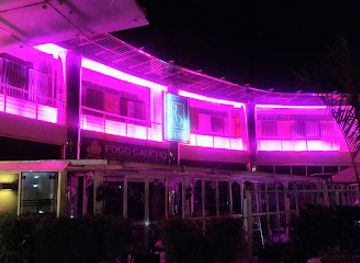
Kerio Valley has a modest evening scene shaped by rural towns, highland training communities and local social life rather than by large nightclubs. In Iten, Kabarnet and other larger centres, visitors will find informal bars, hotel lounges, small restaurants and places showing sport, while traditional pubs and local eateries are more common than late-night entertainment districts. Beer and spirits are available in licensed venues, but alcohol is not central to every evening and many residents socialise through conversation, food, church or community activities. Rural settlements become quiet early, and venues outside the main towns may have limited facilities and inconsistent opening arrangements. Some hotels and restaurants occasionally provide music or televised sport, but schedules change, so ask locally. Visitors should return to accommodation by a pre-arranged vehicle after dark, particularly when staying outside town centres or travelling on poorly lit escarpment roads.
-
Night club
K1 Klub House
Explore K1 Klub House in Nairobi, a dynamic night club that combines lively entertainment, delicious dining, and a unique flea market experience.
-
Lounge
Onyx Lounge & Restaurant
Experience Nairobi's vibrant nightlife at Onyx Lounge & Restaurant, where delicious cuisine meets electrifying entertainment in a stylish setting.
-
Lounge
B-CLUB Nairobi
Discover the vibrant nightlife and upscale experience at B-CLUB Nairobi, where luxury meets lively entertainment in the heart of the city.
-
Night club
The Tunnel
Experience Nairobi's nightlife at The Tunnel, a lively night club and grill offering delicious meals and a vibrant atmosphere for all.


Best shops in Kerio Valley
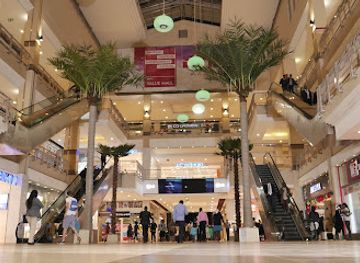
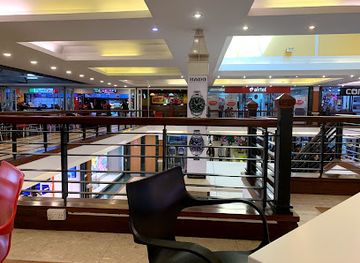
Shopping in Kerio Valley is local and functional, with the best choice found in market centres such as Iten, Kabarnet and other larger settlements rather than in dedicated tourist malls. Open-air markets offer vegetables, fruit, grains, clothing, household goods and livestock-related products, while small shops stock basic supplies for travellers. Honey is a useful regional purchase where its origin and packaging are clear, and locally made baskets, beadwork or textiles may be available through community sellers and craft groups. Buy respectfully and avoid bargaining aggressively over small amounts. Visitors interested in regional food can look for honey, dried produce and other shelf-stable goods, but should confirm that they can legally and safely transport them home. There is little reason to expect extensive designer or luxury retail, and stock varies with market day, season and supply. Ask accommodation staff about reputable local producers rather than purchasing wildlife products, archaeological objects or unverified medicinal items.
-
Shopping mall
TRM - Thika Road Mall
Discover Nairobi's TRM - Thika Road Mall, a dynamic shopping paradise offering diverse retail, dining, and entertainment options for every traveler.
-
Shopping mall
The Hub Karen
Experience the best of Nairobi shopping and dining at The Hub Karen, a lively destination for tourists and locals alike.
-
Shopping mall
The Junction Mall
Discover The Junction Mall in Nairobi: A vibrant shopping paradise with diverse shops, delightful dining, and exciting entertainment options.
-
Shopping mall
Village Market
Discover the vibrant Village Market in Nairobi, a hub of shopping, dining, and cultural experiences that captures the spirit of Kenya.
Get your free copy of our complete guide to Kerio Valley, delivered straight to you.
Everything on this page, from attractions and restaurants to essentials and local phrases, in one PDF you can read offline, print or share.
Already have an account? Sign in
Your Kerio Valley guide is ready.
We'll send it to · Not you? Sign out

Getting your guide ready…
We are putting together a fresh copy of the Kerio Valley guide. This can take up to a minute.
This can take a few moments. If your browser asks, choose Allow so the download can start. You'll find the guide in your Downloads folder.
Nothing happened? Download it again
Sorry, the guide is taking longer than usual. Please try again in a minute, or get it by email instead.
Kerio Valley essentials
Currency and Payment
Safety
Emergency Situations
Do's and Don'ts
Local Tips
From Eve
Local phrases worth knowing
You don't need to get them perfect. A few words go a long way, and locals appreciate the effort.
Basics
| English | Local | Say it |
|---|---|---|
| Hello | Sasa | [sah-sah] |
| Goodbye | Kwaheri | [kwah-heh-ree] |
| Yes | Ndio | [n-dee-oh] |
| No | Hapana | [hah-pah-nah] |
| Please/You're welcome | Tafadhali | [tah-fah-dah-lee] |
| Thank you | Asante | [ah-sahn-teh] |
| Excuse me/Sorry | Samahani | [sah-mah-hah-nee] |
| How are you? | Habari gani? | [hah-bah-ree gah-nee] |
| Fine. And you? | Nzuri. Na wewe? | [n-zoo-ree. nah weh-weh] |
| Do you speak English? | Unazungumza Kiingereza? | [oo-nah-zoon-gum-zah kee-een-geh-reh-zah] |
| I don't understand | Sielewi | [see-eh-leh-wee] |
Eating & Drinking
| English | Local | Say it |
|---|---|---|
| I'd like to see the menu, please | Ningependa kuona menyu, tafadhali | [neen-geh-pen-dah koo-nah meh-nyoo, tah-fah-dah-lee] |
| I don't eat meat | Sikuli nyama | [see-koo-lee nyah-mah] |
| Cheers! | Afya! | [ah-fyah] |
| I would like to pay, please | Ningependa kulipa, tafadhali | [neen-geh-pen-dah koo-lee-pah, tah-fah-dah-lee] |
Emergencies
| English | Local | Say it |
|---|---|---|
| Help! | Msaada! | [m-sah-dah] |
| Go away! | Ondoka! | [on-doh-kah] |
| Call the Police! | Piga simu polisi! | [pee-gah see-moo poh-lee-see] |
| Call a doctor! | Piga simu daktari! | [pee-gah see-moo dahk-tah-ree] |
| I'm lost | Nimepotea | [nee-meh-poh-teh-ah] |
| I'm ill | Nina ugonjwa | [nee-nah oo-gon-jwah] |
Shopping
| English | Local | Say it |
|---|---|---|
| I'd like to buy... | Ningependa kununua... | [neen-geh-pen-dah koo-noo-noo-ah] |
| I'm just looking | Natazama tu | [nah-tah-zah-mah too] |
| How much is it? | Ni shilingi ngapi? | [nee shee-lin-gee ngah-pee] |
| That's too expensive | Hiyo ni ghali sana | [hee-yoh nee ghah-lee sah-nah] |
| Can you lower the price? | Unaweza kupunguza bei? | [oo-nah-weh-zah koo-poon-gah zahy] |
Time & Numbers
| English | Local | Say it |
|---|---|---|
| What time is it? | Ni saa ngapi? | [nee sah ngah-pee] |
| It's one o'clock | Ni saa moja | [nee sah moh-jah] |
| Half past (10) | Nusu ya (kumi) | [noo-soo yah (koo-mee)] |
| Morning | Asubuhi | [ah-soo-boo-hee] |
| Afternoon | Mchana | [m-chah-nah] |
| Evening | Jioni | [jee-oh-nee] |
| Yesterday | Jana | [jah-nah] |
| Today | Leo | [leh-oh] |
| Tomorrow | Kesho | [keh-shoh] |
| 1 | Moja | [moh-jah] |
| 2 | Mbili | [m-bee-lee] |
| 3 | Tatu | [tah-too] |
| 4 | Nne | [n-neh] |
| 5 | Tano | [tah-no] |
| 6 | Sita | [see-tah] |
| 7 | Saba | [sah-bah] |
| 8 | Nane | [nah-neh] |
| 9 | Tisa | [tee-sah] |
| 10 | Kumi | [koo-mee] |
Transport & Directions
| English | Local | Say it |
|---|---|---|
| Where's a/the...? | Iko wapi...? | [ee-koh wah-pee] |
| What's the address? | Ni anwani gani? | [nee ahn-wah-nee gah-nee] |
| Can you show me (on the map)? | Unaweza kunionyesha (katika ramani)? | [oo-nah-weh-zah koo-nee-oh-nyesh-ah (kah-tee-kah rah-mah-nee)] |
| When's the next (bus)? | Basi inayofuata ni lini? | [bah-see ee-nah-yoh-foo-ah-tah nee lee-nee] |
| A ticket (to ....) | Tiketi (kwa....) | [tee-keh-tee (kwah....)] |
History of Kerio Valley
Early Settlement and Rift Valley Landscapes
The Kerio Valley forms part of the wider East African Rift, a geological system whose escarpments, volcanic soils and river corridors have shaped settlement for millennia. Archaeological work across the Rift Valley shows long histories of human occupation, pastoralism and farming, although the valley is not defined by one single archaeological civilisation. Its steep slopes, seasonal watercourses and grasslands encouraged varied livelihoods, with communities adapting differently to the cooler plateau and hotter lowlands.
Kalenjin Communities and Marakwet Irrigation
The western and central valley landscapes are strongly associated with Kalenjin-speaking communities, including the Marakwet and Keiyo. On the escarpment, Marakwet farmers developed and maintained gravity-fed irrigation furrows that carry water from mountain streams to cultivated terraces and homesteads. These channels are both agricultural infrastructure and evidence of community cooperation, customary management and detailed knowledge of local terrain. Their continued use illustrates how older environmental practices remain relevant within contemporary rural life.
Pastoralism, Farming and Local Exchange
For centuries, economic life in and around Kerio Valley has combined livestock keeping with cultivation adapted to altitude and water availability. Goats, cattle and sheep have been important assets, while maize, beans, vegetables and fruit are grown in more favourable pockets. Market centres connected communities across the escarpments and valley floor, allowing livestock, grain, honey and household goods to circulate. The balance between farming and pastoralism has varied with rainfall, population pressure and changing access to roads and markets.
Colonial Administration and the Rift Valley Frontier
British colonial administration reorganised land, taxation, labour and local authority across the wider Rift Valley during the late nineteenth and twentieth centuries. New administrative stations, roads and missionary activity altered older patterns of movement and governance, while the region’s difficult escarpments limited rapid transformation in some areas. Christian institutions, schools and colonial agricultural policies became part of the changing social landscape. The boundaries created or reinforced during this period continue to influence the region’s modern county administration.
Independence and County Development
After Kenya gained independence in 1963, expanded schooling, health services, roads and agricultural markets reshaped communities around the valley. The area is now divided chiefly between Elgeyo-Marakwet and Baringo counties, whose development priorities include transport, water, education, farming and tourism. Improved road access has made escarpment towns more connected, although remote settlements remain dependent on local services and weather-sensitive routes. Contemporary Kerio Valley therefore combines longstanding rural systems with modern county institutions and mobile livelihoods.
Athletics and Iten’s International Reputation
Iten and the surrounding highlands became internationally prominent through Kenya’s success in middle- and long-distance running. The altitude, undulating roads and established training culture attract Kenyan athletes and visiting runners, while local schools and training camps have helped make athletics an important part of the area’s public identity. This sporting reputation belongs especially to the upland settlement of Iten rather than to every part of the valley, but it has brought wider recognition and a distinct contemporary dimension to the region.
Conservation in the Kerio River Corridor
Wildlife conservation developed as attention grew around the dry forests, riverine habitats and escarpment ecosystems of the Kerio corridor. Rimoi National Reserve, near the river in Elgeyo-Marakwet County, was established to protect wildlife habitat and is particularly associated with elephants. Conservation remains connected to land use, water access and local livelihoods, so the region’s protected areas are best understood within a broader rural landscape rather than as isolated wilderness. Wildlife conditions and access can vary considerably by season.
Kerio Valley in Photos
Browse through our photo collection highlighting the charm and character of the destination.
Neighbouring regions of Kerio Valley
The closest regions to Kerio Valley, if you have time for more than one.
-

-

-

-

-


Swipe for more regions
Explore more
Explore more of Kenya
Discover Kenya: A land of breathtaking safaris, rich cultural heritage, and stunning coastlines that promise adventure and relaxation all in one.
Explore Kenya