

Free Loita Plains Travel Guide & Mobile App
Explore Loita Plains with free travel guides. Discover regional history, expert tips, proposed trips, and audio guides on web or mobile app.


Explore Kenya’s remote Loita Plains for Maasai culture, open grasslands, forested hills, community-led walking and wide seasonal landscapes.
Read more about Loita Plains
When is the best time to visit Loita Plains?
Best: June–August · 27°C| Month | High (°C) | Rainfall (mm) |
|---|---|---|
| January | 27 | 30 |
| February | 28 | 30 |
| March | 28 | 70 |
| April | 29 | 90 |
| May | 28 | 70 |
| June (best) | 27 | 20 |
| July (best) | 27 | 20 |
| August (best) | 27 | 20 |
| September | 27 | 30 |
| October | 27 | 70 |
| November | 27 | 90 |
| December | 27 | 40 |
Getting to and around Loita Plains
How to get there
Transportation
Best attractions in Loita Plains
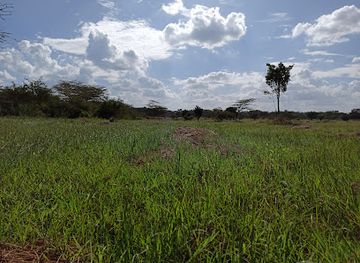
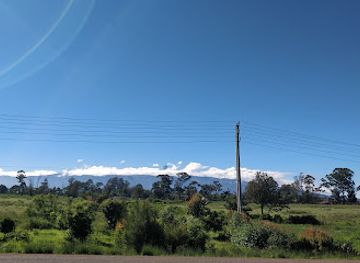
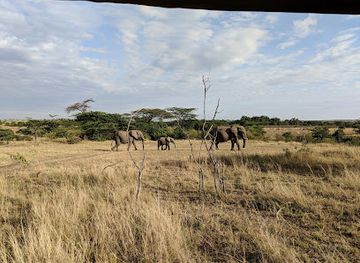
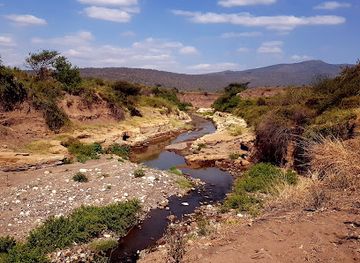
The Loita Plains are better suited to guided, low-volume exploration than to a checklist of formal attractions. The principal draw is the landscape itself: open grazing country, seasonal streams, rocky ground and expansive views towards the Loita Hills. Community-led walks can introduce visitors to pastoral life, local plant knowledge and the practical relationship between livestock, water and changing pasture. Around Entasekera and Olorte, experiences should be arranged through local contacts and approached as cultural exchanges rather than staged displays. The Loita Forest, also called Naimina Enkiyio, offers a markedly different environment of indigenous woodland, springs and shaded paths, but access should always follow local guidance because parts of the forest have cultural importance. Birdwatching, landscape photography and patient observation may be rewarding, although wildlife encounters are less predictable and facilities much less developed than in Kenya’s established safari reserves. The region’s attraction landscape has no dependable concentration of visitor infrastructure: roads, weather, permissions and guide availability shape what can be reached. Travellers seeking a conventional game-drive circuit should use a properly equipped safari destination elsewhere, while the Loita Plains are most compelling for those interested in walking, pastoral culture, conservation and a remote highland setting.
-
Historical landmark
Uhuru Gardens
Discover Uhuru Gardens, a historical landmark in Nairobi celebrating Kenya's independence and cultural heritage amidst beautiful landscapes.
-
Lodge
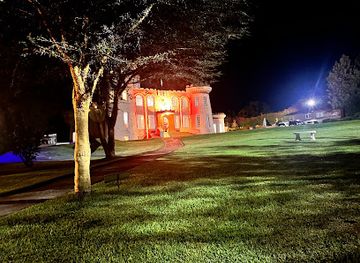
Tafaria Castle & Center for the Arts
Discover Tafaria Castle & Center for the Arts, a captivating destination in the Kenyan highlands blending art, adventure, and relaxation.
-
Park
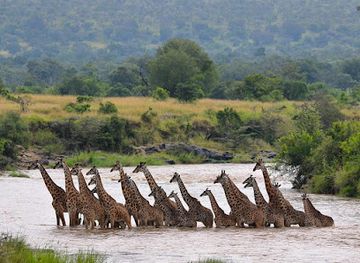
Mara North Conservancy
Experience the breathtaking landscapes and diverse wildlife of Mara North Conservancy, a premier destination for nature lovers and adventure seekers in Kenya.
-
Wildlife refuge
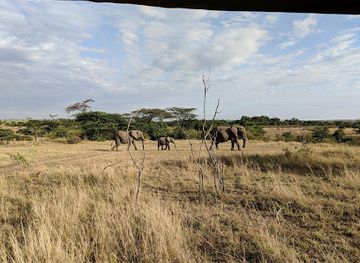
Olare Orok Conservancy
Experience the breathtaking wildlife and stunning landscapes of Olare Orok Conservancy, a premier safari destination in Maasai Mara, Kenya.
Best landmarks in Loita Plains
The Loita Hills are the defining geographical landmark of the region, rising above the surrounding grasslands and creating a visible transition from open pastoral country to higher, wetter terrain. Their wooded slopes and springs help explain why the hills have such importance in a landscape where water is seasonal and pasture is carefully valued. The Loita Forest, known in Maa as Naimina Enkiyio, is the region’s most significant natural and cultural landmark. It is not simply a woodland to be entered casually: many places carry spiritual meaning, and local guidance is essential. The broad Loita Plains themselves form a landmark landscape, marked by long horizons, scattered settlement and routes shaped by livestock movement rather than formal roads. Entasekera and Olorte are useful local reference points, but their importance lies in their role as living community centres rather than monumental architecture. Together, the hills, forest and grasslands express the Loita country’s central relationship between ecology, pastoral life and customary authority.
-
Historical landmark
Equator Marker
Experience the unique wonder of standing on the equator at the Equator Marker in Nanyuki, a captivating historical landmark steeped in culture and natural beauty.
-
Wildlife refuge
Ol Jogi Wildlife Conservancy
Experience the breathtaking wildlife and conservation efforts at Ol Jogi Wildlife Conservancy, a premier destination in the heart of Kenya.
-
Wildlife refuge
Olare Orok Conservancy
Experience the breathtaking wildlife and stunning landscapes of Olare Orok Conservancy, a top-tier destination for nature lovers in Kenya.
-
Tourist attraction
Olorgesailie Prehistoric Site
Explore the ancient past at Olorgesailie Prehistoric Site, a fascinating archaeological gem in Kenya's stunning landscape.

Explore Loita Plains on the map
Plan your trip on one map. See where the top cities, national parks and sights are, and book hotels and experiences in a few clicks.
Best hotels in Loita Plains
Best restaurants in Loita Plains
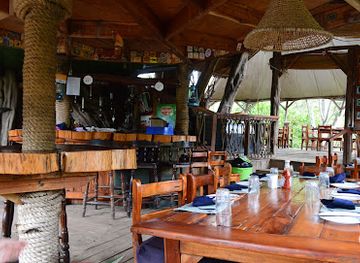
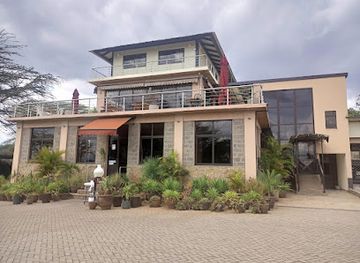
Dining in the Loita Plains is generally arranged through camps, community hosts or pre-booked guides rather than through a restaurant scene. Meals are likely to be practical and seasonal, drawing on staples common across southern Kenya, such as maize meal, beans, rice, vegetables, tea and meat, with availability dependent on supplies and the host arrangement. Milk and livestock remain important in Maasai pastoral culture, but visitors should not assume that a particular traditional food or preparation will be offered without prior discussion. Narok is the most useful place to buy provisions before the remote journey, while simple meals may be available at accommodation serving the area. Travellers with allergies, dietary restrictions or medical requirements should communicate these well in advance and carry suitable backup food. A respectful approach recognises that food in a pastoral household is part of hospitality and daily life, not a tourist attraction to be demanded or photographed without permission.
-
Restaurant
Trout Tree Restaurant
Experience delightful cuisine amidst stunning natural beauty at Trout Tree Restaurant in Nanyuki, Kenya.
-
Restaurant
Matteo's Italian restaurant and bar
Discover the taste of Italy at Matteo's Restaurant & Bar in Karagita - where authentic flavors meet warm hospitality.
-
Restaurant
Maasai Mara Junction
Discover authentic Kenyan cuisine at Maasai Mara Junction in Narok – where every meal is a celebration of local flavors.
-
Fast Food
Loita Hotel -TALEK
Experience fast food bliss at Loita Hotel in Talek—where delicious meals meet stunning natural landscapes.
Best bars in Loita Plains
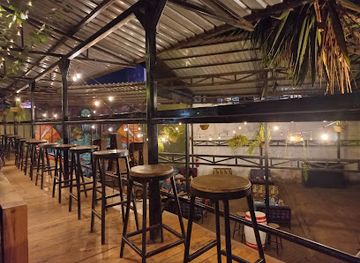
The Loita Plains do not have a conventional nightlife circuit, and there are no dependable clusters of nightclubs or late-opening bars in the remote settlements. Evenings usually centre on the camp, homestead or community accommodation, with conversation, tea, an early meal and the sounds of the landscape replacing organised entertainment. Any alcohol service depends entirely on the accommodation provider and should not be assumed. In a pastoral setting, visitors should keep noise low, respect household routines and avoid wandering after dark without a guide. Narok, outside the Loita Plains, offers a broader selection of ordinary town restaurants and drinking places, but it is primarily a service stop rather than a regional nightlife destination. The area’s evening appeal lies in clear skies, darkness and cultural conversation, provided hosts are comfortable with the interaction and privacy is respected.
-
Bar
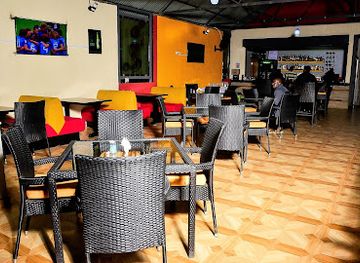
The Alchemist
Experience the vibrant nightlife and culinary delights at The Alchemist, a bar and event venue in Nairobi's Spring Valley, perfect for socializing and entertainment.
-
Restaurant
Golden Spot Bar & Restaurant
Experience the vibrant flavors of Kenya at Golden Spot Bar & Restaurant, where local cuisine meets international flair in a welcoming atmosphere.
-
Restaurant
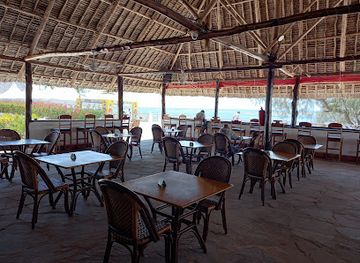
Maasai Beach Bar & Restaurant
Experience the vibrant atmosphere and diverse flavors at Maasai Beach Bar & Restaurant, a must-visit dining spot in Mombasa, Kenya.
-
 Hotel
HotelSarova Mara Game Camp - Safari Lodge in Kenya
Discover luxury and adventure at Sarova Mara Game Camp, your gateway to the stunning wildlife of Maasai Mara, Kenya.
Best nightclubs in Loita Plains
The Loita Plains do not have a conventional nightlife circuit, and there are no dependable clusters of nightclubs or late-opening bars in the remote settlements. Evenings usually centre on the camp, homestead or community accommodation, with conversation, tea, an early meal and the sounds of the landscape replacing organised entertainment. Any alcohol service depends entirely on the accommodation provider and should not be assumed. In a pastoral setting, visitors should keep noise low, respect household routines and avoid wandering after dark without a guide. Narok, outside the Loita Plains, offers a broader selection of ordinary town restaurants and drinking places, but it is primarily a service stop rather than a regional nightlife destination. The area’s evening appeal lies in clear skies, darkness and cultural conversation, provided hosts are comfortable with the interaction and privacy is respected.
-
Disco club
BLACK STARS Club & Lounge
Discover the electrifying nightlife of Nairobi at BLACK STARS Club & Lounge, where music, dance, and vibrant energy come together for an unforgettable experience.
-
Night club
40Forty Lounge
Discover Nairobi's nightlife at 40Forty Lounge, the vibrant club in Stellato Mall, offering music, cocktails, and unforgettable experiences.
-
Grill
The Elevate Club Narok
Experience the vibrant flavors of Kenya at The Elevate Club Narok, a premier grill destination blending local ingredients with global culinary influences.
-
Night club
Club Royal 46
Discover the vibrant nightlife at Club Royal 46 in Nyamira, where music, dance, and unforgettable moments come together.



Best shops in Loita Plains
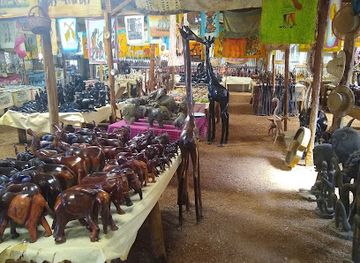
Shopping in the Loita Plains is limited and practical rather than commercial. Small local outlets may provide basic household goods, but travellers should not depend on them for fuel, specialist medicines, camping equipment or a wide choice of food. Narok, outside the region, is the more reliable provisioning centre before a remote journey. Locally made beadwork, ornaments and other crafts may sometimes be available through community contacts, but purchases should be made directly and transparently, with fair prices agreed in advance and no pressure on residents to sell culturally important items. Visitors should ask about the meaning and appropriate use of ceremonial objects rather than treating every piece as a souvenir. Regional gifts can include responsibly sourced Maasai beadwork or practical handmade items, provided they are obtained with consent and do not involve protected wildlife products. Carrying reusable bags and avoiding unnecessary packaging is especially useful where waste collection is limited.
-
Gift shop
Olare Gift Shop
Explore the charm of Olare Gift Shop in Narok County, a treasure trove of authentic Kenyan souvenirs and handmade crafts.
-
Gift shop
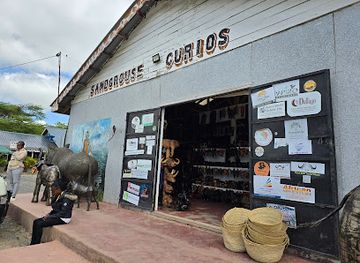
Sand Grouse Curios and Art Gallery
Explore the vibrant Sand Grouse Curios and Art Gallery for unique souvenirs and local art that embody the spirit of Kenya.
-
Shopping mall
Mara Savanah Masai Market
Explore the colorful Maasai culture at the Mara Savanah Masai Market, a vibrant shopping hub in Narok offering unique crafts and authentic experiences.
-
Gift shop
Lena souvenir centre
Explore the vibrant world of Kenyan crafts at Lena Souvenir Centre in Ewaso Ngiro, where every purchase supports local artisans and their traditions.

Get your free copy of our complete guide to Loita Plains, delivered straight to you.
Everything on this page, from attractions and restaurants to essentials and local phrases, in one PDF you can read offline, print or share.
Already have an account? Sign in
Your Loita Plains guide is ready.
We'll send it to · Not you? Sign out

Getting your guide ready…
We are putting together a fresh copy of the Loita Plains guide. This can take up to a minute.
This can take a few moments. If your browser asks, choose Allow so the download can start. You'll find the guide in your Downloads folder.
Nothing happened? Download it again
Sorry, the guide is taking longer than usual. Please try again in a minute, or get it by email instead.
Loita Plains essentials
Currency and Payment
Safety
Emergency Situations
Do's and Don'ts
Local Tips
From Eve
Local phrases worth knowing
You don't need to get them perfect. A few words go a long way, and locals appreciate the effort.
Basics
| English | Local | Say it |
|---|---|---|
| Hello | Sasa | [sah-sah] |
| Goodbye | Kwaheri | [kwah-heh-ree] |
| Yes | Ndiyo | [n-dee-yoh] |
| No | Hapana | [hah-pah-nah] |
| Please/You're welcome | Tafadhali | [tah-fah-dah-lee] |
| Thank you | Asante | [ah-sahn-teh] |
| Excuse me/Sorry | Pole | [poh-leh] |
| How are you? | Habari gani? | [hah-bah-ree gah-nee] |
| Fine. And you? | Nzuri. Na wewe? | [n-zoo-ree nah weh-weh] |
| Do you speak English? | Unazungumza Kiingereza? | [oo-nah-zoo-ngum-zah kee-ing-eh-reh-zah] |
| I don't understand | Sielewi | [see-eh-leh-wee] |
Eating & Drinking
| English | Local | Say it |
|---|---|---|
| I'd like to see the menu, please | Ningependa kuona menyu, tafadhali | [nin-geh-pen-dah koo-nah meh-nyoo tah-fah-dah-lee] |
| I don't eat meat | Sikuli nyama | [see-koo-lee nyah-mah] |
| Cheers! | Afya! | [ah-fyah] |
| I would like to pay, please | Ningependa kulipa, tafadhali | [nin-geh-pen-dah koo-lee-pah tah-fah-dah-lee] |
Emergencies
| English | Local | Say it |
|---|---|---|
| Help! | Msaada! | [m-sah-dah] |
| Go away! | Ondoka! | [on-doh-kah] |
| Call the Police! | Piga simu polisi! | [pee-gah see-moo poh-lee-see] |
| Call a doctor! | Piga simu daktari! | [pee-gah see-moo dahk-tah-ree] |
| I'm lost | Nimepotea | [nee-meh-poh-teh-ah] |
| I'm ill | Nina ugonjwa | [nee-nah oo-gon-jwah] |
Shopping
| English | Local | Say it |
|---|---|---|
| I'd like to buy... | Ningependa kununua... | [nin-geh-pen-dah koo-noo-noo-ah] |
| I'm just looking | Natazama tu | [nah-tah-zah-mah too] |
| How much is it? | Ni pesa ngapi? | [nee peh-sah ngah-pee] |
| That's too expensive | Hiyo ni ghali sana | [hee-yoh nee gah-lee sah-nah] |
| Can you lower the price? | Uneza kupunguza bei? | [oo-neh-zah koo-pun-goo-zah beh-ee] |
Time & Numbers
| English | Local | Say it |
|---|---|---|
| What time is it? | Ni saa ngapi? | [nee sah ngah-pee] |
| It's one o'clock | Ni saa moja | [nee sah moh-jah] |
| Half past (10) | Nusu ya (10) | [noo-soo yah (10)] |
| Morning | Asubuhi | [ah-soo-boo-hee] |
| Afternoon | Mchana | [m-chah-nah] |
| Evening | Jioni | [jee-oh-nee] |
| Yesterday | Jana | [jah-nah] |
| Today | Leo | [leh-oh] |
| Tomorrow | Kesho | [keh-shoh] |
| 1 | Moja | [moh-jah] |
| 2 | Mbili | [m-bee-lee] |
| 3 | Tatu | [tah-too] |
| 4 | Nne | [n-nay] |
| 5 | Tano | [tah-noh] |
| 6 | Sita | [see-tah] |
| 7 | Saba | [sah-bah] |
| 8 | Nane | [nah-neh] |
| 9 | Tisa | [tee-sah] |
| 10 | Kumi | [koo-mee] |
Transport & Directions
| English | Local | Say it |
|---|---|---|
| Where's a/the...? | Wapi...? | [wah-pee] |
| What's the address? | Nini anwani? | [nee-nee an-wah-nee] |
| Can you show me (on the map)? | Unaweza kunionyesha (katika ramani)? | [oo-nah-weh-zah koo-nee-oh-nyesh-ah kah-tee-kah rah-mah-nee] |
| When's the next (bus)? | Basi inayofuata ni lini? | [bah-see ee-nah-yoh-fu-ah-tah nee lee-nee] |
| A ticket (to ....) | Tiketi (ya ...) | [tee-keh-tee yah] |
History of Loita Plains
Pastoral settlement and Loita Maasai identity
The Loita landscape has long been shaped by Maasai pastoralism, in which cattle, goats and sheep are central to livelihood, status and social life. Movement between pasture and water has allowed communities to respond to seasonal conditions across the plains and hills. Loita Maasai identity is also connected to distinctive customary institutions, age-set organisation and relationships with the Loita Hills and forest. These traditions are living systems rather than remnants of a vanished past, although modern education, markets, administration and land pressures continue to influence them.
The sacred Loita Forest
The forested highlands known as Naimina Enkiyio, or the Loita Forest, occupy an important place in Loita Maasai cultural memory and spiritual life. Springs, trees and forest clearings have traditionally been understood through customary knowledge and ritual practice, while the woodland also helps retain water and supports biodiversity in a mostly open landscape. Its significance is therefore both ecological and cultural. Debate over external control, conservation and local authority has made the forest a wider symbol of indigenous stewardship and community rights.
Colonial administration and changing boundaries
British colonial rule brought new administrative boundaries, taxation, legal systems and political oversight to Maasailand in Kenya. The Loita area was incorporated into the colonial framework without losing the importance of customary authority in everyday pastoral life. Colonial boundaries also affected mobility and access to grazing, particularly as the administration classified land and regulated movement in different ways. The modern position of the Loita Plains within Narok County reflects this layered history of colonial administration, post-colonial government and enduring local identities.
Independence, land and pastoral change
Kenya’s independence in 1963 brought national citizenship and new state institutions, but it did not remove the economic and environmental pressures facing pastoral communities. The spread of schools, roads, markets and public administration altered settlement patterns, while land adjudication and changing ideas of ownership encouraged more fixed forms of residence in some areas. For Loita communities, the practical challenge has been to maintain livestock-based livelihoods and customary relationships with land while responding to population growth, drought, commercial interests and the requirements of a modern county government.
Conservation and community authority
Conservation in and around the wider Maasai landscapes has often involved tension between externally designed protection and local systems of land management. The Loita Forest became particularly significant in discussions about whether customary custodians or state agencies should determine its future. Community advocates have argued that local institutions have protected the forest through cultural rules and practical knowledge, while conservation debates have also highlighted the need to address changing pressures on woodland and water. This history shapes how responsible visitors should approach guides, permissions and photography.
Contemporary community tourism
Tourism in the Loita Plains has developed on a smaller scale than in the Maasai Mara, with interest focused on cultural learning, walking, landscapes and community-led experiences rather than large concentrations of safari lodges. This creates opportunities for local guiding and accommodation, but also requires careful choices about consent, benefit sharing and cultural representation. The region’s current identity is consequently being negotiated between pastoral livelihoods, conservation priorities, improved connectivity and a desire among local communities to control how their heritage is presented to visitors.
Loita Plains in Photos
Browse through our photo collection highlighting the charm and character of the destination.
Neighbouring regions of Loita Plains
The closest regions to Loita Plains, if you have time for more than one.
-

-

-

-

-


Swipe for more regions
Explore more
Explore more of Kenya
Discover Kenya: A land of breathtaking safaris, rich cultural heritage, and stunning coastlines that promise adventure and relaxation all in one.
Explore Kenya