

Lavington (Nairobi) Travel Guide - Free
Explore Lavington in Nairobi with Evendo's free guide. Find the best shops, historic streets, restaurants, and gems on web or mobile.


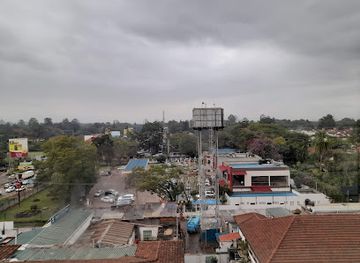
Lavington Nairobi blends leafy residential streets, contemporary Kenyan dining, independent cafés, Lavington Mall and easy access to Westlands and Kilimani.
A Residential Quarter with Urban Connections
\n\nLavington occupies a leafy part of western Nairobi between Kilimani, Kileleshwa, Hurlingham and the wider Westlands area. It is primarily a residential neighbourhood, known for mature trees, generous compounds, apartment developments and a calmer rhythm than the commercial streets beyond it. Roads such as James Gichuru Road, Gitanga Road, Muthangari Road and Olenguruone Avenue provide the area's main orientation, while smaller side streets reveal a mixture of older houses, diplomatic residences, schools, churches and newer gated developments.\n\nEveryday Culture and Architecture
\n\nThe neighbourhood's character lies less in a single monument than in the contrast between established residential landscapes and Nairobi's continuing growth. Older low-rise properties stand beside contemporary apartment blocks, offices and mixed-use centres, reflecting the city's expanding western suburbs. Lavington Mall is a practical local focus for cafés, restaurants, services and retail, while the surrounding streets offer a dispersed selection of eateries rather than one concentrated dining district. Churches including St Austin's Catholic Church contribute to the area's institutional and architectural identity.\n\nExploring Lavington
\n\nLavington suits visitors who enjoy observing Nairobi's urban life at neighbourhood level: walking beneath roadside trees, pausing at a café, browsing a small selection of shops or using the area as a base between central Nairobi, Westlands and Kilimani. Traffic can be heavy on the main roads, and pavements are inconsistent, so exploration is best planned around specific streets and destinations. Evenings are generally more restaurant-led than club-focused, with the neighbourhood's residential setting shaping a quieter after-dark atmosphere.Best attractions in Lavington
Lavington's attractions are primarily local and urban rather than monumental. Lavington Mall provides a convenient centre for browsing, cafés, restaurants and everyday services, while the streets around it offer a changing view of Nairobi's transition from leafy low-rise suburb to denser mixed-use neighbourhood. St Austin's Catholic Church is an important local institution and a point of architectural and community interest, though visitors should observe worship and photography etiquette. Walking along sections of Muthangari Road, Olenguruone Avenue and the quieter residential side roads reveals mature trees, large compounds, apartment developments and the varied boundary walls typical of Nairobi's established suburbs. Lavington is also well placed for short onward visits to nearby Kileleshwa and Kilimani, but those districts should be treated as separate destinations. The appeal here lies in observing everyday neighbourhood life, local dining and the relationship between older residential fabric and contemporary development.
-
Tourist attraction
Gigiri
Explore the tranquil charm of Gigiri, a serene suburb in Nairobi known for its lush parks, rich cultural experiences, and vibrant dining scene.
6 min walk · 0.5 km from neighbourhood centre

Best landmarks in Lavington
Lavington's landmarks are embedded in its suburban landscape rather than gathered around a historic square. St Austin's Catholic Church is one of the neighbourhood's most recognisable institutional buildings and reflects the importance of religious organisations in Nairobi's established residential districts. Lavington Mall is a contemporary landmark of a different kind: its retail, dining and service functions illustrate the shift from large low-density compounds towards mixed-use urban development. James Gichuru Road and Gitanga Road are significant as movement corridors, linking Lavington with adjacent parts of Nairobi and helping explain the area's changing intensity. The mature trees, walls, compounds and surviving low-rise houses on side streets are also part of the neighbourhood's visual identity, even where individual properties are private and not visitor attractions. Together these features show Lavington as a layered suburb shaped by institutions, mobility and redevelopment.
-
Shopping mall
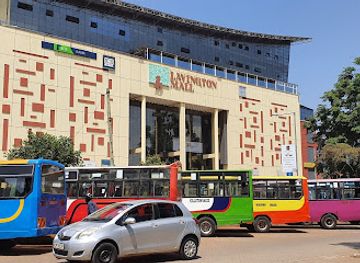
Lavington Mall
Explore the vibrant shopping and dining experiences at Lavington Mall, Nairobi's premier destination for fashion, food, and entertainment.
8 min walk · 0.7 km from neighbourhood centre
-
Hotel
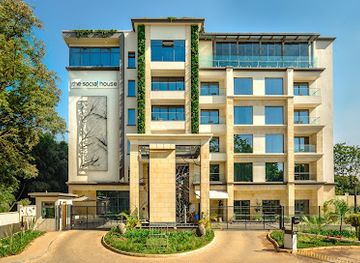
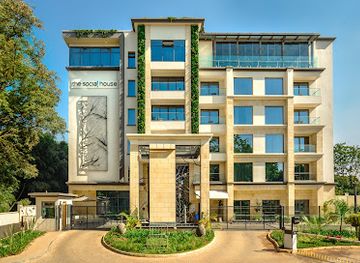
The Social House Nairobi
Discover a contemporary oasis in Nairobi with luxurious accommodations, diverse dining options, and vibrant event spaces at The Social House.
11 min walk · 0.9 km from neighbourhood centre
-
Restaurant
Kengele's Lavington Green #Loco
Discover Kengele's Lavington Green, where local Kenyan flavors meet bistro charm in the heart of Nairobi.
8 min walk · 0.6 km from neighbourhood centre
-
Shopping mall
Lavington Curve Mall
Discover the vibrant shopping scene of Nairobi at Lavington Curve Mall, where local and international brands meet delightful dining and entertainment options.
10 min walk · 0.8 km from neighbourhood centre

Explore Lavington on the map
A handpicked selection of must-see spots in Lavington, mapped for you.
Best hotels in Lavington
Best restaurants in Lavington
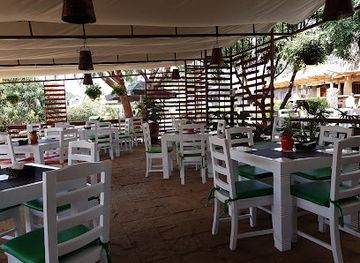
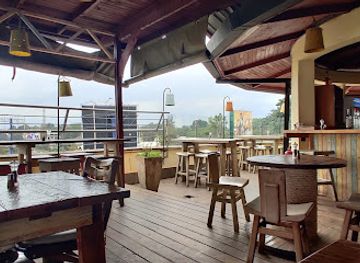
Lavington's dining scene is dispersed through shopping centres, mixed-use developments and converted commercial premises rather than concentrated on one restaurant street. Around Lavington Mall and the main roads, visitors can find cafés, casual restaurants and more polished venues serving a mixture of Kenyan, East African and international food. The area is useful for coffee, relaxed lunches, takeaway meals and evening dining, with the residential setting encouraging venues that serve local workers and residents as well as visitors. Menus and businesses change, so it is sensible to check current details before setting out. Independent cafés and restaurants provide a more revealing sense of contemporary Lavington than treating the neighbourhood as a destination for one historic speciality. For traditional Kenyan dishes, ask locally about the day's options, since availability varies between restaurants and is not always advertised in the same way as international menus.
-
Chinese
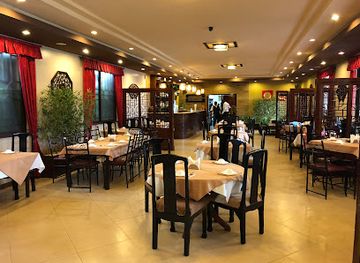
For You Chinese Restaurant
Experience authentic Chinese cuisine in Nairobi at For You Chinese Restaurant - where tradition meets flavor.
15 min walk · 1.2 km from neighbourhood centre
-
Restaurant
The Social House Nairobi
Discover Nairobi's vibrant culinary scene at The Social House - where exquisite dining meets stylish hospitality.
11 min walk · 0.9 km from neighbourhood centre
-
West African
Mama Ashanti
Discover the vibrant tastes of West Africa at Mama Ashanti in Nairobi – where every meal is a celebration of culture and flavor.
14 min walk · 1.2 km from neighbourhood centre
-
Italian
MAMBO ITALIA LAVINGTON
Experience authentic Italian cuisine at Mambo Italia Lavington with delicious pizzas and delectable ice creams in Nairobi's vibrant dining scene.
10 min walk · 0.8 km from neighbourhood centre
Best bars in Lavington
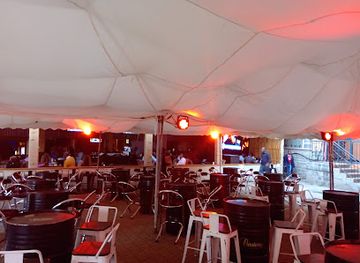
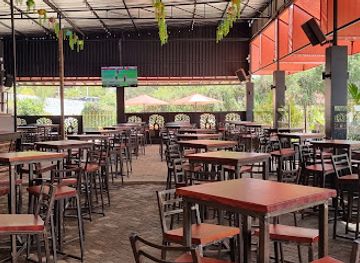
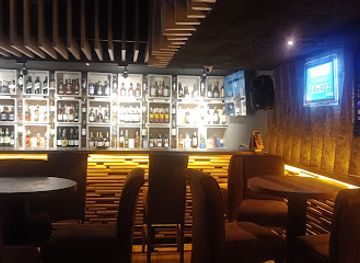
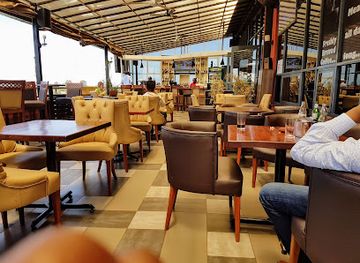
Lavington's evening scene is more restrained and restaurant-oriented than the concentrated nightlife districts of Nairobi. Bars attached to restaurants, hotel-style venues and shopping-centre establishments provide places for conversation, drinks and casual dining, while the neighbourhood's residential character limits the sense of a continuous late-night strip. Evenings around Lavington Mall and the main commercial roads can be sociable without becoming dominated by clubs, and music-led entertainment is more likely to be venue-specific than a defining neighbourhood tradition. Visitors seeking larger club nights may need to travel towards Westlands or other parts of Nairobi, which should be treated as separate destinations rather than extensions of Lavington. After dark, arrange transport between venues, keep noise away from residential compounds and check current opening information directly because schedules and programming can change.
-
Grill
The Bar Next Door
Experience the vibrant flavors of Nairobi at The Bar Next Door, a grill restaurant that combines delicious food with a lively atmosphere for an unforgettable dining experience.
10 min walk · 0.8 km from neighbourhood centre
-
Grill
Kettle House Bar & Grill
Indulge in the vibrant flavors of Nairobi at Kettle House Bar & Grill, where delicious grilled dishes and a lively atmosphere await.
11 min walk · 0.9 km from neighbourhood centre
-
Bar
Ozone Lounge
Experience the vibrant nightlife of Nairobi at Ozone Lounge, a stylish bar and restaurant offering exquisite cuisine and a lively atmosphere.
16 min walk · 1.3 km from neighbourhood centre
-
Restaurant
Saape Lounge-Lavington
Experience the vibrant flavors and welcoming ambiance at Saape Lounge-Lavington, Nairobi's culinary gem offering a unique dining adventure.
9 min walk · 0.7 km from neighbourhood centre
Best nightclubs in Lavington
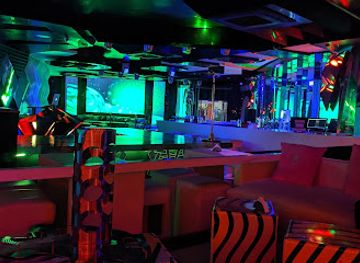
Lavington's evening scene is more restrained and restaurant-oriented than the concentrated nightlife districts of Nairobi. Bars attached to restaurants, hotel-style venues and shopping-centre establishments provide places for conversation, drinks and casual dining, while the neighbourhood's residential character limits the sense of a continuous late-night strip. Evenings around Lavington Mall and the main commercial roads can be sociable without becoming dominated by clubs, and music-led entertainment is more likely to be venue-specific than a defining neighbourhood tradition. Visitors seeking larger club nights may need to travel towards Westlands or other parts of Nairobi, which should be treated as separate destinations rather than extensions of Lavington. After dark, arrange transport between venues, keep noise away from residential compounds and check current opening information directly because schedules and programming can change.
-
Lounge
B-CLUB Nairobi
Discover the ultimate nightlife experience at B-CLUB Nairobi, where luxury meets vibrant entertainment in the heart of Kilimani.
17 min walk · 1.3 km from neighbourhood centre
-
Night club
Mialle72
Discover Nairobi's nightlife at Mialle72 Lounge, a vibrant night club offering exquisite cocktails, energetic music, and unforgettable experiences.
5 min drive · 1.6 km from neighbourhood centre
-
Night club
213 Lavington
Discover Nairobi's nightlife at 213 Lavington, a vibrant night club offering an electrifying atmosphere, top-notch music, and unforgettable experiences.
11 min walk · 0.9 km from neighbourhood centre
-
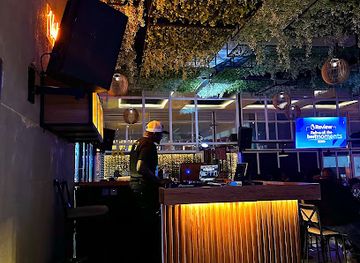
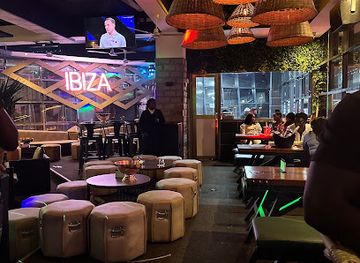
Night club
Ibiza
Experience the electrifying nightlife of Ibiza, where world-class DJs and unforgettable parties await in a stunning tropical paradise.
9 min walk · 0.7 km from neighbourhood centre

Best shops in Lavington
Shopping in Lavington is centred on practical retail and contemporary mixed-use spaces rather than a traditional open-air bazaar. Lavington Mall brings together shops, cafés, restaurants, personal services and everyday conveniences, making it the area's clearest retail reference point. Additional small businesses and service outlets appear along the main roads and around newer developments, while the residential streets themselves are not a continuous shopping zone. Visitors looking for independent goods should browse locally rather than expect a concentration of antique, craft or vintage specialists. The neighbourhood's retail character reflects Nairobi's affluent western suburbs: convenient, dispersed and closely linked to offices, apartments and household services. For larger markets or more specialised shopping, visitors will need to travel elsewhere in Nairobi, while Lavington is better suited to combining errands, coffee and casual browsing with an exploration of its streets.
-
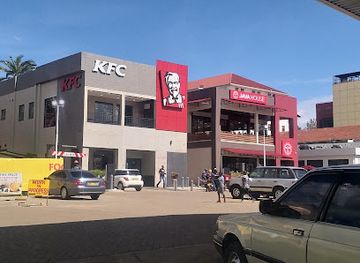
Shopping mall
Lavington Mall
Experience the best of shopping and dining at Lavington Mall, Nairobi's ultimate destination for retail therapy and culinary delights.
8 min walk · 0.7 km from neighbourhood centre
-
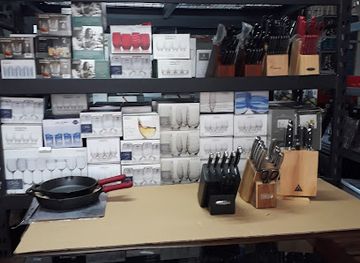
Furniture store
Nobri (K) Ltd
Explore the elegance of Kenyan craftsmanship at Nobri (K) Ltd, a premier furniture store in Kileleshwa, Nairobi.
7 min walk · 0.6 km from neighbourhood centre
-
Gift shop
Mikono- The Refugee Crafts Shop
Explore Mikono in Nairobi for unique handicrafts made by refugees and support a meaningful cause while finding unforgettable souvenirs.
5 min drive · 1.6 km from neighbourhood centre
-
Clothing store
Sarai Afrique Fashion House
Experience the essence of Kenyan fashion at Sarai Afrique Fashion House in Nairobi, where contemporary meets traditional style.
9 min walk · 0.7 km from neighbourhood centre


Lavington essentials
Getting There
Getting Around
Safety
Emergency Situations
Do's and Don'ts
Local Tips

From Eve
Local phrases worth knowing
You don't need to get them perfect. A few words go a long way, and locals appreciate the effort.
Basics
| English | Local | Say it |
|---|---|---|
| Hello | Salamu | [sah-lah-moo] |
| Goodbye | Kwaheri | [kwah-heh-ree] |
| Yes | Ndio | [nn-dee-oh] |
| No | Hapana | [hah-pah-nah] |
| Please/You're welcome | Tafadhali | [ta-fah-thah-lee] |
| Thank you | Asante | [ah-sahn-teh] |
| Excuse me/Sorry | Samahani | [sah-mah-hah-nee] |
| How are you? | U hali gani? | [oo hah-lee gah-nee] |
| Fine. And you? | Nzuri. Na wewe? | [n-zoo-ree. nah weh-weh] |
| Do you speak English? | Unazungumza Kiingereza? | [oo-nah-zoo-ngoom-zah kee-ee-ngheh-reh-zah] |
| I don't understand | Sielewi | [see-eh-leh-wee] |
Eating & Drinking
| English | Local | Say it |
|---|---|---|
| I'd like to see the menu, please | Ningependa kuona menyu, tafadhali | [nee-neh-pehn-dah kwoh-nah meh-nyoo, tah-fah-thah-lee] |
| I don't eat meat | Sili nyama | [see-lee nyah-mah] |
| Cheers! | Mambo! | [mahm-boh] |
| I would like to pay, please | Ningependa kulipa, tafadhali | [nee-neh-pehn-dah koo-lee-pah, tah-fah-thah-lee] |
Emergencies
| English | Local | Say it |
|---|---|---|
| Help! | Usaidizi! | [oo-sah-ee-dee-zee] |
| Go away! | Nenda zako! | [nen-dah zah-koh] |
| Call the Police! | Piga Polisi! | [pee-gah poh-lee-see] |
| Call a doctor! | Piga daktari! | [pee-gah dahk-tah-ree] |
| I'm lost | Nimepotea | [nee-meh-poh-teh-ah] |
| I'm ill | Ninaumwa | [nee-nah-oom-wah] |
Shopping
| English | Local | Say it |
|---|---|---|
| I'd like to buy... | Ningependa kununua... | [nee-neh-pehn-dah koo-noo-noo-ah] |
| I'm just looking | Natazama tu | [nah-tah-zah-mah too] |
| How much is it? | Bei ni ngapi? | [beh-ee nee ngah-pee] |
| That's too expensive | Hilo ni ghali sana | [hee-loh nee gah-lee sah-nah] |
| Can you lower the price? | Unaweza kupunguza bei? | [oo-nah-weh-zah koo-poon-goo-zah beh-ee] |
Time & Numbers
| English | Local | Say it |
|---|---|---|
| What time is it? | Saa ngapi? | [sah-ah ngah-pee] |
| It's one o'clock | Saa moja | [sah-ah moh-jah] |
| Half past (10) | Nusu kumi | [noo-soo koo-mee] |
| Morning | Asubuhi | [ah-soo-boo-hee] |
| Afternoon | Mchana | [m-chah-nah] |
| Evening | Jioni | [joh-ee-nee] |
| Yesterday | Jana | [jah-nah] |
| Today | Leo | [leh-oh] |
| Tomorrow | Kesho | [keh-shoh] |
| 1 | Moja | [moh-jah] |
| 2 | Mbili | [m-bee-lee] |
| 3 | Tatu | [tah-too] |
| 4 | Nne | [nn-neh] |
| 5 | Tano | [tah-noh] |
| 6 | Sita | [see-tah] |
| 7 | Saba | [sah-bah] |
| 8 | Nane | [nah-neh] |
| 9 | Tisa | [tee-sah] |
| 10 | Kumi | [koo-mee] |
Transport & Directions
| English | Local | Say it |
|---|---|---|
| Where's a/the...? | Iko wapi...? | [ee-koh wah-pee] |
| What's the address? | Anwani ni gani? | [ahn-wah-nee nee gah-nee] |
| Can you show me (on the map)? | Unaweza kunionyesha (kwenye ramani)? | [oo-nah-weh-zah koo-nee-oh-nyeh-shah (kweh-neh rah-mah-nee)] |
| When's the next (bus)? | Basi lifuata lini? | [bah-see lee-foo-ah-tah lee-nee] |
| A ticket (to ....) | Tiketi (kwenda ....) | [tee-keh-tee (kwehn-dah)] |
History of Lavington
From Rural Fringe to Suburb
Lavington developed on land that was once part of Nairobi's less intensively settled western fringe. As Nairobi expanded after the establishment of the railway and the growth of the colonial capital, agricultural holdings and open land around the city were gradually incorporated into suburban development. The area became associated with spacious residential properties rather than the commercial and industrial functions concentrated closer to the railway and city centre. This early pattern still influences Lavington's layout: roads branch through compounds, institutional plots and mature gardens instead of forming a tightly packed historic grid.
The Era of Low-Rise Estates
During the twentieth century, Lavington consolidated as a low-density residential district serving Nairobi's expanding professional, administrative and expatriate communities. Houses, schools, churches and landscaped compounds became the principal features of the neighbourhood, while roads connected it to central Nairobi and the western suburbs. St Austin's Catholic Church is among the institutions that give the area a continuing religious and architectural presence. Although Lavington was never defined by a large industrial complex or a central market square, its social history is visible in the long-established institutions and generous plots that survived within later development.
Nairobi's Expanding Western Suburbs
From the late twentieth century into the twenty-first, wider Nairobi's population and property pressures altered Lavington's physical character. Older houses and large plots increasingly stood alongside apartment buildings, offices, schools and gated residential developments. Improved road connections towards Westlands, Kilimani and the city centre made the neighbourhood attractive to residents seeking a relatively quiet address with access to employment and services elsewhere. The change brought denser construction and more traffic, particularly along the principal roads, while much of the older tree cover and residential identity remained in the side streets.
A Contemporary Mixed Urban Neighbourhood
Today Lavington combines established residential life with the retail, dining and service economy associated with Lavington Mall and other newer developments. Its transformation reflects a wider Nairobi pattern in which low-rise suburbs gradually accommodate apartment living and mixed-use projects without becoming fully commercial districts. The neighbourhood's contemporary identity is therefore layered: mature compounds and community institutions coexist with modern construction, cafés and professional services. For visitors, this makes Lavington more useful as a place to experience everyday urban Nairobi and local dining than as a conventional monument-filled historic quarter.
Lavington in Photos
Browse through our photo collection highlighting the charm and character of the destination.
Neighbourhoods near Lavington
The closest neighbourhoods to Lavington, if you have time for more than one stop.
-

-

-

-


Swipe for more neighbourhoods
Explore more

Explore more of Nairobi
Nairobi combines wildlife encounters, layered history, lively culture and highland landscapes, from Nairobi National Park to museums, markets and forests.
Explore Nairobi