

Pokot Region, Kenya Travel Guide
Discover the raw beauty and rich cultural heritage of Pokot Region in Kenya, a hidden gem offering breathtaking landscapes, vibrant traditions, and unique adventures.
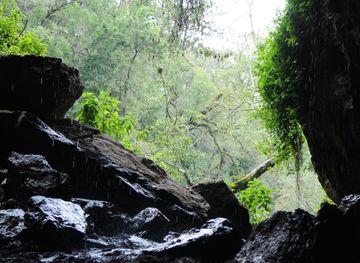
Nestled in the heart of Kenya, the Pokot Region is a hidden gem waiting to be discovered. This rugged and scenic area offers an authentic experience for those looking to venture off the beaten path. With its breathtaking landscapes, rich cultural heritage, and vibrant local communities, Pokot provides a unique window into a way of life that has remained largely unchanged for centuries. One of the most striking features of the Pokot Region is its diverse topography. From the rolling hills and lush valleys to the dramatic cliffs and hidden waterfalls, the natural beauty here is awe-inspiring. The region is perfect for outdoor enthusiasts, offering numerous opportunities for hiking, bird watching, and exploring the wild terrain. Culturally, the Pokot people are known for their rich traditions and warm hospitality. Visitors can immerse themselves in local customs, participate in traditional ceremonies, and learn about the Pokot's unique way of life. The region is also famous for its vibrant markets where you can find handmade crafts, local produce, and traditional attire. For those interested in history and archaeology, the Pokot Region does not disappoint. The area is dotted with ancient rock art and historical sites that provide a glimpse into the region's storied past. Whether you're an adventurer, a culture enthusiast, or a history buff, the Pokot Region offers something for everyone.

Know before you go
Hi, I'm Eve. Here are a few practical things to know before exploring Pokot Region.
- Visit during the dry season (June to September) for the best weather conditions for outdoor activities.
- Hire a local guide to explore the region's hidden gems and to gain deeper insights into the Pokot culture.
- Bring sturdy hiking boots and plenty of water if you plan to explore the rugged terrain.
- Respect local customs and traditions, especially when visiting villages and attending ceremonies.
- Don't miss the local markets for unique souvenirs and a taste of traditional Pokot cuisine.
Top City Travel Guides in Pokot Region
The cities of Pokot Region, and the easiest places to base yourself.

Destinations in Pokot Region
Resorts, valleys and scenic spots worth a trip of their own.
Explore Pokot Region: Things to Do, Places to Eat, Hotels & More
Handpicked recommendations for top attractions, local dining, accommodations, and more

Top Attractions & Sightseeing in Pokot Region
Top-rated picks
Best Attractions

Sipi Falls
Explore Sipi Falls, Uganda: A stunning trio of waterfalls surrounded by lush landscapes, adventure trails, and rich cultural experiences.

Saiwa Swamp National park
Explore the enchanting wetlands of Saiwa Swamp National Park, a haven for wildlife and nature lovers in Kenya, offering a unique adventure in untouched beauty.

Kapenguria Museum
Explore the Kapenguria Museum, a cultural gem showcasing Kenya's rich history and the legacy of its independence heroes.

Kapcherop Forest
Explore the lush landscapes and diverse wildlife of Kapcherop Forest, a serene national forest in Kenya perfect for nature lovers and adventurers.

Best landmarks in Pokot Region
Top-rated picks
Best Landmarks

Mount Elgon National Park
Explore the awe-inspiring landscapes and rich biodiversity of Mount Elgon National Park, a true gem for nature lovers and adventure seekers in Kenya.

Equator Marker
Discover the unique beauty and cultural significance of the Equator Marker in Nanyuki, Kenya, where two hemispheres meet in stunning landscape.

Vasco da Gama Pillar
Discover the rich maritime history of Malindi at the iconic Vasco da Gama Pillar, a landmark of exploration and culture on Kenya's coast.

Kitale Museum
Explore the cultural and natural history of western Kenya at Kitale Museum, a treasure trove of heritage and stories waiting to be discovered.

Best restaurants in Pokot Region
Top-rated picks
Best Restaurants

Kilimanjaro Jamia, Kimathi Street
Discover delicious halal cuisine at Kilimanjaro Jamia on Kimathi Street – where Nairobi's flavors come alive!

Bao Box
Experience the fusion of flavors at Bao Box - Nairobi's family-friendly café offering delicious bao and more.

Talisman Restaurant
Discover exquisite dining at Talisman Restaurant in Nairobi - where international flavors meet local charm in a stunning garden setting.

Red Ginger
Experience authentic Asian cuisine at Red Ginger in Nairobi's vibrant Parklands—where flavors meet elegance.

Best bars in Pokot Region
Top-rated picks
Best Bars

The Alchemist
Experience the vibrant culture and nightlife of Nairobi at The Alchemist, a unique bar and event venue offering delicious food and local shopping.

Brew Bistro and Lounge
Experience the vibrant flavors of Nairobi at Brew Bistro and Lounge, where craft beer meets global cuisine in an unforgettable dining atmosphere.

Pillars Club And Restaurant
Experience the vibrant flavors and lively atmosphere at Pillars Club And Restaurant in Ng'ombe Moja, where grilled delicacies meet Kenyan hospitality.

Kahuruko Bar
Experience the vibrant nightlife of Kitale at Kahuruko Bar, where every evening promises good drinks and great company.

Best nightclubs in Pokot Region
Top-rated picks
Best Nightclubs

Makuti Restraunt
Discover the vibrant Makuti Restaurant in Kitale, where delicious food meets a lively disco atmosphere for an unforgettable night out.

Club Tilja Kitale
Discover the vibrant nightlife of Kitale at Club Tilja, where music and dancing come alive in an unforgettable atmosphere.

CLUB 024 KAPENGURIA
Uncover the vibrant nightlife of Kapenguria at CLUB 024, where music, dance, and culture come together for an unforgettable experience.

Pokot Sports Club
Discover the lively atmosphere of Pokot Sports Club in Makutano, where local culture meets delightful drinks and friendly gatherings.

Best shops in Pokot Region
Top-rated picks
Best Shops

Khetia's Gigamart
Explore the vibrant offerings of Khetia's Gigamart in Kitale, where fresh produce meets local culture and diverse groceries.

Kapenguria Supermarket
Experience local flavor and vibrant culture at Kapenguria Supermarket, your one-stop grocery destination in Makutano.

Quickmart
Experience local shopping at Quickmart in Kitale, where vibrant products meet exceptional service in a convenient supermarket setting.

Ebby Towers
Explore Ebby Towers in Kitale: A vibrant outlet mall offering diverse shopping, dining, and entertainment experiences for all visitors.

Explore Pokot Region on the Map
A handpicked selection of must-see spots in Pokot Region, mapped for you.
Pokot Region Essentials
-
The Pokot Region is located in Western Kenya. The nearest major airport is Eldoret International Airport, approximately 150 kilometers away. From Eldoret, you can hire a taxi or take a bus to reach the region. The journey typically takes around 3 to 4 hours by road. Alternatively, you can fly to Jomo Kenyatta International Airport in Nairobi and take a domestic flight to Eldoret or Kitale, followed by a road trip to Pokot.
-
Transportation within the Pokot Region includes local buses (matatus) and motorbike taxis (boda-bodas). While matatus are an affordable option, they can be crowded and less reliable. Boda-bodas are quicker for short distances but always negotiate the fare beforehand. For more flexibility, consider renting a car, but be aware that road conditions can be challenging, especially during the rainy season.
-
The official currency in Kenya is the Kenyan Shilling (KES). Credit cards are accepted in some hotels and larger establishments, but it is advisable to carry cash, especially in remote areas like Pokot. ATMs are available in larger towns such as Kapenguria, but it's wise to withdraw sufficient cash before traveling to smaller villages.
-
Pokot Region is generally safe for tourists, but standard travel precautions should be taken. Avoid walking alone at night and keep an eye on your belongings in crowded places. Some parts of the region, especially near the Uganda border, have experienced tribal conflicts, so it's best to stay informed about current conditions and avoid these areas if advised.
-
In case of an emergency, dial 999 for police or 112 for medical emergencies. The main hospital in the region is Kapenguria County Hospital, which offers basic medical services. It is highly recommended to have travel insurance that covers medical emergencies. Pharmacies are available in larger towns for over-the-counter medications.
-
Fashion: Do dress modestly, especially when visiting villages and religious sites. Avoid wearing revealing clothing. Religion: Do respect local customs and traditions. Always ask for permission before taking photos of people or religious sites. Public Transport: Do be respectful and patient as public transport can be slow and crowded. Don't display valuable items openly. Greetings: Do greet people with a handshake. Learn a few words in the local Pokot language or Swahili to show respect. Eating & Drinking: Do try local dishes such as 'ugali' and 'nyama choma.' Don't refuse food or drink offered by your host, as it is considered impolite.
-
To experience Pokot Region like a local, visit the weekly markets in towns like Kapenguria to buy fresh produce and handmade crafts. Engage with locals, who are often friendly and willing to share stories about their culture and traditions. Don't miss the opportunity to visit natural attractions like the Nasolot National Reserve for a unique wildlife experience. Also, attending traditional ceremonies and dances can offer a deeper understanding of the Pokot culture.
When is the best time to visit Pokot Region?
Useful Local Phrases for Pokot Region
You don't need to speak the language perfectly. Even learning a few simple words can make conversations warmer—and locals usually appreciate the effort.
— Eve

Here are the phrases I use most often in Pokot Region. Try a few—you'll be surprised how far they go! 😊
❤️
-
- HelloSia
[see-ah] - GoodbyeNg'ot
[ng-oh-t] - YesAye
[ah-yeh] - NoNaki
[nah-kee] - Please/You're welcomeNaki ng'ot
[nah-kee ng-oh-t] - Thank youNaki
[nah-kee] - Excuse me/SorryNaki konyo
[nah-kee koh-nyoh] - How are you?Ong'it?
[ong-eet] - Fine. And you?Ng'ot. Nawe?
[ng-oh-t. nah-weh] - Do you speak English?Naki kinyang'a English?
[nah-kee keen-yahng-ah] - I don't understandNaki ng'ut
[nah-kee ng-oot]
- HelloSia
-
- I'd like to see the menu, pleaseNaki konyo menu
[nah-kee koh-nyoh meh-noo] - I don't eat meatNaki ng'ot kachoma
[nah-kee ng-oh-t kah-cho-ma] - Cheers!Ng'ot!
[ng-oh-t] - I would like to pay, pleaseNaki konyo kuli
[nah-kee koh-nyoh koo-lee]
- I'd like to see the menu, pleaseNaki konyo menu
-
- Help!Naki!
[nah-kee] - Go away!Ng'ot ng'ot!
[ng-oh-t ng-oh-t] - Call the Police!Naki konyo Police!
[nah-kee koh-nyoh poh-lees] - Call a doctor!Naki konyo ng'ika!
[nah-kee koh-nyoh ngee-kah] - I'm lostNaki ng'ut
[nah-kee ng-oot] - I'm illNaki ng'ut
[nah-kee ng-oot]
- Help!Naki!
-
- I'd like to buy...Naki konyo kutenga...
[nah-kee koh-nyoh koo-ten-gah] - I'm just lookingNaki ng'ut
[nah-kee ng-oot] - How much is it?Naki konyo ng'ot?
[nah-kee koh-nyoh ng-oh-t] - That's too expensiveNg'ot chuk
[ng-oh-t choo-k] - Can you lower the price?Naki konyo chuk ng'ot?
[nah-kee koh-nyoh choo-k ng-oh-t]
- I'd like to buy...Naki konyo kutenga...
-
- What time is it?Naki ng'ot ng'it?
[nah-kee ng-oh-t ngeet] - It's one o'clockNg'ot mwaki
[ng-oh-t mwah-kee] - Half past (10)Ng'ot ng'ot chuk
[ng-oh-t ng-oh-t choo-k] - MorningChik
[cheek] - AfternoonNang'it
[nahn-geet] - EveningNg'it
[ng-eet] - YesterdayNg'it chuk
[ng-eet choo-k] - TodayNg'it konyo
[ng-eet koh-nyoh] - TomorrowNg'it ng'ot
[ng-eet ng-oh-t] - 1Mosi
[moh-see] - 2Mbiri
[mbee-ree] - 3Tatu
[tah-too] - 4Nne
[nneh] - 5Tano
[tah-noh] - 6Sita
[see-tah] - 7Saba
[sah-bah] - 8Nane
[nah-neh] - 9Tisa
[tee-sah] - 10Kumi
[koo-mee]
- What time is it?Naki ng'ot ng'it?
-
- Where's a/the...?Naki waki...?
[nah-kee wah-kee] - What's the address?Naki konyo adiresi?
[nah-kee koh-nyoh ah-dee-reh-see] - Can you show me (on the map)?Naki konyo konyo (ku ramani)?
[nah-kee koh-nyoh koh-nyoh koo rah-mah-nee] - When's the next (bus)?Naki konyo juma?
[nah-kee koh-nyoh joo-mah] - A ticket (to ....)Naki konyo tiketi (ku ...)
[nah-kee koh-nyoh tee-keh-tee koo]
- Where's a/the...?Naki waki...?
History of Pokot Region
-
The Pokot people, also known as the Suk, are a Nilotic ethnic group that primarily resides in the Pokot Region of Kenya. They are believed to have migrated from the Nile Valley, settling in this region due to its favorable conditions for pastoralism and agriculture. The Pokot people have a rich oral history that traces their ancestry and movements across East Africa.
-
During the British colonial era in Kenya, the Pokot region was known for its resistance to colonial rule. The Pokot people, along with other ethnic groups, opposed British attempts to impose taxes and control their land. This resistance culminated in several clashes, with the most notable being the 1918 Pokot Rebellion, where the community fought against forced conscription and taxation.
-
Following Kenya's independence in 1963, the Pokot region began to integrate more into the national framework. Efforts were made to improve infrastructure, healthcare, and education. However, the region has faced challenges due to its remote location and the marginalization of its people. The Pokot have maintained a strong cultural identity, balancing traditional practices with modern influences.
-
The Pokot society is traditionally organized around clans and age-sets. Pastoralism is a key aspect of their culture, with cattle, goats, and sheep being central to their way of life. They also practice agro-pastoralism in the highland areas. Cultural practices such as initiation ceremonies, traditional dances, and rituals play a significant role in their social structure.
-
The Pokot region is home to several natural landmarks and sacred sites that hold historical and cultural significance. Mount Mtelo, the highest peak in the area, is considered a sacred mountain and a place of prayer. The Kerio Valley, with its stunning landscapes, is another important geographical feature that has historical importance for the Pokot people.
-
The Pokot people have interacted with neighboring communities such as the Turkana, Kalenjin, and Samburu over centuries. These interactions have included trade, intermarriage, and sometimes conflict over resources such as grazing land and water. Despite occasional tensions, these relationships have also fostered cultural exchange and cooperation.
-
In recent years, the Pokot region has faced several contemporary issues, including resource-based conflicts, climate change, and underdevelopment. Various initiatives by the government and non-governmental organizations aim to address these challenges through peace-building efforts, sustainable development projects, and educational programs to improve the quality of life for the Pokot people.
Neighbouring Regions of Pokot Region
The closest regions to Pokot Region, if you have time for more than one.





Your all‑in‑one travel companion app
Explore expert travel guides, compare and book tours, experiences, hotels, and more—all from the palm of your hand. Download now for seamless trip planning wherever your wanderlust takes you.


Explore More of Kenya

Looking beyond Pokot Region? Discover Kenya for broader travel guides, local hot-spots, and regional highlights.
Explore KenyaPokot Region in Photos
Browse through our photo collection highlighting the charm and character of the destination.


The Untamed Beauty of Pokot Region
Nestled in the heart of Kenya, the Pokot Region is a hidden gem waiting to be discovered. This rugged and scenic area offers an authentic experience for those looking to venture off the beaten path. With its breathtaking landscapes, rich cultural heritage, and vibrant local communities, Pokot provides a unique window into a way of life that has remained largely unchanged for centuries. One of the most striking features of the Pokot Region is its diverse topography. From the rolling hills and lush valleys to the dramatic cliffs and hidden waterfalls, the natural beauty here is awe-inspiring. The region is perfect for outdoor enthusiasts, offering numerous opportunities for hiking, bird watching, and exploring the wild terrain. Culturally, the Pokot people are known for their rich traditions and warm hospitality. Visitors can immerse themselves in local customs, participate in traditional ceremonies, and learn about the Pokot's unique way of life. The region is also famous for its vibrant markets where you can find handmade crafts, local produce, and traditional attire. For those interested in history and archaeology, the Pokot Region does not disappoint. The area is dotted with ancient rock art and historical sites that provide a glimpse into the region's storied past. Whether you're an adventurer, a culture enthusiast, or a history buff, the Pokot Region offers something for everyone.