

Free Suguta Valley Travel Guide & Mobile App
Explore Suguta Valley with free travel guides. Discover regional history, expert tips, proposed trips, and audio guides on web or mobile app.


Explore Kenya’s remote Suguta Valley for volcanic escarpments, seasonal rivers, Lake Logipi and Samburu pastoral culture on an organised expedition.
Read more about Suguta Valley
When is the best time to visit Suguta Valley?
Best: June–August · 31°C| Month | High (°C) | Rainfall (mm) |
|---|---|---|
| January | 32 | 2 |
| February | 32 | 3 |
| March | 32 | 10 |
| April | 32 | 20 |
| May | 32 | 10 |
| June (best) | 31 | 2 |
| July (best) | 31 | 2 |
| August (best) | 31 | 2 |
| September | 32 | 10 |
| October | 32 | 20 |
| November | 32 | 10 |
| December | 32 | 2 |
Getting to and around Suguta Valley
How to get there
Transportation
Best attractions in Suguta Valley
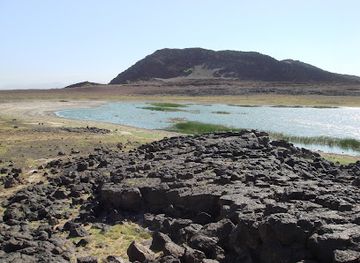
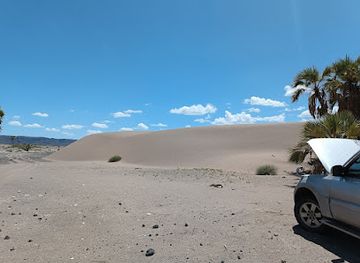
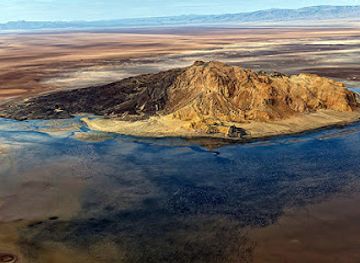
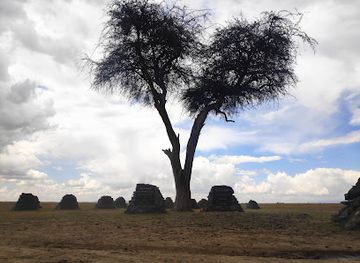
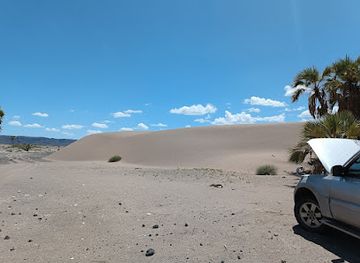
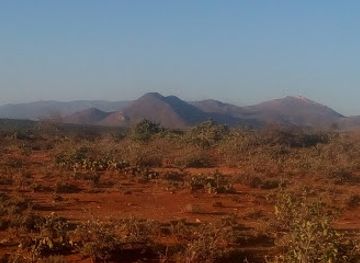
Suguta Valley’s attractions are primarily geological, scenic and cultural rather than built. The broad floor of the valley offers views of volcanic escarpments, dry river channels, gravel fans and changing salt deposits, while the Suguta River provides a vivid lesson in how quickly an apparently barren landscape can respond to rain. Towards the north, Lake Logipi is the region’s most recognisable natural feature: a shallow alkaline lake whose extent, colour and birdlife vary with season and evaporation. The surrounding mudflats and saline ground are fragile and should be explored only with local guidance. The higher margins towards the Ndoto and Nyiru ranges provide contrasting cooler terrain, long-distance views and routes used by pastoral communities, although access is arduous. Specialist visitors may come for landscape photography, geology, desert ecology, climate research or carefully arranged cultural encounters. This is not a destination for dependable big-game viewing, developed trails or family attractions, and travelling responsibly matters more than covering a long list of sights.
-
National reserve
Nabuyaton volcano
Discover the stunning Nabuyaton Volcano, a national reserve in Kenya, featuring breathtaking landscapes and diverse wildlife for an unforgettable adventure.
-
Tourist attraction
Suguta valley
Discover the breathtaking landscapes and rich biodiversity of Suguta Valley, a hidden gem for adventurous travelers in Kenya.
-
Nature preserve
Suguta Valley Turkana
Explore the breathtaking landscapes and rich biodiversity of Suguta Valley, a hidden gem in Turkana, Kenya, perfect for nature lovers and adventure seekers.
-
National reserve
Cathedral Rock
Explore Cathedral Rock in Kenya, a stunning national reserve known for its breathtaking landscapes and diverse wildlife, perfect for adventurers and nature lovers.
Best landmarks in Suguta Valley
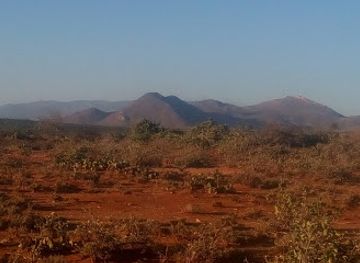
The most important landmarks of Suguta Valley are natural formations that reveal the structure and climate of the northern Rift Valley. Lake Logipi, at the valley’s northern end, is a distinctive alkaline water body set among pale flats and rugged volcanic country; its margins change with rainfall and should not be approached without local advice. The Suguta River is another defining feature, forming a broad seasonal corridor whose dry channels and flood marks demonstrate the power of sudden runoff. The enclosing escarpments and volcanic uplands towards the Ndoto and Nyiru ranges give the valley its dramatic vertical scale, contrasting with the low, exposed basin below. The broad salt- and mineral-streaked floor is visually striking but environmentally delicate, and vehicle travel should remain on durable routes. Unlike Kenya’s historic towns and monumental buildings, these landmarks are valued for geology, hydrology and their relationship with pastoral movement.
-
Historical landmark
Equator Marker
Visit the Equator Marker in Nanyuki, a historical landmark offering stunning views and a unique opportunity to stand on the line that divides two hemispheres.
-
Wind farm
Lake Turkana Wind Power Station
Discover the Lake Turkana Wind Power Station, a marvel of renewable energy and stunning natural beauty in northern Kenya.
-
Tourist attraction
Suguta valley
Experience the breathtaking beauty and adventure of Suguta Valley, a hidden gem in Kenya's natural landscape, perfect for nature lovers and explorers.
-
Nature preserve
Suguta Valley Turkana
Discover the breathtaking beauty and rich biodiversity of Suguta Valley, a hidden gem in Turkana, northern Kenya, perfect for nature lovers and adventurers.

Explore Suguta Valley on the map
Plan your trip on one map. See where the top cities, national parks and sights are, and book hotels and experiences in a few clicks.
Best hotels in Suguta Valley
Best restaurants in Suguta Valley
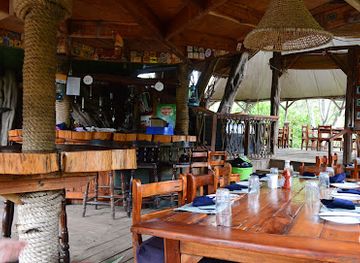
Suguta Valley has no established restaurant scene, and visitors should arrive with food planned and packed. Meals are normally prepared by an expedition team, local hosts or accommodation providers in the gateway areas rather than purchased during the journey. Around Samburu County, visitors may encounter food traditions associated with pastoral life, including milk, meat, grains and simple stews, but availability varies and dietary arrangements should be discussed in advance. Baragoi and Maralal are more practical places to buy provisions before departure, while small rural traders may have limited supplies and cannot be treated as regular catering points. Hospitality in pastoral settings should be approached respectfully: accept or decline food politely, ask about local customs and do not assume that household resources are available for visitors. Carry safe drinking water and suitable snacks, minimise packaging and remove all waste from the valley.
-
Restaurant
Trout Tree Restaurant
Discover Trout Tree Restaurant: A unique culinary haven by the Burguret River in Nanyuki offering exquisite local dishes amidst nature's beauty.
-
Hotel
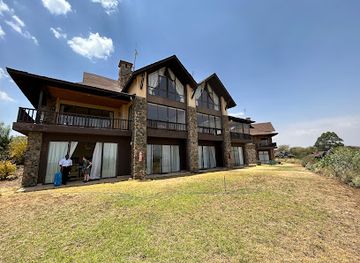
Great Rift Valley Lodge - Restaurant
Experience exquisite dining with stunning views at Great Rift Valley Lodge - Restaurant in Kenya's breathtaking Great Rift Valley.
-
Hotel
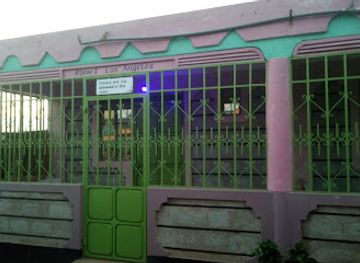
Bonsella Gardens Baragoi
Experience serenity at Bonsella Gardens Baragoi - where comfort meets culinary delight amidst stunning natural beauty.
-
Restaurant
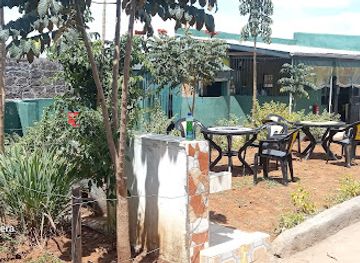
Suguta Springs Hotel
Discover culinary delights at Suguta Springs Hotel - where comfort meets exquisite taste amidst the beauty of Mogotio.
Best bars in Suguta Valley
Suguta Valley has no meaningful nightclub or bar circuit. Evening life is shaped by expedition camps, local compounds and the practical demands of travel in a hot, remote environment, with visitors usually settling early because the following day may involve a long drive or difficult crossing. In the gateway settlements of Baragoi and Maralal, licensed bars, hotel lounges and informal evening venues provide a modest social scene, but opening arrangements and availability can change. A drink should never be allowed to compromise water planning, driving, security awareness or relations with local communities. For most visitors, the memorable evening experience is the silence of the valley, the cooling air after sunset and the night sky rather than organised entertainment.
-
Lounge
Moonshine Beach Bar
Experience the vibrant atmosphere of Moonshine Beach Bar in Mombasa, where delicious food, refreshing drinks, and stunning views create unforgettable moments.
-
Restaurant
Barney's Bar and Restaurant
Discover the flavors of Kenya at Barney's Bar and Restaurant in Nanyuki, where local cuisine meets breathtaking views and warm hospitality.
-
Restaurant
7 Degrees Bar Restaurant and Lounge
Experience the vibrant flavors of Nairobi at 7 Degrees Bar Restaurant and Lounge, where culinary delights and lively ambiance await every visitor.
-
Grill
IBIZA CLUB
Experience the vibrant nightlife and culinary delights at Ibiza Club in Nyeri, where every moment is filled with flavor and fun.


Best nightclubs in Suguta Valley
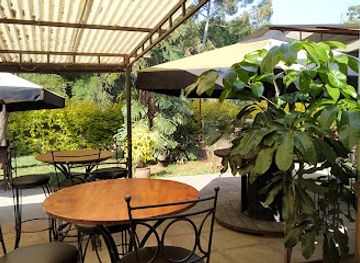
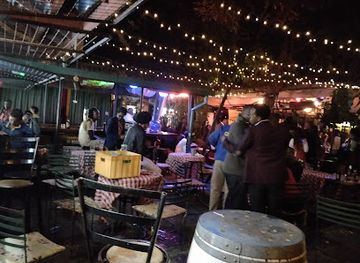
Suguta Valley has no meaningful nightclub or bar circuit. Evening life is shaped by expedition camps, local compounds and the practical demands of travel in a hot, remote environment, with visitors usually settling early because the following day may involve a long drive or difficult crossing. In the gateway settlements of Baragoi and Maralal, licensed bars, hotel lounges and informal evening venues provide a modest social scene, but opening arrangements and availability can change. A drink should never be allowed to compromise water planning, driving, security awareness or relations with local communities. For most visitors, the memorable evening experience is the silence of the valley, the cooling air after sunset and the night sky rather than organised entertainment.
-
Night club
K1 Klub House
Experience the vibrant nightlife of Nairobi at K1 Klub House, where dining, dancing, and shopping come together for an unforgettable evening.
-
Disco club
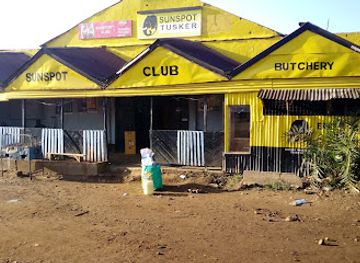
Sunspot Club
Discover the electrifying atmosphere at Sunspot Club, Kisumu's premier disco destination for an unforgettable night out.
-
Night club
Sikh Union Club
Discover the vibrant nightlife at Sikh Union Club in Eldoret, a premier destination for music, dance, and unforgettable experiences.
-
Night club
Club Nebraska
Discover the vibrant nightlife of Ugunja at Club Nebraska, a top night club offering great music, dancing, and a lively atmosphere.

Best shops in Suguta Valley
Shopping in Suguta Valley is limited to practical supplies rather than retail experiences. Visitors should obtain fuel, food, water containers, batteries, cash and recovery equipment in Maralal or Baragoi before setting out, since the valley itself has no dependable market, shopping centre or craft district. In gateway towns and nearby rural markets, travellers may find locally traded livestock products, woven items, beadwork and practical goods associated with Samburu and other northern Kenyan communities. Purchases should be made through respectful, transparent transactions and should not encourage the sale of culturally sensitive objects, archaeological material or wildlife products. Regional foodstuffs and handmade items can provide more meaningful souvenirs than imported trinkets, but availability varies and bargaining should remain courteous. Pack purchases carefully and avoid disposable packaging that will become waste in the valley.
-
Supermarket
Subiri Shopping
Subiri Shopping: A vibrant supermarket experience in Kiminini, offering fresh produce, local snacks, and a taste of Kenyan culture.
-
Farm shop
Vitu Too Farm Shop
Explore the freshest organic produce at Vitu Too Farm Shop, a true taste of Kisima's local agricultural heritage.
-
Gift basket store
VituZote Sarit Centre
Explore VituZote Sarit Centre for unique gifts, local delicacies, and artisanal home goods that embody the spirit of Nairobi's vibrant culture.
-
Shopping mall
Kuongeza Shop
Explore the vibrant Kuongeza Shop in Isibania - a local shopping gem offering unique crafts, delicious treats, and cultural experiences.


Get your free copy of our complete guide to Suguta Valley, delivered straight to you.
Everything on this page, from attractions and restaurants to essentials and local phrases, in one PDF you can read offline, print or share.
Already have an account? Sign in
Your Suguta Valley guide is ready.
We'll send it to · Not you? Sign out

Getting your guide ready…
We are putting together a fresh copy of the Suguta Valley guide. This can take up to a minute.
This can take a few moments. If your browser asks, choose Allow so the download can start. You'll find the guide in your Downloads folder.
Nothing happened? Download it again
Sorry, the guide is taking longer than usual. Please try again in a minute, or get it by email instead.
Suguta Valley essentials
Currency and Payment
Safety
Emergency Situations
Do's and Don'ts
Local Tips
From Eve
Local phrases worth knowing
You don't need to get them perfect. A few words go a long way, and locals appreciate the effort.
Basics
| English | Local | Say it |
|---|---|---|
| Hello | Naki | [Nah-kee] |
| Goodbye | Kwaheri | [Kwah-heh-ree] |
| Yes | Ndiyo | [Ndee-yoh] |
| No | Hapana | [Hah-pah-nah] |
| Please/You’re welcome | Tafadhali | [Tah-fah-dah-lee] |
| Thank you | Asante | [Ah-sahn-teh] |
| Excuse me/Sorry | Samahani | [Sah-mah-hah-nee] |
| How are you? | Habari gani? | [Hah-bah-ree gah-nee] |
| Fine. And you? | Nzuri. Na wewe? | [N-zoo-ree. Nah weh-weh?] |
| Do you speak English? | Unazungumza Kiingereza? | [Oo-nah-zoo-ngum-zah Kee-ing-e-reh-zah?] |
| I don't understand | Sielewi | [See-eh-leh-wee] |
Eating & Drinking
| English | Local | Say it |
|---|---|---|
| I’d like to see the menu, please | Ningependa kuona menyu tafadhali | [Nin-geh-pen-dah koo-nah meh-nyoo tah-fah-dah-lee] |
| I don't eat meat | Sikuli nyama | [See-koo-lee nyah-mah] |
| Cheers! | Afya! | [Ah-fyah!] |
| I would like to pay, please | Ningependa kulipa tafadhali | [Nin-geh-pen-dah koo-lee-pah tah-fah-dah-lee] |
Emergencies
| English | Local | Say it |
|---|---|---|
| Help! | Msaada! | [M-sah-dah!] |
| Go away! | Ondoka! | [On-doh-kah!] |
| Call the Police! | Piga simu polisi! | [Pee-gah see-moo poh-lee-see!] |
| Call a doctor! | Piga simu daktari! | [Pee-gah see-moo dahk-tah-ree!] |
| I’m lost | Nimepotea | [Nee-meh-poh-teh-ah] |
| I’m ill | Nina ugonjwa | [Nee-nah oo-gohn-jwah] |
Shopping
| English | Local | Say it |
|---|---|---|
| I’d like to buy... | Ningependa kununua... | [Nin-geh-pen-dah koo-noo-noo-ah...] |
| I’m just looking | Natazama tu | [Nah-tah-zah-mah too] |
| How much is it? | Ni bei gani? | [Nee beh-ee gah-nee?] |
| That’s too expensive | Hiyo ni ghali sana | [Hee-yoh nee gah-lee sah-nah] |
| Can you lower the price? | Unaweza kupunguza bei? | [Oo-nah-weh-zah koo-poon-guh-zah beh-ee?] |
Time & Numbers
| English | Local | Say it |
|---|---|---|
| What time is it? | Ni saa ngapi? | [Nee sah ngah-pee?] |
| It’s one o’clock | Ni saa moja | [Nee sah moh-jah] |
| Half past (10) | Nusu ya (10) | [Noo-soo yah (10)] |
| Morning | Asubuhi | [Ah-soo-boo-hee] |
| Afternoon | Mchana | [M-chah-nah] |
| Evening | Jioni | [Jee-oh-nee] |
| Yesterday | Jana | [Jah-nah] |
| Today | Leo | [Leh-oh] |
| Tomorrow | Kesho | [Keh-shoh] |
| 1 | Moja | [Moh-jah] |
| 2 | Mbili | [M-bee-lee] |
| 3 | Tatu | [Tah-too] |
| 4 | Nne | [N-nay] |
| 5 | Tano | [Tah-noh] |
| 6 | Sita | [See-tah] |
| 7 | Saba | [Sah-bah] |
| 8 | Nane | [Nah-neh] |
| 9 | Tisa | [Tee-sah] |
| 10 | Kumi | [Koo-mee] |
Transport & Directions
| English | Local | Say it |
|---|---|---|
| Where's a/the...? | Wapi ...? | [Wah-pee ...?] |
| What's the address? | Nini anwani? | [Nee-nee ahn-wah-nee?] |
| Can you show me (on the map)? | Unaweza kunionyesha (katika ramani)? | [Oo-nah-weh-zah koo-nee-oh-nyesh-ah (kah-tee-kah rah-mah-nee)?] |
| When's the next (bus)? | Basi ijayo lini? | [Bah-see ee-jah-yoh lee-nee?] |
| A ticket (to ....) | Tiketi (kwenda ...) | [Tee-keh-tee (kwen-dah ...)] |
History of Suguta Valley
Rift Valley Formation and Ancient Landscapes
Suguta Valley is part of the East African Rift system, a zone where the Earth’s crust has been stretching and subsiding for millions of years. Faulting, volcanic activity and erosion created the valley’s enclosed basin, steep escarpments and alkaline lowlands. Sediments deposited by ancient and seasonal watercourses record a landscape that has changed repeatedly with climate. The valley’s geology explains its striking contrasts: elevated volcanic ranges stand above a floor where evaporation can concentrate salts and minerals. For visitors, the physical setting is not simply scenery; it is the primary historical record of how northern Kenya was shaped.
Early Human Movement Through Northern Kenya
Northern Kenya has long formed part of wider movement corridors linking the Rift Valley, Lake Turkana and the eastern African interior. Archaeological research in the broader region has documented deep human history, including early stone-tool traditions and evidence of changing environments, although the remote Suguta Valley itself is not presented as a conventional archaeological park. Seasonal water, animal routes and passes through the surrounding highlands would have influenced where people could travel and camp. The valley’s importance therefore belongs to a larger history of adaptation to arid environments rather than to a single monumental settlement.
Pastoral Economies and Seasonal Mobility
For many generations, pastoral communities have organised life around livestock, water access and seasonal grazing. Samburu communities are strongly associated with the highlands and dry-country areas around the valley, while Turkana communities have longstanding connections with the northern lowlands and Lake Turkana basin. These identities and territories are not simple fixed borders: movement, trade, marriage, competition and changing environmental conditions have shaped relationships over time. Wells, livestock routes and knowledge of temporary pasture remain more historically significant here than built structures, and they continue to influence how the valley is used.
Colonial Mapping and Exploration
During the late nineteenth and early twentieth centuries, European expeditions and colonial administrators sought to map northern Kenya, assess routes and extend control over territories that had previously been governed through local systems. The Rift Valley’s heat, difficult terrain and limited water made travel demanding, and colonial mapping did not replace the practical geographical knowledge held by pastoral communities. Roads, administrative boundaries and later state institutions changed patterns of movement, but the valley remained peripheral to Kenya’s main agricultural and urban centres. Much of its modern reputation for remoteness derives from this combination of difficult terrain and limited infrastructure.
The Colonial and Post-Colonial Borderlands
The areas around Suguta Valley have been affected by the wider political history of northern Kenya, including the drawing of administrative boundaries, uneven state investment and the incorporation of mobile pastoral societies into a centralised national framework. After Kenya’s independence in 1963, questions of land, access to water, livestock movement and representation continued to shape local politics. Inter-community tensions have periodically affected parts of northern Kenya, although conditions vary considerably by route and season. Visitors should understand that security advice is a practical part of travelling here, not an incidental concern.
Contemporary Conservation, Research and Tourism
In recent decades, attention to the northern Rift Valley has increasingly included conservation, climate research, geology, pastoral livelihoods and responsible cultural tourism. Suguta Valley remains far less developed for tourism than Kenya’s famous wildlife destinations, and its value lies partly in that absence of large-scale visitor infrastructure. Contemporary travel depends on local knowledge, careful logistics and respect for community land and resources. As drought, irregular rainfall and pressure on pasture affect northern Kenya, the valley also offers a direct view of how environmental change influences pastoral economies and fragile desert ecosystems.
Suguta Valley in Photos
Browse through our photo collection highlighting the charm and character of the destination.
Neighbouring regions of Suguta Valley
The closest regions to Suguta Valley, if you have time for more than one.
-

-

-

-

-


Swipe for more regions
Explore more

Explore more of Kenya
Discover Kenya: A land of breathtaking safaris, rich cultural heritage, and stunning coastlines that promise adventure and relaxation all in one.
Explore Kenya