

Free Turkana Basin Travel Guide & Mobile App
Explore Turkana Basin with free travel guides. Discover regional history, expert tips, proposed trips, and audio guides on web or mobile app.


Explore Kenya’s Turkana Basin for Lake Turkana, volcanic desert landscapes, fossil sites, remote islands and living northern cultures.
Read more about Turkana Basin
When is the best time to visit Turkana Basin?
Best: January, June–July · 31–32°C| Month | High (°C) | Rainfall (mm) |
|---|---|---|
| January (best) | 31 | 8 |
| February | 32 | 8 |
| March | 33 | 15 |
| April | 33 | 30 |
| May | 32 | 20 |
| June (best) | 32 | 8 |
| July (best) | 31 | 10 |
| August | 32 | 15 |
| September | 32 | 20 |
| October | 33 | 25 |
| November | 32 | 15 |
| December | 32 | 10 |
Getting to and around Turkana Basin
How to get there
Transportation
Top city travel guides in Turkana Basin
The cities of Turkana Basin, and the easiest places to base yourself.
-

-


Swipe for more cities
Destinations in Turkana Basin
Resorts, valleys and scenic spots worth a trip of their own.
-

-
-

-

-

-


Swipe for more destinations
Best attractions in Turkana Basin
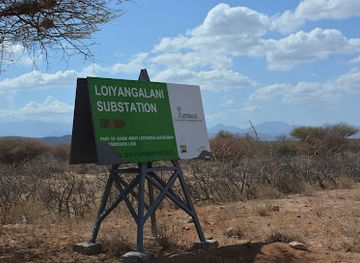
The Turkana Basin’s attractions are defined by landscape, science and cultural encounters rather than a dense concentration of conventional visitor facilities. Sibiloi National Park is the principal heritage destination, combining open fossil-bearing terrain with wildlife and broad views over the eastern shore of Lake Turkana. Within the park, the Koobi Fora area is internationally important for hominin fossils, animal remains and stone tools, although visitors should arrange access and interpretation in advance. Central Island National Park and South Island National Park bring the lake itself into focus through volcanic islands, birdlife and reptile habitats, with boat travel subject to local weather and operator arrangements. Around Loiyangalani, visitors can explore the arid shoreline, springs, fishing communities and the volcanic landscapes associated with Mount Kulal. The western shore offers a more pastoral and fishing-oriented perspective, while archaeological sites such as Namoratung’a provide further insight into early communities. Wildlife viewing is possible, but this is not a conventional high-density safari destination; the basin’s greatest appeal lies in its geology, fossil record, immense horizons and living dryland cultures.
-
Art gallery
Matbronze Art Gallery & Foundry
Explore Matbronze Art Gallery & Foundry in Nairobi, where art meets craftsmanship in a tranquil setting, complemented by a delightful café experience.
-
Art gallery
Banana Hill Art Gallery
Discover the heart of Kenyan creativity at Banana Hill Art Gallery, where local talent and vibrant art come alive in a stunning setting.
-
Lake
Lake Turkana
Discover the breathtaking landscapes, unique wildlife, and rich culture at Lake Turkana, the world's largest permanent desert lake in Kenya.
-
 Lodge
LodgeSarara Camp
Discover the perfect blend of luxury and adventure at Sarara Camp, nestled in the stunning Samburu wilderness of Kenya.
Best landmarks in Turkana Basin
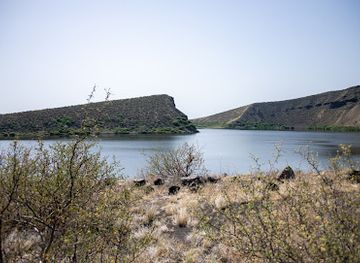
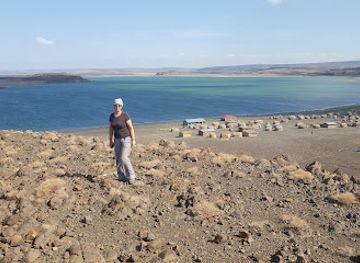
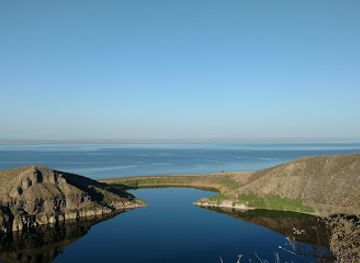
Lake Turkana itself is the basin’s defining landmark: an immense blue-green body of water set against volcanic and desert terrain, with a shoreline that changes markedly between the south-eastern, western and eastern approaches. The lake’s volcanic islands are important geographical and ecological features, and Central Island and South Island are protected as national parks. On the eastern shore, the fossil landscapes of Koobi Fora and the wider Sibiloi National Park are landmarks of scientific as well as physical significance; their layered sediments record environments and human evolution across deep time. Mount Kulal, rising behind the south-eastern shore, gives the Loiyangalani area a distinctive mountainous backdrop within an otherwise arid setting. Namoratung’a, near Kalokol on the western side, is recognised for its ancient stone arrangements associated with early pastoral communities. These places are not monumental in the urban sense, but their geological scale, archaeological importance and relationship with living lakeshore communities define the visual and intellectual character of the Turkana Basin.
-
Lake
Lake Turkana
Discover Lake Turkana, an enchanting lake in northern Kenya, celebrated for its stunning vistas, rich biodiversity, and vibrant cultures.
-
Wind farm
Lake Turkana Wind Power Station
Experience the breathtaking Lake Turkana Wind Power Station, a symbol of renewable energy and stunning landscapes in Kenya.
-
Island
Central Island
Discover the tranquil beauty and vibrant wildlife of Central Island, a serene paradise in Kenya perfect for relaxation and adventure.
-
Research institute
Turkana Basin Institute, Nairobi
Discover the Turkana Basin Institute in Nairobi, where ancient history and cutting-edge research illuminate the story of human evolution.
Explore Turkana Basin on the map
Plan your trip on one map. See where the top cities, national parks and sights are, and book hotels and experiences in a few clicks.
Best hotels in Turkana Basin
Best restaurants in Turkana Basin
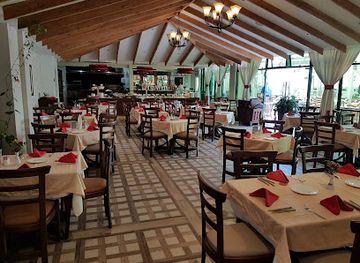
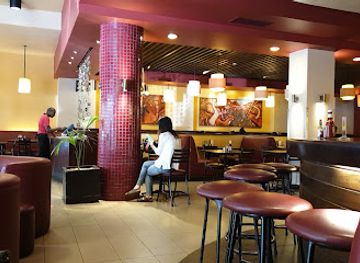
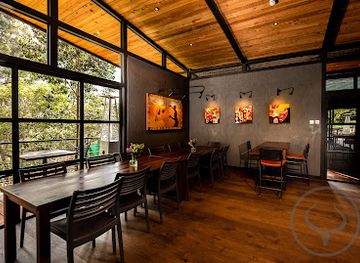
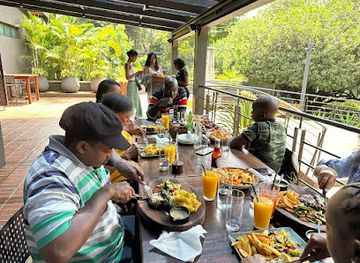
Eating in the Turkana Basin is primarily a practical, locally sourced experience shaped by remoteness, pastoralism and the lake. In Lodwar and Loiyangalani, guesthouses, camps and small eateries may serve Kenyan staples such as ugali, rice, beans, meat stews, chapati and tea, with availability varying according to supplies. Fish from Lake Turkana is an important local food, particularly around lakeside communities, although visitors should ask about the source and current availability rather than assume a restaurant will offer it. Goat and other livestock products feature in the wider pastoral economy, while camel milk is a notable regional product and may be encountered through local contacts. Markets and roadside stalls can provide fruit, bread and simple cooked food, but refrigeration and hygiene standards vary. Remote camps usually require meals to be arranged ahead, and dietary needs should be communicated before departure. Visitors should carry suitable snacks and safe drinking water because there are few dependable dining choices between established bases.
-
Brazilian
Fogo Gaucho Kilimani
Experience authentic Brazilian cuisine at Fogo Gaucho Kilimani - where flavorful meats meet vibrant culture in the heart of Nairobi.
-
Restaurant
Java House - Uniafric
Experience the rich flavors of Kenya at Java House - Uniafric, where local cuisine meets warm hospitality in Nairobi's bustling CBD.
-
Restaurant
Ankole Grill Kilimani
Experience the authentic taste of East Africa at Ankole Grill Kilimani—where tradition meets modern dining in Nairobi.
-
Steak
Ankole Grill Kitisuru
Discover the best steaks in Nairobi at Ankole Grill Kitisuru - where quality meets flavor in an unforgettable dining experience.
Best bars in Turkana Basin
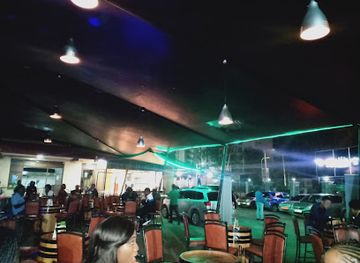
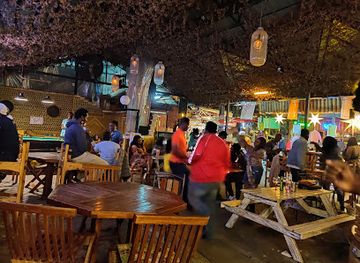
Nightlife in the Turkana Basin is limited and concentrated in Lodwar, Loiyangalani and accommodation compounds rather than organised club districts. Evening social life generally centres on modest hotel bars, local eateries, guesthouse courtyards and informal gatherings, with music and conversation more common than late-night venues. In remote camps, the main experience is the quiet of the desert, a clear night sky and the sound of the lake, while lighting and connectivity may be minimal. Some establishments serve Kenyan beer, soft drinks and spirits, but opening arrangements and stock can change, especially outside the principal towns. Visitors should drink moderately, avoid walking alone after dark and respect the routines of host communities. A guide or accommodation provider can advise on appropriate places to spend an evening, but the region should not be approached as a destination for a substantial nightclub scene.
-
Brewpub
Brew Bistro and Lounge
Experience the best of Nairobi's brewpub scene at Brew Bistro and Lounge, where craft beer meets delicious cuisine in a lively atmosphere.
-
Lounge
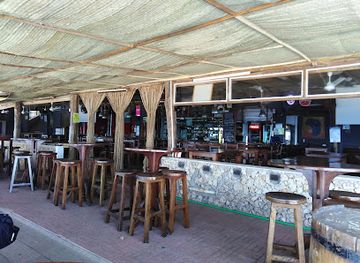
Moonshine Beach Bar
Experience the vibrant atmosphere of Moonshine Beach Bar, where stunning views and delicious cuisine meet the essence of Mombasa's nightlife.
-
Hotel
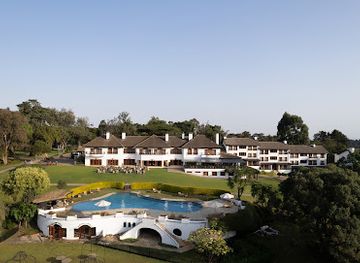
Fairmont Mount Kenya Safari Club
Discover unparalleled luxury at Fairmont Mount Kenya Safari Club, where adventure meets relaxation amidst breathtaking landscapes.
-
Night club
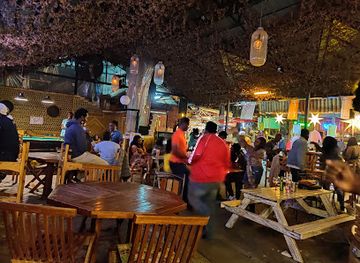
K1 Klub House
Discover the vibrant nightlife of Nairobi at K1 Klub House, where dining, dancing, and local culture come together in a unique atmosphere.
Best nightclubs in Turkana Basin
Nightlife in the Turkana Basin is limited and concentrated in Lodwar, Loiyangalani and accommodation compounds rather than organised club districts. Evening social life generally centres on modest hotel bars, local eateries, guesthouse courtyards and informal gatherings, with music and conversation more common than late-night venues. In remote camps, the main experience is the quiet of the desert, a clear night sky and the sound of the lake, while lighting and connectivity may be minimal. Some establishments serve Kenyan beer, soft drinks and spirits, but opening arrangements and stock can change, especially outside the principal towns. Visitors should drink moderately, avoid walking alone after dark and respect the routines of host communities. A guide or accommodation provider can advise on appropriate places to spend an evening, but the region should not be approached as a destination for a substantial nightclub scene.
-
Bar
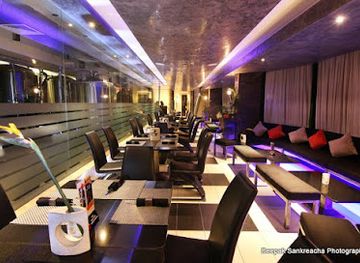
Blacky'z Lounge
Discover the essence of Nairobi nightlife at Blacky'z Lounge, a vibrant bar offering drinks, music, and a lively atmosphere for all visitors.
-
Night club
K1 Klub House
Discover K1 Klub House in Nairobi: A vibrant fusion of nightlife, dining, and entertainment, perfect for an unforgettable experience.
-
Lounge
Onyx Lounge & Restaurant
Onyx Lounge & Restaurant: A Fusion of Culinary Delight and Lively Nightlife in the Heart of Nairobi.
-
Lounge
B-CLUB Nairobi
Discover the ultimate nightlife experience at B-CLUB Nairobi, where luxury meets vibrant entertainment in a stylish lounge atmosphere.


Best shops in Turkana Basin
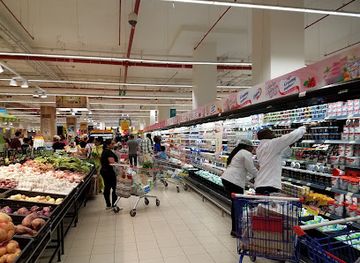
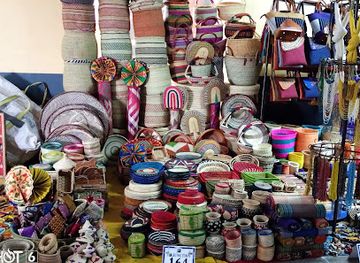
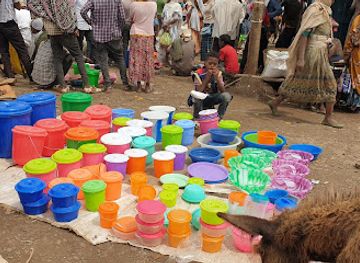
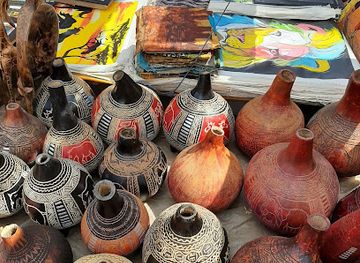
Shopping in the Turkana Basin is modest, local and closely tied to practical markets rather than formal retail districts. Lodwar is the main place to replenish provisions and find everyday goods, while Loiyangalani has small shops and market activity serving residents, travellers and lakeside communities. Visitors may encounter baskets, beadwork, leather items, woven products and other crafts associated with local makers, but purchasing should be done respectfully and through trusted sellers rather than treating cultural objects as anonymous souvenirs. Fish, livestock products and locally traded food can appear in markets, although transport, season and supply affect what is available. Bring specialist equipment, medication, toiletries and expedition supplies from Nairobi or another major Kenyan centre, since choice becomes limited quickly in the basin. Ask about the maker and appropriate price, avoid buying archaeological material or wildlife products, and remember that some items marketed as local may have been brought in from elsewhere.
-
Shopping mall
Two Rivers
Experience the vibrant shopping, dining, and entertainment at Two Rivers Mall in Nairobi, East Africa's premier shopping destination.
-
Shopping mall
The Junction Mall
Explore The Junction Mall in Nairobi for an exceptional shopping experience, diverse dining, and entertainment in a vibrant atmosphere.
-
Shopping mall
Village Market
Explore Village Market in Nairobi for an unforgettable shopping and cultural experience, combining local charm with modern amenities.
-
Handicraft fair
Maasai Market
Explore the Maasai Market: A vibrant hub of Kenyan culture, handcrafted treasures, and unique artifacts in the heart of Nairobi.
Get your free copy of our complete guide to Turkana Basin, delivered straight to you.
Everything on this page, from attractions and restaurants to essentials and local phrases, in one PDF you can read offline, print or share.
Already have an account? Sign in
Your Turkana Basin guide is ready.
We'll send it to · Not you? Sign out

Getting your guide ready…
We are putting together a fresh copy of the Turkana Basin guide. This can take up to a minute.
This can take a few moments. If your browser asks, choose Allow so the download can start. You'll find the guide in your Downloads folder.
Nothing happened? Download it again
Sorry, the guide is taking longer than usual. Please try again in a minute, or get it by email instead.
Turkana Basin essentials
Currency and Payment
Safety
Emergency Situations
Do's and Don'ts
Local Tips
From Eve
Local phrases worth knowing
You don't need to get them perfect. A few words go a long way, and locals appreciate the effort.
Basics
| English | Local | Say it |
|---|---|---|
| Hello | Naki | [Nah-kee] |
| Goodbye | Naki aing'ei | [Nah-kee eye-ng'ay] |
| Yes | Ng'ama | [N-gah-mah] |
| No | Ating'ei | [Ah-ting-ay] |
| Please/You're welcome | Aor | [Ah-or] |
| Thank you | Asante | [Ah-sahn-teh] |
| Excuse me/Sorry | Naki, akit | [Nah-kee, ah-keet] |
| How are you? | Naki aor? | [Nah-kee ah-or?] |
| Fine. And you? | Aing'ei. Naki? | [Eye-ng'ay. Nah-kee?] |
| Do you speak English? | Naki aito ingilis? | [Nah-kee eye-toh in-gee-lees?] |
| I don't understand | Ating'ei aor | [Ah-ting-ay ah-or] |
Eating & Drinking
| English | Local | Say it |
|---|---|---|
| I'd like to see the menu, please | Naki aor okanai menu | [Nah-kee ah-or oh-kah-nai meh-noo] |
| I don't eat meat | Ating'ei aor naki | [Ah-ting-ay ah-or nah-kee] |
| Cheers! | Aor akit! | [Ah-or ah-keet!] |
| I would like to pay, please | Naki aor okanai kesh | [Nah-kee ah-or oh-kah-nai kehsh] |
Emergencies
| English | Local | Say it |
|---|---|---|
| Help! | Aking'ei! | [Ah-king-ay!] |
| Go away! | Ekaru! | [Eh-kah-roo!] |
| Call the Police! | Aking'ei ng'ang'oro! | [Ah-king-ay n-gah-ng'oh-roh!] |
| Call a doctor! | Aking'ei ng'esor! | [Ah-king-ay n-gay-soh-r!] |
| I'm lost | Naki aor akit | [Nah-kee ah-or ah-keet] |
| I'm ill | Naki aor ng'ang'oro | [Nah-kee ah-or n-gah-ng'oh-roh] |
Shopping
| English | Local | Say it |
|---|---|---|
| I'd like to buy... | Naki aor okanai ... | [Nah-kee ah-or oh-kah-nai ...] |
| I'm just looking | Naki aor akit | [Nah-kee ah-or ah-keet] |
| How much is it? | Naki aor ng'ama? | [Nah-kee ah-or n-gah-ma?] |
| That's too expensive | Ithang'ei akit | [Ee-thang-ay ah-keet] |
| Can you lower the price? | Naki aor akit itor ng'ama? | [Nah-kee ah-or ah-keet ee-tor n-gah-ma?] |
Time & Numbers
| English | Local | Say it |
|---|---|---|
| What time is it? | Naki aor ng'ama? | [Nah-kee ah-or n-gah-ma?] |
| It's one o'clock | Naki aor ng'ama ng'ato | [Nah-kee ah-or n-gah-ma n-gah-toh] |
| Half past (10) | Naki aor ng'ato ng'ama | [Nah-kee ah-or n-gah-toh n-gah-ma] |
| Morning | Akar | [Ah-kar] |
| Afternoon | Akat | [Ah-kat] |
| Evening | Akan | [Ah-kan] |
| Yesterday | Akaru | [Ah-kah-roo] |
| Today | Akaru aor | [Ah-kah-roo ah-or] |
| Tomorrow | Akaru akit | [Ah-kah-roo ah-keet] |
| 1 | Ng'ato | [N-gah-toh] |
| 2 | Ng'anya | [N-gahn-yah] |
| 3 | Ng'itiri | [N-ghee-tee-ree] |
| 4 | Ng'otana | [N-goh-tah-nah] |
| 5 | Ng'otano | [N-goh-tah-noh] |
| 6 | Ng'otat | [N-goh-tah-t] |
| 7 | Ng'oton | [N-goh-ton] |
| 8 | Ng'oto | [N-goh-toh] |
| 9 | Ng'otir | [N-goh-teer] |
| 10 | Ng'ode | [N-goh-deh] |
Transport & Directions
| English | Local | Say it |
|---|---|---|
| Where's a/the...? | Naki aor ...? | [Nah-kee ah-or ...?] |
| What's the address? | Naki aor ng'ama aor? | [Nah-kee ah-or n-gah-ma ah-or?] |
| Can you show me (on the map)? | Naki aor akit on the map? | [Nah-kee ah-or ah-keet on the map?] |
| When's the next (bus)? | Naki aor akit ng'ama? | [Nah-kee ah-or ah-keet n-gah-ma?] |
| A ticket (to ....) | Naki aor okanai ticket (to ...) | [Nah-kee ah-or oh-kah-nai ti-ket (to ...)] |
History of Turkana Basin
The Turkana Basin and the Rift Valley
The basin formed within the eastern branch of the Great Rift Valley, where tectonic movement and volcanic activity created a complex system of depressions, lava fields and sedimentary deposits. Lake Turkana has repeatedly expanded and contracted as climate and drainage patterns changed. These geological processes preserved layers containing fossil animals, pollen, stone tools and other evidence of ancient environments. The basin’s importance therefore predates written history by millions of years: its rocks provide a long record of climate change, landscape evolution and biological development in eastern Africa.
Palaeoanthropology at Koobi Fora
Koobi Fora, on the eastern shore of Lake Turkana, became internationally important through fossil research carried out from the late twentieth century onwards by teams including Richard and Meave Leakey and many Kenyan and international scientists. Finds from the area include hominin fossils, animal remains and stone tools representing a long span of human evolution. The discoveries helped demonstrate that human development was not confined to a single locality or straightforward evolutionary line. Koobi Fora’s value lies both in individual fossils and in the environmental record preserved across the wider basin.
Early Pastoral and Fishing Communities
Archaeological evidence shows that people around the lake used the basin’s resources long before the formation of modern communities. Fishing, hunting, gathering and later herding developed in response to changing shorelines and dryland conditions. Sites such as Namoratung’a, near the western side of Lake Turkana, indicate the presence of early pastoral communities and distinctive stone arrangements. The evidence should be read within a wider regional history of movement across the Rift Valley rather than as an isolated story belonging to one modern ethnic group.
Turkana, El Molo and Neighbouring Societies
The modern cultural landscape has been shaped by Turkana pastoralists, El Molo fishing communities and neighbouring peoples including Samburu and Rendille communities in parts of the wider basin. Livestock, fishing, seasonal mobility, marriage networks, trade and access to water have all influenced social and economic life. Colonial boundaries, later administrative divisions and changing markets altered older patterns of movement, but did not erase them. Contemporary communities continue to combine inherited knowledge with schooling, wage work, trade, conservation activity and new forms of transport.
Lake Rudolf and the Colonial Era
European geographical and military expeditions reached the lake in the late nineteenth century, when it was commonly called Lake Rudolf. The region was incorporated into the British East Africa Protectorate and later the Kenya Colony, although colonial administration was limited and uneven in such a remote environment. The name Turkana became increasingly established in official usage, while colonial mapping and boundary-making fixed political divisions across a landscape in which people, livestock and trade had long moved more freely. Roads, posts and administrative centres developed only gradually.
Scientific Research and Conservation
The basin’s fossil record encouraged sustained archaeological and geological research, while concerns about protecting its distinctive ecosystems contributed to the creation of conservation areas. Sibiloi National Park, established on the eastern shore, safeguards a fossil-rich landscape associated with Koobi Fora and the lake’s northern environment. Central Island National Park and South Island National Park protect important island habitats, including breeding areas for crocodiles and birds. Conservation remains complex because wildlife protection, fishing, pastoral livelihoods, research and tourism operate within a sparsely serviced region.
Contemporary Regional Change
Modern Turkana has experienced major changes through roads, air links, mobile communications, education, humanitarian programmes, commercial activity and energy development elsewhere in the county. At the same time, drought, water scarcity and fluctuating food security continue to place pressure on pastoral and fishing communities. Tourism remains small compared with Kenya’s better-known safari circuits, partly because infrastructure and security conditions require careful management. The basin’s present identity is therefore shaped by both global scientific interest and the practical realities of life in a dry, remote borderland.
Turkana Basin in Photos
Browse through our photo collection highlighting the charm and character of the destination.
Neighbouring regions of Turkana Basin
The closest regions to Turkana Basin, if you have time for more than one.
-

-

-

-

-


Swipe for more regions
Explore more
Explore more of Kenya
Discover Kenya: A land of breathtaking safaris, rich cultural heritage, and stunning coastlines that promise adventure and relaxation all in one.
Explore Kenya