

Free Coastal Region Travel Guide & Mobile App
Explore Coastal Region with free travel guides. Discover regional history, expert tips, proposed trips, and audio guides on web or mobile app.


Explore Kenya’s Coastal Region for Swahili heritage, coral reefs, island towns, marine parks, tropical beaches and Indian Ocean cuisine.
Read more about Coastal Region
When is the best time to visit Coastal Region?
Best: January–March · 31–32°C| Month | High (°C) | Rainfall (mm) |
|---|---|---|
| January (best) | 31 | 15 |
| February (best) | 32 | 14 |
| March (best) | 32 | 24 |
| April | 33 | 42 |
| May | 32 | 80 |
| June | 32 | 65 |
| July | 31 | 60 |
| August | 30 | 61 |
| September | 31 | 56 |
| October | 32 | 69 |
| November | 32 | 62 |
| December | 32 | 37 |
Getting to and around Coastal Region
How to get there
Transportation
Top city travel guides in Coastal Region
The cities of Coastal Region, and the easiest places to base yourself.
-

-

-

-


Swipe for more cities
Destinations in Coastal Region
Resorts, valleys and scenic spots worth a trip of their own.
-

-

-

-
-


Swipe for more destinations
Best attractions in Coastal Region
The Coastal Region’s attractions range from historic urban quarters to reefs, forests and long beaches. Mombasa Old Town and Fort Jesus introduce the layered history of the port, while the city’s museums, markets and waterfront areas reveal the continuing life of a major regional centre. South of Mombasa, Diani, Tiwi and the coast around Shimoni provide access to swimming, diving, snorkelling, sailing and excursions into the Kisite-Mpunguti marine environment. Kilifi’s creek is well suited to kayaking and boat trips, while Watamu and Malindi are bases for marine conservation, reef activities and visits to the Gede ruins. Arabuko Sokoke Forest offers a different experience of coastal biodiversity, with guided walks and birdwatching in rare woodland habitats. In Lamu County, Lamu Old Town, Shela and the surrounding islands combine dhow journeys, beaches and living Swahili architecture. Travellers extending inland can pair the shoreline with Taita-Taveta’s hills and wildlife areas, including Tsavo landscapes, but these require longer road journeys and separate arrangements. Conservation rules, tides and seasonal conditions shape many outdoor activities, so licensed operators and local guides are especially useful.
-
Tourist attraction
Pembe Za Ndovu - Mombasa
Explore Pembe Za Ndovu in Mombasa, a stunning landmark that celebrates Kenya's cultural heritage and natural beauty, perfect for every traveler's itinerary.
-
Tourist attraction
Karen Blixen Museum
Explore the enchanting Karen Blixen Museum in Nairobi, a literary gem that celebrates Kenya's rich history and culture through the life of its famous author.
-
Tourist attraction
Haller Park - Butterfly Pavilion
Explore Haller Park's Butterfly Pavilion in Mombasa - a vibrant sanctuary filled with colorful butterflies and diverse wildlife that enchants every visitor.
-
Beach
Diani Beach
Discover the enchanting beauty of Diani Beach, Kenya's premier destination for sun, sea, and adventure on the Indian Ocean coast.


Best landmarks in Coastal Region
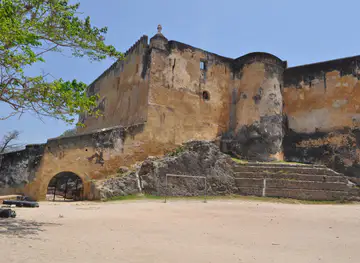
Fort Jesus is the Coastal Region’s best-known military monument, its Portuguese bastions overlooking Mombasa’s old harbour and embodying centuries of conflict over Indian Ocean trade. Mombasa Old Town provides the architectural setting around it, with coral-stone buildings, carved doors, mosques and narrow lanes shaped by Swahili, Arab, Portuguese and South Asian influences. In Lamu, the historic town’s dense coral-stone streets, carved timber doors and mosques form an important surviving Swahili urban landscape, while the waterfront and dhow traffic express its continuing maritime identity. The ruins of Gede, set among coastal forest near Watamu, preserve mosques, houses, wells and civic structures from a medieval trading settlement. Kilifi Creek is a major natural landmark, a broad tidal inlet framed by mangroves and low coastal terrain. Further south, the white beaches and offshore waters around Diani and Shimoni are geographical landmarks as much as leisure settings, while Arabuko Sokoke represents the region’s distinctive surviving coastal forest. Inland, the Taita Hills and the broad Tsavo landscapes provide a marked topographical contrast to the flat shoreline.
-
Heritage museum
Fort Jesus Museum
Explore the rich cultural heritage and historical significance of Fort Jesus Museum, a UNESCO World Heritage site in Mombasa, Kenya.
-
National park
Tsavo East National Park
Discover the breathtaking landscapes and incredible wildlife of Tsavo East National Park, an unforgettable experience for every nature lover.
-
National park
Mount Kenya National Park
Explore the breathtaking landscapes and rich biodiversity of Mount Kenya National Park, a must-visit destination for nature enthusiasts and adventurers alike.
-
Park
Haller Park
Discover the serene beauty of Haller Park, a vibrant oasis in Mombasa filled with wildlife, lush landscapes, and educational experiences for all ages.


Explore Coastal Region on the map
Plan your trip on one map. See where the top cities, national parks and sights are, and book hotels and experiences in a few clicks.
Best hotels in Coastal Region
Best restaurants in Coastal Region
Coastal cooking is built around rice, coconut, cassava, pulses, seafood and fragrant spice blends, with Swahili dishes such as pilau and biryani widely available in Mombasa, Lamu, Malindi and other established centres. Grilled fish, prawns, octopus and crab are common in shoreline restaurants, although menus and sustainable availability vary by season and location. Coconut-based curries, tamarind sauces, samosas, chapati and spiced tea show the influence of long Indian Ocean connections without reducing coastal food to a single tradition. Mombasa offers the broadest range, from neighbourhood eateries and cafés to hotel dining, while Lamu and the smaller beach towns combine family-run kitchens, seafood restaurants, cafés and relaxed resort venues. Markets and street-food areas can be rewarding when food is freshly prepared and busy with local customers. In rural districts, choices may be simpler, so carrying snacks is sensible on long journeys. Visitors should ask about ingredients and preparation, especially where seafood, chilli or coconut may be central to a dish.
-
Family-friendly
Char-Choma Restaurant
Experience Mombasa's finest grilled cuisine at Char-Choma Restaurant—where family dining meets stunning beach views.
-
Restaurant
Talisman Restaurant
Discover exquisite flavors at Talisman Restaurant in Nairobi - where culinary art meets inviting ambiance.
-
Restaurant
Yul's Restaurant
Experience the vibrant flavors of Kenya at Yul's Restaurant in Mombasa—where culinary delight meets breathtaking views.
-
Restaurant
Forodhani Restaurant
Experience authentic coastal cuisine with stunning ocean views at Forodhani Restaurant in Mombasa.


Best bars in Coastal Region
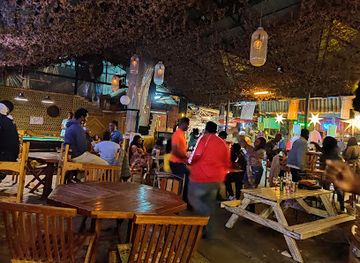
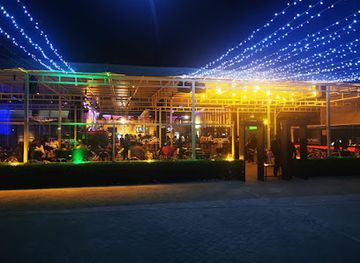
Evening life varies considerably across the Coastal Region. Mombasa has the widest choice, including hotel bars, restaurants, live entertainment and larger late-night venues, while nightlife around Diani and Mtwapa is more concentrated among resort areas, beach venues and busy restaurants. Kilifi, Watamu and Malindi generally favour relaxed bars, small music venues, cafés and seasonal events rather than a continuous club scene. Lamu has a quieter evening rhythm shaped by its historic, largely pedestrian setting, with restaurants, rooftop spaces and occasional cultural or musical programmes rather than large nightclubs. Traditional cafés and neighbourhood eateries provide alternatives to alcohol-led nightlife, and some coastal towns become more active during holiday periods. Dress and behaviour should remain respectful in predominantly Muslim communities, particularly away from resort enclaves. Confirm current transport and venue arrangements locally before travelling late, as distances, road conditions and seasonal opening patterns can affect the practical nightlife options.
-
Grill
Brew Bistro Fortis
Discover the vibrant flavors and stunning rooftop views of Brew Bistro Fortis, Nairobi's premier grill destination, offering an unforgettable dining experience.
-
Bar
The Alchemist
Discover the vibrant nightlife of Nairobi at The Alchemist, a unique bar and event venue offering delicious food, drinks, and live entertainment.
-
Brewpub
Brew Bistro and Lounge
Experience the best of craft brews and gourmet dining at Brew Bistro and Lounge, a must-visit in Nairobi's vibrant Maziwa area.
-
Grill
Danka Lounge
Experience the vibrant flavors of Danka Lounge in Mtwapa, where exceptional grilling meets a lively atmosphere, perfect for tourists and locals alike.


Best nightclubs in Coastal Region
Evening life varies considerably across the Coastal Region. Mombasa has the widest choice, including hotel bars, restaurants, live entertainment and larger late-night venues, while nightlife around Diani and Mtwapa is more concentrated among resort areas, beach venues and busy restaurants. Kilifi, Watamu and Malindi generally favour relaxed bars, small music venues, cafés and seasonal events rather than a continuous club scene. Lamu has a quieter evening rhythm shaped by its historic, largely pedestrian setting, with restaurants, rooftop spaces and occasional cultural or musical programmes rather than large nightclubs. Traditional cafés and neighbourhood eateries provide alternatives to alcohol-led nightlife, and some coastal towns become more active during holiday periods. Dress and behaviour should remain respectful in predominantly Muslim communities, particularly away from resort enclaves. Confirm current transport and venue arrangements locally before travelling late, as distances, road conditions and seasonal opening patterns can affect the practical nightlife options.
-
Night club
K1 Klub House
Discover the dynamic nightlife at K1 Klub House in Nairobi, where music, food, and culture create an unforgettable experience.
-
Lounge
Onyx Lounge & Restaurant
Discover Nairobi's premier lounge and restaurant, where diverse cuisine and vibrant nightlife create unforgettable experiences.
-
Night club
The Tunnel
Experience the vibrant nightlife at The Tunnel, Nairobi's hotspot for music, dining, and unforgettable moments.
-
Disco club
Shakatak Disco
Experience the vibrant nightlife at Shakatak Disco in Diani Beach, where music, dance, and fun await every party enthusiast.


Best shops in Coastal Region
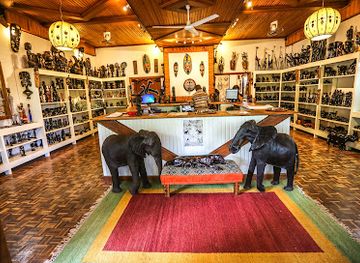
Shopping on the coast is strongest in Mombasa’s markets, established commercial areas and Old Town, where visitors find textiles, baskets, carved wood, spices, books and Swahili-inspired decorative work; bargaining is common in informal markets but should remain courteous. Lamu and Malindi offer small galleries, craft shops, tailoring services and locally made furnishings, while beach towns such as Diani combine practical retail with boutiques, jewellery and resort-oriented goods. Market purchases may include coconut products, spice blends, snacks, kangas and kikoys, although buyers should distinguish locally produced crafts from mass-produced souvenirs. Farmers’ and food markets in larger towns are useful for fruit, vegetables, seafood and packaged regional ingredients, subject to hygiene and transport considerations. Avoid coral, shells, ivory, tortoiseshell and other wildlife products, as their sale or export may be illegal or environmentally damaging. Independent workshops and community craft initiatives can provide more meaningful purchases when provenance and fair payment are clear. Retail hours, stock and payment options vary sharply between urban centres, beach resorts and islands, so carry cash for small vendors.
-
Women's clothing store
CECILE TURKEY DESIGNS KENYA
Discover stylish women's and plus-size clothing at Cecile Turkey Designs in Nairobi, where fashion meets comfort and quality.
-
Shopping mall
Diani Beach Shopping Centre
Discover shopping bliss at Diani Beach Shopping Centre, where local craftsmanship meets global brands, right by the stunning shores of Diani Beach.
-
African goods store
Utamaduni Artisans of Africa
Explore Utamaduni Artisans of Africa for a vibrant collection of handcrafted goods and a rich cultural experience in the heart of Nairobi.
-
Gift shop
Inscribed Gifts Kenya
Explore unique, handcrafted gifts reflecting the rich culture of Kenya at Inscribed Gifts Kenya in the heart of Nairobi.



Get your free copy of our complete guide to Coastal Region, delivered straight to you.
Everything on this page, from attractions and restaurants to essentials and local phrases, in one PDF you can read offline, print or share.
Already have an account? Sign in
Your Coastal Region guide is ready.
We'll send it to · Not you? Sign out

Getting your guide ready…
We are putting together a fresh copy of the Coastal Region guide. This can take up to a minute.
This can take a few moments. If your browser asks, choose Allow so the download can start. You'll find the guide in your Downloads folder.
Nothing happened? Download it again
Sorry, the guide is taking longer than usual. Please try again in a minute, or get it by email instead.
Coastal Region essentials
Currency and Payment
Safety
Emergency Situations
Do's and Don'ts
Local Tips
From Eve
Local phrases worth knowing
You don't need to get them perfect. A few words go a long way, and locals appreciate the effort.
Basics
| English | Local | Say it |
|---|---|---|
| Hello | Jambo | [jahm-bo] |
| Goodbye | Kwaheri | [kwah-heh-ree] |
| Yes | Ndio | [ndee-oh] |
| No | Hapana | [hah-pah-nah] |
| Please/You're welcome | Tafadhali/Karibu | [tah-fah-dah-lee/kah-ree-boo] |
| Thank you | Asante | [ah-sahn-teh] |
| Excuse me/Sorry | Samahani | [sah-mah-hah-nee] |
| How are you? | Habari gani? | [hah-bah-ree gah-nee] |
| Fine. And you? | Nzuri. Na wewe? | [nzu-ree. nah weh-weh] |
| Do you speak English? | Unazungumza Kiingereza? | [oo-nah-zoo-ngoom-zah kee-een-geh-reh-zah] |
| I don't understand | Sielewi | [see-eh-leh-wee] |
Eating & Drinking
| English | Local | Say it |
|---|---|---|
| I'd like to see the menu, please | Ningependa kuona menyu, tafadhali | [neen-geh-pen-dah koo-nah men-yoo, tah-fah-dah-lee] |
| I don't eat meat | Sikuli nyama | [see-koo-lee nyah-mah] |
| Cheers! | Afya! | [ah-fyah] |
| I would like to pay, please | Ningependa kulipa, tafadhali | [neen-geh-pen-dah koo-lee-pah, tah-fah-dah-lee] |
Emergencies
| English | Local | Say it |
|---|---|---|
| Help! | Saidia! | [sah-ee-dee-ah] |
| Go away! | Ondoka! | [ohn-doh-kah] |
| Call the Police! | Pigia Polisi! | [pee-gee-ah poh-lee-see] |
| Call a doctor! | Pigia daktari! | [pee-gee-ah dahk-tah-ree] |
| I'm lost | Nimepotea | [nee-meh-poh-teh-ah] |
| I'm ill | Ninaumwa | [nee-nah-oom-wah] |
Shopping
| English | Local | Say it |
|---|---|---|
| I'd like to buy... | Ningependa kununua... | [neen-geh-pen-dah koo-noo-noo-ah] |
| I'm just looking | Natazama tu | [nah-tah-zah-mah too] |
| How much is it? | Ni kiasi gani? | [nee kee-ah-see gah-nee] |
| That's too expensive | Hiyo ni ghali sana | [hee-yoh nee gah-lee sah-nah] |
| Can you lower the price? | Unaweza kupunguza bei? | [oo-nah-weh-zah koo-poon-gah-zee beh-ee] |
Time & Numbers
| English | Local | Say it |
|---|---|---|
| What time is it? | Ni saa ngapi? | [nee sah ngah-pee] |
| It's one o'clock | Ni saa moja | [nee sah moh-jah] |
| Half past (10) | Nusu (10) | [noo-soo (ten)] |
| Morning | Asubuhi | [ah-soo-boo-hee] |
| Afternoon | Mchana | [m-chah-nah] |
| Evening | Jioni | [jee-oh-nee] |
| Yesterday | Jana | [jah-nah] |
| Today | Leo | [leh-oh] |
| Tomorrow | Kesho | [keh-shoh] |
| 1 | Moja | [moh-jah] |
| 2 | Mbili | [m-bee-lee] |
| 3 | Tatu | [tah-too] |
| 4 | Nne | [n-neh] |
| 5 | Tano | [tah-noh] |
| 6 | Sita | [see-tah] |
| 7 | Saba | [sah-bah] |
| 8 | Nane | [nah-neh] |
| 9 | Tisa | [tee-sah] |
| 10 | Kumi | [koo-mee] |
Transport & Directions
| English | Local | Say it |
|---|---|---|
| Where's a/the...? | Iko wapi...? | [ee-koh wah-pee] |
| What's the address? | Anwani ni ipi? | [ahn-wah-nee nee ee-pee] |
| Can you show me (on the map)? | Unaweza kunionyesha (katika ramani)? | [oo-nah-weh-zah koo-nee-oh-nyesh-ah (kah-tee-kah rah-mah-nee)] |
| When's the next (bus)? | Basi ijayo ni lini? | [bah-see ee-jah-yoh nee lee-nee] |
| A ticket (to ....) | Tiketi (ya....) | [tee-keh-tee (yah....)] |
History of Coastal Region
Early Indian Ocean Settlement and Trade
The coast’s history developed through maritime links rather than isolation. Fishing and farming communities occupied the shoreline and islands long before the medieval period, while monsoon winds enabled regular sailing between East Africa, southern Arabia, the Persian Gulf and western India. Archaeological evidence from settlements such as Gede and the wider Lamu archipelago shows the growth of urban Swahili communities trading in ceramics, beads, cloth and other goods. African languages and social traditions remained fundamental, while Islam, overseas commerce and imported architectural styles became influential features of coastal town life.
The Medieval Swahili City-States
From roughly the twelfth century, settlements along the Kenyan coast became prosperous Swahili trading towns. Their economies connected inland products, including timber, ivory and other goods, with commercial networks extending across the Indian Ocean. Stone houses, mosques, wells and public spaces were built in towns such as Gede and on Lamu’s islands. These were not simply foreign outposts: Swahili urban culture emerged from sustained interaction between local African communities and overseas merchants. The surviving ruins, coral-stone buildings and maritime traditions of the coast preserve this layered history.
Portuguese Forts and Imperial Rivalry
Portugal sought control of Indian Ocean commerce during the late fifteenth and sixteenth centuries, after Vasco da Gama’s voyages along the East African coast. Portuguese authority was contested by local rulers and other trading powers, and Mombasa became a strategic focus. Fort Jesus, built by the Portuguese in the late sixteenth century, was intended to control the harbour and remained central to later struggles for influence. Its walls, bastions and changing architectural layers reflect the military and commercial rivalry that reshaped coastal politics.
Omani Influence and the Swahili Coast
Omani power expanded along the coast after the Portuguese were driven from Mombasa in the late seventeenth century. By the nineteenth century, the Omani sultanate had made Zanzibar its political centre and influenced ports and islands along the Kenyan coast. Lamu, Mombasa and other settlements prospered through maritime commerce, while Islam, Swahili literature, architecture and trading connections developed further. The period also included coercive and deeply unequal systems, including the slave trade, whose human consequences remain part of the region’s historical memory.
British Rule, Railways and the Port of Mombasa
British colonial rule altered the coast’s political economy during the late nineteenth and twentieth centuries. Mombasa became the maritime gateway for the East Africa Protectorate, and the railway from the port towards the interior strengthened the city’s importance as a transport and commercial centre. Colonial administration, plantation agriculture and new migration from other parts of East Africa and South Asia changed local society. The port, railway, Christian missions, schools and administrative buildings added new layers to an older Swahili and Indian Ocean urban landscape.
Independence and Coastal Land Questions
Kenya became independent in 1963, but the coastal region entered the new nation with distinctive historical experiences and unresolved questions about land, political representation and access to economic opportunity. Large estates, tourism development, port activity and urban expansion transformed parts of the shoreline, while many communities continued to depend on fishing, small-scale farming and informal trade. These pressures have influenced modern debates about conservation, development and belonging, particularly around major resorts, ports, islands and rapidly growing coastal towns.
Tourism, Conservation and Contemporary Coastal Life
From the second half of the twentieth century, beach tourism developed around Mombasa, Diani, Malindi, Watamu and Lamu, alongside wildlife tourism in the coastal hinterland. Marine parks, forest reserves and community conservation initiatives were established to protect reefs, mangroves, sea turtles and rare woodland habitats, although environmental pressures remain significant. Today the coast combines international hospitality, historic urban communities, port commerce, fishing, creative practice and conservation work. Its contemporary identity is therefore shaped both by global travel and by longstanding Swahili cultural traditions.
Coastal Region in Photos
Browse through our photo collection highlighting the charm and character of the destination.
Neighbouring regions of Coastal Region
The closest regions to Coastal Region, if you have time for more than one.
-

-

-

-

-


Swipe for more regions
Explore more
Explore more of Kenya
Discover Kenya: A land of breathtaking safaris, rich cultural heritage, and stunning coastlines that promise adventure and relaxation all in one.
Explore Kenya