Origins and Early Settlement
Gjilan, also known as Gnjilane, is believed to have been settled since the Illyrian and Roman periods. Archaeological findings suggest that it was an important settlement due to its strategic location in the Morava River valley, providing a crucial link between the Adriatic and the Aegean seas.
Ottoman Era
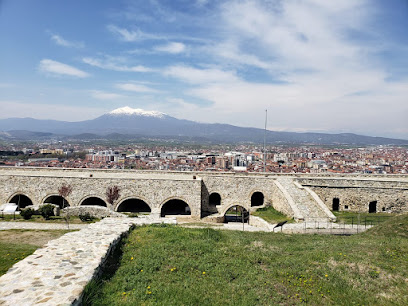
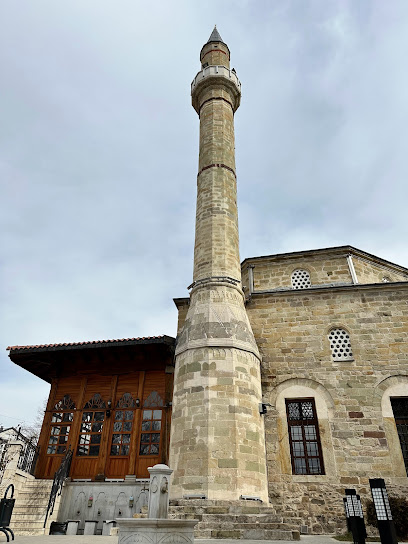
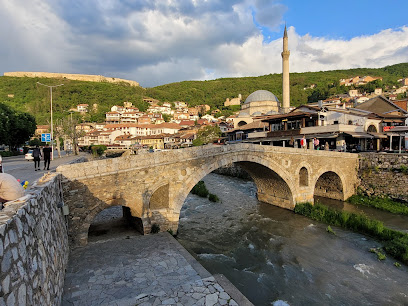
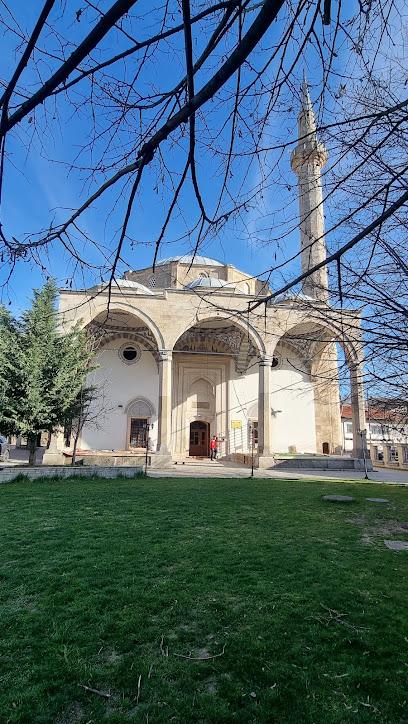
The town of Gjilan gained prominence during the Ottoman rule, starting from the 15th century. It became an administrative center in the Sanjak of Vushtrri and later in the Sanjak of Prizren. The Ottomans developed the town's infrastructure, including the construction of mosques, bazaars, and public baths, which contributed to its growth and importance in the region.
Austro-Hungarian Occupation
During the Great War (World War I), the Austro-Hungarian forces occupied Gjilan. This period was marked by significant economic and social changes, as the occupiers introduced their administrative and military structures. The local population experienced hardships due to the war and occupation, but this era also brought about modern developments in the town.
Interwar Period
After World War I, Gjilan became part of the Kingdom of Serbs, Croats, and Slovenes, later known as Yugoslavia. The interwar period saw Gjilan evolving as a regional commercial hub, with a diverse population that included Albanians, Serbs, Turks, and Roma. This diversity enriched the cultural tapestry of the town, influencing its architecture, cuisine, and social life.
World War II and the Partisan Movement
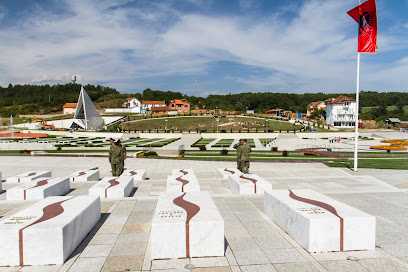
World War II brought turmoil to Gjilan as it fell under Axis occupation. The town witnessed several battles and skirmishes between Axis forces and Yugoslav Partisans. Gjilan became a focal point for the resistance movement, and many locals joined the Partisans in their fight against fascist occupation. The post-war period saw significant social and political changes as Yugoslavia was reconstituted under socialist rule.
Kosovo Conflict
The late 20th century was a tumultuous time for Gjilan, as it was deeply affected by the Kosovo conflict of the 1990s. The town experienced significant ethnic tensions and violence, which culminated in the Kosovo War. Gjilan was one of the areas heavily impacted by the conflict, leading to displacement and suffering for many of its residents. The post-war period has been marked by efforts towards reconstruction and reconciliation.
Post-War Development and Modern Era
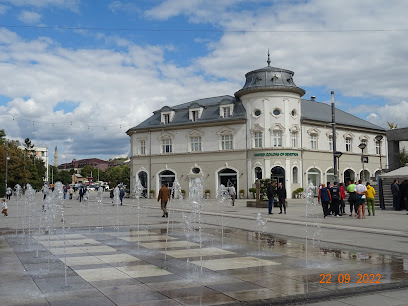
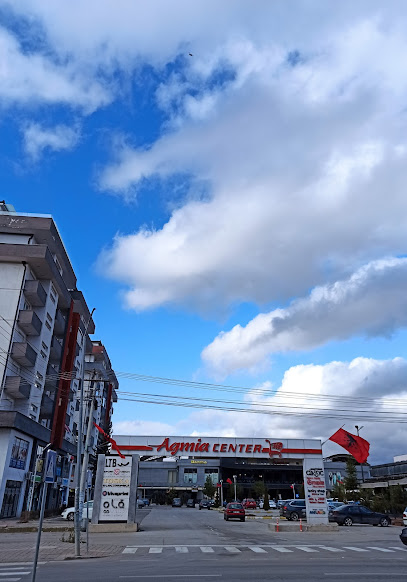
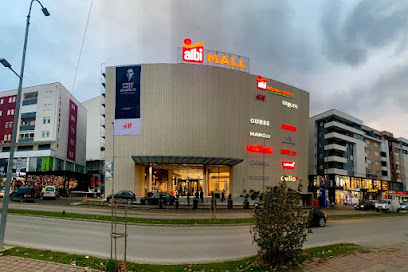
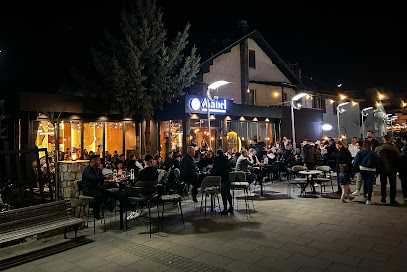
Since the end of the Kosovo War in 1999, Gjilan has undergone substantial reconstruction and development. International aid and local efforts have revitalized the town's infrastructure, economy, and public services. Today, Gjilan is a vibrant town that blends its historical legacy with modern advancements. It serves as a cultural and economic center in eastern Kosovo, attracting visitors with its rich history and diverse cultural heritage.