

Free Batken Region Travel Guide & Mobile App
Explore Batken Region with free travel guides. Discover regional history, expert tips, proposed trips, and audio guides on web or mobile app.


Explore Batken Region in south-western Kyrgyzstan for Aigul flowers, mountain valleys, historic mines, bazaars and Fergana Valley culture.
Read more about Batken Region
When is the best time to visit Batken Region?
Best: May, September–October · 20–27°C| Month | High (°C) | Rainfall (mm) |
|---|---|---|
| January | 4 | 15 |
| February | 7 | 17 |
| March | 13 | 25 |
| April | 20 | 30 |
| May (best) | 26 | 25 |
| June | 31 | 15 |
| July | 35 | 10 |
| August | 34 | 10 |
| September (best) | 27 | 15 |
| October (best) | 20 | 20 |
| November | 11 | 20 |
| December | 5 | 15 |
Getting to and around Batken Region
How to get there
Transportation
Top city travel guides in Batken Region
The cities of Batken Region, and the easiest places to base yourself.

Swipe for more cities
Best attractions in Batken Region
Batken Region's attractions are dispersed across a borderland of agricultural valleys, dry foothills and old industrial towns rather than concentrated in one touring centre. Near Batken, Aigul-Tash is known for the rare Aigul or moon flower, which blooms seasonally on the rocky slopes and has become a botanical symbol of the region. The foothills provide opportunities for short walks and broad views, while village roads reveal orchards, irrigation channels and the cultivated landscapes of the Fergana fringe. In the west, Kyzyl-Kiya and Sülüktü offer a more industrial experience, with mining landscapes, Soviet-era urban fabric and the long history of coal extraction. The historic Kan-i-Gut mine near Sülüktü is a specialist destination requiring local arrangements and careful attention to safety. Kadamjay and Razzakov provide access to additional valleys, bazaars and rural communities, although travel near international borders must be planned cautiously. The region suits travellers interested in geology, industrial heritage, botany, cultural geography and slower overland journeys more than visitors seeking a conventional sequence of major museums or fully managed tourist sites.
-
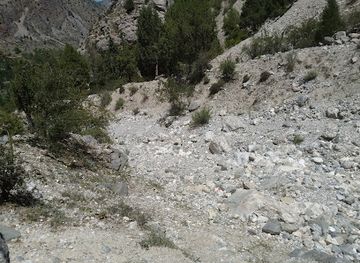
Hiking area
Archa-Mazar
Explore the breathtaking trails of Archa-Mazar in Kuldu, a hiking haven offering stunning views and a serene escape into nature's embrace.
Best landmarks in Batken Region
Aigul-Tash near Batken is both a natural landmark and a cultural symbol, recognised for the rocky slopes where the rare Aigul flower appears in spring. Its significance lies in the close relationship between the plant, local identity and the dry foothill landscape rather than in monumental construction. The mining towns of Kyzyl-Kiya and Sülüktü form another important part of Batken's visible heritage: their streets, industrial buildings and settlement patterns record the Soviet development of coal resources in the south-west. Near Sülüktü, the Kan-i-Gut mine represents a much older extractive history and is associated with the working of valuable ores over centuries, although it is not a conventional, fully developed tourist attraction. Batken's mountain backdrops, cultivated valley edges and long irrigation channels are also defining geographical features, showing how settlement depends on carefully managed water in an otherwise dry environment. Across the region, bazaars, mosques, village compounds and foothill routes are less formal landmarks but help express the mixed historical character of a territory shaped by Kyrgyz, Uzbek and Tajik communities and by the complicated borders of the modern Fergana Valley.
-
 Tourist attraction
Azat Nurik Nurtilek Bukhat' Etken Zher
Discover the captivating blend of cultural heritage and natural beauty at Azat Nurik Nurtilek Bukhat' Etken Zher in Uch-Korgon, Kyrgyzstan.
Explore Batken Region on the map
Plan your trip on one map. See where the top cities, national parks and sights are, and book hotels and experiences in a few clicks.
Best hotels in Batken Region
Best restaurants in Batken Region
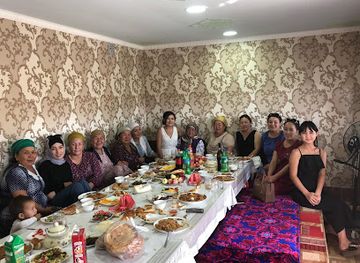
Dining in Batken Region is rooted in the food culture of southern Kyrgyzstan and the wider Fergana Valley. Town cafés, teahouses and roadside eateries commonly serve plov, lagman, manti, samsa, soups, grilled meat and fresh bread, with recipes and preparation styles varying between Kyrgyz, Uzbek and Tajik communities. Seasonal produce is important: orchards and irrigated fields supply apricots, grapes, apples, melons, vegetables, herbs and nuts, while dairy products and homemade preserves are more common in village settings. In Batken, Kyzyl-Kiya, Kadamjay and Razzakov, visitors will find practical local restaurants rather than a large international dining scene. Markets are useful places to sample bread, dried fruit and fresh produce, but hygiene and storage conditions may vary. Tea is central to everyday hospitality, and meals in private homes may be more substantial than the town café fare. Vegetarian travellers can usually find soups, salads, bread, rice and noodle dishes, but should explain dietary requirements clearly because meat and animal fat are frequent ingredients.
-
Restaurant
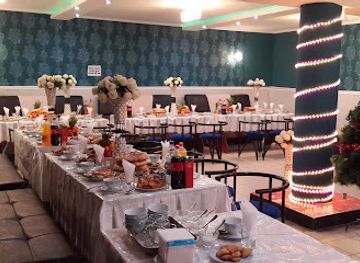
Kafe Salkyn Tor
Discover authentic Kyrgyz flavors at Kafe Salkyn Tor in Batken—where culinary tradition meets modern comfort.
-
Restaurant
Restoran Ala-Too
Experience authentic Kyrgyz cuisine at Restoran Ala-Too in Kyzyl-Kiya - where tradition meets taste in every dish.
-
Restaurant
Chynar Restaurant
Experience authentic Kyrgyz cuisine at Chynar Restaurant in Isfana—where every meal tells a story of culture and tradition.
-
Restaurant
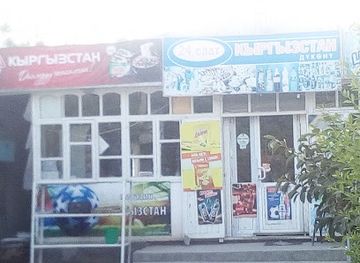
Kafe Kyrgyzstan
Experience authentic Kyrgyz cuisine at Kafe Kyrgyzstan in Batken – where every meal tells a story.
Best bars in Batken Region
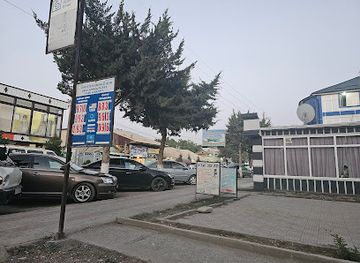
Nightlife in Batken Region is modest and centred on cafés, teahouses, restaurants and private social gatherings rather than a major club circuit. Batken town and the larger industrial centres, including Kyzyl-Kiya and Sülüktü, offer the broadest choice of evening venues, while smaller settlements generally become quiet after the daytime market and transport activity. Some restaurants may serve beer or spirits, but alcohol is not central to the region's social life and visitors should follow the atmosphere of the place. Evening entertainment is more likely to involve conversation, tea, family meals or occasional community events than late-night dancing. In rural districts, arrange transport back to accommodation before going out, as taxis and public transport can be scarce after dark. Hotels and local hosts are the most reliable source of current information about suitable venues and local expectations.
-
Restaurant
Kafe Salkyn Tor
Discover the flavors of Batken at Kafe Salkyn Tor, where local cuisine meets a cozy ambiance for an unforgettable dining experience.
-
Restaurant
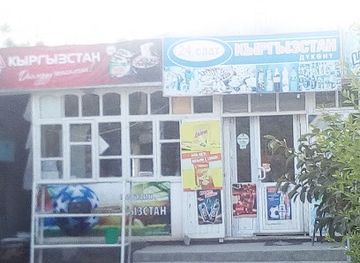
Kafe Kyrgyzstan
Discover authentic Kyrgyz cuisine at Kafe Kyrgyzstan in Batken, where traditional flavors meet warm hospitality in a cozy atmosphere.
-
Bar
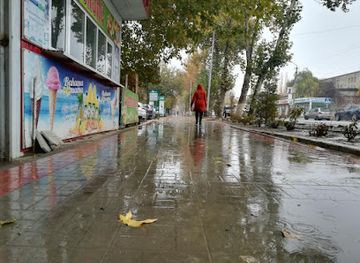
Morozhenoye Oazis
Discover the vibrant atmosphere of Morozhenoye Oazis, Kyzyl-Kiya's top bar for refreshing drinks and local flavors.
-
Restaurant
Medet Cafe
Experience the authentic flavors of Batken at Medet Cafe, where local cuisine meets warm hospitality in a cozy setting.
Best nightclubs in Batken Region
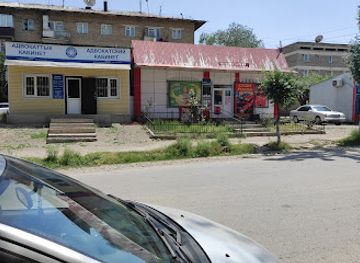
Nightlife in Batken Region is modest and centred on cafés, teahouses, restaurants and private social gatherings rather than a major club circuit. Batken town and the larger industrial centres, including Kyzyl-Kiya and Sülüktü, offer the broadest choice of evening venues, while smaller settlements generally become quiet after the daytime market and transport activity. Some restaurants may serve beer or spirits, but alcohol is not central to the region's social life and visitors should follow the atmosphere of the place. Evening entertainment is more likely to involve conversation, tea, family meals or occasional community events than late-night dancing. In rural districts, arrange transport back to accommodation before going out, as taxis and public transport can be scarce after dark. Hotels and local hosts are the most reliable source of current information about suitable venues and local expectations.
-
Night club
Kyzyl-Kiya.,
Explore the energetic nightlife of Kyzyl-Kiya, a vibrant night club in Kyrgyzstan offering unforgettable experiences and a unique atmosphere.
-
Night club
Meyrambek Bilyart
Discover the vibrant nightlife of Zar-Tash at Meyrambek Bilyart, the ultimate night club for music, dancing, and local connections.
-
Night club
Pozharnyy Gidrant
Discover the lively nightlife of Kyzyl-Kiya at Pozharnyy Gidrant, a top night club offering music, dancing, and unforgettable local experiences.
Best shops in Batken Region
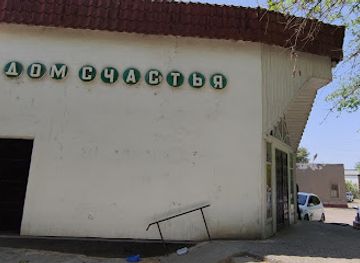
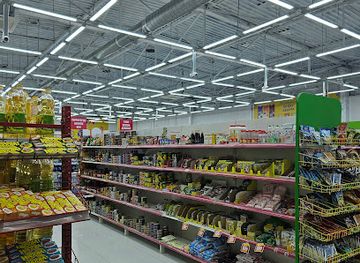
Shopping in Batken Region is primarily local and practical, with bazaars and small town markets providing the clearest view of regional commerce. Batken, Kyzyl-Kiya, Kadamjay and Razzakov have shops selling bread, dried fruit, nuts, honey, seasonal produce, household goods and inexpensive clothing, while village markets are useful for fruit and locally made food when open. Visitors may find felt goods, embroidered textiles, small handicrafts and traditional clothing, although the range is less predictable than in Bishkek or Osh. Regional agricultural products make useful souvenirs when they can be transported safely, particularly dried apricots, nuts, preserves and honey. Coal-mining towns also have an industrial character that distinguishes their shops and markets from those of orchard-growing settlements. Carry Kyrgyzstani soms for small purchases, inspect packaged food carefully and do not expect extensive luxury retail or fixed tourist craft outlets. Bargaining may be possible in informal markets, but it should remain courteous and moderate.
-
Shopping mall
Torgovyy Tsentr Asylbek, Ulitsa Nurgaziyeva
Discover Batken's dynamic shopping scene at Torgovyy Tsentr Asylbek, where local culture meets modern retail.
-
Grocery store
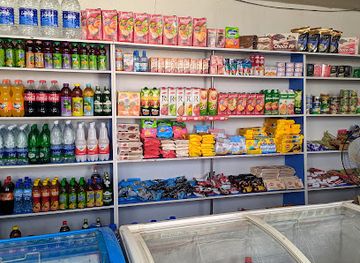
Magazin Mega
Explore the authentic flavors of Kyrgyzstan at Magazin Mega, the local grocery store in Batken offering fresh produce and traditional snacks.
-
Supermarket
"Bereke"
Explore Bereke Supermarket in Batken for an authentic shopping experience filled with local flavors and friendly service.
-
Confectionery store
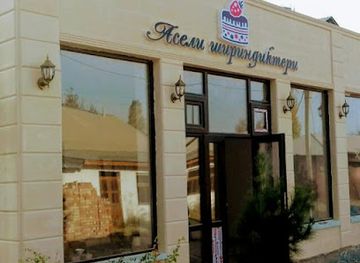
Aseli Konditerskaya
Discover the sweet side of Batken at Aseli Konditerskaya, a charming confectionery store offering delectable pastries and a cozy café experience.
Get your free copy of our complete guide to Batken Region, delivered straight to you.
Everything on this page, from attractions and restaurants to essentials and local phrases, in one PDF you can read offline, print or share.
Already have an account? Sign in
Your Batken Region guide is ready.
We'll send it to · Not you? Sign out

Getting your guide ready…
We are putting together a fresh copy of the Batken Region guide. This can take up to a minute.
This can take a few moments. If your browser asks, choose Allow so the download can start. You'll find the guide in your Downloads folder.
Nothing happened? Download it again
Sorry, the guide is taking longer than usual. Please try again in a minute, or get it by email instead.
Batken Region essentials
Currency and Payment
Safety
Emergency Situations
Do's and Don'ts
Local Tips
From Eve
Local phrases worth knowing
You don't need to get them perfect. A few words go a long way, and locals appreciate the effort.
Basics
| English | Local | Say it |
|---|---|---|
| Hello | Салам | [Salam] |
| Goodbye | Саубол | [Saubol] |
| Yes | Ооба | [Ooba] |
| No | Жок | [Jok] |
| Please/You're welcome | Суранам/Кечиресиз | [Suranam/Kechiresiz] |
| Thank you | Рахмат | [Rakhmat] |
| Excuse me/Sorry | Кечиресиз | [Kechiresiz] |
| How are you? | Кандайсың? | [Kandaysyn?] |
| Fine. And you? | Жакшы. Сен кандай? | [Zhakshe. Sen kanday?] |
| Do you speak English? | Сен англисче сүйлөйсүңбү? | [Sen anglishe süylöysünbü?] |
| I don't understand | Мен түшүнбөйм | [Men tushünböym] |
Eating & Drinking
| English | Local | Say it |
|---|---|---|
| I'd like to see the menu, please | Мени меню менен тааныштырсаңыз, суранам | [Meni menyu menen tanishtirsangiz, suranam] |
| I don't eat meat | Мен эт жебейм | [Men et zhebeim] |
| Cheers! | Чын жүрөктөн! | [Chyn zhürekton!] |
| I would like to pay, please | Мен төлөйюн, суранам | [Men töloyyun, suranam] |
Emergencies
| English | Local | Say it |
|---|---|---|
| Help! | Жардам бериңиз! | [Zharym beriniz!] |
| Go away! | Жогол! | [Zhogol!] |
| Call the Police! | Полицияны чакыр! | [Politsiyany chakyry!] |
| Call a doctor! | Дарыгерди чакыр! | [Darygirdi chakyry!] |
| I'm lost | Мен жоголуп кеттим | [Men zholup kettim] |
| I'm ill | Мен ооруп жатам | [Men oorup zhatam] |
Shopping
| English | Local | Say it |
|---|---|---|
| I'd like to buy... | Мен ... сатып алгым келет | [Men ... satyp algym kelet] |
| I'm just looking | Мен жөн гана карап жатам | [Men jön gana karap zhatam] |
| How much is it? | Бул канча турат? | [Bul kancha turat?] |
| That's too expensive | Бул өтө кымбат | [Bul öttö kymbat] |
| Can you lower the price? | Баасын түшүрсөңүз болотбу? | [Baasyn tüşürsöngüz bolotbu?] |
Time & Numbers
| English | Local | Say it |
|---|---|---|
| What time is it? | Саат канча? | [Saats kancha?] |
| It's one o'clock | Бир саат | [Bir saat] |
| Half past (10) | Ондон өткөн | [Ondon ötkön] |
| Morning | Таң | [Tang] |
| Afternoon | Түш | [Tüsh] |
| Evening | Кеч | [Kech] |
| Yesterday | Эртең | [Erteñ] |
| Today | Бүгүн | [Bügün] |
| Tomorrow | Эртең | [Erteñ] |
| 1 | 1 | [1] |
| 2 | 2 | [2] |
| 3 | 3 | [3] |
| 4 | 4 | [4] |
| 5 | 5 | [5] |
| 6 | 6 | [6] |
| 7 | 7 | [7] |
| 8 | 8 | [8] |
| 9 | 9 | [9] |
| 10 | 10 | [10] |
Transport & Directions
| English | Local | Say it |
|---|---|---|
| Where's a/the...? | Эмне ... кайда? | [Emne ... kaida?] |
| What's the address? | Дарек кандай? | [Darek kanday?] |
| Can you show me (on the map)? | Картада мага көрсөтө аласызбы? | [Kartada maga körsöötö alasyzby?] |
| When's the next (bus)? | Кийинки (автобус) качан? | [Kiyinki (avtobus) kachan?] |
| A ticket (to ....) | Билет (....) үчүн | [Bilet (....) üchün] |
History of Batken Region
Ancient Fergana and Early Trade Routes
The valleys of south-western Kyrgyzstan formed part of the broader cultural and commercial zone of ancient Fergana. Farming communities used irrigation to cultivate the lower valleys, while routes crossed the surrounding passes towards Central Asian centres and the mountain regions farther east. Archaeological evidence across the Fergana basin indicates long settlement continuity, with changing communities engaged in agriculture, animal husbandry, metalworking and trade. Batken's modern borders did not exist in this period; its historical importance came from its position between settled lowlands and mountain corridors rather than from a single political identity.
Islamic and Turkic Influences
From the medieval period, Islam, Turkic languages and the political networks of Central Asia increasingly shaped the region. Settlements and caravan routes were connected to the wider Fergana and Transoxiana worlds, while local mountain communities maintained pastoral and agricultural economies. Religious architecture, place names, farming practices and market traditions developed through interaction among Kyrgyz, Uzbek, Tajik and other Central Asian populations. The region's cultural mixture is therefore older than the modern international borders dividing Kyrgyzstan, Uzbekistan and Tajikistan.
Kokand Rule and the Russian Conquest
For much of the eighteenth and nineteenth centuries, the area lay within or on the margins of the influence of the Kokand Khanate, whose authority extended across much of the Fergana Valley. Fortified settlements, taxation and local power relationships were tied to Kokand's political system. Russian expansion into Central Asia during the nineteenth century brought the region into the Russian imperial sphere and altered administration, military control and economic connections. These changes laid foundations for later imperial and Soviet boundaries while leaving local communities linked across them.
Coal and Mineral Extraction
Mining became a major force in the region during the late imperial and Soviet periods. Coal deposits around Kyzyl-Kiya and Sülüktü supported rail transport, factories and urban growth, while the Kan-i-Gut mine near Sülüktü is associated with much older mineral extraction and the working of silver and other ores. Soviet industrialisation brought planned settlements, technical workers and infrastructure into valleys that had previously been dominated by agriculture and pastoralism. The mines remain important historical reference points even where production has declined or access is restricted.
Soviet National Delimitation
The Soviet national delimitation of Central Asia in the 1920s and 1930s transformed a region of overlapping economic and cultural connections into a patchwork of republic boundaries, enclaves and administrative districts. Batken's valley communities were divided among Kyrgyzstan, Uzbekistan and Tajikistan, although families, markets, roads and water systems continued to cross the new lines. This history explains the unusual geography encountered by modern visitors, including routes that pass close to foreign enclaves and border checkpoints. It also contributes to the region's continuing strategic sensitivity.
Post-Soviet Reorganisation and Batken Region
After Kyrgyzstan became independent in 1991, the south-western borderland acquired heightened political and security importance. Batken Region was established in 1999 from territory previously administered within Osh Region, partly in response to the need for closer state administration in a complex border environment. Economic transition affected coal-mining towns, agriculture and public infrastructure, while cross-border movement became more regulated. The region's contemporary identity reflects both its Kyrgyzstani state institutions and its long-standing connections with the Fergana Valley.
Border Tensions in the Twenty-First Century
Disputes over roads, water, land and access around the Kyrgyzstan–Tajikistan frontier have periodically caused serious tension, particularly in Batken Region. Clashes in 2021 and 2022 led to deaths, displacement and damage in affected settlements, followed by continuing efforts to settle the border and improve security. Conditions can change, and travellers should rely on current official advice rather than assume that every route is open. The conflict is part of the region's recent history, but it should not obscure Batken's ordinary agricultural, urban and cultural life.
Batken Region in Photos
Browse through our photo collection highlighting the charm and character of the destination.
Neighbouring regions of Batken Region
The closest regions to Batken Region, if you have time for more than one.
-

-

-

-

-


Swipe for more regions
Explore more
Explore more of Kyrgyzstan
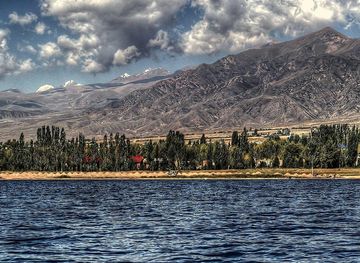
Discover Kyrgyzstan: A land of majestic mountains, nomadic traditions, and rich history in the heart of Central Asia.
Explore Kyrgyzstan