

Free Fergana Valley Travel Guide & Mobile App
Explore Fergana Valley with free travel guides. Discover regional history, expert tips, proposed trips, and audio guides on web or mobile app.


Explore Kyrgyzstan’s Fergana Valley through Osh’s sacred mountain, Silk Road monuments, fertile farmland, markets and foothill excursions.
Read more about Fergana Valley
When is the best time to visit Fergana Valley?
Best: May–June, September · 24–29°C| Month | High (°C) | Rainfall (mm) |
|---|---|---|
| January | 2 | 25 |
| February | 5 | 22 |
| March | 12 | 30 |
| April | 19 | 35 |
| May (best) | 24 | 25 |
| June (best) | 29 | 15 |
| July | 33 | 10 |
| August | 32 | 10 |
| September (best) | 26 | 15 |
| October | 18 | 20 |
| November | 10 | 22 |
| December | 4 | 25 |
Getting to and around Fergana Valley
How to get there
Transportation
Top city travel guides in Fergana Valley
The cities of Fergana Valley, and the easiest places to base yourself.
-

-


Swipe for more cities
Destinations in Fergana Valley
Resorts, valleys and scenic spots worth a trip of their own.

Swipe for more destinations
Best attractions in Fergana Valley
The Kyrgyzstani Fergana Valley combines urban heritage, religious history, agricultural landscapes and access to mountain country. In Osh, the principal cultural focus is Suleiman-Too, whose caves, paths, shrines and viewpoints rise above the city, while the surrounding bazaar provides an everyday counterpart to the mountain’s sacred significance. Uzgen offers an important medieval architectural ensemble, especially its Karakhanid-era minaret and mausoleums. Jalal-Abad is a useful base for exploring the southern lowlands and foothills, and Arslanbob extends the valley experience into walnut forests, waterfalls and mountain villages. Kara-Suu reflects the region’s commercial importance and proximity to an international frontier. Beyond the settled plain, roads lead towards highland landscapes, including routes in the direction of the Alay Valley, though these are journeys into a more demanding environment rather than simple urban excursions. Visitors should expect a mixture of museums, bazaars, sacred sites, historic monuments, orchards and rural scenery rather than a dense concentration of formal attractions.
-
Historical landmark
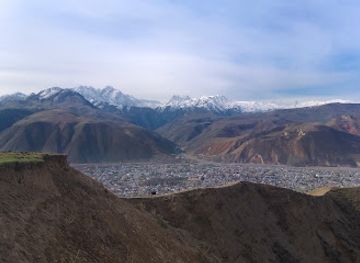
Monument to Alymbek Datka
Explore the rich history of Kyrgyzstan at the Monument to Alymbek Datka in Osh, a symbol of national pride and resilience.
-
Historical place
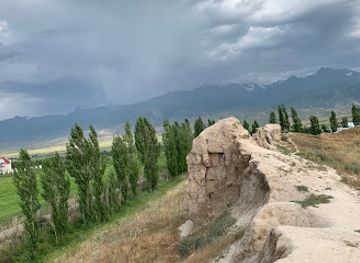
Koshoy Korgon
Explore Koshoy Korgon, an enchanting historical site in Kara-Suu, where ancient ruins meet breathtaking landscapes.
-
Heritage building
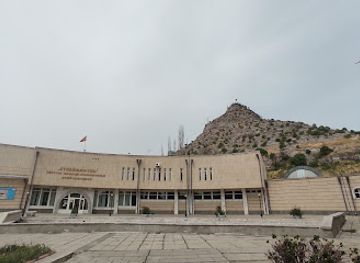
Sulaiman-Too National Historical and Archaeological Museum Complex
Explore the Sulaiman-Too Museum Complex in Osh, Kyrgyzstan, a UNESCO World Heritage site showcasing rich history and cultural treasures of the region.
-
Tourist attraction
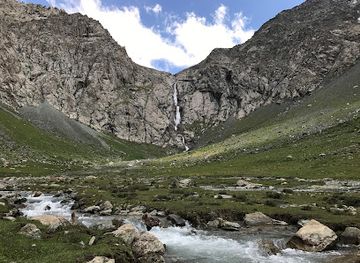
Shar Waterfall
Explore the stunning Shar Waterfall in Bash-Kaiyndy, Central Asia's breathtaking natural wonder surrounded by lush landscapes and serene beauty.
Best landmarks in Fergana Valley
Suleiman-Too is the defining landmark of Osh: a prominent limestone ridge containing caves, paths, shrines and places of pilgrimage above the city’s historic core. Its religious and archaeological importance secured UNESCO World Heritage recognition, and its elevated paths provide a clear sense of Osh’s position within the valley. In Uzgen, the Karakhanid minaret is one of southern Kyrgyzstan’s most recognisable medieval structures, rising beside mausoleums built for members of the ruling dynasty. The monuments are distinguished by carefully patterned brickwork and their survival within a living town rather than an isolated archaeological park. The broad agricultural plain itself is another defining feature, with irrigated fields and orchards contrasting sharply with the dry foothills and mountain walls. Further south, the transition towards the Alay landscapes demonstrates the dramatic change in altitude that shapes Kyrgyzstan’s geography, although the high passes and valleys belong to a different travel environment from the settled Fergana lowlands.
-
Historical landmark
Ala Too Square
Explore the cultural heart of Bishkek at Ala Too Square, a historical landmark filled with monuments, greenery, and vibrant local life.
-
National park
Ala Archa National Park
Discover the breathtaking landscapes and outdoor adventures at Ala Archa National Park, a nature lover's paradise just outside Bishkek, Kyrgyzstan.
-
Historical landmark
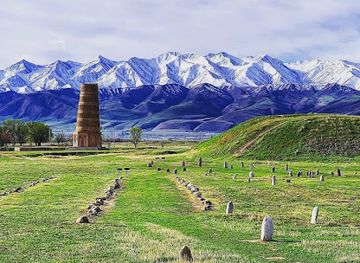
Burana Tower
Explore the historic Burana Tower in Kyrgyzstan, a remarkable 11th-century minaret surrounded by captivating archaeological treasures.
-
Historical landmark
Monument to Alymbek Datka
Discover the rich history of Kyrgyzstan at the Monument to Alymbek Datka, a stunning tribute to a national hero in the heart of Osh.
Explore Fergana Valley on the map
Plan your trip on one map. See where the top cities, national parks and sights are, and book hotels and experiences in a few clicks.
Best hotels in Fergana Valley
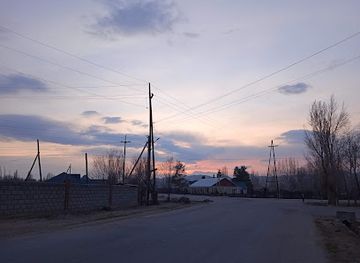
Best restaurants in Fergana Valley
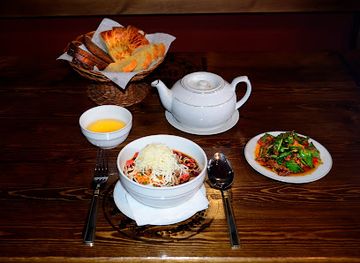
Dining in the Kyrgyzstani Fergana Valley reflects the long interaction of Kyrgyz, Uzbek and wider Central Asian traditions. Osh is the region’s best place to sample plov, lagman, manti, samsa, shashlik, fresh salads and flatbreads, with green tea commonly accompanying meals. Uzbek-style breads are particularly prominent in markets and neighbourhood bakeries, while Kyrgyz dishes may include horse meat, beshbarmak and fermented dairy products such as kurut. The warm valley climate supports melons, grapes, apricots, vegetables and other orchard produce, much of which appears in bazaars and home-style cooking. Jalal-Abad and smaller towns offer cafés, teahouses and simple family-run eateries rather than a highly formal dining scene. In the Arslanbob area, guesthouses may serve locally sourced walnut products and traditional meals. Vegetarian travellers can usually find soups, salads, rice, bread and vegetable dishes, but explaining dietary restrictions clearly is advisable.
-
Restaurant
Kafe Karabagysh Ata
Discover authentic Kyrgyz flavors at Kafe Karabagysh Ata in Baetov - a culinary haven for food lovers seeking memorable dining experiences.
-
Restaurant
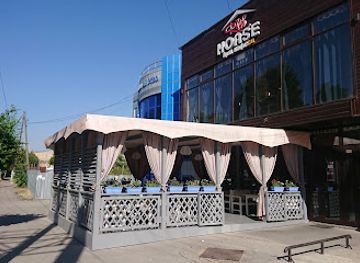
Rich House
Experience the authentic flavors of Kyrgyzstan at Rich House in Jalal-Abad - where tradition meets modern culinary art.
-
Asian
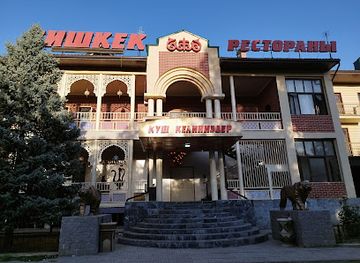
Restoran "Bishkek"
Discover authentic Asian flavors at Restoran 'Bishkek', where every dish tells a story of Central Asian culinary traditions.
-
Restaurant
Tot Samiy Gastropub
Experience the best of Asian and Russian cuisine at Tot Samiy Gastropub in Fergana - A must-visit culinary destination!
Best bars in Fergana Valley
Evening life in the Fergana Valley is centred more on cafés, teahouses, restaurants, family gatherings and promenades than on a large club circuit. Osh has the broadest choice, including modern cafés, casual restaurants and some bars, while Jalal-Abad offers a quieter urban evening scene. Traditional tea culture remains important, and many social occasions take place over food rather than alcohol. Nightclubs and late venues exist in the larger towns but can change ownership or operating arrangements, so current local information is more reliable than fixed listings. In smaller settlements and mountain areas, evenings usually mean guesthouse meals, conversation and early starts for travel. Visitors should be discreet around religious sites and conservative neighbourhoods, and should not assume that drinking is central to local hospitality.
-
Bar
Beer house - Hurshid Pivo
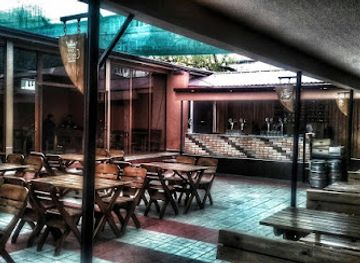
Experience the vibrant atmosphere and delightful brews at Hurshid Pivo, the ultimate beer house in Fergana, Uzbekistan.
-
Bar
Pivnoy Bar U Dyadi Mishi
Experience the lively atmosphere and local flavors at Pivnoy Bar U Dyadi Mishi, a top bar and restaurant in Fergana, Uzbekistan.
-
Bar
Nurafshan
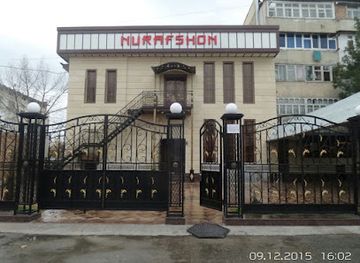
Experience the vibrant nightlife of Fergana Valley at Nurafshan, a lively bar and disco club offering great music and a festive atmosphere.
-
Night club
Club legenda /легенда
Experience Fergana's nightlife at Club Legenda, a vibrant night club and karaoke bar offering music, food, and unforgettable moments.

Best nightclubs in Fergana Valley
Evening life in the Fergana Valley is centred more on cafés, teahouses, restaurants, family gatherings and promenades than on a large club circuit. Osh has the broadest choice, including modern cafés, casual restaurants and some bars, while Jalal-Abad offers a quieter urban evening scene. Traditional tea culture remains important, and many social occasions take place over food rather than alcohol. Nightclubs and late venues exist in the larger towns but can change ownership or operating arrangements, so current local information is more reliable than fixed listings. In smaller settlements and mountain areas, evenings usually mean guesthouse meals, conversation and early starts for travel. Visitors should be discreet around religious sites and conservative neighbourhoods, and should not assume that drinking is central to local hospitality.
-
Night club
Promzona Club
Discover Bishkek's nightlife at Promzona Club, where electrifying music and vibrant ambiance create unforgettable nights in the heart of the city.
-
Night club
Greenwich pub
Experience the vibrant nightlife at Greenwich Pub in Bishkek, where great drinks and lively entertainment await every night.
-
Bar
Nurafshan
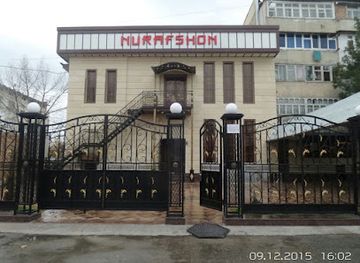
Discover the vibrant nightlife at Nurafshan in Fergana, Uzbekistan – a top bar and disco club where fun and excitement never stop.
-
Night club
Club legenda /легенда
Discover Fergana's nightlife at Club Legenda, where vibrant music, delicious cuisine, and karaoke come together for an unforgettable experience.


Best shops in Fergana Valley
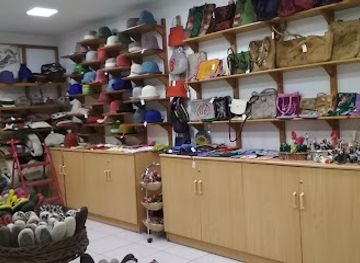
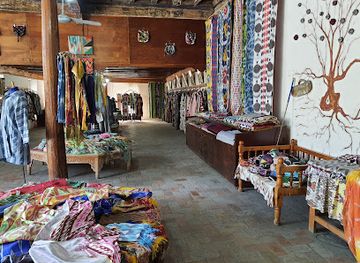
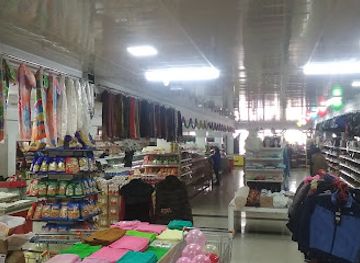
Osh is the region’s principal shopping centre, with a large bazaar where visitors can browse bread, spices, dried fruit, nuts, tea, fabrics, household goods and seasonal produce. The market is primarily used by local residents, so bargaining should be polite and moderate rather than treated as a performance. Smaller shops and market streets in Jalal-Abad, Uzgen and Kara-Suu are useful for everyday foods and regional snacks. Good purchases include dried apricots, raisins, walnuts, honey, spice mixtures, embroidered textiles and non-perishable sweets, while Arslanbob is associated particularly with walnuts and walnut products. Handicrafts such as felt work and traditional textiles are available, though quality and provenance vary. Visitors should check customs rules before carrying food, antiques or animal products across international borders, especially when combining Kyrgyzstan with Uzbekistan or Tajikistan.
-
Bazar
Jayma Bazaar
Discover the vibrant culture and local flavors at Jayma Bazaar, an essential stop for any traveler in Osh, Kyrgyzstan.
-
Souvenir store
Issyk-Kul Brand Shop
Explore the best of Kyrgyz culture at Issyk-Kul Brand Shop, where local craftsmanship meets unique souvenirs and natural delights.
-
Company
Yodgorlik Silk Factory
Explore the exquisite craftsmanship of Yodgorlik Silk Factory in Margilan, Uzbekistan, where tradition meets artistry in silk weaving.
-
Supermarket
Sherdor Supermarket
Discover local flavors and international goods at Sherdor Supermarket, a must-visit shopping destination in Namangan, Uzbekistan.

Get your free copy of our complete guide to Fergana Valley, delivered straight to you.
Everything on this page, from attractions and restaurants to essentials and local phrases, in one PDF you can read offline, print or share.
Already have an account? Sign in
Your Fergana Valley guide is ready.
We'll send it to · Not you? Sign out

Getting your guide ready…
We are putting together a fresh copy of the Fergana Valley guide. This can take up to a minute.
This can take a few moments. If your browser asks, choose Allow so the download can start. You'll find the guide in your Downloads folder.
Nothing happened? Download it again
Sorry, the guide is taking longer than usual. Please try again in a minute, or get it by email instead.
Fergana Valley essentials
Currency and Payment
Safety
Emergency Situations
Do's and Don'ts
Local Tips
From Eve
Local phrases worth knowing
You don't need to get them perfect. A few words go a long way, and locals appreciate the effort.
Basics
| English | Local | Say it |
|---|---|---|
| Hello | Салам | [Salam] |
| Goodbye | Кош болуңуз | [Kosh bolunuz] |
| Yes | Ооба | [Ooba] |
| No | Жок | [Jok] |
| Please/You're welcome | Суранамын/Сизге ыраазычылык | [Suraanamyn/Sizge irazychylik] |
| Thank you | Рахмат | [Rahmat] |
| Excuse me/Sorry | Кечиресиз | [Kechiresiz] |
| How are you? | Сиздер кандайсыз? | [Sizder kandaysyz?] |
| Fine. And you? | Жакшы. Ал сиз? | [Jakshy. Al siz?] |
| Do you speak English? | Сиз англисче сүйлөйсүзбү? | [Siz anglishe süylöysüzbü?] |
| I don't understand | Мен түшүнбөйм | [Men tüshünböym] |
Eating & Drinking
| English | Local | Say it |
|---|---|---|
| I'd like to see the menu, please | Мени менюну көрсөткүлө, суранам | [Meni menyunu körsötkülö, suraanam] |
| I don't eat meat | Мен эт жебейм | [Men et jebeim] |
| Cheers! | Саламаттык үчүн! | [Salamattyk üchün!] |
| I would like to pay, please | Мен төлөйм, суранам | [Men töloým, suraanam] |
Emergencies
| English | Local | Say it |
|---|---|---|
| Help! | Жардам бериңиз! | [Jardam beriñiz!] |
| Go away! | Жашоодон кет! | [Jashoodon ket!] |
| Call the Police! | Полицияны чакырыңыз! | [Politsiyany chakıryñız!] |
| Call a doctor! | Доктурду чакырыңыз! | [Dokturdy chakıryñız!] |
| I'm lost | Мен жоголдум | [Men jogoldum] |
| I'm ill | Мен ооруп жатам | [Men oorup jhatam] |
Shopping
| English | Local | Say it |
|---|---|---|
| I'd like to buy... | Мен сатып алгым келет... | [Men satıp algym kelet...] |
| I'm just looking | Мен жөн гана карап жатам | [Men jön gana karap jhatam] |
| How much is it? | Бул канча турат? | [Bul kancha turat?] |
| That's too expensive | Бул өтө кымбат | [Bul ötä kymbat] |
| Can you lower the price? | Баасын төмөндөтсөңүз болотпу? | [Baasyn tömündötsöngüz bolotpu?] |
Time & Numbers
| English | Local | Say it |
|---|---|---|
| What time is it? | Саат канча? | [Saat kancha?] |
| It's one o'clock | Бир саат | [Bir saat] |
| Half past (10) | Онго жарым | [Ongo zharım] |
| Morning | Таң | [Taŋ] |
| Afternoon | Түш | [Tüsh] |
| Evening | Кечинде | [Kechinde] |
| Yesterday | Кечээ | [Kechée] |
| Today | Бүгүн | [Bügün] |
| Tomorrow | Эртең | [Erteŋ] |
| 1 | Бир | [Bir] |
| 2 | Эки | [Eki] |
| 3 | Үч | [Üch] |
| 4 | Төрт | [Tört] |
| 5 | Беш | [Besh] |
| 6 | Алты | [Alty] |
| 7 | Жети | [Jeti] |
| 8 | Сегиз | [Segiz] |
| 9 | Тогуз | [Toguz] |
| 10 | Он | [On] |
Transport & Directions
| English | Local | Say it |
|---|---|---|
| Where's a/the...? | Кайда...? | [Kaida...?] |
| What's the address? | Адрес кандай? | [Adres kanday?] |
| Can you show me (on the map)? | Мени (картадан) көрсөтүп бере аласызбы? | [Meni (kartadan) körsötüp bere alasyzby?] |
| When's the next (bus)? | Кийинки (автобус) качан келет? | [Kiyinki (avtobus) kachan kelet?] |
| A ticket (to ....) | Билет (....га) | [Bilet (....ga)] |
History of Fergana Valley
Early settlement and the Silk Roads
The Fergana Basin has supported settled farming, pastoralism and urban life since antiquity. Irrigation made its fertile soils productive, while routes crossing the basin connected Central Asia with China, Iran and the wider Islamic world. The Kyrgyzstani section contains archaeological evidence of long-established settlement around places such as Uzgen, although the region’s history belongs to a much wider transnational landscape than any modern border. Trade brought languages, religious ideas, technologies and artistic influences that remain visible in the valley’s towns and monuments.
The Karakhanid period and medieval Uzgen
From the tenth to the early thirteenth centuries, the Karakhanids established a powerful Muslim Turkic dynasty across much of Central Asia. Uzgen became an important political and cultural centre, and its surviving minaret and mausoleums are among the clearest architectural reminders of this period in present-day Kyrgyzstan. Their brickwork, proportions and carved decoration reflect the development of Islamic architecture in the region. Later political changes altered the city’s importance, but the monuments preserve the valley’s role in medieval statecraft, scholarship and long-distance exchange.
Kokand rule and the southern khanate frontier
From the eighteenth century, much of the Fergana Valley fell within the sphere of the Kokand Khanate. Fortified settlements, tax systems, irrigation networks and trading links tied the valley to Kokand’s court and to towns across modern Kyrgyzstan, Uzbekistan and Tajikistan. Osh and Uzgen were important parts of this southern Central Asian world. The period also saw shifting authority among settled communities, pastoral groups and local leaders, a pattern that helps explain the region’s complex cultural geography and the prominence of Uzbek urban traditions alongside Kyrgyz rural and pastoral life.
Russian conquest and imperial administration
Russian imperial forces incorporated the Kokand Khanate in 1876, bringing the Fergana Valley into the Russian Empire’s administrative and economic system. New forms of taxation, military control and commercial agriculture developed, while population movements and land pressures changed relationships between settled farmers and pastoral communities. Cotton became increasingly important, linking the valley to imperial textile industries. Russian rule did not erase existing Islamic, linguistic or local political identities, but it introduced institutions and economic priorities that later shaped Soviet planning.
Soviet national delimitation and the Kyrgyz SSR
During the 1920s and 1930s, Soviet authorities reorganised Central Asia into union republics and autonomous units. The new boundaries divided the historically interconnected Fergana Valley among Kyrgyzstan, Uzbekistan and Tajikistan, leaving a dense mixture of communities, roads, fields and water systems close to administrative frontiers. The Kyrgyzstani valley became part of the Kyrgyz Soviet Socialist Republic, while collective farming, cotton production, industrialisation and planned urban development transformed the region. The boundary system remains important to contemporary travel and local geography.
Independence, Osh and contemporary change
Kyrgyzstan became independent in 1991, and the southern valley acquired new international borders, customs procedures and economic pressures. Osh and Jalal-Abad experienced serious inter-community violence in 1990 and again in 2010, leaving a sensitive legacy that should be approached with care and without simplistic explanations. Since independence, the region has remained a major agricultural, trading and transport zone. Cross-border commerce, migration, religious life, tourism and urban growth continue to shape its modern character, while border arrangements can still affect journeys in the western and southern districts.
Fergana Valley in Photos
Browse through our photo collection highlighting the charm and character of the destination.
Neighbouring regions of Fergana Valley
The closest regions to Fergana Valley, if you have time for more than one.
-

-

-

-

-


Swipe for more regions
Explore more
Explore more of Kyrgyzstan
Discover Kyrgyzstan: A land of majestic mountains, nomadic traditions, and rich history in the heart of Central Asia.
Explore Kyrgyzstan