

Free Osh Travel Guide & Mobile App
Plan your Osh trip with Evendo. Get free guides to top attractions, restaurants, hotels, and bars. Web access or download the mobile app.


Osh, Kyrgyzstan’s ancient Silk Road city, blends Sulayman-Too, lively bazaars, Uzbek-Kyrgyz culture and mountain scenery in the Fergana Valley.
Ancient Crossroads
Osh stands in the eastern reaches of the Fergana Valley, close to the Uzbek border and beneath the rugged foothills of the Alay Mountains. Often described as one of Central Asia’s oldest cities, it developed around trade routes linking the Fergana Valley with mountain passes towards China and the Indian subcontinent. Its identity remains shaped by movement: Kyrgyz, Uzbek, Tajik and other communities have contributed to the city’s language, food, crafts and religious traditions.Read more about Osh
Sulayman-Too and the Old City
Life in the Fergana Valley
When is the best time to visit Osh?
Best: June–August · 25–28°C| Month | High (°C) | Rainfall (mm) |
|---|---|---|
| January | -2 | 10 |
| February | 0 | 8 |
| March | 7 | 6 |
| April | 14 | 4 |
| May | 22 | 2 |
| June (best) | 25 | 1 |
| July (best) | 28 | 1 |
| August (best) | 27 | 1 |
| September | 20 | 2 |
| October | 14 | 4 |
| November | 7 | 6 |
| December | 0 | 8 |
Getting to and around Osh
How to get there
Transportation
Best attractions in Osh
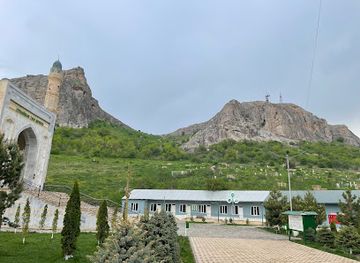
Osh’s principal sightseeing focus is Sulayman-Too, the limestone mountain rising above the centre, where marked paths lead to caves, panoramic viewpoints, shrines and the National Historical and Archaeological Museum in the mountain. At its foot, Osh Bazaar is an absorbing introduction to southern Kyrgyz commerce, with bread, dried fruit, spices, fabrics and household goods arranged in busy covered and open-air sections. The Ak-Buura River, Alymbek Datka Park and surrounding central streets provide gentler walks between market visits and historic sites. The Rabat Abdullakhan Mosque and Asaf ibn Burchiya Mausoleum offer glimpses of the city’s Islamic heritage, while the Kyrgyzstan History Museum and local cultural institutions add context to the region’s multi-ethnic past. Osh also works as a starting point for organised journeys towards the Alay Valley, although those mountain landscapes lie beyond the city itself and require separate transport and preparation.
-
Park
Алишер Навои паркы
Explore the lush landscapes and family-friendly attractions of Alisher Navoi Park, a serene oasis in the heart of Osh, Kyrgyzstan.
5 min walk · 0.4 km from city centre
-
Tourist attraction
Park Lyubvi
Discover the serene beauty of Park Lyubvi in Osh, a tranquil park perfect for relaxation, picnics, and enjoying nature's splendor.
7 min drive · 2.3 km from city centre
-
Bazar
Jayma Bazaar
Explore the vibrant Jayma Bazaar in Osh, Kyrgyzstan, where local traditions and flavors come alive in a bustling market atmosphere.
17 min walk · 1.4 km from city centre
-
Tourist attraction
Sulaiman Mountain Museum
Explore the Sulaiman Mountain Museum in Osh, where culture, history, and stunning landscapes come together to create an unforgettable experience.
16 min walk · 1.3 km from city centre
Best landmarks in Osh
Sulayman-Too is Osh’s defining landmark and a sacred mountain whose caves, springs, shrines and summit paths embody centuries of religious practice; its recognition as a UNESCO World Heritage Site reflects both its cultural importance and its surviving archaeological features. The Asaf ibn Burchiya Mausoleum, near the mountain, is associated with the city’s Islamic heritage and is one of its best-known historic monuments. Rabat Abdullakhan Mosque represents the architectural legacy of the Fergana Valley’s Islamic communities, while the broad Ak-Buura River remains a geographical reference point in the city’s development. Alymbek Datka Park and its monuments recall figures connected with southern Kyrgyz history, particularly the nineteenth-century leader Alymbek Datka. Soviet-era civic buildings, apartment districts and public statues add a later layer, showing how Osh expanded beyond its historic market and sacred core.
-
Park
Алишер Навои паркы
Experience the tranquility and natural beauty of Alisher Navoi Park in Osh, a perfect retreat for nature lovers and city explorers alike.
5 min walk · 0.4 km from city centre
-
Bazar
Jayma Bazaar
Discover the vibrant culture and culinary delights at Jayma Bazaar, Osh's premier market for authentic local experiences.
17 min walk · 1.4 km from city centre
-
Historical landmark
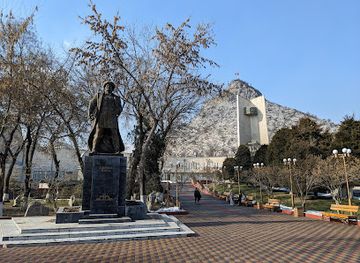
Monument to Alymbek Datka
Explore the Monument to Alymbek Datka, a historic landmark in Osh that honors Kyrgyz culture and heritage amidst stunning natural beauty.
5 min walk · 0.4 km from city centre
-
Historical landmark
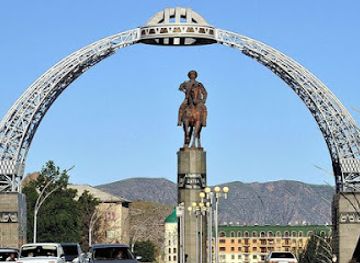
Kyrgyz kochu ark
Explore Kyrgyz Kochu Ark, a historical landmark in Osh that showcases Kyrgyzstan's rich cultural heritage and architectural beauty.
5 min drive · 1.6 km from city centre
Explore Osh on the map
Plan your Osh trip on one map. See where the top attractions, landmarks, restaurants, bars and hotels are, find what's near where you're staying, and book hotels and experiences in a few clicks.
Best hotels in Osh
Best restaurants in Osh
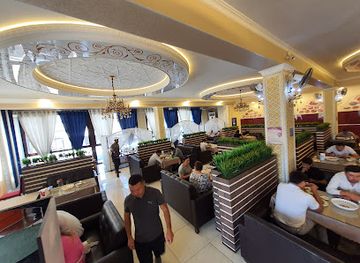
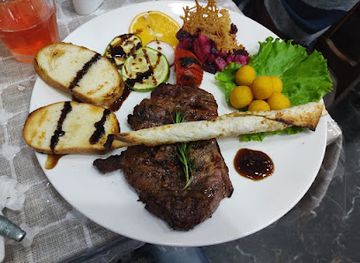
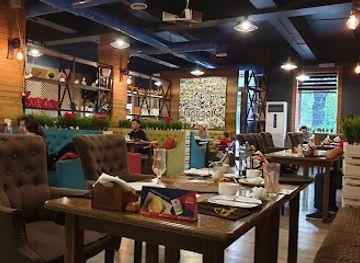
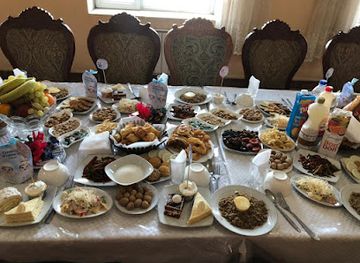
Osh’s food culture reflects the agricultural abundance of the Fergana Valley and the long presence of Kyrgyz, Uzbek, Tajik and other communities. Plov, lagman, manti, samsa and shashlik are widely encountered, while fresh non bread, yoghurt, pickles, seasonal fruit and strong tea accompany many meals. Uzbek culinary traditions are particularly visible in the preparation of rice dishes, soups and baked goods, with recipes varying between restaurants and family kitchens. The central bazaar contains stalls and casual eateries where visitors can observe ingredients being traded as well as cooked, while chaikhanas provide a slower setting for tea and shared plates. Cafés around the centre offer more contemporary menus, but the most characteristic dining experiences are often modest establishments serving generous portions to local customers. Vegetarian travellers may need to explain dietary requirements clearly, especially in meat-centred kitchens.
-
Restaurant
Manas Ata Restorany
Experience authentic Kyrgyz cuisine at Manas Ata Restorany in Osh, where every dish tells a story and hospitality knows no bounds.
17 min walk · 1.4 km from city centre
-
Pizza
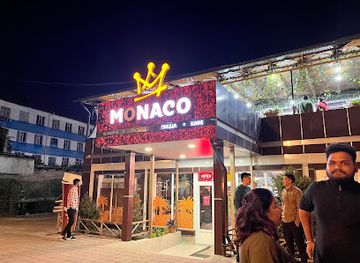
MONACO
Discover Monaco in Osh: A delightful blend of European cuisine with exceptional pizza offerings in a vibrant atmosphere.
4 min walk · 0.3 km from city centre
-
Restaurant
кафе «Исламбек»
Experience authentic Kyrgyz cuisine at Café Islambek in Osh - home to the best kebabs and warm hospitality.
7 min drive · 2.5 km from city centre
-
Fast Food
Borsok RESTAURANT
Discover delicious fast food and traditional Kyrgyz breakfasts at Borsok Restaurant in Osh - perfect for tourists seeking local flavors.
4 min walk · 0.3 km from city centre
Best bars in Osh
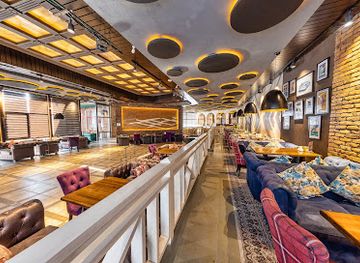
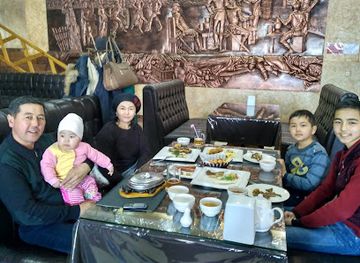
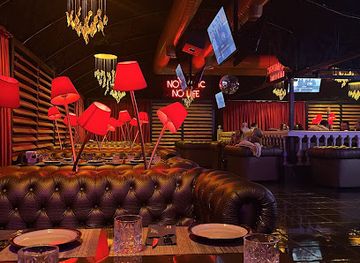
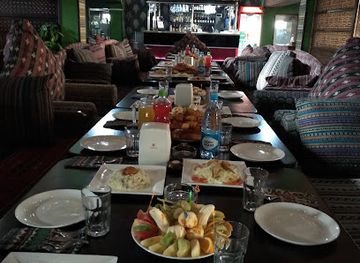
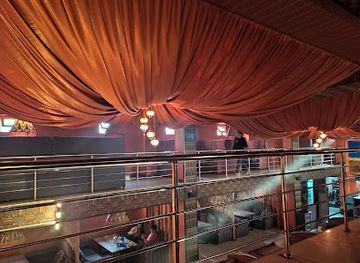
Osh has a comparatively restrained nightlife scene, centred more on cafés, restaurants, tea houses and evening promenades than on a large club circuit. After sunset, central parks and streets around the main squares become social spaces, while local venues may host music, celebrations and family-oriented gatherings. Restaurants and cafés offer the most dependable evening setting, with Uzbek and Kyrgyz dishes, tea and conversation taking precedence over drinking. A small selection of bars and entertainment venues exists, but opening patterns and atmospheres can change, so expectations should remain modest. Alcohol is available in some establishments, although public behaviour is generally more conservative than in major European nightlife centres. Cultural performances, seasonal events and local celebrations can provide a more distinctive evening experience than conventional clubbing.
-
Bar
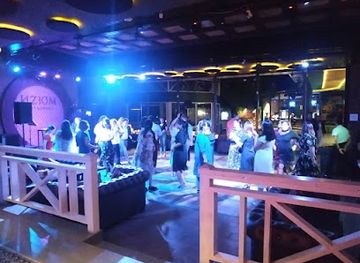
Ресторан Иzюм
Discover the vibrant nightlife of Osh at Ресторан Иzюм, where exquisite drinks and lively atmosphere create unforgettable experiences.
5 min drive · 1.6 km from city centre
-
Restaurant
Blonder Cafe
Discover the cozy charm of Blonder Cafe in Osh, where delightful cuisine meets craft beer in a welcoming atmosphere.
10 min drive · 3.2 km from city centre
-
Bar
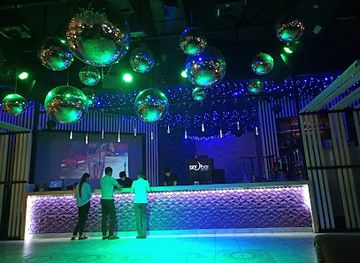
Sky-bar Osh
Experience breathtaking views and chic ambiance at Sky-bar Osh, the ultimate destination for relaxation and socializing in the heart of the city.
4 min walk · 0.4 km from city centre
-
Bar
Arabica Lounge Bar
Discover the lively Arabica Lounge Bar in Osh - your perfect nightlife destination with delicious drinks and a vibrant atmosphere.
10 min walk · 0.8 km from city centre
Best nightclubs in Osh
Osh has a comparatively restrained nightlife scene, centred more on cafés, restaurants, tea houses and evening promenades than on a large club circuit. After sunset, central parks and streets around the main squares become social spaces, while local venues may host music, celebrations and family-oriented gatherings. Restaurants and cafés offer the most dependable evening setting, with Uzbek and Kyrgyz dishes, tea and conversation taking precedence over drinking. A small selection of bars and entertainment venues exists, but opening patterns and atmospheres can change, so expectations should remain modest. Alcohol is available in some establishments, although public behaviour is generally more conservative than in major European nightlife centres. Cultural performances, seasonal events and local celebrations can provide a more distinctive evening experience than conventional clubbing.
-
Bar
Ресторан Иzюм
Experience the vibrant nightlife of Osh at Ресторан Иzюм, where local flavors meet an inviting atmosphere in a stylish bar setting.
5 min drive · 1.6 km from city centre
-
Bar
Sky-bar Osh
Experience breathtaking views and vibrant nightlife at Sky-bar Osh, the perfect rooftop bar for tourists seeking an unforgettable evening.
4 min walk · 0.4 km from city centre
-
Bar
Arabica Lounge Bar
Discover the lively Arabica Lounge Bar in Osh for unique drinks, live music, and a vibrant atmosphere perfect for unwinding and socializing.
10 min walk · 0.8 km from city centre
-
Tea house
Kambar Ata
Discover Kambar Ata in Osh, a cultural tea house offering local cuisine, karaoke, and a warm atmosphere for an unforgettable experience.
13 min drive · 4.4 km from city centre
Best shops in Osh
Osh Bazaar is the city’s central shopping experience and an important working market rather than a display created solely for visitors. Its stalls sell spices, dried fruits, nuts, rice, bread, fabrics, clothing, household goods and seasonal produce, with different sections occupying the area around the Ak-Buura River. Bargaining may be appropriate for some non-food goods, while food prices are often more fixed. Small shops and independent traders in the central streets provide textiles, felt items, embroidered goods and practical souvenirs associated with Kyrgyz craft traditions, although quality and provenance vary. Visitors may also find Uzbek-influenced fabrics, ceramics, dried herbs and regional sweets. Modern supermarkets and shopping centres serve everyday needs, but they offer less insight into Osh’s longstanding role as a commercial meeting place than the market’s crowded aisles and specialist stalls.
-
Novelty store
Kiyiz Group - Войлочная мастерская, Кийиз Чеберканасы
Discover the artistry of traditional Kyrgyz felt at Kiyiz Group, a unique workshop and novelty store in the heart of Osh.
5 min drive · 1.8 km from city centre
-
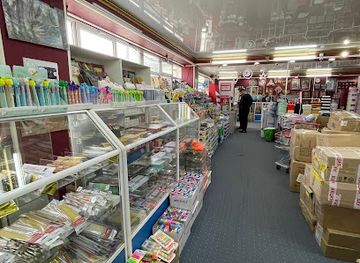
Pen store
Канцмаг Ош
Explore Канцмаг Ош, the ultimate pen store in Osh, Kyrgyzstan, where quality writing instruments meet a welcoming atmosphere.
7 min drive · 2.5 km from city centre
-
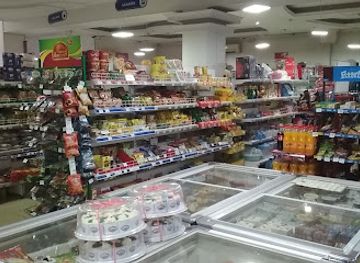
Supermarket
supermarket Salam
Discover the vibrant offerings of Supermarket Salam in Osh, where local flavors meet convenience for an unforgettable shopping experience.
11 min walk · 0.9 km from city centre
-
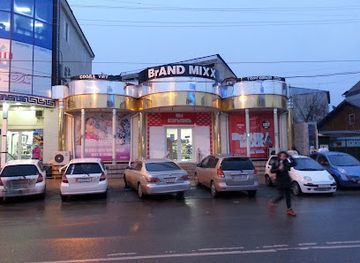
Clothing store
BrAND MIXX
Discover the latest fashion trends at BrAND MIXX, the ultimate clothing store in Osh offering stylish apparel for the whole family.
6 min drive · 2.0 km from city centre

Get your free copy of our complete guide to Osh, delivered straight to you.
Everything on this page, from attractions and restaurants to essentials and local phrases, in one PDF you can read offline, print or share.
Already have an account? Sign in
Your Osh guide is ready.
We'll send it to · Not you? Sign out

Getting your guide ready…
We are putting together a fresh copy of the Osh guide. This can take up to a minute.
This can take a few moments. If your browser asks, choose Allow so the download can start. You'll find the guide in your Downloads folder.
Nothing happened? Download it again
Sorry, the guide is taking longer than usual. Please try again in a minute, or get it by email instead.
Osh essentials
Currency and Payment
Safety
Emergency Situations
Do's and Don'ts
Local Tips
From Eve
Local phrases worth knowing
You don't need to get them perfect. A few words go a long way, and locals appreciate the effort.
Basics
| English | Local | Say it |
|---|---|---|
| Hello | Саламатсызбы? | [Salamatsyzby?] |
| Goodbye | Жакшы калыңыз | [Jaksy kalynyz] |
| Yes | Ооба | [Ooba] |
| No | Жок | [Jok] |
| Please/You're welcome | Мененче көңүл бол | [Menenche kөңyl bol] |
| Thank you | Рахмат | [Rahmat] |
| Excuse me/Sorry | Кечиресиз | [Keçiresiz] |
| How are you? | Кандайсыз? | [Kandaysyz?] |
| Fine. And you? | Жакшым. Сиз кандайсыз? | [Jaksym. Siz kandaysyz?] |
| Do you speak English? | Сиз инглизче сөйлөсүүңүз келеби? | [Siz inglizche söylösüüñüş kelebi?] |
| I don't understand | Менин түшүнүшүм жок | [Menin tüşünüşüm yok] |
Eating & Drinking
| English | Local | Say it |
|---|---|---|
| I'd like to see the menu, please | Менюны караңыз, пжл | [Menyuny karañyz, pjl] |
| I don't eat meat | Мен маймыл жемейм | [Men maymil jemeym] |
| Cheers! | Сау болуңуз! | [Sau boluñuz!] |
| I would like to pay, please | Төлөм кылгыла | [Tölöm kılgıla] |
Emergencies
| English | Local | Say it |
|---|---|---|
| Help! | Жардам! | [Jardam!] |
| Go away! | Алыстан кет! | [Alystan ket!] |
| Call the Police! | Полицияны чакырыңыз! | [Politsiyanı çakıryñyz!] |
| Call a doctor! | Докторду чакырыңыз! | [Doktordu çakıryñyz!] |
| I'm lost | Мен таңдап жатам | [Men tañdap çatam] |
| I'm ill | Мен ауруу менен каршым | [Men auruu menen karşım] |
Shopping
| English | Local | Say it |
|---|---|---|
| I'd like to buy... | Мен сатып алып көрмөкчүм | [Men satıp alyp körmökçüm] |
| I'm just looking | Менин кара караган жок | [Menin kara karagan jok] |
| How much is it? | Бул канча? | [Bul kança?] |
| That's too expensive | Бул абдан көп | [Bul abdan köp] |
| Can you lower the price? | Сиз баасын төмөндөйсүзбү? | [Siz baasın tömöndöysüzbu?] |
Time & Numbers
| English | Local | Say it |
|---|---|---|
| What time is it? | Саат канчада? | [Saat kançada?] |
| It's one o'clock | Саат бирде | [Saat birda] |
| Half past (10) | Ондоң жарым | [Ondoñ jarım] |
| Morning | Күн | [Kün] |
| Afternoon | Түш | [Tüş] |
| Evening | Кеч | [Keç] |
| Yesterday | Кече | [Keçe] |
| Today | Бүгүн | [Bügün] |
| Tomorrow | Эрте | [Erte] |
| 1 | Бир | [Bir] |
| 2 | Эки | [Eki] |
| 3 | Үч | [Üch] |
| 4 | Төрт | [Tört] |
| 5 | Беш | [Beş] |
| 6 | Алты | [Altı] |
| 7 | Жети | [Jeti] |
| 8 | Сегиз | [Segiz] |
| 9 | Тогуз | [Toguz] |
| 10 | Он | [On] |
Transport & Directions
| English | Local | Say it |
|---|---|---|
| Where's a/the...? | ... кайда? | [... kayda?] |
| What's the address? | Адреси кандай? | [Adresi kanday?] |
| Can you show me (on the map)? | Мени (карта боюнча) көрдүрсөңүзбү? | [Meni (karta boyunça) kördürsöñüzbü?] |
| When's the next (bus)? | Кийинки (автобус) кайда? | [Kiyinki (avtobus) kayda?] |
| A ticket (to ....) | Билет (....га) | [Bilet (....ga)] |
History of Osh
Early Settlement and Silk Road Exchange
Osh grew in the Fergana Valley at a strategic meeting point between settled agricultural communities and routes crossing the surrounding mountains. Its precise origins are ancient, but the city’s importance developed through connections with long-distance trade networks commonly associated with the Silk Road. Merchants moved textiles, livestock, metals, spices and agricultural goods through the valley, while the Ak-Buura River supported settlement and cultivation. Sulayman-Too was already a prominent sacred landscape before the modern city took shape, and its caves and springs accumulated religious traditions over many centuries. The surrounding valley also encouraged cultural exchange between Iranian-speaking, Turkic and later Islamic communities, helping to establish the mixed social and commercial character that remains central to Osh.
Islamic Traditions and Sacred Sulayman-Too
Islam became increasingly influential in the region during the medieval period, bringing new institutions, architectural forms and scholarly connections to the Fergana Valley. Osh developed mosques, religious schools and trading quarters, while Sulayman-Too was incorporated into an Islamic sacred geography without losing older local associations. The mountain’s caves, rocks and springs continued to attract pilgrims who sought blessings, healing or spiritual reflection. The city’s religious history is therefore layered rather than confined to a single foundation event. The Asaf ibn Burchiya Mausoleum and other surviving religious monuments reflect the importance of Islamic traditions in Osh, although many buildings visible today belong to later periods of reconstruction and renovation.
Kokand Rule and Regional Commerce
From the eighteenth century, Osh became closely connected with the Khanate of Kokand, the powerful state that dominated much of the Fergana Valley. Its position made it valuable as a market and administrative centre, linking agricultural settlements with routes towards the Alay region. Uzbek cultural influence became especially strong in the city’s commerce, architecture and domestic traditions, while Kyrgyz pastoral communities maintained important links with the surrounding highlands. The period left a legacy of market culture, religious buildings and fortified or official structures, though the urban fabric was repeatedly altered. The rise of Kokand also tied Osh more firmly to the political and economic currents of Central Asia rather than leaving it as an isolated mountain settlement.
Russian Expansion and Imperial Administration
Russian forces incorporated the Kokand Khanate into the Russian Empire in 1876, after which Osh entered a new administrative and economic order. Imperial rule brought military and bureaucratic institutions, new patterns of settlement and stronger links with wider Russian Central Asia. Agriculture and trade remained important, while roads and administrative infrastructure gradually connected the city to neighbouring districts. The population retained its multi-ethnic character, with Kyrgyz, Uzbeks, Russians, Tajiks and other communities living within the changing urban environment. Russian influence did not erase older commercial and religious practices, but it introduced political structures that later shaped the city’s incorporation into the Soviet system.
Soviet Osh and Urban Transformation
After the Russian Revolution, Osh became part of the Soviet reorganisation of Central Asia. The creation of national republics, collectivised agriculture and centrally planned administration altered the region’s political geography, while schools, factories, apartment blocks and public institutions transformed the city’s appearance. Soviet authorities promoted secular public life and restricted many religious activities, although local customs and family traditions continued beyond official institutions. Osh also became an important centre for processing agricultural produce from the Fergana Valley. Its historic quarters were supplemented by broad streets and planned districts, producing the layered urban landscape visible today. Ethnic relations remained complex, particularly in the densely settled valley, where administrative boundaries did not neatly correspond to patterns of community and commerce.
Independence and Contemporary Identity
Kyrgyzstan became independent in 1991, and Osh assumed renewed importance as the country’s principal city in the south. Since independence, the city has balanced Kyrgyz state identity with its strong Uzbek cultural and commercial heritage. Political and social tensions contributed to serious inter-ethnic violence in southern Kyrgyzstan in June 2010, an event that continues to shape public memory and community relations. Subsequent years brought reconstruction, civic development and renewed attention to cultural heritage, including the recognition of Sulayman-Too as a UNESCO World Heritage Site in 2009. Contemporary Osh remains a regional market, transport centre and gateway to the highlands, with its history expressed through both ancient sacred sites and ordinary urban life.
Osh in Photos
Browse through our photo collection highlighting the charm and character of the destination.
Cities near Osh
The closest cities to Osh, if you have time for more than one stop.
-

-

-

-

-


Swipe for more cities
Explore more
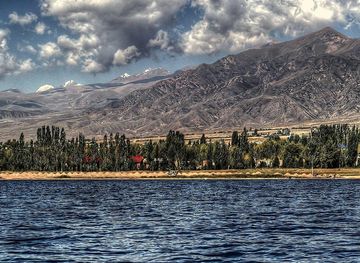
Explore more of Kyrgyzstan
Discover Kyrgyzstan: A land of majestic mountains, nomadic traditions, and rich history in the heart of Central Asia.
Explore Kyrgyzstan