

Free Osh Region Travel Guide & Mobile App
Explore Osh Region with free travel guides. Discover regional history, expert tips, proposed trips, and audio guides on web or mobile app.


Explore Osh Region in Kyrgyzstan for Uzgen’s Silk Road heritage, Alay Valley trekking, high-pasture life and dramatic Pamir-Alay landscapes.
Read more about Osh Region
When is the best time to visit Osh Region?
Best: June, August–September · 24–29°C| Month | High (°C) | Rainfall (mm) |
|---|---|---|
| January | 4 | 30 |
| February | 6 | 35 |
| March | 12 | 40 |
| April | 17 | 45 |
| May | 22 | 50 |
| June (best) | 27 | 40 |
| July | 30 | 30 |
| August (best) | 29 | 25 |
| September (best) | 24 | 30 |
| October | 16 | 35 |
| November | 9 | 35 |
| December | 4 | 30 |
Getting to and around Osh Region
How to get there
Transportation
Top city travel guides in Osh Region
The cities of Osh Region, and the easiest places to base yourself.
-

-


Swipe for more cities
Destinations in Osh Region
Resorts, valleys and scenic spots worth a trip of their own.

Swipe for more destinations
Best attractions in Osh Region
Osh Region’s attractions range from historic Fergana settlements to some of Kyrgyzstan’s most dramatic high-mountain scenery. Uzgen is the principal heritage centre within the region, with its Karakhanid minaret and mausoleums offering an important introduction to medieval Islamic architecture in southern Central Asia. Lower districts also contain bazaars, cultivated landscapes, village life and natural sites such as the Abshir-Ata waterfall area, where access and facilities are seasonal. South of Gulcha, the Alay Valley opens into broad pastureland framed by the Alay and Trans-Alay ranges. Sary-Mogul is a base for trekking, horse riding and excursions towards Tulpar-Kol and the Lenin Peak area, while the wider Chon-Alay district offers remote landscapes and encounters with highland pastoral life. These are not casual sightseeing destinations: journeys are long, weather can change rapidly and local guides or drivers are valuable. The region’s attraction landscape is strongest when historic sites, markets, mountain roads, village homestays and outdoor activities are combined, allowing travellers to experience both the settled Fergana-facing country and the sparsely populated Pamir-Alay valleys.
-
Bazar
Jayma Bazaar
Explore the bustling Jayma Bazaar in Osh, Kyrgyzstan—your gateway to vibrant local culture, authentic crafts, and delicious Kyrgyz cuisine.
-
Sulaiman Mountain Museum
Explore the captivating culture and history of Kyrgyzstan at the Sulaiman Mountain Museum, a cultural gem in Osh offering diverse exhibits and stunning views.
-
Kyrgyz kochu ark
Explore the rich heritage of Kyrgyzstan at Kyrgyz Kochu Ark, a historical landmark that showcases the culture and history of Osh.
-
Park
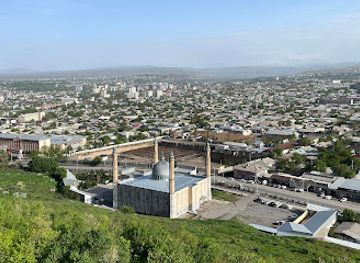
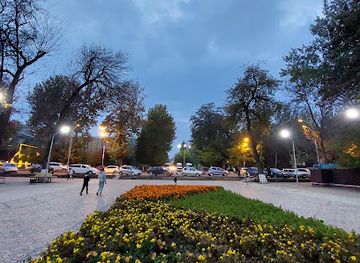
Toktogul Park
Explore the lush landscapes and vibrant culture at Toktogul Park, a serene escape in the heart of Osh, Kyrgyzstan.
Best landmarks in Osh Region
The most important built landmark in Osh Region is the Uzgen architectural complex, whose eleventh- and twelfth-century Karakhanid minaret and mausoleums preserve an exceptional example of medieval Central Asian brick architecture. Their proportions, carved terracotta decoration and restrained geometry reflect the sophistication of the Karakhanid period and make Uzgen more than a brief roadside stop. In the south, the defining landmarks are geographical rather than monumental. The broad Alay Valley, enclosed by high ridges, forms a memorable corridor between the Fergana lowlands and the Pamir-Alay. Above the Sary-Mogul area, Tulpar-Kol is a striking high-altitude lake and a commonly used approach landscape for views towards Lenin Peak, although mountain access depends on weather, roads and seasonal conditions. The Trans-Alay skyline and the valleys around Chon-Alay convey the scale of Kyrgyzstan’s southern frontier, while high pasture camps, traditional yurts and mountain passes provide living markers of seasonal pastoral culture. These landscapes should be approached with the same care as historic monuments: routes are remote, services are limited and local advice is important.
-
Bazar
Jayma Bazaar
Experience the bustling energy of Jayma Bazaar, Osh's vibrant market offering local goods, delicious street food, and a taste of Kyrgyz culture.
-
Museum
Sulaiman Mountain Museum
Explore the rich cultural heritage of Kyrgyzstan at the Sulaiman Mountain Museum, a must-visit destination for history lovers and adventurers alike.
-
Historical landmark
Monument to Alymbek Datka
Discover the Monument to Alymbek Datka in Osh, a historical landmark celebrating Kyrgyzstan's heritage and national pride with stunning views.
-
Historical landmark
Kyrgyz kochu ark
Explore Kyrgyz Kochu Ark, a historical landmark in Osh, where culture, beauty, and history come together in an unforgettable experience.
Explore Osh Region on the map
Plan your trip on one map. See where the top cities, national parks and sights are, and book hotels and experiences in a few clicks.
Best hotels in Osh Region
Best restaurants in Osh Region
Dining in Osh Region reflects the meeting of Kyrgyz pastoral traditions with the agricultural and culinary culture of the Fergana Valley. In towns and roadside eateries, expect plov, lagman, manti, samsa, shorpo and fresh flatbreads, alongside rice, vegetables and fruit from the irrigated lowlands. Uzgen is associated with the rice-growing culture of the area, and local plov may use distinctive regional rice, though recipes vary from cook to cook. In mountain districts, homestays and yurts commonly serve hearty meals based on meat, noodles, bread and dairy products, including fermented drinks such as kymyz when available. Markets are useful for buying apricots, grapes, melons, nuts, kurut and freshly baked bread during the appropriate season. Restaurant choice becomes limited outside Osh city and the larger towns, so travellers heading towards Sary-Mogul or remote valleys should confirm whether accommodation includes meals and carry snacks for long road journeys.
-
Restaurant
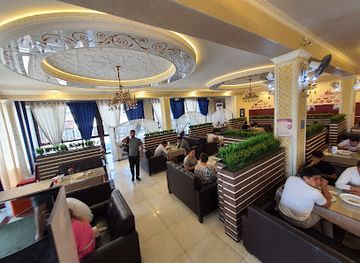
Manas Ata Restorany
Discover authentic Kyrgyz cuisine at Manas Ata Restorany in Osh - where flavor meets tradition.
-
Fast Food
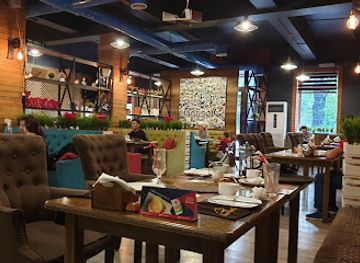
Borsok RESTAURANT
Experience authentic Kyrgyz fast food at Borsok Restaurant in Osh – a perfect blend of local flavors and casual dining.
-
Restaurant
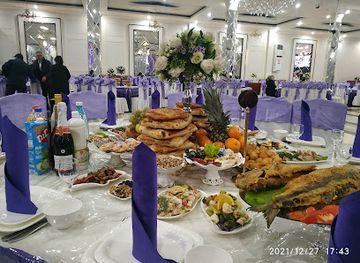
Oligarkh Restorany
Experience authentic Kyrgyz cuisine at Oligarkh Restorany in Osh - where tradition meets taste in an elegant setting.
-
Restaurant
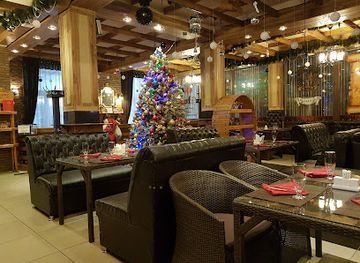
Nirvana Cafe
Discover the flavors of Kyrgyzstan at Nirvana Cafe in Osh - where every dish tells a story.
Best bars in Osh Region
Nightlife in Osh Region is modest and concentrated in larger settlements rather than forming a separate tourism industry. In Uzgen and other district centres, evening social life generally revolves around cafés, tea houses, restaurants and family gatherings, while village and mountain communities become quiet early. Travellers may encounter small cafés or venues serving beer and other drinks, but opening arrangements and choice can change. The Alay and Chon-Alay districts are destinations for early starts, stargazing and conversation at homestays or yurts rather than clubs. Osh city, outside the region, has the south’s broadest selection of cafés, restaurants and evening venues and is the practical place for a more varied night out before or after travelling into the mountains. Visitors should follow local expectations around alcohol, dress and public behaviour, particularly in conservative rural communities.
-
Bar
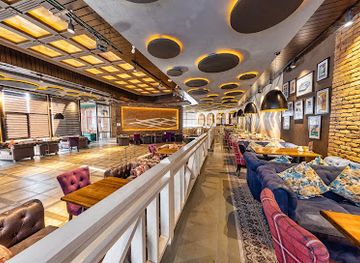
Ресторан Иzюм
Discover the luxury dining experience at Ресторан Иzюм in Osh, where exquisite cuisine meets elegant ambiance for an unforgettable outing.
-
Restaurant
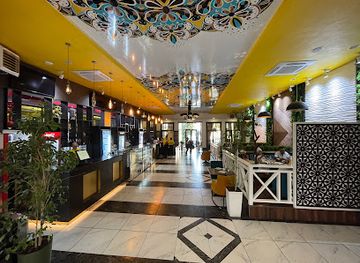
кафе «Исламбек»
Experience the rich flavors and warm hospitality of Kyrgyzstan at Café Islambek in Osh, a favorite among locals and travelers.
-
Fast Food
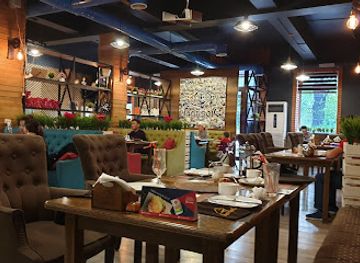
Borsok RESTAURANT
Discover the flavors of Osh at Borsok Restaurant, your go-to spot for fast food and delightful breakfasts in a cozy atmosphere.
-
 Bar
BarHotel Classic / Отель Классик
Discover the charm of Osh at Hotel Classic, where elegant accommodations meet exceptional service in a vibrant setting.
Best nightclubs in Osh Region
Nightlife in Osh Region is modest and concentrated in larger settlements rather than forming a separate tourism industry. In Uzgen and other district centres, evening social life generally revolves around cafés, tea houses, restaurants and family gatherings, while village and mountain communities become quiet early. Travellers may encounter small cafés or venues serving beer and other drinks, but opening arrangements and choice can change. The Alay and Chon-Alay districts are destinations for early starts, stargazing and conversation at homestays or yurts rather than clubs. Osh city, outside the region, has the south’s broadest selection of cafés, restaurants and evening venues and is the practical place for a more varied night out before or after travelling into the mountains. Visitors should follow local expectations around alcohol, dress and public behaviour, particularly in conservative rural communities.
-
Bar
Sky-bar Osh
Experience the vibrant nightlife at Sky-bar Osh, where stunning views and delicious drinks create unforgettable moments in the heart of the city.
-
Night club
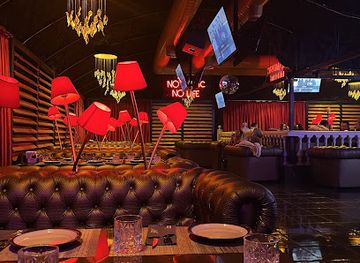
Кабыл сенин үйүң
Discover the exhilarating nightlife at Кабыл сенин үйүң in Kyzyl-Bulak, where vibrant music and unforgettable experiences await every visitor.
Best shops in Osh Region
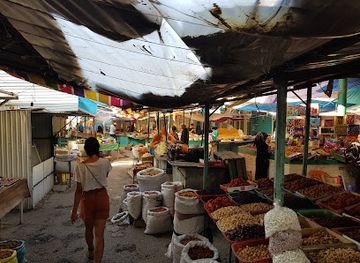
Shopping in Osh Region is rooted in bazaars, market towns and local food production rather than large retail complexes. Uzgen and the Fergana-facing settlements are useful for fresh produce, rice, dried fruit, nuts, bread, spices and everyday goods, while small shops in the Alay districts supply basic provisions for mountain journeys. Travellers may find felt items, embroidered textiles, woven goods and small handicrafts through homestays, craft sellers or local markets, although selection and quality vary. Regional food products such as kurut, honey, dried apricots and nuts are practical souvenirs when packed appropriately for travel. In remote villages, trading takes place through informal stalls and roadside sellers rather than permanent tourist shops, so carry cash and do not expect extensive choice. Osh city, outside the region, offers the south’s largest bazaar and wider range of textiles, craft goods and provisions, making it the most convenient place to stock up before an Alay or Chon-Alay itinerary.
-
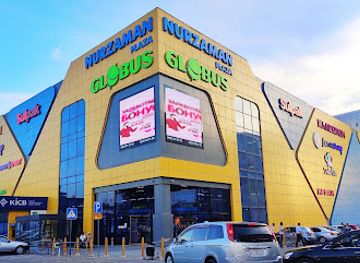
Hypermarket
Globus
Discover the best of local and international shopping at Globus Hypermarket in Osh, Kyrgyzstan.
-
Clothing store
LC WAIKIKI
Explore the latest fashion trends at LC Waikiki in Osh, where style meets affordability for the whole family.
-
Bazar
Jayma Bazaar
Explore the vibrant Jayma Bazaar in Osh, Kyrgyzstan, a cultural hub filled with local crafts, delicious foods, and authentic experiences.
-
Hotel
Remi Restaurant Pool
Experience the perfect blend of relaxation and culinary excellence at Remi Restaurant Pool in Osh, where every meal is a delightful escape.

Get your free copy of our complete guide to Osh Region, delivered straight to you.
Everything on this page, from attractions and restaurants to essentials and local phrases, in one PDF you can read offline, print or share.
Already have an account? Sign in
Your Osh Region guide is ready.
We'll send it to · Not you? Sign out

Getting your guide ready…
We are putting together a fresh copy of the Osh Region guide. This can take up to a minute.
This can take a few moments. If your browser asks, choose Allow so the download can start. You'll find the guide in your Downloads folder.
Nothing happened? Download it again
Sorry, the guide is taking longer than usual. Please try again in a minute, or get it by email instead.
Osh Region essentials
Currency and Payment
Safety
Emergency Situations
Do's and Don'ts
Local Tips
From Eve
Local phrases worth knowing
You don't need to get them perfect. A few words go a long way, and locals appreciate the effort.
Basics
| English | Local | Say it |
|---|---|---|
| Hello | Салам | [Salam] |
| Goodbye | Кош болуңуз | [Kosh boluŋuz] |
| Yes | Ооба | [Ooba] |
| No | Жок | [Jok] |
| Please/You're welcome | Суранабыз/Эч нерсе эмес | [Suranaǵız/Ech nerse emes] |
| Thank you | Рахмат | [Rakhmat] |
| Excuse me/Sorry | Кечиресиз | [Keçiresiz] |
| How are you? | Сиз кандайсыз? | [Siz kandaysız?] |
| Fine. And you? | Жакшы. Ал сиз? | [Jaqshy. Al siz?] |
| Do you speak English? | Сиз англисче сүйлөйсүзбү? | [Siz anglishe süylöysüzbü?] |
| I don't understand | Мен түшүнбөйм | [Men tüshünböyüm] |
Eating & Drinking
| English | Local | Say it |
|---|---|---|
| I'd like to see the menu, please | Мен менюну көргүм келет, суранабыз | [Men menyunu körgüm kelet, suranaǵız] |
| I don't eat meat | Мен эт жебейм | [Men et jebeym] |
| Cheers! | Саламаттык үчүн! | [Salamattyk üchün!] |
| I would like to pay, please | Мен төлөйм, суранабыз | [Men tölöym, suranaǵız] |
Emergencies
| English | Local | Say it |
|---|---|---|
| Help! | Жардам бериңиз! | [Jardam beriñiz!] |
| Go away! | Жашоодон кет! | [Zhashoodon ket!] |
| Call the Police! | Полицияны чакырыңыз! | [Politsiyany chakıryñız!] |
| Call a doctor! | Дарыгерди чакырыңыз! | [Darygerdi chakıryñız!] |
| I'm lost | Мен жоголуп кеттим | [Men joholup kettim] |
| I'm ill | Мен ооруп жатам | [Men oorup zhatam] |
Shopping
| English | Local | Say it |
|---|---|---|
| I'd like to buy... | Мен сатып алгым келет... | [Men satıp algım kelet...] |
| I'm just looking | Мен жөн гана карап жатам | [Men zhon ganaa karap zhatam] |
| How much is it? | Бул канча? | [Bul kancha?] |
| That's too expensive | Бул өтө кымбат | [Bul ötgö kymbat] |
| Can you lower the price? | Баасын арзандата аласызбы? | [Baasını arzandata alaśızbı?] |
Time & Numbers
| English | Local | Say it |
|---|---|---|
| What time is it? | Саат канча? | [Saat kancha?] |
| It's one o'clock | Бир саат | [Bir saat] |
| Half past (10) | Он беш | [On besh] |
| Morning | Таң | [Taŋ] |
| Afternoon | Түш | [Tüsh] |
| Evening | Кечке | [Kechke] |
| Yesterday | Кечээ | [Kechée] |
| Today | Бүгүн | [Bügün] |
| Tomorrow | Эртең | [Erteng] |
| 1 | Бир | [Bir] |
| 2 | Эки | [Eki] |
| 3 | Үч | [Üch] |
| 4 | Төрт | [Tört] |
| 5 | Беш | [Besh] |
| 6 | Алты | [Alty] |
| 7 | Жети | [Zheti] |
| 8 | Сегиз | [Segiz] |
| 9 | Тогуз | [Toguz] |
| 10 | Он | [On] |
Transport & Directions
| English | Local | Say it |
|---|---|---|
| Where's a/the...? | Кайда ...? | [Kaidā ...?] |
| What's the address? | Адреси кайсы? | [Adresı kaısy?] |
| Can you show me (on the map)? | Маған (картадан) көрсөтө аласызбы? | [Maǵan (kartadan) körsötö alaśızbı?] |
| When's the next (bus)? | Кийинки (автобус) качан? | [Kiiŋki (avtobus) kachan?] |
| A ticket (to ....) | Билет (....га) | [Bilet (....ga)] |
History of Osh Region
Early Fergana and Silk Road Networks
The western and northern parts of modern Osh Region formed part of the wider Fergana cultural zone, where settled agriculture, fortified communities and long-distance trade developed in antiquity. The ancient state commonly associated with the Fergana Valley, known in Chinese sources as Davan, was noted for its horses and wealth. Routes crossing the valley connected Central Asia with China and the wider Eurasian world. Although many early settlements have been altered or buried, the region’s concentration of cultivated land, market towns and transport corridors reflects this long history of exchange between settled and nomadic societies.
Uzgen and the Karakhanid Era
Uzgen became a major political and commercial centre under the Karakhanids, a Turkic Muslim dynasty that ruled much of Central Asia from the tenth to the early thirteenth centuries. Its surviving minaret and group of mausoleums, built mainly in the eleventh and twelfth centuries, provide the clearest architectural reminder of this period in Osh Region. The structures combine Islamic funerary traditions with the brickwork and decorative techniques of Central Asian architecture. Uzgen’s importance lay not only in its monuments but also in its position near routes linking the Fergana Valley with the mountain passes to the east.
Mongol and Post-Mongol Political Change
The Mongol conquests of the thirteenth century disrupted existing political structures across the region, after which the territory was divided among successive Central Asian states and regional powers. Trade and settlement continued, but control shifted repeatedly between khanates and local rulers. In the mountain districts, pastoral communities retained considerable importance, moving livestock between seasonal pastures. The resulting combination of agricultural settlements in the lowlands and mobile pastoralism in the high valleys remained a defining feature of southern Kyrgyzstan long after the Mongol period.
Kokand Rule and the Fergana Frontier
From the eighteenth century, much of the Fergana Valley and adjacent southern Kyrgyz lands came under the influence of the Khanate of Kokand. Fortifications, taxation, caravan movement and Islamic institutions linked lowland settlements to the khanate’s political economy, while mountain communities maintained varying degrees of autonomy. The Kokand period also strengthened cultural and commercial connections between Kyrgyz and Uzbek communities in the south. Its legacy is visible in the historic urban fabric and social geography of the Fergana-facing districts, although many original buildings disappeared during later political transformations.
Russian Expansion and the Soviet Transformation
Russian imperial forces incorporated the wider southern Kyrgyz territories during the nineteenth century, bringing new administrative borders and closer integration with the Russian imperial economy. After the 1917 Revolution, Soviet rule reorganised land, agriculture and pastoral life through collectivisation, state farms and new transport links. Irrigation and planned settlements expanded in the lowlands, while education and public services reached remote districts unevenly. These changes altered seasonal migration patterns and created many of the administrative and economic structures that still shape Osh Region.
Independence and Southern Kyrgyzstan Since 1991
Kyrgyzstan’s independence in 1991 brought the end of Soviet economic planning, new national institutions and a difficult transition for southern communities dependent on agriculture, trade and state employment. Osh Region remained closely connected to the Fergana Valley through commerce and family networks, while mountain districts faced the practical challenges of distance and limited infrastructure. Political and communal tensions elsewhere in southern Kyrgyzstan, particularly around Osh city, have influenced the region’s modern history. Today, cross-border trade, migration, agriculture and mountain tourism all contribute to its changing economy.
Osh Region in Photos
Browse through our photo collection highlighting the charm and character of the destination.
Neighbouring regions of Osh Region
The closest regions to Osh Region, if you have time for more than one.
-

-

-

-

-


Swipe for more regions
Explore more
Explore more of Kyrgyzstan
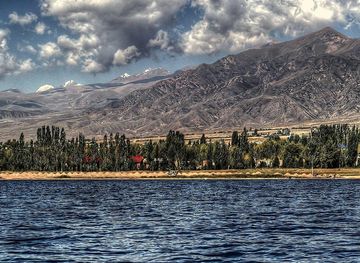
Discover Kyrgyzstan: A land of majestic mountains, nomadic traditions, and rich history in the heart of Central Asia.
Explore Kyrgyzstan