

Free Talas Region Travel Guide & Mobile App
Explore Talas Region with free travel guides. Discover regional history, expert tips, proposed trips, and audio guides on web or mobile app.


Talas Region combines the Manas epic, Aitmatov heritage, Besh-Tash hikes and welcoming mountain-valley landscapes in north-western Kyrgyzstan.
Read more about Talas Region
When is the best time to visit Talas Region?
Best: June, August–September · 23–29°C| Month | High (°C) | Rainfall (mm) |
|---|---|---|
| January | 0 | 21 |
| February | 2 | 18 |
| March | 9 | 26 |
| April | 16 | 35 |
| May | 22 | 38 |
| June (best) | 27 | 28 |
| July | 30 | 20 |
| August (best) | 29 | 18 |
| September (best) | 23 | 17 |
| October | 16 | 20 |
| November | 8 | 23 |
| December | 0 | 24 |
Getting to and around Talas Region
How to get there
Transportation
Destinations in Talas Region
Resorts, valleys and scenic spots worth a trip of their own.

Swipe for more destinations
Best attractions in Talas Region
Talas Region's attractions combine cultural heritage with mountain landscapes rather than a dense sequence of ticketed sights. Manas Ordo, outside Talas city, is the principal cultural destination, presenting the region's connection with the Manas epic through its mausoleum, monuments and commemorative spaces. Besh-Tash National Park offers a very different experience: its valley leads towards alpine scenery, coniferous woodland, streams and high pastures suited to hiking, horse riding and nature-focused travel. The route and facilities become increasingly basic as it enters the mountains. Visitors interested in literature can travel towards Sheker and the Chyngyz Aitmatov memorial museum, linking villages and landscapes with the writer's life and work. Talas city itself provides markets, everyday urban life and a base for arranging regional excursions. Rural roads reveal the valley's agricultural character, while seasonal pasture camps offer a glimpse of continuing livestock traditions when access is arranged respectfully. The region is not designed around large entertainment complexes; its appeal lies in cultural interpretation, open landscapes, local hospitality and the transition from irrigated lowland to high Tian Shan terrain.
-
Reservoir
Toktogul Reservoir
Explore the stunning Toktogul Reservoir in Kyrgyzstan, where serene waters meet majestic mountain landscapes for unforgettable outdoor adventures.
-
Museum
Talas Battle Monument
Explore the Talas Battle Monument in Pokrovka, a remarkable museum celebrating a pivotal moment in Central Asian history amidst stunning natural beauty.
-
National park
Besh-Tash State Nature National Park
Explore the breathtaking landscapes and rich biodiversity of Besh-Tash State Nature National Park in Kyrgyzstan, an outdoor paradise for nature lovers.


Best landmarks in Talas Region
The most recognisable cultural landmark in Talas Region is the mausoleum traditionally associated with Manas at Manas Ordo. Whether approached as a place of pilgrimage, a national symbol or an architectural monument, it anchors the region's relationship with the Manas epic and Kyrgyz historical memory. The wider complex adds monumental forms and landscaped grounds to the open valley setting. Besh-Tash Lake and the surrounding mountain valley form a natural landmark rather than a built one, with steep slopes, alpine terrain and seasonal changes defining the southern landscape. In Talas city, the urban fabric is less monumental but provides a useful point of reference for understanding the valley's contemporary administrative and commercial life. The Kyrgyz Ala-Too and Talas Alatau ranges are the region's dominant geographical landmarks, framing cultivated plains and pasture routes. The Aitmatov memorial sites around Sheker have particular literary significance, linking a recognisable local landscape with one of Kyrgyzstan's major modern cultural figures.
-
River
Talas
Explore the serene Talas River, a hidden gem in Kyrgyzstan offering stunning views, outdoor adventures, and a peaceful escape from the everyday hustle.
-
Museum
Talas Battle Monument
Discover the Talas Battle Monument in Pokrovka, a historical site honoring bravery and sacrifice amidst breathtaking landscapes.
-
Park
Manas Ordo
Explore the lush landscapes and rich heritage of Manas Ordo Park in Talas, a peaceful retreat honoring Kyrgyz history and culture.
-
National park
Besh-Tash State Nature National Park
Explore the breathtaking landscapes and diverse wildlife of Besh-Tash State Nature National Park, a natural haven in Kyrgyzstan for adventure and tranquility.


Explore Talas Region on the map
Plan your trip on one map. See where the top cities, national parks and sights are, and book hotels and experiences in a few clicks.
Best hotels in Talas Region
Best restaurants in Talas Region
Dining in Talas is rooted in Kyrgyz and wider Central Asian home cooking, with meat, wheat, dairy and seasonal produce prominent on many menus. Visitors can expect dishes such as beshbarmak, lagman, manti, plov, soups and fried breads, though recipes and preparation vary between households and establishments. Kumis and other fermented dairy drinks may be encountered in rural settings, while tea is a customary part of hospitality. Talas's agricultural valley supplies vegetables, grains and livestock, and bazaars are useful for fruit, bread, dried produce and snacks for mountain excursions. In the city, modest cafés and canteens provide the most dependable range of meals; village guesthouses and invited home meals offer a more personal introduction to local food customs. Dining becomes less formal and less predictable beyond Talas, so travellers with allergies or strict dietary requirements should explain them clearly and carry suitable provisions for remote journeys.
-
Restaurant
Restaurant "Talas"
Discover the authentic flavors of Kyrgyzstan at Restaurant Talas – where tradition meets modern cuisine in a cozy setting.
-
Coffee shop
Кофейня "Talas Daamy"
Experience the vibrant flavors of Talas at Кофейня 'Talas Daamy', your go-to spot for exquisite coffee, delectable pastries, and relaxing hookah.
-
Restaurant
Kafesi Izabella
Discover Kafesi Izabella in Karakol: where authentic Kyrgyz flavors meet cozy ambiance for an unforgettable dining experience.
-
Fish restaurant
Ketmen-tobe cafe
Experience authentic seafood dining at Ketmen-tobe Cafe in Toktogul – where fresh flavors meet warm hospitality.


Best bars in Talas Region
Evening life in Talas is relatively restrained and centres on cafés, restaurants, tea houses and traditional pubs rather than a large nightclub circuit. Talas city has the greatest choice of places to eat and socialise, while smaller settlements generally become quiet after the working day. Alcohol is available in some venues, but it is not necessary to participate in the region's social life; tea, conversation and shared meals are equally important. Live entertainment and celebrations may occur during local events or family occasions, although schedules are not consistently aimed at visitors. In rural areas and near Besh-Tash National Park, evenings are better suited to guesthouse meals, stargazing and conversation than late-night outings. Check locally for current opening arrangements because smaller businesses may operate seasonally or with irregular hours.
-
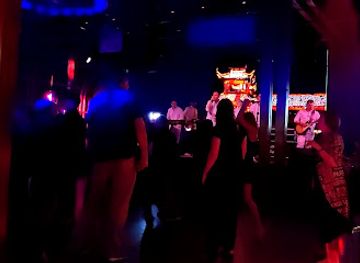
Karaoke bar
LiveBar Rooms
Discover the ultimate entertainment destination in Bishkek with karaoke, dining, and a vibrant nightlife experience at LiveBar Rooms.
-
Restaurant
Chaykhana Kanykey
Experience the authentic flavors of Kyrgyzstan at Chaykhana Kanykey, a must-visit restaurant in Talas for food lovers and cultural enthusiasts.
-
Restaurant
Baibol
Experience the heart of Kyrgyz cuisine at Baibol, a top restaurant in Talas offering local dishes and warm hospitality.
-
Restaurant
Bermet Grand Kholl
Experience the culinary brilliance of Bermet Grand Kholl in Talas, where local flavors meet international cuisine for an unforgettable dining experience.


Best nightclubs in Talas Region
Evening life in Talas is relatively restrained and centres on cafés, restaurants, tea houses and traditional pubs rather than a large nightclub circuit. Talas city has the greatest choice of places to eat and socialise, while smaller settlements generally become quiet after the working day. Alcohol is available in some venues, but it is not necessary to participate in the region's social life; tea, conversation and shared meals are equally important. Live entertainment and celebrations may occur during local events or family occasions, although schedules are not consistently aimed at visitors. In rural areas and near Besh-Tash National Park, evenings are better suited to guesthouse meals, stargazing and conversation than late-night outings. Check locally for current opening arrangements because smaller businesses may operate seasonally or with irregular hours.
-
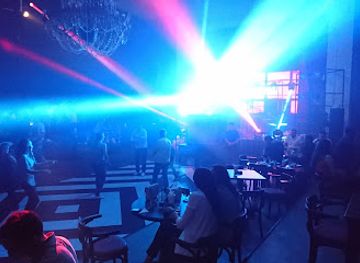
Night club
Promzona Club
Discover the vibrant nightlife at Promzona Club in Bishkek, where electrifying music and stunning ambiance create unforgettable experiences.
-
Bar
Metro Pub
Experience the vibrant nightlife at Metro Pub in Bishkek, where great drinks and lively atmosphere meet local culture.
-
River
Chychkan
Experience the breathtaking beauty of Chychkan River in Kyrgyzstan, a natural paradise for adventure seekers and relaxation enthusiasts alike.
-
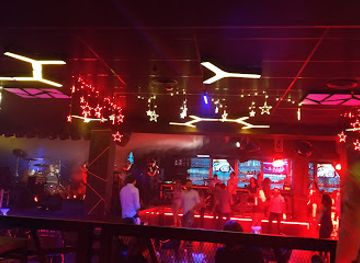
Night club
Suzie Wong
Suzie Wong: The ultimate night club experience in Bishkek, where vibrant music meets an electrifying atmosphere for unforgettable nights.

Best shops in Talas Region
Shopping in Talas is concentrated in the city bazaar, local shops and small market streets rather than large retail centres. The market is useful for bread, seasonal fruit and vegetables, dried produce, dairy products, nuts, clothing and practical supplies for journeys into the mountains. Visitors may also find locally made felt goods, embroidered items, wool products and small handicrafts, though selection varies and quality should be examined carefully. Kyrgyz honey, dried fruit and packaged regional foods can make practical gifts when bought from reputable sellers. Rural communities may offer dairy or craft products through guesthouses or personal introductions rather than permanent tourist shops. Bargaining may be possible in informal market settings, but it should remain courteous and proportionate. For a broader choice of international brands or specialist retail, Bishkek is better equipped; Talas's shopping character is primarily local, functional and connected to the agricultural valley.
-
Shopping mall
Talas central market
Discover the heart of Talas at its bustling central market, a lively hub of culture, cuisine, and local crafts.
-
Coffee shop
Кофейня "Talas Daamy"
Experience the rich flavors and vibrant atmosphere of Talas Daamy, Talas' premier coffee shop, pastry haven, and steak destination.
-
Shopping mall
Ordo
Explore Ordo in Talas, a vibrant shopping mall offering a diverse array of shops, dining options, and cultural experiences for every traveler.
-
Home goods store
Miray Magazin
Explore the unique offerings at Miray Magazin, a charming home goods store in Talas, showcasing local craftsmanship and culture.


Get your free copy of our complete guide to Talas Region, delivered straight to you.
Everything on this page, from attractions and restaurants to essentials and local phrases, in one PDF you can read offline, print or share.
Already have an account? Sign in
Your Talas Region guide is ready.
We'll send it to · Not you? Sign out

Getting your guide ready…
We are putting together a fresh copy of the Talas Region guide. This can take up to a minute.
This can take a few moments. If your browser asks, choose Allow so the download can start. You'll find the guide in your Downloads folder.
Nothing happened? Download it again
Sorry, the guide is taking longer than usual. Please try again in a minute, or get it by email instead.
Talas Region essentials
Currency and Payment
Safety
Emergency Situations
Do's and Don'ts
Local Tips
From Eve
Local phrases worth knowing
You don't need to get them perfect. A few words go a long way, and locals appreciate the effort.
Basics
| English | Local | Say it |
|---|---|---|
| Hello | Салам | [Salam] |
| Goodbye | Кош болуңуз | [Kosh boluñuz] |
| Yes | Ооба | [Ooba] |
| No | Жок | [Jok] |
| Please/You're welcome | Суранамын | [Suraanamyn] |
| Thank you | Рахмат | [Rakhmat] |
| Excuse me/Sorry | Кечиресиз | [Kechiresiz] |
| How are you? | Кандайсыңыз? | [Kandaysynyz?] |
| Fine. And you? | Жакшы. Эми сиз? | [Jaqshy. Emi siz?] |
| Do you speak English? | Сиз англисче сүйлөйсүзбү? | [Siz anglische süylöysüzbü?] |
| I don't understand | Мен түшүнбөйм | [Men tüshünböym] |
Eating & Drinking
| English | Local | Say it |
|---|---|---|
| I'd like to see the menu, please | Мен менюну көргүм келет, суранамын | [Men menyunu körgüm kelet, suraanamyn] |
| I don't eat meat | Мен эт жебейм | [Men et jebeim] |
| Cheers! | Саламаттык үчүн! | [Salamattyk üchün!] |
| I would like to pay, please | Мен төлөм кылгым келет, суранамын | [Men tölöm qylgım kelet, suraanamyn] |
Emergencies
| English | Local | Say it |
|---|---|---|
| Help! | Жардам бериңиз! | [Jardam beriñiz!] |
| Go away! | Жогол! | [Jolog!] |
| Call the Police! | Полицияга чал! | [Politsiyaga chal!] |
| Call a doctor! | Доктурга чал! | [Dokturga chal!] |
| I'm lost | Мен жоголдум | [Men jogoldum] |
| I'm ill | Мен ооруп жатам | [Men oorup jatam] |
Shopping
| English | Local | Say it |
|---|---|---|
| I'd like to buy... | Мен ... сатып алгым келет | [Men ... satıp algım kelet] |
| I'm just looking | Мен жөн гана карап жатам | [Men zhon gana karap jatam] |
| How much is it? | Бул канча турат? | [Bul kancha turat?] |
| That's too expensive | Бул өтө кымбат | [Bul öttö kymbat] |
| Can you lower the price? | Сиз бааны төмөндөтө аласызбы? | [Siz baany tömöndötö alasyzby?] |
Time & Numbers
| English | Local | Say it |
|---|---|---|
| What time is it? | Саат канча? | [Saat kancha?] |
| It's one o'clock | Бир саат | [Bir saat] |
| Half past (10) | Он бир жарым | [On bir zharım] |
| Morning | Таң | [Taŋ] |
| Afternoon | Түштүк | [Tüshtük] |
| Evening | Кечинде | [Kechinde] |
| Yesterday | Кечээ | [Keche] |
| Today | Бүгүн | [Bügün] |
| Tomorrow | Эртең | [Erteŋ] |
| 1 | Бир | [Bir] |
| 2 | Эки | [Eki] |
| 3 | Үч | [Üch] |
| 4 | Төрт | [Tört] |
| 5 | Беш | [Besh] |
| 6 | Алты | [Alty] |
| 7 | Жети | [Zheti] |
| 8 | Сегиз | [Segiz] |
| 9 | Тогуз | [Toguz] |
| 10 | Он | [On] |
Transport & Directions
| English | Local | Say it |
|---|---|---|
| Where's a/the...? | Кайда ...? | [Kaidа ...?] |
| What's the address? | Адреси кандай? | [Adresi kanday?] |
| Can you show me (on the map)? | Маған (картада) көрсөтө аласызбы? | [Mağan (kartada) körsötö alasyzby?] |
| When's the next (bus)? | Кийинки (автобус) качан? | [Kiyinki (avtobus) kachан?] |
| A ticket (to ....) | Билет (....га) | [Bilet (....ga)] |
History of Talas Region
Ancient Routes and Early Settlement
The Talas Valley has long been a corridor between the Inner Tian Shan, the Chu basin and Central Asian lands to the west. Seasonal pastoralism, farming and movement along mountain routes shaped settlement patterns before the modern Kyrgyz state. Archaeological remains in and around the valley, including burial sites and traces of earlier habitation, indicate that the region participated in the wider cultural exchanges of Central Asia. Its position did not make it a single, uniform political territory in antiquity, but it connected communities moving between high pastures and cultivated lowlands.
The Talas River and Medieval Central Asia
During the medieval period, the Talas Valley formed part of the political and commercial world linking the steppe with the towns and agricultural centres of Transoxiana. Turkic-speaking peoples, including ancestors of later Kyrgyz communities, became increasingly important across the wider region. The valley's rivers and irrigated lands supported agriculture, while mountain passages sustained pastoral mobility. The Battle of Talas in 751 took place in the broader Talas area and involved the Abbasid forces and Tang China, but its precise location is disputed and should not be confused with a clearly identified monument within today's Talas Region.
Kyrgyz Tribal Confederations and the Manas Tradition
Over subsequent centuries, Kyrgyz communities developed political, pastoral and cultural ties across the Tian Shan. The epic of Manas grew through oral performance, preserving stories of leadership, conflict, migration and communal values rather than functioning as a simple chronological history. Talas became especially associated with the Manas tradition, and the Manas Ordo complex now expresses that connection in a modern cultural and commemorative setting. The epic remains central to Kyrgyz cultural identity, with its language, characters and themes represented in national ceremonies, literature and public memory.
Russian Imperial Expansion and New Administration
In the nineteenth century, Russian imperial expansion altered political authority and administration across northern Kyrgyz lands, including the Talas Valley. New systems of taxation, settlement and land management affected nomadic routes and relations between pastoral communities and agricultural districts. Russian influence also strengthened links with larger administrative and trading centres beyond the valley. These changes formed part of a wider transformation across Central Asia, where imperial borders and institutions increasingly shaped patterns that had previously been more fluid.
Soviet Collectivisation and Irrigated Agriculture
Under Soviet rule, Talas was incorporated into a centrally planned economic system. Collectivisation changed pastoral life, while irrigation and agricultural planning expanded the cultivation of crops in the valley. Roads, schools, administrative settlements and social institutions were developed within the Soviet framework, leaving a visible legacy in the region's built environment and public organisation. The period also brought severe disruption to older economic practices and imposed state control over land, livestock and production. After independence, agriculture and livestock remained important to household livelihoods.
Chyngyz Aitmatov and Modern Kyrgyz Cultural Memory
The twentieth-century writer Chyngyz Aitmatov connected Kyrgyz settings and moral questions with readers across the Soviet Union and internationally. His family was linked to Sheker in Talas Region, and the area is closely associated with the landscapes remembered in his life and work. Aitmatov's legacy gives Talas a literary dimension alongside its Manas tradition: visitors can encounter a region represented not only through heroic epic, but also through novels and stories concerned with rural change, memory, responsibility and the relationship between people and nature.
Talas Region in Photos
Browse through our photo collection highlighting the charm and character of the destination.
Neighbouring regions of Talas Region
The closest regions to Talas Region, if you have time for more than one.
-

-

-

-

-


Swipe for more regions
Explore more
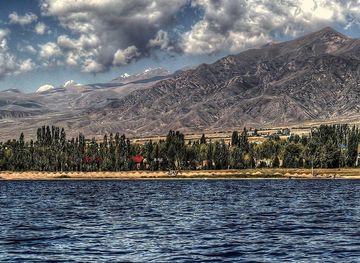
Explore more of Kyrgyzstan
Discover Kyrgyzstan: A land of majestic mountains, nomadic traditions, and rich history in the heart of Central Asia.
Explore Kyrgyzstan