

Free Chuy Valley Travel Guide & Mobile App
Explore Chuy Valley with free travel guides. Discover regional history, expert tips, proposed trips, and audio guides on web or mobile app.


Explore Kyrgyzstan’s Chuy Valley for Silk Road ruins, Bishkek culture, fertile plains and accessible mountain gorges beneath the Tian Shan.
When is the best time to visit Chuy Valley?
Best: May–June, September · 24–28°C| Month | High (°C) | Rainfall (mm) |
|---|---|---|
| January | 1 | 21 |
| February | 3 | 22 |
| March | 11 | 29 |
| April | 18 | 41 |
| May (best) | 24 | 49 |
| June (best) | 28 | 37 |
| July | 31 | 26 |
| August | 30 | 21 |
| September (best) | 24 | 23 |
| October | 16 | 31 |
| November | 7 | 26 |
| December | 3 | 24 |
Getting to and around Chuy Valley
How to get there
Transportation
Top city travel guides in Chuy Valley
The cities of Chuy Valley, and the easiest places to base yourself.
-

-

-

-


Swipe for more cities
Destinations in Chuy Valley
Resorts, valleys and scenic spots worth a trip of their own.

Swipe for more destinations
Best attractions in Chuy Valley
The Chuy Valley combines urban culture, Silk Road archaeology and accessible mountain landscapes. Bishkek’s museums, galleries, theatres, parks and public squares form the region’s principal cultural offering, while its markets and cafés provide a useful introduction to contemporary northern Kyrgyzstan. Near Tokmok, the Burana archaeological site brings together a medieval minaret, excavated remains and a collection of balbals in an open rural setting. The nearby ruins at Ak-Beshim offer a deeper, more fragmentary encounter with the valley’s early medieval history. South of Bishkek, Ala-Archa National Park is the region’s best-known outdoor destination, with forested lower valleys, rushing water and trails leading towards high mountain scenery. Chunkurchak and Issyk-Ata provide additional options for walking, picnicking and seasonal recreation, while the eastern Chuy Valley towards Kemin is better suited to visitors seeking quieter villages, open landscapes and mountain excursions. Because many attractions are dispersed, a thoughtful itinerary and reliable transport are more useful than trying to cover every site in a single day.
-
Shopping mall
GUM Chynar
Explore GUM Chynar in Bishkek for an unforgettable shopping experience blending local culture with modern retail.
-
Park
Kara-Jygach Park
Explore the lush landscapes and vibrant atmosphere of Kara-Jygach Park in Bishkek, a perfect escape for nature lovers and cultural enthusiasts alike.
-
Tourist attraction
Love Park
Discover the beauty of Love Park, a serene oasis in Bishkek featuring lush greenery, a picturesque lake, and a perfect spot for relaxation and recreation.
-
Tourist attraction
Botanical Garden
Explore the stunning flora and tranquil beauty of Bishkek's Botanical Garden, a perfect escape for nature lovers and tourists alike.


Best landmarks in Chuy Valley
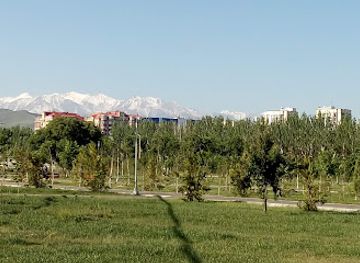
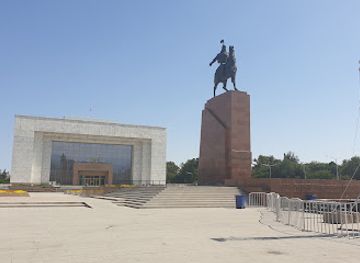
The Burana Tower is the Chuy Valley’s most recognisable historic landmark. Built as part of the medieval city of Balasagun, its surviving brick shaft rises from an archaeological complex containing foundations, museum displays and carved stone figures associated with the region’s Turkic past. The remains of Ak-Beshim, identified with Suyab, are less visually monumental but historically significant for understanding the valley’s role in early medieval trade and political life. In Bishkek, broad Soviet-era avenues, monumental public buildings and carefully planned green spaces form a distinctive twentieth-century urban landscape, while Ala-Too Square serves as the capital’s best-known civic space. Beyond the built environment, the snow-bound ridges and deeply cut valleys of the Kyrgyz Ala-Too provide the region’s defining natural landmarks. Ala-Archa’s mountain approaches are especially prominent, with spruce forests and rocky peaks creating a sharp visual contrast to the cultivated plain. The Burana archaeological setting and the mountain skyline together express the valley’s two enduring identities: a corridor of civilisations and a gateway to the Tian Shan.
-
Historical landmark
Ala Too Square
Ala Too Square in Bishkek: A vibrant historical landmark embodying Kyrgyz culture and history, ideal for relaxation and cultural experiences.
-
Market
Osh Bazaar
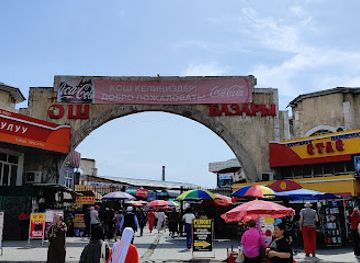
Discover the bustling energy and cultural richness of Osh Bazaar in Bishkek, a must-visit market for authentic Kyrgyz experiences.
-
Philharmonic hall
Toktogul Satylganov Philharmonic Hall
Discover the heart of Bishkek's cultural scene at Toktogul Satylganov Philharmonic Hall, where music and heritage harmoniously intertwine.
-
Park
Victory Park
Embrace the beauty and history of Victory Park, a serene escape in Bishkek, perfect for relaxation and cultural exploration.
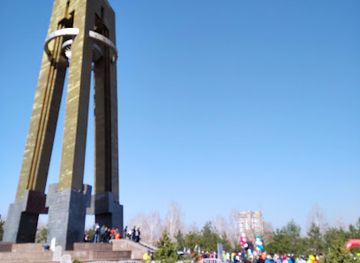
Explore Chuy Valley on the map
Plan your trip on one map. See where the top cities, national parks and sights are, and book hotels and experiences in a few clicks.
Best hotels in Chuy Valley
Best restaurants in Chuy Valley
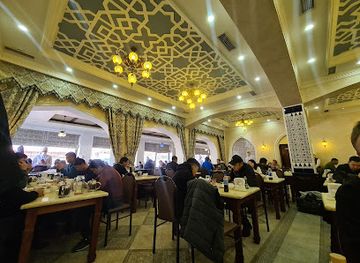
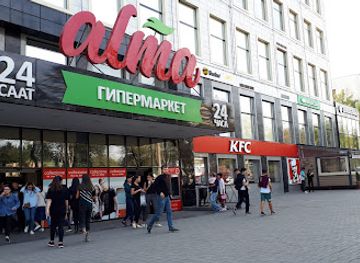
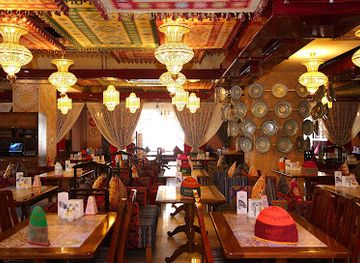
Dining in the Chuy Valley ranges from traditional teahouses and market stalls to modern restaurants concentrated in Bishkek. Regional and national staples include lagman, hand-pulled noodles served with vegetables and meat; manty, steamed dumplings; plov; samsa; shashlik; and large round breads from the tandoor. Bishkek’s food scene also reflects Dungan, Uyghur, Russian, Korean and other communities, resulting in a broader choice than visitors may expect from a mountain destination. Markets are useful for fruit, vegetables, nuts, dried fruit and dairy products from the irrigated valley, while roadside cafés serve filling meals on routes towards Tokmok and the gorges. In rural areas, menus can be limited and shared meals may be more traditional. Kumis and other fermented dairy drinks are part of Kyrgyz food culture, although tastes vary, and visitors should distinguish customary local products from universally available refreshments.
-
Cafe
Cafe Faiza
Discover authentic Kyrgyz flavors at Café Faiza in Bishkek - where tradition meets comfort.
-
Fast Food
KFC
Discover the flavors of fast food at KFC Ortosay City in Bishkek - where delicious meets convenience!
-
Asian
Чайхана NAVAT
Experience authentic Asian flavors at Чайхана NAVAT in Bishkek - where tradition meets taste in a cozy setting.
-
National park
Ala Archa National Park
Experience the breathtaking beauty of Ala Archa National Park – a stunning natural gem near Bishkek with diverse landscapes and adventurous trails.
Best bars in Chuy Valley
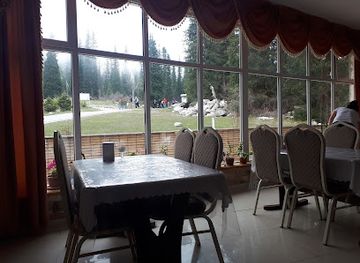
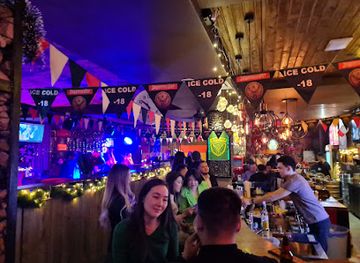
Nightlife in the Chuy Valley is concentrated overwhelmingly in Bishkek, where visitors find cafés open into the evening, cocktail bars, pubs, live-music spaces and a changing selection of late-night venues. The city’s central districts offer the widest choice, from informal places serving local beer and food to more contemporary bars with international menus. Tokmok and smaller valley towns have a quieter evening culture centred on cafés, restaurants and local gathering places rather than a substantial club scene. Outside the capital, traditional hospitality, homestays and evening meals are more characteristic than organised nightlife. Mountain resorts and recreation areas may have seasonal restaurants or leisure facilities, but visitors should not expect reliable late-night services once they leave the main urban centres. Alcohol is available in many venues, while Kyrgyzstan’s Muslim heritage also means that non-alcoholic tea, soft drinks and fermented dairy beverages remain important parts of social dining.
-
Night club
Promzona Club
Discover the pulse of Bishkek's nightlife at Promzona Club, where extraordinary music and unforgettable experiences await.
-
Bar
Metro Pub
Experience the vibrant nightlife of Bishkek at Metro Pub, where great drinks and lively music meet in a welcoming atmosphere.
-
Pub
Pinta Pub Frunze
Experience the vibrant nightlife of Bishkek at Pinta Pub Frunze, where great food and drinks meet a lively atmosphere.
-
Bar
Munchen pub
Experience the vibrant Bavarian atmosphere at Munchen Pub in Bishkek, a perfect blend of local culture and German hospitality.
Best nightclubs in Chuy Valley
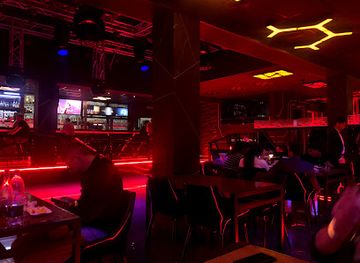
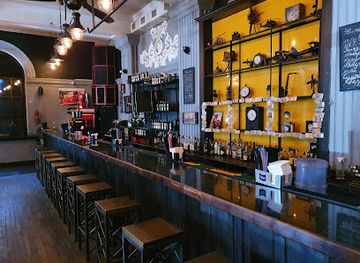
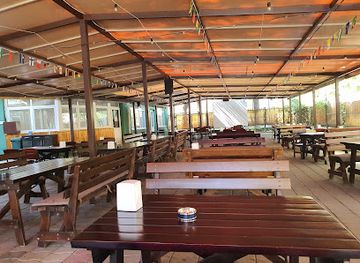
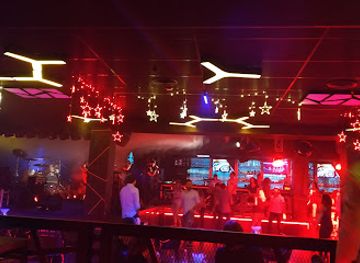
Nightlife in the Chuy Valley is concentrated overwhelmingly in Bishkek, where visitors find cafés open into the evening, cocktail bars, pubs, live-music spaces and a changing selection of late-night venues. The city’s central districts offer the widest choice, from informal places serving local beer and food to more contemporary bars with international menus. Tokmok and smaller valley towns have a quieter evening culture centred on cafés, restaurants and local gathering places rather than a substantial club scene. Outside the capital, traditional hospitality, homestays and evening meals are more characteristic than organised nightlife. Mountain resorts and recreation areas may have seasonal restaurants or leisure facilities, but visitors should not expect reliable late-night services once they leave the main urban centres. Alcohol is available in many venues, while Kyrgyzstan’s Muslim heritage also means that non-alcoholic tea, soft drinks and fermented dairy beverages remain important parts of social dining.
-
Night club
Promzona Club
Immerse yourself in the electrifying nightlife at Promzona Club, Bishkek's premier destination for dancing and entertainment.
-
Bar
Metro Pub
Experience Bishkek's vibrant nightlife at Metro Pub, where great drinks and a lively atmosphere await.
-
Bar
Munchen pub
Experience the vibrant nightlife of Bishkek at Munchen Pub, offering a diverse drink menu and a lively atmosphere for a memorable night out.
-
Bar
Center Bar
Experience the vibrant nightlife of Bishkek at Center Bar, a lively spot for dancing, dining, and unforgettable memories.


Best shops in Chuy Valley
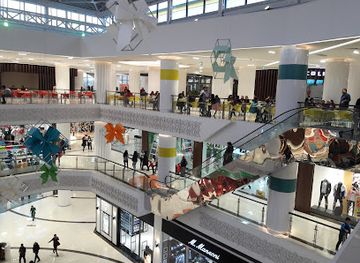
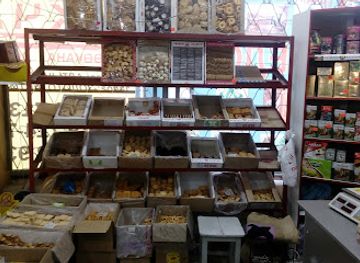
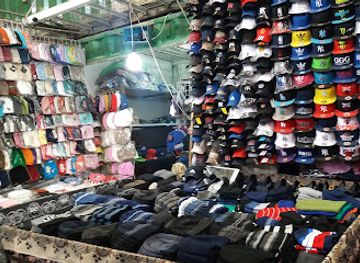
Bishkek is the Chuy Valley’s main shopping centre, with department stores, supermarkets, independent boutiques, bookshops, cafés and craft outlets spread through the central districts. Osh Bazaar is particularly useful for observing everyday commerce and buying dried fruit, nuts, spices, bread, textiles and other food products, although visitors should keep belongings secure in crowded areas and compare prices before purchasing. Smaller markets and high streets in Tokmok and other valley towns are more practical than decorative, offering household goods, clothing and locally produced food. Kyrgyz handicrafts commonly include felt work, embroidered textiles, woollen items, leather goods and ornaments inspired by traditional patterns; quality and provenance vary, so ask how an item was made. Regional produce such as honey, dried fruit, nuts and dairy products travels well when properly packaged. Shopping in the Chuy Valley is therefore strongest for food, practical crafts and locally made souvenirs rather than luxury retail.
-
Shopping mall
Asia Mall
Discover the vibrant shopping experience at Asia Mall in Bishkek, where local culture meets international brands, dining, and entertainment.
-
Market
Osh Bazaar
Explore Osh Bazaar in Bishkek – a vibrant market filled with spices, local crafts, and authentic Kyrgyz cuisine, perfect for every traveler.
-
Market
Dordoi Bazaar
Explore Dordoi Bazaar in Bishkek, a bustling hub of commerce, culture, and culinary delights that captures the essence of Kyrgyz life.
-
Shopping mall
ZUM Aichurok
Discover ZUM Aichurok, Bishkek's premier shopping mall offering a blend of local and international shopping, dining, and entertainment in a vibrant atmosphere.

Get your free copy of our complete guide to Chuy Valley, delivered straight to you.
Everything on this page, from attractions and restaurants to essentials and local phrases, in one PDF you can read offline, print or share.
Already have an account? Sign in
Your Chuy Valley guide is ready.
We'll send it to · Not you? Sign out

Getting your guide ready…
We are putting together a fresh copy of the Chuy Valley guide. This can take up to a minute.
This can take a few moments. If your browser asks, choose Allow so the download can start. You'll find the guide in your Downloads folder.
Nothing happened? Download it again
Sorry, the guide is taking longer than usual. Please try again in a minute, or get it by email instead.
Chuy Valley essentials
Currency and Payment
Safety
Emergency Situations
Do's and Don'ts
Local Tips
From Eve
Local phrases worth knowing
You don't need to get them perfect. A few words go a long way, and locals appreciate the effort.
Basics
| English | Local | Say it |
|---|---|---|
| Hello | Салам | [Salam] |
| Goodbye | Сау бол | [Sau bol] |
| Yes | Ооба | [Ooba] |
| No | Жок | [Jok] |
| Please/You’re welcome | Суранам | [Suranam] |
| Thank you | Рахмат | [Rahmat] |
| Excuse me/Sorry | Кечиресиз | [Kechiresiz] |
| How are you? | Кандайсың? | [Kandaysyng?] |
| Fine. And you? | Жакшы. Сен кандай? | [Jakshy. Sen kanday?] |
| Do you speak English? | Сен англисче сүйлөйсүңбү? | [Sen anglishe süylöyşünbü?] |
| I don't understand | Мен түшүнбөйм | [Men tüshünböyüm] |
Eating & Drinking
| English | Local | Say it |
|---|---|---|
| I’d like to see the menu, please | Мени менюну көрүүгө уруксат бериңиз | [Meni menyunu körüügä uruksat beriniz] |
| I don’t eat meat | Мен эт жебейм | [Men et jebeym] |
| Cheers! | Саламаттык үчүн! | [Salamattyk üchün!] |
| I would like to pay, please | Мен төлөөгө уруксат бериңиз | [Men tölöögä uruksat beriniz] |
Emergencies
| English | Local | Say it |
|---|---|---|
| Help! | Жардам! | [Jardam!] |
| Go away! | Кет! | [Ket!] |
| Call the Police! | Полиция чакыр! | [Politsiya chakıra!] |
| Call a doctor! | Доктор чакыр! | [Doktor chakıra!] |
| I’m lost | Мен жоголдум | [Men jogoldum] |
| I’m ill | Мен оорулумун | [Men oorulumun] |
Shopping
| English | Local | Say it |
|---|---|---|
| I’d like to buy... | Мен сатып алууну каалайм... | [Men satıp aluunı kaalaym...] |
| I’m just looking | Мен жөн гана карап жатам | [Men jön gana karap jhatam] |
| How much is it? | Бул канча турат? | [Bul kancha turat?] |
| That’s too expensive | Бул өтө кымбат | [Bul öttö kymbat] |
| Can you lower the price? | Баасын азайта аласызбы? | [Baasın azayta alasybı?] |
Time & Numbers
| English | Local | Say it |
|---|---|---|
| What time is it? | Саат канча? | [Saat kancha?] |
| It’s one o’clock | Биринчиси | [Birinchisi] |
| Half past (10) | Онго он беш | [Ongo on besh] |
| Morning | Таң | [Tang] |
| Afternoon | Түш | [Tüsh] |
| Evening | Кеч | [Kech] |
| Yesterday | Кечээ | [Kechée] |
| Today | Бүгүн | [Bügün] |
| Tomorrow | Эртең | [Erteng] |
| 1 | Бир | [Bir] |
| 2 | Эки | [Eki] |
| 3 | Үч | [Üch] |
| 4 | Төрт | [Tört] |
| 5 | Беш | [Besh] |
| 6 | Алты | [Alty] |
| 7 | Жети | [Jeti] |
| 8 | Сегиз | [Segiz] |
| 9 | Тогуз | [Toguz] |
| 10 | Он | [On] |
Transport & Directions
| English | Local | Say it |
|---|---|---|
| Where's a/the...? | Кайда...? | [Kayda...?] |
| What's the address? | Дарек кандай? | [Darek kanday?] |
| Can you show me (on the map)? | Маған көрсөтө аласызбы (картасында)? | [Mağan körsötö alasybı (kartasında)?] |
| When's the next (bus)? | Кийинки (автобус) качан? | [Kiyinki (avtobus) kachan?] |
| A ticket (to ....) | Билет (.... үчүн) | [Bilet (.... üchün)] |
History of Chuy Valley
Early settlement and the Chuy River corridor
The Chuy Valley has long been shaped by the meeting of irrigated agriculture, mobile pastoralism and routes across the Tian Shan. Communities used the valley’s watercourses and fertile soils while seasonal movement connected the basin with mountain pastures and steppe regions. Archaeological evidence from the wider valley records successive cultures rather than a single continuous political tradition. Its position between the Ferghana region, the Kazakh steppe and mountain passes made it a natural corridor for trade, migration and military movement across northern Central Asia.
Suyab and the Silk Road period
The ancient settlement of Ak-Beshim, near present-day Tokmok, is widely associated with Suyab, an important city on the routes linking China, Central Asia and the steppe. From the early medieval period, the area hosted merchants, religious communities and political authorities connected with the Western Turkic world and later powers. Excavations have revealed urban remains and religious structures, including evidence of the region’s cultural diversity. The site demonstrates that the Chuy Valley was not merely a passage between empires but also a place of substantial urban life.
Balasagun and the Karakhanid era
Near modern Tokmok, Balasagun became a major centre under the Karakhanids, the Turkic Muslim dynasty that ruled much of Central Asia from the tenth to the early thirteenth century. The Burana Tower is the most recognisable surviving monument of this period, although it was originally part of a larger mosque and urban complex. Balasagun is also associated with the scholar Yusuf Balasaguni, author of the eleventh-century work Kutadgu Bilig. The surviving ruins and stone figures around Burana provide a tangible link to the valley’s medieval Islamic and Turkic heritage.
Mongol and later Chagatai political worlds
The Chuy Valley experienced the upheavals that affected much of Central Asia after the Mongol conquests, when political authority and trade networks were reorganised across the region. Urban centres declined or changed function, while pastoral and agricultural communities continued to use the valley and its surrounding routes. Later, the area came within the orbit of Chagatai and other Central Asian political formations before the rise of the Kokand and Qing empires in neighbouring regions. The historical landscape therefore reflects repeated shifts in power rather than a single uninterrupted state tradition.
Russian imperial expansion and Pishpek
Russian military and administrative expansion reached the northern Tian Shan in the nineteenth century. The settlement of Pishpek, established around an earlier Kokand fortification, developed as a Russian imperial outpost and later a growing town. New administrative structures, migration from European Russia and changes in land use reshaped the valley’s economy and settlement pattern. Pishpek eventually became the urban predecessor of modern Bishkek. This period introduced infrastructure and political institutions that altered long-established relationships between valley agriculture, pastoral land and regional trade.
Soviet transformation of the valley
During the Soviet period, the Chuy Valley was incorporated into the Kyrgyz Soviet Socialist Republic and underwent extensive collectivisation, irrigation and industrial development. Bishkek, then known as Frunze, expanded as an administrative, educational and manufacturing centre with broad avenues and planned green spaces. Agriculture was reorganised around collective and state farms, while roads and railways improved links across northern Kyrgyzstan. Soviet modernisation brought literacy, technical institutions and urban growth, but also disrupted older landholding patterns and imposed centralised political and economic controls.
Independent Kyrgyzstan and contemporary Bishkek
Since Kyrgyzstan became independent in 1991, the Chuy Valley has remained the country’s principal political and economic centre. Bishkek has developed a diverse service economy, an active cultural scene and a growing hospitality sector, while the surrounding districts continue to depend on agriculture, trade and links with Kazakhstan. The region’s Soviet urban fabric now stands alongside independent Kyrgyz institutions, new businesses and renewed interest in archaeological and natural heritage. Contemporary travel through the valley reveals this layered history in its streets, markets, villages and mountain access roads.
Chuy Valley in Photos
Browse through our photo collection highlighting the charm and character of the destination.
Neighbouring regions of Chuy Valley
The closest regions to Chuy Valley, if you have time for more than one.
-

-

-

-

-


Swipe for more regions
Explore more
Explore more of Kyrgyzstan
Discover Kyrgyzstan: A land of majestic mountains, nomadic traditions, and rich history in the heart of Central Asia.
Explore Kyrgyzstan