

Free Bolaven Plateau Travel Guide & Mobile App
Explore Bolaven Plateau with free travel guides. Discover regional history, expert tips, proposed trips, and audio guides on web or mobile app.


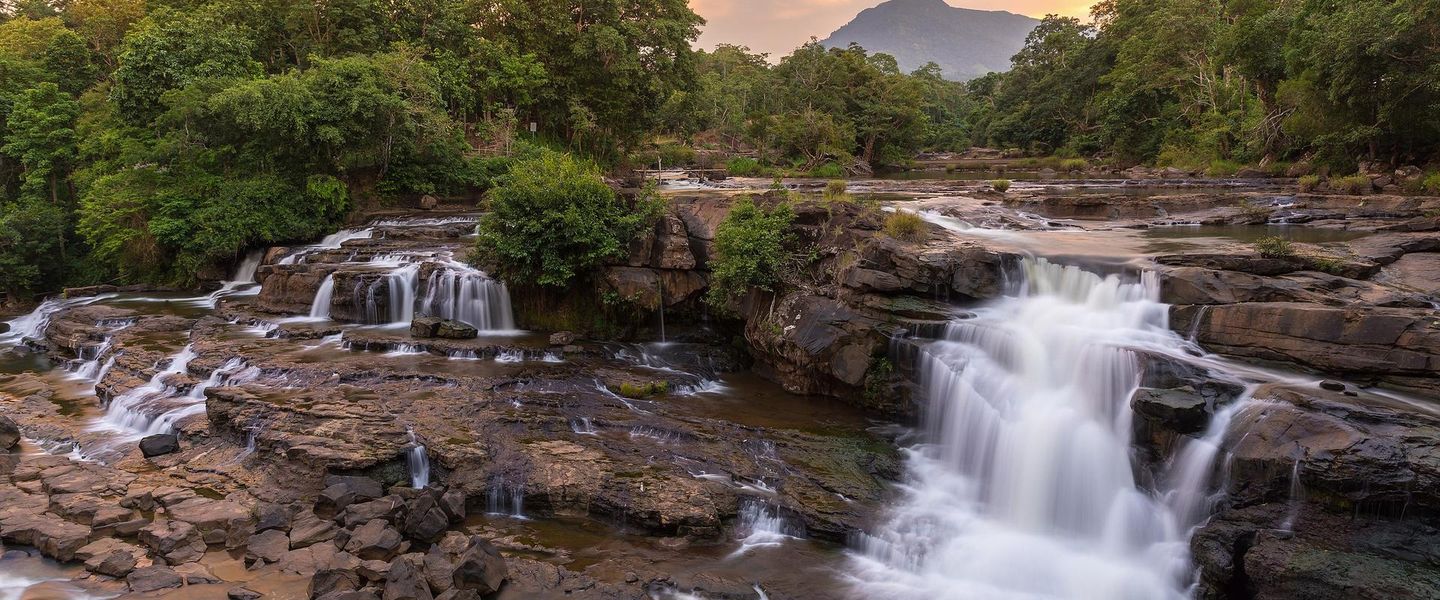


Explore Laos's Bolaven Plateau for cool highland air, dramatic waterfalls, coffee farms, forest roads and distinctive southern Lao communities.
Read more about Bolaven Plateau
When is the best time to visit Bolaven Plateau?
Best: December–February · 23–27°C| Month | High (°C) | Rainfall (mm) |
|---|---|---|
| January (best) | 25 | 10 |
| February (best) | 27 | 20 |
| March | 29 | 40 |
| April | 31 | 80 |
| May | 32 | 100 |
| June | 32 | 150 |
| July | 31 | 200 |
| August | 31 | 200 |
| September | 30 | 150 |
| October | 28 | 80 |
| November | 26 | 40 |
| December (best) | 23 | 20 |
Getting to and around Bolaven Plateau
How to get there
Transportation
Top city travel guides in Bolaven Plateau
The cities of Bolaven Plateau, and the easiest places to base yourself.
-

-


Swipe for more cities
Destinations in Bolaven Plateau
Resorts, valleys and scenic spots worth a trip of their own.
-

-

-

-


Swipe for more destinations
Best attractions in Bolaven Plateau
The Bolaven Plateau's attractions are closely tied to its terrain and rural economy. Waterfalls form the centrepiece: Tad Fane drops dramatically into a forested gorge, Tad Yuang is reached through a more developed visitor setting, and Tad Lo offers a river landscape associated with guesthouses and swimming areas. Other falls, including Tad E-Tu, can be incorporated into road journeys, although facilities and access vary. Around Paksong, coffee plantations, processing sites and cafés explain how Arabica and robusta are cultivated in the plateau's volcanic soils. Depending on the season and arrangement, visitors may see drying beds, roasting or smallholder production rather than a formal museum display. Forest walks, viewpoints and short rural excursions provide quieter alternatives to the principal falls, while village visits can introduce local architecture, farming and craft traditions when organised respectfully. The plateau also suits independent driving and guided motorbike circuits, but road quality and seasonal conditions are part of the experience. There are no large urban entertainment complexes; the appeal lies in combining several modest sites over a few days and observing how water, forest and agriculture shape highland life.
-
National park
Tad Gneuang Waterfall
Explore the stunning Tad Gneuang Waterfall in Paksong, a breathtaking natural attraction surrounded by lush landscapes and rich biodiversity.
-
Tourist attraction
Khone Phapheng Waterfall
Experience the awe-inspiring Khone Phapheng Waterfall, the largest waterfall in Southeast Asia, surrounded by lush landscapes and vibrant wildlife.
-
Buddhist temple
Wat Luang
Explore the tranquil beauty and rich culture of Wat Luang, a stunning Buddhist temple in Pakse, Laos, where spirituality meets breathtaking architecture.
-
Tourist attraction
Sae Pong Lai Waterfall
Discover the stunning beauty of Sae Pong Lai Waterfall, a natural wonder in Hinlat offering tranquility and breathtaking views for all nature lovers.


Best landmarks in Bolaven Plateau
The plateau's most recognisable landmarks are natural rather than monumental. Tad Fane is distinguished by twin cascades plunging into a deep, wooded ravine, making it one of the defining images of southern Laos. Tad Yuang combines a powerful fall with a comparatively accessible viewpoint and river setting, while Tad Lo is notable as a settled riverside landscape where the waterfall and surrounding village area form a familiar overnight stop. Paksong itself is the plateau's principal urban landmark in practical terms: its roads, coffee businesses and highland setting reflect the region's agricultural transformation. The volcanic escarpments and forested valleys west and south of Paksong provide the geographical frame for many viewpoints, though access should be treated as local and seasonal rather than assumed from a map. Coffee-drying structures, plantation landscapes and small processing facilities are less monumental but culturally significant, showing how a colonial-era crop became part of contemporary southern Lao identity. Because war debris remains in parts of the wider region, the landscape itself also carries a difficult historical marking that visitors should approach with caution and respect.
-
Tourist attraction
Kuang Si Waterfall
Experience the magic of Kuang Si Waterfall: turquoise pools, lush jungle, and a sanctuary for rescued bears near Luang Prabang.
-
National park
Tad Gneuang Waterfall
Discover the majestic Tad Gneuang Waterfall in Laos: a natural paradise offering stunning cascades and lush scenery in the heart of the Bolaven Plateau.
-
Archaeological site
Vat Phou
Explore Vat Phou, a UNESCO World Heritage Site in Laos, with ancient Khmer architecture, intricate carvings, and serene mountain views.
-
National park
Tad Fane Waterfall
Witness the majestic twin falls of Tad Fane, plunging into the heart of Laos' Bolaven Plateau. A natural wonder awaits!


Explore Bolaven Plateau on the map
Plan your trip on one map. See where the top cities, national parks and sights are, and book hotels and experiences in a few clicks.
Best hotels in Bolaven Plateau
Best restaurants in Bolaven Plateau
Dining on the Bolaven Plateau is modest and closely connected to local produce, roadside commerce and guesthouse hospitality. Small restaurants and food stalls serve southern Lao staples such as sticky rice, grilled meats, herb-filled dishes, soups and spicy salads, with menus varying according to availability. Fresh vegetables and coffee are particularly associated with the highland environment, while simple meals around waterfall areas are convenient but may be limited outside busy periods. Paksong has the widest choice of cafés and casual eateries, including places focused on locally grown coffee and basic Western-style refreshments. Around Tad Lo and other visitor stops, guesthouses commonly provide meals by arrangement. Lao coffee may be served strong, sweet and often with condensed milk, while farm visits offer a more agricultural perspective on the drink. Travellers with dietary restrictions should explain them clearly and carry suitable provisions for longer drives, as specialist options are uncommon in rural districts.
-
Laotian
Manda de Laos
Experience authentic Laotian cuisine at Manda de Laos in Luang Prabang – where tradition meets taste in a beautiful setting.
-
Restaurant
Bamboo Garden Restaurant
Discover authentic Lao cuisine in a tranquil garden setting at Bamboo Garden Restaurant in Luang Prabang.
-
Restaurant
BOUANG Asian Eatery
Discover authentic flavors at BOUANG Asian Eatery in Luang Prabang - where every dish tells a story of tradition and taste.
-
Italian
Dok Mai Lao Caffe' Restaurant
Experience authentic Italian flavors in the heart of Pakse at Dok Mai Lao Caffe', where delicious cuisine meets warm hospitality.


Best bars in Bolaven Plateau
Nightlife on the Bolaven Plateau is quiet and early-ending rather than club-oriented. In Paksong, cafés, small restaurants and guesthouse terraces provide places to drink Lao coffee, beer or soft drinks, but the town does not have a major late-night entertainment district. Around Tad Lo and the waterfall routes, evenings usually centre on guesthouse meals, conversation and the sounds of the river, with occasional informal music rather than scheduled nightlife. Some accommodations serve beer and simple mixed drinks, while local eateries may remain open for travellers arriving from the road. Visitors should not expect the range of bars found in Pakse, which lies outside the plateau and is the nearest larger urban nightlife centre. Rural darkness, limited transport and narrow roads make returning late from isolated sites impractical, so staying near the evening's destination is the sensible choice.
-
Restaurant
Sabaidee Valley Resort
Discover the charm of Pak Chong at Sabaidee Valley Resort, where delicious food, cozy stays, and unique souvenirs await.
-
Bar
Moonlight Lounge
Experience Vientiane's vibrant nightlife at Moonlight Lounge, a popular bar and nightclub offering drinks, hookah, and music in an energetic atmosphere.
-
Bar
The River Resort
Discover tranquility at The River Resort, a serene oasis in Champasak, Laos, offering luxurious amenities and stunning natural beauty.
-
Bar
Tipsy Elephant Vientiane Rooftop Lounge
Experience the vibrant nightlife of Vientiane at Tipsy Elephant Rooftop Lounge, where stunning views and exquisite cocktails await.


Best nightclubs in Bolaven Plateau
Nightlife on the Bolaven Plateau is quiet and early-ending rather than club-oriented. In Paksong, cafés, small restaurants and guesthouse terraces provide places to drink Lao coffee, beer or soft drinks, but the town does not have a major late-night entertainment district. Around Tad Lo and the waterfall routes, evenings usually centre on guesthouse meals, conversation and the sounds of the river, with occasional informal music rather than scheduled nightlife. Some accommodations serve beer and simple mixed drinks, while local eateries may remain open for travellers arriving from the road. Visitors should not expect the range of bars found in Pakse, which lies outside the plateau and is the nearest larger urban nightlife centre. Rural darkness, limited transport and narrow roads make returning late from isolated sites impractical, so staying near the evening's destination is the sensible choice.
-
Hotel
Dao Fa Hotel & club
Experience vibrant nightlife and local culture at Dao Fa Hotel & Club, a unique hub in the heart of Luang Prabang.
-
Night club
Club DPlus
Discover the nightlife of Vientiane at Club DPlus, the ultimate destination for dancing, drinks, and unforgettable entertainment.
-
Bar
Icon Klub
Discover Icon Klub in Luang Prabang for unique cocktails and a vibrant nightlife experience that showcases the charm of Laos.
-
Night club
Viva Pub
Discover Vang Vieng's nightlife at Viva Pub, a vibrant night club offering great music, drinks, and a lively atmosphere for tourists and locals alike.


Best shops in Bolaven Plateau
Shopping on the Bolaven Plateau is primarily about locally produced food and practical regional souvenirs rather than extensive retail. Paksong is the best place to look for roasted Bolaven coffee, with beans and ground coffee available from small producers, cooperatives, cafés and roadside sellers. Ask about roast date, origin and processing if quality matters, as packaging and consistency vary. Small markets and food stalls sell seasonal vegetables, fruit, herbs and other provisions, while guesthouses or village visits may offer locally made textiles and craft items depending on the community. Around waterfall routes, stalls generally focus on snacks, drinks and simple souvenirs rather than substantial handicrafts. There are no major shopping centres or concentrated designer areas on the plateau; visitors seeking a wider selection of packaged goods, handmade products or Lao souvenirs will find more choice in Pakse, outside the region. Buy directly and respectfully where possible, avoid purchasing archaeological objects or war remnants, and remember that agricultural products may be subject to transport or border restrictions.
-
Tourist attraction
Kuang Si Waterfall
Explore the stunning Kuang Si Waterfall in Laos, a paradise of turquoise pools and lush landscapes that beckon nature lovers and adventure seekers alike.
-
Shopping mall
Talat Sao Morning Market
Experience the vibrant culture and local flavors at Talat Sao Morning Market in Vientiane, where shopping and street food unite.
-
Night market
Vientiane Night Market
Discover the lively Vientiane Night Market, where local crafts, delicious street food, and vibrant culture await every evening in Laos.
-
National park
Tad Gneuang Waterfall
Experience the serene beauty of Tad Gneuang Waterfall, a stunning natural attraction in Laos surrounded by lush greenery and breathtaking landscapes.


Get your free copy of our complete guide to Bolaven Plateau, delivered straight to you.
Everything on this page, from attractions and restaurants to essentials and local phrases, in one PDF you can read offline, print or share.
Already have an account? Sign in
Your Bolaven Plateau guide is ready.
We'll send it to · Not you? Sign out

Getting your guide ready…
We are putting together a fresh copy of the Bolaven Plateau guide. This can take up to a minute.
This can take a few moments. If your browser asks, choose Allow so the download can start. You'll find the guide in your Downloads folder.
Nothing happened? Download it again
Sorry, the guide is taking longer than usual. Please try again in a minute, or get it by email instead.
Bolaven Plateau essentials
Currency and Payment
Safety
Emergency Situations
Do's and Don'ts
Local Tips
From Eve
Local phrases worth knowing
You don't need to get them perfect. A few words go a long way, and locals appreciate the effort.
Basics
| English | Local | Say it |
|---|---|---|
| Hello | ສະບາຍດີ | [Sabaidee] |
| Goodbye | ລາກໍ່ | [La kô] |
| Yes | ແມ່ນແລ້ວ | [Mén lɛ́] |
| No | ບໍ່ | [Bɔ̄] |
| Please/You’re welcome | ບໍ່ເປັນຫຍັງ | [Bɔ̄ pɛn nyāng] |
| Thank you | ຂອບໃຈ | [Khɔ̄p jai] |
| Excuse me/Sorry | ອະໄພ | [À phai] |
| How are you? | ເຈົ້າສະບາຍດີບໍ? | [Jao sabaidee bɔ̄?] |
| Fine. And you? | ດີ, ແລະເຈົ້າລະ? | [Dii, lae jao lɛ́?] |
| Do you speak English? | ເຈົ້າສຽງອັງກິດບໍ? | [Jao siang angkit bɔ̄?] |
| I don't understand | ຂໍໍ່ອອກແບບບໍ່ເຂົ້າໃຈ | [Khɔ̄ pɔ̄ ɔk bǣp bɔ̄ khàu jai] |
Eating & Drinking
| English | Local | Say it |
|---|---|---|
| I’d like to see the menu, please | ຂໍເບິ່ງເມນູດ້ວຍ | [Khɔ̄ bəng menu duāi] |
| I don't eat meat | ຂໍໍ່ບໍ່ກິນແຂງ | [Khɔ̄ pɔ̄ bɔ̄ kin khɛ̄ng] |
| Cheers! | ສະບາຍດີ! | [Sabaidee!] |
| I would like to pay, please | ຂໍ່ຈ່າຍບໍ່ | [Khɔ̄ jàai bɔ̄] |
Emergencies
| English | Local | Say it |
|---|---|---|
| Help! | ຊ່ອຍ! | [Sɔ̄i!] |
| Go away! | ໄປເຮັດອອກ! | [Pai hɛ̄t ɔk!] |
| Call the Police! | ໂທເອກຕະລັດ! | [Thō êk tàlát!] |
| Call a doctor! | ໂທແພດ! | [Thō phɛ̄t!] |
| I’m lost | ຂໍໍ່ສູນເສຍ | [Khɔ̄ pɔ̄ sǔn sǐa] |
| I’m ill | ຂໍໍ່ປ່ອນ | [Khɔ̄ pɔ̄ pɔ̄n] |
Shopping
| English | Local | Say it |
|---|---|---|
| I’d like to buy... | ຂໍເຊື່ອງ... | [Khɔ̄ sʉ̄ng...] |
| I’m just looking | ຂໍເບິ່ງພຽງແຕ່ | [Khɔ̄ bəng phiang tɛ̄] |
| How much is it? | ລາຄາເທົ່າໃດ? | [Lākhā thāo dai?] |
| That’s too expensive | ມັນແພ່ງເກີນໄປ | [Mán phɛ̄ng kɨ̄n pai] |
| Can you lower the price? | ເຈົ້າລົງລາຄາໄດ້ບໍ? | [Jao lōng lākhā dai bɔ̄?] |
Time & Numbers
| English | Local | Say it |
|---|---|---|
| What time is it? | ເວລາແມ່ນແບບໃດ? | [Vēlā mɛ̄n bǣp dai?] |
| It’s one o'clock | ເວລາເອັດເດີນ | [Vēlā ʔɛ́t dēn] |
| Half past (10) | ເວລາເປັນຊ່ອຍ (10) | [Vēlā pɛn sɔ̄i (10)] |
| Morning | ເຊົ້າ | [Sāo] |
| Afternoon | ຕອນແລງ | [Tɔ̄n lɛ̄ng] |
| Evening | ຕອນແລງ | [Tɔ̄n lɛ̄ng] |
| Yesterday | ມື້ວານ | [Mɨ̄ vāan] |
| Today | ມື້ນີ້ | [Mɨ̄ nī] |
| Tomorrow | ມື້ອາທິບາງ | [Mɨ̄ ʔāthɨ̄ bāng] |
| 1 | 1 | [1] |
| 2 | 2 | [2] |
| 3 | 3 | [3] |
| 4 | 4 | [4] |
| 5 | 5 | [5] |
| 6 | 6 | [6] |
| 7 | 7 | [7] |
| 8 | 8 | [8] |
| 9 | 9 | [9] |
| 10 | 10 | [10] |
Transport & Directions
| English | Local | Say it |
|---|---|---|
| Where's a/the...? | ເປັນທີ່ຢູ່ໃສ? | [Pɛn thī yū sai?] |
| What’s the address? | ທີ່ຢູ່ແມ່ນແບບໃດ? | [Thī yū mɛ̄n bǣp dai?] |
| Can you show me (on the map)? | ເຈົ້າສຽງແຜນສະດົມໃຫ້ຂໍ? | [Jao siang phɛ̄n sādom hāi khɔ̄?] |
| When’s the next (bus)? | ເວລາລົດແລງຊ່າງບໍ? | [Vēlā lót lɛ̄ng sàang bɔ̄?] |
| A ticket (to ....) | ປີ້ກັບສູນ... | [Pī kāp sǔn...] |
History of Bolaven Plateau
Highland Communities Before Colonial Rule
The Bolaven Plateau has long been home to several upland peoples, including Laven communities from whom the plateau takes its name, as well as Alak, Katu and Taoy groups. Their settlements, farming practices and ritual lives developed in relation to the plateau's forests, streams and fertile volcanic soils. Political authority was historically dispersed and varied between communities and lowland powers. This diversity remains important to the region's identity, although modern administration, roads, migration and commercial agriculture have changed settlement patterns.
French Colonial Development in Southern Laos
During the French colonial period, the plateau became increasingly connected to administrative centres in the Mekong lowlands. Colonial authorities and settlers recognised the highland climate and fertile basaltic soils as suitable for plantation crops, particularly coffee. Early cultivation was disrupted by war, disease and difficult transport, but the foundations of the plateau's later reputation as a coffee-producing area were established during this period. Roads and administrative links also tied the uplands more closely to the wider colonial economy.
Coffee, Plantations and Agricultural Change
Coffee became one of the Bolaven Plateau's defining agricultural products, with Arabica and robusta grown in different elevations and conditions. Production fluctuated through the twentieth century as plantations were abandoned, damaged or reorganised, then expanded again after the wars. Today, coffee is cultivated by smallholders, cooperatives and larger enterprises. The crop has brought income and new commercial connections, while also raising questions about land use, forest clearance, processing standards and the distribution of value between producers and buyers.
War and the Ho Chi Minh Trail Era
Southern Laos was drawn into the Indochina conflicts, and the wider plateau and its approaches experienced bombing, military movement and displacement. Routes through the southern highlands formed part of the complex logistical geography associated with the Ho Chi Minh Trail, although the trail was not a single road. The period left unexploded ordnance across parts of the region. Clearance has made selected roads and visitor sites safer, but contamination remains a serious reason to avoid unmarked areas and unaccompanied exploration.
The Lao People's Democratic Republic and Resettlement
After the Lao People's Democratic Republic was established in 1975, the plateau was incorporated into new national systems of administration, agricultural planning and infrastructure development. Roads improved access between Pakse, Paksong and other districts, while some communities experienced relocation or changes in land and forest management. State institutions, markets and education expanded, but the plateau remained relatively rural and less connected than Laos's principal lowland corridors.
Contemporary Coffee and Nature Tourism
Since the late twentieth century, coffee and waterfall tourism have become central to the plateau's contemporary economy. Producers and development organisations have promoted quality improvement, local processing and greater recognition for southern Lao coffee, while guesthouses and guiding services have grown around established routes. Tourism remains modest compared with Laos's major destinations, and its future depends on maintaining roads, protecting forests and waterways, respecting ethnic communities and ensuring that agricultural and visitor development does not erode the plateau's environmental character.
Bolaven Plateau in Photos
Browse through our photo collection highlighting the charm and character of the destination.
Neighbouring regions of Bolaven Plateau
The closest regions to Bolaven Plateau, if you have time for more than one.
-

-

-

-
-


Swipe for more regions
Explore more

Explore more of Laos
Discover Laos: A tranquil escape with breathtaking landscapes, rich culture, and warm hospitality. Perfect for adventure seekers and those craving serene beauty.
Explore Laos