

Free Si Phan Don (Four Thousand Islands) Travel Guide & Mobile App
Explore Si Phan Don (Four Thousand Islands) with free travel guides. Discover regional history, expert tips, proposed trips, and audio guides on web or mobile app.


Si Phan Don in southern Laos offers Mekong islands, waterfalls, cycling, village life and remnants of a French colonial railway.
Read more about Si Phan Don (Four Thousand Islands)
When is the best time to visit Si Phan Don (Four Thousand Islands)?
Best: December–February · 28–30°C| Month | High (°C) | Rainfall (mm) |
|---|---|---|
| January (best) | 28 | 2 |
| February (best) | 30 | 4 |
| March | 34 | 10 |
| April | 36 | 40 |
| May | 36 | 100 |
| June | 36 | 200 |
| July | 35 | 300 |
| August | 35 | 300 |
| September | 34 | 200 |
| October | 33 | 100 |
| November | 31 | 40 |
| December (best) | 29 | 10 |
Getting to and around Si Phan Don (Four Thousand Islands)
How to get there
Transportation
Best attractions in Si Phan Don (Four Thousand Islands)
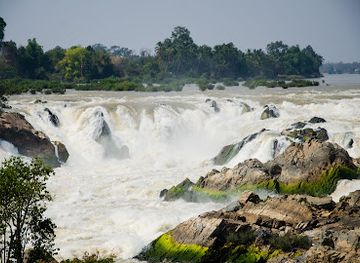
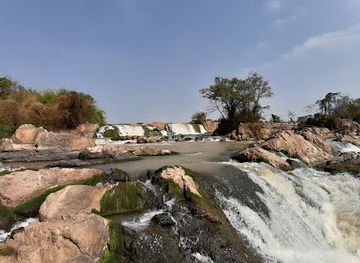
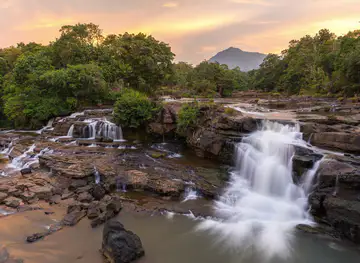
Si Phan Don’s attractions are primarily environmental, cultural and historical rather than concentrated in formal museums. On Don Khon, the rapids and cascades of Li Phi, or Tat Somphamit, are reached through a rural landscape of fields, palms and river channels, while the old railway corridor provides an unusual opportunity to combine scenery with colonial industrial history. Don Det offers easy cycling, riverside walks and boat trips, although its visitor infrastructure is denser than that of neighbouring islands. Don Khong is rewarding for slower exploration, with village roads, temples, farms and broad Mekong views. At the southern edge of the wider archipelago, Khone Phapheng is the region’s most powerful waterfall and an important expression of the river’s geological force. Fishing life, seasonal sandbanks and bird-rich wetlands add interest for visitors who travel without rushing. Swimming should never be treated casually around the falls and strong channels, and wildlife encounters, including sightings of rare river dolphins, are uncertain rather than guaranteed.
-
Waterfall
Khon Phapheng Falls
Explore Khon Phapheng Falls, Southeast Asia's largest waterfall, and witness the breathtaking beauty of nature in Laos.
-
Island
Don Det
Explore the serene beauty of Don Det Island, a hidden gem in Laos known for its stunning landscapes, vibrant culture, and tranquil ambiance.
-
Scenic spot
Si Phan Don
Discover the tranquil beauty of Si Phan Don, an enchanting archipelago in Laos where nature and culture blend seamlessly along the Mekong River.

Best landmarks in Si Phan Don (Four Thousand Islands)
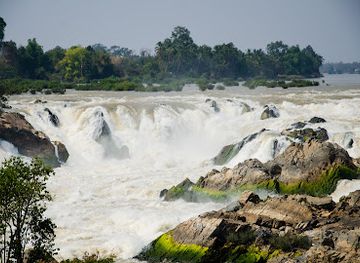
The Mekong itself is Si Phan Don’s defining landmark, dividing into channels around islands and accelerating towards the southern rapids. Khone Phapheng, at the southern edge of the wider archipelago, is the largest and most imposing natural landmark, while Li Phi or Tat Somphamit gives Don Khon a more intimate but equally forceful series of cascades. The most distinctive built landmarks are the remnants of the French-era railway on Don Khon and Don Det, including surviving track sections, embankments and the historic bridge linking the islands. These structures were designed to bypass the Mekong’s navigational barriers and show how colonial engineers tried to turn a broken water route into a functioning transport corridor. Don Khong’s village temples and traditional houses provide a different architectural register, rooted in Lao Buddhist and riverine life. Together, the falls, channels, railway remains and island settlements define a landscape in which natural power and human adaptation are inseparable.
-
Waterfall
Khon Phapheng Falls
Experience the raw power and stunning beauty of Khon Phapheng Falls, Southeast Asia's largest waterfall, where the Mekong River unleashes its fury.
-
Island
Don Det
Experience the tranquility and natural beauty of Don Det, a charming island in Laos, perfect for relaxation and adventure amidst the Mekong River.
-
Island
Don Khong
Discover Don Khong Island: A peaceful Mekong River paradise with temples, villages, and stunning natural beauty in southern Laos.
-
Scenic spot
Si Phan Don
Discover Si Phan Don, Laos: a tranquil archipelago with stunning waterfalls, Irrawaddy dolphins, and a laid-back island vibe.


Explore Si Phan Don (Four Thousand Islands) on the map
Plan your trip on one map. See where the top cities, national parks and sights are, and book hotels and experiences in a few clicks.
Best hotels in Si Phan Don (Four Thousand Islands)
Best restaurants in Si Phan Don (Four Thousand Islands)
Dining in Si Phan Don is informal and closely tied to Lao home cooking, river produce and the practical limitations of island supply chains. Small restaurants and guesthouse kitchens serve dishes such as sticky rice, laap, grilled fish, herb-filled soups, stir-fries and papaya salad, with recipes and levels of chilli varying between cooks. Freshwater fish is widely associated with the Mekong, while vegetables, rice and herbs form the everyday foundation of many meals. Don Det has the broadest choice of cafés and simple international food, whereas Don Khon and Don Khong tend towards local dishes, family-run eateries and guesthouse dining. Fruit shakes, Lao coffee and cold drinks are common in visitor areas, and markets or village stalls offer a more direct way to see local produce. Service is generally relaxed, and it is sensible to order early when eating away from the busiest settlements.
-
Noodle Shop
Emily's Noodle
Discover authentic Lao cuisine at Emily's Noodle in Khon Tai - where every bowl tells a delicious story.
-
 Guest house
Mama Leuah Guesthouse and Restaurant
Discover the charm of Laos at Mama Leuah Guesthouse and Restaurant – where comfort meets authentic culinary experiences.
-
Restaurant
Mama Tanon Guest House & Restaurant
Experience authentic Lao cuisine at Mama Tanon Guest House & Restaurant while enjoying stunning views of the Mekong River.
-
Italian
Mojo
Experience authentic Italian cuisine at Mojo in Khon Tai – where every dish tells a story of flavor and tradition.


Best bars in Si Phan Don (Four Thousand Islands)
Si Phan Don does not have a major nightclub culture; evenings are centred on riverside restaurants, small bars, guesthouse terraces and informal social spaces. Don Det has the greatest concentration of visitor-oriented venues, with music, drinks and sunset views, while Don Khon is generally quieter and more suited to low-key evenings. On Don Khong, nightlife is primarily local and subdued, with restaurants and village establishments rather than a dedicated entertainment district. Some venues may operate seasonally or change their arrangements, so visitors should not assume city-style opening hours. Respect for residents is particularly important on small islands: keep music and conversation at a considerate level, avoid disorderly behaviour, and remember that a river sunset, a modest meal or conversation with fellow travellers often defines the evening atmosphere more than organised entertainment.
-
Restaurant
Mama Leuah Guesthouse and Restaurant
Experience the best of Lao hospitality at Mama Leuah Guesthouse and Restaurant, where delicious cuisine meets cozy accommodations in beautiful Don Det.
-
Restaurant
Crazy Gecko
Experience the lively ambiance and delicious cuisine at Crazy Gecko, your go-to restaurant on Don Det's scenic sunrise side.
-
Bar
(For Rent) 4000 Island Bar
Experience the lively atmosphere and diverse cuisine at 4000 Island Bar, a perfect blend of relaxation and entertainment in Don Det.
-
Restaurant
NamFon Sunset Restaurant
Experience breathtaking sunsets and exquisite cuisine at the NamFon Sunset Restaurant along the picturesque Mekong River.


Best nightclubs in Si Phan Don (Four Thousand Islands)
Si Phan Don does not have a major nightclub culture; evenings are centred on riverside restaurants, small bars, guesthouse terraces and informal social spaces. Don Det has the greatest concentration of visitor-oriented venues, with music, drinks and sunset views, while Don Khon is generally quieter and more suited to low-key evenings. On Don Khong, nightlife is primarily local and subdued, with restaurants and village establishments rather than a dedicated entertainment district. Some venues may operate seasonally or change their arrangements, so visitors should not assume city-style opening hours. Respect for residents is particularly important on small islands: keep music and conversation at a considerate level, avoid disorderly behaviour, and remember that a river sunset, a modest meal or conversation with fellow travellers often defines the evening atmosphere more than organised entertainment.
-
Bar
(For Rent) 4000 Island Bar
Experience the lively atmosphere, diverse cuisine, and vibrant nightlife at 4000 Island Bar in Don Det, Laos.
-
Bar
Adams Bar and Restaurant
Discover the flavors of Laos at Adams Bar and Restaurant in Nakasong, where local cuisine meets a vibrant atmosphere.
-
Bar
Reggae Bar
Experience the vibrant atmosphere and local flavors at Reggae Bar in Nakasong, a lively destination for relaxation and entertainment.
-
Bar
One More Bar and Restaurant
Experience the vibrant atmosphere and delectable cuisine at One More Bar and Restaurant in Don Det, Nakasong, Laos.


Best shops in Si Phan Don (Four Thousand Islands)
Shopping in Si Phan Don is modest and local rather than centred on large retail streets. Don Det, Don Khon and Don Khong have small convenience shops, cafés, guesthouse outlets and stalls selling drinks, snacks, basic clothing and practical travel supplies. Village markets and food stalls are useful for fruit, vegetables, rice products and other everyday goods, although selection varies with the day and season. Visitors may find woven textiles, handmade items and locally produced food products, but should assess quality and provenance rather than assuming every souvenir is made on the islands. Lao coffee, spices, snacks and locally made textiles can make appropriate purchases when packaging and transport conditions permit. Carry reusable bags, avoid unnecessary plastic and remember that bargaining is not appropriate everywhere, particularly for inexpensive food or goods sold by small-scale vendors.
-
Jewelry store
Handicraft
Discover exquisite handcrafted jewelry and local artistry at Handicraft in South Don Det, a true gem for tourists seeking unique Laotian souvenirs.
-
Variety store
Mama Leurth Store
Explore unique local products and enjoy authentic Laotian snacks at Mama Leurth Store in Nakasong, a hidden gem for travelers.
-
Grocery store
Mini Mart
Explore local delights at Mini Mart, the charming grocery store in Houa Khong Lem, perfect for travelers seeking authentic flavors.
-
Beach entertainment shop
Mad Monkey Beach 420
Discover Mad Monkey Beach 420, a lively beach entertainment shop in Khon Tai, perfect for relaxation and exciting activities under the sun.


Get your free copy of our complete guide to Si Phan Don (Four Thousand Islands), delivered straight to you.
Everything on this page, from attractions and restaurants to essentials and local phrases, in one PDF you can read offline, print or share.
Already have an account? Sign in
Your Si Phan Don (Four Thousand Islands) guide is ready.
We'll send it to · Not you? Sign out

Getting your guide ready…
We are putting together a fresh copy of the Si Phan Don (Four Thousand Islands) guide. This can take up to a minute.
This can take a few moments. If your browser asks, choose Allow so the download can start. You'll find the guide in your Downloads folder.
Nothing happened? Download it again
Sorry, the guide is taking longer than usual. Please try again in a minute, or get it by email instead.
Si Phan Don (Four Thousand Islands) essentials
Currency and Payment
Safety
Emergency Situations
Do's and Don'ts
Local Tips
From Eve
Local phrases worth knowing
You don't need to get them perfect. A few words go a long way, and locals appreciate the effort.
Basics
| English | Local | Say it |
|---|---|---|
| Hello | ສະບາຍດີ | [sabaidee] |
| Goodbye | ລາຍບໍ່ | [laai bo] |
| Yes | ແມ່ນ | [maen] |
| No | ບໍ່ | [bo] |
| Please/You're welcome | ບຸນໃຈ | [bun jai] |
| Thank you | ຂອບໃຈ | [khob jai] |
| Excuse me/Sorry | ອະໄພ | [aphae] |
| How are you? | ສະບາຍດີບໍ? | [sabaidee bo?] |
| Fine. And you? | ສະບາຍດີ. ທ່ານລະ? | [sabaidee. than la?] |
| Do you speak English? | ທ່ານເວົ້າອັງກິດແມ່ນບໍ? | [than veao angkit maen bo?] |
| I don't understand | ຂໍອະໄພ, ຂໍອະໄພ | [khaw apai, khaw apai] |
Eating & Drinking
| English | Local | Say it |
|---|---|---|
| I'd like to see the menu, please | ຂໍເບິ່ງເມນູ່ດ້ວຍ | [khaw berng menu duai] |
| I don't eat meat | ຂໍບໍ່ກິນແບບ | [khaw bo kin bap] |
| Cheers! | ສະດອນສະດອນ! | [sadon sadon!] |
| I would like to pay, please | ຂໍເອົາເງິນ | [khaw ao ngin] |
Emergencies
| English | Local | Say it |
|---|---|---|
| Help! | ຊ່ອຍ! | [choy!] |
| Go away! | ໄປເດີນ! | [pai dern!] |
| Call the Police! | ເອົາໂທແອກກອດ! | [ao tho aek kot!] |
| Call a doctor! | ເອົາໂທແອກຄົນ! | [ao tho aek khon!] |
| I'm lost | ຂໍສູນສາ | [khaw sun sa] |
| I'm ill | ຂໍປ່ອນ | [khaw pon] |
Shopping
| English | Local | Say it |
|---|---|---|
| I'd like to buy... | ຂໍເອົາ... | [khaw ao...] |
| I'm just looking | ຂໍເບິ່ງບໍ່ກິນ | [khaw berng bo kin] |
| How much is it? | ລາຄາເທົ່າໃດ? | [lakha thao dai?] |
| That's too expensive | ແມ່ນສູນເລີຍ | [maen sun leuy] |
| Can you lower the price? | ບອກໃຫ້ລົດລາຄາໄດ້ບໍ? | [bok hai lod lakha dai bo?] |
Time & Numbers
| English | Local | Say it |
|---|---|---|
| What time is it? | ເວລາໃສ? | [wela sai?] |
| It's one o'clock | ແມ່ນໜຶ່ງເວລາ | [maen nueng wela] |
| Half past (10) | ເວລາສິບສອງ | [wela sip song] |
| Morning | ເຊົ້າ | [sao] |
| Afternoon | ບ່າຍ | [bai] |
| Evening | ຕອນແລງ | [ton laeng] |
| Yesterday | ມື້ວານ | [mue wan] |
| Today | ມື້ນີ້ | [mue ni] |
| Tomorrow | ມື້ອະນາຄັດ | [mue anakhad] |
| 1 | 1 | [1] |
| 2 | 2 | [2] |
| 3 | 3 | [3] |
| 4 | 4 | [4] |
| 5 | 5 | [5] |
| 6 | 6 | [6] |
| 7 | 7 | [7] |
| 8 | 8 | [8] |
| 9 | 9 | [9] |
| 10 | 10 | [10] |
Transport & Directions
| English | Local | Say it |
|---|---|---|
| Where's a/the...? | ໄປໃສ? | [pai sai?] |
| What's the address? | ທີ່ຢູ່ໃສ? | [ti yu sai?] |
| Can you show me (on the map)? | ບອກໃຫ້ຂໍແບບ? | [bok hai khaw baep?] |
| When's the next (bus)? | ເວລາຄັດໄປ? | [wela khat pai?] |
| A ticket (to ....) | ບັດລົດເຖິງ... | [bat lot thueng...] |
History of Si Phan Don (Four Thousand Islands)
Mekong settlement and the wider Lan Xang world
The islands developed within the long-established cultural landscape of the Mekong basin, where river travel, fishing, rice cultivation and religious networks connected communities across what is now southern Laos. Si Phan Don was not an isolated frontier: it occupied a strategic waterway linking settlements in the Champasak area with territories further south. Buddhist practice, village organisation and agricultural life were shaped by these connections, although the surviving landscape reveals gradual local development rather than a single founding event.
Champasak and regional Buddhist culture
For centuries, the Si Phan Don area was linked to the political and religious centre of Champasak, one of the important historical regions of southern Laos. Royal and monastic networks helped sustain temples, local authority and trade along the Mekong. The islands’ present-day wats and village traditions belong to this broader Lao cultural setting. Their architecture is generally modest compared with major monuments elsewhere in Laos, but temples remain important places for community life, festivals and merit-making.
French colonial expansion in southern Laos
France incorporated Laos into French Indochina during the late nineteenth century, and the Mekong became part of a colonial project aimed at administration and regional commerce. The rapids in Si Phan Don obstructed continuous navigation, limiting the river’s usefulness as a transport route. Colonial officials and engineers therefore surveyed the islands and developed infrastructure intended to bypass the major navigational obstacles. The resulting railway and port works altered the local economy while leaving a lasting physical imprint on Don Khon and Don Det.
The Don Khon–Don Det railway
A narrow-gauge railway was built across parts of the islands to move cargo and boats around the rapids. It formed part of a French effort to maintain transport along the Mekong, using rail where direct navigation was impossible. The line was never a conventional passenger railway linking major cities, but it served a practical colonial logistics system. Tracks, embankments, bridges and remnants of loading facilities can still be seen, making the islands an unusual example of railway heritage in mainland Southeast Asia.
War, independence and the end of colonial infrastructure
The twentieth century brought the end of French rule, the creation of an independent Laos and the wider conflicts that affected the country. Remote riverside infrastructure became less central as transport patterns changed and the railway eventually ceased to operate. The old line’s decline reflects a broader shift from colonial river logistics to road-based national networks. Today, the surviving structures are valued less for their former commercial function than for what they reveal about the ambitions and limitations of colonial transport planning.
Contemporary island life and sustainable tourism
In recent decades, Si Phan Don has become one of southern Laos’s best-known visitor regions, while remaining dependent on fishing, farming and small-scale commerce. Tourism has brought guesthouses, cafés, boat trips and improved road access, especially on Don Det, Don Khon and Don Khong. The change has also raised familiar pressures concerning waste, water use, shoreline development and the protection of river habitats. The region’s future depends on balancing visitor income with the ecological and cultural importance of the Mekong.
Si Phan Don (Four Thousand Islands) in Photos
Browse through our photo collection highlighting the charm and character of the destination.
Neighbouring regions of Si Phan Don (Four Thousand Islands)
The closest regions to Si Phan Don (Four Thousand Islands), if you have time for more than one.
-

-
-

-
-


Swipe for more regions
Explore more

Explore more of Laos
Discover Laos: A tranquil escape with breathtaking landscapes, rich culture, and warm hospitality. Perfect for adventure seekers and those craving serene beauty.
Explore Laos