

Free Southern Laos Travel Guide & Mobile App
Explore Southern Laos with free travel guides. Discover regional history, expert tips, proposed trips, and audio guides on web or mobile app.


Explore Southern Laos for Mekong islands, Wat Phou, Bolaven Plateau waterfalls, coffee farms and slower journeys through the country's southwest.
Read more about Southern Laos
When is the best time to visit Southern Laos?
Best: December–February · 27–29°C| Month | High (°C) | Rainfall (mm) |
|---|---|---|
| January (best) | 27 | 10 |
| February (best) | 29 | 15 |
| March | 32 | 25 |
| April | 34 | 45 |
| May | 35 | 85 |
| June | 33 | 150 |
| July | 32 | 160 |
| August | 32 | 150 |
| September | 31 | 120 |
| October | 30 | 80 |
| November | 28 | 30 |
| December (best) | 27 | 10 |
Getting to and around Southern Laos
How to get there
Transportation
Top city travel guides in Southern Laos
The cities of Southern Laos, and the easiest places to base yourself.
-

-

-


Swipe for more cities
Destinations in Southern Laos
Resorts, valleys and scenic spots worth a trip of their own.
-

-

-

-

-


Swipe for more destinations
Best attractions in Southern Laos
Southern Laos combines archaeological, natural and everyday cultural attractions across a large area. Wat Phou and its associated landscape near Champasak provide the region's most important ancient monument, while Pakse offers museums, temples and a useful base for excursions. The Bolaven Plateau is known for volcanic scenery, coffee farms and waterfalls such as Tad Fane and Tad Yuang; around Tad Lo, river walks and village surroundings provide a quieter highland experience. In Si Phan Don, the Mekong widens into islands, sandbanks and channels suited to cycling, boat trips and slow exploration, with Don Khon associated with remnants of the former French-era railway and nearby rapids. Wildlife and forest experiences are possible in protected areas including parts of Xe Pian, though access and guiding arrangements require care. The eastern provinces of Sekong and Attapeu offer mountain landscapes and culturally diverse rural communities, but facilities are more limited and journeys take longer. Throughout the region, waterfalls, temples, markets and working farms are best understood as part of living landscapes rather than isolated sightseeing stops.
-
Park
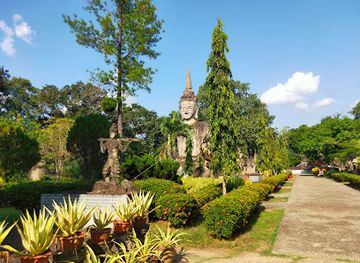
Sala Keo Kou
Explore the enchanting Sala Keo Kou, a unique park in Nong Khai filled with artistic sculptures and serene landscapes perfect for a tranquil escape.
-
Buddhist temple
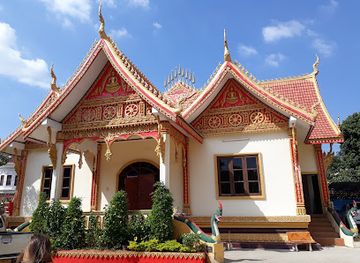
Wat Si Muang
Discover the serene beauty of Wat Si Muang, a sacred Buddhist temple in Vientiane, where spirituality meets rich cultural heritage.
-
Buddhist temple
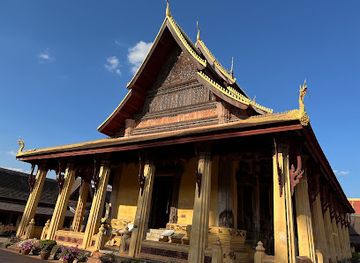
Wat Sisaket
Discover the tranquil beauty of Wat Sisaket, Vientiane's oldest temple, adorned with thousands of Buddha statues and rich in Laotian heritage.
-
National park
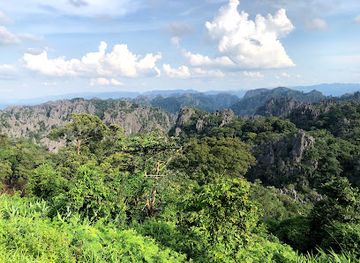
Phou Hin Poun National Bio-Diversity Conservation Area
Discover the enchanting landscapes and rich biodiversity of Phou Hin Poun National Bio-Diversity Conservation Area in Laos, a true gem for nature lovers.
Best landmarks in Southern Laos
Wat Phou is southern Laos's defining historic landmark: its stone sanctuary, causeway and reservoirs rise towards Phou Kao and preserve the layout of a major Khmer-period religious centre later used by Buddhists. In Pakse, the Lao-Nippon Bridge crosses the Mekong and is a prominent piece of modern infrastructure connecting the city with the southern districts, while the town's temples and colonial-era civic fabric reflect its development as a regional administrative centre. The Mekong landscape around Si Phan Don is itself a major geographical landmark, particularly where channels, islands and rapids converge near Don Khon and the Khone Phapheng area. On the Bolaven Plateau, the twin drops of Tad Fane and the broad cascade of Tad Yuang are among the south's most recognisable natural features. The remains of the old railway infrastructure on Don Khon recall the French attempt to bypass Mekong rapids and move goods along the river system. Because water levels, access paths and viewpoints change seasonally, visitors should follow local safety advice at waterfalls and rapids.
-
Tourist attraction
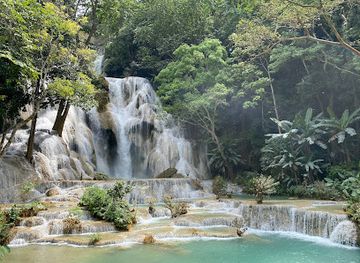
Kuang Si Waterfall
Experience the magic of Kuang Si Waterfall: turquoise pools, lush jungle, and a refreshing escape near Luang Prabang.
-
Monument
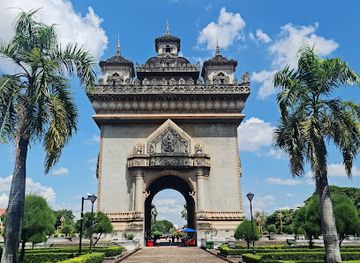
Patuxay - Victory Monument
Explore Patuxay, Vientiane's iconic Victory Monument, blending French inspiration with Laotian artistry. Climb for panoramic views and cultural immersion.
-
Buddhist temple
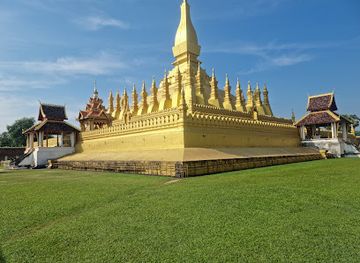
Pha That Luang Vientiane
Discover Laos' most sacred monument, a gleaming golden stupa with a rich history and cultural significance, in the heart of Vientiane.
-
Buddhist temple
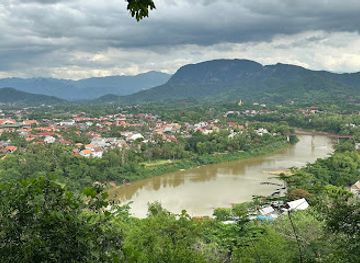
Phousi Hill
Discover panoramic views and ancient temples atop Luang Prabang's sacred Phousi Hill, a cultural and spiritual landmark offering unforgettable sunsets.
Explore Southern Laos on the map
Plan your trip on one map. See where the top cities, national parks and sights are, and book hotels and experiences in a few clicks.
Best hotels in Southern Laos
Best restaurants in Southern Laos
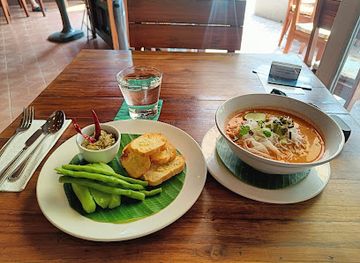
Pakse has the widest choice of Lao, Vietnamese, Thai and international food in southern Laos, while smaller towns and the islands concentrate on family-run restaurants, cafés and simple riverside kitchens. Regional meals commonly feature sticky rice, grilled river fish, herbs, aubergine, bamboo shoots and pungent jeow, with fermented ingredients used according to local tradition. Mekong fish and freshwater produce are especially common in lowland areas, while the Bolaven Plateau supplies coffee, vegetables, fruit and other agricultural products. Look for noodle soups, grilled meats, laap and seasonal market dishes rather than expecting a single dish exclusive to the south. Coffee grown around Paksong is served in cafés and is also sold as beans or ground coffee. On Don Det, Don Khon and other islands, menus often combine Lao staples with traveller-oriented dishes, whereas rural markets offer the clearest view of local cooking. Food hygiene standards vary, so choose busy stalls where ingredients are turned over quickly and drink treated or sealed water.
-
Laotian
Manda de Laos
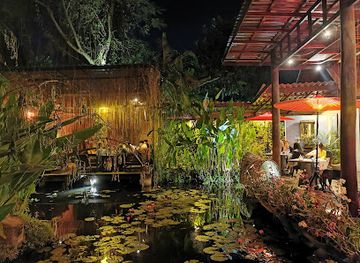
Experience authentic Laotian cuisine amidst serene surroundings at Manda de Laos in Luang Prabang.
-
Restaurant
BOUANG Asian Eatery
Experience authentic Lao cuisine at BOUANG Asian Eatery in Luang Prabang - where every bite tells a story.
-
Family-friendly
Two Little Birds Cafe
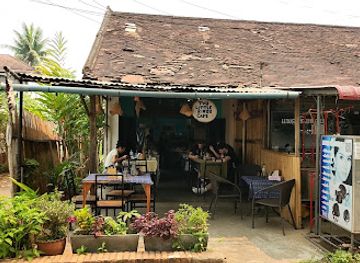
Discover the perfect blend of Lao flavors and Western favorites at Two Little Birds Cafe in Luang Prabang - A family-friendly dining experience.
-
Laotian
Khaiphaen
Experience authentic Laotian cuisine at Khaiphaen in Luang Prabang - where tradition meets taste.

Best bars in Southern Laos
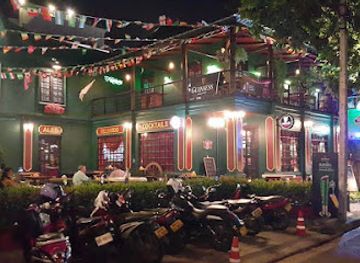
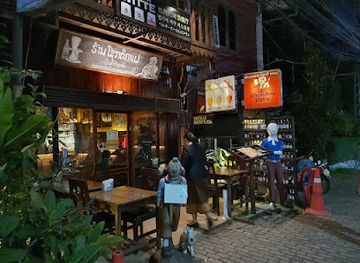
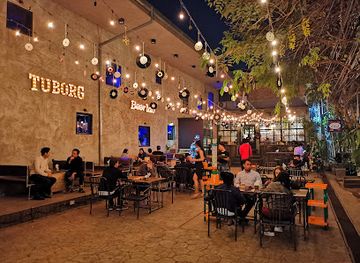
Nightlife in southern Laos is generally low-key and centred on food, conversation and river views rather than large clubs. Pakse has the broadest evening selection, including Lao beer gardens, hotel bars, cafés and restaurants, with occasional live music and later activity than in the provinces. In Champasak and on the Mekong islands, evenings usually revolve around riverside eateries, small guesthouse bars and informal social spaces; Don Det has the most established backpacker-oriented nightlife in the region, though its character and operating arrangements can change. Plateau towns such as Paksong and Tad Lo are quieter, with local restaurants and guesthouse settings rather than a substantial bar scene. Beer Lao is widely available, but visitors should drink responsibly and take extra care around rivers, roads and poorly lit paths after dark. There is no need to treat alcohol as central to experiencing the region's evening culture.
-
Irish pub
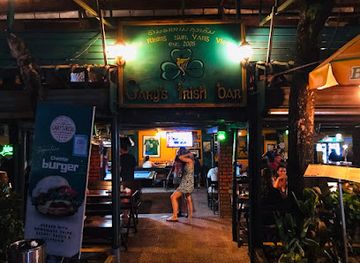
Gary's Irish Bar - The Rising Sun
Discover Gary's Irish Bar - The Rising Sun in Vang Vieng, where Irish charm meets local culture in a vibrant pub atmosphere.
-
Irish pub
Tully's Irish Pub
Immerse yourself in the vibrant atmosphere of Tully's Irish Pub, where Irish culture meets Laotian charm in the heart of Vientiane.
-
Belgian
Chokdee Café Belgian Beer Bar
Explore the best of Belgian cuisine and craft beers at Chokdee Café in Vientiane, Laos, a true culinary haven for food lovers.
-
Bar
Go Dunk
Experience the vibrant nightlife of Vientiane at Go Dunk, a lively bar featuring live music and a delightful drink selection.
Best nightclubs in Southern Laos
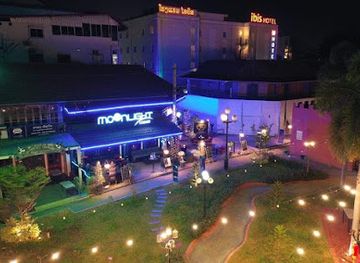
Nightlife in southern Laos is generally low-key and centred on food, conversation and river views rather than large clubs. Pakse has the broadest evening selection, including Lao beer gardens, hotel bars, cafés and restaurants, with occasional live music and later activity than in the provinces. In Champasak and on the Mekong islands, evenings usually revolve around riverside eateries, small guesthouse bars and informal social spaces; Don Det has the most established backpacker-oriented nightlife in the region, though its character and operating arrangements can change. Plateau towns such as Paksong and Tad Lo are quieter, with local restaurants and guesthouse settings rather than a substantial bar scene. Beer Lao is widely available, but visitors should drink responsibly and take extra care around rivers, roads and poorly lit paths after dark. There is no need to treat alcohol as central to experiencing the region's evening culture.
-
Bar
Moonlight Lounge
Experience the vibrant nightlife of Vientiane at Moonlight Lounge, where delicious cuisine meets an energetic atmosphere for unforgettable evenings.
-
Bar
CCC Bar & Club Vientiane
Discover the exciting nightlife at CCC Bar & Club Vientiane, where vibrant music meets a fantastic drink selection for an unforgettable evening.
-
Night club
Club DPlus
Dive into Vientiane's vibrant nightlife at Club DPlus, where music, dancing, and unforgettable moments await.
-
Bar
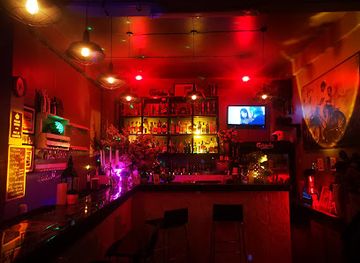
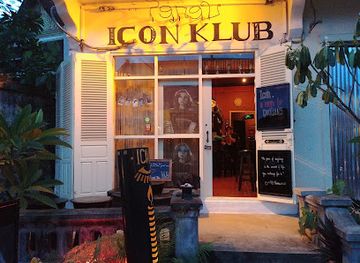
Icon Klub
Discover Icon Klub in Luang Prabang – a vibrant bar offering delicious cocktails, friendly service, and a lively atmosphere for an unforgettable night out.

Best shops in Southern Laos
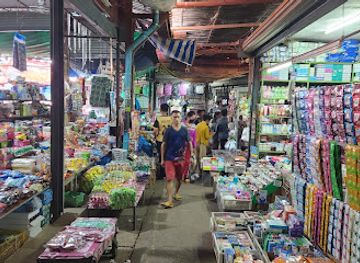
Pakse is the region's principal shopping centre, with markets and small specialist shops selling Lao food products, household goods, textiles and practical travel supplies. Dao Heuang Market is particularly associated with fresh produce and regional trade, although the selection and presentation change throughout the day. Bolaven coffee is the most distinctive purchase from the plateau, available as beans, ground coffee and packaged gifts in Paksong and Pakse; check labels and buy from established producers when provenance matters. Markets in Champasak, Salavan, Sekong and Attapeu are useful for seasonal fruit, herbs, woven goods and everyday local foods rather than polished souvenir collections. On the Mekong islands, small shops stock crafts, snacks and clothing aimed at visitors, but choice is limited compared with Pakse. Lao textiles, baskets and locally made handicrafts can make meaningful purchases when bought respectfully and without assuming that every item represents a single ethnic tradition. Bargaining should be courteous and modest, especially with small producers.
-
Night market
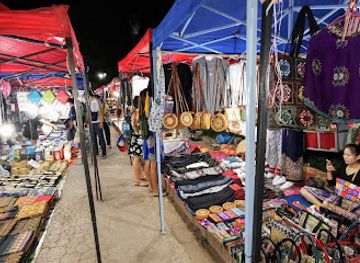
Night Market
Experience the enchanting Night Market in Luang Prabang, where local crafts and delicious street food come together in a vibrant cultural celebration.
-
Shopping mall
ITECC Mall
Discover ITECC Mall: Vientiane's premier shopping destination featuring local crafts, international brands, delicious dining, and entertainment.
-
Market
Phosy Market
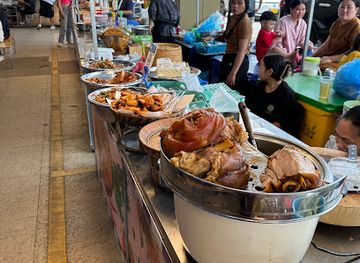
Experience the heart of Laotian culture at Phosy Market, where vibrant stalls and delicious street food await every traveler.
-
Shopping mall
Parkson Laos
Discover a modern shopping experience at Parkson Laos, Vientiane's premier shopping mall with diverse retail, dining, and entertainment options.

Get your free copy of our complete guide to Southern Laos, delivered straight to you.
Everything on this page, from attractions and restaurants to essentials and local phrases, in one PDF you can read offline, print or share.
Already have an account? Sign in
Your Southern Laos guide is ready.
We'll send it to · Not you? Sign out

Getting your guide ready…
We are putting together a fresh copy of the Southern Laos guide. This can take up to a minute.
This can take a few moments. If your browser asks, choose Allow so the download can start. You'll find the guide in your Downloads folder.
Nothing happened? Download it again
Sorry, the guide is taking longer than usual. Please try again in a minute, or get it by email instead.
Southern Laos essentials
Currency and Payment
Safety
Emergency Situations
Do's and Don'ts
Local Tips
From Eve
Local phrases worth knowing
You don't need to get them perfect. A few words go a long way, and locals appreciate the effort.
Basics
| English | Local | Say it |
|---|---|---|
| Hello | ສະບາຍດີ | [sabaidee] |
| Goodbye | ລາກໍ່ | [laak go] |
| Yes | ແມ່ນ | [maen] |
| No | ບໍ່ | [bo] |
| Please/You're welcome | ບໍ່ເປັນຫຍັງ | [bo pen nyang] |
| Thank you | ຂອບໃຈ | [khob chai] |
| Excuse me/Sorry | ອາະໄສ | [ah sai] |
| How are you? | ເຈົ້າສະດົມປົ່ນແບບໃດ? | [jao sa dom pon baep dai] |
| Fine. And you? | ສະດົມດີ. ແລະເຈົ້າ? | [sa dom dee. lae jao?] |
| Do you speak English? | ເຈົ້າສຽງອັງກິດແລ້ວບໍ? | [jao siang angkit laew bo?] |
| I don't understand | ຂໍໍ່ບໍ່ເຂົ້າໃຈ | [kho po bo khao jai] |
Eating & Drinking
| English | Local | Say it |
|---|---|---|
| I'd like to see the menu, please | ຂໍເບິ່ງເມນູແລະກະລຸນາ | [kho berng menu lae kaluna] |
| I don't eat meat | ຂໍໍ່ບໍ່ກິນເດືອນ | [kho po bo kin deuan] |
| Cheers! | ສຸດສົດ! | [sut sod!] |
| I would like to pay, please | ຂໍເຊັດຄ່າແລະກະລຸນາ | [kho set kha lae kaluna] |
Emergencies
| English | Local | Say it |
|---|---|---|
| Help! | ຊ່ວຍ! | [suy!] |
| Go away! | ເອີ້ຈາກນີ້! | [oei jaak ni!] |
| Call the Police! | ໂທແຕ່ສະຖານກະລຸນາ! | [tho tae sathaan kaluna!] |
| Call a doctor! | ໂທແດກ່ອນ! | [tho daek gon!] |
| I'm lost | ຂໍໍ່ເສຍທາງ | [kho po seua thang] |
| I'm ill | ຂໍໍ່ປ່ວນບໍ່ | [kho po puan bo] |
Shopping
| English | Local | Say it |
|---|---|---|
| I'd like to buy... | ຂໍເຊື່ອງ... | [kho seung...] |
| I'm just looking | ຂໍໍ່ລະດູແລ້ວ | [kho po rado laew] |
| How much is it? | ມັນແພນບໍ? | [man phaen bo?] |
| That's too expensive | ແບບແພນບໍ່ຄວາມສູງ | [baeb phaen bo khwam sung] |
| Can you lower the price? | ເຈົ້າໃຈບໍ່ຄວາມສູງຄ່າ? | [jao jai bo khwam sung kha?] |
Time & Numbers
| English | Local | Say it |
|---|---|---|
| What time is it? | ເວລາແບບໃດ? | [wela baeb dai?] |
| It's one o'clock | ດິງສົດຄືຄົນສິບ | [ding sod khue khon sib] |
| Half past (10) | ເດືອນກັບແບບ(10) | [deuan kab baeb (10)] |
| Morning | ເຊົ້າ | [sao] |
| Afternoon | ບ່າຍ | [baay] |
| Evening | ຄໍ້າ | [khom] |
| Yesterday | ວັນດຽວ | [wan diao] |
| Today | ວັນນີ້ | [wan ni] |
| Tomorrow | ວັນອາທິດ | [wan athit] |
| 1 | ໜຶ່ງ | [neung] |
| 2 | ສອງ | [song] |
| 3 | ສາມ | [sam] |
| 4 | ສີ | [si] |
| 5 | ຫໍາ | [ha] |
| 6 | ຫນຶ່ງ | [neung] |
| 7 | ເຈັດ | [jet] |
| 8 | ແປດ | [paed] |
| 9 | ເກົ່າ | [kao] |
| 10 | ສິບ | [sib] |
Transport & Directions
| English | Local | Say it |
|---|---|---|
| Where's a/the...? | ຢູ່ໃສ... | [yuu sai...] |
| What's the address? | ທີ່ຢູ່ແບບໃດ? | [ti yuu baeb dai?] |
| Can you show me (on the map)? | ເຈົ້າສຽງແພດແລ້ວບໍ? | [jao siang paed laew bo?] |
| When's the next (bus)? | ເວລາຂອງຄັນແບບໃດ? | [wela khong khan baeb dai?] |
| A ticket (to ....) | ບັດສົ່ງກັບ... | [bat song kab...] |
History of Southern Laos
Early Mekong and Mon-Khmer cultures
Long before the formation of modern Laos, the southern Mekong basin was home to communities speaking Mon-Khmer languages and practising agriculture, fishing and forest-based livelihoods. Archaeological evidence across the wider region points to long-distance exchange and complex societies connected by the river corridors. These early cultural layers remain important for understanding the ethnic and linguistic diversity of southern Laos, particularly in the upland provinces where many communities retain distinct traditions and languages.
Wat Phou and the Khmer sacred landscape
The sanctuary of Wat Phou at the foot of Phou Kao developed over several centuries and became a major religious centre within the Khmer world. Its processional avenue, reservoirs, shrines and carved stonework reflect a sacred landscape linking water, mountain and temple. The site was dedicated to Shiva before later Buddhist use and is associated with the ancient settlement of Shrestapura. Its position demonstrates that southern Laos was connected to powerful political and cultural networks centred farther south and west.
Lan Xang and the formation of Lao political power
From the fourteenth century, the kingdom of Lan Xang expanded its influence through the Mekong basin and helped establish the political and cultural foundations of Laos. Southern territories were not always governed uniformly, but river routes, religious institutions and local rulers connected them to the Lao kingdom. Champasak later emerged as a significant regional centre, while Buddhism, Lao language and court traditions developed alongside older Mon-Khmer cultures and local systems of authority.
The Kingdom of Champasak
Champasak became a semi-independent Lao kingdom in the early eighteenth century after the division of Lan Xang. Its rulers governed from the southern Mekong region and maintained links with neighbouring Lao, Siamese and Khmer powers. The kingdom's political importance declined as Siamese influence increased, but its legacy survives in the historic landscape around Champasak and Wat Phou. The area later became part of the territory administered as Laos under French colonial rule.
French colonial administration and transport
France incorporated Laos into French Indochina in the late nineteenth century, bringing new administrative boundaries, taxation systems and commercial networks to the south. Pakse grew in importance at the meeting of the Mekong and Xe Don, while roads, public buildings and river transport supported colonial administration and trade. French influence was more limited in remote uplands than in the main towns, and colonial rule coexisted uneasily with local authorities, customary practices and communities beyond effective state control.
War, the Ho Chi Minh Trail and unexploded ordnance
During the conflicts in Indochina, eastern southern Laos became strategically important because routes associated with the Ho Chi Minh Trail crossed its forests and mountains. The wider Lao conflict brought extensive aerial bombardment and military activity, leaving unexploded bombs and other ordnance in several provinces. Clearance has continued for decades, but contamination remains a practical concern away from established visitor sites. The war also disrupted communities and contributed to lasting social and economic challenges.
Post-1975 development and the coffee economy
After the Lao People's Democratic Republic was established in 1975, southern Laos gradually developed new roads, markets and cross-border links while retaining a predominantly rural economy. The volcanic Bolaven Plateau became increasingly associated with coffee, including Arabica and Robusta production, alongside vegetables, fruit and other crops. Tourism has expanded around Wat Phou, the Mekong islands and plateau waterfalls, although many eastern districts remain lightly visited and have more limited infrastructure.
Southern Laos in Photos
Browse through our photo collection highlighting the charm and character of the destination.
Neighbouring regions of Southern Laos
The closest regions to Southern Laos, if you have time for more than one.
-

-

-

-

-


Swipe for more regions
Explore more

Explore more of Laos
Discover Laos: A tranquil escape with breathtaking landscapes, rich culture, and warm hospitality. Perfect for adventure seekers and those craving serene beauty.
Explore Laos