

Free Central Laos Travel Guide & Mobile App
Explore Central Laos with free travel guides. Discover regional history, expert tips, proposed trips, and audio guides on web or mobile app.


Explore Central Laos for Vientiane’s temples, Vang Vieng’s karst landscapes, Kong Lor Cave and Savannakhet’s Mekong heritage.
Read more about Central Laos
When is the best time to visit Central Laos?
Best: December–February · 27–29°C| Month | High (°C) | Rainfall (mm) |
|---|---|---|
| January (best) | 27 | 5 |
| February (best) | 29 | 10 |
| March | 32 | 20 |
| April | 34 | 50 |
| May | 35 | 100 |
| June | 34 | 200 |
| July | 34 | 200 |
| August | 34 | 200 |
| September | 33 | 200 |
| October | 32 | 100 |
| November | 29 | 20 |
| December (best) | 27 | 10 |
Getting to and around Central Laos
How to get there
Transportation
Top city travel guides in Central Laos
The cities of Central Laos, and the easiest places to base yourself.
-

-

-

-

-
-


Swipe for more cities
Destinations in Central Laos
Resorts, valleys and scenic spots worth a trip of their own.
-

-

-

-
-

-


Swipe for more destinations
Best attractions in Central Laos
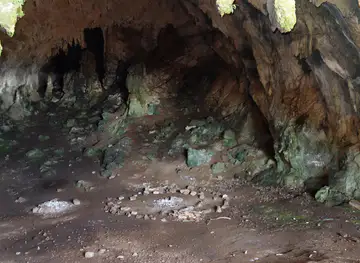
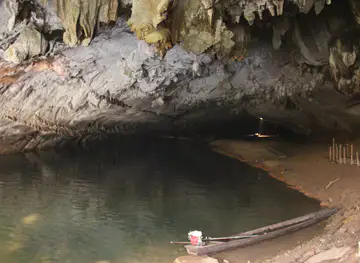
Central Laos offers an unusually broad range of attractions, from the temples and national institutions of Vientiane to karst landscapes, river valleys and historic border towns. In the capital, visitors can combine Pha That Luang, Wat Sisaket, Haw Phra Kaew, Patuxai and the COPE Visitor Centre with markets and museums. Vientiane Province is known for Vang Vieng’s caves, viewpoints, waterways and limestone scenery, while Phou Khao Khouay provides forest, waterfalls and mountain environments within reach of the capital. Khammouane is the region’s principal cave country, with Kong Lor Cave and other karst formations reached from rural bases around Thakhek and Hinboun. Bolikhamxay adds forest and river landscapes associated with the Nam Kading area. In the south, Savannakhet combines a colonial-era urban quarter, the Dinosaur Museum, Buddhist sites and access to rural wetlands and villages. Activities include cycling, kayaking where conditions permit, guided caving, walking and wildlife observation, but the quality of roads and visitor facilities varies considerably outside the main centres.
-
Bridge
First Thai–Lao Friendship Bridge (Nong Khai-Vientiane)
Discover the First Thai-Lao Friendship Bridge, a stunning architectural marvel connecting Thailand and Laos over the Mekong River, offering breathtaking views and rich cultural experiences.
-
Park
Patuxay Park
Discover the beauty of Patuxay Park, a serene urban oasis in Vientiane, Laos, blending history, culture, and nature in one captivating destination.
-
Tourist attraction
Khoun Moung Keo Waterfall
Explore the breathtaking Khoun Moung Keo Waterfall in Ban Long, Laos – a serene gem perfect for nature lovers and adventure seekers alike.
-
Fountain
Nam Phou Fountain
Discover the beauty and cultural significance of Nam Phou Fountain in Vientiane, a must-visit tourist attraction for a memorable experience in Laos.


Best landmarks in Central Laos
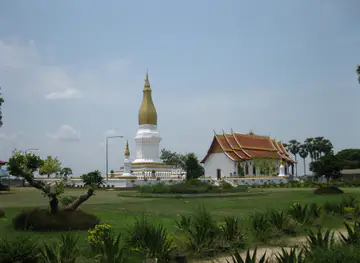
Pha That Luang in Vientiane is Central Laos’s most recognisable religious landmark, a gilded stupa whose national symbolism is closely tied to Lao identity and the capital’s history. Nearby Patuxai is a monumental twentieth-century arch inspired partly by European forms but decorated with Lao motifs, while Wat Sisaket is valued for its surviving nineteenth-century-era temple architecture and rows of Buddha images. In Vientiane’s wider environs, Buddha Park presents an unusual modern collection of concrete religious sculpture. Vang Vieng’s limestone towers and cliffs form a powerful natural landmark even when viewed from the valley roads and rice fields. Around Khammouane, the long karst passage of Kong Lor Cave is both a geological and geographical landmark, linking an underground river with a remote agricultural valley. Savannakhet’s That Ing Hang is an important Buddhist stupa associated with pilgrimage, and the old town’s low-rise colonial and vernacular buildings preserve the visual character of a former Mekong trading centre.
-
Tourist attraction
Kuang Si Waterfall
Experience the magic of Kuang Si Waterfall: cascading turquoise waters, lush jungle trails, and a sanctuary for rescued bears near Luang Prabang.
-
Monument
Patuxay - Victory Monument
A symbol of Laotian independence, Patuxay blends French architecture with traditional Buddhist and Hindu motifs, offering panoramic city views.
-
Buddhist temple
Pha That Luang Vientiane
Discover Laos' most sacred monument, a dazzling golden stupa that embodies the nation's spirit and rich Buddhist heritage.
-
Buddhist temple
Phousi Hill
Climb Luang Prabang's sacred Phousi Hill for breathtaking panoramic views, ancient temples, and a glimpse into Lao culture and history.


Explore Central Laos on the map
Plan your trip on one map. See where the top cities, national parks and sights are, and book hotels and experiences in a few clicks.
Best hotels in Central Laos
Best restaurants in Central Laos
Central Lao food is built around sticky rice, fresh herbs, fermented and chilli-based condiments, grilled meats, river fish and vegetables, with variations between the Mekong towns, upland communities and Thai-influenced border areas. Vientiane has the widest choice, from noodle shops and market stalls to cafés, bakeries and contemporary restaurants serving Lao dishes alongside regional Asian food. In Vang Vieng, casual riverside and town dining is geared towards travellers, while Thakhek and Savannakhet offer a more everyday mix of noodle soups, grilled food, rice dishes and local snacks. Savannakhet’s Vietnamese and French colonial connections remain visible in parts of its food culture, though dishes should not automatically be treated as exclusively local. Look for khao niao, laap, grilled fish, jeow, sausage and seasonal produce, and ask about ingredients when unfamiliar fermented flavours or substantial chilli are involved. Markets are often the most direct way to encounter regional eating habits.
-
Laotian
Manda de Laos
Experience authentic Laotian flavors at Manda de Laos in Luang Prabang – where culinary tradition meets modern elegance.
-
Restaurant
Bamboo Garden Restaurant
Experience authentic Laotian cuisine amidst lush surroundings at Bamboo Garden Restaurant in Luang Prabang.
-
Restaurant
BOUANG Asian Eatery
Discover the rich flavors of Asia at BOUANG Asian Eatery in Luang Prabang—where every dish tells a story.
-
French
La Terrasse
Experience the essence of French cuisine at La Terrasse in Vientiane – where every bite tells a story.


Best bars in Central Laos
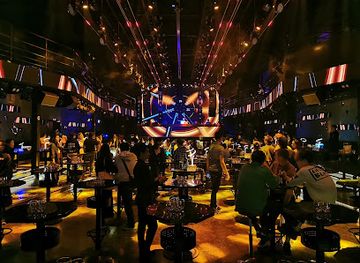
Nightlife in Central Laos varies sharply by destination. Vientiane has the region’s broadest evening scene, with riverside venues, beer gardens, cafés, cocktail bars, live music and restaurants, though it remains more restrained than a major Southeast Asian capital. Vang Vieng has a concentrated traveller-oriented selection of casual bars and restaurants, alongside outdoor and riverside venues; its atmosphere can change with the season and local regulation. Thakhek and Savannakhet are quieter, with evenings centred on Lao restaurants, beer gardens, hotel bars, cafés and occasional live music rather than a large club circuit. In rural Bolikhamxay and Khammouane, expect early-closing eateries and community-based social life rather than organised nightlife. Drink responsibly, take care near rivers after dark and avoid riding motorbikes after drinking.
-
Irish pub
Gary's Irish Bar - The Rising Sun
Discover the warm atmosphere and vibrant spirit of Gary's Irish Bar - The Rising Sun in Vang Vieng, where Irish culture meets Laotian charm.
-
Irish pub
Tully's Irish Pub
Discover Tully's Irish Pub in Vientiane: where Irish charm meets local hospitality, and every visit is filled with laughter and good cheer.
-
Belgian
Chokdee Café Belgian Beer Bar
Experience authentic Belgian culture at Chokdee Café Belgian Beer Bar, Vientiane's premier spot for delicious food and a diverse beer selection.
-
Bar
Go Dunk
Discover Vientiane's vibrant nightlife at Go Dunk, where live music and delicious drinks create unforgettable moments.


Best nightclubs in Central Laos
Nightlife in Central Laos varies sharply by destination. Vientiane has the region’s broadest evening scene, with riverside venues, beer gardens, cafés, cocktail bars, live music and restaurants, though it remains more restrained than a major Southeast Asian capital. Vang Vieng has a concentrated traveller-oriented selection of casual bars and restaurants, alongside outdoor and riverside venues; its atmosphere can change with the season and local regulation. Thakhek and Savannakhet are quieter, with evenings centred on Lao restaurants, beer gardens, hotel bars, cafés and occasional live music rather than a large club circuit. In rural Bolikhamxay and Khammouane, expect early-closing eateries and community-based social life rather than organised nightlife. Drink responsibly, take care near rivers after dark and avoid riding motorbikes after drinking.
-
Bar
Moonlight Lounge
Discover Vientiane's nightlife at Moonlight Lounge, a trendy bar and hookah lounge offering vibrant music, delicious drinks, and a lively atmosphere.
-
Bar
CCC Bar & Club Vientiane
Discover the vibrant nightlife of Vientiane at CCC Bar & Club, where great drinks, music, and an electric atmosphere await.
-
Night club
Club DPlus
Experience the vibrant nightlife of Vientiane at Club DPlus, where great music and welcoming vibes create unforgettable nights.
-
Bar
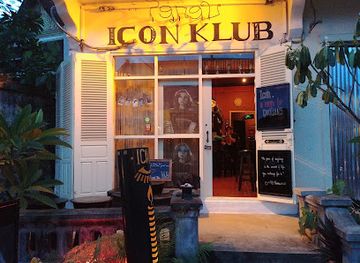
Icon Klub
Experience the vibrant nightlife at Icon Klub in Luang Prabang, where delightful drinks and a friendly atmosphere await.


Best shops in Central Laos
Vientiane provides Central Laos’s most developed shopping, with markets, small boutiques, department stores, craft outlets and food retailers spread through the central districts. Talat Sao and surrounding commercial streets are useful for textiles, household goods and souvenirs, while the city’s craft shops offer Lao silk, cotton weaving, baskets, woodwork and locally made food products; quality and provenance vary, so compare items carefully. Vang Vieng is oriented towards practical travel goods, casual clothing, small crafts and food products rather than specialist retail. Thakhek and Savannakhet have traditional markets where visitors can browse fresh produce, snacks, fabrics and inexpensive household items, with Savannakhet’s historic centre adding independent cafés and small shops. Regional purchases may include woven textiles, coffee from southern Laos and packaged chilli or fermented products, but check customs rules before exporting plant, animal or antique items. Bargaining is common in informal markets, while fixed prices are more usual in established shops.
-
Shopping mall
Talat Sao Morning Market
Explore Talat Sao Morning Market in Vientiane, a vibrant hub of local culture, food, and unique shopping experiences.
-
Shopping mall
Vientiane Center Lao
Discover the vibrant shopping and dining scene at Vientiane Center, the premier shopping destination in Laos' capital, perfect for tourists seeking local and international experiences.
-
Market
Luang Prabang morning market
Discover the vibrant Luang Prabang morning market, where local culture, fresh produce, and unique crafts come together in a colorful shopping experience.
-
Shopping mall
ITECC Mall
Explore ITECC Mall in Vientiane for a unique shopping experience blending local charm and international brands, perfect for all travelers.


Get your free copy of our complete guide to Central Laos, delivered straight to you.
Everything on this page, from attractions and restaurants to essentials and local phrases, in one PDF you can read offline, print or share.
Already have an account? Sign in
Your Central Laos guide is ready.
We'll send it to · Not you? Sign out

Getting your guide ready…
We are putting together a fresh copy of the Central Laos guide. This can take up to a minute.
This can take a few moments. If your browser asks, choose Allow so the download can start. You'll find the guide in your Downloads folder.
Nothing happened? Download it again
Sorry, the guide is taking longer than usual. Please try again in a minute, or get it by email instead.
Central Laos essentials
Currency and Payment
Safety
Emergency Situations
Do's and Don'ts
Local Tips
From Eve
Local phrases worth knowing
You don't need to get them perfect. A few words go a long way, and locals appreciate the effort.
Basics
| English | Local | Say it |
|---|---|---|
| Hello | ສະບາຍດີ | [Sabaidee] |
| Goodbye | ລາສະເລີຍ | [Lah-sah-lay] |
| Yes | ອຶ່ງ | [Ueng] |
| No | ບໍ່ | [Bor] |
| Please/You're welcome | ກະລຸນາ | [Ga-lu-na] |
| Thank you | ຂອບໃຈ | [Khop-jai] |
| Excuse me/Sorry | ອະໄພ | [A-pai] |
| How are you? | ສະບາຍດີບໍ? | [Sabaidee bor?] |
| Fine. And you? | ສະບາຍດີ. ແລະເຈົ້າ? | [Sabaidee. Lae jao?] |
| Do you speak English? | ເຈົ້າສາຍອັງກິດບໍ? | [Jao say Angkit bor?] |
| I don't understand | ຂໍໍ່ບໍ່ເຂົ້າໃຈ | [Kho pa bor khao jai] |
Eating & Drinking
| English | Local | Say it |
|---|---|---|
| I'd like to see the menu, please | ຂໍເບິ່ງເມນູສິນຄ້າ | [Kho berng menu sin-kha] |
| I don't eat meat | ຂໍໍ່ບໍ່ກິນແບບ | [Kho pa bor kin beb] |
| Cheers! | ດື່ມສາຍສະບາຍ! | [Dum sai sabaidee!] |
| I would like to pay, please | ຂໍ່ຈ່າຍ | [Kho jai] |
Emergencies
| English | Local | Say it |
|---|---|---|
| Help! | ຊ່ອຍ! | [Soi!] |
| Go away! | ເຮັດໄປ! | [Het pai!] |
| Call the Police! | ເອົາສະຕາວັນມາ! | [Eo satawan ma!] |
| Call a doctor! | ເອົາແພດໃຫ້! | [Eo phaet hai!] |
| I'm lost | ຂໍໍ່ຫາບໍ່ເຂົ້າໃຈ | [Kho pa ha bor khao jai] |
| I'm ill | ຂໍໍ່ບໍ່ສະດວກ | [Kho pa bor sadwok] |
Shopping
| English | Local | Say it |
|---|---|---|
| I'd like to buy... | ຂໍແຊື້... | [Kho seuh...] |
| I'm just looking | ຂໍສຽງດູ | [Kho siang du] |
| How much is it? | ລາຄາເທົ່າໃດ? | [Lakhah thaudai?] |
| That's too expensive | ນັ້ນແພງເເລ້ວ | [Nan paeng laew] |
| Can you lower the price? | ເຈົ້າລົດລາຄາໄດ້ບໍ? | [Jao lot lakhah dai bor?] |
Time & Numbers
| English | Local | Say it |
|---|---|---|
| What time is it? | ເວລາແມ່ນແບບໃດ? | [Wela maen beb dai?] |
| It's one o'clock | ແມ່ນໜຶ່ງນາທີ | [Maen neung na-thi] |
| Half past (10) | ສິບແອດຄໍາ | [Sip aet kham] |
| Morning | ເຊົ້າ | [Chao] |
| Afternoon | ບ່າຍ | [Bai] |
| Evening | ແລງ | [Laeng] |
| Yesterday | ມື້ຄາຍ | [Mue khay] |
| Today | ມື້ນີ້ | [Mue ni] |
| Tomorrow | ມື້ໄຊ | [Mue sai] |
| 1 | ໜຶ່ງ | [Neung] |
| 2 | ສອງ | [Song] |
| 3 | ສາມ | [Sam] |
| 4 | ສີ | [Si] |
| 5 | ຫໍ່ | [Ha] |
| 6 | ຫົກ | [Hok] |
| 7 | ເຈັດ | [Jet] |
| 8 | ແປດ | [Paet] |
| 9 | ເກົ້າ | [Kao] |
| 10 | ສິບ | [Sip] |
Transport & Directions
| English | Local | Say it |
|---|---|---|
| Where's a/the...? | ສະຖານທີ່ຢູ່? | [Sathani yu?] |
| What's the address? | ບໍ່ລາຍລະອຽດ? | [Bor lai-ra-yat?] |
| Can you show me (on the map)? | ເຈົ້າສາຍໃຫ້ຂໍ້ຄວາມແຜນໄດ້ບໍ? | [Jao say hai kho khouam phan dai bor?] |
| When's the next (bus)? | ເວລາແລງຕໍ່ໄປ? | [Wela laeng tor pai?] |
| A ticket (to ....) | ບັດໄປ... | [Bat pai...] |
History of Central Laos
Prehistoric Landscapes and Early Settlement
Central Laos contains evidence of long human occupation, although much of the region’s archaeological record remains less heavily visited than the Plain of Jars farther north. The Mekong, its tributaries and the fertile valleys around present-day Vientiane and Savannakhet supported settlement, farming and exchange. Limestone caves in Khammouane also preserve evidence of people using karst environments over many centuries. Archaeology in the region reflects movement between uplands and lowlands rather than a single isolated culture, with waterways acting as routes for trade, migration and religious influence.
Lan Xang and the Rise of Vientiane
The kingdom of Lan Xang, founded in the fourteenth century, established a durable political and religious framework across much of present-day Laos. Vientiane grew in importance as a strategic Mekong settlement and later became a major royal centre. Buddhist institutions, monasteries and reliquary monuments shaped the city’s identity, while regional rulers maintained connections with communities along the river and in the interior valleys. The religious architecture visible in and around Vientiane today reflects layers of construction, restoration and political change rather than one uninterrupted period.
Regional Kingdoms, Conflict and Siamese Influence
From the eighteenth century, the former Lan Xang realm was divided among competing Lao centres, including Vientiane, Luang Prabang and Champasak, with Siam exercising increasing influence. A major Siamese campaign against Vientiane in 1827–28 led to the destruction and depopulation of much of the city and altered political life across the central Mekong region. Population movements followed, and many communities on both banks became connected through family, trade and religious networks. The legacy helps explain why Central Laos has cultural ties across the modern Laos–Thailand frontier.
French Indochina and Mekong Commerce
France incorporated Laos into French Indochina in the late nineteenth century, making Vientiane an administrative capital and developing roads, official buildings and river-linked trade routes. Savannakhet became an important commercial town on the Mekong, and its surviving colonial-era streets show the influence of French planning alongside Lao, Vietnamese and Chinese communities. French rule did not create the region’s trading networks, but it reorganised them through new administrative boundaries and infrastructure. Several central towns still display this layered urban history in their temples, markets and civic architecture.
War, the Ho Chi Minh Trail and Unexploded Ordnance
During the Indochina wars and the Vietnam War, eastern parts of Central Laos became strategically important because routes connected North Vietnam with battlefields farther south. The Ho Chi Minh Trail passed through difficult terrain in and beyond Khammouane and Bolikhamxay, while the wider region experienced bombing and military activity. Unexploded ordnance remains a serious hazard in some rural areas, restricting farming and access to land. Visitor centres in Vientiane, including COPE, provide essential context for understanding the long humanitarian consequences of the conflict.
Post-1975 Laos and Contemporary Development
The Lao People’s Democratic Republic was established in 1975, bringing a new political era and a gradual remaking of the country’s economy and infrastructure. Vientiane expanded as the administrative and commercial centre, while roads, bridges and border crossings strengthened connections with Thailand and Vietnam. Tourism developed around Vang Vieng’s karst landscape, Khammouane’s caves and the heritage of Savannakhet, though growth has been uneven. Modern Central Laos therefore combines expanding visitor services with rural districts where agriculture, river life and limited transport still determine the pace of daily life.
Central Laos in Photos
Browse through our photo collection highlighting the charm and character of the destination.
Neighbouring regions of Central Laos
The closest regions to Central Laos, if you have time for more than one.
-

-

-
-

-


Swipe for more regions
Explore more

Explore more of Laos
Discover Laos: A tranquil escape with breathtaking landscapes, rich culture, and warm hospitality. Perfect for adventure seekers and those craving serene beauty.
Explore Laos