

Free Champasak Cultural Landscape Travel Guide & Mobile App
Explore Champasak Cultural Landscape with free travel guides. Discover regional history, expert tips, proposed trips, and audio guides on web or mobile app.


Explore Champasak Cultural Landscape in southern Laos for Vat Phou, sacred Phou Kao, Mekong scenery, rural villages and Khmer-era archaeology.
Read more about Champasak Cultural Landscape
When is the best time to visit Champasak Cultural Landscape?
Best: December–February · 27–29°C| Month | High (°C) | Rainfall (mm) |
|---|---|---|
| January (best) | 27 | 5 |
| February (best) | 29 | 10 |
| March | 33 | 20 |
| April | 35 | 30 |
| May | 32 | 100 |
| June | 31 | 200 |
| July | 31 | 250 |
| August | 31 | 200 |
| September | 30 | 100 |
| October | 30 | 50 |
| November | 29 | 20 |
| December (best) | 27 | 10 |
Getting to and around Champasak Cultural Landscape
How to get there
Transportation
Top city travel guides in Champasak Cultural Landscape
The cities of Champasak Cultural Landscape, and the easiest places to base yourself.

Swipe for more cities
Destinations in Champasak Cultural Landscape
Resorts, valleys and scenic spots worth a trip of their own.

Swipe for more destinations
Best attractions in Champasak Cultural Landscape
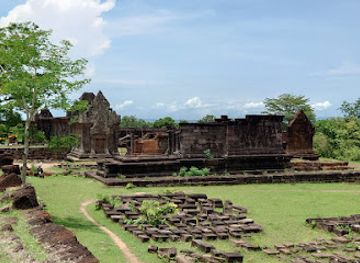
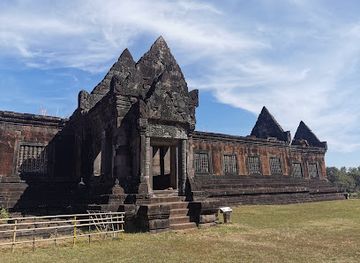
The central attraction is Vat Phou, where a processional avenue, reservoirs, pavilions, terraces and an elevated sanctuary lead towards the sacred slopes of Phou Kao. Its importance lies in the composition of the entire site, so allow time to look beyond the principal shrine at the alignment between mountain, water and plain. The archaeological zone associated with the ancient settlement provides further insight into the political and agricultural community that supported the sanctuary. Around it, the cultural landscape continues through rice fields, rural tracks, streams, village homes and Mekong-side scenery rather than ending at the ticketed monument. Champasak town makes a useful base for exploring this setting, with monasteries, quiet streets, river views and everyday Lao life providing a contrast to the formal geometry of the temple. Cycling, walking and short local drives are the main outdoor activities, although shade and water are essential. Visitors interested in archaeology should consider local interpretation or a knowledgeable guide, as many features are low embankments or foundations rather than dramatic ruins. The landscape is more rewarding for its continuity and setting than for a long list of separate attractions.
-
Tourist attraction
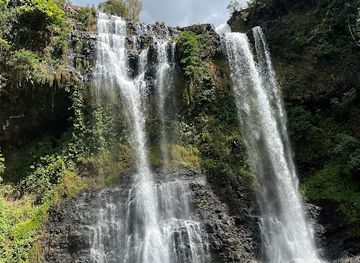
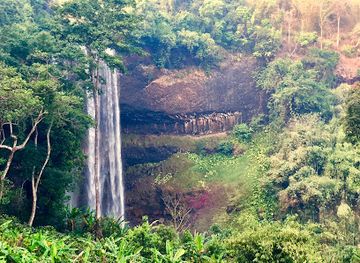
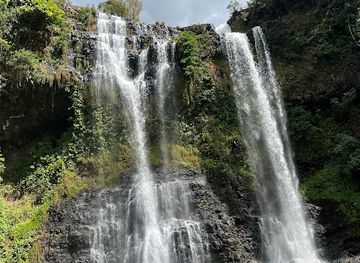
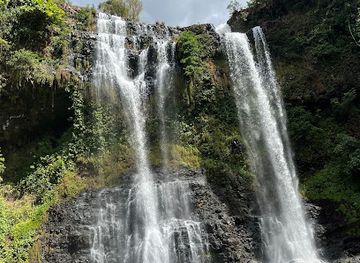
Tad Gneuang Waterfall
Experience the breathtaking beauty of Tad Gneuang Waterfall, a stunning natural gem in Champasak Province, perfect for nature lovers and adventure seekers.
-
Vat Phou
Explore Vat Phou, a UNESCO World Heritage site in Laos, where ancient Khmer architecture meets spiritual tranquility amidst stunning landscapes.
-
Tourist attraction
Wat Phousalao
Discover the serene beauty and spiritual essence of Wat Phousalao, a stunning Buddhist temple in Pakse, Laos, with breathtaking views and rich cultural heritage.
-
Tourist attraction
Tad Tayicsua Homestay
Experience Laotian hospitality and culture at Tad Tayicsua Homestay, a serene retreat in Ban Latassasine, rich in local traditions and natural beauty.

Best landmarks in Champasak Cultural Landscape
Vat Phou is the defining landmark of the Champasak Cultural Landscape, but its significance depends on the wider arrangement around it. The long stone avenue and associated reservoirs establish a formal approach across the plain, while the upper sanctuary occupies the foot of Phou Kao and frames the mountain as a sacred presence. Carved sandstone elements, lintels, guardian figures and later Buddhist traces reveal the complex’s changing religious history. Phou Kao itself is an essential natural landmark: its distinctive profile explains why the site was chosen and remains visible from many points across the agricultural plain. The ancient settlement and low earthworks below the temple are less immediately monumental, yet they represent the organised community and infrastructure that sustained the religious centre. In the surrounding cultural setting, the Mekong, rice fields, streams and village roads provide the geographical context that gives these stones their meaning. Champasak town’s monasteries and low-rise historic streets add a later Lao layer, linking the archaeological landscape with continuing Buddhist and river-based life.
-
National park
Tad Gneuang Waterfall
Discover the enchanting Tad Gneuang Waterfall in Laos: a picturesque escape into nature's serene beauty on the Bolaven Plateau.
-
Archaeological site
Vat Phou
Explore Vat Phou, Laos' ancient Khmer temple and UNESCO World Heritage Site, predating Angkor Wat, offering a unique blend of history and spirituality.
-
 Resort hotel
Champasak Grand Hotel
Experience comfort and convenience at Champasak Grand Hotel, your gateway to exploring the wonders of Pakse and southern Laos.
-
Buddhist temple
Wat Phousalao
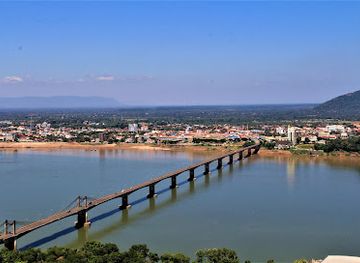
A hilltop Buddhist temple in Pakse, Laos, featuring a giant golden Buddha statue with panoramic views of the Mekong River and surrounding landscape.
Explore Champasak Cultural Landscape on the map
Plan your trip on one map. See where the top cities, national parks and sights are, and book hotels and experiences in a few clicks.
Best hotels in Champasak Cultural Landscape
Best restaurants in Champasak Cultural Landscape
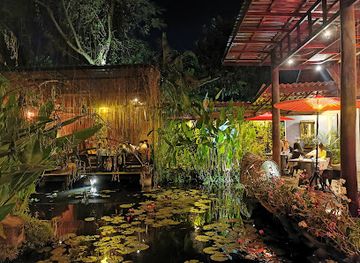
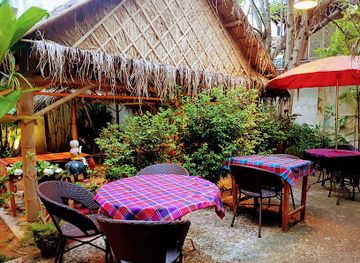
Dining in the Champasak landscape is informal and closely connected to southern Lao ingredients. Small restaurants, guesthouse kitchens and local food stalls commonly serve sticky rice with grilled fish or meat, fresh herbs, vegetables, chilli relishes and soups, while Mekong fish is an important regional ingredient where available. Pakse offers the broadest choice of Lao, Vietnamese, Thai and international food, whereas Champasak town and the rural area have fewer establishments and simpler menus. Ask about seasonal produce, including river fish, greens, aubergines and tropical fruit, and expect food to be shared rather than served as a sequence of courses. Coffee, influenced by the agricultural culture of the Bolaven Plateau in the wider Champasak region, is widely available in southern Laos, although the plateau itself lies outside this cultural landscape. Carry snacks and water when visiting Vat Phou, since food options immediately around archaeological areas may be limited. Dining is generally relaxed, but meal times and menus can be less predictable outside the larger towns.
-
Laotian
Manda de Laos
Experience authentic Laotian cuisine in a serene setting at Manda de Laos, where every dish tells a story of tradition and flavor.
-
Italian
Dok Mai Lao Caffe' Restaurant
Experience authentic Italian flavors at Dok Mai Lao Caffe', where culinary tradition meets modern dining in Pakse.
-
Italian
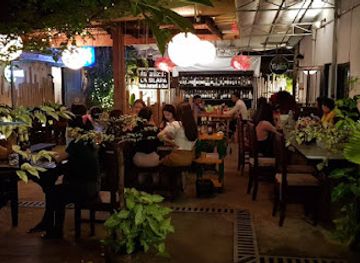
La Silapa Italian & Lao Kitchen
Discover the exquisite fusion of Italian and Lao flavors at La Silapa Kitchen in Luang Prabang.
-
Noodle Shop
Emily's Noodle
Savor authentic Laotian noodles at Emily's Noodle in Khon Tai – a culinary gem where flavors come alive!
Best bars in Champasak Cultural Landscape
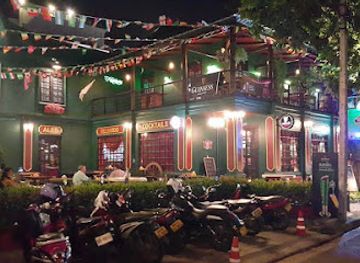
Evening life in the Champasak Cultural Landscape is quiet and centred on guesthouse restaurants, riverside cafés and informal local eateries rather than nightclubs. Champasak town offers places to sit with a beer or soft drink, watch the Mekong light fade and eat a simple Lao meal, while Pakse, outside the designated landscape, has the region’s larger selection of bars, hotel lounges and evening venues. Traditional Lao Beer is widely available nationally, but drinking is not necessary to engage with local culture. Rural evenings may end early, particularly away from accommodation clusters, and music or opening arrangements can vary. Visitors staying in villages should keep noise low and avoid assuming that a riverside setting is a public entertainment area. A sunset walk, an early dinner and preparation for the next morning’s temple visit usually fit the character of the destination better than a late-night itinerary.
-
Bar
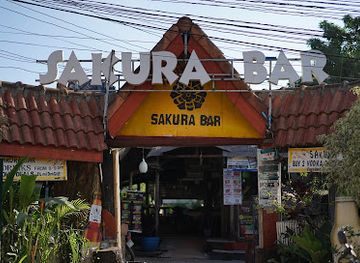
SAKURA BAR
Discover the vibrant nightlife of Vang Vieng at Sakura Bar, where affordable drinks and great atmosphere await.
-
Irish pub
Gary's Irish Bar - The Rising Sun
Experience the vibrant atmosphere of Gary's Irish Bar - The Rising Sun, where authentic Irish flavors meet the lively spirit of Vang Vieng.
-
Irish pub
Tully's Irish Pub
Discover the essence of Ireland at Tully's Irish Pub, a vibrant destination by Thatluang Lake in Vientiane, offering delicious food and drinks.
-
Cafe
Vida Bakery Cafe
Experience the essence of Pakse at Vida Bakery Cafe, where delicious pastries meet aromatic coffee in a cozy setting.
Best nightclubs in Champasak Cultural Landscape
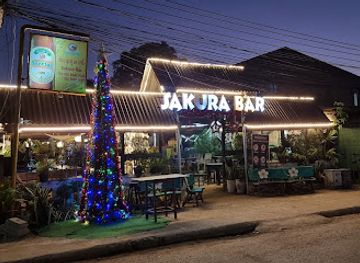
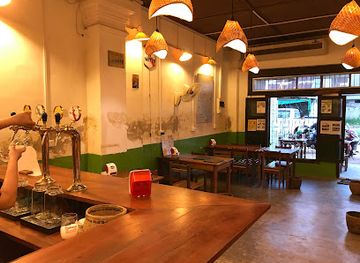
Evening life in the Champasak Cultural Landscape is quiet and centred on guesthouse restaurants, riverside cafés and informal local eateries rather than nightclubs. Champasak town offers places to sit with a beer or soft drink, watch the Mekong light fade and eat a simple Lao meal, while Pakse, outside the designated landscape, has the region’s larger selection of bars, hotel lounges and evening venues. Traditional Lao Beer is widely available nationally, but drinking is not necessary to engage with local culture. Rural evenings may end early, particularly away from accommodation clusters, and music or opening arrangements can vary. Visitors staying in villages should keep noise low and avoid assuming that a riverside setting is a public entertainment area. A sunset walk, an early dinner and preparation for the next morning’s temple visit usually fit the character of the destination better than a late-night itinerary.
-
Bar
SAKURA BAR
Discover the vibrant nightlife at Sakura Bar in Vang Vieng, where great drinks, music, and a lively atmosphere await.
-
Youth hostel
Mad Monkey Luang Prabang
Experience the vibrant social scene and cultural charm of Luang Prabang at Mad Monkey Hostel, where adventure and camaraderie await every traveler.
-
Bar
SéSé Wine and Beer
Experience the best of Laotian flavors at SéSé Wine and Beer, where great food and drinks meet warm hospitality in Pakse.
-
Night club
Club DPlus
Dive into the vibrant nightlife of Vientiane at Club DPlus, a premier nightclub offering electrifying music and an unforgettable atmosphere.

Best shops in Champasak Cultural Landscape
Shopping within the cultural landscape is modest and local rather than centred on large retail districts. Champasak town has small shops and everyday markets where visitors can buy fruit, snacks, drinks and practical supplies, while Pakse, outside the designated landscape, provides the widest choice of textiles, handicrafts, food products and modern retail. Look for Lao sinh skirts and woven fabrics, baskets, handmade household goods, local coffee from the wider Champasak region and packaged foods suitable for travel. Purchases from small traders should be made politely, with realistic expectations about stock, sizing and payment by cash. Markets are as much places for observing local food culture as for buying souvenirs, and produce varies with the season. Avoid buying archaeological fragments, old-looking stones or objects presented as temple relics: removing material from heritage sites is unlawful and damages the landscape. Craft goods are best selected for their connection to living Lao traditions rather than for claims that cannot be verified.
-
National park
Tad Gneuang Waterfall
Explore the serene beauty of Tad Gneuang Waterfall, an enchanting natural wonder in Laos, perfect for adventure and relaxation.
-
Archaeological site
Vat Phou
Explore Vat Phou, an ancient Khmer archaeological site in Laos, where history, culture, and breathtaking landscapes converge.
-
Shopping mall
ITECC Mall
Explore ITECC Mall in Vientiane, a vibrant shopping haven with local flavors, international brands, and family-friendly entertainment.
-
Resort hotel
Champasak Grand Hotel
Discover the elegance of Champasak Grand Hotel, a luxurious retreat on the banks of the Mekong River, blending comfort with cultural exploration.
Get your free copy of our complete guide to Champasak Cultural Landscape, delivered straight to you.
Everything on this page, from attractions and restaurants to essentials and local phrases, in one PDF you can read offline, print or share.
Already have an account? Sign in
Your Champasak Cultural Landscape guide is ready.
We'll send it to · Not you? Sign out

Getting your guide ready…
We are putting together a fresh copy of the Champasak Cultural Landscape guide. This can take up to a minute.
This can take a few moments. If your browser asks, choose Allow so the download can start. You'll find the guide in your Downloads folder.
Nothing happened? Download it again
Sorry, the guide is taking longer than usual. Please try again in a minute, or get it by email instead.
Champasak Cultural Landscape essentials
Currency and Payment
Safety
Emergency Situations
Do's and Don'ts
Local Tips
From Eve
Local phrases worth knowing
You don't need to get them perfect. A few words go a long way, and locals appreciate the effort.
Basics
| English | Local | Say it |
|---|---|---|
| Hello | ສະບາຍດີ | [sabaidee] |
| Goodbye | ລາກ່ອນ | [laa gon] |
| Yes | ແມ່ນແລ້ວ | [maen laew] |
| No | ບໍ່ | [baw] |
| Please/You're welcome | ກະລຸນາ | [kaluna] |
| Thank you | ຂອບໃຈ | [khob chai] |
| Excuse me/Sorry | ອະໄພ | [aphai] |
| How are you? | ສະບາຍດີບໍ? | [sabaidee baw?] |
| Fine. And you? | ສະບາຍດີ. ອັນຈະແລກເດີ? | [sabaidee. an ja lek der?] |
| Do you speak English? | ເຈົ້າເສົາພາສາອັງກິດແມ່ນບໍ? | [jao sao phasa angkit maen baw?] |
| I don't understand | ຂໍໍ່ເຂົ້າໃຈ | [kho por khaw jai] |
Eating & Drinking
| English | Local | Say it |
|---|---|---|
| I'd like to see the menu, please | ຂໍເບິ່ງເມນູ, ກະລຸນາ | [kho boeng menu, kaluna] |
| I don't eat meat | ຂໍເຮັດອາຫານແບບບໍ່ເຮັດ | [kho het ahan baeb baw het] |
| Cheers! | ໂຊກສະບາຍ! | [sok sabaidee!] |
| I would like to pay, please | ຂໍ່ຈ່າຍ, ກະລຸນາ | [kho jaai, kaluna] |
Emergencies
| English | Local | Say it |
|---|---|---|
| Help! | ຊ່ອຍ! | [sai!] |
| Go away! | ໄປເດີ! | [pai der!] |
| Call the Police! | ໂທເອກະມະການ! | [tho ekkamakan!] |
| Call a doctor! | ໂທແພດ! | [tho phaet!] |
| I'm lost | ຂໍເສຍແລ້ວ | [kho sia laew] |
| I'm ill | ຂໍເປັນເປວ | [kho pen phew] |
Shopping
| English | Local | Say it |
|---|---|---|
| I'd like to buy... | ຂໍເຊື່ອງ... | [kho seung...] |
| I'm just looking | ຂໍເບິ່ງບໍ່ເຊື່ອງ | [kho boeng baw seung] |
| How much is it? | ລາຄາບໍ່? | [lakha baw?] |
| That's too expensive | ແມ່ນສູງເກົ່າ | [maen sung keo] |
| Can you lower the price? | ເຂົ້າປັດລະຄາແລ້ວບໍ? | [khao pat lakha laew baw?] |
Time & Numbers
| English | Local | Say it |
|---|---|---|
| What time is it? | ເວລາໃດ? | [wela dai?] |
| It's one o'clock | ເວລາເດີກັນເດີກ | [wela derkan der] |
| Half past (10) | ຊົ່ວໂມງສິບຮ້າຍ | [sua mong sip hai] |
| Morning | ເຊົ້າ | [sao] |
| Afternoon | ບ່າຍ | [bai] |
| Evening | ແລງ | [laeng] |
| Yesterday | ມື້ແລ້ວ | [mue laew] |
| Today | ມື້ນີ້ | [mue ni] |
| Tomorrow | ມື້ໄຊ | [mue sai] |
| 1 | 1 | [1] |
| 2 | 2 | [2] |
| 3 | 3 | [3] |
| 4 | 4 | [4] |
| 5 | 5 | [5] |
| 6 | 6 | [6] |
| 7 | 7 | [7] |
| 8 | 8 | [8] |
| 9 | 9 | [9] |
| 10 | 10 | [10] |
Transport & Directions
| English | Local | Say it |
|---|---|---|
| Where's a/the...? | ໃສ່ບໍ? | [sai baw?] |
| What's the address? | ບັດທີຢູ່ຄັດແນະ? | [bat thi yu khat na] |
| Can you show me (on the map)? | ເພີ່ນແບບເບິ່ງຂໍແລກ? | [phen baeb boeng kho lek?] |
| When's the next (bus)? | ເວລາເມື່ອອີບຖີບ່ອນຄັດ? | [wela meu oeb thip bon khat?] |
| A ticket (to ....) | ບັດເຂົ້າ (ເດີກ) | [bat khao (derk)] |
History of Champasak Cultural Landscape
Prehistoric settlement and the Mekong plain
The Champasak plain offered water, fertile soils and routes along the Mekong long before the construction of Vat Phou. Archaeological evidence in the wider area indicates settled communities and changing agricultural practices in the prehistoric period, although individual sites vary in visibility and interpretation. The relationship between the plain and Phou Kao was especially important: the mountain provided a prominent sacred focus, while streams and seasonal water supported cultivation below. This combination of natural resources and symbolic geography helped make the area suitable for a major religious and political centre.
Early religious traditions at Phou Kao
The mountain now known as Phou Kao, formerly associated with the name Lingaparvata, acquired religious importance before the surviving temple buildings were completed. Early Hindu traditions connected the mountain and its spring-fed water with Shiva and with the idea of a sacred landscape. Inscriptions and architectural remains indicate that rulers and religious institutions developed the site over several centuries. The sanctuary’s enduring significance came from this fusion of natural feature, water source and divine authority rather than from an isolated building alone.
Khmer rule and the development of Vat Phou
Between the ninth and thirteenth centuries, the Champasak area was drawn into the political and religious world of the Khmer Empire. Vat Phou was expanded through successive building phases, with processional avenues, reservoirs, terraces and shrines organising movement from the plain towards the mountain. The complex was associated with a wider network of settlements and roads, and its religious importance was reinforced by royal patronage. Sandstone carvings and architectural forms visible today reflect this long development rather than a single moment of construction.
The ancient city and regional connections
An ancient settlement below Vat Phou formed part of the wider cultural landscape and helped connect the sanctuary to agriculture, administration and movement through the region. Water-management features, embankments and reservoirs supported the organised plain while also contributing to ritual geography. Champasak’s position beside the Mekong placed it within wider networks linking the interior of mainland South-East Asia. The landscape’s importance therefore rested on settlement and infrastructure as much as on the temple itself.
The rise of Lao Buddhist kingdoms
As political power shifted and Lao-speaking Buddhist kingdoms became dominant in the region, the religious character of Champasak changed. Vat Phou was incorporated into a Buddhist environment and has continued to be respected as a sacred place, even though its principal monuments originated in a Hindu context. The area later became associated with the Champasak kingdom, one of the important Lao polities of the early modern period. Buddhist monasteries, local ritual life and the Mekong remain central to the cultural setting encountered by visitors.
Colonial-era administration and modern conservation
Southern Laos was incorporated into French Indochina in the late nineteenth century, bringing new administrative structures, mapping and transport connections while leaving rural life largely shaped by the Mekong and agriculture. Archaeological recording and conservation developed more systematically during the twentieth century, although warfare and political upheaval affected heritage management across Laos. Vat Phou and the associated ancient settlements were inscribed as a UNESCO World Heritage Site in 2001, recognising the whole relationship between temple, mountain, water systems and settlement rather than treating the sanctuary as an isolated ruin.
Champasak Cultural Landscape in Photos
Browse through our photo collection highlighting the charm and character of the destination.
Neighbouring regions of Champasak Cultural Landscape
The closest regions to Champasak Cultural Landscape, if you have time for more than one.
-

-

-

-

-


Swipe for more regions
Explore more

Explore more of Laos
Discover Laos: A tranquil escape with breathtaking landscapes, rich culture, and warm hospitality. Perfect for adventure seekers and those craving serene beauty.
Explore Laos