

Free Khammouane Limestone Forest Travel Guide & Mobile App
Explore Khammouane Limestone Forest with free travel guides. Discover regional history, expert tips, proposed trips, and audio guides on web or mobile app.


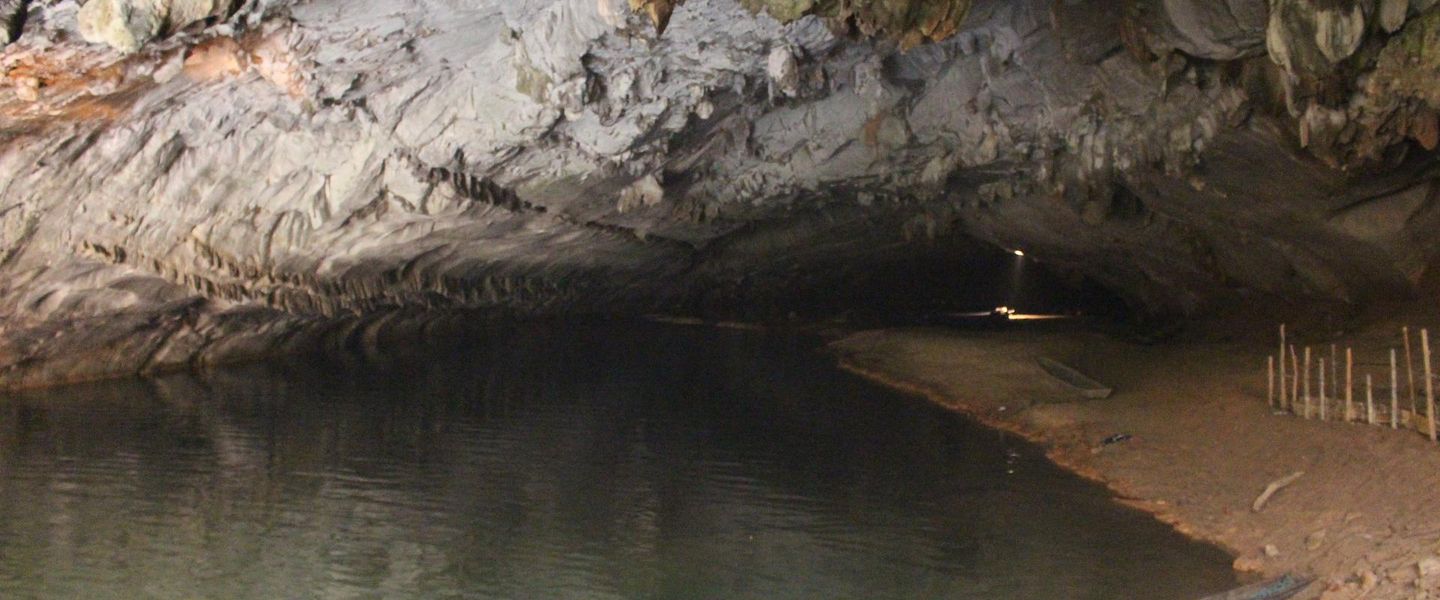


Explore Khammouane Limestone Forest from Thakhek through caves, karst mountains, protected forests, village roads and the Kong Lor river tunnel.
Read more about Khammouane Limestone Forest
When is the best time to visit Khammouane Limestone Forest?
Best: December–February · 27–30°C| Month | High (°C) | Rainfall (mm) |
|---|---|---|
| January (best) | 28 | 10 |
| February (best) | 30 | 20 |
| March | 33 | 40 |
| April | 36 | 100 |
| May | 36 | 200 |
| June | 35 | 250 |
| July | 34 | 300 |
| August | 34 | 300 |
| September | 34 | 250 |
| October | 32 | 200 |
| November | 29 | 100 |
| December (best) | 27 | 20 |
Getting to and around Khammouane Limestone Forest
How to get there
Transportation
Top city travel guides in Khammouane Limestone Forest
The cities of Khammouane Limestone Forest, and the easiest places to base yourself.

Swipe for more cities
Best attractions in Khammouane Limestone Forest
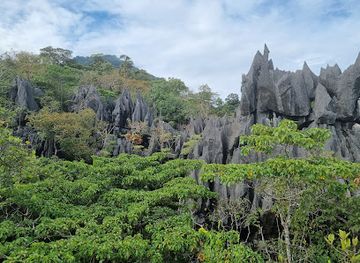
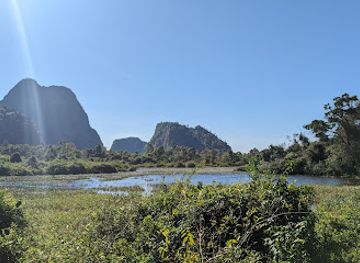
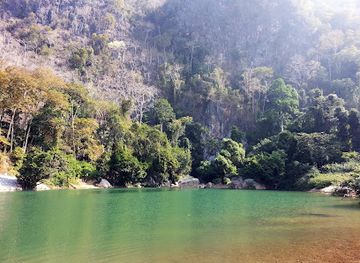
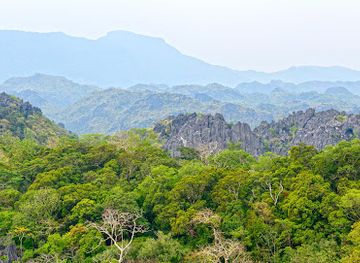
The Khammouane Limestone Forest's attractions are shaped by karst geology and the way communities live among it. Phou Hin Poun National Park combines forested ridges, cliffs, streams and caves, with Kong Lor Cave as its defining experience: a boat journey through a long underground passage connecting rural settlements. Tham Nang Aen offers a more developed cave visit near Thakhek, while smaller caves and viewpoints around the loop reward travellers who are prepared for uneven paths and changing access conditions. The roads themselves are part of the appeal, passing through rice fields, limestone towers, forest margins and quiet villages. Eastern Khammouane is more remote, with Hin Nam No National Park offering protected Annamite forest, wildlife habitat and dramatic karst, although visits require considerably more planning than the established cave circuit. Thakhek provides cultural contrast through its riverfront quarter, colonial-era buildings, temples and food markets. Outdoor activities include caving, boating, walking, cycling and landscape photography, but the region is not geared towards large-scale entertainment or resort facilities. Experiences are generally low-key and closely linked to weather, local guides, conservation arrangements and road conditions.
-
Tourist attraction
The Rock Viewpoint
Discover stunning vistas and serene landscapes at The Rock Viewpoint in Laos, a must-visit destination for nature lovers and photographers.
-
Tourist attraction
Phou Hin Poun National Bio-Diversity Conservation Area
Explore the breathtaking landscapes and rich biodiversity of Phou Hin Poun National Bio-Diversity Conservation Area, a must-visit national park in Laos.
-
Tourist attraction
Kong Lor Cave
Discover the enchanting Kong Lor Cave in Laos, a breathtaking natural wonder featuring stunning limestone formations and a serene underground river.
-
Tourist attraction
Thafalang
Experience the vibrant culture and natural beauty of Thafalang, a must-visit tourist attraction in Xiangliab, Laos.


Best landmarks in Khammouane Limestone Forest
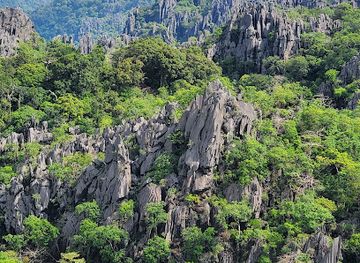
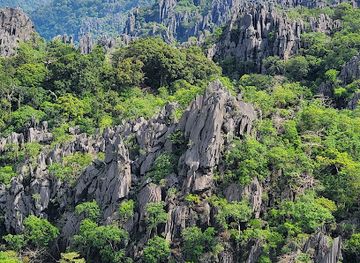
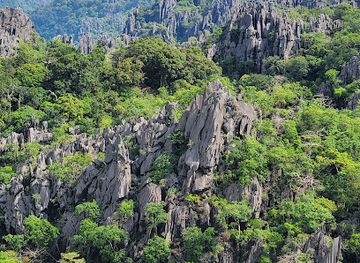
Kong Lor Cave is the region's most recognisable natural landmark, a river-carved tunnel cutting through the limestone beneath Phou Hin Poun National Park. Its scale is best understood from the boat journey through darkness and immense chambers, while the surrounding karst gives the rural approach its visual identity. The limestone towers and cliffs of Phou Hin Poun form a second, broader landmark: isolated peaks rise above fields and forest, creating the characteristic scenery of the Thakhek area. In eastern Khammouane, the forests and ridges of Hin Nam No belong to the larger Annamite karst landscape extending towards Vietnam and are significant for both geology and biodiversity. Thakhek's Mekong riverfront and surviving colonial-era buildings provide an architectural counterpoint to the countryside, reflecting the town's role as a French colonial administrative and trading centre. Caves such as Tham Nang Aen are important geological features, but their significance lies less in monumental architecture than in the underground waterways and chambers that reveal how the region's limestone was formed and eroded.
-
Tourist attraction
The Rock Viewpoint
Experience thrilling adventures and stunning panoramic views at The Rock Viewpoint in Laos' Phou Hin Boun National Protected Area.
-
Tourist attraction
Kong Lor Cave
Discover the majestic Kong Lor Cave, a natural wonder in Laos, featuring stunning limestone formations and an enchanting underground river.
-
Tourist attraction
Limestone Forest Viewpoint
Experience breathtaking panoramic views of karst mountains and lush forests at this must-see stop on the Thakhek Loop in Laos.
-
Tourist attraction
Tham Nong Pa Fa (ถ้ำหนองปลาฝา)
Discover ancient Buddha statues nestled within stunning limestone formations at Tham Nong Pa Fa, a culturally rich cave near Thakhek, Laos.
Explore Khammouane Limestone Forest on the map
Plan your trip on one map. See where the top cities, national parks and sights are, and book hotels and experiences in a few clicks.
Best hotels in Khammouane Limestone Forest
Best restaurants in Khammouane Limestone Forest
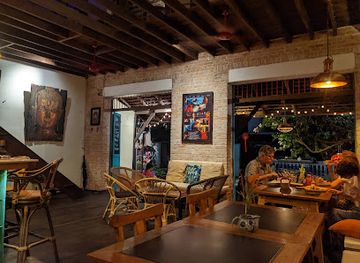
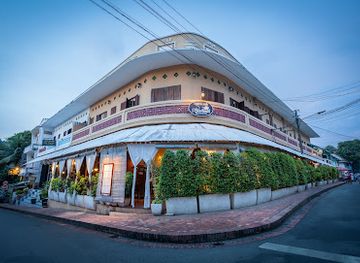
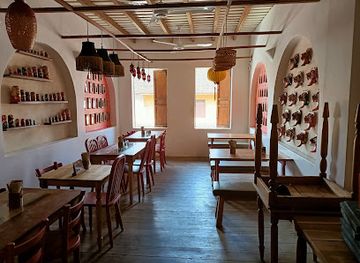
Dining in the limestone region is centred on Thakhek, market towns and simple village eateries rather than a formal restaurant circuit. Meals commonly feature sticky rice, grilled chicken or pork, freshwater fish from the Mekong and local streams, herb-filled soups, chilli relishes and laap, the minced meat or fish salad found across Laos in varied regional forms. Khao piak sen, a comforting rice-noodle soup, is useful for breakfast or a quick meal, while roadside stalls sell grilled snacks, fruit and rice parcels. Around the countryside, menus may be limited and seasonal, with forest produce and locally grown vegetables appearing when available. Thakhek's markets are the best places to observe everyday food culture and buy provisions for the loop. Coffee, beer and sweet drinks are widely available, but food hygiene and refrigeration standards vary outside the provincial capital, so choose busy stalls and carry water. Dining is generally informal, and a little Lao language or a translated food request can make ordering easier.
-
Laotian
Manda de Laos
Experience authentic Laotian cuisine at Manda de Laos in Luang Prabang – where tradition meets taste in every dish.
-
Restaurant
Tangor Restaurant Bar & Lounge
Discover Tangor Restaurant Bar & Lounge: where Laotian flavors meet French elegance in the heart of Luang Prabang.
-
French
L’Elephant
Experience exquisite French cuisine blended with local flavors at L’Elephant in Luang Prabang - an unforgettable dining journey awaits.
-
Restaurant
Yuni Yupoun
Discover authentic Lao flavors at Yuni Yupoun - a culinary gem in Luang Prabang offering delicious dishes and warm hospitality.
Best bars in Khammouane Limestone Forest
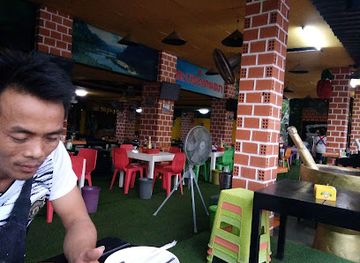
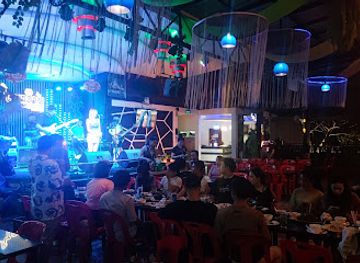
Nightlife in Khammouane is modest and concentrated in Thakhek. The riverside and central streets have casual Lao restaurants, cafés and beer gardens where evenings are spent over food, conversation and views towards the Mekong and Thailand. Traditional-style local establishments are more important than dedicated clubs, and the atmosphere usually becomes quiet earlier than in Laos's larger urban centres. Travellers following the limestone loop should expect evenings in guesthouses or village accommodation rather than a nightlife district; remote settlements may have little more than a small shop or family-run eatery. Live music and social drinking can occur in town, but schedules and venues are changeable, so it is better to ask locally than rely on old listings. Drink responsibly, especially before travelling on rural roads, and remember that the region's evening character is primarily communal and low-key rather than party-oriented.
-
Tourist attraction
The Rock Viewpoint
Discover breathtaking views at The Rock Viewpoint in Laos, a must-see tourist attraction for nature lovers and photographers alike.
-
Youth hostel
Naga Hostel & Café
Experience the charm of Thakhek at Naga Hostel & Café, where adventure meets relaxation in a vibrant setting.
-
 Hotel
HotelSpringRiver Resort & Restaurant
Experience the beauty of Laos at SpringRiver Resort & Restaurant, where comfort meets nature and exceptional dining awaits.
-
Tourist attraction
Thafalang
Discover the beauty and culture of Laos at Thafalang, a tranquil tourist attraction in Xiangliab offering scenic views and local experiences.
Best nightclubs in Khammouane Limestone Forest
-
Restaurant
Sunset Restaurant
Experience the best of Laotian and international cuisine at Sunset Restaurant, Thakhek's favorite dining spot.
-
Bar
La Casa
Experience the vibrant atmosphere of La Casa in Thakhek, where leisure meets adventure in the heart of Laos.
-
Karaoke bar
TonTan
Join the karaoke craze at TonTan in Thakhek, where unforgettable performances and vibrant nightlife await every visitor.
-
Night club
ໄວຫວານ Night Clup
Discover the exhilarating nightlife at ໄວຫວານ Night Club in Thakhek, where music, dancing, and vibrant energy come together for an unforgettable experience.
Best shops in Khammouane Limestone Forest
Shopping in the Khammouane Limestone Forest is practical and locally produced rather than centred on large retail complexes. Thakhek's markets are the main places to buy fresh food, snacks, coffee, woven goods, household items and supplies for the road. Small shops in villages stock essentials, but choice diminishes quickly away from the provincial capital. Visitors may find Lao textiles, woven bags, bamboo articles, baskets, carved wooden objects and locally made food products, although quality and availability vary by community and season. Dried foods, chilli products and packaged snacks are easier to transport than fresh produce; check customs rules before taking food across the international border. The riverside and older central streets provide independent shops and modest souvenir stalls, while rural markets offer a more direct view of local commerce. Buy responsibly, avoid products made from protected wildlife or questionable wood, and ask whether a craft is locally made rather than assuming every regional-looking item originated in Khammouane.
-
Tourist attraction
The Rock Viewpoint
Discover stunning panoramic views and natural beauty at The Rock Viewpoint, a must-visit attraction in Laos for every traveler seeking adventure and tranquility.
-
Tourist attraction
Kong Lor Cave
Explore the breathtaking Kong Lor Cave, a stunning natural wonder in Laos featuring a mesmerizing underground river and spectacular limestone formations.
-
Tourist attraction
Thafalang
Discover the enchanting beauty and cultural richness of Thafalang, a must-visit tourist attraction in Xiangliab, Laos.
-
Tourist attraction
Limestone Forest Viewpoint
Experience the stunning vistas at Limestone Forest Viewpoint, a must-see tourist attraction showcasing nature's breathtaking beauty.

Get your free copy of our complete guide to Khammouane Limestone Forest, delivered straight to you.
Everything on this page, from attractions and restaurants to essentials and local phrases, in one PDF you can read offline, print or share.
Already have an account? Sign in
Your Khammouane Limestone Forest guide is ready.
We'll send it to · Not you? Sign out

Getting your guide ready…
We are putting together a fresh copy of the Khammouane Limestone Forest guide. This can take up to a minute.
This can take a few moments. If your browser asks, choose Allow so the download can start. You'll find the guide in your Downloads folder.
Nothing happened? Download it again
Sorry, the guide is taking longer than usual. Please try again in a minute, or get it by email instead.
Khammouane Limestone Forest essentials
Currency and Payment
Safety
Emergency Situations
Do's and Don'ts
Local Tips
From Eve
Local phrases worth knowing
You don't need to get them perfect. A few words go a long way, and locals appreciate the effort.
Basics
| English | Local | Say it |
|---|---|---|
| Hello | ສະບາຍດີ | [sabaidee] |
| Goodbye | ລາຍບ່ອນ | [laai bon] |
| Yes | ແມ່ນ | [maen] |
| No | ບໍ່ | [bo] |
| Please/You're welcome | ກະລຸນາ | [kaluna] |
| Thank you | ຂອບໃຈ | [khob chai] |
| Excuse me/Sorry | ອະທິບາຍ | [athibai] |
| How are you? | ສະບາຍດີບໍ? | [sabaidee bo?] |
| Fine. And you? | ສະບາຍດີ. ແລະເຈົ້າບໍ? | [sabaidee. lae jao bo?] |
| Do you speak English? | ເຈົ້າສຽງພາສາອັງກິດແບບໃດ? | [jao siang phasa angkit baep dai?] |
| I don't understand | ຂໍໍ່ບໍ່ເຂົ້າໃຈ | [kho po bo khao jai] |
Eating & Drinking
| English | Local | Say it |
|---|---|---|
| I'd like to see the menu, please | ຂໍໃຫ້ເບິ່ງເມນູ, ກະລຸນາ | [kho hai beng menu, kaluna] |
| I don't eat meat | ຂໍໍ່ບໍ່ກິນເຂົ້າ | [kho po bo kin khao] |
| Cheers! | ເຂອນ! | [khen!] |
| I would like to pay, please | ຂໍໃຫ້ຈ່າຍ, ກະລຸນາ | [kho hai jai, kaluna] |
Emergencies
| English | Local | Say it |
|---|---|---|
| Help! | ຊ່ອຍ! | [soi!] |
| Go away! | ເຂົ້າໄປ! | [khao pai!] |
| Call the Police! | ໂທສາດຕຳຫນ່າ! | [tho saat tamna] |
| Call a doctor! | ໂທສະດອດ! | [tho sadot!] |
| I'm lost | ຂໍໍ່ສູນແສດ | [kho po sun saed] |
| I'm ill | ຂໍໍ່ບໍ່ສົມບູນ | [kho po bo sombun] |
Shopping
| English | Local | Say it |
|---|---|---|
| I'd like to buy... | ຂໍໃອກັບ... | [kho ai kab...] |
| I'm just looking | ຂໍເບິ່ງບໍ່ຊື້ | [kho beng bo sue] |
| How much is it? | ລາຄາເທົ່າໃດ? | [lakhak tao dai?] |
| That's too expensive | ມັນແພງເກີນໄປ | [man paeng kern pai] |
| Can you lower the price? | ເຈົ້າສາມາດລົດລາຄາໄດ້ບໍ? | [jao saam hat lot lakhak dai bo?] |
Time & Numbers
| English | Local | Say it |
|---|---|---|
| What time is it? | ເວລາແນ່ງ? | [wela naeng?] |
| It's one o'clock | ແມ່ນໜຶ່ງເຊົ້າ | [maen nueng sao] |
| Half past (10) | ສິບເມັດ | [sip met] |
| Morning | ເຊົ້າ | [sao] |
| Afternoon | ແລງ | [laeng] |
| Evening | ຕອນແລງ | [ton laeng] |
| Yesterday | ວັນຈິດ | [wan jit] |
| Today | ວັນນີ້ | [wan nii] |
| Tomorrow | ວັນອະນາຄົດ | [wan anakhot] |
| 1 | ໜຶ່ງ | [nueng] |
| 2 | ສອງ | [song] |
| 3 | ສາມ | [sam] |
| 4 | ໄດ້ | [dai] |
| 5 | ຫໍາ | [ha] |
| 6 | ຫົກ | [hok] |
| 7 | ເຈັດ | [jet] |
| 8 | ແປດ | [paet] |
| 9 | ເກົ້າ | [kao] |
| 10 | ສິບ | [sip] |
Transport & Directions
| English | Local | Say it |
|---|---|---|
| Where's a/the...? | ໃສ່ບໍ? | [sai bo?] |
| What's the address? | ທີ່ຢູ່ແນ່? | [ti yu na?] |
| Can you show me (on the map)? | ເຈົ້າສາມາດສະແດງໃຫ້ຂໍເບິ່ງ? | [jao saam hat saed hai kho beng?] |
| When's the next (bus)? | ເວລາບັດຕໍໄປເຂົ້າ? | [wela bat to pai khao?] |
| A ticket (to ....) | ບັດສິບເຂົ້າ.... | [bat sip khao....] |
History of Khammouane Limestone Forest
Ancient Mekong and Annamite Settlement
Khammouane's rivers, valleys and limestone shelters have supported human activity for thousands of years. Archaeological evidence across central Laos points to prehistoric settlement, stone use, burial practices and later agricultural communities, although many caves remain only partly studied. The region's position between the Mekong basin and the Annamite mountains encouraged movement through natural corridors linking present-day Laos and Vietnam. Karst formations were not merely scenery: caves, springs and sheltered valleys provided water, routes and places of cultural significance.
The Lao Kingdoms and Buddhist Landscapes
Before modern borders, communities in Khammouane were connected to the political and religious worlds of the Lao kingdoms, including Lan Xang and its successor states. Authority was often layered, with local rulers, village communities and regional powers negotiating control over river routes and upland territories. Theravada Buddhism became an important influence, visible in temples, festivals and village customs. The Mekong corridor and inland routes helped connect Khammouane with settlements farther north and south, while the mountains remained comparatively dispersed and difficult to govern directly.
French Colonial Rule and Thakhek
French colonial rule incorporated Laos into French Indochina in the late nineteenth century, and Thakhek developed as an administrative and commercial centre on the Mekong. Colonial buildings, rectilinear streets and riverfront infrastructure remain among the clearest physical reminders of this period. The town's position opposite Nakhon Phanom made it part of a wider cross-Mekong trading world, while French administration also hardened territorial boundaries that had previously been more fluid. Colonial influence altered education, taxation, administration and transport without replacing older village and religious structures.
War, Conflict and the Ho Chi Minh Trail Era
During the Indochina conflicts and the Vietnam War, eastern Khammouane became strategically important because routes through the Annamite Range connected Laos with Vietnam. The wider province suffered bombing, military movement and unexploded ordnance, leaving a legacy that still affects some rural areas and restricts access away from established routes. Visitors should never handle metal objects or leave marked paths in areas with suspected contamination. The war period also contributed to displacement and long-term changes in settlement, infrastructure and rural livelihoods.
Post-1975 Reconstruction and Regional Roads
After the Lao People's Democratic Republic was established in 1975, Khammouane entered a period of reconstruction and gradual integration into national institutions. Roads, bridges and market connections improved unevenly, allowing more regular movement between Thakhek, village districts and neighbouring provinces. The Third Thai-Lao Friendship Bridge, opened in 2011 near Thakhek, strengthened cross-border links with Thailand and made the provincial capital more accessible to regional travellers. Even so, many limestone and forest communities remain dependent on local roads and seasonal conditions.
Conservation and Nature-Based Tourism
From the late twentieth century onwards, the caves and karst forests of Khammouane gained wider recognition as conservation and tourism assets. Phou Hin Poun National Park helped establish a framework for protecting limestone habitats, caves and wildlife while allowing carefully managed local access. Kong Lor became the region's signature visitor site, combining a village boat service with a major geological feature. Hin Nam No National Park represents a more remote conservation landscape in eastern Khammouane and, through its connection with the Phong Nha-Ke Bang karst system, has brought international attention to the province's transboundary natural heritage.
Khammouane Limestone Forest in Photos
Browse through our photo collection highlighting the charm and character of the destination.
Neighbouring regions of Khammouane Limestone Forest
The closest regions to Khammouane Limestone Forest, if you have time for more than one.
-

-

-

-

-


Swipe for more regions
Explore more

Explore more of Laos
Discover Laos: A tranquil escape with breathtaking landscapes, rich culture, and warm hospitality. Perfect for adventure seekers and those craving serene beauty.
Explore Laos