

Free Annamite Range Travel Guide & Mobile App
Explore Annamite Range with free travel guides. Discover regional history, expert tips, proposed trips, and audio guides on web or mobile app.


Explore Laos’s Annamite Range for limestone mountains, forest reserves, wartime history, wildlife and demanding journeys along the Vietnamese frontier.
Read more about Annamite Range
When is the best time to visit Annamite Range?
Best: December–February · 23–24°C| Month | High (°C) | Rainfall (mm) |
|---|---|---|
| January (best) | 23 | 20 |
| February (best) | 24 | 30 |
| March | 26 | 40 |
| April | 28 | 60 |
| May | 30 | 80 |
| June | 31 | 150 |
| July | 30 | 200 |
| August | 30 | 200 |
| September | 30 | 150 |
| October | 27 | 80 |
| November | 24 | 40 |
| December (best) | 23 | 20 |
Getting to and around Annamite Range
How to get there
Transportation
Top city travel guides in Annamite Range
The cities of Annamite Range, and the easiest places to base yourself.
-

-


Swipe for more cities
Destinations in Annamite Range
Resorts, valleys and scenic spots worth a trip of their own.
-

-

-


Swipe for more destinations
Best attractions in Annamite Range
-
Tourist attraction
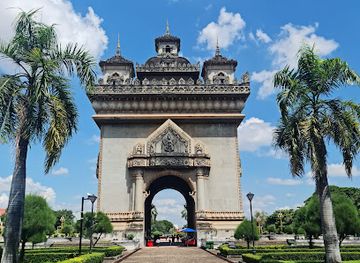
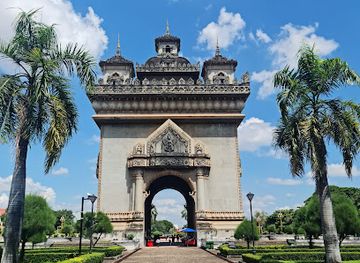
Patuxay - Victory Monument
Discover Patuxay, Vientiane's iconic monument blending rich history and stunning architecture with breathtaking city views.
-
Tourist attraction
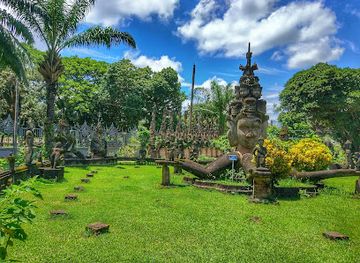
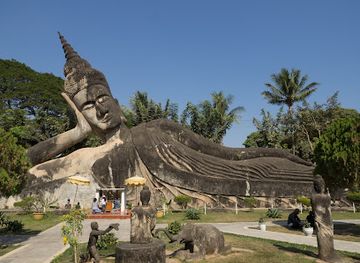
Buddha Park (Wat Xieng Khouane Luang)
Discover the enchanting Buddha Park in Vientiane, a surreal garden filled with over 200 captivating sculptures of Buddhist and Hindu deities.
-
Tourist attraction
Wat Sisaket
Experience the serenity and architectural beauty of Wat Sisaket, the oldest temple in Vientiane, filled with thousands of Buddha statues and rich cultural heritage.
-
National park
Phou Khao Khouay National Bio-Diversity Conservation Area
Explore the breathtaking beauty and rich biodiversity of Phou Khao Khouay National Bio-Diversity Conservation Area, a must-visit destination for nature lovers in Laos.

Best landmarks in Annamite Range
-
Monument
Patuxay - Victory Monument
A symbol of Laotian independence, Patuxay blends French design with traditional Laotian motifs, offering panoramic city views from its peak.
-
Buddhist temple
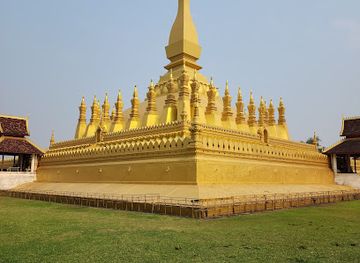
Pha That Luang Vientiane
Discover Laos' most sacred monument: a gleaming golden stupa with a rich history and profound cultural significance in Vientiane.
-
Buddhist temple
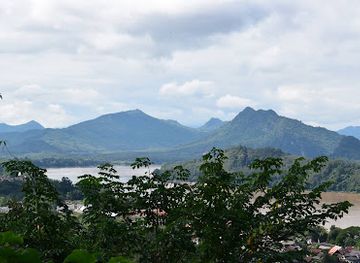
Phousi Hill
Explore the spiritual serenity and breathtaking views of Phousi Hill, a must-visit destination in Luang Prabang, Laos.
-
Tourist attraction
Buddha Park (Wat Xieng Khouane Luang)
Discover over 200 unique Buddhist and Hindu sculptures at Vientiane's enchanting Buddha Park, a testament to spiritual harmony and artistic vision.
Explore Annamite Range on the map
Plan your trip on one map. See where the top cities, national parks and sights are, and book hotels and experiences in a few clicks.
Best hotels in Annamite Range
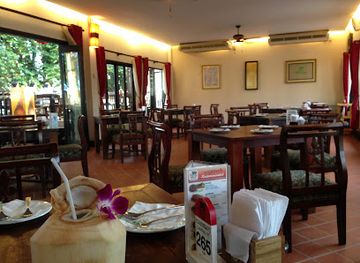
Best restaurants in Annamite Range
Food in the Annamite districts is closely connected to Lao culinary traditions and the resources of upland and river environments. Sticky rice is the everyday staple, commonly accompanied by grilled chicken or fish, herb-rich dips, soups, vegetables and dishes flavoured with chilli, galangal, lemongrass and fermented ingredients. In mountain markets, visitors may encounter bamboo shoots, forest greens and mushrooms when in season, but should choose prepared food from established vendors rather than eating unidentified wild products. Khammouane and Houaphanh towns have small restaurants serving Lao meals, Vietnamese-influenced dishes and simple noodle soups, while guesthouses and homestays may provide regional cooking with advance notice. Beer Lao is widely available, though it is a national product rather than a speciality of the range. Dining is generally informal and concentrated in provincial and district centres; in protected areas, meals are usually arranged through guides, lodges or community tourism projects and should not be expected to follow urban restaurant hours.
-
Laotian
Lao Restaurant
Experience authentic Laotian cuisine at Lao Restaurant - a culinary journey through flavors and traditions.
-
 Laotian
Lao restaurant
Experience the rich culinary traditions of Laos at Lao Restaurant in Phontan – where every dish tells a story.
Best bars in Annamite Range
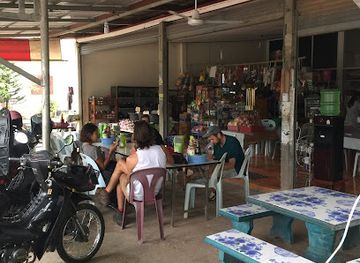
Nightlife in the Lao Annamites is quiet and locally focused. In Xam Neua, Vieng Xai, Thakhek and other gateway towns, evenings usually centre on modest restaurants, beer gardens, cafés and riverside or roadside eateries rather than dedicated clubs. Small guesthouses may have a communal social atmosphere, and a local festival or celebration can bring music to a village, but such events are seasonal and should not be treated as scheduled entertainment. Travellers staying near protected areas generally spend the evening at a lodge or homestay, discussing the next day’s walk and listening to the sounds of the forest. Alcohol is available in towns, but remote communities have limited supplies and visitors should follow hosts’ customs. The absence of a substantial club scene is part of the region’s practical character: early starts, long road journeys and darkness in rural areas shape evening life more than late-night venues.
-
Bar
SAKURA BAR
Discover the vibrant nightlife of Vang Vieng at Sakura Bar, where good drinks and great company await every night.
-
Irish pub
Gary's Irish Bar - The Rising Sun
Discover the heart of Irish pub culture at Gary's Irish Bar - The Rising Sun in Vang Vieng, where great food, drinks, and atmosphere await.
-
Irish pub
Tully's Irish Pub
Experience the unique blend of Irish hospitality and local flavor at Tully's Irish Pub near Thatluang Lake in Vientiane.
-
Restaurant
Kong View
Discover the exquisite flavors and stunning views at Kong View, Vientiane's premier dining destination.
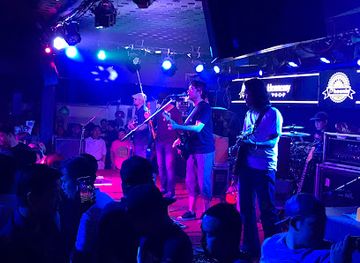
Best nightclubs in Annamite Range
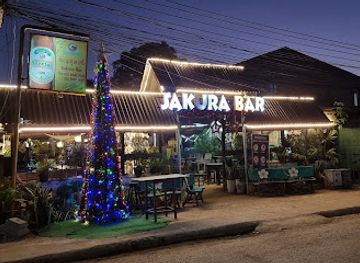
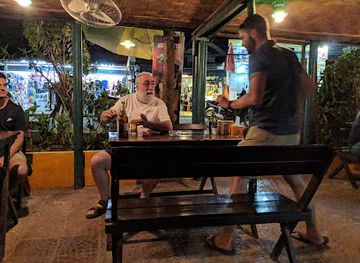
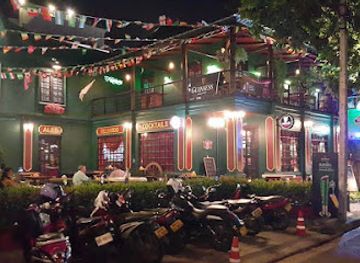
Nightlife in the Lao Annamites is quiet and locally focused. In Xam Neua, Vieng Xai, Thakhek and other gateway towns, evenings usually centre on modest restaurants, beer gardens, cafés and riverside or roadside eateries rather than dedicated clubs. Small guesthouses may have a communal social atmosphere, and a local festival or celebration can bring music to a village, but such events are seasonal and should not be treated as scheduled entertainment. Travellers staying near protected areas generally spend the evening at a lodge or homestay, discussing the next day’s walk and listening to the sounds of the forest. Alcohol is available in towns, but remote communities have limited supplies and visitors should follow hosts’ customs. The absence of a substantial club scene is part of the region’s practical character: early starts, long road journeys and darkness in rural areas shape evening life more than late-night venues.
-
Phoenix Night Club
Discover the vibrant nightlife at Phoenix Night Club in Vientiane, where great music and affordable drinks create unforgettable nights.
-
Night club
NangNoy Saengmnee
Dive into the vibrant nightlife of Ban Lao at NangNoy Saengmnee, where music, dancing, and fun await every night.
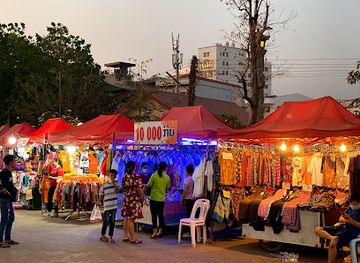
Best shops in Annamite Range
Shopping in the Lao Annamite Range is concentrated in provincial and district markets rather than purpose-built retail areas. Xam Neua and other Houaphanh centres are associated with locally made textiles and woven garments, while market stalls across the uplands sell rice, herbs, dried foods, bamboo items and practical household goods. Craft traditions vary between communities, so visitors should ask who made an item and whether its sale benefits the producer rather than assuming that every textile is locally made. In Khammouane, food products, woven goods and small handicrafts are more realistic purchases than luxury retail or specialist souvenirs. Carry sufficient kip for markets and village stalls, and package food products carefully for onward travel. Do not buy antiquities, old metal objects, wildlife products or items suspected to come from wartime sites. The most responsible shopping supports recognised cooperatives, community projects and individual makers while respecting cultural designs and local ownership.
-
City park
Chao Anouvong Park
Explore the tranquility and cultural richness of Chao Anouvong Park in Vientiane, a serene retreat by the Mekong River.
-
Shopping mall
Talat Sao Morning Market
Explore the bustling Talat Sao Morning Market in Vientiane, where local culture, delicious food, and unique shopping await every visitor.
-
Night market
Vientiane Night Market
Experience the vibrant culture of Vientiane at the Night Market, where local crafts, delicious street food, and lively entertainment await.
-
Shopping mall
Vientiane Center Lao
Discover Vientiane Center, a vibrant shopping mall in Laos offering a unique blend of local culture, international brands, and delicious dining options.


Get your free copy of our complete guide to Annamite Range, delivered straight to you.
Everything on this page, from attractions and restaurants to essentials and local phrases, in one PDF you can read offline, print or share.
Already have an account? Sign in
Your Annamite Range guide is ready.
We'll send it to · Not you? Sign out

Getting your guide ready…
We are putting together a fresh copy of the Annamite Range guide. This can take up to a minute.
This can take a few moments. If your browser asks, choose Allow so the download can start. You'll find the guide in your Downloads folder.
Nothing happened? Download it again
Sorry, the guide is taking longer than usual. Please try again in a minute, or get it by email instead.
Annamite Range essentials
Currency and Payment
Safety
Emergency Situations
Do's and Don'ts
Local Tips
From Eve
Local phrases worth knowing
You don't need to get them perfect. A few words go a long way, and locals appreciate the effort.
Basics
| English | Local | Say it |
|---|---|---|
| Hello | ສະບາຍດີ | [sabaidee] |
| Goodbye | ລາກ່ອນ | [laakon] |
| Yes | ແມ່ນ | [maen] |
| No | ບໍ່ | [bo] |
| Please/You're welcome | ບົວດີ | [bawdee] |
| Thank you | ຂອບໃຈ | [khob chai] |
| Excuse me/Sorry | ອະໄພ | [aphai] |
| How are you? | ສະບາຍດີບໍ? | [sabaidee bo?] |
| Fine. And you? | ສະບາຍດີ. ອີກບໍ? | [sabaidee. eek bo?] |
| Do you speak English? | ເຈົ້າສຽງພາສາອັງກິດແມ່ນບໍ? | [jao siang phasa angkit maen bo?] |
| I don't understand | ຂໍອະໄພ, ຂໍອະໄພ | [kho aphai, kho aphai] |
Eating & Drinking
| English | Local | Say it |
|---|---|---|
| I'd like to see the menu, please | ຂໍເປີດເມນູແດ່ | [kho bpert menu dae] |
| I don't eat meat | ຂໍບໍ່ກິນເຂົ້ມສັດ | [kho bo kin khiaen sat] |
| Cheers! | ເອື້ອນສຸດແດ່! | [euan suth dae!] |
| I would like to pay, please | ຂໍໃຫ້ຈ່າຍແດ່ | [kho hai jai dae] |
Emergencies
| English | Local | Say it |
|---|---|---|
| Help! | ຊ່ອຍ! | [sai!] |
| Go away! | ໄປຫໍ່! | [pai hāi!] |
| Call the Police! | ໂທແຈກອດ! | [tho chak ot!] |
| Call a doctor! | ໂທເພັດ! | [tho phet!] |
| I'm lost | ຂໍແບກລົດ | [kho baek lot] |
| I'm ill | ຂໍເປັນບໍ່ດີ | [kho pen bo dee] |
Shopping
| English | Local | Say it |
|---|---|---|
| I'd like to buy... | ຂໍເອົາ... | [kho ao...] |
| I'm just looking | ຂໍສຽງເບິ່ງ | [kho siang beng] |
| How much is it? | ລາຄາບໍ? | [lakhā bo?] |
| That's too expensive | ມັນແພງເກີນໄປ | [man phaeng kern pai] |
| Can you lower the price? | ສາມາດລົດລາຄາບໍ? | [samaat lot lakhā bo?] |
Time & Numbers
| English | Local | Say it |
|---|---|---|
| What time is it? | ລາຄາກະຍາບໍ? | [lakhā kanyab bo?] |
| It's one o'clock | ແມ່ນໜຶ່ງຊົ່ວໂມງ | [maen neung sôh mong] |
| Half past (10) | ເກັບຕອນເສັງສິດ | [keb ton seng sit] |
| Morning | ເຊົ້າ | [sao] |
| Afternoon | ບ່າຍ | [bai] |
| Evening | ຕອນແລງ | [ton laeng] |
| Yesterday | ມື້ກ່ອນ | [meu gon] |
| Today | ມື້ນີ້ | [meu ni] |
| Tomorrow | ມື້ອະໄພ | [meu aphai] |
| 1 | ໜຶ່ງ | [neung] |
| 2 | ສອງ | [song] |
| 3 | ສາມ | [sam] |
| 4 | ແສດ | [sèt] |
| 5 | ຫໍ່ | [hā] |
| 6 | ແອດ | [hèd] |
| 7 | ເຈັດ | [jèt] |
| 8 | ແຘດ | [hèd] |
| 9 | ເກົາ | [kao] |
| 10 | ສິບ | [sip] |
Transport & Directions
| English | Local | Say it |
|---|---|---|
| Where's a/the...? | ເປັນໃສ? | [pen sai?] |
| What's the address? | ທີ່ຢູ່ແມ່ນບໍ? | [thi yuu maen bo?] |
| Can you show me (on the map)? | ສາມາດສະແດງໃຫ້ຂໍແດ່? | [samaat saeng hai kho dae?] |
| When's the next (bus)? | ຄິດຈາຍແດ່? | [khit chai dae?] |
| A ticket (to ....) | ໃບບັດ(ໄປ...) | [bai bat (pai ...)] |
History of Annamite Range
Early upland communities and landscape adaptation
The Annamite uplands have been inhabited and used by diverse communities for centuries, with settlement patterns shaped by steep slopes, forest resources and difficult communications. Khmu, Tai, Hmong and smaller Vietic-speaking groups developed different combinations of wet-rice cultivation, swidden farming, gathering, hunting and trade. Archaeological evidence across eastern Laos also belongs to a wider mainland Southeast Asian story of movement through river valleys and mountain corridors. The region should not be reduced to an empty wilderness: its forests and caves have long been cultural landscapes, with customary knowledge and spiritual associations attached to particular places.
Lan Xang and the eastern mountain corridors
During the period of the Lao kingdom of Lan Xang, founded in the fourteenth century, eastern mountain routes linked Lao-influenced valleys with communities and political centres farther east. Control was uneven in rugged borderlands, but passes, river corridors and trading paths connected upland settlements to the Mekong basin and to areas now in Vietnam. Later Lao kingdoms, including Vientiane and Luang Prabang, exercised varying degrees of influence across the Annamite foothills. The resulting cultural landscape reflects overlapping political loyalties rather than a simple, fixed frontier.
French Indochina and the modern frontier
French colonial expansion in mainland Southeast Asia reshaped the eastern boundary of Laos and Vietnam during the late nineteenth and early twentieth centuries. Administrative mapping, taxation and new political borders formalised distinctions that had previously been more fluid, while colonial authorities relied on difficult mountain routes and local intermediaries to govern upland areas. Roads and administrative posts connected selected valleys, but the Annamites remained comparatively remote. The frontier established during the Indochina period still influences travel, cross-border trade and the political geography of Laos today.
Wartime caves and the Lao revolution
During the Indochina wars, the Annamite region became strategically important because its valleys and mountains offered concealment and routes between Laos and Vietnam. The caves at Vieng Xai in Houaphanh served as a headquarters and refuge for the Pathet Lao leadership, with living quarters, meeting rooms, schools and medical facilities built into the karst landscape. Other parts of eastern Laos were affected by bombing and military campaigns. The cave complex now provides one of the clearest ways to understand how warfare shaped civilian life and political organisation in the Lao highlands.
The Ho Chi Minh Trail and unexploded ordnance
The Ho Chi Minh Trail was a vast wartime logistical network running through Laos and neighbouring countries, with roads, tracks, pipelines, storage areas and temporary settlements distributed across difficult terrain. Sections passed through or near the Lao Annamite frontier, bringing intense military attention to areas that had previously had limited road access. Bombing left unexploded ordnance in many eastern districts, where clearance remains a long-term national and international effort. Visitors encounter this legacy through warning signs, restricted paths and the continuing caution required in rural landscapes.
Protected areas and conservation science
Late twentieth-century conservation efforts recognised the Annamites as one of mainland Southeast Asia’s important areas for endemic and threatened wildlife. Laos established large protected areas including Nam Et–Phou Louey, Nakai–Nam Theun and Hin Nam No, although their boundaries and management arrangements are administrative rather than a single range-wide system. The discovery and scientific description of species such as the saola in the wider Annamite forests drew global attention to the region’s biological importance. Conservation now involves habitat protection, anti-poaching work and negotiations with communities whose livelihoods depend on surrounding landscapes.
Contemporary roads, hydropower and rural change
Modern infrastructure has made parts of the eastern Lao mountains more accessible, but road building, hydropower development, commercial agriculture and migration have also altered valleys and river systems. New connections can improve access to schools, markets and health services while changing longstanding patterns of land use. The Annamite Range therefore presents both a conservation challenge and a development story. Responsible tourism is relatively small-scale, yet it can support guides, homestays and protected-area work when visitors use local services and respect restrictions designed for environmental and community protection.
Annamite Range in Photos
Browse through our photo collection highlighting the charm and character of the destination.
Neighbouring regions of Annamite Range
The closest regions to Annamite Range, if you have time for more than one.
-

-

-

-

-


Swipe for more regions
Explore more

Explore more of Laos
Discover Laos: A tranquil escape with breathtaking landscapes, rich culture, and warm hospitality. Perfect for adventure seekers and those craving serene beauty.
Explore Laos