

Free Vang Vieng Karst Landscape Travel Guide & Mobile App
Explore Vang Vieng Karst Landscape with free travel guides. Discover regional history, expert tips, proposed trips, and audio guides on web or mobile app.


Explore Laos’s Vang Vieng karst landscape for limestone peaks, river journeys, caves, viewpoints, village life and outdoor adventures.
Read more about Vang Vieng Karst Landscape
When is the best time to visit Vang Vieng Karst Landscape?
Best: December–February · 26–28°C| Month | High (°C) | Rainfall (mm) |
|---|---|---|
| January (best) | 26 | 10 |
| February (best) | 28 | 20 |
| March | 31 | 40 |
| April | 34 | 80 |
| May | 34 | 150 |
| June | 33 | 200 |
| July | 32 | 250 |
| August | 32 | 250 |
| September | 32 | 200 |
| October | 31 | 150 |
| November | 28 | 100 |
| December (best) | 26 | 20 |
Getting to and around Vang Vieng Karst Landscape
How to get there
Transportation
Top city travel guides in Vang Vieng Karst Landscape
The cities of Vang Vieng Karst Landscape, and the easiest places to base yourself.

Swipe for more cities
Best attractions in Vang Vieng Karst Landscape
The attractions of the Vang Vieng karst landscape are predominantly natural and active rather than monumental. Caves such as Tham Chang and Tham Phu Kham combine limestone geology with local stories, religious associations and valley views, while smaller cave systems and water-filled passages are best explored with qualified local guides. The Nam Song provides opportunities for kayaking and tubing when conditions are suitable, and the surrounding countryside offers cycling, hiking and climbing against a backdrop of abrupt karst towers. Forested paths lead towards lagoons and rural swimming areas, although facilities and safety arrangements vary. Viewpoints on the hills above the valley demand care but reward visitors with broad perspectives over fields, river bends and isolated limestone formations. Around town, temples, village roads and riverside walks provide a slower counterpoint to organised excursions. The area is not a conventional national-park destination with uniformly managed facilities: access roads, signs, entrance arrangements and equipment standards can differ from one site to another. Its appeal lies in the concentration of caves, waterways and dramatic geology within a cultivated valley, but responsible travel is important because litter, erosion, unsafe structures and unregulated activity can diminish the landscape.
-
Swimming lake
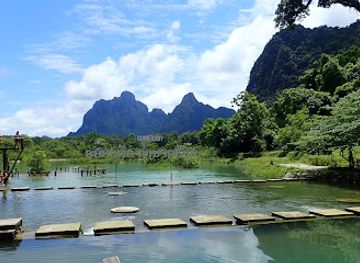
Blue Lagoon 1 and Phu Kham Cave Vang Vieng
Experience the breathtaking beauty of Blue Lagoon 1 and Phu Kham Cave in Vang Vieng, a perfect blend of relaxation and adventure in Laos.
-
Observation deck
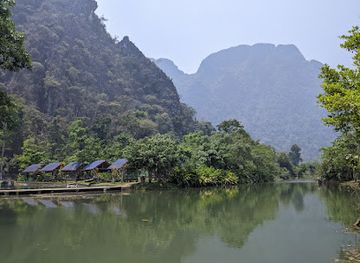
Nam Xay Viewpoint
Discover breathtaking views and natural beauty at Nam Xay Viewpoint, an iconic observation deck in Laos that captivates every visitor.
-
Park
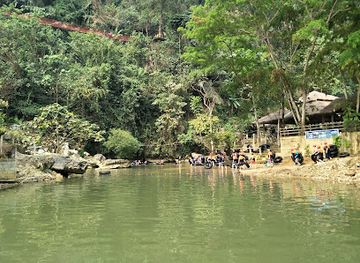
Blue Lagoon 2
Discover the serene beauty of Blue Lagoon 2 in Vangviang, Laos, where crystal-clear waters and lush greenery await your exploration.
-
Tourist attraction
ຖຳ້ນຳ້ Tham Nam (Water Cave)
Explore the serene Tham Nam Water Cave in Vientiane, Laos, where adventure meets nature in a breathtaking underground paradise.

Best landmarks in Vang Vieng Karst Landscape
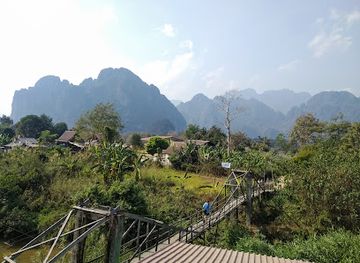
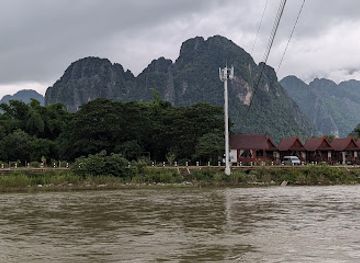
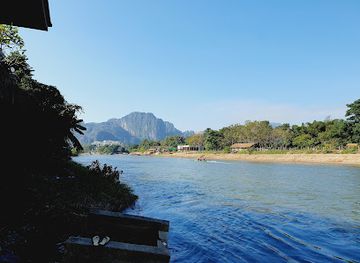
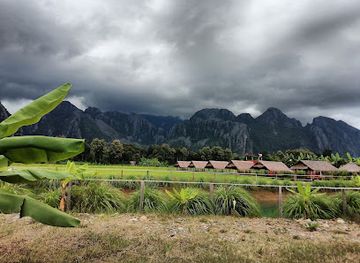
The most recognisable landmark of the Vang Vieng landscape is the chain of pale limestone towers rising sharply from the Nam Song valley. These formations give the area its visual identity and frame views from roads, fields, riverbanks and hilltop paths. The Nam Song itself is another defining feature: its winding course links the town, cultivated plain and karst escarpments, changing character with the seasons. Tham Chang is significant as both a cave landmark and a viewpoint overlooking the valley, while Tham Phu Kham is known for its limestone cavern, forest approach and nearby Blue Lagoon area. Small Buddhist shrines and temples around the town and villages add a human and spiritual dimension to the landscape, though they are generally modest rather than grand architectural monuments. The valley’s rice fields are also important visual landmarks, demonstrating how farming occupies the flat land between the river and the steep karst. Together, these features express Vang Vieng’s character more clearly than any single building.
-
Tourist attraction
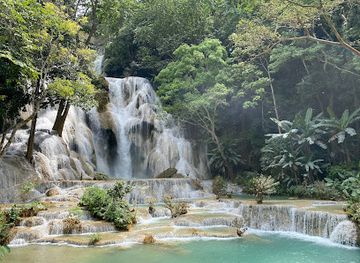
Kuang Si Waterfall
Discover the enchanting Kuang Si Waterfall near Luang Prabang: a mesmerizing cascade of turquoise pools, lush jungle, and serene beauty.
-
Tourist attraction
Pha That Luang Vientiane
Discover Pha That Luang, Vientiane's iconic golden stupa, a symbol of Lao national identity and a testament to centuries of history and Buddhist heritage.
-
Swimming lake
Blue Lagoon 1 and Phu Kham Cave Vang Vieng
Discover turquoise waters and sacred caves at Vang Vieng's Blue Lagoon 1 & Phu Kham Cave, a Laotian adventure.
-
Tourist attraction
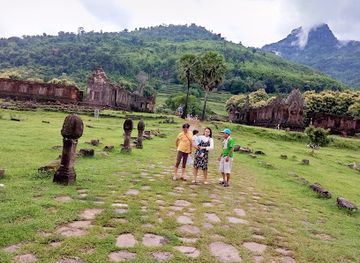
Vat Phou
Explore Vat Phou, Laos: An ancient Khmer temple complex blending Hindu & Buddhist heritage in a serene, natural setting. A UNESCO World Heritage Site.

Explore Vang Vieng Karst Landscape on the map
Plan your trip on one map. See where the top cities, national parks and sights are, and book hotels and experiences in a few clicks.
Best hotels in Vang Vieng Karst Landscape
Best restaurants in Vang Vieng Karst Landscape
Vang Vieng’s dining scene combines Lao staples with food aimed at international visitors. Look for sticky rice, laap, grilled meats, jeow dipping sauces, noodle soups, fresh herbs and river fish where available, as well as simple rice and noodle dishes suited to an active day. Small Lao restaurants and market-style stalls offer a more local experience than the menus of the tourist centre, while cafés and guesthouse restaurants commonly serve coffee, fruit shakes, sandwiches and Western dishes. The surrounding agricultural valley supports rice cultivation and supplies some fresh produce, although not every menu item is locally sourced. Riverside and town-centre establishments cater to travellers, with prices and standards varying between businesses. Ask whether dishes are spicy and specify dietary requirements clearly, particularly when avoiding meat, fish or dairy. Bottled water is widely available, and visitors should choose food that is freshly cooked and served hot when eating away from established restaurants.
-
Irish pub
Gary's Irish Bar - The Rising Sun
Discover the charm of Vang Vieng at Gary's Irish Bar - The Rising Sun, where traditional Irish hospitality meets local flavors.
-
Thai
Happy Mango Thai Restaurants
Experience authentic Thai flavors at Happy Mango in Vang Vieng – a culinary haven for food lovers seeking vibrant tastes and vegetarian delights.
-
Laotian
Green Restaurant
Discover authentic Laotian cuisine at Green Restaurant in Vang Vieng – where delicious meals meet breathtaking views.
-
Barbecue
Peeping Som's
Experience mouthwatering barbecue delights at Peeping Som's in Vang Vieng - where local flavors meet culinary creativity.

Best bars in Vang Vieng Karst Landscape
Evenings in Vang Vieng centre around restaurants, riverside bars, cafés and casual guesthouse venues rather than a large, formally organised nightclub district. The town’s earlier reputation for a high-risk party scene has moderated since the closure of many unsafe riverside operations, although drinking-oriented venues remain part of the visitor economy. Some establishments offer music, pool tables or social seating, while the atmosphere in rural areas becomes quiet soon after dark. Small-scale live music and informal entertainment may appear, but schedules and venues change frequently. Alcohol is not necessary for enjoying the landscape, and visitors should avoid drinking before driving, swimming, tubing or entering caves. The principal nightlife is concentrated in the town centre, so arrange a safe ride back if staying outside it and do not assume that rural transport will remain available late at night.
-
Bar
SAKURA BAR
Discover the vibrant nightlife at Sakura Bar in Vang Vieng, offering affordable drinks, lively music, and a welcoming atmosphere for all.
-
Irish pub
Gary's Irish Bar - The Rising Sun
Discover the vibrant fusion of Irish culture and Laotian hospitality at Gary's Irish Bar - The Rising Sun in Vang Vieng.
-
Barbecue
Peeping Som's
Discover the vibrant culinary scene at Peeping Som's, a top barbecue restaurant in Vang Vieng, famous for its mixed hotpot and inviting atmosphere.
-
Bar
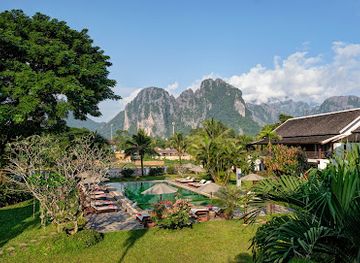
Riverside Boutique Resort
Experience luxury and tranquility at Riverside Boutique Resort, the perfect escape in Vang Vieng, Laos with stunning river views and unparalleled hospitality.
Best nightclubs in Vang Vieng Karst Landscape
Evenings in Vang Vieng centre around restaurants, riverside bars, cafés and casual guesthouse venues rather than a large, formally organised nightclub district. The town’s earlier reputation for a high-risk party scene has moderated since the closure of many unsafe riverside operations, although drinking-oriented venues remain part of the visitor economy. Some establishments offer music, pool tables or social seating, while the atmosphere in rural areas becomes quiet soon after dark. Small-scale live music and informal entertainment may appear, but schedules and venues change frequently. Alcohol is not necessary for enjoying the landscape, and visitors should avoid drinking before driving, swimming, tubing or entering caves. The principal nightlife is concentrated in the town centre, so arrange a safe ride back if staying outside it and do not assume that rural transport will remain available late at night.
-
Bar
SAKURA BAR
Discover the lively nightlife at Sakura Bar in Vang Vieng, where great drinks, music, and friendly locals create unforgettable memories.
-
Irish pub
Gary's Irish Bar - The Rising Sun
Discover the lively atmosphere of Gary's Irish Bar - The Rising Sun in Vang Vieng, where Irish charm meets Laotian hospitality.
-
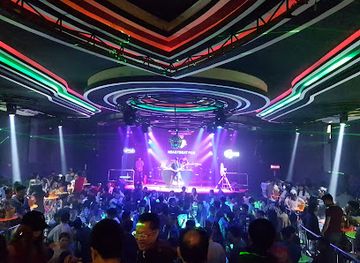
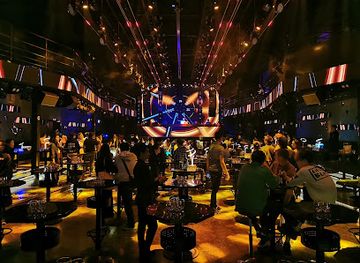
Disco club
Heart Beat Club
Experience Vang Vieng's nightlife at Heart Beat Club, a lively disco club where music, dance, and unforgettable memories come alive.
-
Night club
Club DPlus
Unleash your night at Club DPlus, Vientiane's ultimate destination for dance, drinks, and unforgettable memories.

Best shops in Vang Vieng Karst Landscape
Shopping in Vang Vieng is concentrated in the town centre and is oriented towards practical supplies, travel equipment, souvenirs and locally made products rather than large-scale retail. Small shops sell snacks, drinks, clothing, sandals, dry bags and basic outdoor gear, while market-style stalls may offer fruit, prepared food and everyday household goods. Visitors can look for Lao textiles, woven bags, scarves, handicrafts and small decorative items, but quality and provenance vary, so ask sellers about materials and production rather than assuming every item is locally made. Regional foods such as coffee, dried produce, spices and rice products may be easier to transport than fragile crafts. The town has independent cafés, galleries and souvenir outlets, though opening arrangements can change. Bargaining may be accepted in informal markets but should remain courteous; fixed prices are more common in established shops. There is no need to expect a major shopping centre, and buying directly from small producers or village-based craftspeople can provide more meaningful support when arrangements are transparent.
-
Shopping mall
Talat Sao Morning Market
Experience the heart of Vientiane at Talat Sao Morning Market, a vibrant hub for local culture, cuisine, and crafts.
-
Swimming lake
Blue Lagoon 1 and Phu Kham Cave Vang Vieng
Experience the stunning Blue Lagoon and Phu Kham Cave in Vang Vieng, a perfect blend of adventure and relaxation amidst breathtaking natural beauty.
-
Shopping mall
Vientiane Center Lao
Explore Vientiane Center, a premier shopping destination in Laos, offering a unique blend of culture, cuisine, and entertainment.
-
Shopping mall
ITECC Mall
ITECC Mall in Vientiane: A vibrant shopping haven blending local charm with international brands for a unique retail experience.
Get your free copy of our complete guide to Vang Vieng Karst Landscape, delivered straight to you.
Everything on this page, from attractions and restaurants to essentials and local phrases, in one PDF you can read offline, print or share.
Already have an account? Sign in
Your Vang Vieng Karst Landscape guide is ready.
We'll send it to · Not you? Sign out

Getting your guide ready…
We are putting together a fresh copy of the Vang Vieng Karst Landscape guide. This can take up to a minute.
This can take a few moments. If your browser asks, choose Allow so the download can start. You'll find the guide in your Downloads folder.
Nothing happened? Download it again
Sorry, the guide is taking longer than usual. Please try again in a minute, or get it by email instead.
Vang Vieng Karst Landscape essentials
Currency and Payment
Safety
Emergency Situations
Do's and Don'ts
Local Tips
From Eve
Local phrases worth knowing
You don't need to get them perfect. A few words go a long way, and locals appreciate the effort.
Basics
| English | Local | Say it |
|---|---|---|
| Hello | ສະບາຍດີ | [sabaidee] |
| Goodbye | ລາກ່ອນ | [laa gon] |
| Yes | ແມ່ນແລ້ວ | [maen laew] |
| No | ບໍ່ | [bo] |
| Please/You're welcome | ບັນຊາ | [bancha] |
| Thank you | ຂອບໃຈ | [khob chai] |
| Excuse me/Sorry | ຂໍອະໄພ | [khaw aepai] |
| How are you? | ສະບາຍດີບໍ? | [sabaidee bo?] |
| Fine. And you? | ສະບາຍດີ, ແລ້ວເຈົ້າລະ? | [sabaidee, laew jao la?] |
| Do you speak English? | ເຈົ້າສຽງອັງກິດແມ່ນບໍ? | [jao siang angkit maen bo?] |
| I don't understand | ຂໍອະໄພບໍ່ເຂົ້າໃຈ | [khaw aepai bo khao jai] |
Eating & Drinking
| English | Local | Say it |
|---|---|---|
| I'd like to see the menu, please | ຂໍເບິ່ງເມນູດ້ວຍ | [khaw berng menu duay] |
| I don't eat meat | ຂໍອະໄພບໍ່ກິນເນື້ອ | [khaw aepai bo kin neua] |
| Cheers! | ສ່ອນສຸດ! | [son sud!] |
| I would like to pay, please | ຂໍໃອກເງິນດ້ວຍ | [khaw aiyk ngeun duay] |
Emergencies
| English | Local | Say it |
|---|---|---|
| Help! | ຊ່ອຍ! | [soi!] |
| Go away! | ໄປເພາະ! | [pai pheaa!] |
| Call the Police! | ໂທແກ່ສະຖານຕຳຫນ່ອຍ! | [tho kae sa than tam nhoi!] |
| Call a doctor! | ໂທແມ່ນແພດ! | [tho maen paet!] |
| I'm lost | ຂໍອະໄພຫາສາຍບໍ່ເຫັນ | [khaw aepai ha saai bo hen] |
| I'm ill | ຂໍອະໄພເປັນບໍ່ດີ | [khaw aepai pen bo di] |
Shopping
| English | Local | Say it |
|---|---|---|
| I'd like to buy... | ຂໍຊື້... | [khaw sue...] |
| I'm just looking | ຂໍອະໄພເບິ່ງເທີ່ | [khaw aepai berng the] |
| How much is it? | ເປັນເທົ່າໃດ? | [pen thao dai?] |
| That's too expensive | ມັນແພງເກົ່ນໄປ | [man paeng ken pai] |
| Can you lower the price? | ເຈົ້າສາມາດປ່ອນລະຄາໄດ້ບໍ? | [jao sa maad pon laka dai bo?] |
Time & Numbers
| English | Local | Say it |
|---|---|---|
| What time is it? | ເວລາແມ່ນແຕ່ລຽງ? | [welaa maen taelieng?] |
| It's one o'clock | ເວລາແມ່ນເດີດ | [welaa maen derd] |
| Half past (10) | ເວລາເດີດດິນກັບສາມສິບ | [welaa derd din kab saam sip] |
| Morning | ເຊົ້າ | [sao] |
| Afternoon | ບ່າຍ | [baai] |
| Evening | ແບກສະດົມ | [baek sa dom] |
| Yesterday | ມື້ອາດ | [meu aat] |
| Today | ມື້ນີ້ | [meu ni] |
| Tomorrow | ມື້ອະນີ້ | [meu a ni] |
| 1 | ໜຶ່ງ | [neung] |
| 2 | ສອງ | [song] |
| 3 | ສາມ | [saam] |
| 4 | ໄດ້ | [dai] |
| 5 | ຫໍ້ | [ha] |
| 6 | ແສດ | [saed] |
| 7 | ເຈັດ | [jed] |
| 8 | ແອດ | [aet] |
| 9 | ເກົ້າ | [kao] |
| 10 | ສິບ | [sip] |
Transport & Directions
| English | Local | Say it |
|---|---|---|
| Where's a/the...? | ເປັນທີ່ໃດ...? | [pen thee dai...?] |
| What's the address? | ທີ່ຢູ່ແມ່ນໃດ? | [thee yuu maen dai?] |
| Can you show me (on the map)? | ເຈົ້າສາມາດສະແດງໃຫ້ຂໍແບບໄດ້ບໍ? | [jao sa maad sa daeng hai khaeb dai bo?] |
| When's the next (bus)? | ບັດທີ່ແມ່ນເມື່ອໃດ? | [bat thee maen meu dai?] |
| A ticket (to ....) | ປ່ອນບິດບັດ | [pon bit bat] |
History of Vang Vieng Karst Landscape
Ancient settlement and karst landscapes
The Vang Vieng valley has long offered water, fertile land and routes through the limestone highlands. Caves and rock shelters in the wider region preserve evidence of human use over long periods, although individual sites vary in their archaeological importance and accessibility. The karst itself also contains important natural records: caves formed by underground water reveal changing landscapes and environments. For present-day visitors, the relationship between the Nam Song, agricultural plain and limestone formations is not merely scenic; it reflects the physical conditions that have made settlement possible in this otherwise rugged part of central Laos.
The Lan Xang and Lao Buddhist world
The Vang Vieng area developed within the cultural and political orbit of Lao kingdoms, particularly Lan Xang, founded in the fourteenth century. Authority shifted over time, but Lao language, Theravada Buddhist practice, village organisation and rice cultivation became enduring features of the region. Temples and small shrines around Vang Vieng are more modest than the major monuments of Luang Prabang or Vientiane, yet they provide a local context for understanding the valley. Seasonal Buddhist observances and respect for sacred spaces remain important aspects of community life.
Regional routes and the French colonial period
Vang Vieng occupied a position on routes linking the Mekong lowlands with the interior of Laos. During the French colonial period, which began in the late nineteenth century, administrative and transport networks were reorganised across the country. The settlement remained much smaller and less internationally prominent than Vientiane or Luang Prabang, but colonial-era mapping and road development formed part of the broader process that connected the valley more closely to national centres. Later roads and modern transport would make the karst landscape increasingly accessible to travellers.
War, bombing and unexploded ordnance
Laos was heavily affected by the conflicts of the twentieth century, including the Second Indochina War. Central Lao transport corridors and surrounding areas experienced bombing and military activity, leaving unexploded ordnance in parts of the country. The immediate tourist landscape around Vang Vieng is commonly visited, but the wider countryside should not be treated as free of risk simply because it appears rural or undeveloped. Visitors should remain on established paths, never touch unfamiliar metal objects and use qualified local guidance away from well-travelled sites.
Road access and the growth of tourism
Improved road connections between Vientiane, Vang Vieng and northern Laos brought a steady increase in domestic and international visitors. Guesthouses, cafés and tour services expanded around the town, while the Nam Song and surrounding caves became central to the visitor economy. Tourism provided new income but also placed pressure on the river environment, local infrastructure and community life. The area’s development illustrates how improved access can rapidly change a rural Lao settlement without erasing the agricultural and religious practices that continue around it.
From party destination to outdoor centre
During the 2000s and early 2010s, Vang Vieng became widely associated with riverside tubing, alcohol-focused tourism and unsafe commercial structures along the Nam Song. A series of accidents and public concern prompted authorities to close many of the most hazardous operations in 2012. The area subsequently promoted a broader range of activities, including caving, climbing, cycling, hiking, kayaking and nature-based excursions. The shift did not remove tourism’s impact, but it changed the public image of Vang Vieng and encouraged greater attention to safety and environmental management.
The China–Laos railway era
The opening of the China–Laos railway in 2021 transformed access to Vang Vieng by providing a faster connection with Vientiane and northern destinations than the traditional winding road journeys. The station is outside the town centre, so travellers still need a local transfer, but the railway has strengthened Vang Vieng’s role within Laos’s north–south travel corridor. Increased connectivity may bring further investment and visitor numbers, making careful management of caves, riverbanks, rural land and local communities increasingly significant.
Vang Vieng Karst Landscape in Photos
Browse through our photo collection highlighting the charm and character of the destination.
Neighbouring regions of Vang Vieng Karst Landscape
The closest regions to Vang Vieng Karst Landscape, if you have time for more than one.
-

-

-

-

-


Swipe for more regions
Explore more

Explore more of Laos
Discover Laos: A tranquil escape with breathtaking landscapes, rich culture, and warm hospitality. Perfect for adventure seekers and those craving serene beauty.
Explore Laos