

Phou Bia, Laos Travel Guide
Discover Phou Bia, the highest peak in Laos, where breathtaking views and rich cultural experiences await. Perfect for adventure seekers and nature lovers alike.
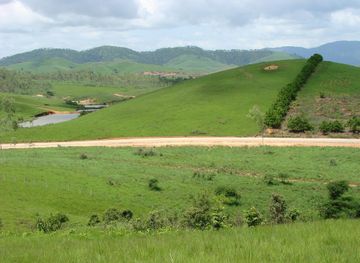
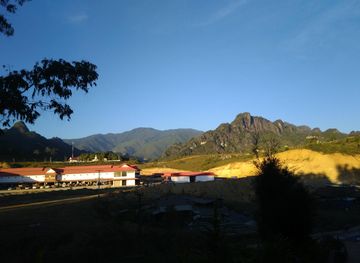
Phou Bia, the highest mountain in Laos, stands majestically in the Annamite Range. At 2,819 meters, it offers an unspoiled wilderness perfect for adventurous travelers. The mountain is part of the Phou Bia Massif, a region renowned for its diverse ecosystems and rich biodiversity. The journey to Phou Bia is an adventure in itself. The trails wind through dense forests, past crystal-clear streams, and up steep, rocky paths. The climb can be challenging, but the reward is worth it. From the summit, you will be treated to breathtaking panoramic views of lush landscapes, stretching as far as the eye can see. But Phou Bia is not just about the climb. The surrounding area is home to quaint villages where you can experience the local culture and traditions. The Hmong and Lao people who live here are known for their warm hospitality. Visitors can learn about their way of life, sample traditional foods, and even participate in local festivals. Due to its remote location, Phou Bia remains relatively untouched by mass tourism. This adds to its charm, making it a perfect destination for those seeking tranquility and a connection with nature. Just remember to plan your trip carefully, as the area can be difficult to access and weather conditions can change rapidly.

Know before you go
Hi, I'm Eve. Here are a few practical things to know before exploring Phou Bia.
- Check weather conditions before your trip as they can change quickly and affect your plans.
- Hire a local guide to navigate the trails safely and to learn more about the area's flora and fauna.
- Carry sufficient water and snacks as there are limited facilities along the way.
- Wear sturdy hiking boots and pack layers to accommodate varying temperatures.
- Respect local customs and traditions when visiting nearby villages.
Top City Travel Guides in Phou Bia
The cities of Phou Bia, and the easiest places to base yourself.


Destinations in Phou Bia
Resorts, valleys and scenic spots worth a trip of their own.


Explore Phou Bia: Things to Do, Places to Eat, Hotels & More
Handpicked recommendations for top attractions, local dining, accommodations, and more

Top Attractions & Sightseeing in Phou Bia
Top-rated picks
Best Attractions
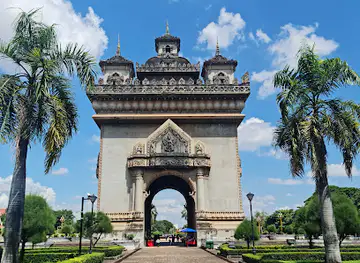
Patuxay - Victory Monument
Discover the iconic Patuxay Monument in Vientiane, a symbol of Laotian independence and a breathtaking viewpoint of the city.

Pha That Luang Vientiane
Discover the cultural heart of Laos at Pha That Luang, a stunning golden stupa and symbol of national unity in Vientiane.

Chao Anouvong Park
Discover the tranquility of Chao Anouvong Park, a lush urban oasis in Vientiane, perfect for relaxation and cultural exploration by the Mekong River.

Wat Xiengthong
Explore the serene beauty of Wat Xiengthong, a must-visit Buddhist temple in Luang Prabang, Laos, renowned for its stunning architecture and cultural significance.


Best restaurants in Phou Bia
Top-rated picks
Best Restaurants

Bamboo Garden Restaurant
Experience authentic Lao cuisine at Bamboo Garden Restaurant in Luang Prabang - where tradition meets taste at affordable prices.

Dyen Sabai Restaurant
Experience authentic Lao cuisine at Dyen Sabai Restaurant in Luang Prabang – where flavor meets breathtaking river views.

BOUANG Asian Eatery
Experience authentic Asian cuisine at BOUANG Asian Eatery in Luang Prabang - where every dish tells a story.

Khaiphaen
Discover authentic Laotian flavors at Khaiphaen, where each dish tells a story of culture and tradition.

Best bars in Phou Bia
Top-rated picks
Best Bars

Maolin Tavern
Experience the vibrant nightlife of Luang Prabang at Maolin Tavern, where local flavors meet a lively atmosphere.

Artisan Bar
Discover Artisan Bar, Luang Prabang's premier cocktail destination, where innovative drinks and a stylish atmosphere await.

Aussie Bar - Sports Bar
Experience the thrill of live sports and local flavors at the Aussie Bar, the go-to sports bar in Luang Prabang.

LPMC Bar & Restaurant
Experience the heart of Sakarine at LPMC Bar & Restaurant, where local flavors and vibrant culture come together in a welcoming atmosphere.

Best nightclubs in Phou Bia
Top-rated picks
Best Nightclubs

Dao Fa Hotel & club
Discover the charm and comfort of Dao Fa Hotel & Club in Luang Prabang, your gateway to local culture and unforgettable experiences.

Fullmoon karaoke
Experience the nightlife of Luang Prabang at Fullmoon Karaoke, where music, laughter, and local culture come alive in a vibrant atmosphere.

Club DPlus
Dive into Vientiane's nightlife at Club DPlus, where vibrant music, signature cocktails, and a lively atmosphere create unforgettable experiences.

Icon Klub
Discover the vibrant nightlife at Icon Klub in Luang Prabang, where creative cocktails and a lively atmosphere await every evening.

Best shops in Phou Bia
Top-rated picks
Best Shops

The Boutique by Ock Pop Tok
Explore the vibrant artistry of Laos at The Boutique by Ock Pop Tok, where handmade textiles and unique crafts await every visitor.

Caruso Creations Luang Prabang
Explore Caruso Creations in Luang Prabang for unique handmade crafts that reflect the rich cultural heritage of Laos.

MINISO
Explore MINISO in Luang Prabang for stylish, affordable gifts that embody the charm of your travels.

Pathana Boupha Antique House
Explore the rich heritage of Laos at Pathana Boupha Antique House, a treasure trove of antiques and local crafts in Luang Prabang.

Explore Phou Bia on the Map
A handpicked selection of must-see spots in Phou Bia, mapped for you.
Phou Bia Essentials
-
Phou Bia, the highest peak in Laos, is located in the Annamite Range within the Xaisomboun Province. The nearest major city with an international airport is Vientiane, the capital of Laos. From Vientiane, you can take a domestic flight to Xieng Khouang Airport in Phonsavan. Alternatively, you can travel by bus or private taxi from Vientiane to Xaisomboun. The journey by road typically takes about 6-8 hours, depending on road conditions.
-
Within Xaisomboun Province, transportation options include local buses, minibuses, and taxis. Renting a motorbike is a popular choice for those wanting to explore the area at their own pace. Be aware that road conditions can be rough, so a sturdy vehicle is recommended. For visiting remote areas, hiring a local guide is advisable for both navigation and safety.
-
The official currency of Laos is the Lao Kip (LAK). Credit cards are accepted in larger hotels and some restaurants in major cities, but cash is essential when traveling to remote areas like Phou Bia. ATMs are available in Vientiane and Phonsavan, but it is wise to carry sufficient cash before heading into the mountains. Currency exchange services are available at airports and in major cities.
-
Phou Bia and its surrounding areas are generally safe for tourists. However, it's important to stay vigilant and take standard precautions. Avoid isolated areas after dark and be cautious of your belongings in crowded places. Be aware that some remote areas may have unexploded ordnance (UXO) from past conflicts. Always stick to marked paths and follow local advice.
-
In case of an emergency, dial 1191 for police or 1195 for medical assistance. Medical facilities in Xaisomboun are limited, so it is advisable to have comprehensive travel insurance that includes medical evacuation. For minor health issues, pharmacies in Phonsavan can provide over-the-counter medications. Carry a basic first aid kit when trekking or exploring remote areas.
-
Fashion: Do dress modestly, especially when visiting villages and religious sites. Avoid wearing revealing clothing. Religion: Do respect local customs and traditions. Remove your shoes and cover your head when entering temples. Public Transport: Do be polite and offer your seat to elderly passengers. Don't eat or drink on public transport. Greetings: Do greet locals with a slight bow or the traditional 'nop', which involves placing your palms together in a prayer-like gesture. Eating & Drinking: Do try local Lao dishes and accept food offerings graciously. Don't refuse hospitality, as it is considered impolite.
-
To experience Phou Bia like a local, engage with the ethnic Hmong and Lao people living in the region. Visit local markets to buy fresh produce and traditional handicrafts. Participate in local festivals if your visit coincides with one. Hiring a local guide can enrich your experience by providing insights into the area's history and culture. Don't miss the opportunity to hike to the summit of Phou Bia for breathtaking views.
When is the best time to visit Phou Bia?
Useful Local Phrases for Phou Bia
You don't need to speak the language perfectly. Even learning a few simple words can make conversations warmer—and locals usually appreciate the effort.
— Eve

Here are the phrases I use most often in Phou Bia. Try a few—you'll be surprised how far they go! 😊
❤️
-
- Helloສະບາຍດີ
[sabaidee] - Goodbyeລາກ່ອນ
[lakon] - Yesແມ່ນ
[maen] - Noບໍ່
[bo] - Please/You’re welcomeກະລຸນາ
[kaluna] - Thank youຂອບໃຈ
[khob chai] - Excuse me/Sorryອະໄພ
[aphai] - How are you?ສະບາຍດີບໍ?
[sabaidee bo?] - Fine. And you?ສະບາຍດີ. ອີກລະ?
[sabaidee. eek la?] - Do you speak English?ທ່ານສຽງອັງກິດໄດ້ບໍ?
[than siang angkit dai bo?] - I don't understandຂໍໍ່ບໍ່ເຂົ້າໃຈ
[kho po bo khao jai]
- Helloສະບາຍດີ
-
- I'd like to see the menu, pleaseຂໍແອກເອກສຽງແຕ່ງຂໍຂໍ້ສິນ
[kho aek ek siang taeng kho khong sin] - I don't eat meatຂໍໍ່ບໍ່ເກັບເດັກ
[kho po bo kep dek] - Cheers!ສຸດສຸດ!
[sud sud] - I would like to pay, pleaseຂໍ່ຄ່າໃບບັດບໍ?
[kho kha bai bat bo?]
- I'd like to see the menu, pleaseຂໍແອກເອກສຽງແຕ່ງຂໍຂໍ້ສິນ
-
- Help!ຊ່ອຍ!
[soi] - Go away!ໄປຫໍ່ແດ່!
[pai ho da] - Call the Police!ໂທເປິໂທ່ໄປສະພາບດຳ!
[tho per tho pai sapab dam] - Call a doctor!ໂທແໄດໍຈິທີ່ດິນ!
[tho dai ja thi din] - I'm lostຂໍໍ່ສູນສິໆສູນສິງ
[kho po sun sin sun sing] - I'm illຂໍໍ່ປ່ອນດີ
[kho po pon di]
- Help!ຊ່ອຍ!
-
- I'd like to buy...ຂໍເຮັດວຽກສິນຄ້າ...
[kho het viak sin kha] - I'm just lookingຂໍເບິ່ງບໍ່ເພີ່ນ
[kho beng bo phen] - How much is it?ນັກເຄົາລະດັບ່າ?
[nak khao la dap ba?] - That's too expensiveແມ່ນສູງແມ່ນທີ່ແທນ
[maen sung maen thi thaen] - Can you lower the price?ທ່ານສາມາດລົບລູກໃຈບໍ?
[than samaat lob luk jai bo?]
- I'd like to buy...ຂໍເຮັດວຽກສິນຄ້າ...
-
- What time is it?ເວລາໃດ?
[wela dai?] - It's one o'clockມື້ແດ່ສະບາຍດີ
[mue da sabaidee] - Half past (10)ເດີນສະບາຍດີເທັ່ັກ
[den sabaidee tek] - Morningເຊົ້າ
[sao] - Afternoonບໍ່ດີ
[bo di] - Eveningແລ້ວດີ
[laew di] - Yesterdayວັນສີດີ
[van si di] - Todayວັນດິນ
[van din] - Tomorrowວັນສີ່ດີ
[van si di] - 11
[1] - 22
[2] - 33
[3] - 44
[4] - 55
[5] - 66
[6] - 77
[7] - 88
[8] - 99
[9] - 1010
[10]
- What time is it?ເວລາໃດ?
-
- Where's a/the...?ເສັຍຕົນສະພົວສິນ?
[say ton sapou sin?] - What's the address?ລະບົບດັບບໍ?
[labob dab bo?] - Can you show me (on the map)?ສາມາດສະພາບຈິດໃຫ້ແດ່ພັດດິນ?
[samaat sapap jid hai da pat din?] - When's the next (bus)?ເວລາສະພາບສະພາບສີ່ຈິດອອກ?
[wela sapap si jid ok?] - A ticket (to ....)ເບິ່ງບັດສະພາບຖ່າງສີ່ສະພາບຕິດຕິ່ນ
[ben bat sapap thang si sapap tit tin]
- Where's a/the...?ເສັຍຕົນສະພົວສິນ?
History of Phou Bia
-
Phou Bia has long been inhabited by various indigenous groups, including the Hmong and Khmu people. Archaeological evidence suggests that these early settlers lived off the land, engaging in farming, hunting, and gathering. Traditional practices and ancient folklore have been passed down through generations, contributing to the rich cultural tapestry of the region.
-
During the late 19th and early 20th centuries, Laos became part of French Indochina. The French colonial period left a lasting impact on Phou Bia, as the region was explored for its natural resources. Infrastructure projects, including roads and communication lines, were developed to facilitate resource extraction and control over the local population. The French influence is still evident in the architecture and cultural artifacts found in the area.
-
Phou Bia played a significant role during the Secret War (1964-1973), when the United States conducted covert military operations in Laos. The mountain served as a strategic location for both the Pathet Lao and Hmong forces. The extensive bombings and military activities left a lasting impact on the landscape and the local communities. Unexploded ordnance (UXO) still poses a danger in some areas, and ongoing efforts are being made to clear these remnants of war.
-
Despite the challenges faced throughout its history, the communities around Phou Bia have demonstrated remarkable resilience. Efforts to preserve traditional customs, languages, and crafts are evident in local festivals and daily life. The Hmong New Year celebration, for instance, is a vibrant event that showcases traditional music, dance, and attire, drawing visitors eager to experience the cultural heritage of the region.
-
Phou Bia is not only culturally significant but also ecologically important. The mountain and its surrounding areas are home to diverse flora and fauna, some of which are endemic to the region. Conservation efforts have been initiated to protect these natural resources, including the establishment of protected areas and national parks. Eco-tourism initiatives aim to balance the needs of local communities with the preservation of the environment, offering visitors a chance to explore the natural beauty of Phou Bia while supporting sustainable development.
Neighbouring Regions of Phou Bia
The closest regions to Phou Bia, if you have time for more than one.


Your all‑in‑one travel companion app
Explore expert travel guides, compare and book tours, experiences, hotels, and more—all from the palm of your hand. Download now for seamless trip planning wherever your wanderlust takes you.


Explore More of Laos

Looking beyond Phou Bia? Discover Laos for broader travel guides, local hot-spots, and regional highlights.
Explore LaosPhou Bia in Photos
Browse through our photo collection highlighting the charm and character of the destination.


Phou Bia: The Pinnacle of Laos
Phou Bia, the highest mountain in Laos, stands majestically in the Annamite Range. At 2,819 meters, it offers an unspoiled wilderness perfect for adventurous travelers. The mountain is part of the Phou Bia Massif, a region renowned for its diverse ecosystems and rich biodiversity. The journey to Phou Bia is an adventure in itself. The trails wind through dense forests, past crystal-clear streams, and up steep, rocky paths. The climb can be challenging, but the reward is worth it. From the summit, you will be treated to breathtaking panoramic views of lush landscapes, stretching as far as the eye can see. But Phou Bia is not just about the climb. The surrounding area is home to quaint villages where you can experience the local culture and traditions. The Hmong and Lao people who live here are known for their warm hospitality. Visitors can learn about their way of life, sample traditional foods, and even participate in local festivals. Due to its remote location, Phou Bia remains relatively untouched by mass tourism. This adds to its charm, making it a perfect destination for those seeking tranquility and a connection with nature. Just remember to plan your trip carefully, as the area can be difficult to access and weather conditions can change rapidly.